Our Verdict
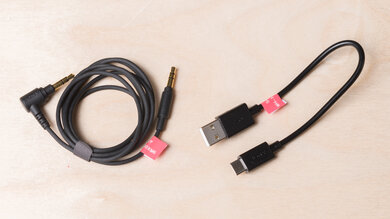
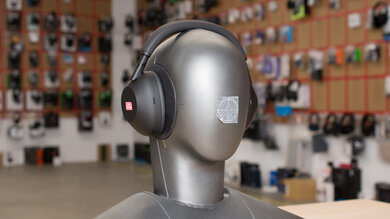
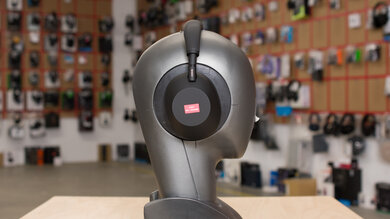
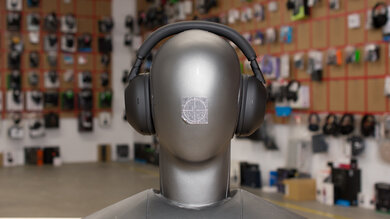
Average for mixed usage. The Sony MDR-1A are best used for critical listening but deliver a comfortable and lightweight design that's not too leaky at higher volumes. They're a decent option for the office and a suitable choice for gaming since they have an audio cable with a microphone that will work with your consoles. However, they do not isolate enough for some loud environments so they won't be the ideal headphones for commuting and since they're wired, they won't be as convenient to use on a daily basis as the other wireless headphones we've tested.
- Great audio reproduction.
- Lightweight and sturdy build quality.
- Comfortable fit.
- Poor noise isolation.
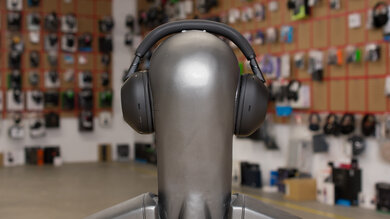
- Slightly bulky and unstable design.
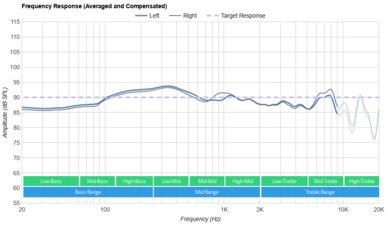
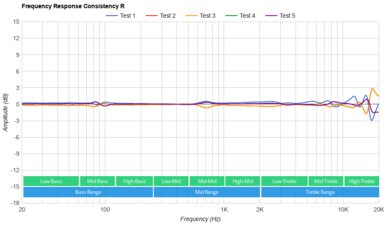
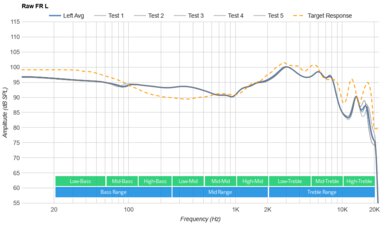
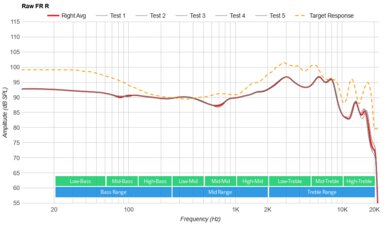
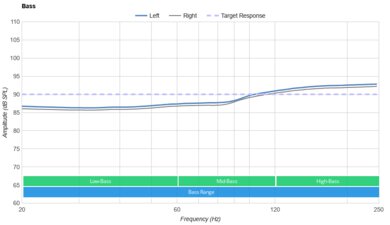
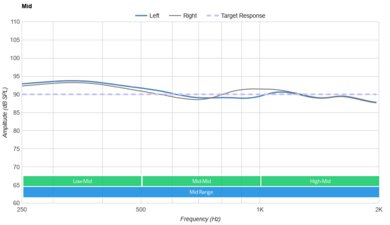
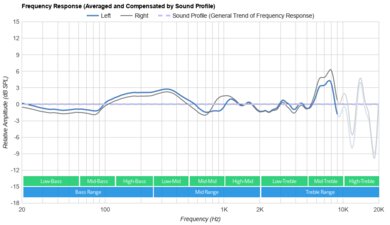
The Sony MDR-1A are great headphones for neutral listening. They have a well-balanced frequency response that packs enough bass without drowning the instruments and vocals on any track. They're also lightweight and super comfortable so you can have them on for hours and not feel the fatigue that some other headphones induce after a long listening session. However, they have a closed-back design, so they won't have the same ambiance as open headphones, which some neutral listeners are looking for.
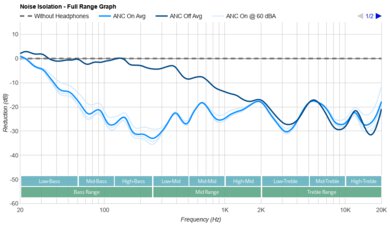
Mediocre for commuting. They do not isolate well in loud environments, so they won't be ideal for the level of noise typical on public transits. However, they're comfortable and have a simple to use if slightly limited control scheme.
Mediocre-at-best for sports. They're comfortable and easy-to-use but do not have a stable enough fit to exercise with. Also like most closed back over-ear headphones, they are not the most breathable and will make you sweat a bit more than average during more intense workout routines.
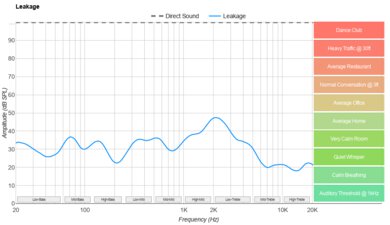
Average for office use. The Sony MDR-1A don't leak much at moderate volumes and have a comfortable design you can wear for hours without getting tired. However, they do not block a lot of ambient noise so if you have a loud and lively office then they may not be the most suitable headphones for that use case.
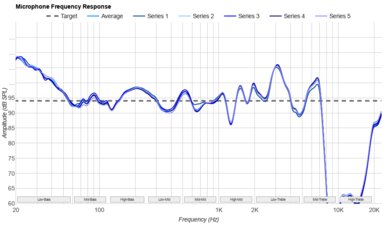
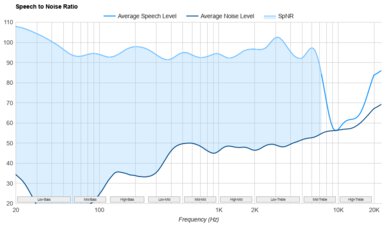
Decent for gaming. They have a good sound, a comfortable design, and a somewhat decent in-line microphone that will work with the PS4 and Xbox One. However, they won't be as convenient as wireless gaming headsets, and they are not customizable, so you won't be able to tweak their sound profile to match what the game you're playing.
Changelog
- Updated Mar 24, 2020: Converted to Test Bench 1.4.
- Updated Nov 21, 2019: Converted to Test Bench 1.3.1.
- Updated Nov 21, 2019: Converted to Test Bench 1.3.
- Updated Feb 16, 2018: Converted to Test Bench 1.2.
Check Price
Popular Headphones Comparisons

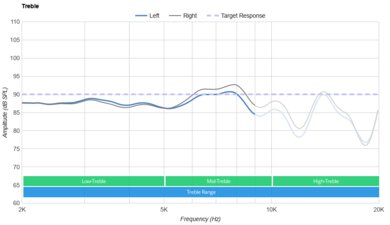
The Sony MDR-1A are very comfortable critical listening closed-back headphones with a sturdy but surprisingly lightweight design. They look great and deliver a well-balanced sound quality that packs a good amount of bass without over-powering the instruments and vocals in the mid-range. They can sound a bit sharp with some already bright tracks due to the peak in the treble range, but overall they're a good option for critical listening as long as you don't mind losing a bit of soundstage since they're closed-back headphones. Unfortunately, although they're a good choice for most listeners, they are a lot more expensive than some of the options available below. See our recommendations for the best audiophile headphones, the best closed-back headphones and the best bass headphones.
The Sony MDR-1A are a better closed-back critical listening headphones than the Sony MDR-7520. The 1As are a lot more comfortable and sleeker looking than the 7520s. The 1A also have a better-balanced sound than the 7520s. They pack a bit more bass and do not sound as sharp on already bright tracks. On the upside, the 7520s feel a bit more durable than the 1As.
The Sony MDR-1A are a slightly better headphone than the Sennheiser Momentum 2.0. The Sonys have a much more comfortable over-ear fit than the Sennheisers. They're also a bit better built with durable materials that are a lot lighter than the Sennheisers' build quality. They also have a better sound quality that's more balanced with the higher frequencies and does not sound as dark. On the upside, the Sennheisers leak a lot less which make them a bit more suitable for noise sensitive environments like the office.
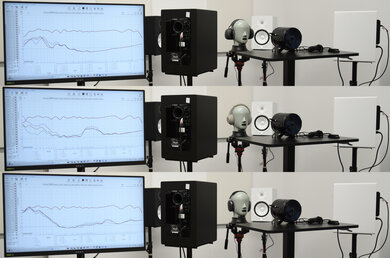
Our How We Test Headphones article takes you behind the scenes in our lab. You'll learn how we choose and purchase products and dive into the details of our review philosophy, from testing and scoring to writing and editing.
You can also discover how we produce recommendations like this one so that you can find the best headphones (or earbuds!) for your needs.
Test Results

for pictures & test results

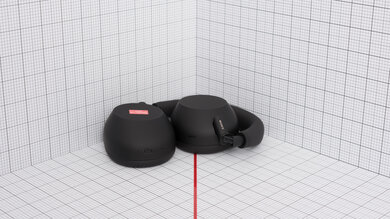
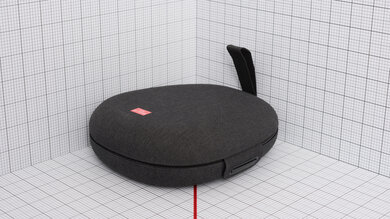
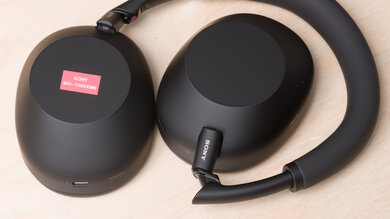
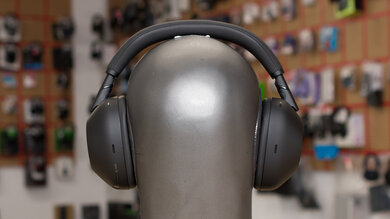
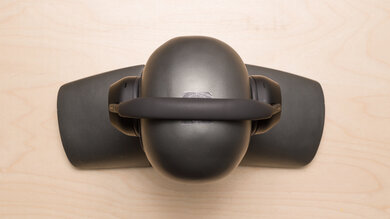
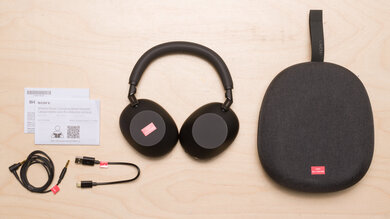
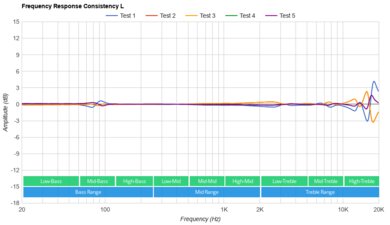
for pictures & test results
for pictures & test results
for pictures & test results