Our Verdict
Above-average for neutral listening. The Sony WH-1000XM2 do not have the treble inconsistencies of the MDR-1000X. They also benefit from a good parametric equalizer that you can access through the app to personalize their sound profile. Unfortunately, their mid-range is not as balanced as the MDR-1000x and since they're very isolating they do not have the soundstage of more neutral listening oriented headphones. Lastly we have yet to test their sound quality codecs.
- Excellent noise cancellation.
- Great active features and app support.
- Comfortable and premium looking design.
- Poor latency for watching videos.
- Not ideal for making calls.
Good for commuting. The Sony WH-1000XM2, like the MDR-1000x, have one of the best noise cancellation that we've tested so far. They will block enough noise to be suitable for most public transits, they're comfortable and have a good control scheme. However, they're a bit bulky so they won't be the easiest to carry around on your person.
- Excellent noise cancellation.
- Great active features and app support.
- Comfortable and premium looking design.
- Poor latency for watching videos.
- Not ideal for making calls.
Decent for sports. They're a bit bulky and will make your ears a bit warm after a while. But they're comfortable, have a decent control scheme, and they're stable enough for jogging. They just won't be ideal for very intense exercises and workout routines due to their breathability, stability and size.
- Excellent noise cancellation.
- Great active features and app support.
- Comfortable and premium looking design.
- Poor latency for watching videos.
- Not ideal for making calls.
Good for office use. They block a lot of noise which is ideal if you have a lively office and need to cancel some of the ambient chatter. They're comfortable and don't leak much but may be a bit distracting if you like to listen to music at higher-than-average volumes.
- Excellent noise cancellation.
- Great active features and app support.
- Comfortable and premium looking design.
- Poor latency for watching videos.
- Not ideal for making calls.
Sub-par for gaming. The Sony WH-1000XM2 are comfortable, they have an above-average sound and have a good wireless range. Unfortunately, they have a poor mic quality and a lot of latency which is not really suitable for gaming. They also tend to make your ears a little warm during long gaming sessions and are not compatible with consoles via Bluetooth.
- Excellent noise cancellation.
- Great active features and app support.
- Comfortable and premium looking design.
- Poor latency for watching videos.
- Not ideal for making calls.
- Excellent noise cancellation.
- Great active features and app support.
- Comfortable and premium looking design.
- Poor latency for watching videos.
- Not ideal for making calls.
Changelog
- Updated Dec 20, 2022: Converted to Test Bench 1.5.
- Updated Feb 07, 2022: Added Sony's 360 Reality Audio feature to Virtual Soundstage.
- Updated Mar 11, 2020: Converted to Test Bench 1.4.
- Updated Nov 21, 2019: Converted to Test Bench 1.3.1.
Check Price
Popular Headphones Comparisons
The Sony WH-1000XM2 are a well-built and premium looking noise-canceling headset. They have a good sound and lots of customization options thanks to the new app support. They're also one of the best noise canceling headphones we've measured which makes them a good choice for commuters and travelers. However, their bulky design might not be as versatile as some of the headphones they are often compared to. See our recommendations for the best wireless headphones, the best closed-back headphones, and the best noise cancelling headphones.
The Sony WH-1000XM4 Wireless are better headphones than the Sony WH-1000XM2 Wireless. The WH-1000XM4 are more comfortable, their ANC can block out even more background noise, and their continuous battery life is longer, too. You can also pair them with up to two devices at a time.
The Sony WH-1000XM2 Wireless are a slightly better wireless noise cancelling headset than the Bowers & Wilkins PX Wireless. The Sony are a bit more comfortable and not as tight on the head as the PX. They also have a more customizable app that gives them a lot more control over their noise cancellation, and a better sound profile than the Bowers & Wilkins. On the upside, the Bowers and Wilkins are better built and look and feel more premium than the Sonys. They also have a lower leakage level, which makes them more suitable for noise-sensitive environments than the WH-1000XM2.
The Sony WH-1000XM3 are a better headset than the Sony WH-1000XM2, although not by much. The XM3 have a more comfortable over-ear fit thanks to the headband redesign and softer ear cup pads. They also have better noise cancellation, mostly due to their lower self-noise, and a better battery life performance, with a customizable auto-off timer and a quick charging USB type C connector. This makes them a bit more convenient in case you forget to charge them overnight. On the other hand, the XM2 now offer a better value for your money since they are now at a lower price point than the XM3. They also have a great noise isolation performance and a decently well-balanced sound quality that's not very different from the XM3. Their metal headband also feels slightly more unique than that of the XM3 and gives them a slightly more classy look and feel.
The Sony WH-1000XM2 are a slightly better headset than the Sony MDR-1000X, but not by much. The WH-1000XM2 have a more customizable sound and better control over their noise cancellation feature than the original MDR-1000X, thanks to the headphone's Connect app. The XM2 have also received fewer complaints about poor build quality with the headband, making them a bit more durable overall than the older model. On the other hand, the Sony MDR-1000X do better in the mid-range, although not by much, especially since you can customize the sound of the XM2. But on the upside, they're a bit more affordable since they are the older generation of the same headset.
Test Results
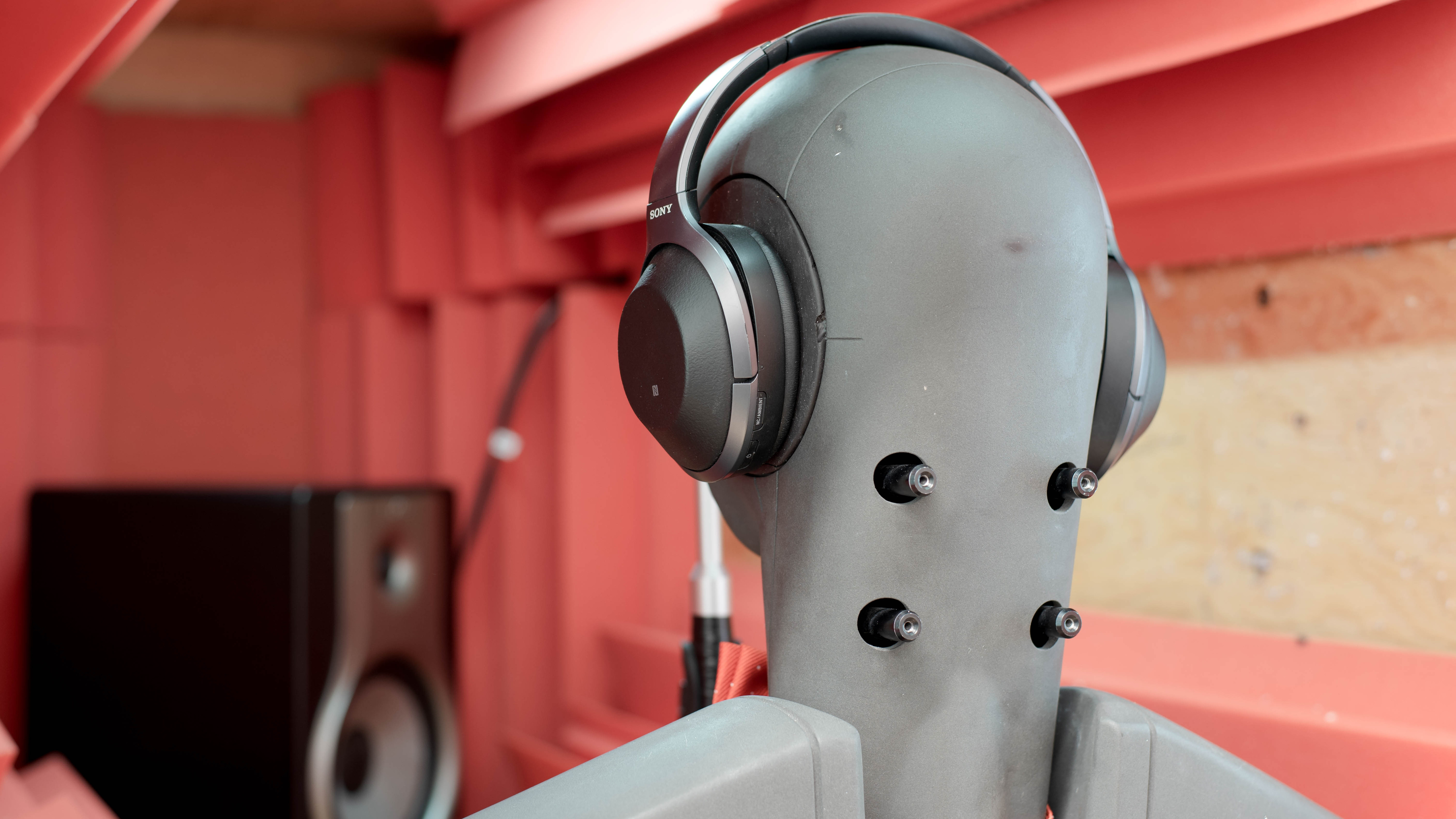
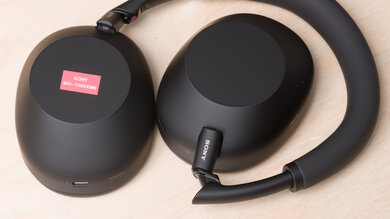
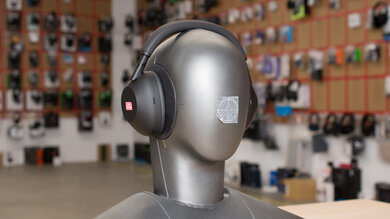
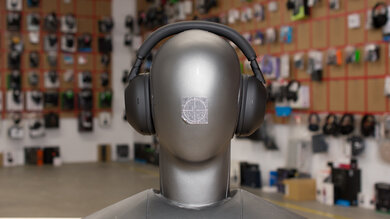
The Sony WH-1000XM2 look quite similar to the MDR-1000X. They have slightly softer padding, but you won't be able to notice the difference by just looking at them. One of the few changes in their design is their color scheme. They have a two-tone black and grey finish, and the ear cups have a slightly matte and rubbery coating that makes them stand out a bit more than the original model. However, they're not very distinguishable from one another at a distance.
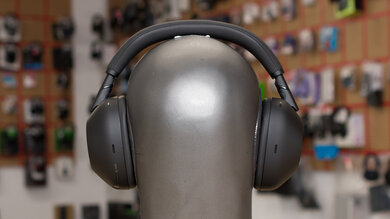
The Sony WH1000XM2 have slightly better padding on the ear cups but are not distinctively more comfortable than the original MDR-1000X. The ear cups are large and fit well around most listener's ears without being too tight. The headband isn't as generously padded but doesn't put much pressure on the head. They're comfortable enough to wear for long listening sessions and the better padding of the ear cups means they will be less fatiguing after a few hours.
The Sony WH-1000XM2, like the MDR-1000X, have a good, tactile control scheme that offers a decent amount of functionality. They provide touch sensitive controls for volume, call/music, and track skipping. Additionally, they also offer aware modes to reduce the noise cancellation. Unlike the previous models though, the noise cancellation button now doubles as the aware/ambient modes switch. However, they still have the somewhat unique hand gesture that allows you to momentarily stop all audio and hear an on-going conversation by covering the right ear cup. Unfortunately, the touch-sensitive control scheme is not as precise as physical buttons which may cause a couple of accidental inputs.
The Sony WH-1000XM2, like most closed back over-ear headphones, are not the most breathable design to take to the gym. They create a good seal around your ears which prevents a lot of airflow and therefore make you sweat a bit more than usual especially if you're doing more demanding exercises. They should be fine for more casual uses only warming your ears after extended listening sessions, but they will not be ideal for running and working out.
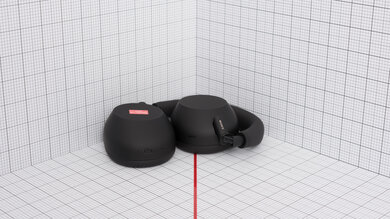
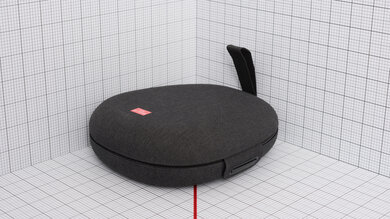
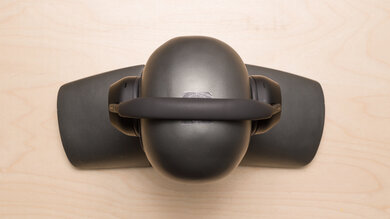
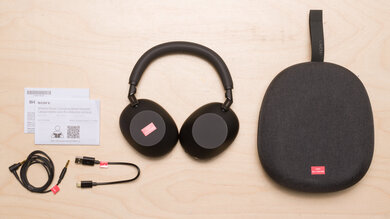
The Sony WH1000XM2 are the same size as the MDR-1000X. They also fold into a more compact format which makes them somewhat portable but a bit difficult to carry around on your person. They will easily fit into a bag or backpack and they come with a pretty good and sturdy case.
The Sony WH-1000XM2 are well-built premium looking headphones. The ear cups are dense, well-made and feel durable. The headband is also a nice blend of metal and plastic that gives it a unique look and a flexible design. However, like the previous model the hinges and the part of the headband that connects to the ear cups are still plastic. This means they may also be susceptible to the headband defect that caused the original MDR-1000x to receive a lower score. However, until we receive more reports on the WH-1000xm2 headband having the same issue as its predecessor, we will continue monitoring its durability and update the score accordingly.
The Sony WH1000XM2 are stable enough for a light jog but will not be the ideal headphones for working out and exercising. Their wireless design and slightly tight fit make them a bit more stable since their less likely to fall off your head because the audio cable got hooked on something. However, because the ear cups are moderately heavy and stick out a bit, they will sway a lot depending on the intensity of your work out routine.
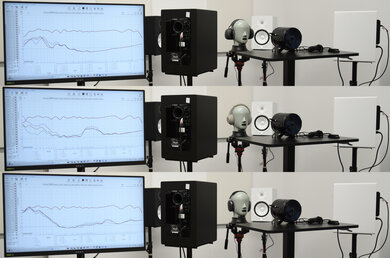
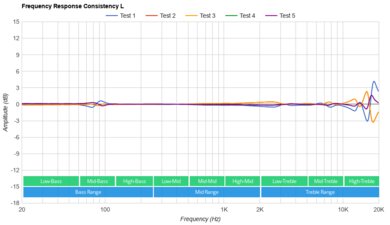
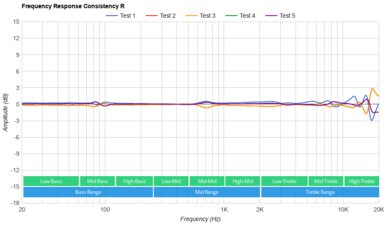
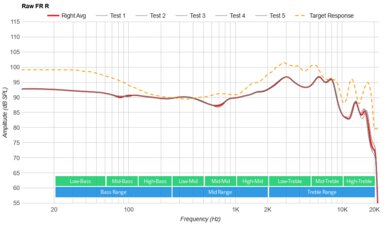
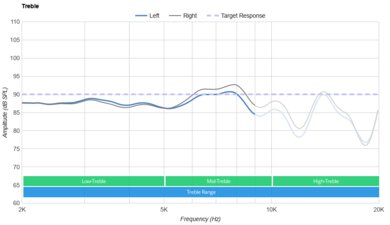
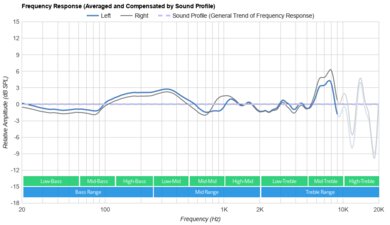
The frequency response consistency of the Sonys are very good. Similar to the MDR-1000X and QuietComfort 35, the Sony WH1000XM2 seem to be using its noise cancelling system to check for bass consistency. Therefore, in the bass range they perform extremely consistently across our five human subjects. In the treble range, they are decently consistent, but not as much as the bass range, showing about 6dB of deviation between 2KHz and 10KHz. This results in a consistent delivery of bass and treble across multiple users and re-seats.
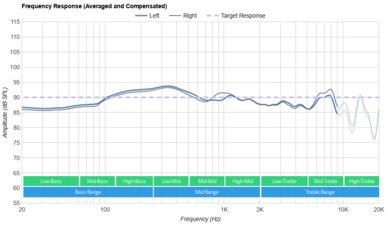
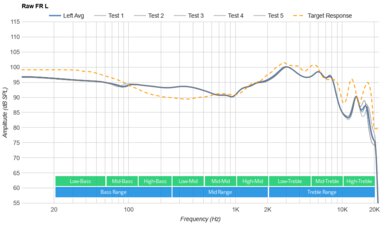
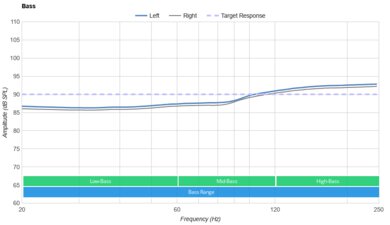
The bass of the Sony WH-1000XM2 is very good. Their LFE (low-frequency extension) is at 10Hz, which means they are able to produce low thumps and rumbles. Also, the entire response is virtually flat across the bass range, but consistently over our target by more than 2dB, especially in high-bass. This results in an extended and punchy bass, but with the downside of sounding a bit boomy and cluttered.
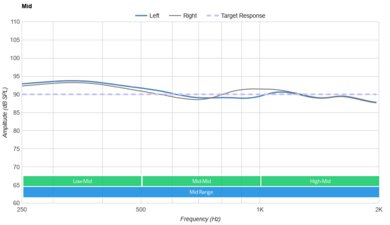
The mid-range performance of the Sony WH-1000XM2 is good. Low-mid is flat but with a negligible tilt favoring lower frequencies. The bump in high-mid brings and vocals/leads slightly to the front of the mix. Overall, the mid-range is slightly more forward sounding than that of the MDR-1000X.
The Sony WH-1000XM2 have a very good treble range performance. Low-treble and mid-treble are flat and within 2dB of our target response. This ensures a balanced reproduction of vocals and leads. In high-treble, these headphones have fixed the steep roll-off issue that the MDR-1000X had and although this will give more "air" to the treble of XM2, the effect will be quite subtle.
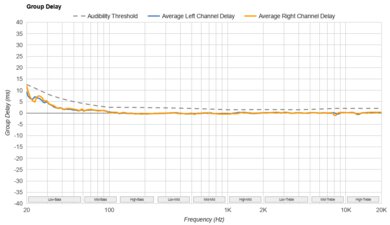
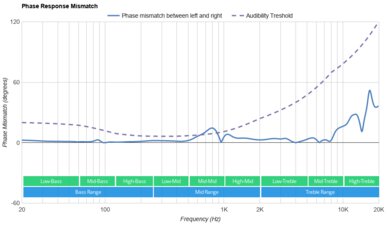
The Sony WH-1000XM2 have great imaging. Their weighted group delay is 0.15, which is very good. The graph also shows that the entire group delay is below our audibility threshold, which was not the case with the MDR-1000X. Our L/R drivers of our test unit was also very good in terms of frequency, amplitude, and phase matching. This is important for proper and accurate localization of objects (such as voice, footsteps, and instruments) in the stereo field.
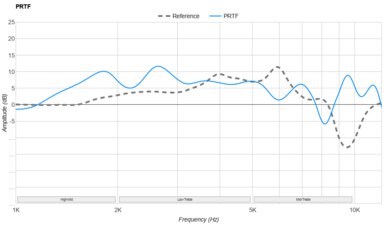
The soundstage of the Sony WH-1000XM2, like most other closed-back over-ear headphones, are poor. The PRTF response shows a good amount of pinna activation, which suggests a relatively large size for the soundstage. However, the peak in the PRTF around 2.5KHz could indicate a soundstage that feels a bit unnatural. Also, there's not a notch in the 10KHz region, which could result in the soundstage to be perceived as located inside the head.
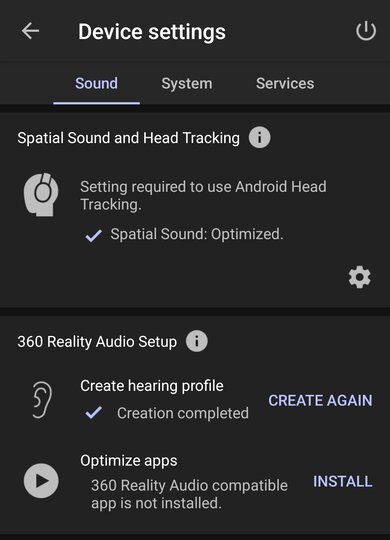
Update 02/07/2022: The Sony WH-1000XM2 are compatible with Sony's 360 Reality Audio feature, which you can control in the companion app. In addition to Virtualphones Technology (VPT) and Sound Position Control, 360 Reality Audio can offer better sound quality. However, you need to subscribe to services that support this feature and use compatible files. We have updated our review to reflect these changes.
These headphones have a couple of virtual soundstage features. The Sound Position Control feature allows you to adjust the position from which you hear audio. There's also Virtualphones Technology, a special acoustic effect developed by Sony to help create a more out-of-head soundstage, and 360 Reality Audio, which can improve audio quality. However, to use the 360 Reality Audio feature, you need to subscribe to services like Tidal or Nugs.net and use compatible audio files.
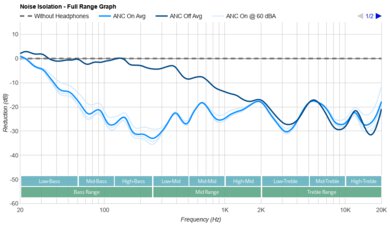
The active noise cancelling (ANC) system of the Sony WH-1000XM2 is excellent. They perform nearly identical to the 1000X, within our margin of error. They achieve about 19dB of isolation in the bass range, which is important for cancelling out the rumble of airplane and bus engines. In the mid-range, where the bulk of speech sits, their reduction is more than 26dB. In the treble range, important for cutting out sharp S and T sounds, the Sonys achieve a isolation of 40dB, which is great.
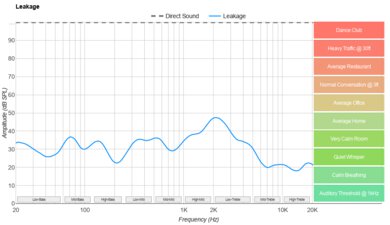
The Sony WH-1000XM2 have an average leakage performance. The significant portion of leakage sits between 500Hz and 2KHz, which is a relatively broad range and will sound fuller than that of in-ears and earbuds. The overall level of leakage is not very loud either, but it would be audible to people around you at loud volumes and in quiet environments.
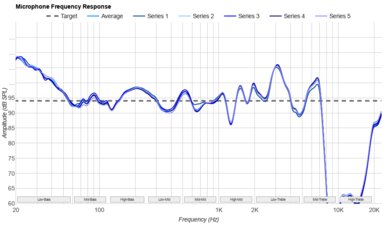
The recording quality of the Sony 1000XM2's mic is mediocre. The LFE is at 276dB, meaning recorded voice will sound slightly thin. HFE is at 3.2KHz resulting in the recorded speech to lack presence and detail. The frequency response between LFE and HFE is also quite inconsistent. Overall, speech may not be easily intelligible with them over the phone.
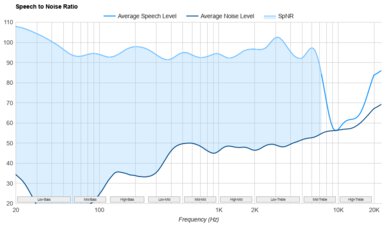
The microphone on the Sony WH-1000XM2 has sub-par noise handling as it achieves a speech-to-noise ratio of only 6.5dB, which is quite low. This means that the Sony won't be able to separate speech from noise in environments with even moderate amount of ambient noise.
The Sony WH-1000XM2 have a good battery life that will last you all day. They also have a quick charge feature that provides about 50 mins worth of playtime from a 10 mins charge. However, they take quite a while to fully charge at 3.6 hours, and they also don't automatically switch off anymore when they're connected to a Bluetooth source, and the adaptive sound is disabled. This is a partial fix that does not resolve the auto-off issue of the original MDR-1000X. When not connected to a Bluetooth source, they switch off within 5 minutes to save power, which is decent but flawed. Ideally, a timer feature in the app would have been a great addition.
Update 03/12/2020: The app score has been updated to match the WH-1000XM3's since they support the same in-app features.
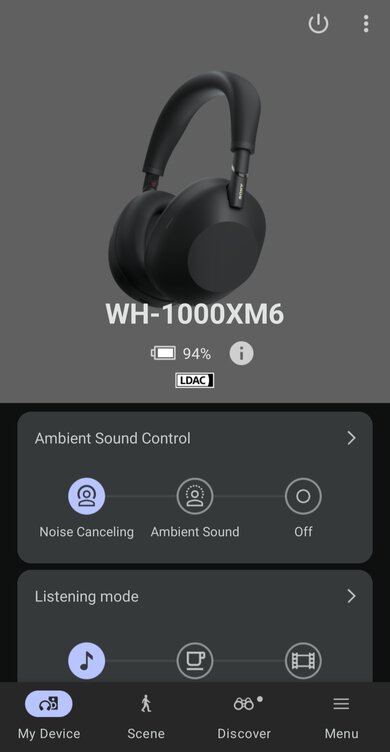
The Sony WH-1000XM2 support the Sony| Headphones Connect app which gives them a lot more versatility and control options than the MDR-1000x. The app is well designed, easy-to-use and offers quite a few features that aren't common even for other wireless noise-canceling headphones. It gives you live data on the adaptive noise canceling. You can also calibrate the ANC directly in the app instead of holding the NC/ambient button. There's a great graphic equalizer with presets, an in-app media player, as well as room effects and sound positioning options. The only thing really lacking in this app is an auto-off timer, but overall it's an excellent addition to these headphones.
The Sony WH-1000XM2 do not have simultaneous multi-device pairing like the Bose QuietComfort 35. But on the upside, they do support NFC which makes pairing with smartphones a bit easier.
These headphones do have a fair bit of wireless latency, but it's within normal ranges for Bluetooth headphones. They might not be ideal be ideal for watching videos on your phone, but some apps and devices do compensate for latency so it might not be very noticeable.
These headphones don't have a non-Bluetooth wireless connection.
The Sony WH-1000XM2 do not have a base/dock. If you want a versatile headset with a base that you can also use wired check out the SteelSeries Arctis 7 2019 Edition Wireless.