
The Toshiba EM131A5C-BS is a lower-end countertop microwave. Unlike some other budget-friendly, medium-sized options, it has a steam sensor that allows the microwave to automatically adjust the cook time. It's also possible to mute the controls.
Our Verdict
- Heats food quickly.
- Steam sensor and mute function.
The Toshiba EM131A5C-BS is a very fast 1100-watt microwave. Some microwaves, like the Panasonic NN-SC67NS, can heat food faster, but not by much.
- Heats food quickly.
- Steam sensor and mute function.
Changelog
- Updated Feb 24, 2026: Version 1.1 of our microwave test bench adds a score for Internal Capacity and adds tests for Ease of Use and In-Use Noise. For a more detailed breakdown of the changes, see our full changelog.
- Updated Jul 10, 2024: Review published.
Check Price
Differences Between Sizes And Variants
This microwave is available in 'Black Stainless Steel' and 'Stainless Steel.' We tested the 'Black Stainless Steel' variant, and you can see the label for the unit we tested here.
If you come across another variant, let us know in the comments, and we'll update our review.
Popular Microwave Comparisons
The Toshiba EM131A5C-BS is a budget-friendly countertop microwave. Its design is almost identical to the Toshiba EM925A5A-BS, but it's bigger than that model and comes equipped with a steam sensor, which can make microwaving a bit more automatic. This 1100-watt microwave heats food very quickly, but if you want maximum speed, you might prefer something with a bit more power, like the 1200-watt Panasonic NN-SN67HS, which is about the same size and has many of the same features.
If you're looking for other recommendations, check out the best microwaves and the best over-the-range microwaves.
The Toshiba EM131A5C-BS and the Panasonic NN-SN68QB are both medium-sized microwaves. While the Panasonic cooks slightly faster, the Toshiba is easier and more convenient to use, making it a better choice overall. Both microwaves use a membrane touch panel, which is typical of budget options, but the Toshiba makes it easier to start both simple and more complex cooking tasks. You can start cooking for three minutes at 100% power with a single button press, and while it takes more effort to dial in your cooking settings, it's still easier than with the Panasonic. Both include a cooking sensor and operate very quietly.
The Toshiba EM131A5C-BS is a better microwave than the IKEA GÅTEBO for most people. It's more powerful but also quieter, so it cooks food a little faster without making as much noise. It also has a larger internal capacity, so it fits bigger dishes. Both microwaves are equally easy to use, but the Toshiba has a cooking sensor that can make tasks like heating a beverage or a ready-made meal easier. That said, the IKEA is a combination model that also offers convection cooking, air frying, and grilling, so you may still prefer it for the additional functions.
The LG NeoChef MSER2090S is a better microwave than the Toshiba EM131A5C-BS for most people. It's a bit more powerful and offers a much larger internal capacity, so you can use it to heat larger dishes, like a lasagna or casserole. The LG has a glass touch panel, which is more responsive than the Toshiba's membrane touch panel. It's easier to set simple cooking programs with the Toshiba, but slightly easier to dial in the cooking settings with the LG. The Toshiba is quieter, however, so you may prefer it for that reason, or if you don't need as much cooking capacity.
Test Results
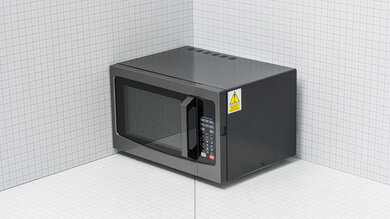
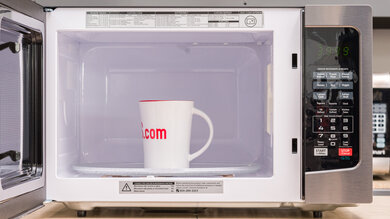
It has a medium-sized cooking chamber, so it's good for heating food on dinner plates or bigger bowls but won't fit something like a full-sized lasagna. It's quite easy to see into the cooking chamber when the door is closed.
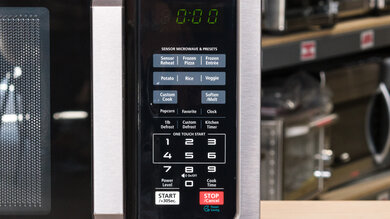
This microwave has several sensor heating programs, where the microwave detects steam to automatically calculate the cook time. You can mute the controls and use its 'Eco Mode' to switch off the display when the microwave is in standby mode. There's a dedicated 'Favorite' button, which you can program yourself, and like most microwaves, it has a 'Popcorn' button, 2-stage cooking, and a defrost mode.
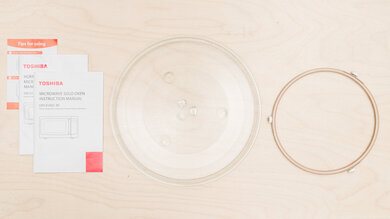
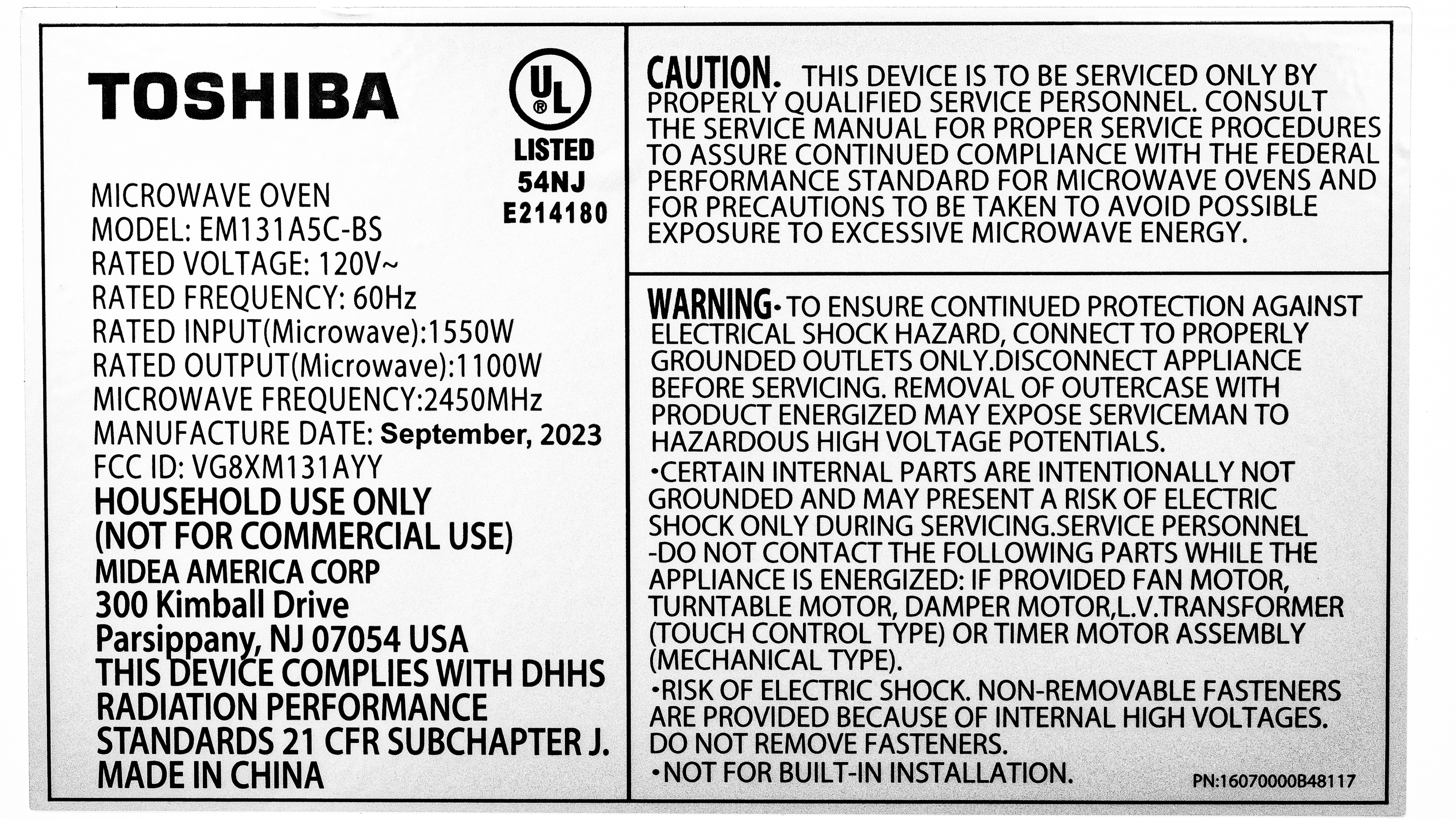
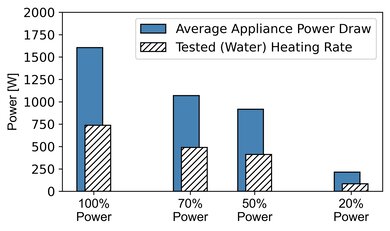
The manufacturer's website lists it as a 900-watt or 100-watt microwave. This appears to be a mistake, since in the manual and on the appliance label itself, its power is listed as 1100W.
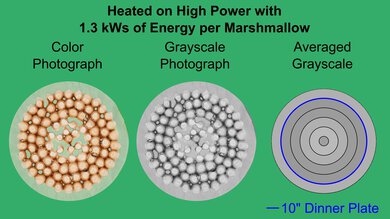
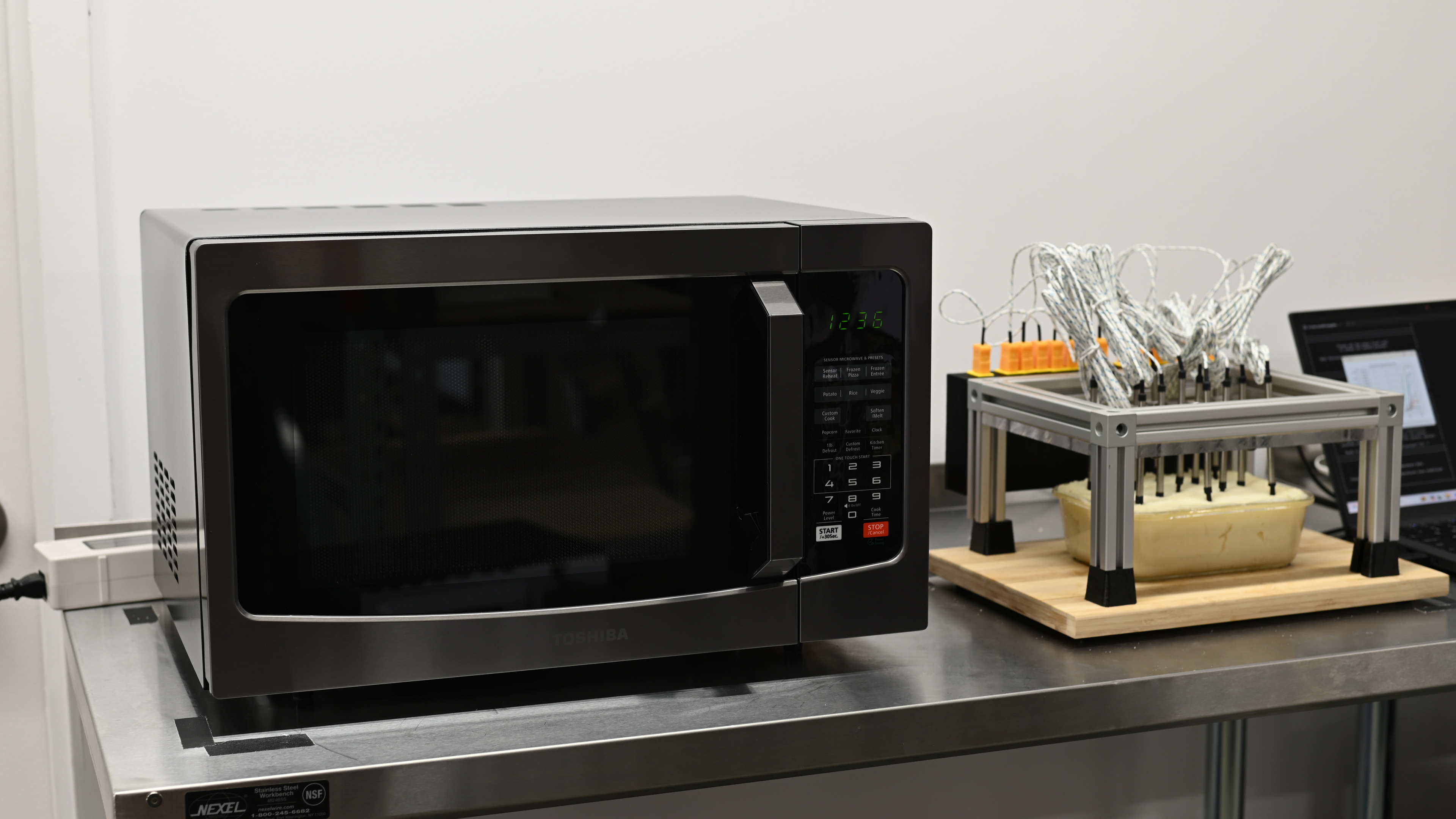
You won't notice a difference in performance between microwaves when it comes to heating evenness. Evenness depends on what you're heating, how much of it, and the placement of your dish. You can read more about our investigation into microwave performance here.
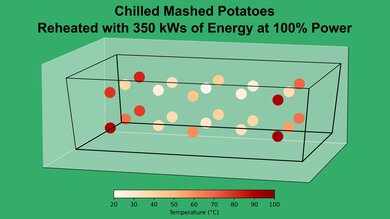
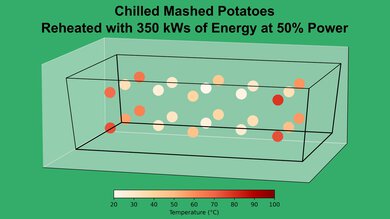
Like with shallow dishes, when heating food in deeper containers like bowls, evenness depends on your specific container, where you place it, and what kind of food you're heating. There isn't any significant difference between microwaves. You can read more about our investigation into microwave performance here.