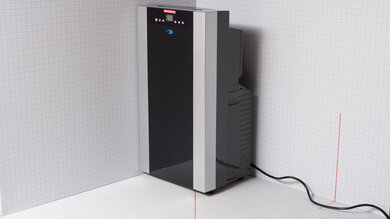
The Whynter ARC-14S is a dual-hose portable A/C designed for medium- to large-sized rooms, with an advertised coverage area of 500 ft² (46 m²). It features a dedicated dehumidification mode, and you can operate it using the control panel or the included remote control.
Our Verdict
The Whynter ARC-14S is decent for large rooms. Its capacity is sufficient for most living rooms and larger offices, but it'll struggle to cool bigger open-concept living spaces quickly. Its compressor is also rather loud, and it can be distracting if you have it running while watching TV or listening to music. This unit's power consumption is also quite high.
Relatively quiet at max settings.
Cooling capacity is sufficient for all but the biggest of spaces.
High compressor noise can be disruptive.
High power consumption while cooling and maintaining temperature.
The Whynter ARC-14S is a passable choice in bedrooms and other small rooms. It's a very bulky unit, making it a nuisance to squeeze into smaller areas. It's also relatively loud at lower settings and very power-hungry, and it can have a noticeable impact on your energy bill if you use it often in warmer months. It's simply oversized in terms of cooling capacity for small spaces: its compressor cycling can result in relatively big swings in the perceived humidity of a room, leading the space to alternate between feeling comfortably cool and cold and clammy.
Cooling capacity is sufficient for all but the biggest of spaces.
Does a decent job of maintaining desired temperature.
Struggles to maintain consistent humidity levels.
High compressor noise can be disruptive.
High power consumption while cooling and maintaining temperature.
Bulky dual hose design makes it difficult to set up in tighter spaces.
The Whynter ARC-14S's cooling capacity is great. It's powerful enough to cool larger living spaces in a relatively short time, though it could struggle a little in especially big open-concept areas.
Cooling capacity is sufficient for all but the biggest of spaces.
The Whynter ARC-14S's combined efficiency is mediocre. It consumes a lot of power while cooling a room, and because it uses a fixed-speed compressor, it cycles on and off rather than operating at a lower speed to maintain a consistent setpoint.
High power consumption while cooling and maintaining temperature.
The Whynter ARC-14S does only an okay job of maintaining ambient conditions. Its compressor cycling causes big swings in a room's ambient humidity, sometimes leaving the air feeling a bit clammy. Thankfully, swings around the desired temperature aren't as noticeable.
Does a decent job of maintaining desired temperature.
Struggles to maintain consistent humidity levels.
The Whynter ARC-14S is on the louder end of the scale. While its fan noise is moderately low overall, its compressor can be a nuisance, especially at lower settings, as it's significantly louder than the fan noise. While it's unlikely to wake most people up in the middle of the night, it can be distracting if you have it set up in a family room or entertainment space.
Relatively quiet at max settings.
High compressor noise can be disruptive.
The Midea Duo MAP12S1TBL is a very bulky appliance. The unit itself will be a tight squeeze in bedrooms or offices, and its dual-hose design can be a bit of a hassle to set up or stow away. At the very least, its caster-mounted wheels make it fairly easy to roll around.
Bulky dual hose design makes it difficult to set up in tighter spaces.
Performance Usages
Changelog
- Updated Sep 15, 2026: We've updated this review to Test Bench 1.1. which changes how we measure and score performance as a whole. The Capacity, Efficiency When Cooling, Efficiency When Maintaining Temperature, Temperature Stability, and Humidity Stability boxes have been updated. If you're looking for further details, see the Changelog.
-
Updated Jun 11, 2026:
We added a link to the newly reviewed Hisense Tower HIAP0825TWD in the Inside Noise section of the review for users seeking a quieter air conditioner.
-
Updated Jun 10, 2026:
We've added a link to the Whynter NEX ARC-1030WN in the Noise section of the review to provide an alternative that runs more quietly.
- Updated Jun 06, 2025: Review published.
Check Price
Differences Between Sizes And Variants
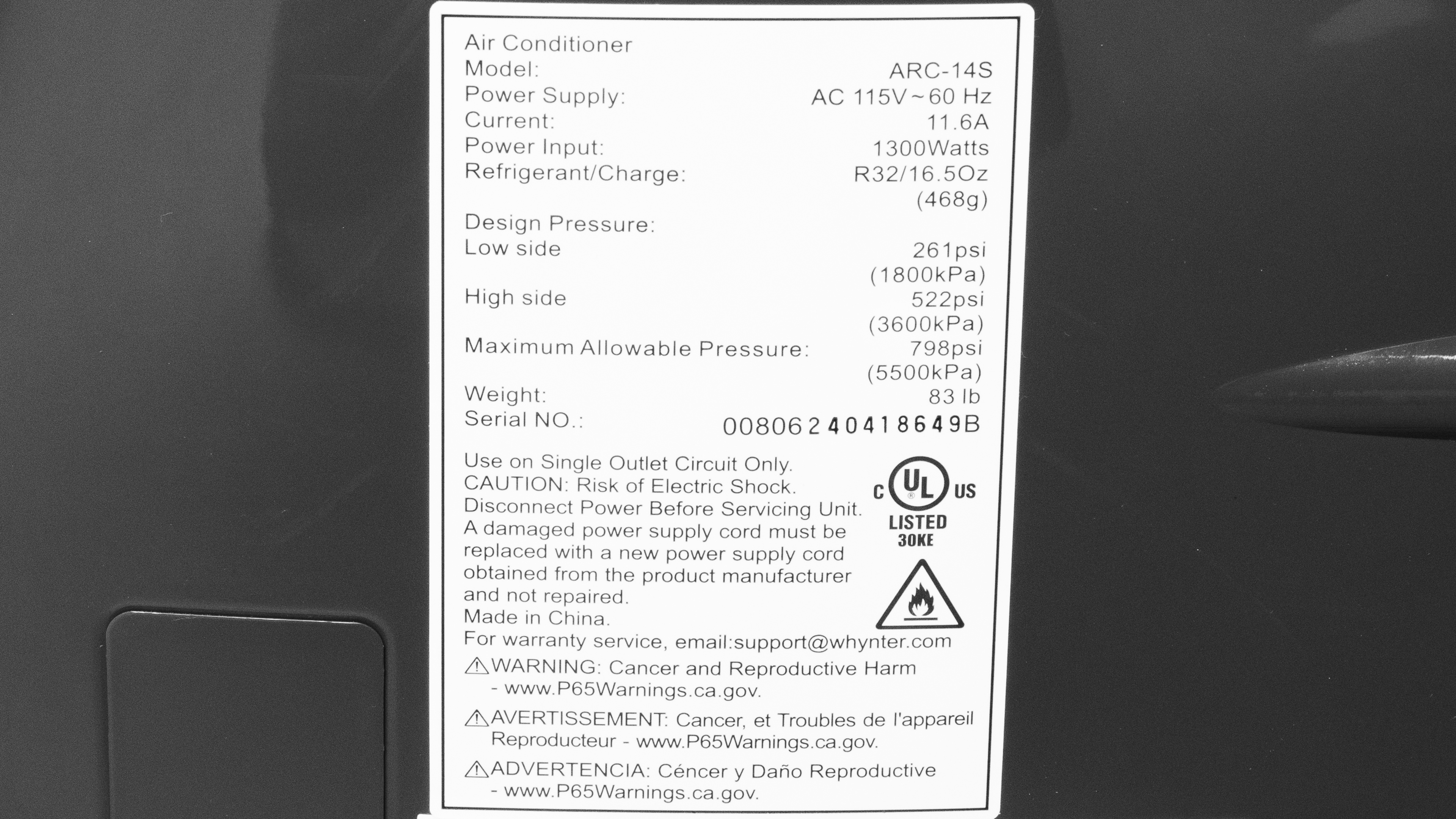
The Whynter ARC-14S is only available in one color variant: 'Black.' For those interested, here's a photo of the product label.
Let us know in the comments if you come across another variant of this air conditioner.
Popular Air Conditioner Comparisons
The Whynter ARC-14S is a dual-hose A/C, designed for medium-sized and large rooms. In terms of pricing and market positioning, it's squarely in line with a wide variety of other dual-hose models, some of which have inverter compressors, like the Midea Duo MAP12S1TBL or the brand's own Whynter NEX ARC-1230WN. The ARC-14S's lack of an inverter compressor is its biggest weakness, resulting in substantially higher power consumption, lower capacity, and more operating noise than those alternative products.
If you're looking for alternatives, see our recommendations for the best portable air conditioners, the best bedroom air conditioners, and the best air conditioners.
The Whynter NEX ARC-1230WN outclasses the Whynter ARC-14S in almost every respect. The NEX ARC-1230WN's inverter compressor gives it a major advantage in operating efficiency when maintaining a setpoint, even in undersized spaces: it can simply drop to a lower speed to match the required load instead of constantly cycling on and off. It's also much quieter at lower cooling settings.
The Whynter ARC-14S is simply flat-out better than the Whynter Elite ARC-122DS. The ARC-14S does take up a little more room, with a taller, wider body, but its slightly higher capacity mostly pays dividends in most situations. It cools most rooms faster, and its compressor isn't stressed as much when cooling larger spaces, improving overall energy efficiency. That said, the Elite ARC-122DS does pull ahead in terms of operating noise.
The Whynter ARC-14S and the Hisense AP1022HW1GD are pretty evenly matched A/Cs overall. Both are non-inverter, portable, dual-hose units designed for larger spaces, with near-identical cooling capacity. That said, the Hisense is also quieter and takes up less room.
Test Results
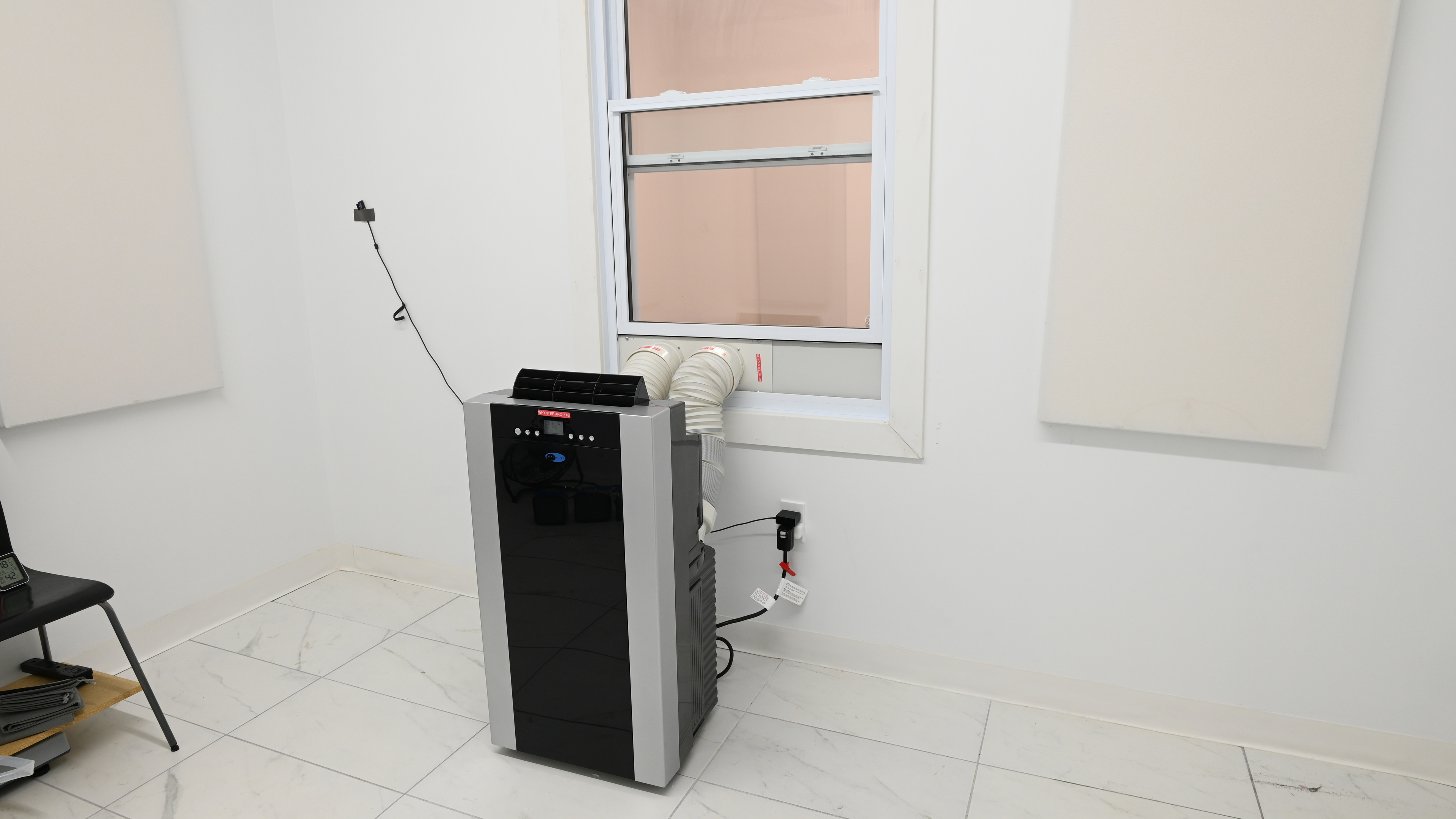
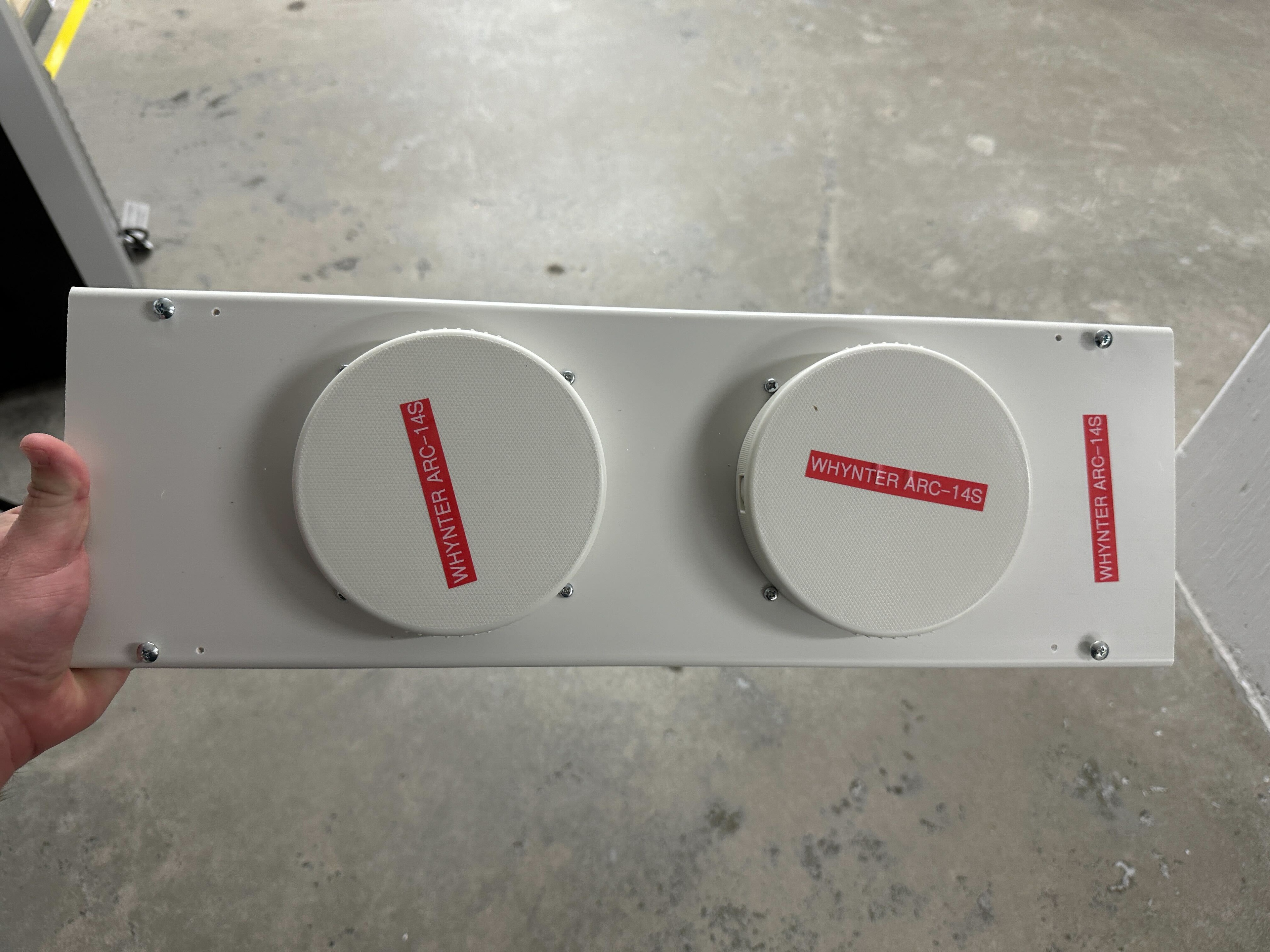
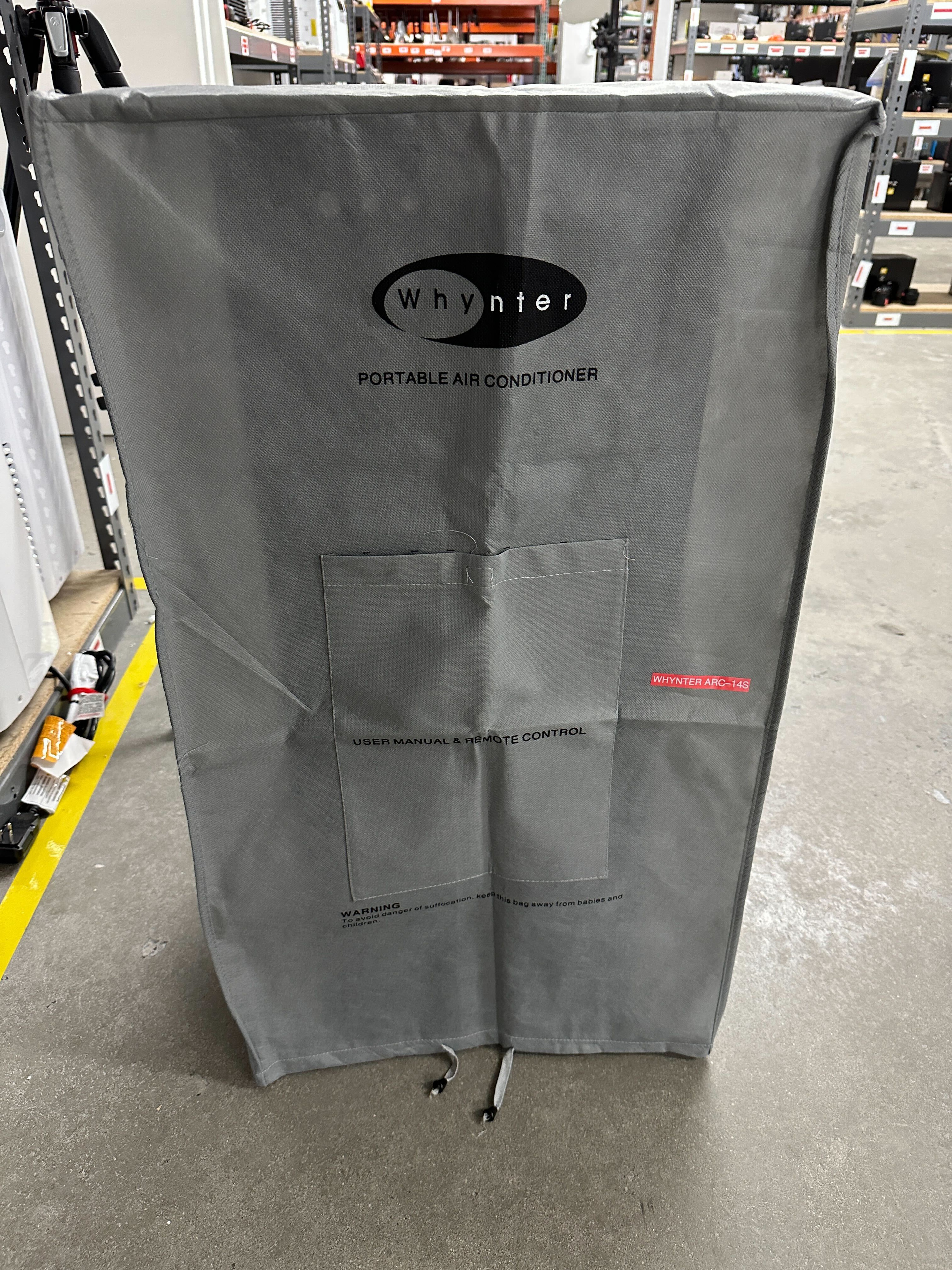
This A/C comes with additional covers for its hose ports for when the unit is stowed away, as well as a cover with an integrated pouch for storing the manual and user manual.
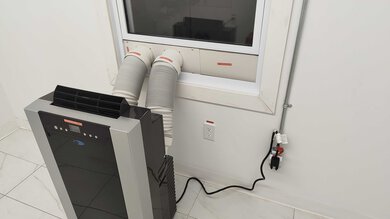
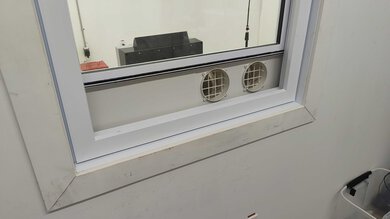
Like the similarly designed Whynter Elite ARC-122DS, setting this unit up can be tedious. The exhaust tubes require quite a bit of effort to snap onto the body, and they need to be screwed onto the window bracket instead of using a more common easy-snap system.
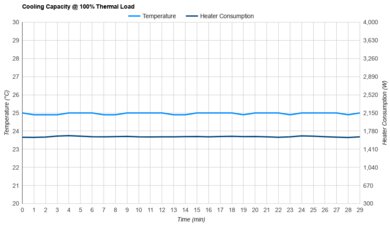
The Whynter ARC-14S has impressive cooling capacity. It's likely to struggle if you're using it to cool a large open-concept apartment on its own, but it's best suited to most living rooms, larger apartments, and offices.
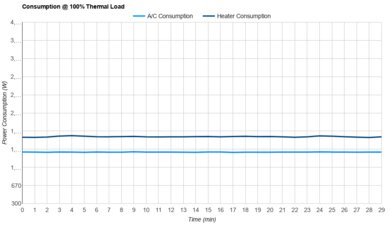
This unit's cooling efficiency is mediocre, especially for a higher-end dual-hose unit. Like the Whynter Elite ARC-122DS, it has high power consumption relative to its cooling capacity.
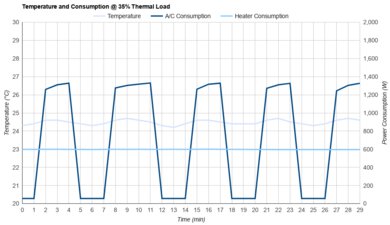
The Whynter ARC-14S's efficiency while maintaining your desired setpoint is disappointing. Its non-inverter compressor has to cycle very frequently to maintain the desired temperature, leading to high power consumption.
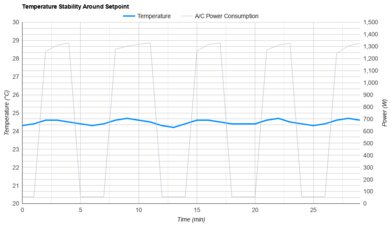
This unit does a decent job of maintaining your desired temperature. The cycling of its fixed-speed compressor does result in slight temperature fluctuations, but they aren't severe enough to be overly noticeable unless you spend a lot of time in the room it's cooling.
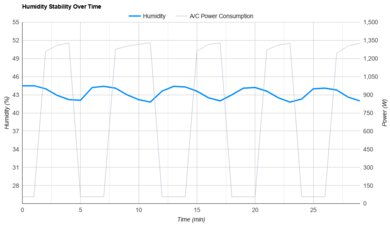
This A/C unit does a mediocre job of maintaining a stable humidity level. Its high capacity, combined with its compressor cycling, leads to noticeable swings in perceived humidity, making the air feel alternately cool and dry, and clammy and cold, particularly in areas where the surrounding environment is already rather humid. However, if you live in a more arid environment, you aren't as likely to notice these swings.
If you're worried about getting an A/C too large for your needs, consider a model with an inverter compressor, such as the Midea Duo MAP12S1TBL, or, if you have space for a window unit, the Midea U-Shaped MAW12V1QWT. Inverter compressors simply run at a lower speed rather than cycling on and off, allowing them to match the required load of a smaller space.
This A/C is somewhat noisy, especially at higher settings, which can be disruptive if you have the unit set up in a bedroom or living area. Consider an alternative with an inverter compressor, like the Whynter NEX ARC-1030WN or the Hisense Tower HIAP0825TWD, if low operating noise is a priority.
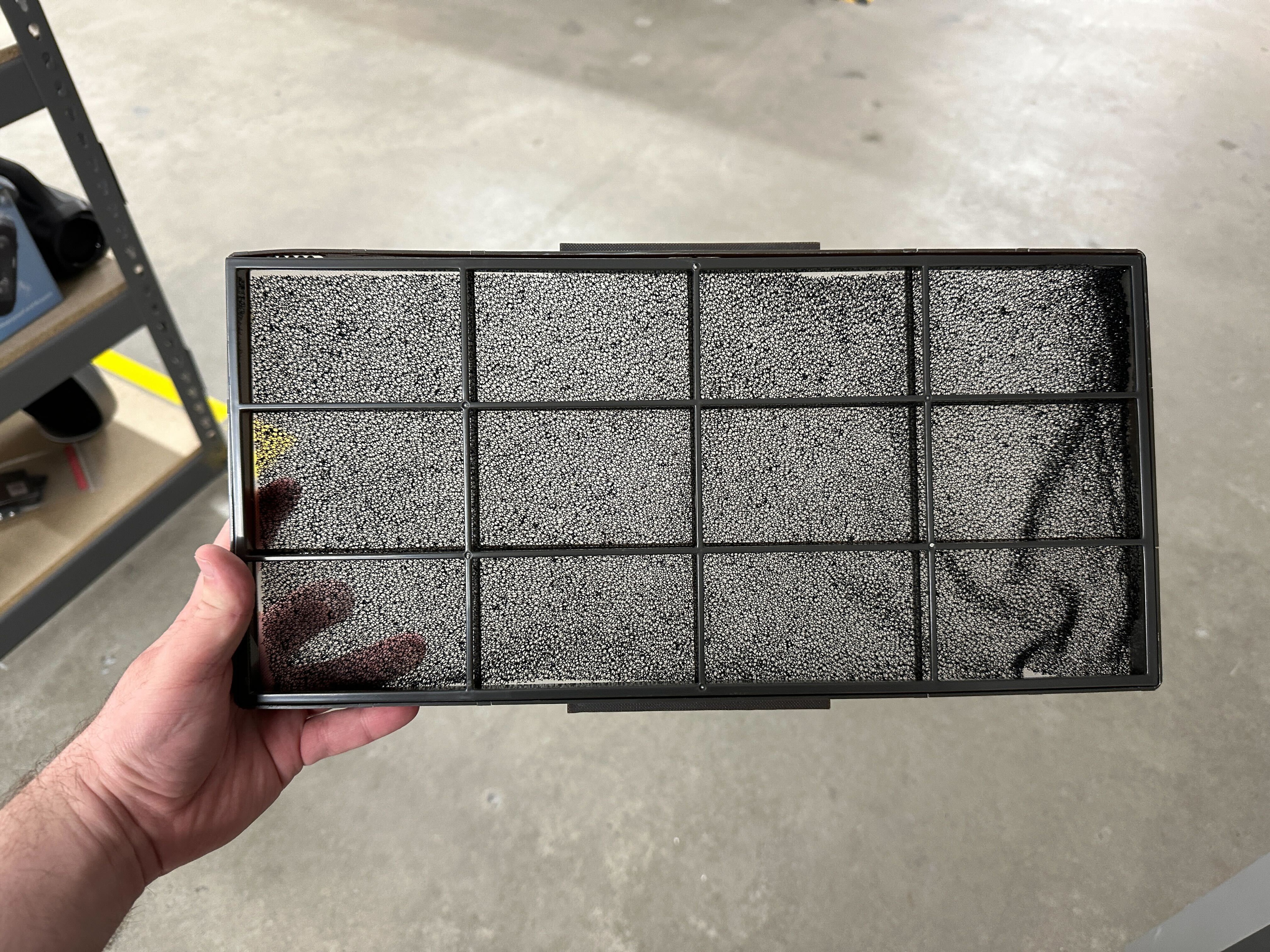
This unit comes bundled with an additional activated carbon filter that you can fit over the washable filter to minimize odors while the unit's running. It's the same filter included with the Whynter Elite ARC-122DS. Given the results of our investigation into air purifier filter quality, we expect this filter to be too insubstantial to have much of a real-world impact.