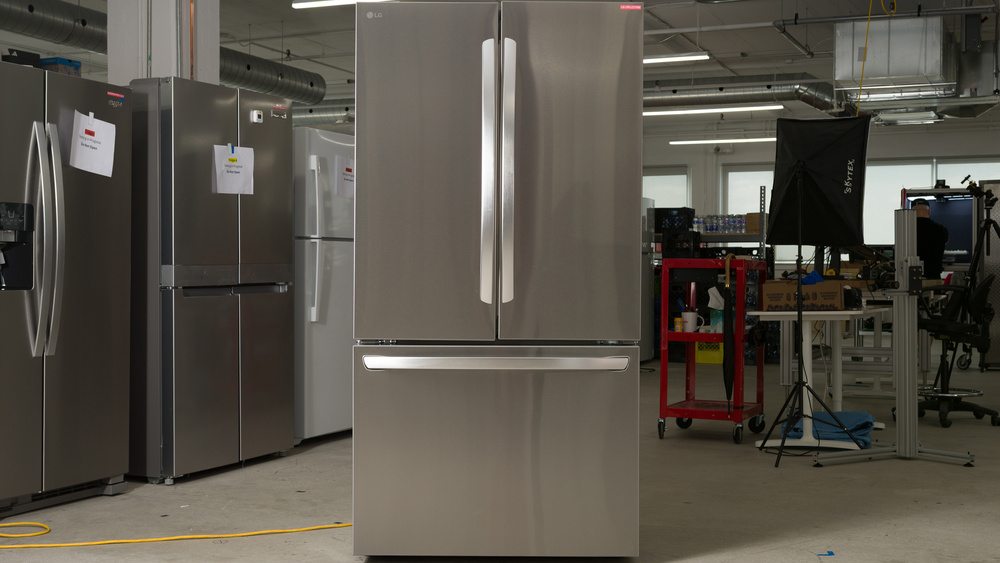
The LG LRFLC2706S is a mid-range 36-inch counter-depth French door refrigerator. LG advertises a high storage capacity in this counter-depth fridge, a design called Counter-Depth MAX. The refrigerator has many height-adjustable storage options, including split shelves and deep door bins. There's an unobtrusive water dispenser in the fridge and an ice maker in the freezer. A vent at the top of the refrigerator blows cold air downward, a feature Samsung calls Door Cooling+, which cools the door bins first and the rest of the fridge from the front to the back.
We've tested over 35 refrigerators. We purchase ourselves each unit independently from major retailers, just like you, to keep our reviews free of brand influence. Each refrigerator undergoes the same tests to measure objective metrics such as temperature uniformity, ice making, produce preservation, parts availability, and actual storage capacity, so you can easily compare results.
Our Verdict
The LG LRFLC2706S is a good option for everyday use. The refrigerator has excellent temperature uniformity in the main fridge compartment, ideal for milk or butter on any shelf. The freezer boasts outstanding temperature uniformity, thanks to the tight temperature control delivered by the inverter compressor. Frozen food will remain well frozen, and ice cream will stay consistently hard. The capacity in the fridge and freezer is good, especially considering this is a counter-depth fridge. Unfortunately, produce preservation is only passable, since the refrigerator gets quite dry and the produce drawers don't retain humidity well, which quickly leads to wilted lettuce and soft celery.
Remarkable temperature uniformity.
Good capacity, especially for a counter-depth design.
Multiple variable-height storage options for tall items like gallon milk jugs.
The LG LRFLC2706S delivers mediocre produce preservation performance. Its single evaporator for cooling leads to low humidity in the fridge. Since the produce drawer doesn't retain moisture very well, produce dries out, causing leafy greens to wilt, celery to go soft, and carrots to shrivel up fairly quickly.
Low fridge humidity due to a single evaporator.
Produce drawers don't retain moisture well.
The LG LRFLC2706S offers great refrigerator capacity, almost as much as a standard-depth fridge in a counter-depth design. It uses large door bins, an unobtrusive water dispenser in the fridge rather than a deep dispenser in the door, and an unusually tall, full-width deli drawer. There are also height-adjustable split shelves to accommodate tall items like bottles or gallon milk jugs.
Good capacity, especially for a counter-depth design.
Multiple variable-height storage options for tall items like gallon milk jugs.
The LG LRFLC2706S delivers good freezer capacity, especially considering its counter-depth design. The freezer has wide, tall, configurable spaces in the drawers for large family-sized boxes of burgers, lasagna trays, and pizza boxes. These areas are surprisingly deep for a counter-depth refrigerator, although they can't match a standard-depth design.
Good capacity, especially for a counter-depth design.
The LG LRFLC2706S delivers exceptional temperature uniformity. The refrigerator's even temperature creates good conditions for storing dairy, meat, fruit, and vegetables in almost every location. Freezer temperature uniformity is fantastic, thanks to the inverter compressor, which maintains tight temperature control as it cycles. Consistent freezer temperatures are great for storing frozen meats, fish, vegetables, and ice cream.
Excellent temperature uniformity in the refrigerator.
Outstanding temperature uniformity in the freezer.
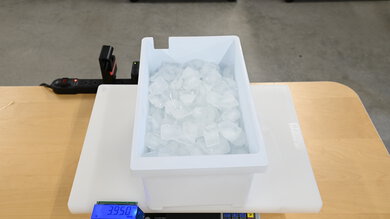
The LG LRFLC2706S offers impressive ice-making performance. Daily ice production is good, so there should be enough ice for a mid-sized family dinner. The ice storage capacity is excellent; the ice tray can store a large amount of ice for a cocktail party with multiple hosts and guests.
Good ice making rate, enough for several people.
Amazing ice storage capacity, enough for a large event.
Performance Usages
Changelog
-
Updated Aug 12, 2026:
We've added the LRFLC2716S, LRFLC2706D, LRFLC2716D, LRFGC2706S, and LRFGC2706D models to the Differences Between Variants section of the review.
-
Updated Aug 11, 2026:
We've corrected an error within the 'Usable Refrigerator Volume' field in the Refrigerator Storage section of the review and input the new, correct interior volume. The score and all relevant text have been updated.
-
Updated Apr 09, 2026:
We've added a link to the LG LF24Z6530S in the Water Dispenser section of the review to provide an alternative that comes with an in-door water and ice dispenser.
-
Updated Mar 20, 2026:
We've included a link to the Frigidaire Gallery GRMC2273CF in the Parts Availability section of the review to provide an alternative with a more consistent supply of spare parts.
Check Price
Differences Between Sizes And Variants
This fridge is available in a few variants, each with slight aesthetic and feature differences, though we expect them to deliver similar overall performance:
| Product Code | Exterior Finish | Handle Type | Extra Features |
|---|---|---|---|
| LRFLC2706S | Stainless Steel | Grab bar | - |
| LRFLC2716S | Stainless Steel | Pocket/Recessed | |
| LRFLC2706D | Black Stainless Steel | Bar | - |
| LRFLC2716D | Black Stainless Steel | Pocket/Recessed | |
| LRFGC2706S | Stainless Steel | Bar | The right door features a transparent Instaview window, a "smart glass" panel that turns on the interior light when it's knocked on. |
| LRFGC2706D | Black Stainless Steel | Bar | The right door features a transparent Instaview window, a "smart glass" panel that turns on the interior light when it's knocked on. |
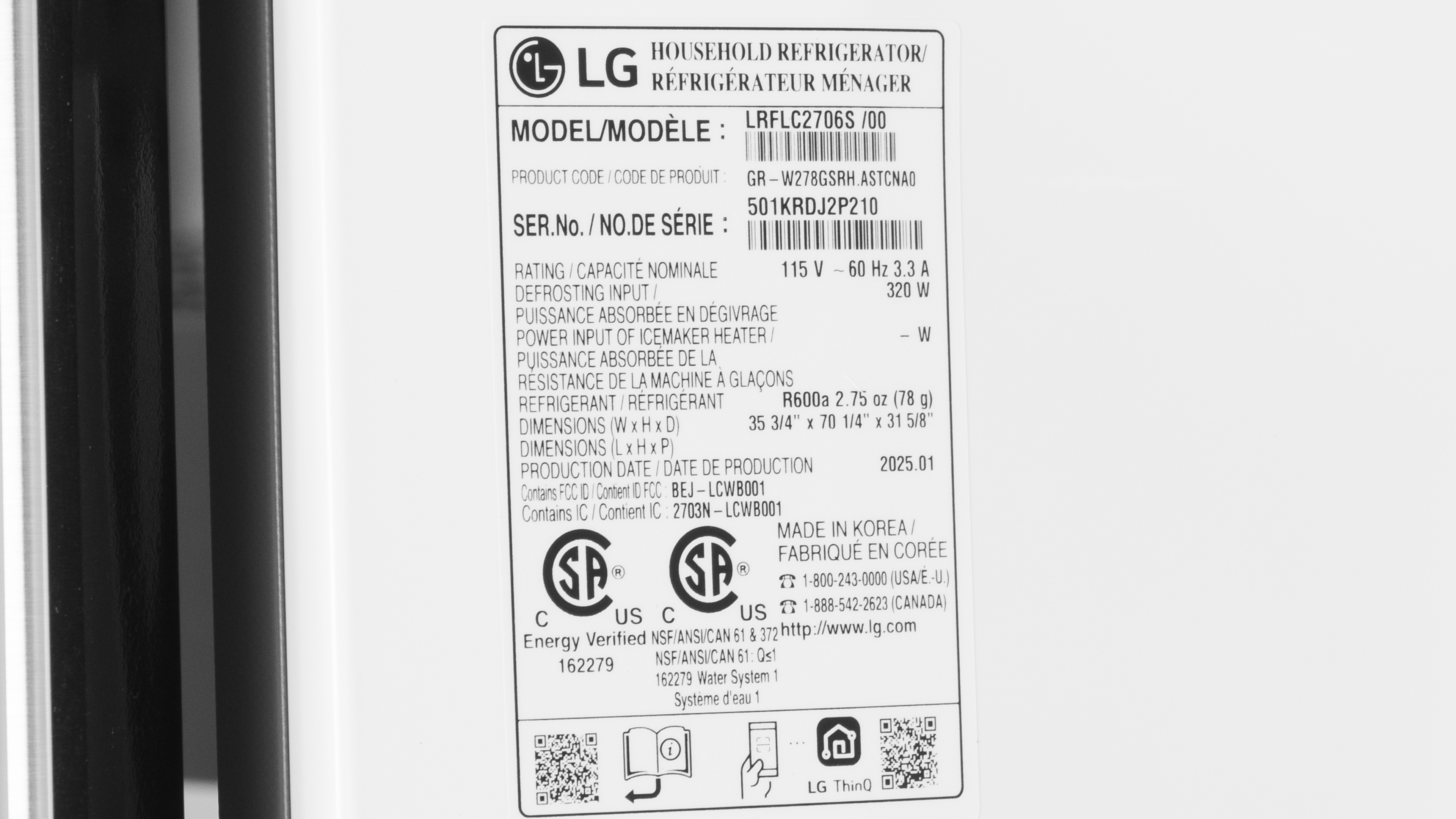
We bought and tested the LRFLC2706S, and for those interested, see a photo of our unit's label.
If you find another variant, please let us know in the comments, and we'll update this review.
Popular Refrigerator Comparisons
Where the LG LRFLC2706S really excels for a counter-depth fridge is capacity. It has more usable space than most 36-inch counter-depth refrigerators, including the KitchenAid KRQC506MPS and the Bosch 800 Series B36CT80SNS. Its freezer is also quite capable, with more capacity and better temperature uniformity than the standard-depth GE Profile PVD28BYNFS. Unfortunately, its produce preservation performance is mediocre, significantly worse than that of the Bosch 500 Series B36FD52SNS.
The LG LRFLC2706S is slightly better overall than the LG LF25Z6211S. Both offer excellent temperature uniformity, an internal water dispenser, and a relatively simple freezer-mounted ice maker. The LRFLC2706S has the edge on storage, with more usable room in both the refrigerator and freezer, and its split shelving gives you plenty of flexibility for taller groceries. The LF25Z6211S can hold somewhat more ice and has a small edge in preserving produce, though neither does a particularly good job of keeping delicate fruits and vegetables from drying out.
The Samsung Bespoke RF24BB6600QL and LG LRFLC2706S each have their own strengths and weaknesses. The Samsung's dual-evaporator design results in noticeably better produce preservation performance, but the LG does a better job of maintaining uniform temperatures throughout the fridge and freezer cabinets. W
hile the Samsung lacks the LG's door-cooling vent, it's important to note that the latter feature only impacts the LG's right door, leaving the left door with as severe a door bin temperature offset as the Samsung. The two fridges offer similar refrigerator capacity, though the LG's fridge cabinet space is a little more flexible, with an additional pair of split shelves and slightly more vertical space for fitting taller items. The LG also has a much more capacious freezer.
The LG LRFLC2706S and Frigidaire Gallery GRMC2273CF are both counter-depth 36" French-door refrigerators, but are worth considering for different reasons. The LG is the one you want if storage capacity is your main concern. Its Counter-Depth MAX design results in a lot more interior room within both the fridge and freezer, without any significant concessions to its exterior footprint. If you think you'll be making ice frequently, the LG is also the better option, with an in-freezer system that presents fewer failure points, all the while having a larger tray and a faster production rate. However, the Frigidaire is the better performer, with a dual-evaporator design that keeps produce fresher for longer. Parts supply is also generally more consistent for the Frigidaire, though both brands have authorized service networks with similar reach.
The LG LRFLC2706S and LG LF24Z6530S are both similarly-performing fridges, but the LRFLC2706S' simpler design gives it the edge in most ways. Its lack of an in-door ice maker increases fridge space and reduces mechanical complexity, and its more conventional cubed ice maker takes up less freezer space than the LF24Z6530S' bulky cubed ice maker, all the while offering a similar production rate and max yield.
Test Results
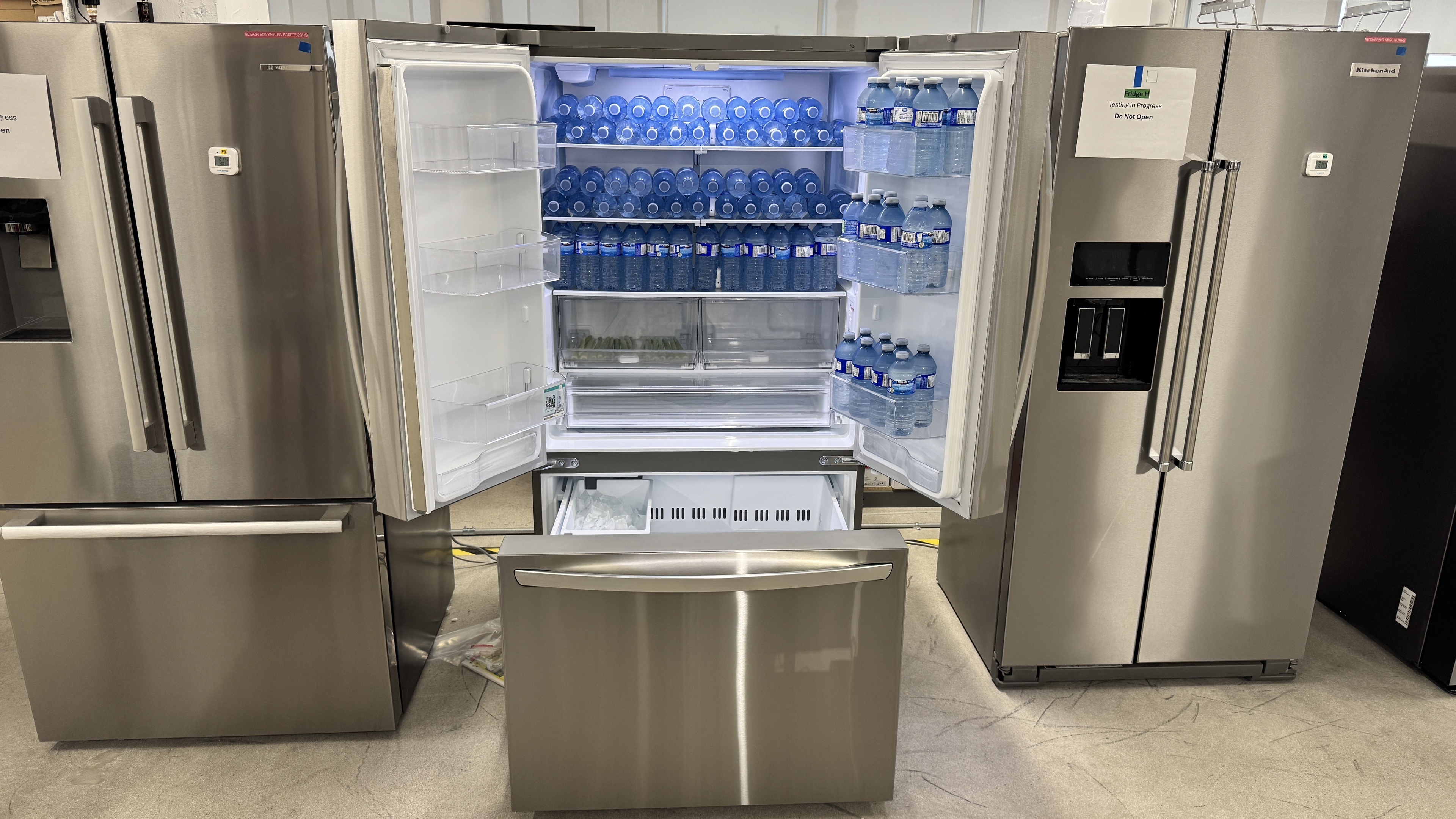
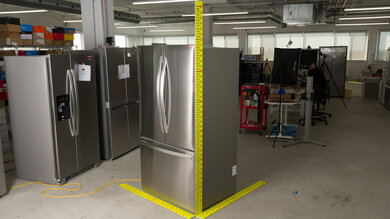
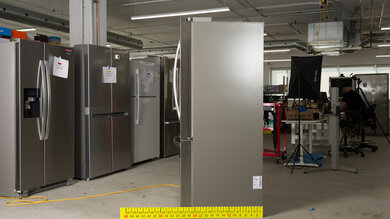
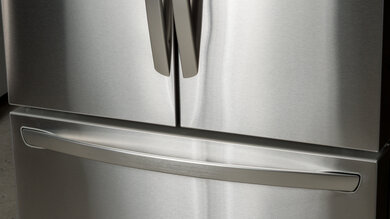
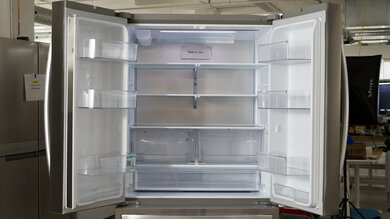
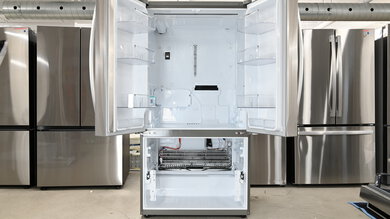
The LG LRFLC2706S offers great refrigerator storage capacity. Many storage options make the most of its counter-depth design. You can place its split shelves in six positions to accommodate tall items, like upright fresh herbs. The six door bins are deep enough to store gallon milk jugs, and you can move two of them to a different height for tall items like bottles. There are two tiny bins at the bottom of each door for storing small items you want to keep separate, like tubes of tomato paste.
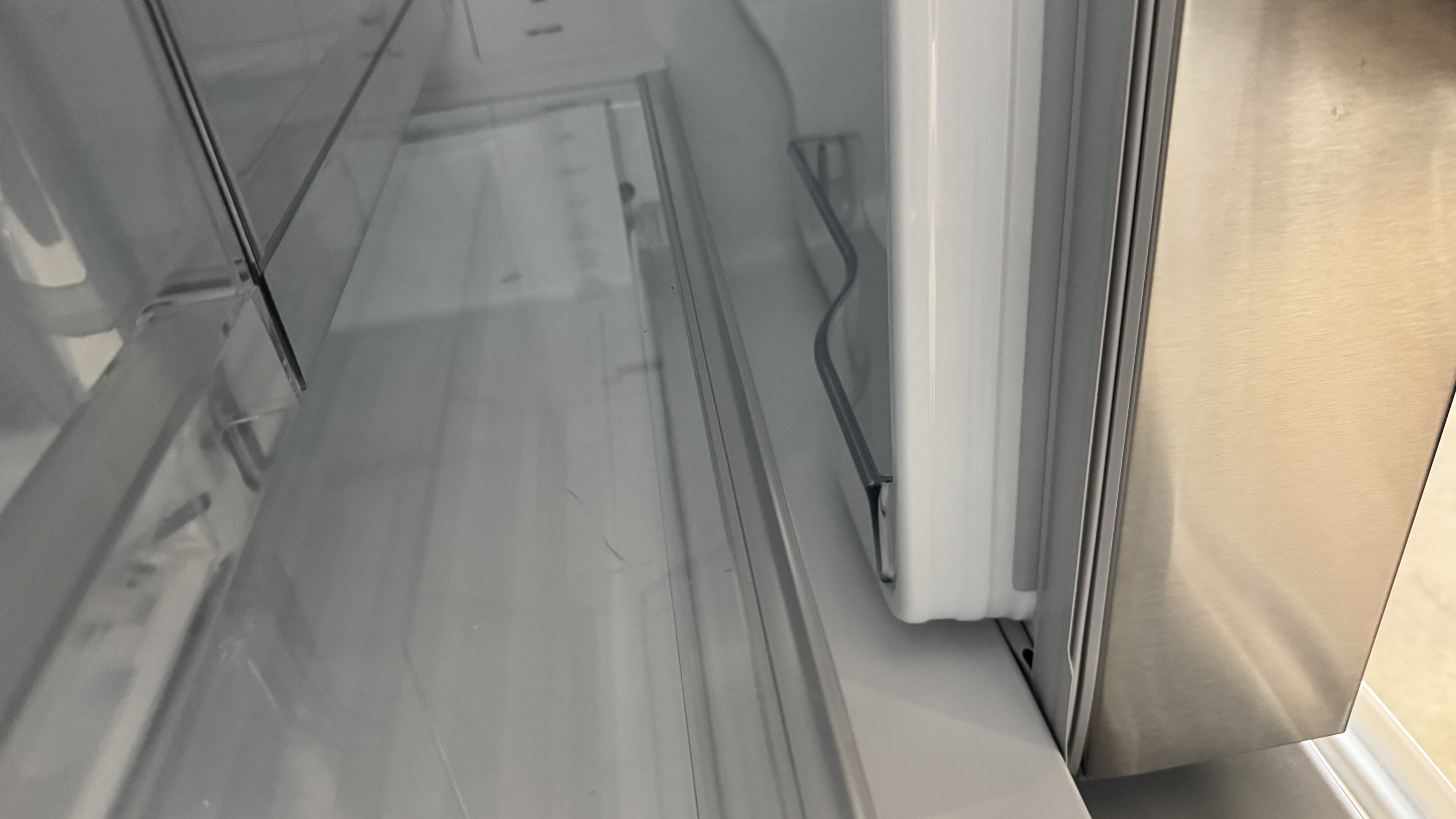
The deli drawer is full-width, which is unusual and leads to a large capacity. It's tall, wide, and deep enough to accommodate one or two cartons of eggs, but you must open both doors fully to pull the drawer out. It's so deep and protrudes so much that the bottom door bins are extremely shallow.
The only hardware that limits capacity is the water filter cover at the top left of the fridge. It allows easy access to the filter but limits the height of items underneath, requiring you to move the split shelf down.
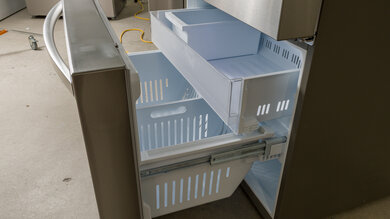
This refrigerator offers good storage capacity in the freezer, especially considering its counter-depth design, which limits depth. There's a minimum of hardware in the freezer that takes away usable space: just two pull-out drawers, with an ice tray in the upper drawer and a movable divider in the bottom drawer. You can store wide or large items, like pizza boxes or family-sized boxes of frozen fish or chicken pieces, keeping them organized and separate from other items like ice cream tubs, using the divider. If you remove the ice tray, you can increase the freezer capacity to 5.0 cu ft (141.9 L).
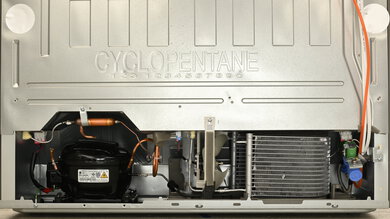
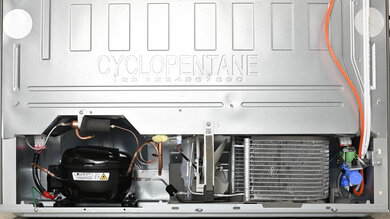
The LG LRFLC2706S's cooling system consists of a single evaporator in the freezer and a single inverter-controlled compressor. Single evaporators are standard in budget and mid-range refrigerators. Although their design is simple and well-proven, they can lead to low humidity in the fridge and negatively impact temperature control.
Inverter compressors operate at a variable speed based on load. They save power and control temperature better than older fixed-speed compressors, but the inverter controller adds another potential critical failure point.
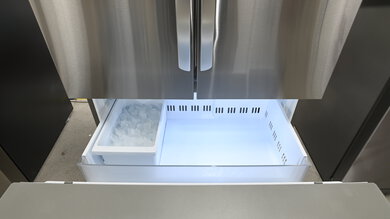
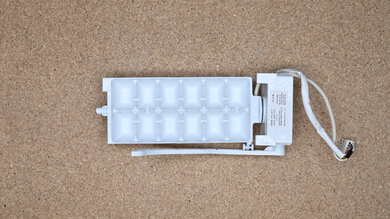
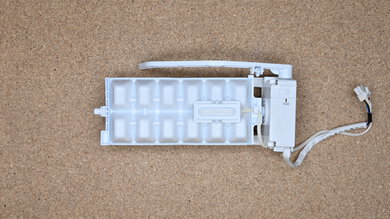
The ice maker is in the upper part of the freezer and deposits its ice in a large tray on the left side of the upper freezer pull-out drawer. It's a better location from a reliability standpoint than an ice maker in the fridge, which is common in French door models with in-door ice and water dispensers.
However, this ice maker is a twist-tray design, which isn't as reliable as an ejector-type. In a twist-tray ice maker, a motor twists ice cubes from a plastic tray. The plastic tray can break, especially as it gets more brittle with age in freezing temperatures. An ejector-type uses a metal mold and doesn't require twisting, making it more robust and reliable in the long term.
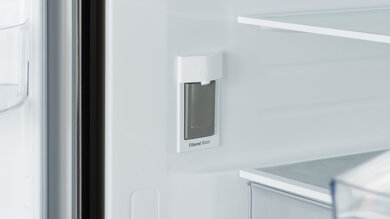
The water dispenser is located inside the fridge and consists of a simple, low-profile assembly with a nozzle that's activated by pressing a container against a large button. Although this design isn't accessible from outside the door, it saves space in the fridge. This design is quite similar to the water dispenser in the GE GNE27JYMFS.
All the same, if you're willing to put up with the additional complexity and reliability concerns that come with an in-door water and ice dispenser system, you could also consider the LG LF24Z6530S.
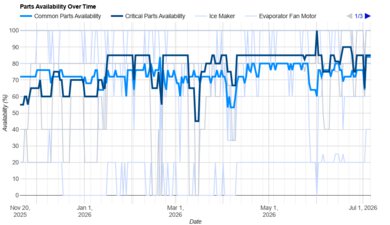
The LG LRFLC2706S's parts availability can be a bit of a mixed bag. Most commonly replaced and critical components are available from most major suppliers, but a small number show sporadic availability. Depending on the nature of the required repair, you might be stuck waiting for a part that's on backorder. If that's a major concern, you might want to consider a direct alternative with a more consistent supply of parts like the Frigidaire Gallery GRMC2273CF.
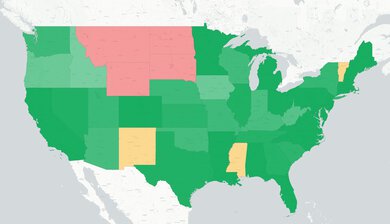
Authorized service coverage is very robust in major USA metropolitan areas, although it becomes more limited in more rural states.
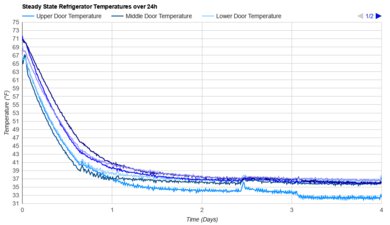
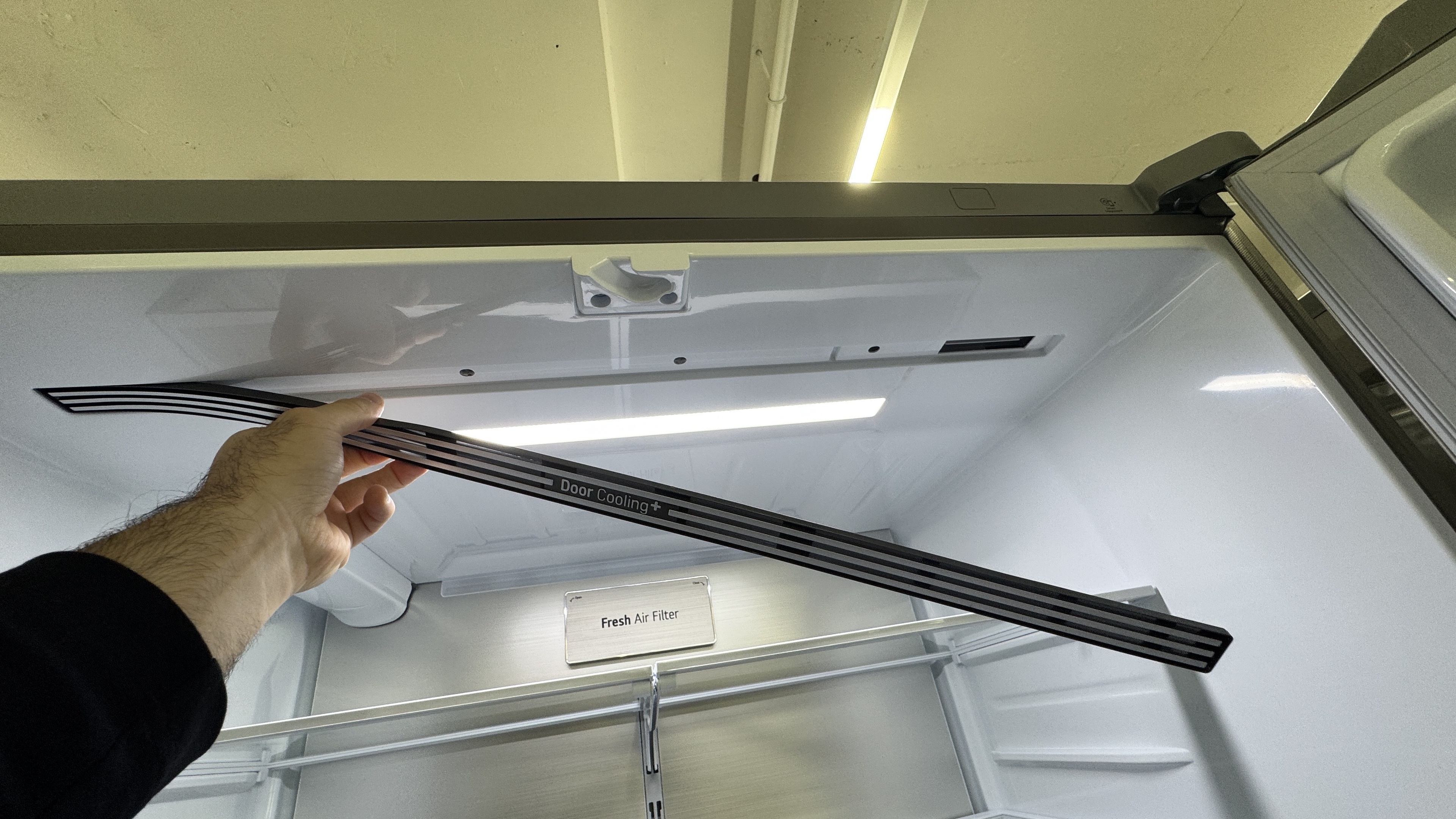
This refrigerator has excellent temperature uniformity in the main fridge compartment and two of the door bins. Temperatures between fridge shelves are remarkably even. At first, the door bins may appear to be colder than the rest of the fridge due to the Door Cooling+ vent, which blows cold air from the top down the front of the refrigerator.
However, a Reddit user pointed out that this door cooling system only consists of a small vent on the right and that the full-width vent grill doesn't evenly distribute cold air. We verified this claim by checking under the grill. This discovery explains the unusual result of the door bins getting colder than the rest of the fridge; our temperature sensor is directly below the vent. To verify whether this cooled the other door bins properly, we placed temperature sensors in each bin and operated the fridge at its normal temperature setpoint of 37 °F (2.8 °C) for six days. The results are:
| Location | Temperature |
|---|---|
| Right door top | 34.2 °F (1.2 °C) |
| Right door middle | 36.2 °F (2.3 °C) |
| Right door bottom | 38.1 °F (3.4 °C) |
| Right door average | 36.1 °F (2.3 °C) |
| Left door top | 40.9 °F (4.9 °C) |
| Left door middle | 39.3 °F (4.0 °C) |
| Left door bottom | 39.4 °F (4.1 °C) |
| Left door average | 39.8 °F (4.4 °C) |
The grill doesn't evenly distribute air, and significant temperature differences exist between the door bins, with the warmest being the left door top bin. The right door bins are very well cooled and would be great for storing temperature-sensitive items like milk or butter, but you should use the left door bins only as a chiller for more robust foodstuffs like beverages, condiments, or sauces.
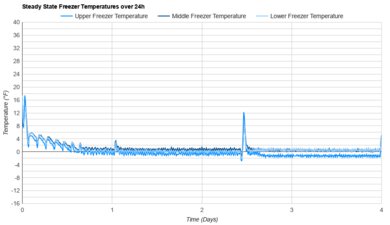
The freezer exhibits outstanding temperature uniformity throughout. The inverter compressor leads to tight temperature control as the compressor cycles; the temperature barely moves around its setpoint.
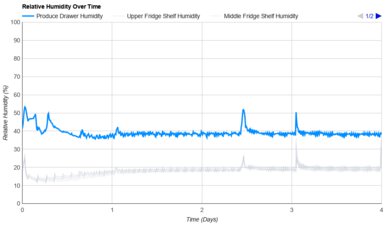
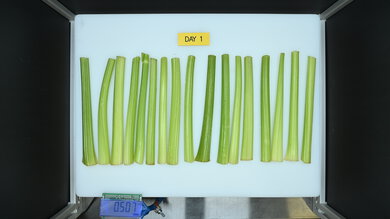
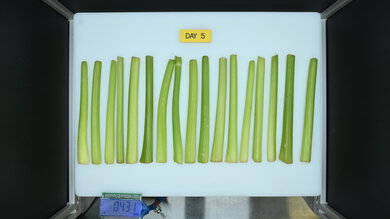
Produce preservation is mediocre. The humidity in the fridge is low due to the single evaporator, and the produce drawer doesn't maintain much higher humidity, so produce dries out fairly quickly. Leafy greens like lettuce will wilt, celery will go soft, and carrots will begin shriveling up in a week or less.
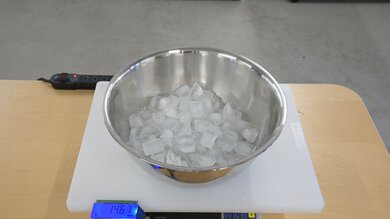
The ice maker produces a good amount of ice. You will have enough ice for a family meal and occasional drinks throughout the day.