For the past few decades, consumers haven't had to think about defrosting their refrigerators. That's because modern refrigerators have self-defrosting capabilities baked into their design. A fridge's defrost cycle is automatic, invisible, and has no controls for you to adjust; fundamentally, defrosting removes frost and ice from a refrigerator's cooling components to maintain optimal cooling, humidity, and energy efficiency. But one day, you might wonder about those strange noises your fridge makes from time to time, or even discover a pool of water running out from behind your fridge. Moments like these may prompt you to ask how your refrigerator defrost cycle works, and why it happens. This article has answers for you! We explain why a fridge needs to defrost, when and how it defrosts, and what happens when the fridge and freezer defrost cycle goes wrong.
What A Refrigerator Does
If you read our article How a Refrigerator Works, you'll understand that, essentially, all a refrigerator does is cool air using its evaporator, usually located in the freezer. This air cools the freezer first, and some of this air goes through ducts to cool the refrigerator.
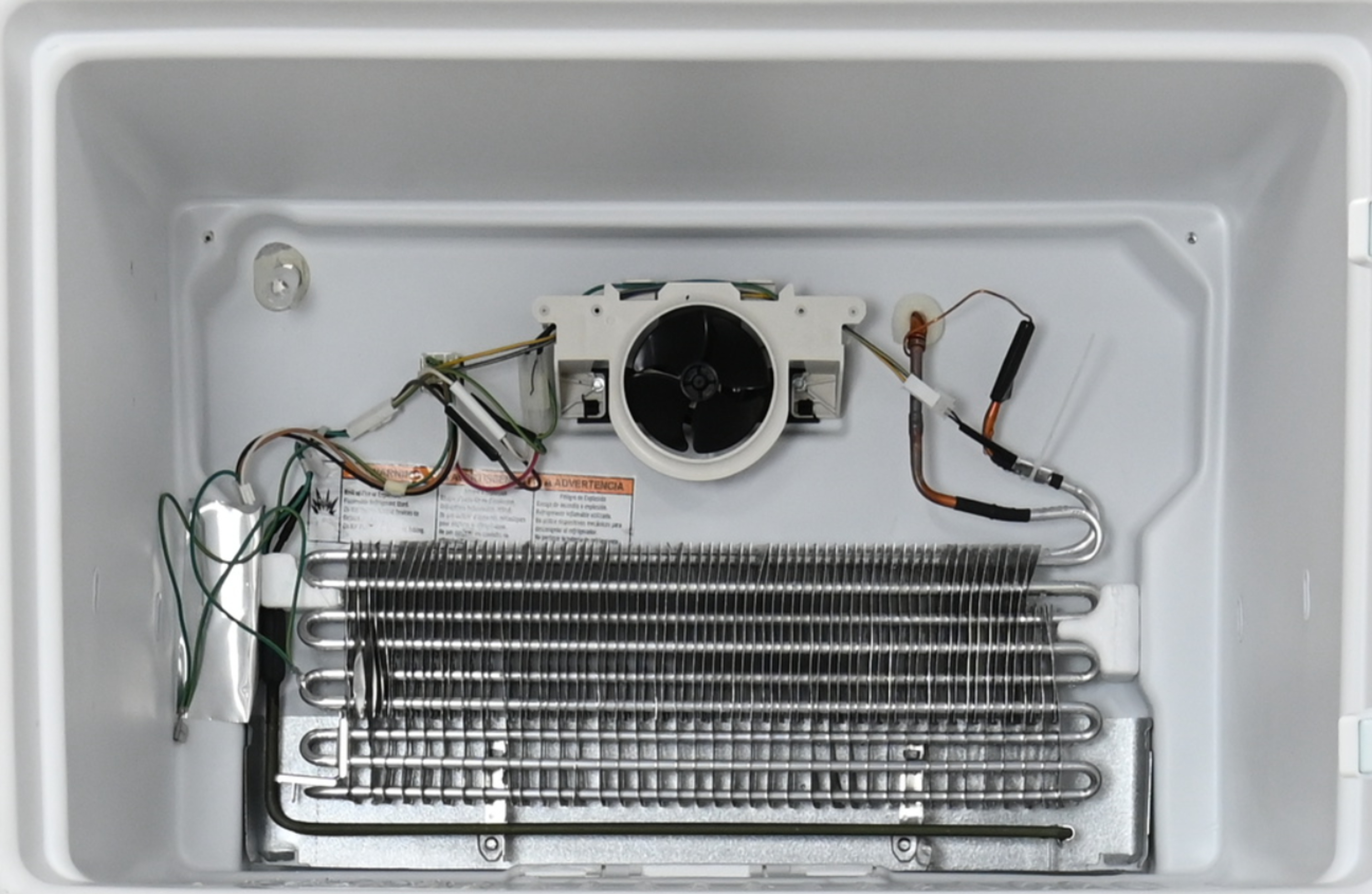
The evaporator is a long metal tube folded back on itself several times into a coil, increasing surface area to absorb heat from the air. To further increase surface area, the tube passes through many metal fins. A fan pulls air through the evaporator and out into the freezer and the fridge.
What Happens To Moisture Inside A Refrigerator
The evaporator cools not only room air but also moist items from the fridge, such as fresh produce. The air and the food items both create a certain level of humidity in the fridge. We can express this humidity as the amount of water vapor air contains as a percentage of the maximum it can contain at a certain temperature; this is known as relative humidity percentage or %RH. As air cools, it can't hold as much moisture. So the relative humidity climbs as the air cools. When it reaches 100% RH, it can't hold any more moisture. It's reached its 'dew point temperature,' and water starts to condense out of the air. You can see this on spring or fall mornings on your car windshield: as the air cools overnight, it reaches 100% RH and condenses out as dew on your car windshield and any other surface. If the nighttime temperature goes below freezing, this dew freezes into frost.
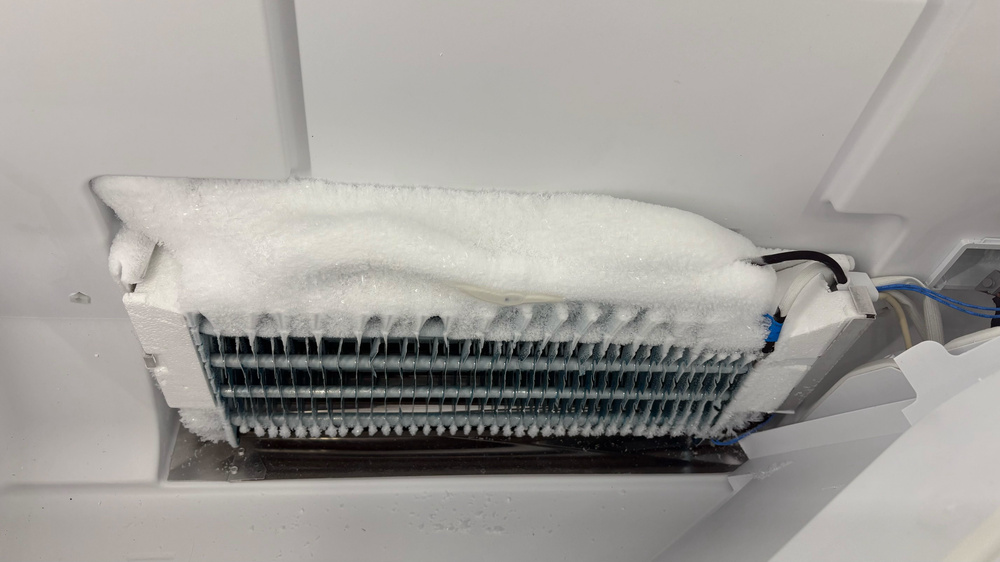
This same process occurs on the evaporator surfaces. Typical indoor air at 70 °F and 40% RH has a dew point temperature of 44 °F, so as the evaporator cools this air down below 44 °F, moisture will start to condense on the evaporator. This doesn't have a huge effect at first, but as the evaporator's surface temperature drops below freezing, the condensation turns into frost (ice). While a little frost is normal, thicker ice acts as an insulator, greatly reducing the flow of heat from the air to the evaporator surface. In extreme situations, ice can build up into a solid mass on the evaporator structure, clogging the passages between the tubes and the fins, blocking airflow.
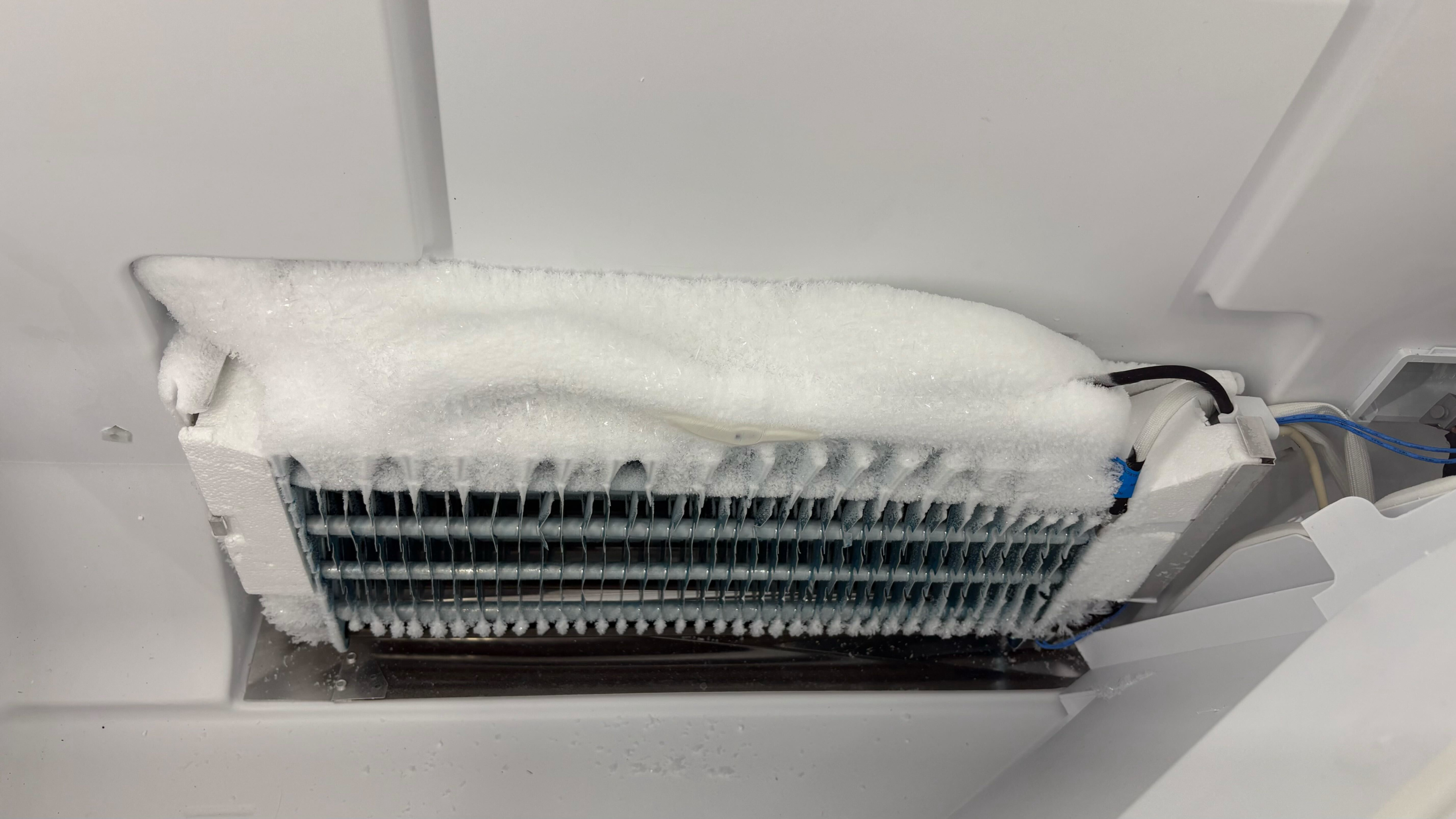
At this point, you'd notice poor airflow and poor cooling. The compressor would run continuously as the thermostat calls for the system to try and reach the set temperature, yet the fridge and freezer will never cool down enough. The evaporator can't absorb heat through solid ice very well, and air can't pass over the evaporator tubes and through its fins.
The Need To Defrost
If you have a very old fridge, an upright freezer, or a mini fridge without a self-defrosting feature, every month or two, you'll have to open the fridge, empty it, then unplug it and let it warm up. The ice around the evaporator will melt over the next day or so, and you'll then have to clean up the resulting water. The fridge will be back to full working order, but this process is messy, time-consuming, and puts your fridge and freezer contents at risk. You also have to remember to do this regularly; otherwise, your fridge's performance will suffer.
Enter the self-defrosting or frost-free refrigerator. It uses a heater attached to the evaporator to melt the ice. You don't have to do anything, and it doesn't take long. Your frozen and refrigerated food isn't at risk because the defrosting process is so short.
When and How Does a Fridge Defrost?
The simplest refrigerator defrost control system is just a timer that activates after about six or 12 hours. There are more sophisticated control schemes in high-end fridges that determine when to defrost by monitoring compressor run time, temperature drop and cooling time, refrigerant flow and pressure, or by sensing humidity levels. By adapting to conditions and not merely following a schedule, these systems save power and don't interrupt cooling needlessly.
When the defrost system activates, the compressor shuts off, and the evaporator heater runs until a thermostat shows that the entire evaporator is well above freezing. After a minute or two, you might hear meltwater dripping or running, and you might hear chunks of ice knocking around inside the evaporator compartment as they fall off the fins. You might even hear faint sizzling as the remaining water boils off the heater. You also might feel the rear panel of the freezer get a bit warm. The temperature in the freezer compartment might rise. But before long, the heater will turn off and the compressor will kick back into action, cooling the fridge and freezer back down to their temperature setpoints.
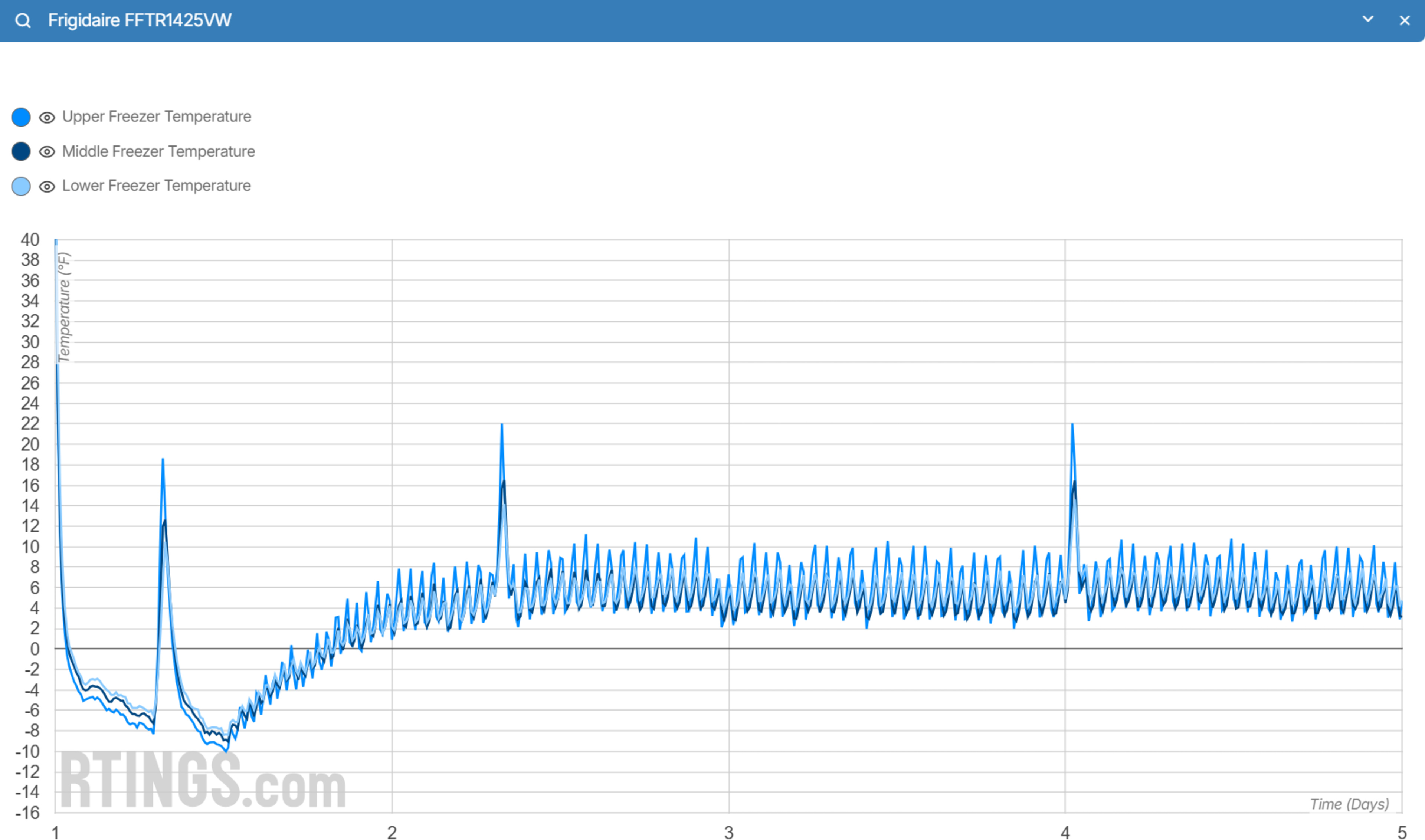
As the fridge's moisture condenses and freezes on the evaporator, moisture gets pulled out of the inside of the fridge and freezer, and the relative humidity in the compartments drops sharply. This is a benefit for the evaporator, which doesn't frost up as quickly, but poses a problem for produce that will dry out unless it's stored in a well-sealed crisper drawer.
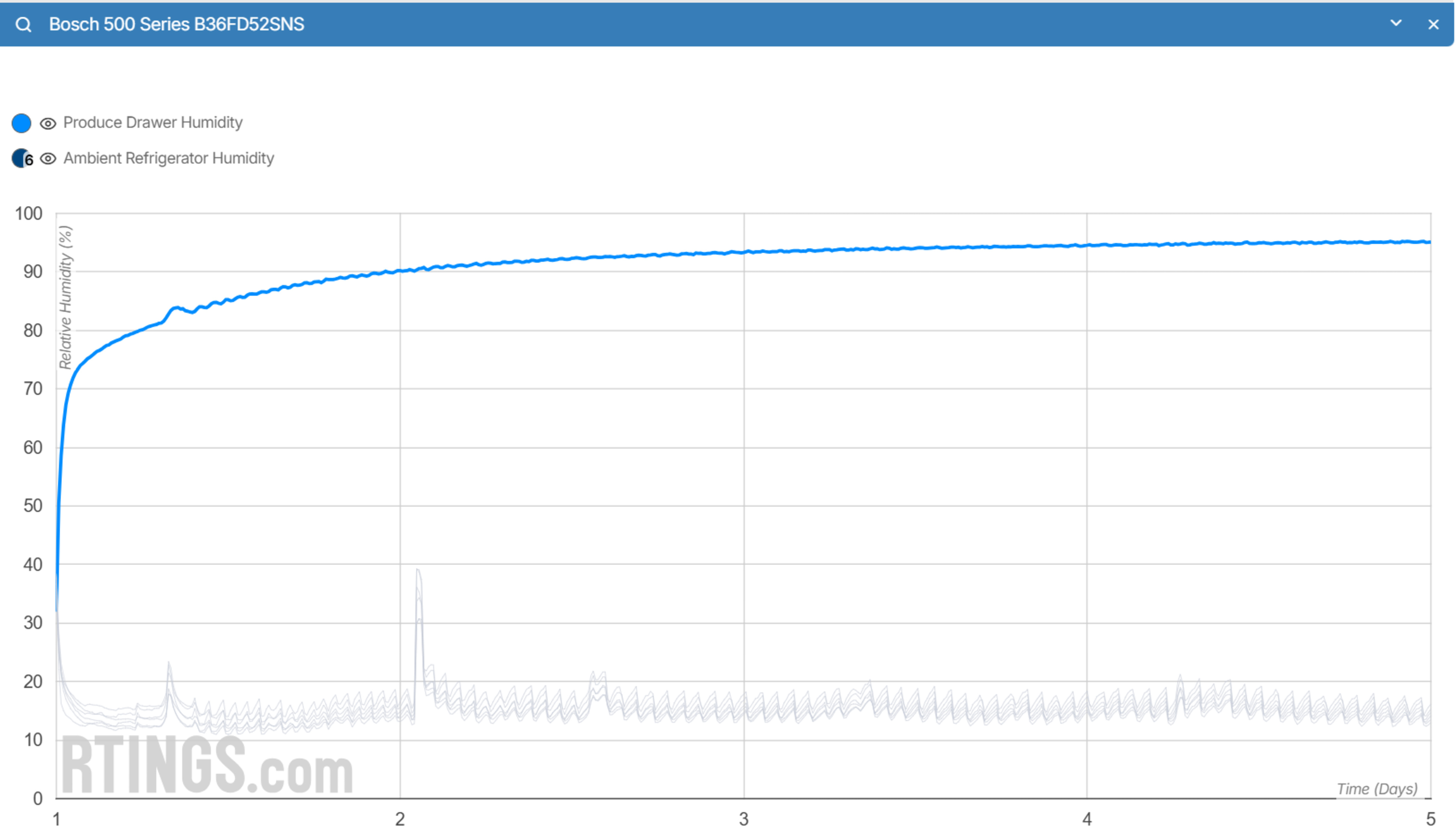
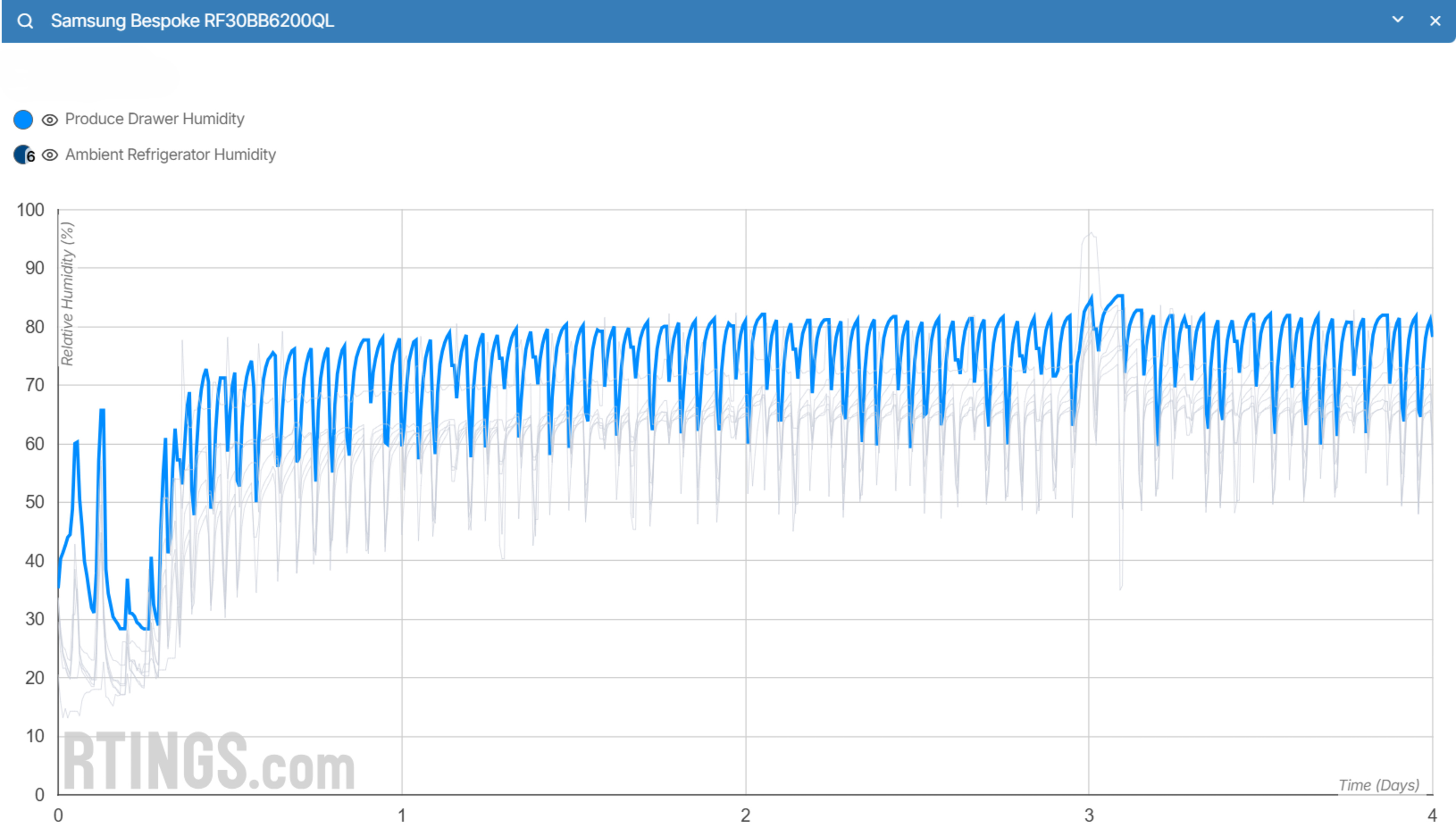
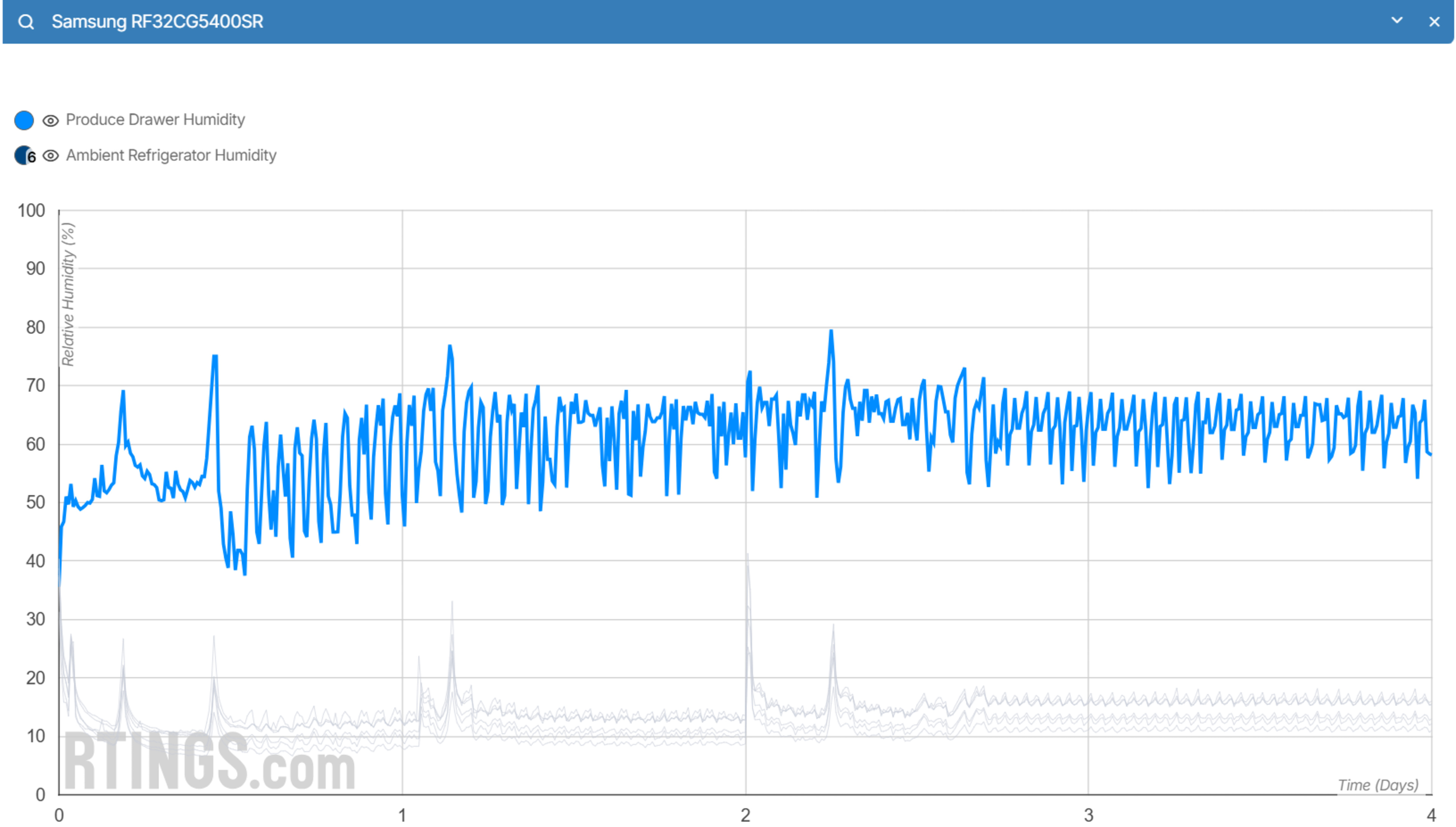
The refrigerator's automatic defrost has solved our defrosting problem. But the moisture condensed on the evaporator, froze into frost and ice, and was melted off by a heater. Where did the meltwater go?
What to Do with the Water
Now that we've removed the moisture from the refrigerator and freezer, we have to dispose of it. We can't put it down the drain, although some large commercial systems do just that. A residential fridge doesn't produce a lot of defrost meltwater, and it doesn't produce it constantly, but it still has to go somewhere.
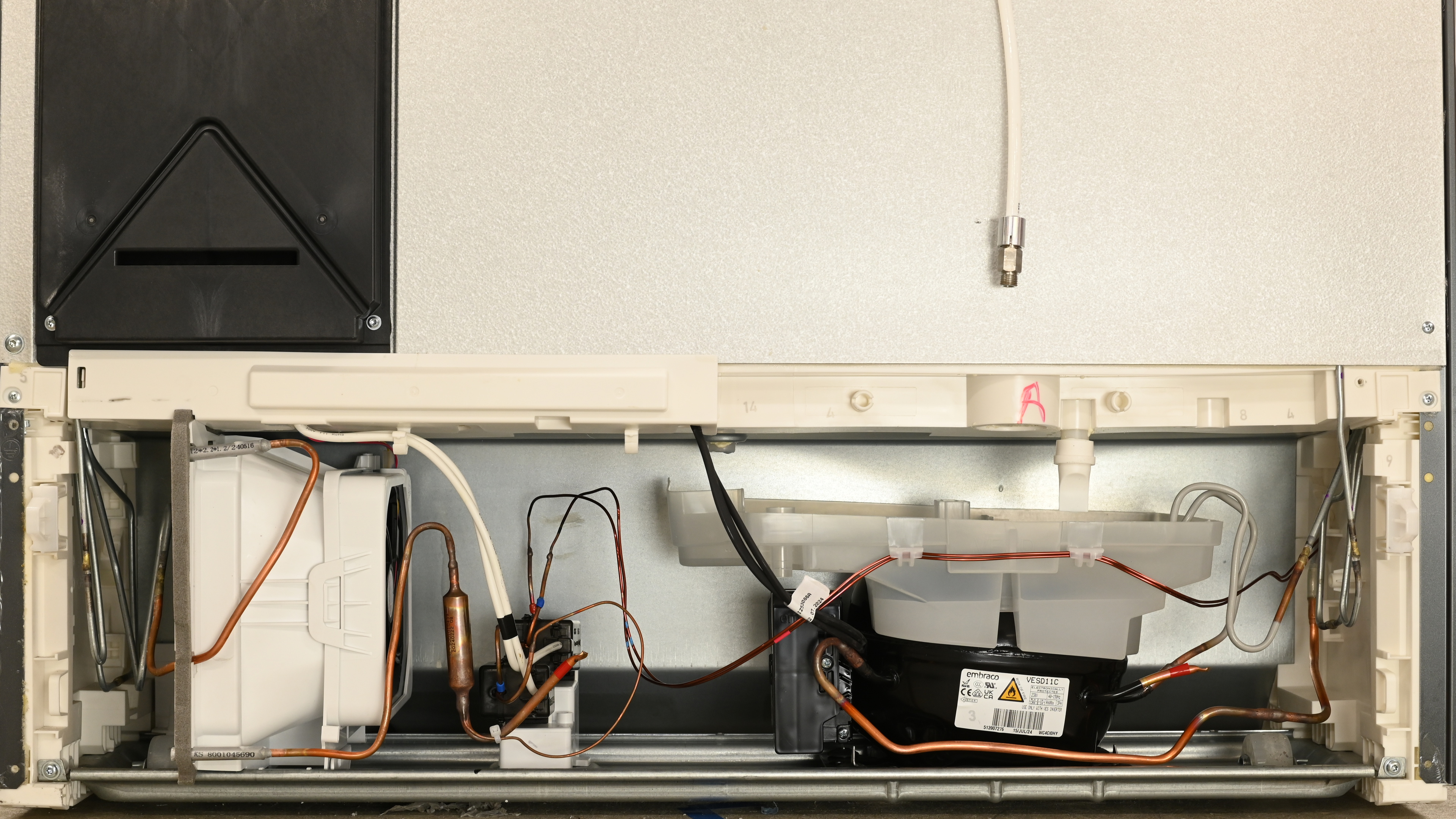
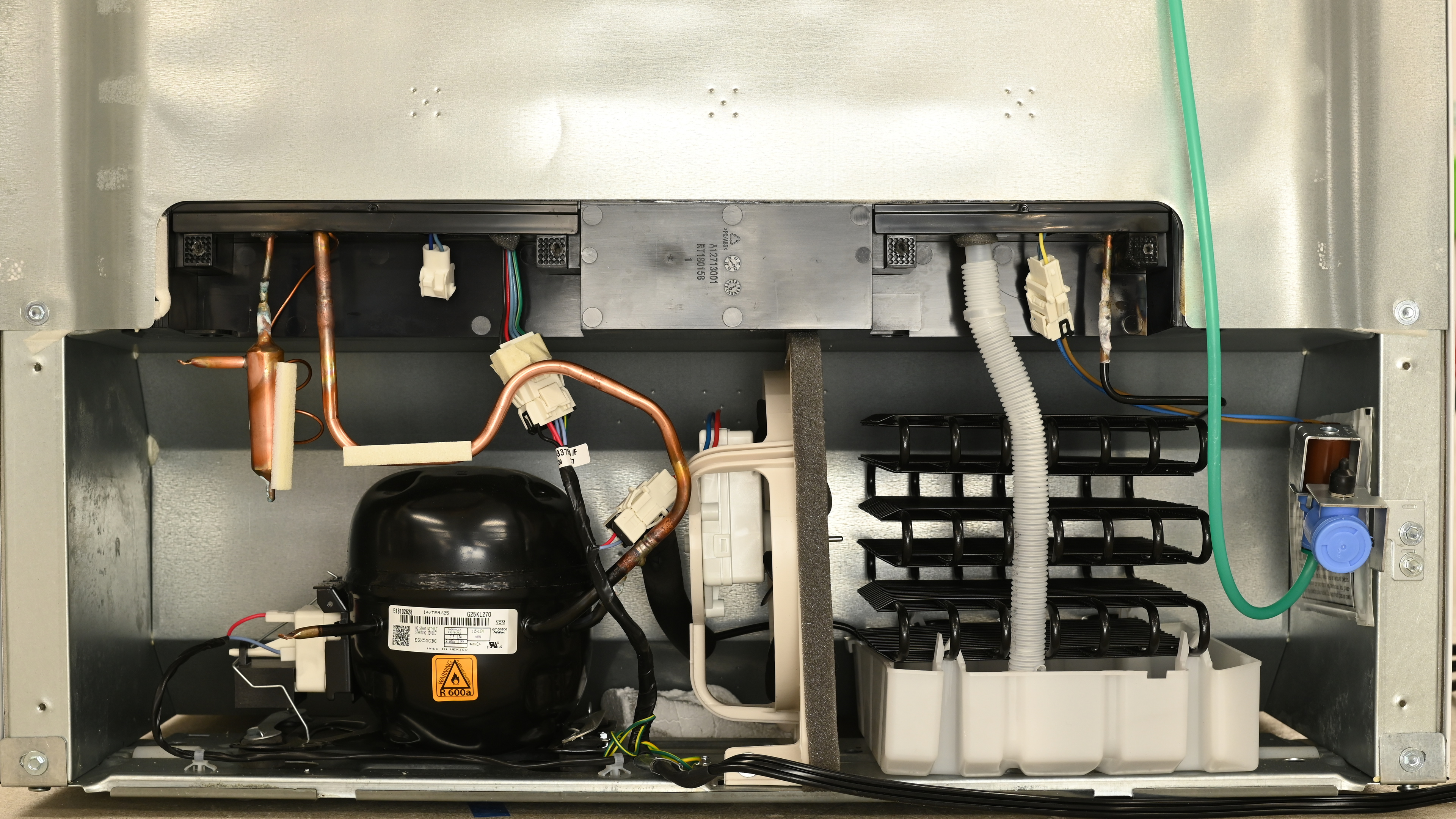
The solution is to evaporate it back out into the room. There are some handy components that can help with this, and they're already there, sitting in the refrigerator's machine compartment. There's a hot compressor, a hot condenser, and a fan to blow this hot air around and out of the compartment. All a manufacturer needs to do is install a drain line from the evaporator and a pan to collect the water. This pan should be in a hot area with the machine compartment fan blowing over it. Some manufacturers place this pan right over the compressor and place the condenser inside the pan.
Other manufacturers have a pan sitting on the bottom of the machine compartment, with the condenser placed over it.
Defrosting With Dual Evaporators
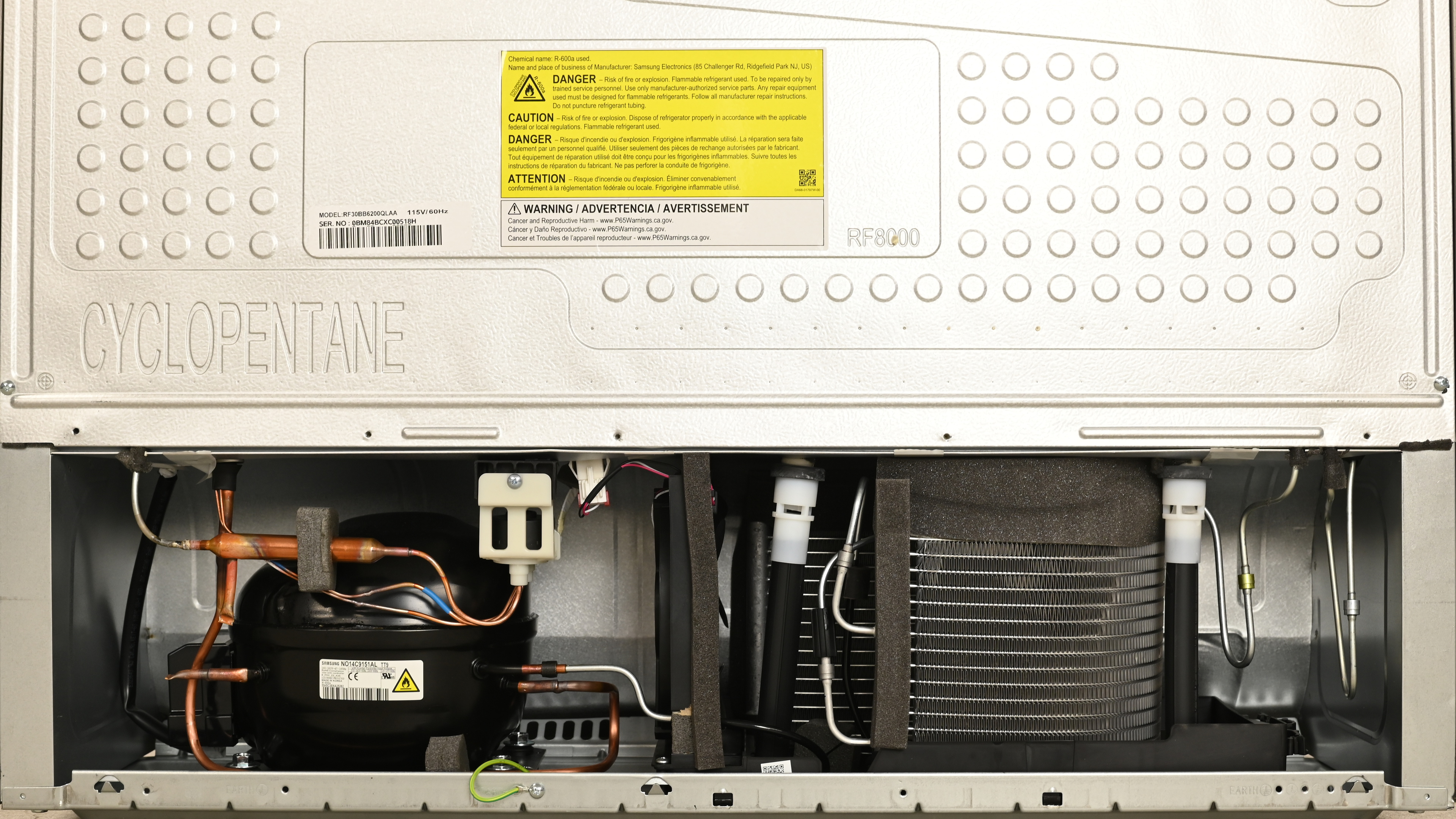
Dual evaporator refrigerators have an evaporator in the freezer and another evaporator in the fridge. The freezer evaporator needs defrosting just like any other refrigerator, but some sections of the fridge evaporator operate just below freezing and need defrosting as well. So there are two defrost drain lines in these refrigerators, usually leading to the same meltwater pan.
When Defrosting Goes Wrong
The fridge and freezer defrost water has to get down to the pan through the drain line. Sometimes the drain line can clog with dust or debris, or in some circumstances, mold can grow in it. If this line gets blocked, water can back up in the drain line and into the evaporator compartment. It may spill out into the freezer, and it might refreeze. It'll allow ice to build up around the evaporator, and your refrigerator will struggle with cooling. Check your defrost drain water line, and clean it out when necessary.
Ice buildup around the evaporator, leading to poor cooling, can also occur if the defrost timer or defrost heater fails. You should arrange for a service call to fix these issues. Defrost failures are quite common; although the system is quite simple, the control components are often constructed as cheaply as possible and may not prove to be overly reliable.
Evaporating the defrost water is a balancing act: you have to evaporate water faster than the defrost heater can produce it. Usually, this isn't a problem. The defrost heater drips a bit of water into the defrost pan once a day or so, and it evaporates in a few hours. But if your home is very humid and you open the fridge door frequently, you'll introduce a lot of moisture into the refrigerator, which will work its way out into the defrost pan. If this water flows in faster than it can evaporate, the pan can overflow, and you'll have water on your floor. Water can also spill out if the pan leaks. Check your pan. Is it overflowing? Does it leak? The pan can also overflow if the machine compartment fan fails. There won't be enough airflow to move hot air over the meltwater and to move the evaporated water out of the compartment.
Conclusion
Defrosting a refrigerator doesn't involve groundbreaking or revolutionary technology. 'Frost Free' or 'Self Defrost' refrigerators became standard over half a century ago, and turned into an expected and hidden feature before long. Manufacturers no longer sell refrigerators based on their defrosting systems, and there aren't many new developments in this well-established field. Everything remains hidden, and you don't have any controls you can adjust.
But if it stopped working in your fridge, you'd find out very quickly. It's one of the many unnoticed aspects of this workhorse of kitchen appliances that's so essential for modern life that it's disappeared into the background: the refrigerator. We hope you'll appreciate the hard work the defrosting system does in your fridge, day in, day out; the continued operation of your refrigerator depends on it.
For more information on refrigerators, leave a question in the comments, take a look at our recommendations for best refrigerators, read How a Refrigerator Works, or check out our reviews.