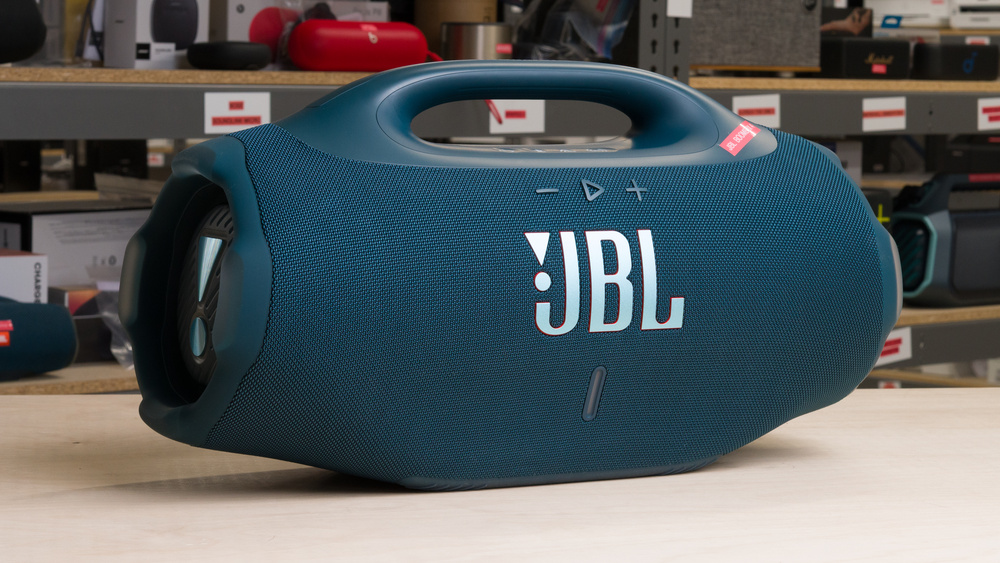
The JBL Boombox 4 is the next generation of the popular JBL Boombox 3. Rather than overhauling a winning formula, JBL has chosen to include a smaller set of feature upgrades, like Bluetooth LE audio, Auracast compatibility, and a detachable (and replaceable) battery pack, to modernize the popular party speaker. This model is also lighter and louder: ready and able to deliver the soundtrack to your next backyard hang or beach day festivities.
Our Verdict
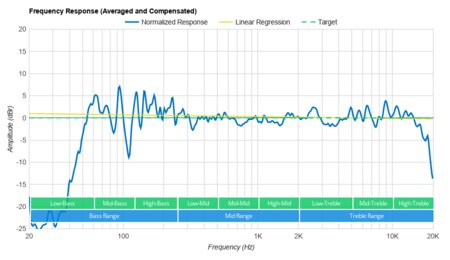
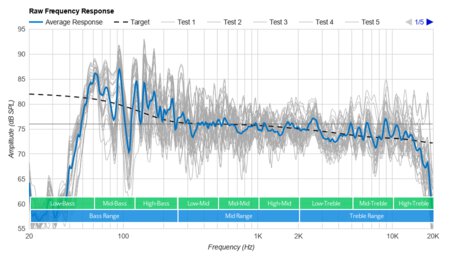
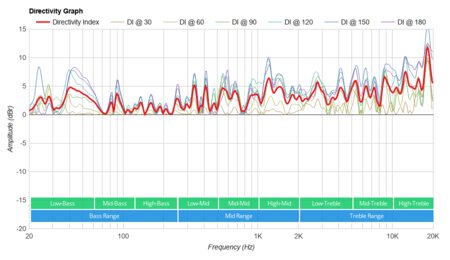
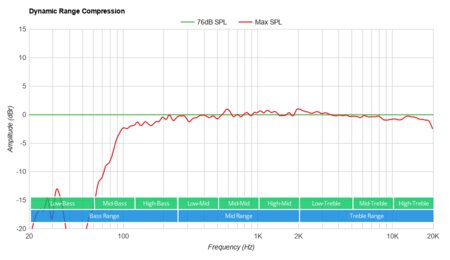
The JBL Boombox 4 is good for music. It features a mostly balanced default sound profile, with enough low-bass extension to give bass-heavy sounds like hip-hop 808s some thump. That said, the bass range is a little uneven. Bassheads will enjoy the effect the two Bass Boost levels have on the low end, and you can easily dial in your sound preferences with more granularity via the 7-band EQ and presets in the app. While it can get remarkably loud, pushing the volume to its extremes can cause compression artifacts like pumping. Its dual-driver design means it can play back stereo content without downmixing to mono, though its directivity still leaves something to be desired: you only hear the best sound if you're positioned in front of its drivers.
Marathon 40-hour battery life.
7-band graphic EQ in app.
Can get very loud.
Dynamics suffer quite a bit at higher volumes.
Sub-par directivity.
The JBL Boombox 4 is okay for videos and movies. It has a relatively balanced default sound profile that can be tweaked via the 7-band EQ to adapt the sound to whatever video content you're watching. It's loud enough for an impromptu watch party, too, though audio dynamics are sacrificed at higher volumes. While it can play back stereo content without downmixing to mono, it's a front-facing speaker, so you'll want to position everyone directly in front of the drivers for the clearest sound. Latency will depend on whether you can connect via Bluetooth LE audio, as the default SBC codec yields high latency with both iOS and Android devices. You'll need an Android device to take advantage of the low-latency LC3 codec, though.
Marathon 40-hour battery life.
7-band graphic EQ in app.
Can get very loud.
Dynamics suffer quite a bit at higher volumes.
Sub-par directivity.
High latency if you're not using Bluetooth LE.
The JBL Boombox 4 is a great choice for podcasts, with a balanced mid-range that renders dialogue accurately. Plus, there's plenty of volume on tap if you're aiming to fill the house with your favorite hosts' voices. This iteration is one of the most portable Boomboxes to date, so it's relatively easy to carry from room to room in one hand. It's slightly hampered by its lackluster directivity, which makes audio sound different depending on your listening angle.
Marathon 40-hour battery life.
Lightweight and portable design.
7-band graphic EQ in app.
Dynamics suffer quite a bit at higher volumes.
Sub-par directivity.
The JBL Boombox 4 doesn't have a built-in mic and can't be used for voice assistant functions.
The JBL Boombox 4 is a great choice for outdoor activities. This new iteration has shed some weight but still features a comfortable (albeit plastic) carrying handle, which makes it a very portable option for outdoor shenanigans. There have been upgrades to both build quality and battery life, too, as it boasts an IP68 rating for full protection against dust and submersion in water, plus a marathon 40-hour battery life (further extendable with Playtime Boost). If you want to keep the party going even longer, you can swap out the battery using a screwdriver, thanks to the swappable design. The default sound profile dishes out enough bass for backyard raves, which can be further enhanced via the Bass Boost button, and there's a 7-band EQ and presets for further adjustments. While this speaker has a very high max volume, there's noticeable compression as you crank it, and the middling directivity can cause audio delivery to differ depending on the listening angle.
Marathon 40-hour battery life.
Lightweight and portable design.
IP68 rating with solid build quality.
Sub-par directivity.
Changelog
- Updated Jul 28, 2026: This review has been updated to Test Bench 1.0.1. This includes the Test Bench 1.0 updates to all of our Sound tests: Frequency Response Accuracy, Raw Frequency Response, Directivity, and Loudness, as well as the revised Low-Frequency Extension calculation and related DRC updates introduced in Test Bench 1.0.1. There have also been text changes throughout the review, including to the usages and product comparisons, where applicable, to match these results. You can read more about these changes in our Test Bench 1.0 changelog and Test Bench 1.0.1 changelog.
-
Updated Jul 23, 2026:
We've updated the Portability box to mention the more flexible JBL Xtreme 5 and its included carrying strap.
- Updated Jul 13, 2026: This review has been updated to Test Bench 1.0, which includes new results for all of our Sound tests: Frequency Response Accuracy, Raw Frequency Response, Directivity, and Loudness. There have also been text changes made throughout the review, including to the usages and product comparisons, to match these results. You can read more about these changes in our changelog.
- Updated Oct 23, 2025: Review published.
Check Price
Differences Between Sizes And Variants
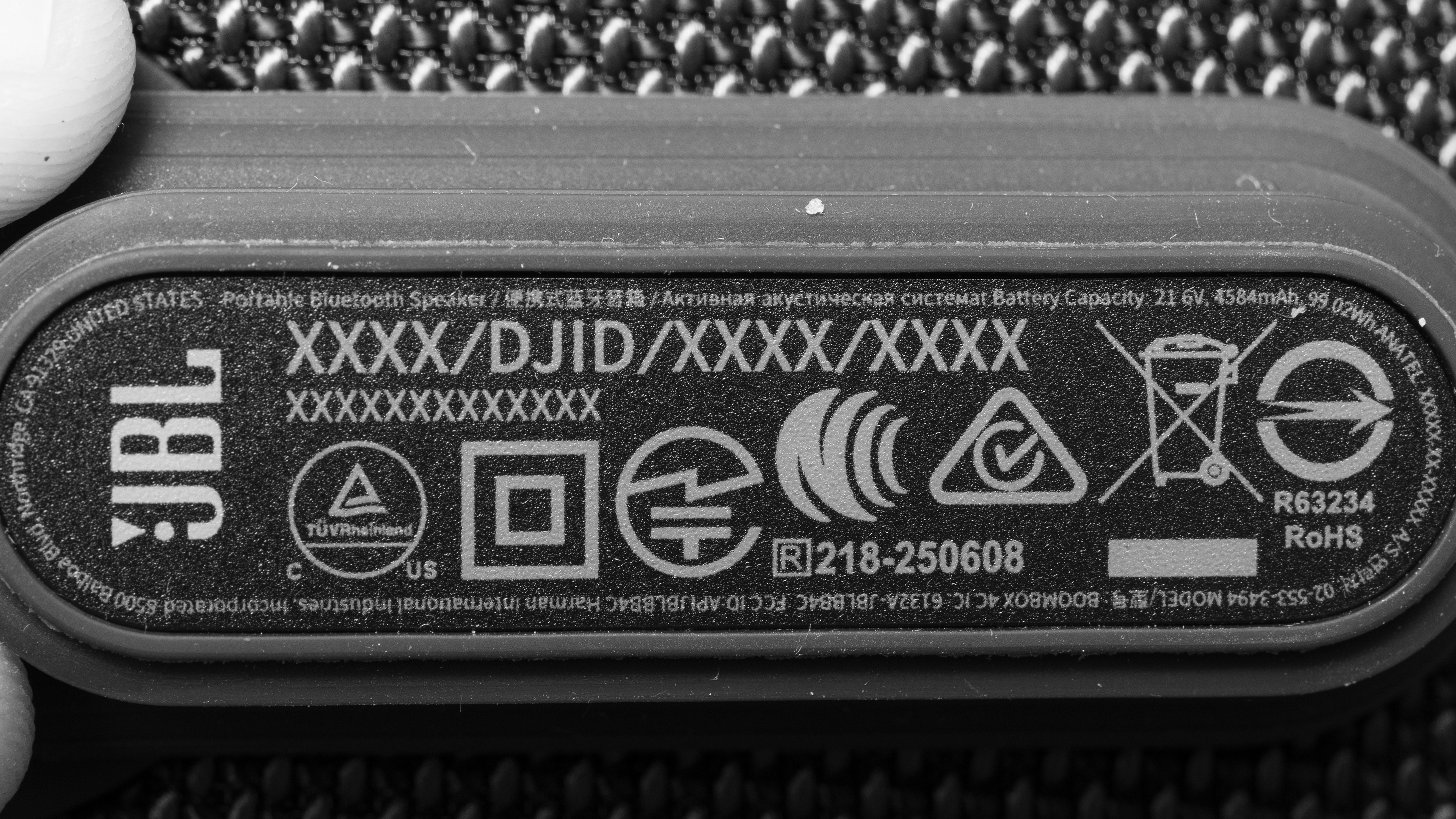
The JBL Boombox 4 comes in three color variants: 'Blue', 'Black', and a camo design named 'Squad' (here's a picture of our unit's label). If you encounter another variant of this speaker, please let us know in the comments.
Popular Speaker Comparisons
The JBL Boombox 4 is the next generation of the JBL Boombox 3. Owners of the previous generation will likely want to know whether this version is worth upgrading to. While it introduces forward-thinking features, like Bluetooth LE support and Auracast compatibility, and can get a bit louder, the two speakers sound quite similar. In fact, the Boombox 3 puts out a bit more consistent and even bass. But perhaps the main downside is that the Boombox 4 swaps out the old aluminum carrying handle for a cheaper-feeling plastic one. Unless you're desperately in need of a longer battery life, more volume, or the modernized connectivity options, it's worth sticking with the previous generation. If you're willing to sacrifice some volume, battery life, and bass response for greater portability, the JBL Xtreme 4 is a compelling alternative. Those who want better directivity in an even more portable package can look to the Ultimate Ears EPICBOOM, too, though it lacks the Boombox 4's multi-day battery life.
See also our recommendations for the best portable Bluetooth speakers, the best Bluetooth speakers for bass, and the loudest Bluetooth speakers.
The JBL Boombox 4 offers mostly connectivity upgrades to the JBL Boombox 3, as well as a lighter design. Bluetooth LE support and Auracast compatibility are forward-thinking additions that aren't universally supported: there's no LC3 support for iOS devices, for example, and older JBL speakers can't connect via Auracast. The longer battery, with a swappable battery pack, is a definite bonus for outdoor use, though, as is the decreased weight. Still, when it comes to audio performance, the older generation has a more even bass range. It also yields lower latency with the standard SBC codec. While the fourth iteration has a more complete feature set, you might find better value with the third generation, given it'll likely be available on sale.
The JBL Boombox 4 and JBL Xtreme 5 are both rugged speakers, but in different size profiles. If you're looking for something portable but durable, the Xtreme 5 is the better pickup thanks to its carrying strap and built-in hooks. It's also smaller than the Boombox 4 without sacrificing the IP68 rating and drop-proofing. That said, the Boombox 4 offers slightly more bass output, a louder max volume, and a much longer 403-hour battery life compared to the Xtreme 4's 21. As a result, the Boombox 4 is the better pickup if you just need a speaker for backyard parties or you're planning on driving (rather than trekking) to your favorite campsite.
The JBL Charge 6 is a lighter, more portable alternative to the JBL Boombox 4, though its compactness comes with drawbacks. The larger Boombox 4 has a much longer battery life, better bass extension, a louder top volume, and stereo playback. Both speakers support Auracast for easy pairing with newer JBL speakers, but only the Boombox features Bluetooth LE compatibility. If you don't find these caveats to be a dealbreaker, the Charge 6 offers a better built quality and a smaller footprint at a more affordable price point.
The JBL Partybox Club 120 is a better choice if you're looking to take the party to the next level, though the JBL Boombox 4 is more versatile. The Boombox features a much longer battery life, a lighter, less bulky build (that can be carried with one hand), and Bluetooth LE connectivity for lower-latency playback with select Android devices. It also gets louder than the PartyBox. On the other hand, the PartyBox comes with a host of party-friendly features, like mic inputs, DJ effects, and customizable lighting.
Test Results
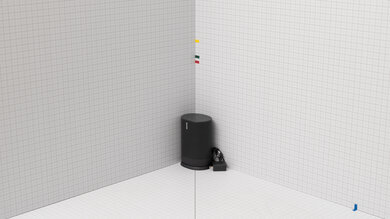
for pictures & test results
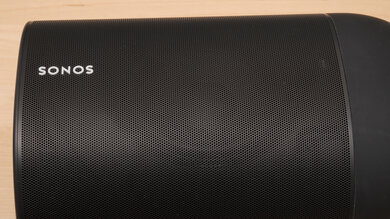
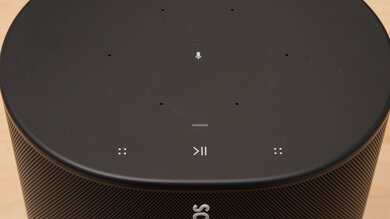
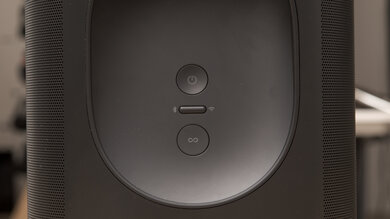
for pictures & test results

for pictures & test results