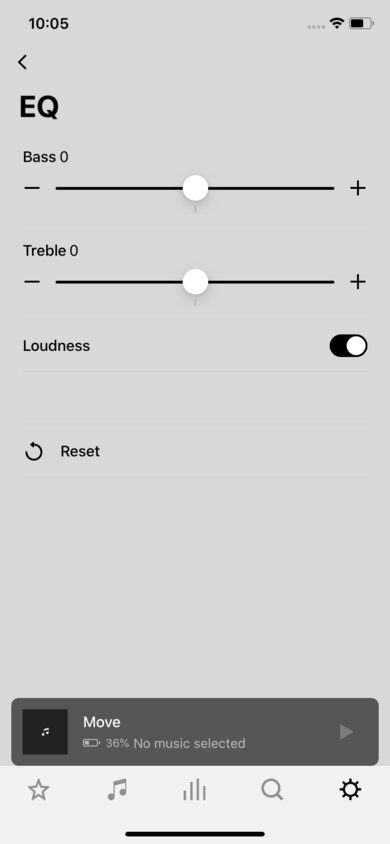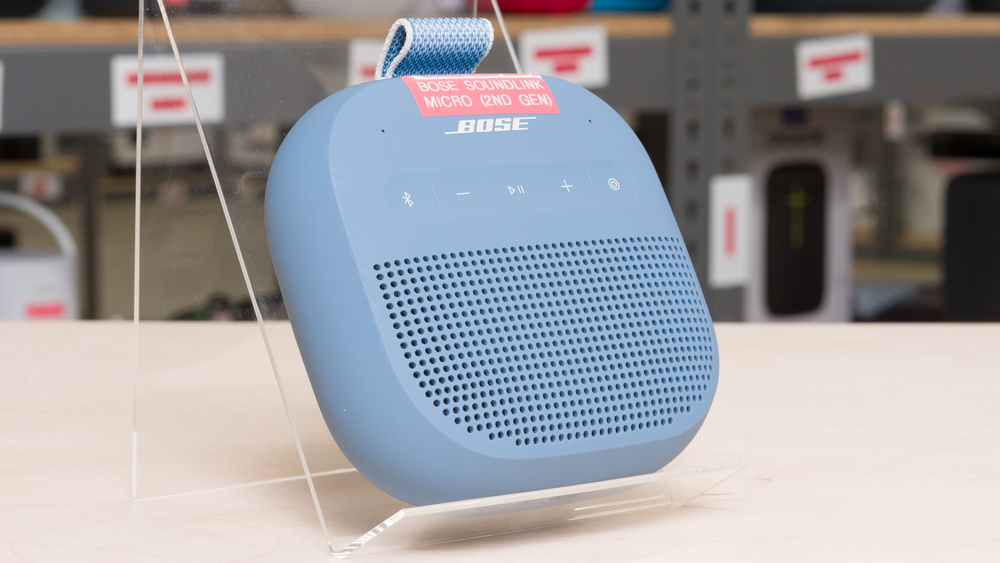
The Bose SoundLink Micro (2nd Gen) is a compact, rugged Bluetooth speaker designed for portable use, with an IP67 rating and a built-in strap for easy mounting. While the original Bose SoundLink Micro used Micro-USB for charging, the second generation uses USB-C and also adds support for equalization via its companion app. However, unlike the first-gen, the new speaker lacks a built-in microphone, so it's not suitable for calls or voice assistant access.
Our Verdict
The Bose SoundLink Micro 2 is acceptable for listening to music, so long as you're aware of its limitations. A boost across the high-mids and treble keeps vocals and instruments clear and present, but it also makes the speaker sound slightly tinny. It's a very small speaker, so it lacks bassy punch and thump and doesn't get loud enough to fill more than a small room with sound. Still, the companion app includes a 3-band EQ for basic sound tweaks, and you can position the unit vertically or horizontally, offering flexibility in placement. The speaker downmixes audio to mono, but you can pair two units together for stereo playback.
Balanced mid-range represents voices accurately.
Good directivity when placed on its back.
Downmixes your audio to mono.
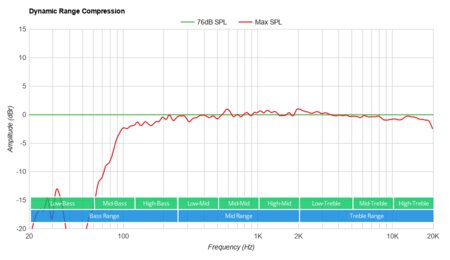
Doesn't get very loud.
The Bose SoundLink Micro 2 is sub-par for watching videos and movies, though it's not really intended for this purpose. It's a very small, portable speaker that struggles to reproduce much bass at all, let alone the low-bass rumbles of explosion effects. It also downmixes your audio to mono, so cinematic soundtracks don't sound very immersive, and it can't get very loud. That said, you can link two units together to get stereo sound and a louder subjective experience, but don't expect miracles. You may also run into lip-sync issues when watching videos, although different apps and devices compensate for latency in different ways.
Good directivity when placed on its back.
Downmixes your audio to mono.
Doesn't get very loud.
Latency a little high.
The Bose SoundLink Micro 2 is good for podcasts thanks to its boosted high-mids and treble, which keep dialogue clear and present, though voices can sound slightly tinny. It's small and light enough to carry one-handed from room to room, but it doesn't get loud enough to fill larger spaces like garages or gardens. You can either position it with the drivers facing you or facing upward. When facing upward, the sound remains consistent across different listening angles, offering some placement flexibility.
Balanced mid-range represents voices accurately.
Good directivity when placed on its back.
Doesn't get very loud.
The Bose SoundLink Micro 2 doesn't have a built-in mic, so it doesn't support voice assistants.
The Bose SoundLink Micro Portable Speaker 2nd Gen is decent for outdoor use thanks to its compact size and rugged build quality. It's highly portable and carries an IP67 rating, so it can handle rain or accidental drops into shallow water, and its rear strap makes it easy to attach to a backpack or bike. Its battery life of around seven hours is enough for most short outings, but it won't last through longer trips without recharging. This pocket-sized speaker also can't get very loud, but when laid on its back, it has great directivity, so the sound remains consistent from different listening angles.
Good directivity when placed on its back.
Rear strap makes it easy to attach to bags or poles.
Downmixes your audio to mono.
Doesn't get very loud.
Changelog
- Updated Aug 28, 2026: This review has been updated to Test Bench 1.0.1. This includes the Test Bench 1.0 updates to all of our Sound tests: Frequency Response Accuracy, Raw Frequency Response, Directivity, and Loudness, as well as the revised Low-Frequency Extension calculation and related DRC updates introduced in Test Bench 1.0.1. There have also been text changes throughout the review, including to the usages and product comparisons, where applicable, to match these results. You can read more about these changes in our Test Bench 1.0 changelog and Test Bench 1.0.1 changelog.
- Updated Aug 11, 2026: This review has been updated to Test Bench 1.0, which includes new results for all of our Sound tests: Frequency Response Accuracy, Raw Frequency Response, Directivity, and Loudness. There have also been text changes made throughout the review, including to the usages and product comparisons, to match these results. You can read more about these changes in our changelog.
- Updated Feb 05, 2026: Review published.
- Updated Feb 02, 2026: Early access published.
Check Price
Differences Between Sizes And Variants
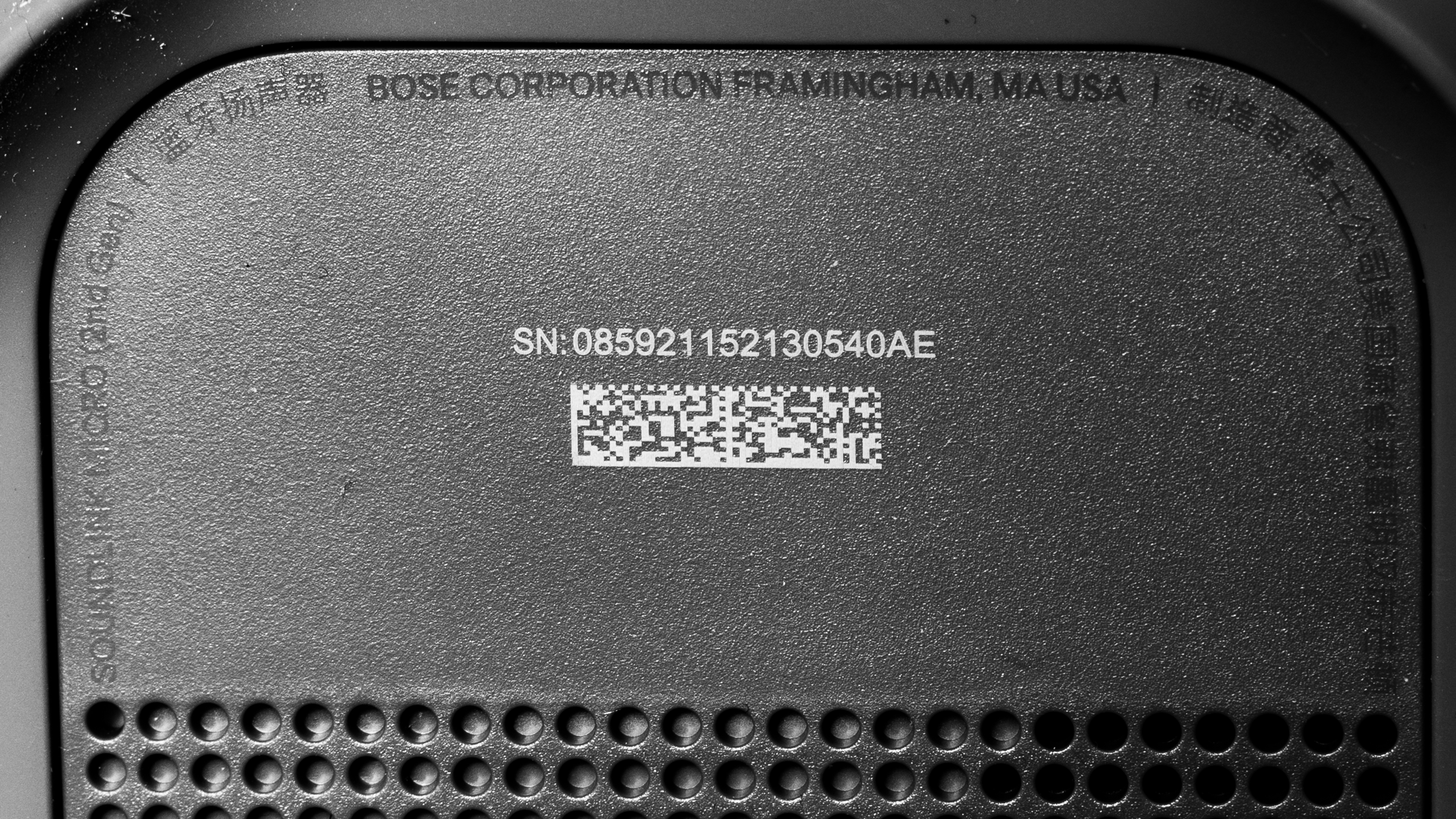
The Bose SoundLink Micro (2nd Gen) comes in five color variants: 'Black,' 'Blue Dusk,' 'Twilight Blue,' 'Petal Pink,' and 'Sandstone.' We tested the 'Blue Dusk' variant, and this is its label. We expect all color variants to perform similarly.
If you come across a different variant, please let us know in the comments, and we'll update our review.
Popular Speaker Comparisons
The Bose SoundLink Micro (2nd Gen) is the smallest of Bose's portable speaker lineup. That said, it's a touch larger than the original Bose SoundLink Micro, but in exchange, you get a longer battery life, a USB-C charging port, and EQ in the companion app. Perhaps the main downside of the 2nd Gen, when compared to the first, is the lack of a built-in microphone. If you plan to use your speaker with your phone's built-in voice assistant, the Tribit Stormbox Micro 2 is a good alternative. It's about as portable as Bose's Micro series, but comes with a built-in mic. And if you're a fan of Bose's designs and sound but don't want to compromise much on bass output or loudness, check out the larger Bose SoundLink Flex (2nd Gen) and the Bose SoundLink Max speakers. The Max is the largest in the brand's lineup of portable speakers, offering the most bass and loudest volume, while the Flex (2nd Gen) sits at the midpoint, offering a nice compromise. Looking outside Bose's lineup, the JBL Clip 5 is cheaper and easier to clip onto bags than the Micro (2nd Gen), but not everyone's a fan of its carabiner-style design.
For more, check out our recommendations for the best Bluetooth speakers, the best waterproof speakers, and the best small Bluetooth speakers.
The JBL Clip 5 and the Bose SoundLink Micro (2nd Gen) are both small, portable Bluetooth speakers that you can easily toss in a bag or coat pocket. Both speakers sound fairly similar, with little bass and a balanced mid-range. The Bose lasts a little longer off a single charge. The choice probably comes down to use case: the JBL's defining feature is its large, built-in carabiner-style clip. That makes it easy to clip onto bags and ropes, but it also takes up more pocket space than the compact Bose. If you still can't decide, pick whichever you can find cheaper. It's usually the JBL.
The Tribit Stormbox Micro 2 and the Bose SoundLink Micro (2nd Gen) are very similar-looking small speakers. They're both highly portable and designed to withstand the elements, although the Bose has a slightly higher IP68 rating, meaning it can withstand deeper submersion in water. The Bose also delivers a bit more high-bass, but the Tribit gets a touch louder and lasts about an hour longer on a single charge. The Tribit is the only one with a built-in mic for voice assistant support, which might be the decisive factor for some.
The Bose SoundLink Flex (2nd Gen) and the Bose SoundLink Micro (2nd Gen) are fairly closely positioned in Bose's lineup of portable speakers, but they have different strengths. The Micro is much more portable: you can toss it into a pocket with ease, and it won't weigh down whatever it's clipped to, but its smaller size means you get less bass. Both speakers have a similar battery life. The Flex is the only one of the two that offers voice assistant support. If portability is your top priority, the Micro is the obvious choice. But for most people, the Flex strikes a better balance between sound quality and portability.
The Bose SoundLink Max and the Bose SoundLink Micro (2nd Gen) are both portable speakers, but they target different market segments. The Max is larger and heavier, but it delivers more bass, gets louder, and lasts over twice as long as the Micro on a single charge. The strengths of the Micro are just the opposite: it's small, lightweight, and easy to toss in a pocket, but it can't fill larger spaces with sound or put out much low-end.
Test Results
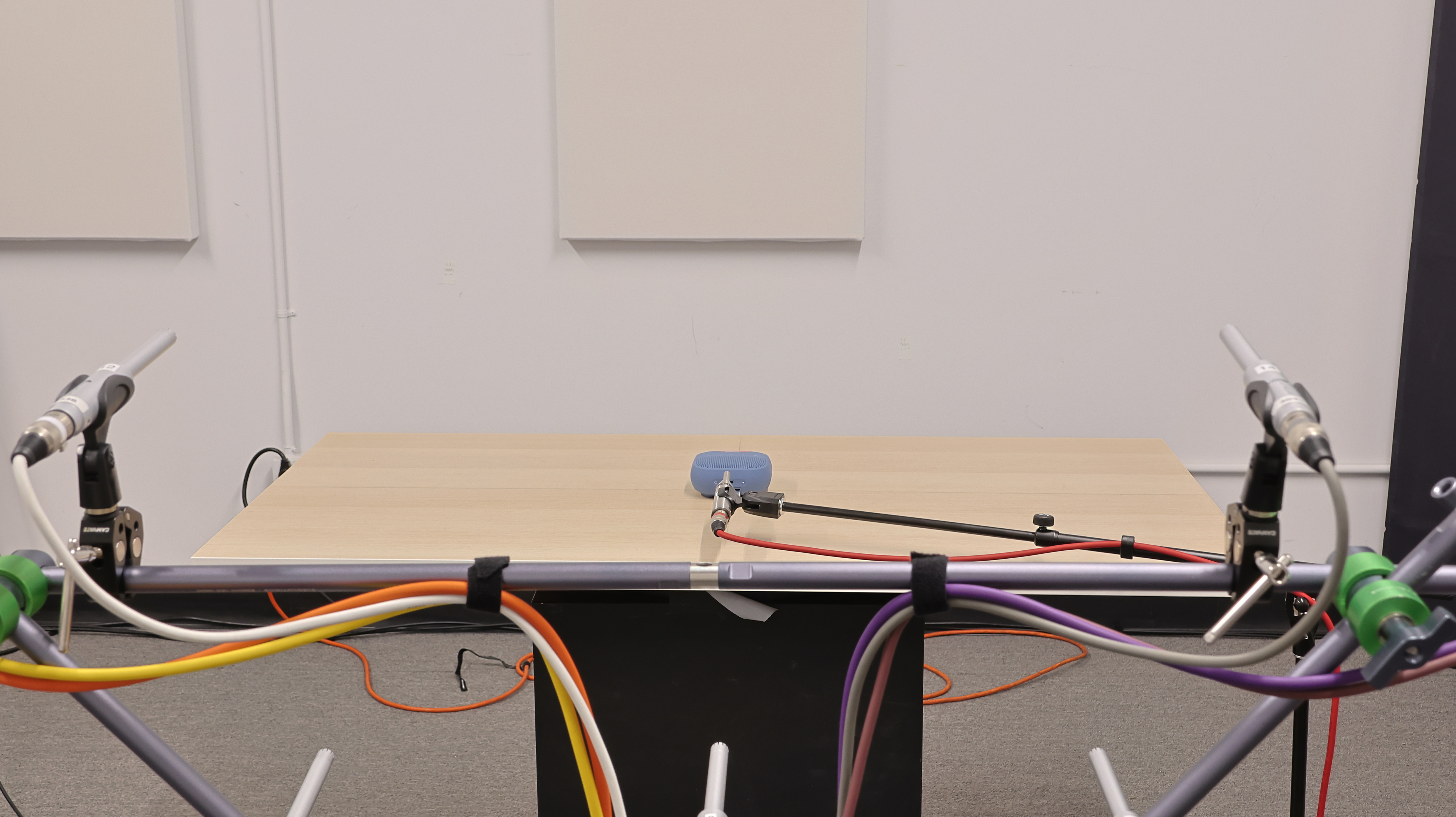
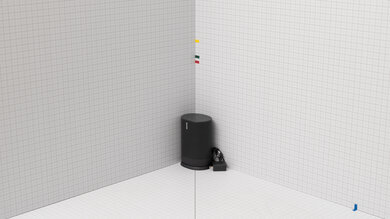
for pictures & test results
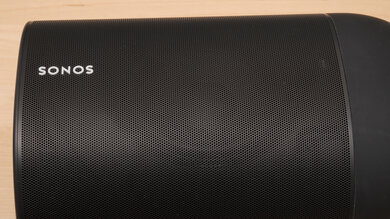
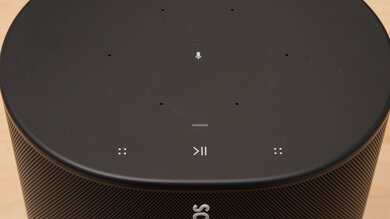
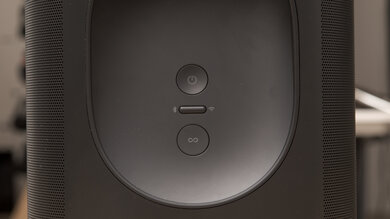
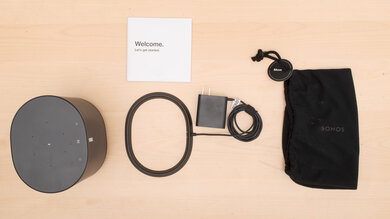
for pictures & test results
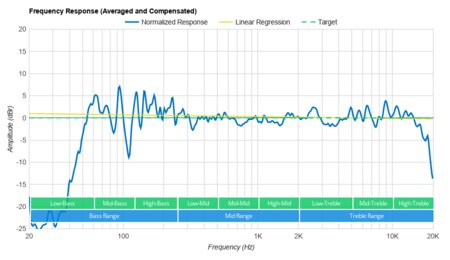
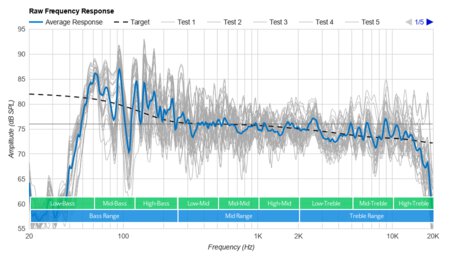

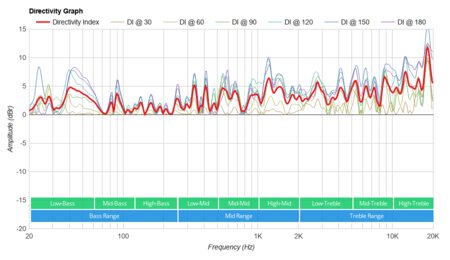
for pictures & test results