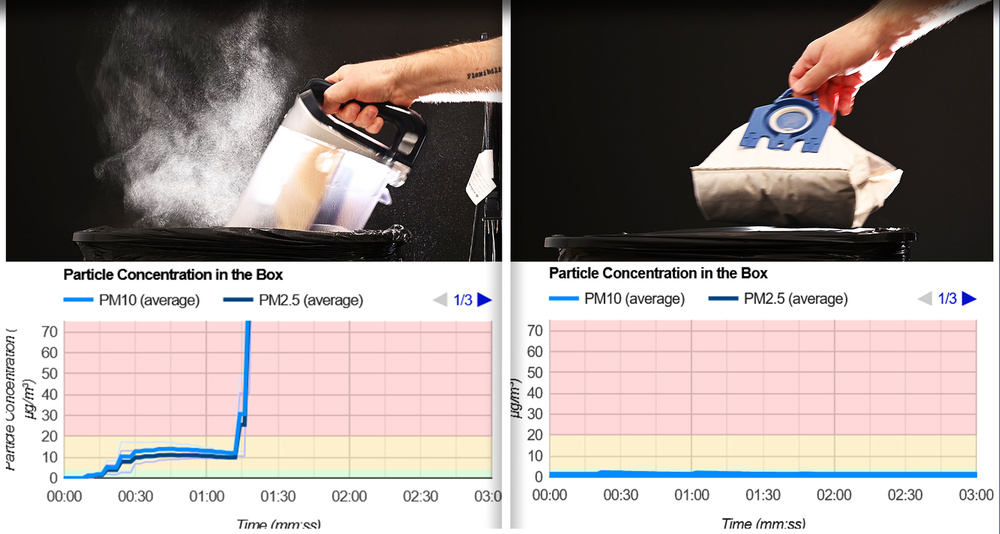
In our newest update to the testing method for vacuum cleaners, we focus on their impact on air quality. Have you ever sneezed after vacuuming? Or found some dust in an area you're certain you just vacuumed? We're now happy to help you choose a vacuum that will not trigger your allergies and keep all that dust contained.
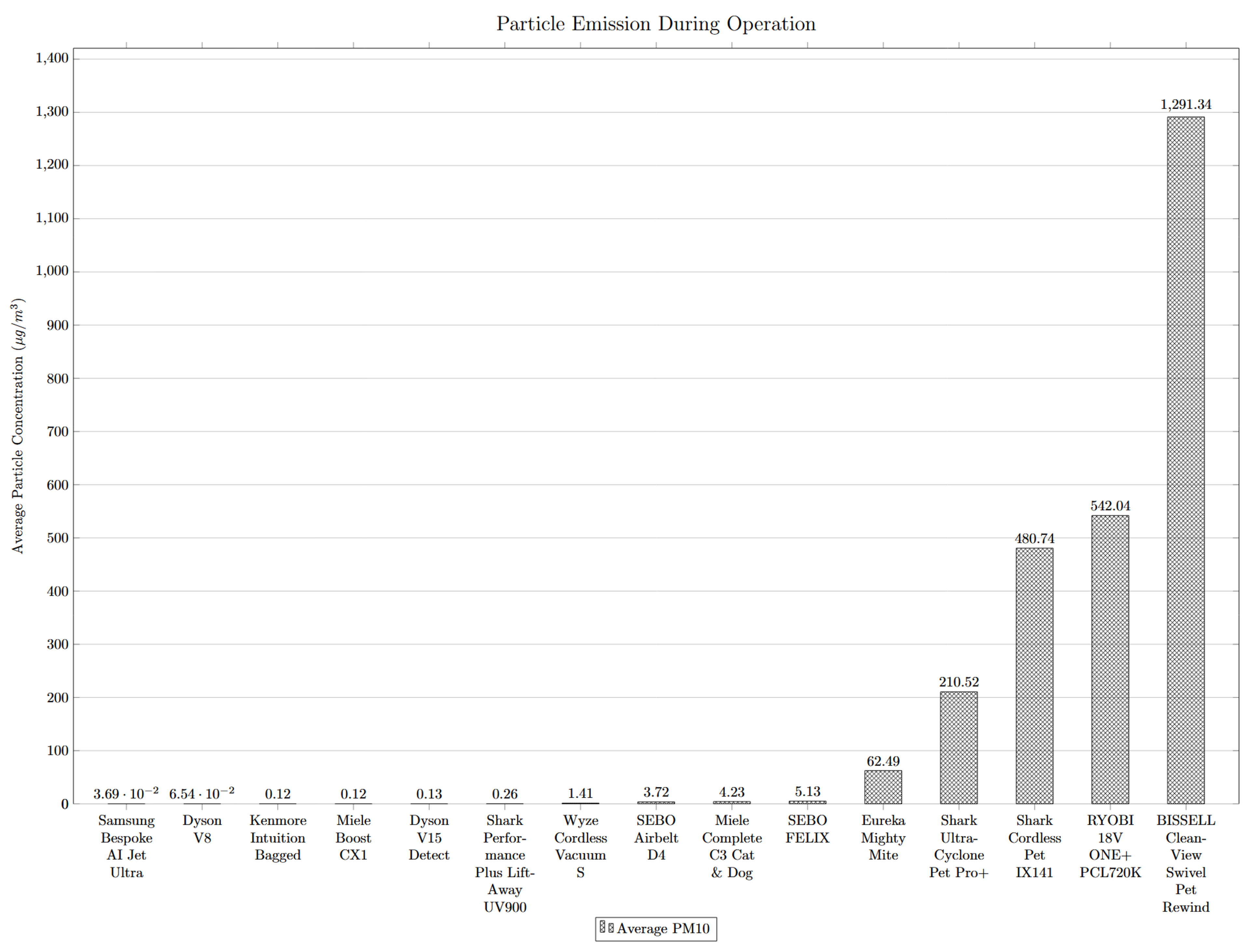
We examine both the operation of the vacuum and the emptying process. After testing 15 vacuums, we found that bagged vacuums are cleaner overall, particularly when emptying them. During operation, only bagless vacuums with multiple filtration stages maintain clean air to the same degree as bagged vacuums. However, some budget-friendly bagless vacuums release a concerning amount of particles back into the air, which eventually settle back onto surfaces that need to be cleaned again.
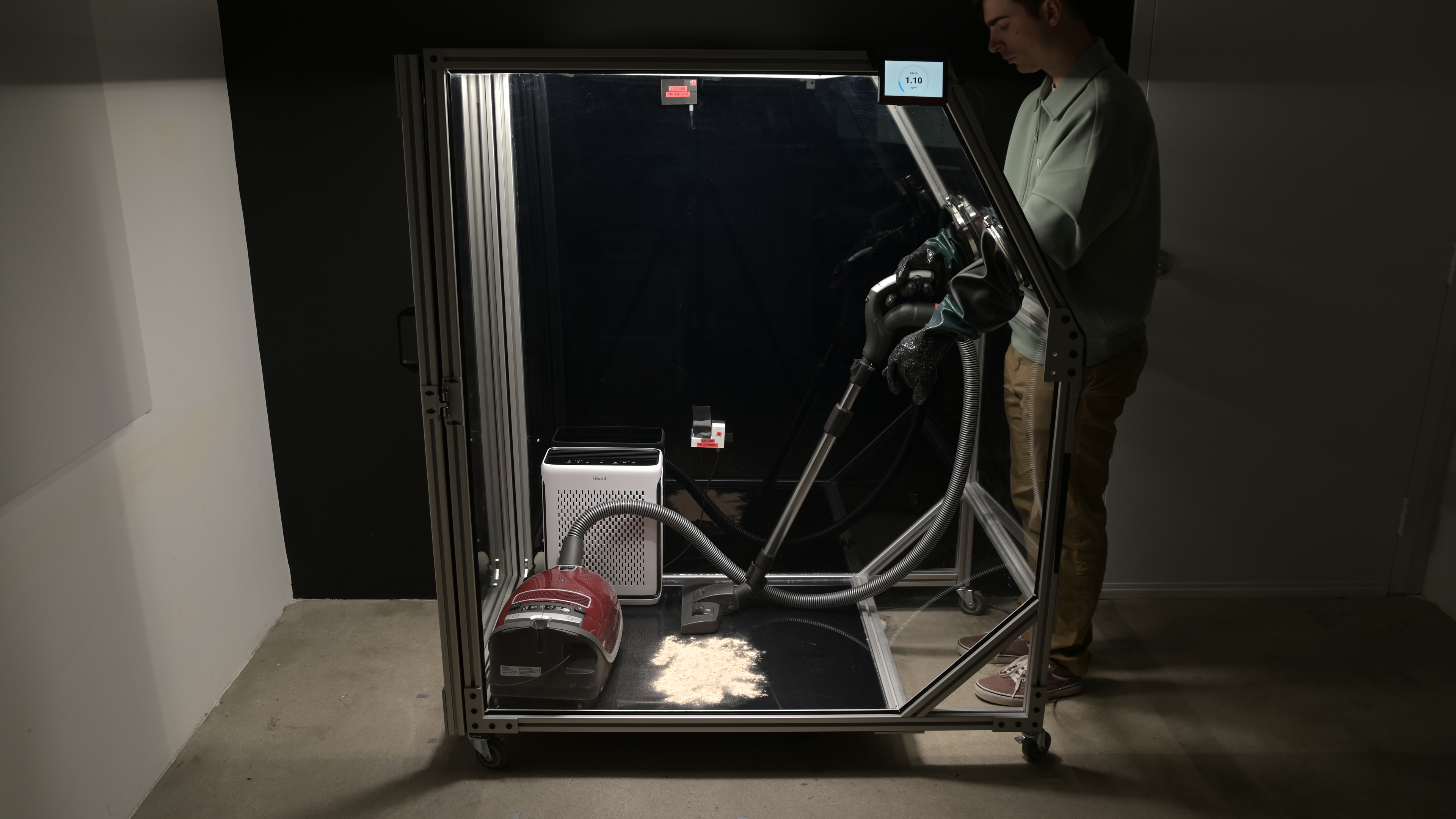
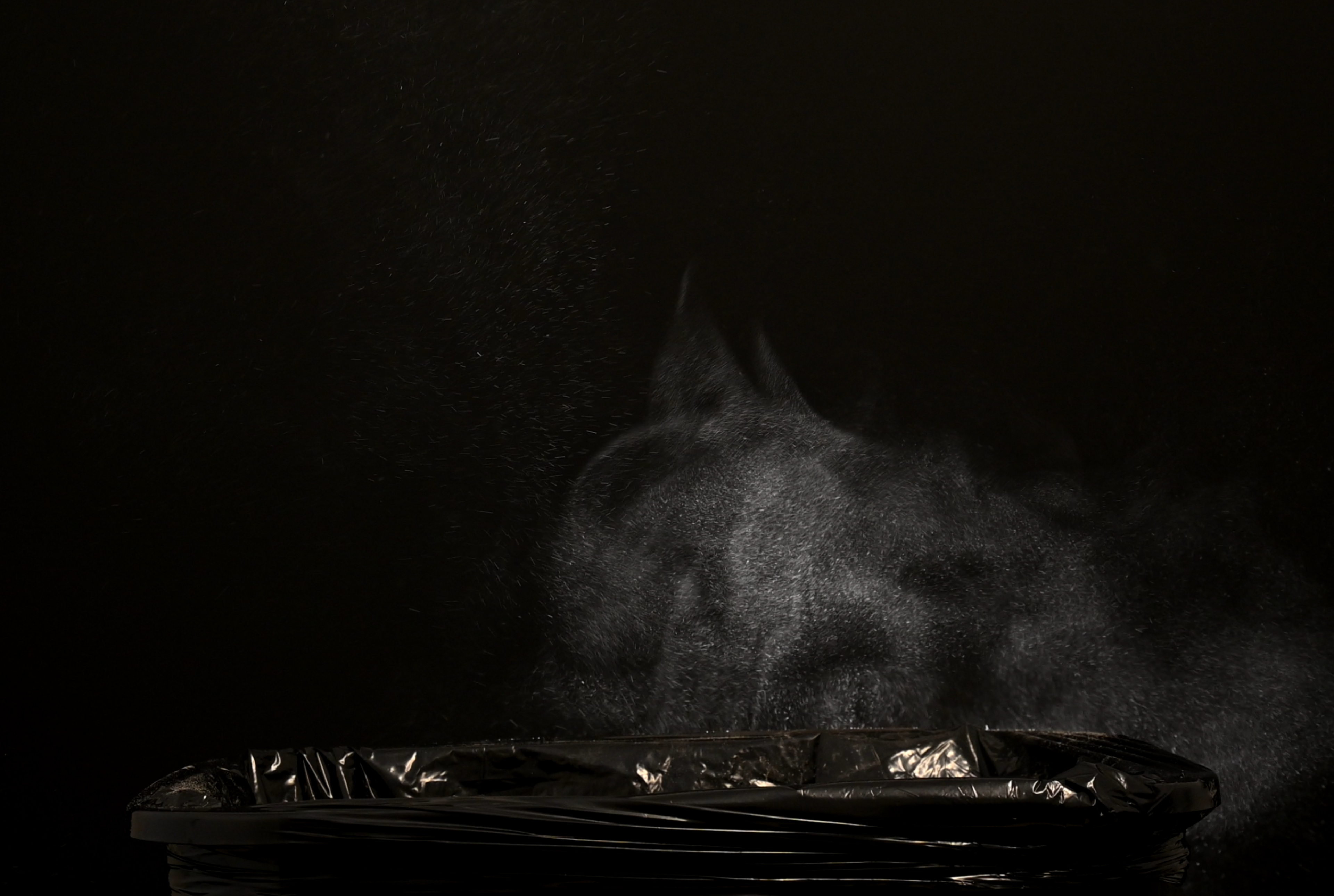
We built a sealed chamber to keep dust concentrated to measurable levels, allowing us to distinguish between good vacuums and great ones. We also filmed the process of emptying the vacuum so you can see each speck of dust flying away.
And because here at RTINGS.com, we always want to know more, we also conducted a deeper dive into vacuum cleaner filtration systems to compare bags and bagless filters head-to-head.
Finding the best filter bag
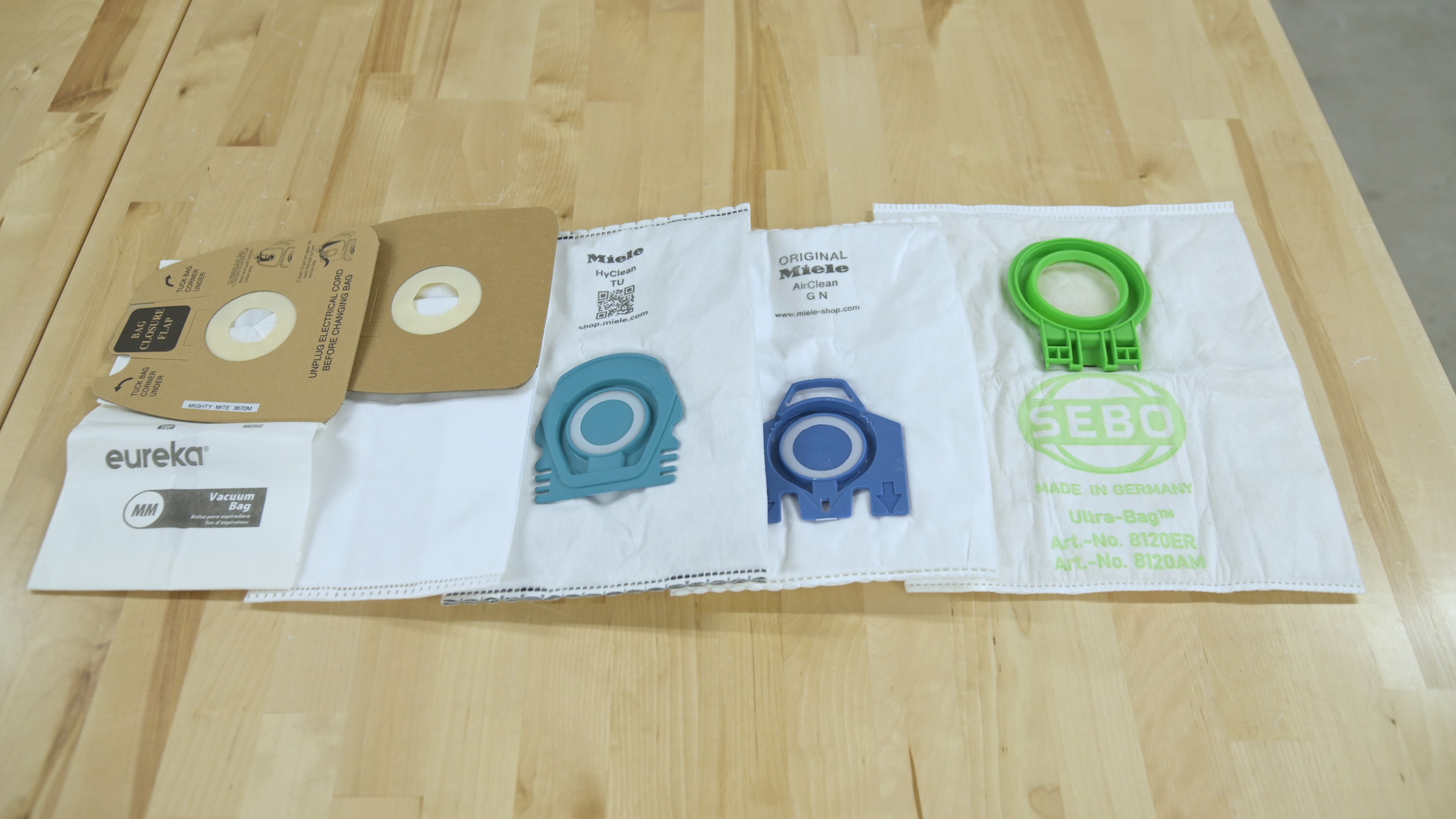
As we investigated the impact of vacuum cleaners on air quality, we immediately noticed that many bags seem to be built differently. Miele bags are thick and cushy, SEBO bags feel thinner but dense, and the bags for the Eureka Mighty Mite feel like writing paper. While each bag is designed for a specific family of vacuums, we wondered which one filtered more effectively and how significant the differences might be.
After some speedy acrylic cutting and help from our favorite roll of duct tape, we had our testing rig.
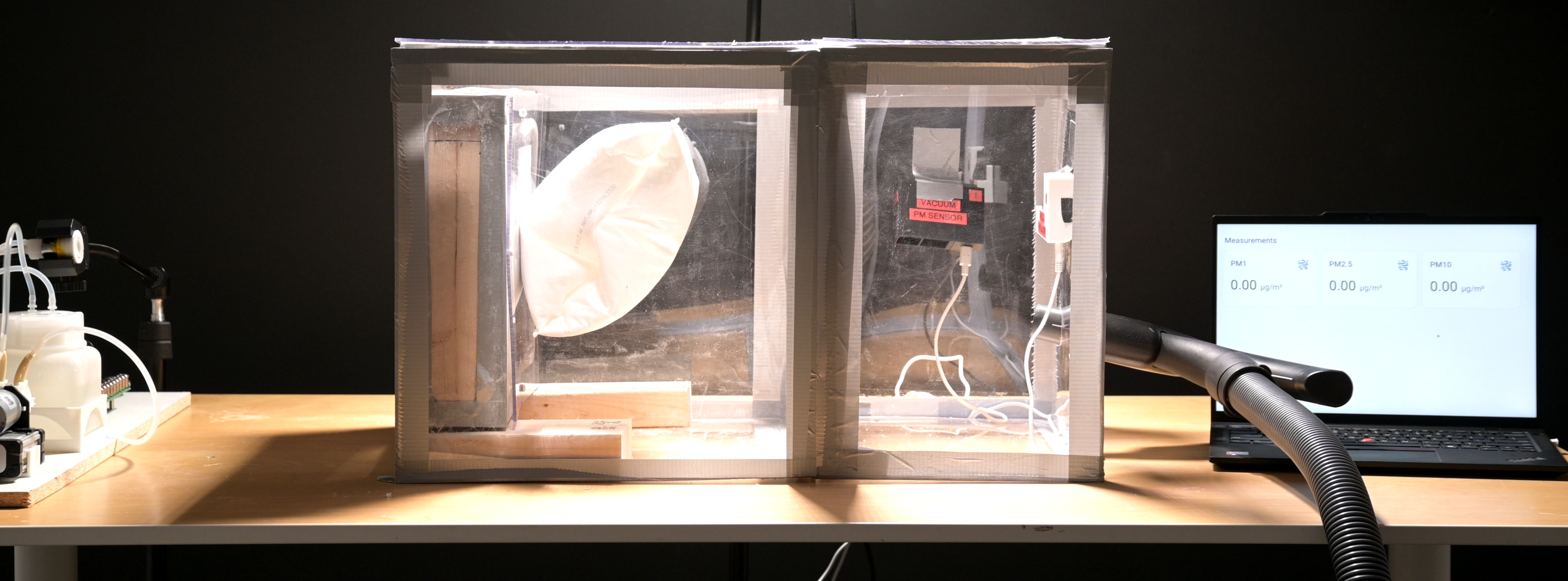
This test box utilizes a nozzle to dispense 8 μm droplets of a 0.4% w/w sodium chloride (salt) solution. As the droplets are sucked into the first chamber, the water evaporates, leaving only the airborne particles of sodium chloride. They pass through the bag, and two particulate matter (PM) sensors measure the concentration of particles in the last chamber. We use a Miele Complete C3 running on low to generate the airflow.
Each bag we tested was brand new, and the result is the average of the measurements made over one minute of filtration using the apparatus. We measured the PM10 and PM2.5 concentrations, which are standard particle size ranges for airborne particles. They are particles smaller than 10 microns and 2.5 microns, respectively. Dust particles typically fall within the PM10 range, while smoke particles are generally in the PM2.5 range. According to the EPA, while both are harmful and you should avoid inhaling either, PM2.5 is smaller and penetrates deeper into the lungs, making its way into the bloodstream more easily.
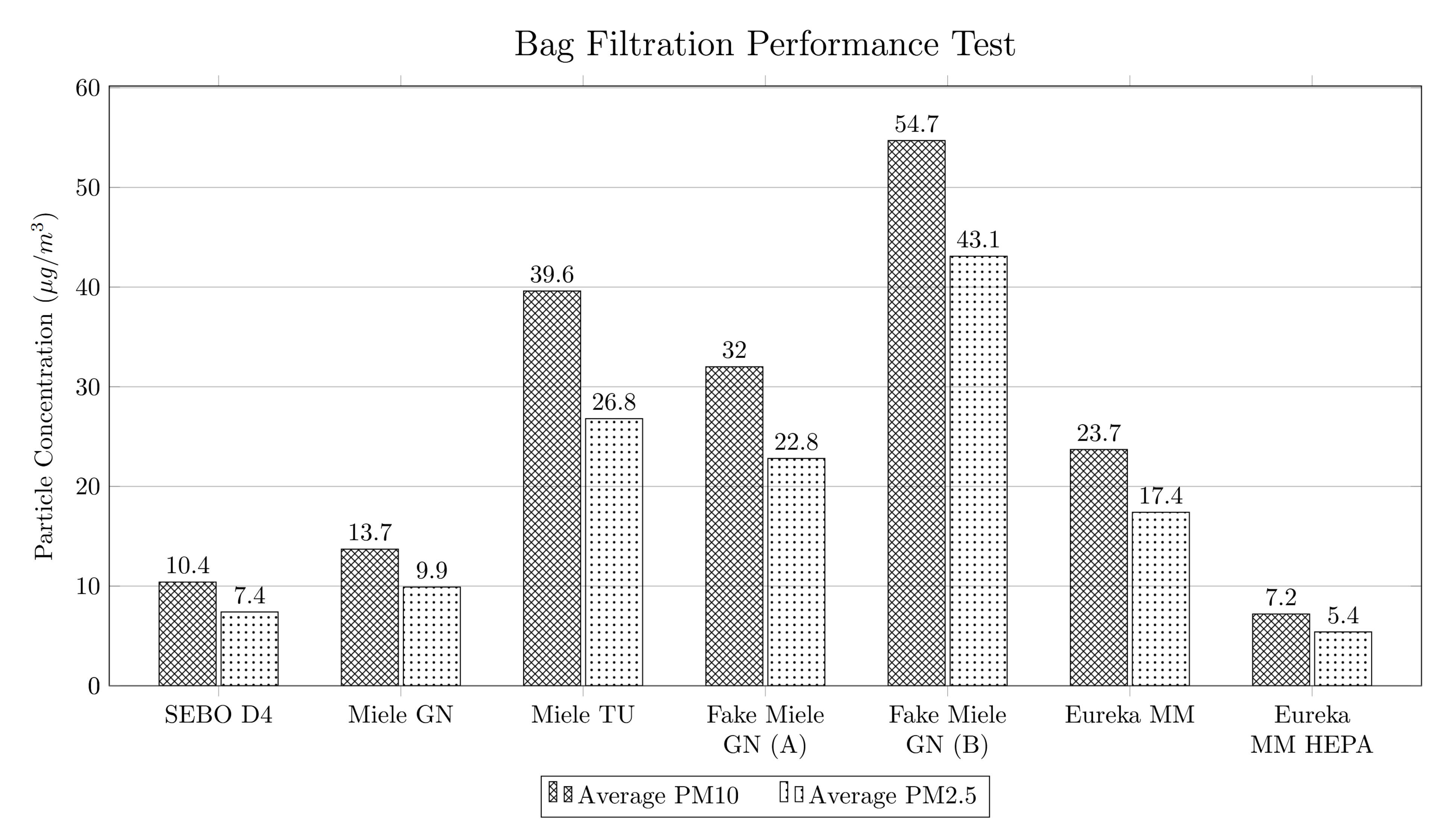
These results aren't very surprising. The SEBO D4 and Miele GN bags are two of the best filter bags we tested. Interestingly, the Miele TU bag performed much worse. This is the bag for the newer Miele Guard M1 and L1 vacuums, replacing the outgoing C3 family. Miele claims 99.9% filtration for the GN's "AirClean system", but there are no filtration claims for the TU bags and their "HyClean system".
We can also say that the knock-off GN bags are clearly not nearly as good as the originals, but it remains to be seen whether a knock-off TU bag might be on par with its counterpart.
The SEBO bags performed better than the best Miele bags despite feeling thinner. Notably, the HEPA bags for the Eureka Mighty Mite performed impressively in this test, providing an easy way to upgrade your economical Mighty Mite for improved air quality.
We always recommend using the manufacturer's bags and filters, as they are specifically designed for the machine they are intended for and preserve your warranty. Third-party bags and filters can vary in performance, and even if some performed acceptably in this test, we can't say anything about their longevity.
Bag Loading: Air Quality Improves As You Use Your Vacuum
The very reason why cyclones have become popular is that they don't lose suction until they are full. However, in a bagged vacuum, suction decreases because the dust closes the holes in the bag. As a result, small particles no longer pass through those holes, resulting in cleaner air. This is what we refer to as filter loading.
We experienced this phenomenon during our research. While testing the filtration of the Sebo D4, we noticed that the results obtained after changing the bag to collect our measurements were worse than those we had previously achieved when experimenting with an old bag. Sure enough, as we repeated the same experiment with the same bag, the D4 continued to yield better and better results on every run.
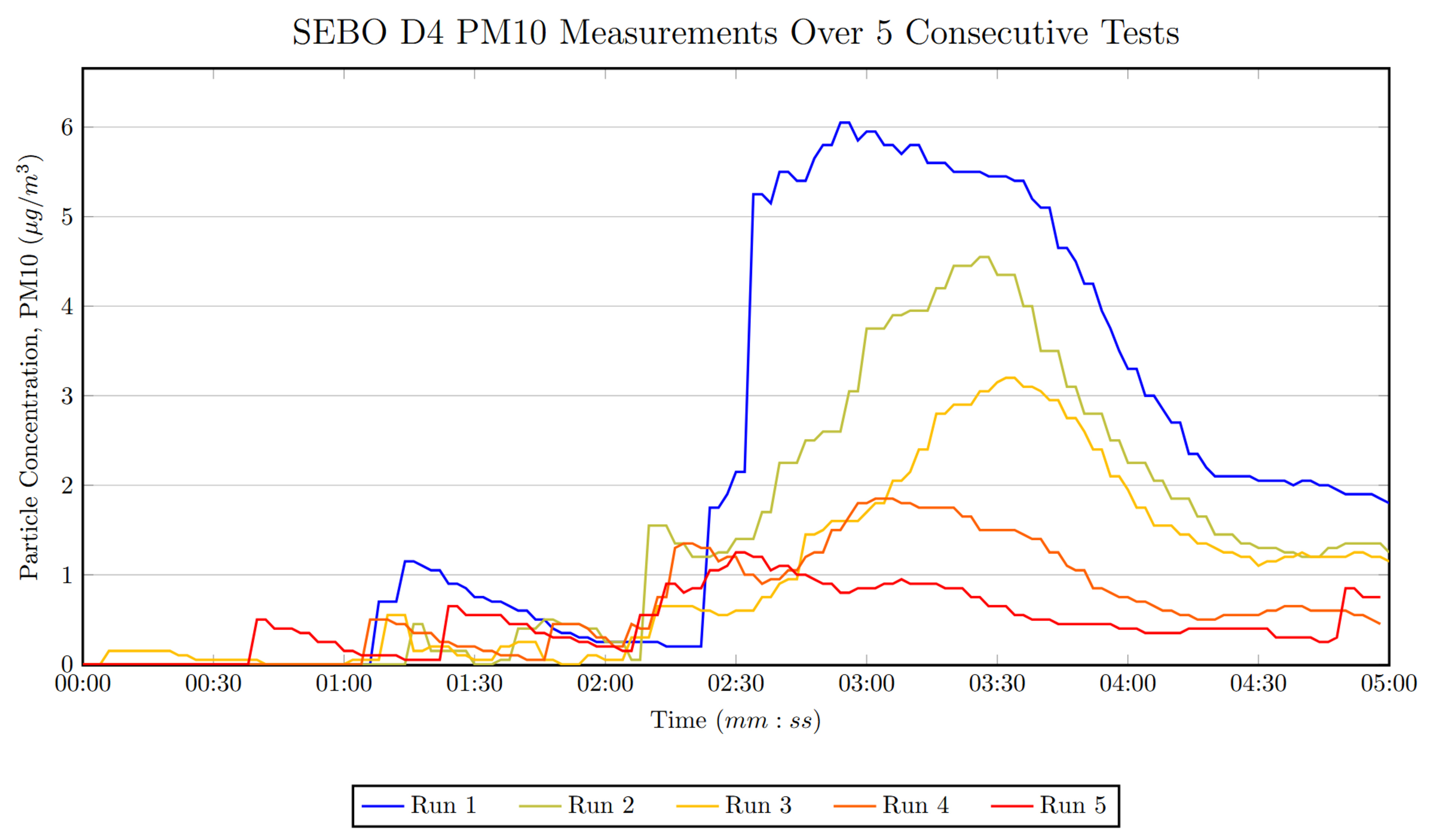
Here, we can see the PM10 measurements over each run, with the average PM10 and PM2.5 values are reported below:
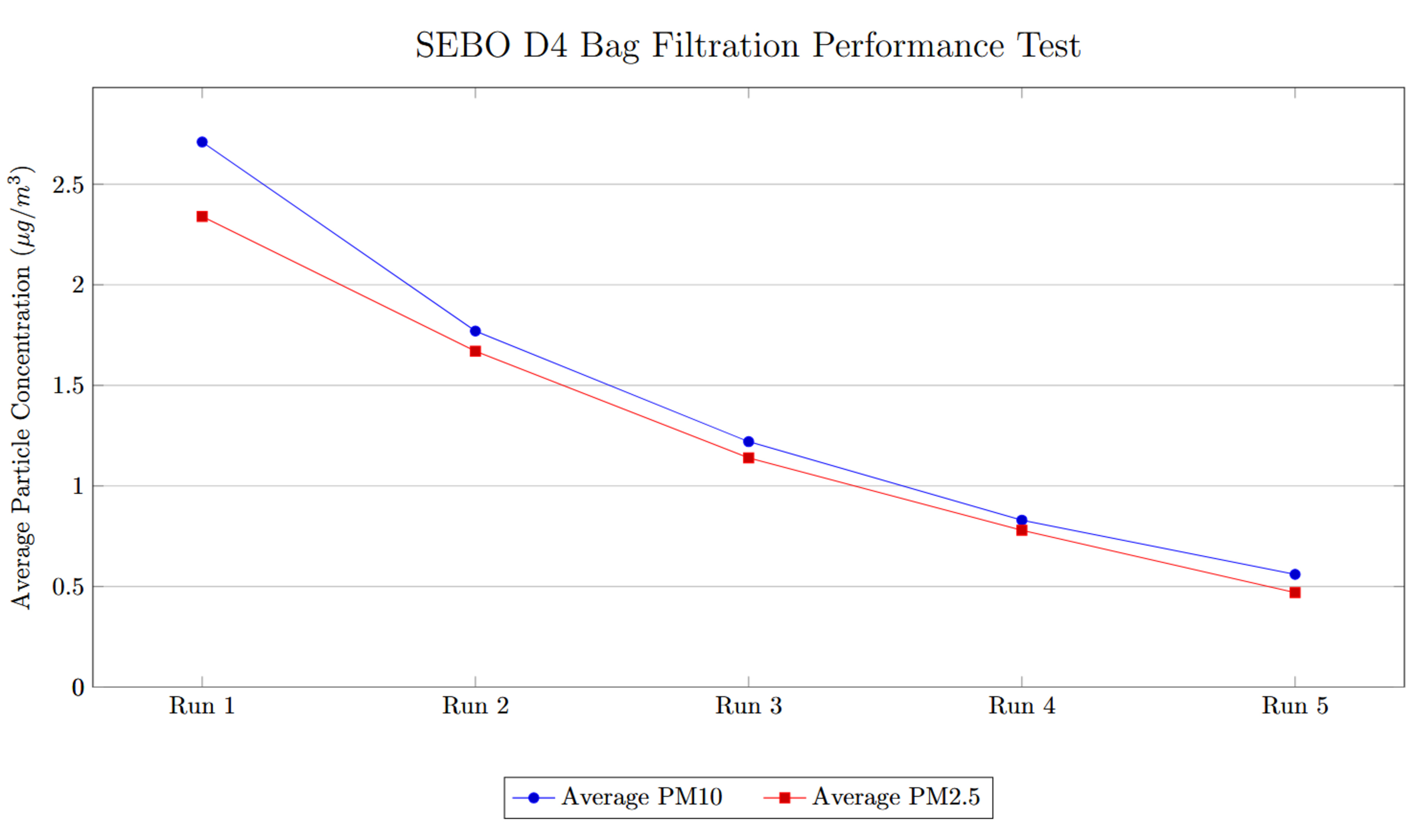
While this improvement over time is nice to see, there comes a point where the airflow is reduced so much that we have to change the bag. In our test bench, we always assess the "worst case scenario", and therefore we test with brand new bags since that's when the bag's filtration will be at its worst.
After just five runs, we're in the same ballpark as other vacuums with HEPA filters.
By contrast, bagless vacuums remove particles from the air using a cyclone filter. Therefore, we wanted to know if they improved over time like a bag. We first tested a bagless vacuum as-is, with its post-motor filter installed. Measuring its emissions over five tests, we noticed a slight improvement, but it wasn't very conclusive.
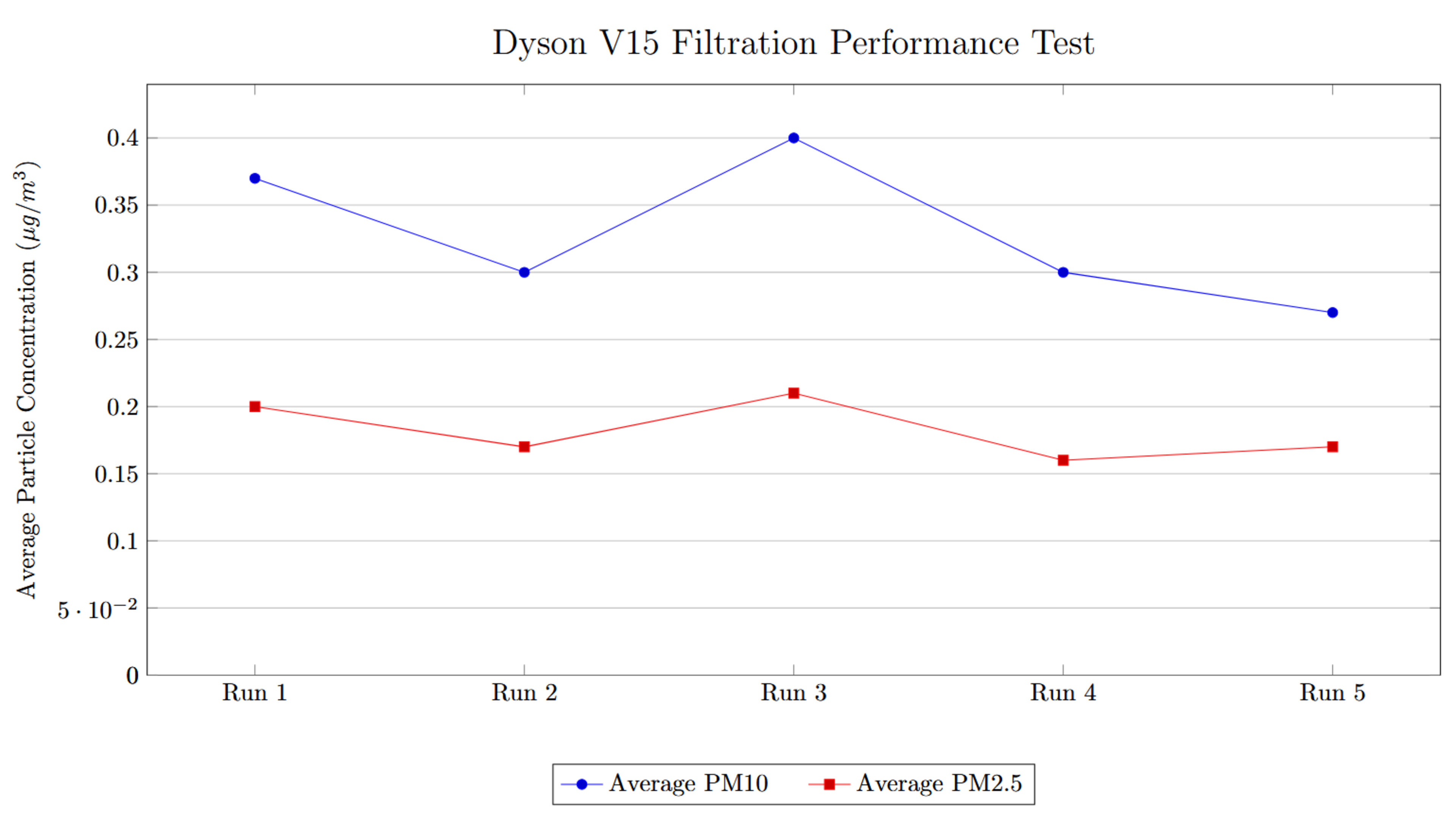
We believe that this slight improvement (if any) might be due to the post-motor filter loading. To confirm (or refute) this theory, we had to use another vacuum since the Dyson V15 Detect will not run without its post-motor filter. We chose the Miele Boost CX1 for this experiment as we can remove most of its filters. We still had to cut a hole in its pleated pre-motor filter since this assembly acts as an air funnel to the motor.
Repeating this test with the Boost CX1 with no filters aside from its cyclone led to the following results:
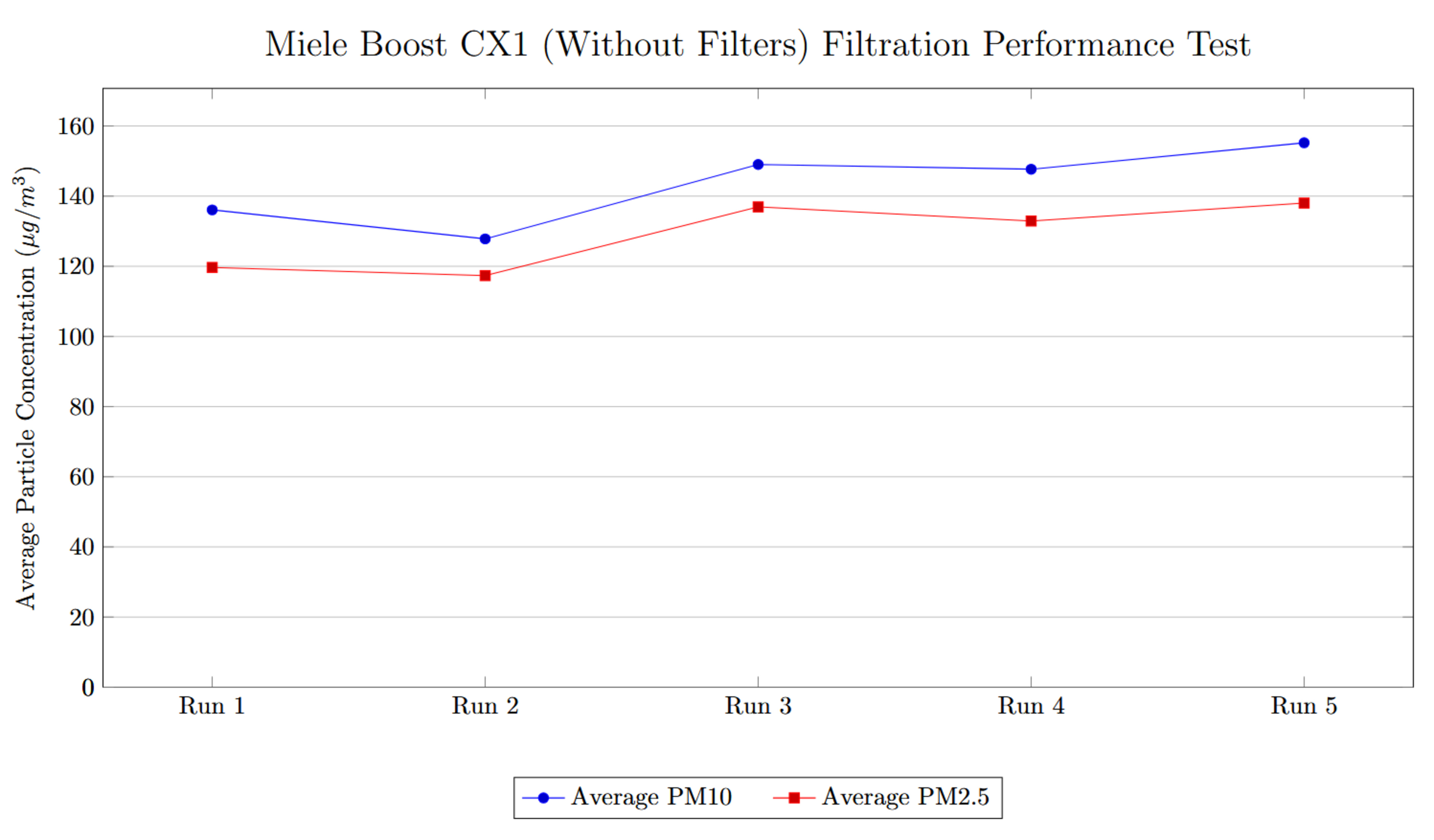
We can't see any improvement in the filtration performance of a cyclone over multiple uses. We can also note how poorly a cyclone filters fine particles from the air. The Boost CX1's filtration is usually exceptional, thanks to its good seal and multiple filters, including a HEPA filter; however, without these, it releases a concerning amount of dust into the air.
Putting A Bag In A Bagless Vacuum Improved It Significantly
What if a vacuum could simply be converted from bagless to bagged? Would it address the air quality issues of a poorly performing vacuum? Let's find out!
Using the Bissell PowerForce Helix as our test subject since it's terrible at filtration (it's one of the worst ones we tested), it's big and therefore easier to work in, so we removed the cyclone part of the dust collection bin. We then adapted a hose to move the debris intake to the bottom of the bin and attached a bag to it. The bag is from a robot vacuum's dock since it was the easiest to adapt. We also removed the foam filter, so all the filtration depends on the bag instead of the cyclone and foam filter.
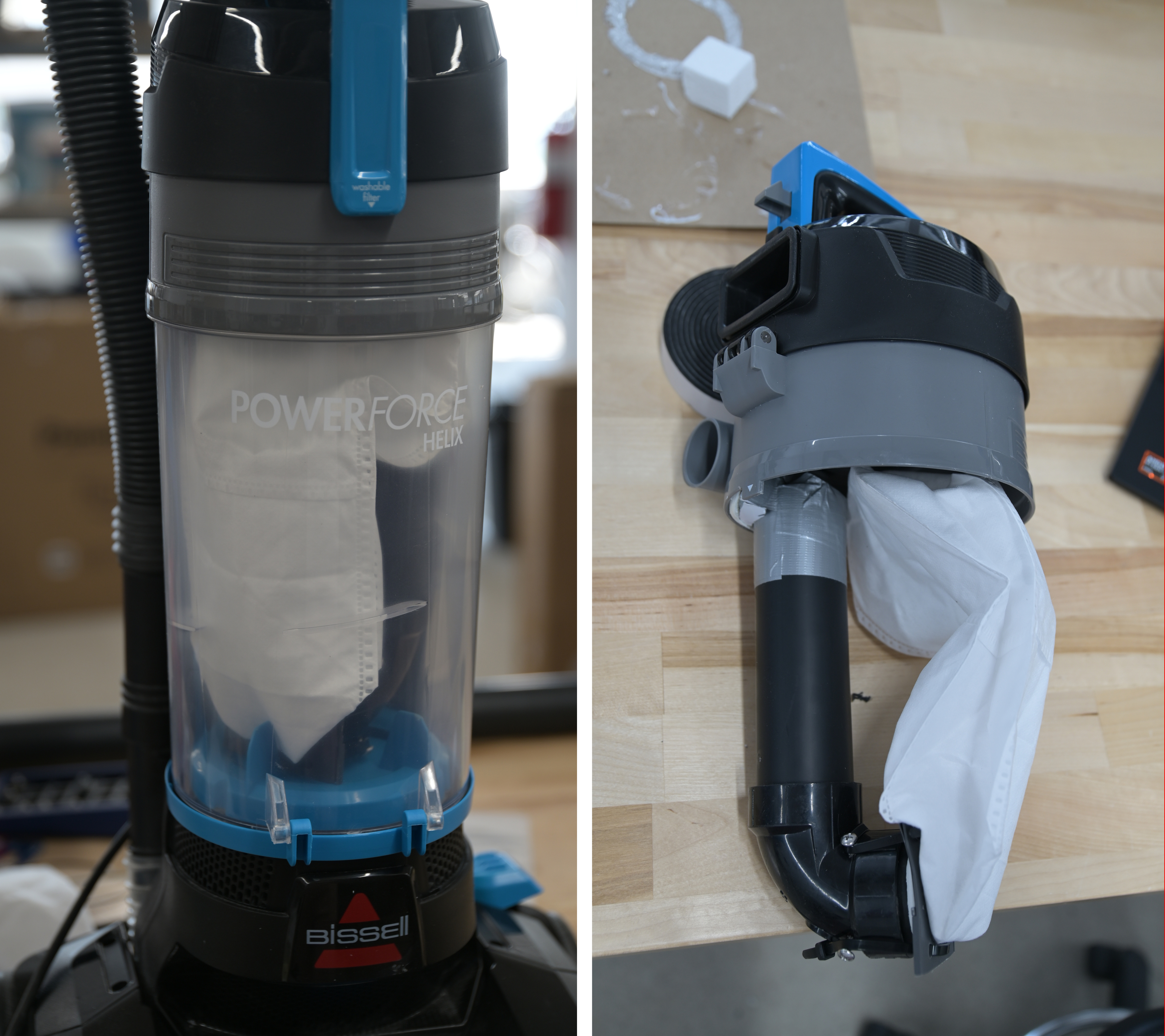
After vacuuming the same quantity of debris with both, we can see the results below.
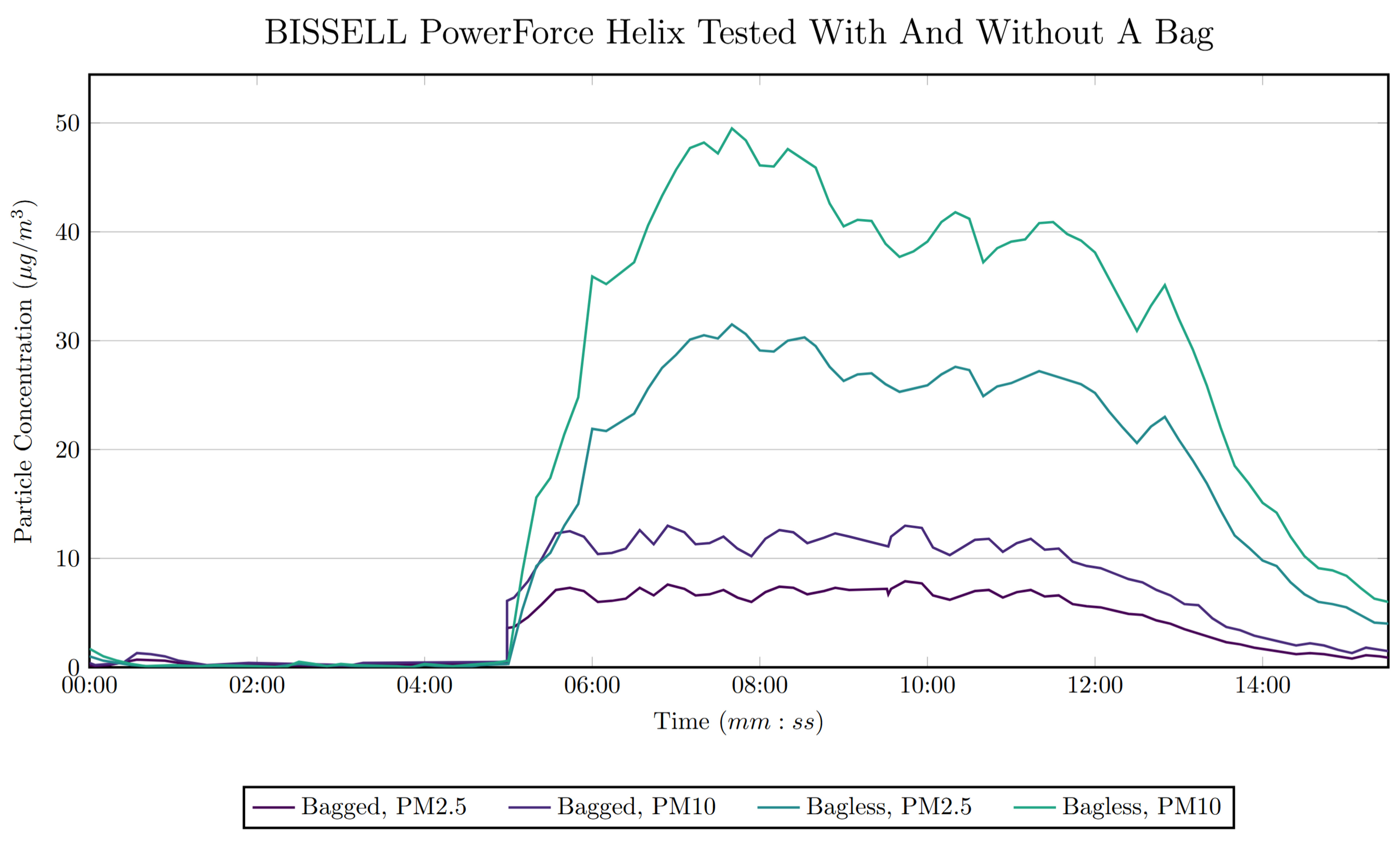
Clearly, the bag reduced emissions by a factor of four. Again, this demonstrates how easily a bag can filter debris, whereas it's much more challenging to do a good job using a cyclone.
HEPA filters make a significant difference
All debris that makes it past the main bag or cyclone filtration stage must be filtered out. If not, it will make it back into the air of your home. This is why the post-motor filter is so important, particularly for bagless vacuums where the cyclone can't filter out fine particles. This is where HEPA filters shine, as a filter to be labeled as such needs to filter 99.97% of particles 0.3 μm in size. This particle size is known as the Most Penetrating Particle Size (MPPS) because these particles are the most difficult to filter, even more so than smaller particles. For vacuums, a good filter doesn't have to be HEPA, but HEPA ensures a high-quality filter.
To demonstrate this, we used the Miele C3, which is compatible with multiple filters of varying grades. The Miele AirClean uses a thin sheet of filtration material. The Active AirClean contains activated carbon, designed to eliminate odors. The AirClean Plus is available with certain newer Guard series vacuums. The HEPA AirClean is the highest-grade filtration offered by Miele.
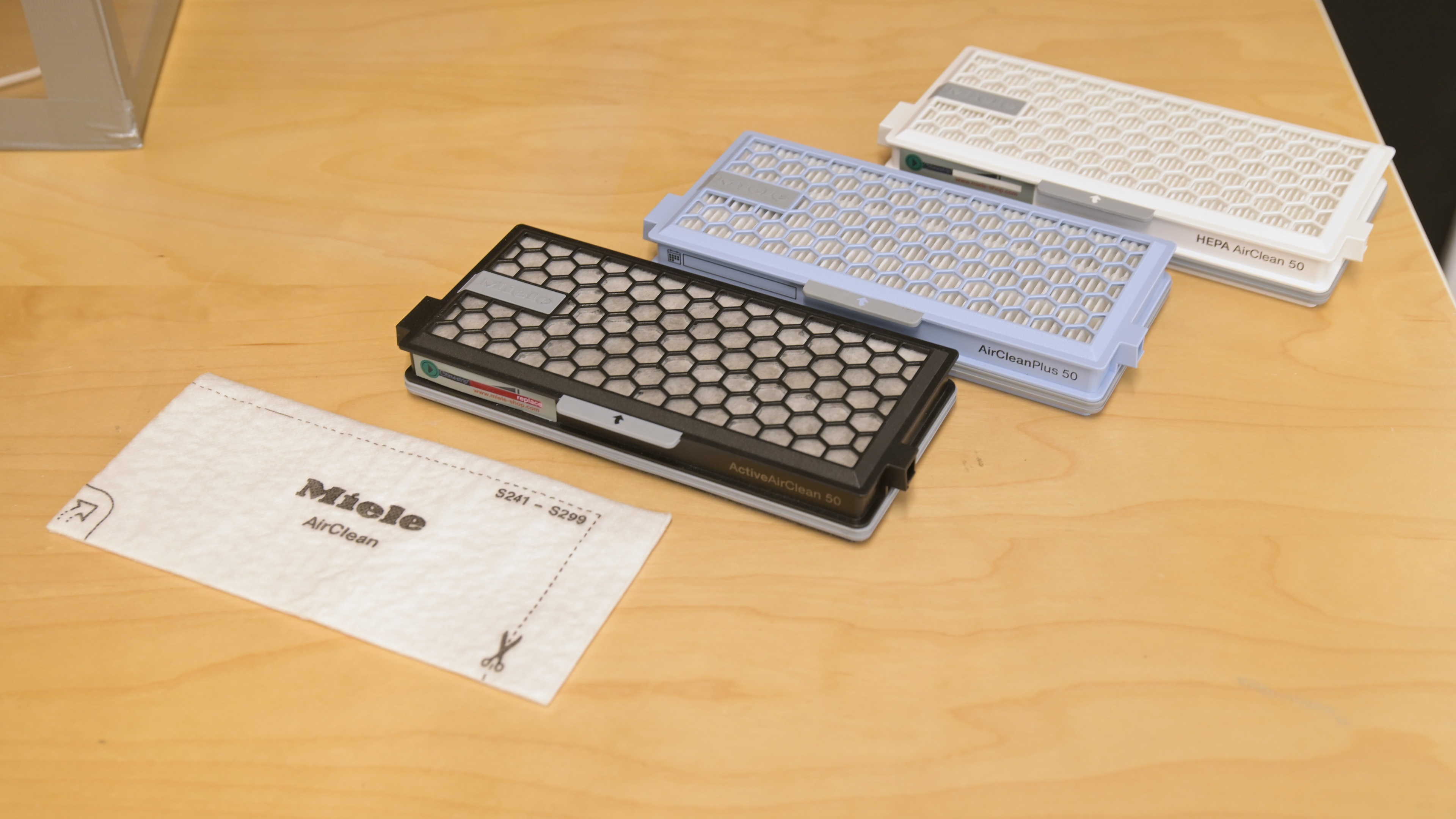
We tested each of these in a Miele Complete C3 Cat & Dog and obtained the following results:
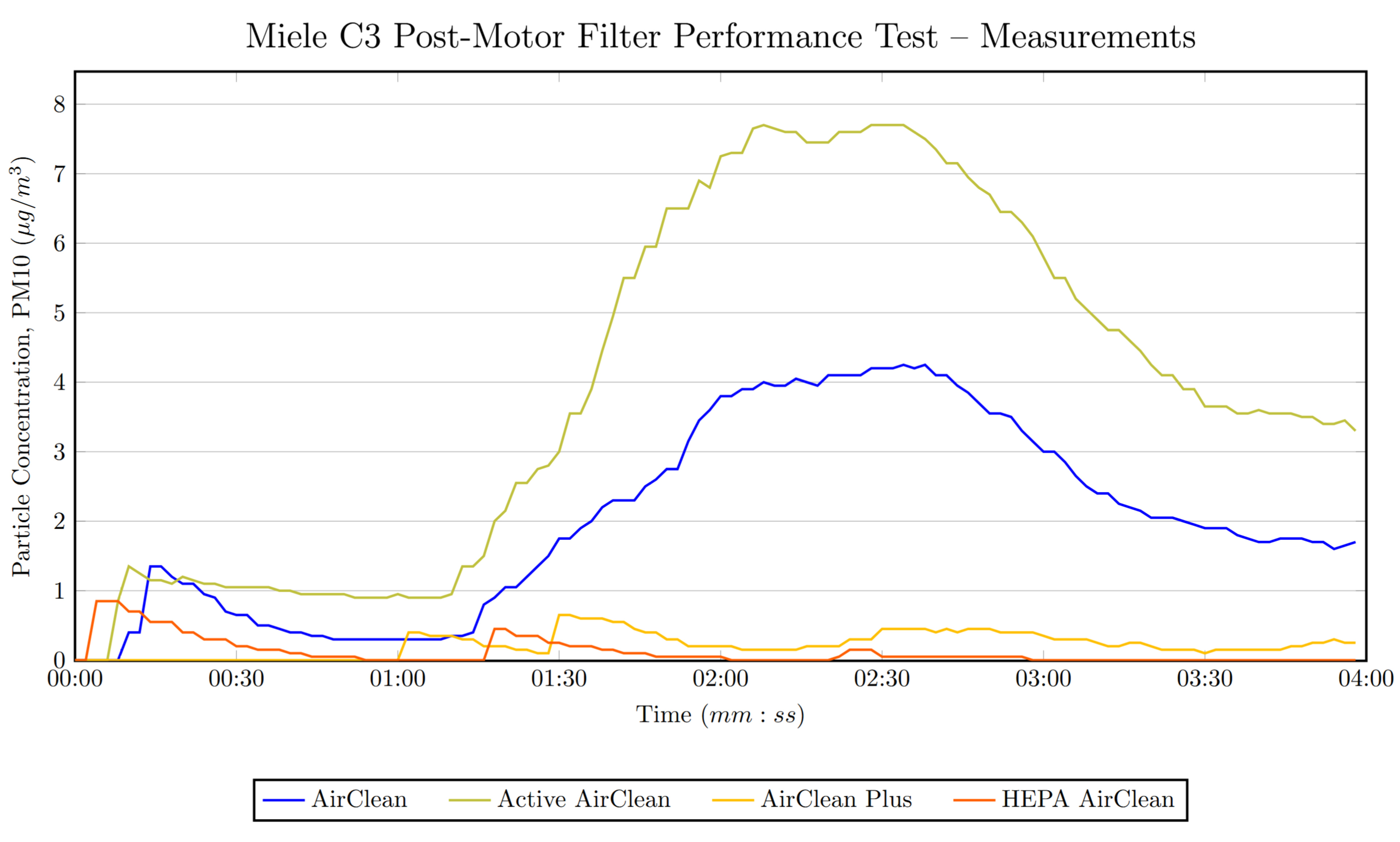
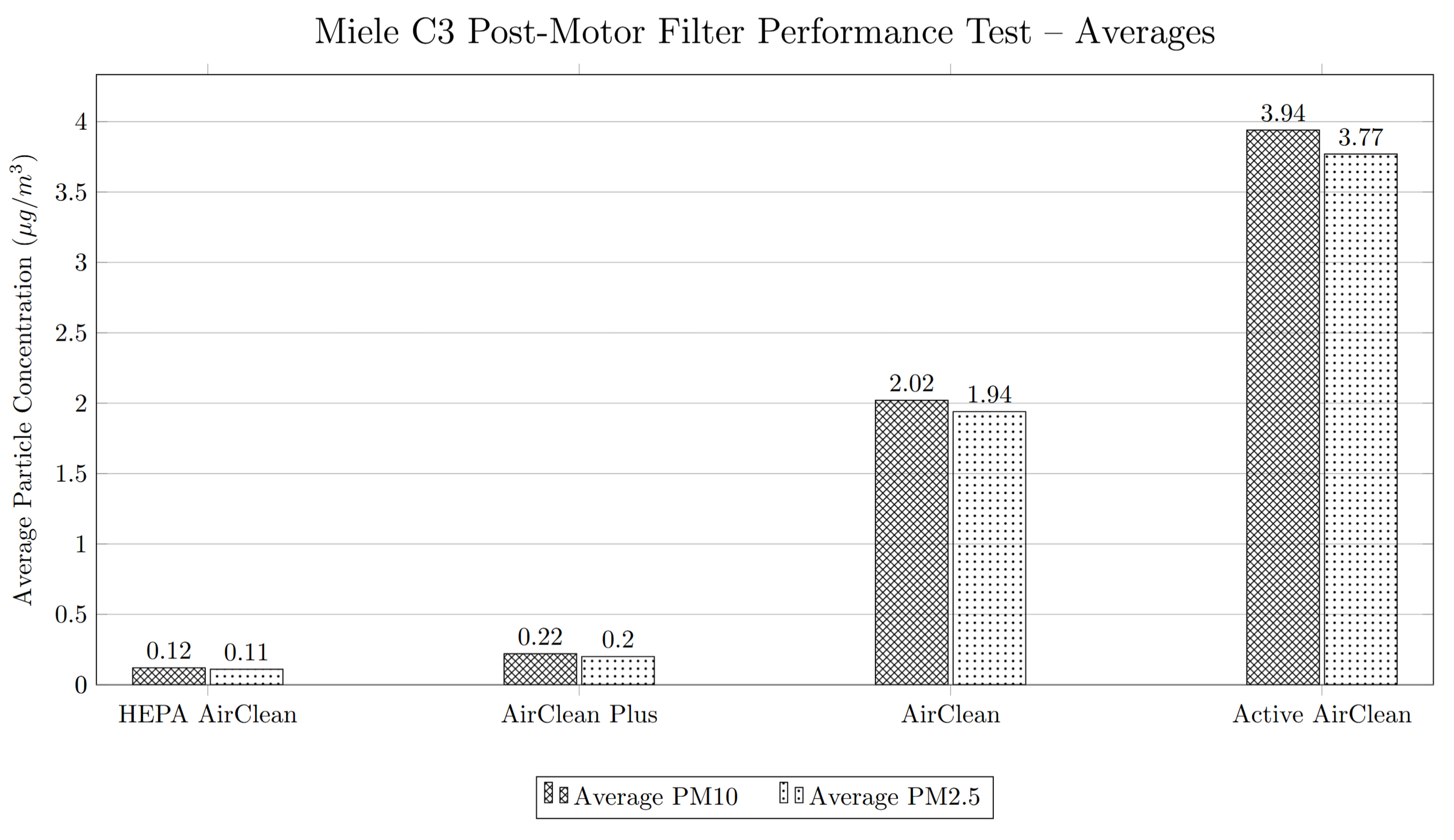
As we can see, the HEPA filter option catches almost all measurable particles. It represents a significant improvement over the AirClean and Active AirClean variants. The AirClean Plus option is also quite good.
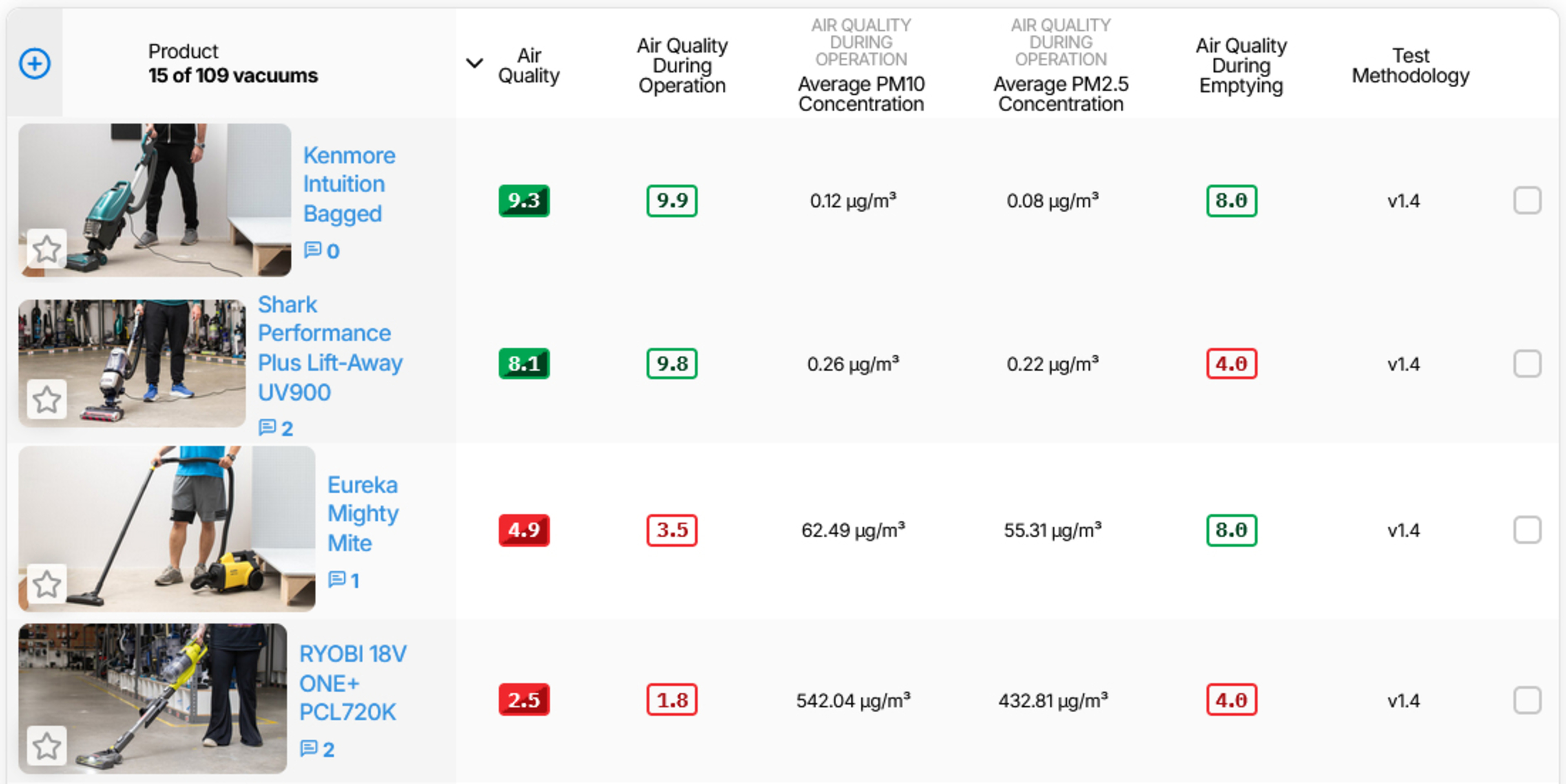
We can observe this trend with other HEPA vacuums we've tested, such as the Kenmore Intuition Bagged or the Shark Performance Plus Lift-Away UV900, both of which had good filtration in our testing. This is in contrast to the RYOBI 18V ONE+ PCL720K and the Eureka Mighty Mite, neither of which has a HEPA filter, and both of which have significant particle emissions.
Custom, Handmade Filters Improve Bag Vacuums Significantly
For poorly-performing bagless vacuums, it became immediately apparent that their poor filters were holding them back. They usually had simple foam or cloth post-motor filters, and they could not prevent everything that made it through the cyclone from escaping. We attempted to determine if creating our own filters using readily available materials could be feasible.
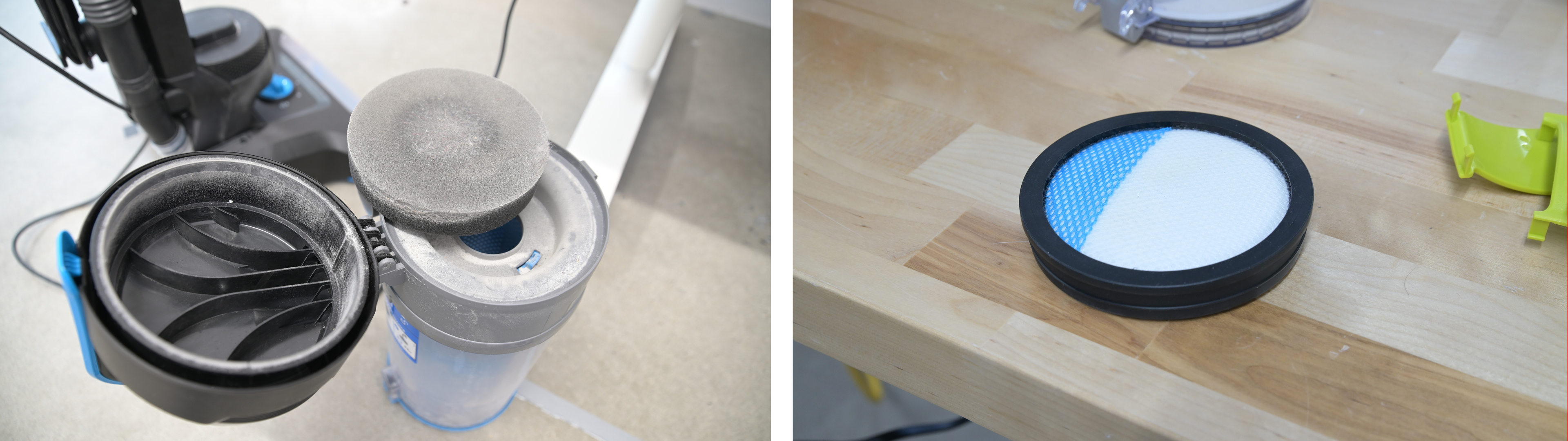
Using a standard HVAC filter, in this case a Filtrete MERV13 filter, we cut out material in the shape of the filter it would replace. We attached foam tape around the filter with hot glue to make sure it sealed as well as it could to force the air through the filter... and voilà!
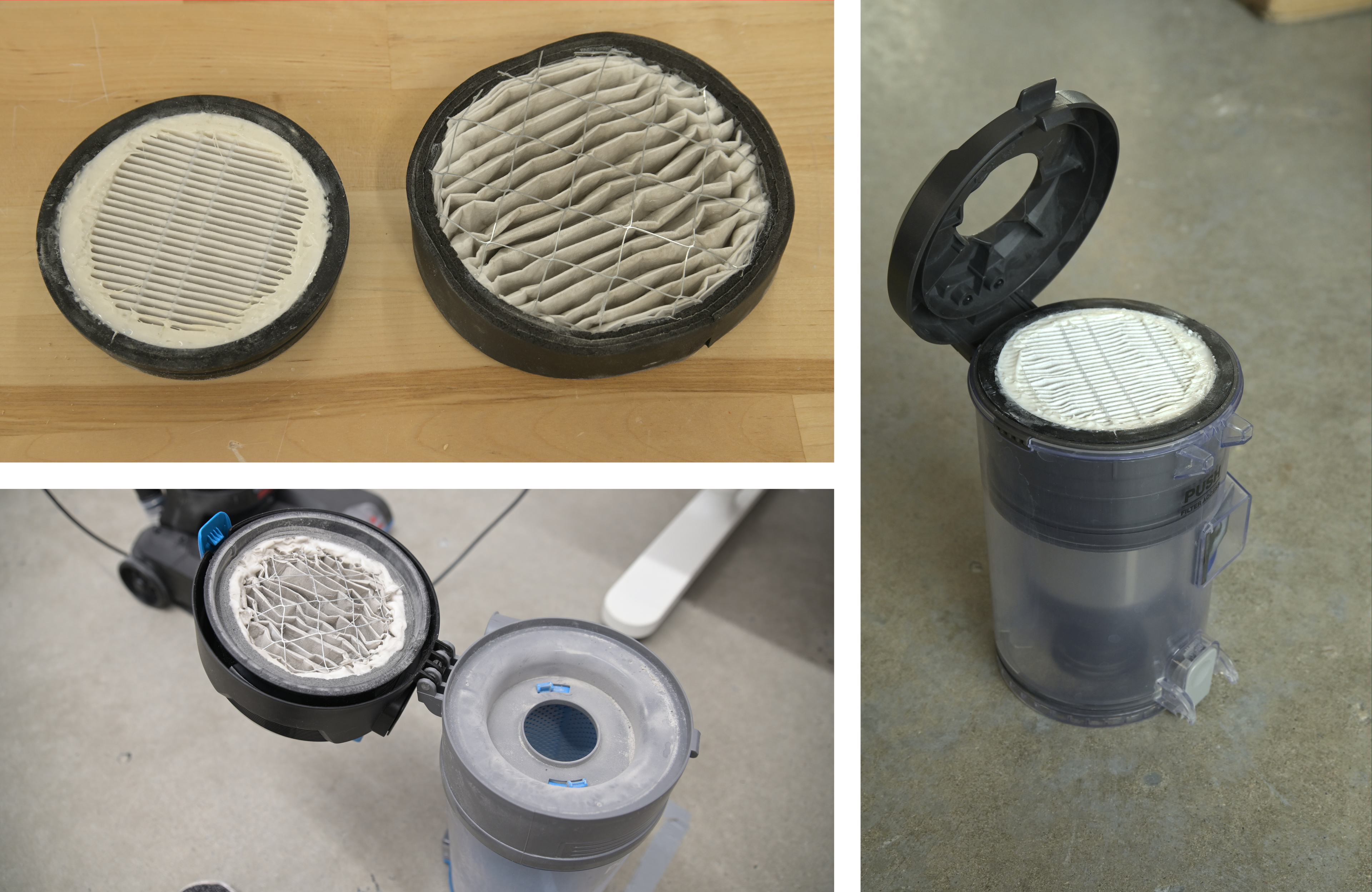
We made these filters for the RYOBI 18V ONE+ PCL720K and the BISSELL PowerForce Helix vacuums. After testing, these proved to be a significant improvement over the stock filters. While they're not nearly as good as good vacuums, they still reduce emissions by over 50%.
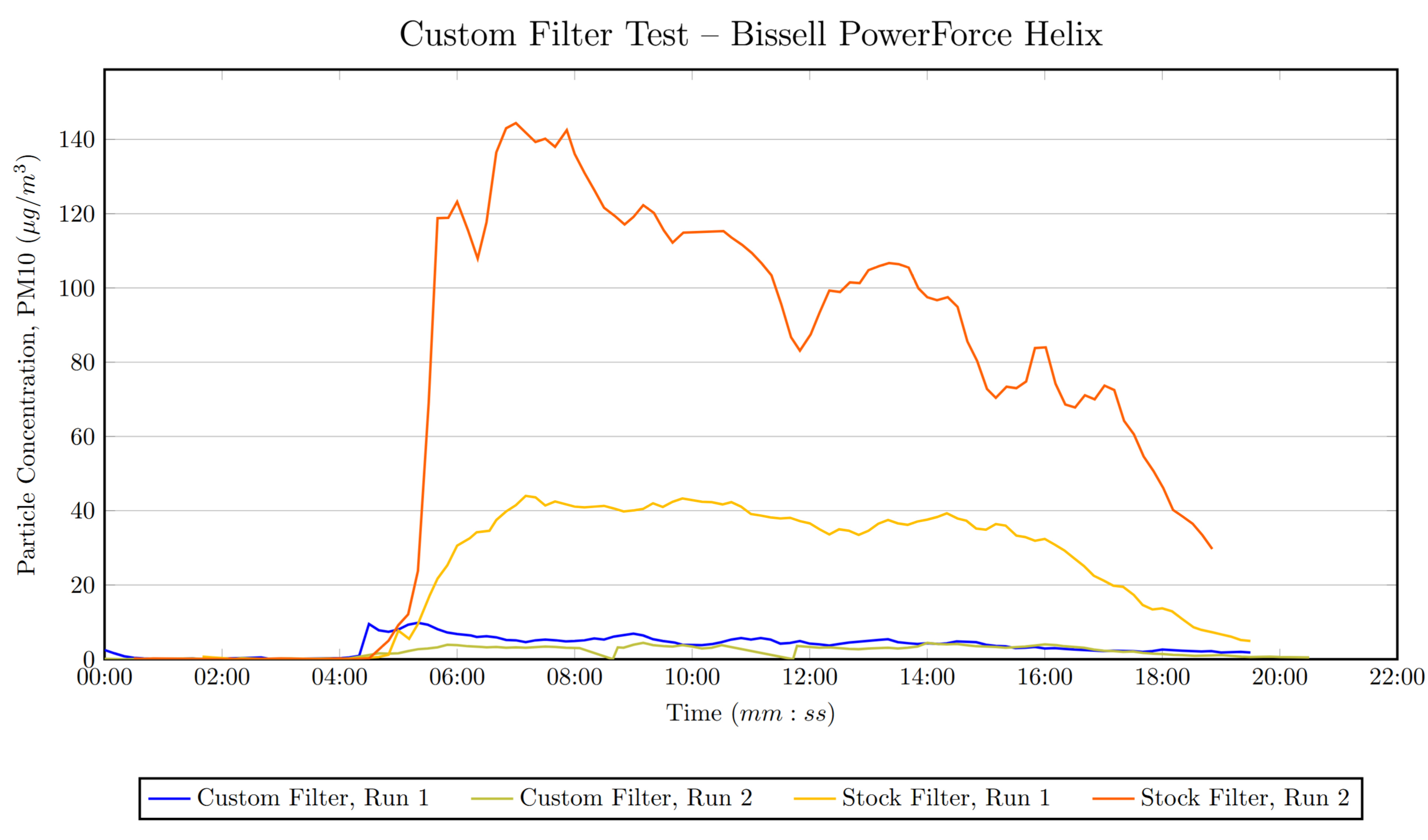
This illustrates how a minor adjustment to the filter can significantly impact the emissions from the vacuum cleaner. We didn't test how long it would take to clog or significantly reduce the airflow from the vacuum, but it would likely be faster than with the regular filter.
We don't recommend using this approach, but it's interesting to note how such a small change can have a significant impact on the emissions from the vacuum. Our tests on bags and cyclones taught us how much debris makes it past the cyclone, making the quality of the post-motor filter all the more important for bagless vacuums.
Filtration Doesn't Matter Without A Good Seal
While good filtration is important, it goes hand in hand with the seal quality. If the vacuum isn't well-sealed between the motor and the post-motor filter, the air will bypass the latter, and dust will be recirculated back into the air. A poor seal before the motor is less problematic, as this will simply lead to a loss of suction instead of a release of material.
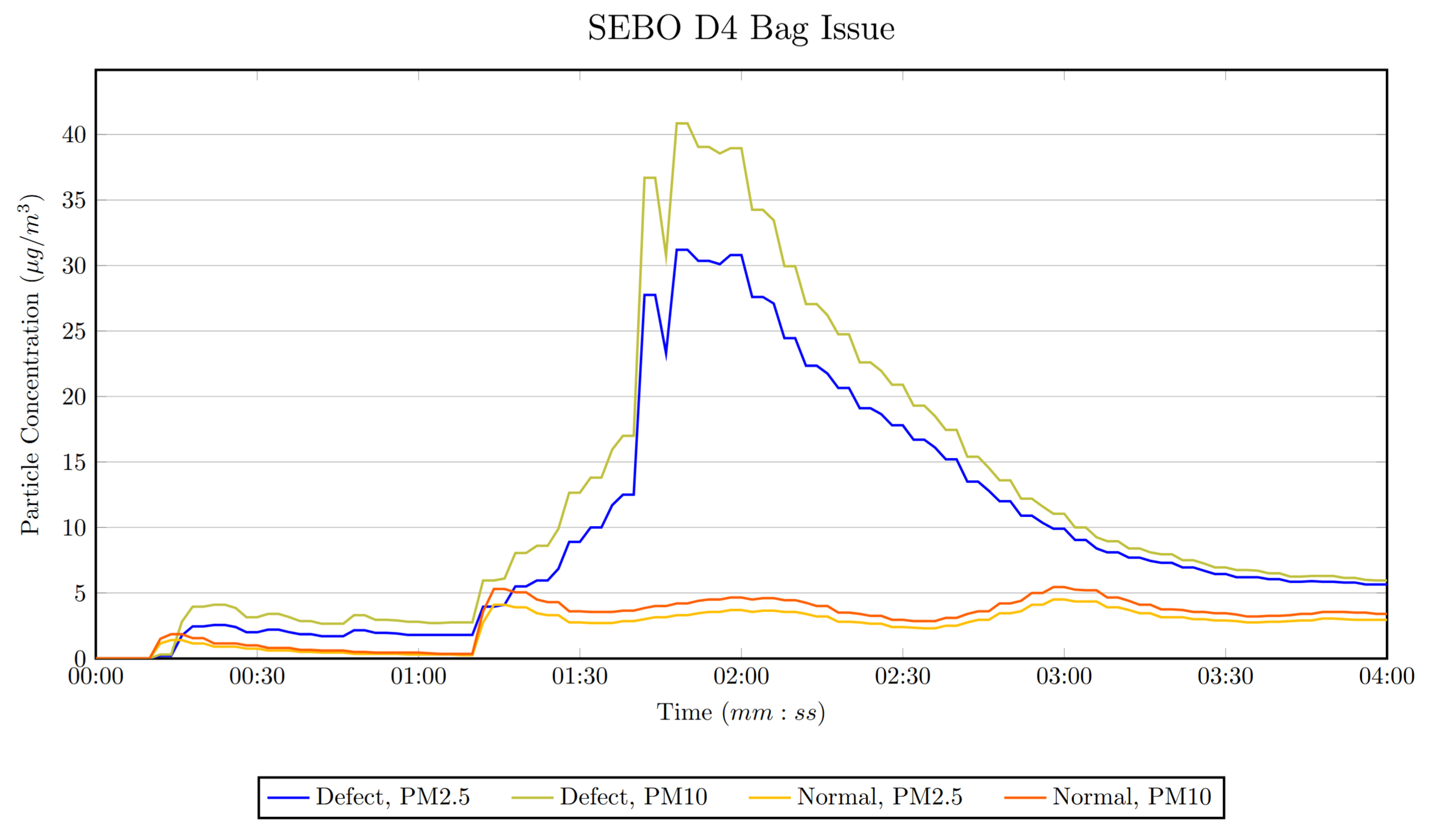
The potential for filter bypass is illustrated with the Miele Boost CX1 above, where we ran it without its filters. It goes from one of the best vacuums we tested to one of the worst. We haven't found egregious examples like this, but we have had instances where we accidentally failed to install the bag properly, allowing some dust to bypass the bag with the Sebo D4. The measurements immediately raised some red flags:
After opening up the bag chamber, we can see that the dust had leaked around the bag, when this area should be clean in normal conditions:
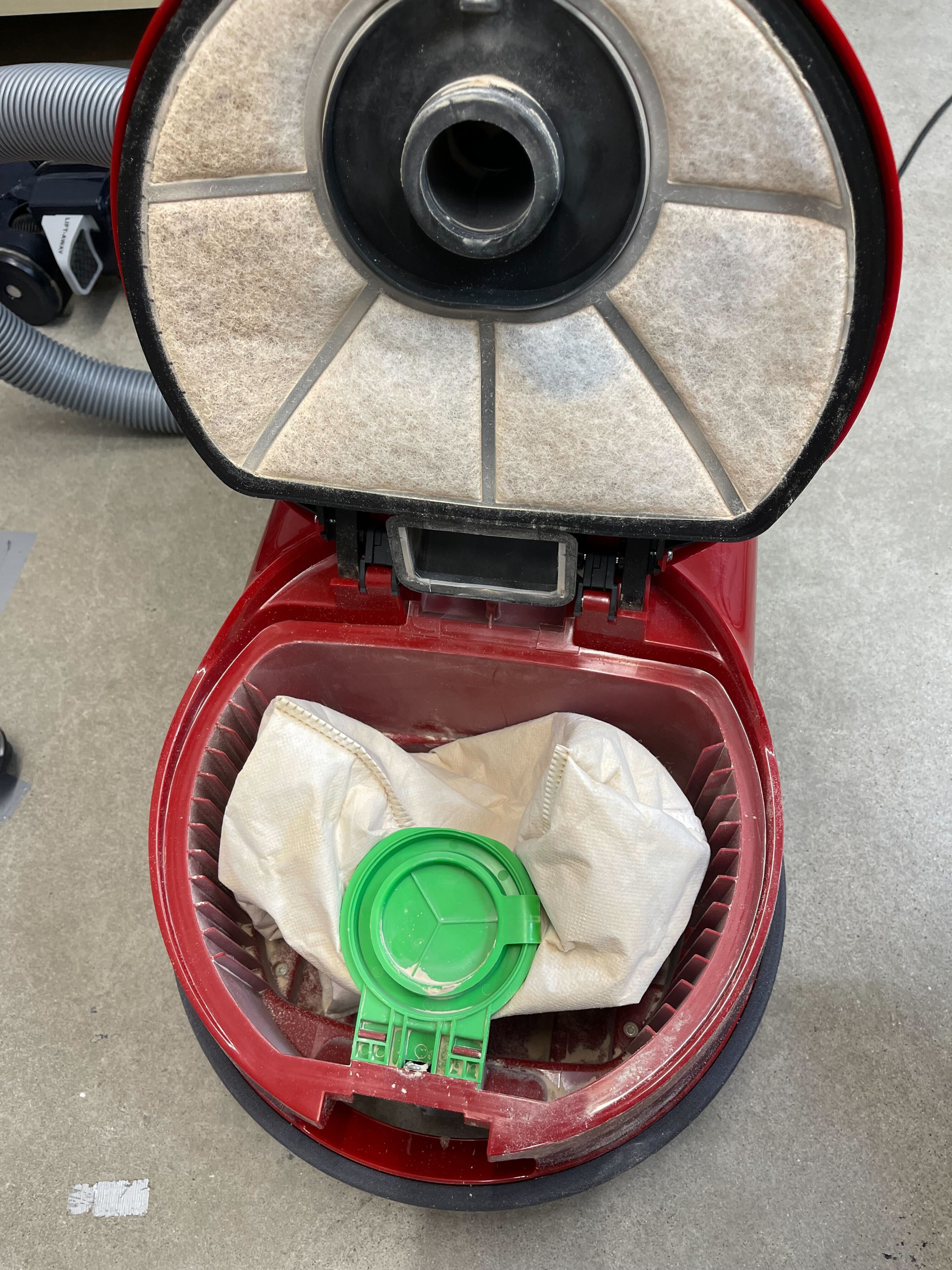
This shows how a minor sealing issue can lead to much worse air quality. It's crucial that you install every component correctly to ensure the seal remains intact.
We have yet to find a vacuum that boasts a HEPA filter but leads to poor air quality.
Emptying A Bagless Vacuum Worsens The Air Quality In Your Home
While you might think of them as convenient for not requiring bag changes, bagless vacuums often create poor air quality when they are emptied. They usually open to let the dust out into a trash can, but since the dust consists of light particles, it often doesn't fall straight down; instead, it flies away in the presence of air currents. The air currents can be created by anything from the HVAC system to the vacuum's dustbin flap swinging open. This results in significant amounts of dust being released back into the air, nullifying the effort to collect it beforehand.
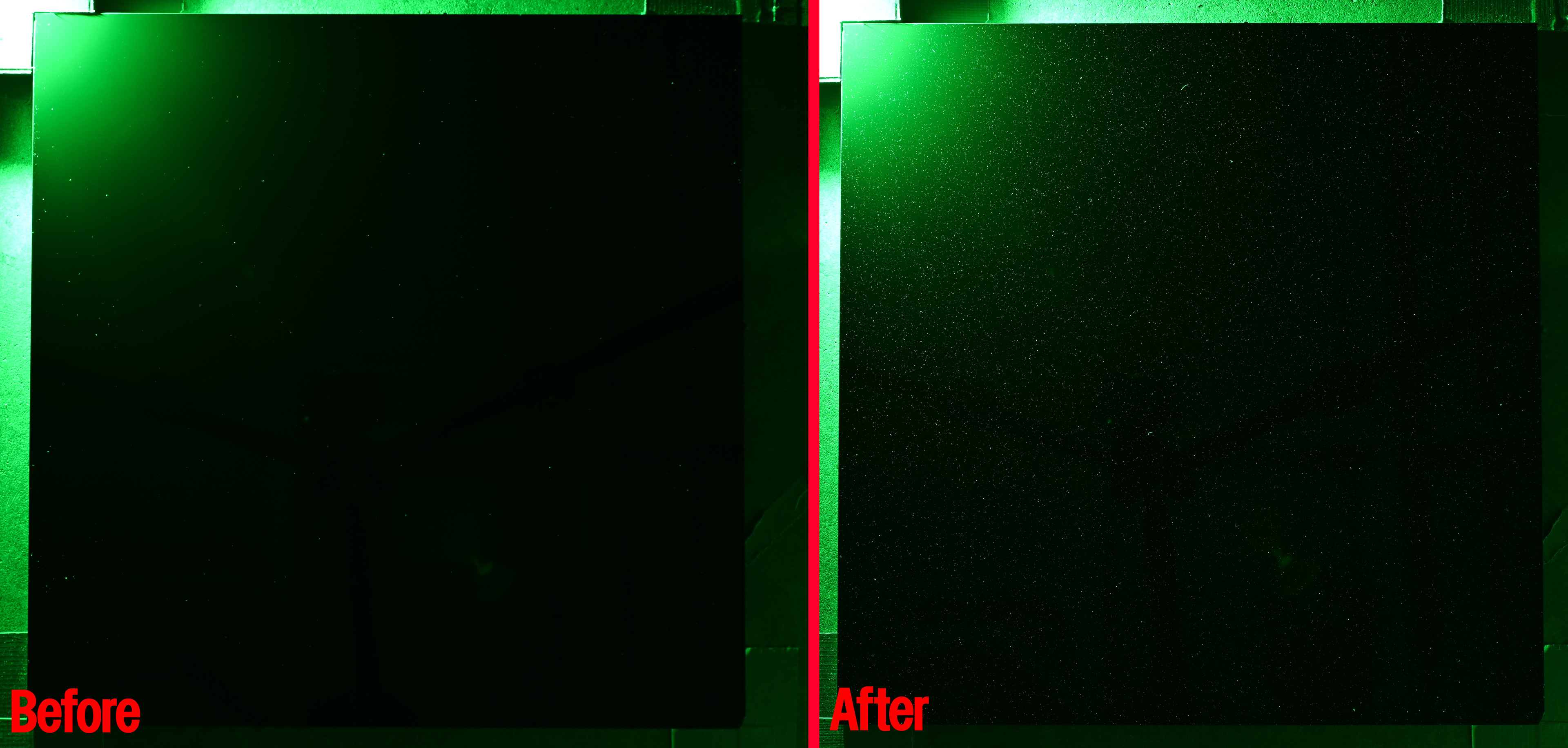
To illustrate this, we laid a clean, black tile on the floor, about 1.5 meters away from the trash can, and emptied the Dyson V15. You can see the same tile before and after emptying in the comparison photo below.
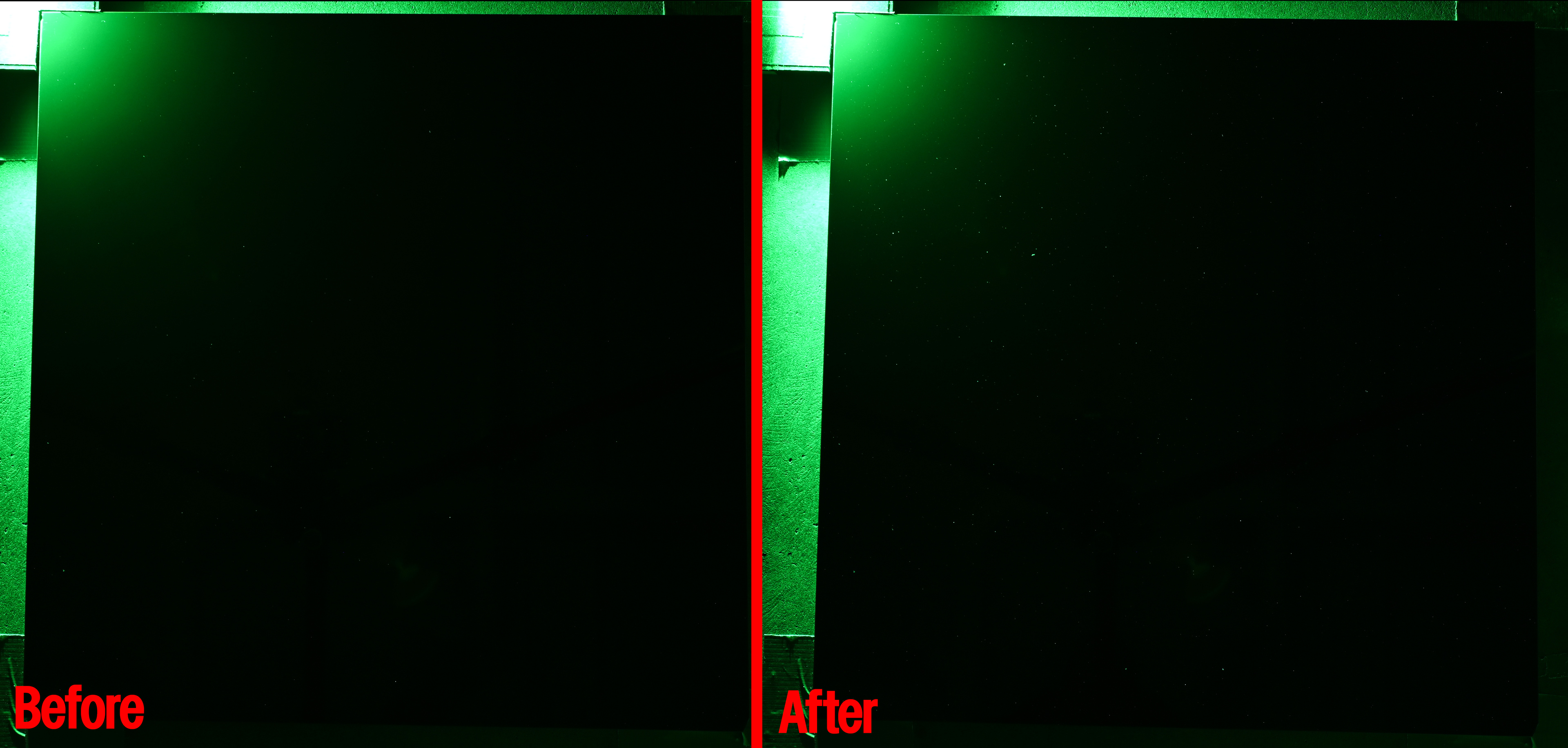
By comparison, this is before and after emptying a bagged vacuum, the SEBO D4:
We can also visualize all the dust flying out as we empty the vacuum:
By comparison, taking a bag out of a vacuum is much cleaner. Some bags, like Miele's, have a flap that automatically closes, preventing dust from escaping as you lift the bag.
If a bagless vacuum works best for you, we recommend emptying it outside or in a space where dust accumulation is minimal, such as a garage. You can also wrap it in a plastic bag, making sure to seal it as much as possible to the body of the vacuum. However, when you need to clean the filters, you'll be exposed to the dust. Wearing an N95 mask can prevent inhalation in those moments.
Conclusion
If the air quality in your home is important to you or if you suffer from allergies, we highly recommend using a bagged vacuum. They generally have less impact on the air's particle concentration, and even when they do, emptying them is less frequent and much cleaner. However, this is less of an issue if you're willing to empty them outside.
A quality post-motor filter also makes a significant difference, and a HEPA rating typically ensures effective filtration, provided that the seal is also secure.