
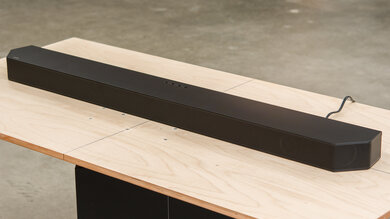
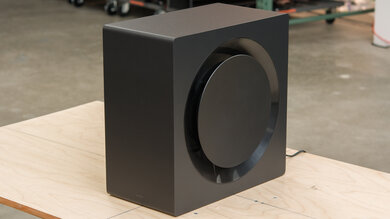
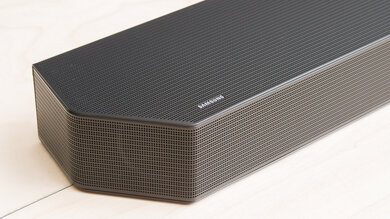
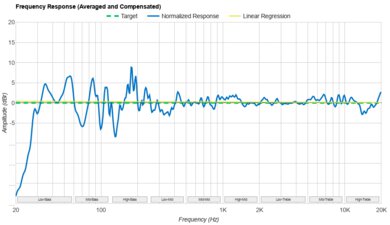
The Samsung HW-Q800T soundbar is a 3.1.2 setup from Samsung's 2020 lineup. This well-built, sleek setup has two up-firing speakers integrated into the bar and a separate wireless subwoofer. It comes with Samsung's Acoustic Beam technology which uses up-firing speakers on the bar to help provide a more immersive listening experience. Its Q-Symphony feature also allows you to synchronize Samsung QLED TV speakers with the bar for a more cinematic sound, though we don't test for this currently. Amazon Alexa voice assistant support is integrated into its design, and you can even turn off the microphone when you aren't using it. Overall, its sound reproduction is very neutral and well-balanced out-of-the-box, so it's suitable for a variety of audio content. While it can play surround and Dolby Atmos content, unfortunately, it doesn't provide the most immersive listening experience. On the upside, this bar has a lot of connectivity options and sound customization features.
Our Verdict
The Samsung HW-Q800T soundbar is a versatile 3.1.2 setup that is very good for mixed usage. Its overall audio reproduction is neutral and well-balanced, making it suitable for a variety of content. It supports both Dolby Atmos and surround content, though it doesn't provide the most immersive listening experience. On the upside, there are a lot of sound customization features on the Samsung app, including a graphic EQ, presets, and a dialogue enhancement feature, so you can easily adjust the bar to meet your needs. The Adaptive Sound feature can even scan your audio content in real-time and adjust the sound the optimize your content, but we don't test for this.
- Neutral, well-balanced sound profile.
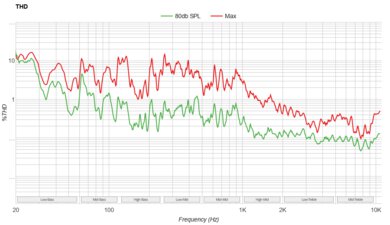
- Gets loud without a lot of distortion.
- Integrated Amazon Alexa support.
- No room correction feature.
The Samsung HW-Q800T soundbar is great for TV shows. This 3.1.2 setup has a dedicated center channel, which helps make voices sound clearer and more accurate. Its sound profile is very well-balanced, especially in the mid-range, which is ideal for dialogue-heavy content. It also has a dialogue enhancement feature to help make dialogue sound more crisp. This soundbar can get loud without a lot of distortion. If you like to stream content from your mobile device to the bar wirelessly, you can use Bluetooth and Wi-Fi connections.
- Dialogue enhancement feature.
- Neutral, well-balanced sound profile.
- Gets loud without a lot of distortion.
- No auto-volume feature.
The Samsung HW-Q800T soundbar is very good for music. It's neutral, balanced sound profile suits most music genres, and it can reproduce the thumps and rumbles found in bass-heavy music thanks to its wireless sub. Fortunately, there's also a graphic EQ and presets available on the Samsung app, so you can easily customize the sound to your liking.
- Graphic EQ + presets.
- Neutral, well-balanced sound profile.
- Gets loud without a lot of distortion.
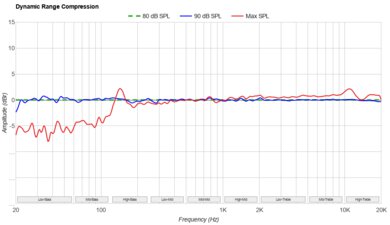
The Samsung HW-Q800T soundbar is good for movies. It has a neutral and well-balanced sound reproduction, and it has a decent bass performance that can reproduce the thumps and rumbles from action-packed scenes and movie scores. It supports Dolby Atmos content, though it doesn't provide the most immersive listening experience. It also has to downmix surround content to stereo to play it, which doesn't sound as natural or life-like. On the upside, this bar can get loud, and there isn't a lot of distortion when you play it at max volume.
- Graphic EQ + presets.
- Neutral, well-balanced sound profile.
- Gets loud without a lot of distortion.
- Poor surround and Atmos performance.
Changelog
- Updated Feb 18, 2021: Converted to Test Bench 1.0.
- Updated Sep 21, 2020: The Dynamics tests have been reconducted due to a value input bug.
- Updated Aug 20, 2020: Review published.
- Updated Aug 12, 2020: Early access published.
Check Price
Popular Soundbar Comparisons
The Samsung HW-Q800T is an impressive 3.1.2 setup with a wireless subwoofer. It uses Samsung's Acoustic Beam technology to provide a more immersive listening experience, and it also has Q-Symphony technology to help synchronize the bar's audio with the speakers on your Samsung TV, but we don't currently test these features. Like most of the other 3.1.2 setups that we've tested, its Atmos and surround performance isn't the best. If you're looking for more soundbars, check out our recommendations for the best soundbars for dialogue, the best soundbars for music, and the best Dolby Atmos soundbars.
The Samsung HW-Q800A is a better 3.1.2 soundbar than the Samsung HW-Q800T. The HW-Q800A supports Apple AirPlay, and it has lower latency over its Full HDMI In port, making it more suitable for watching videos over this connection. It also has an auto-volume feature, which makes the volume more consistent between programs. It also has a better height performance and a somewhat more immersive surround sound. However, the HW-Q800T has less compression present at max volume, and its sound profile is slightly more neutral.
The LG SP9YA is a bit better for mixed usage than the Samsung HW-Q800T. The LG is a 5.1.2 setup with better soundstage and surround performances. It supports more wireless playback options, and it comes with a few more sound enhancement features, such as room correction and auto-volume mode. That said, the 3.1.2 Samsung has a graphic EQ for sound customization, which some listeners may prefer.
The LG SN10YG is slightly better for mixed usage than the Samsung HW-Q800T. The LG is a 5.1.2 setup that has better soundstage, surround, and Atmos performances. It also comes with a room correction feature and more wireless playback support. That said, the Samsung has a more neutral sound profile out-of-the-box, which some listeners may prefer. It also comes with a graphic EQ, unlike the LG.
The Samsung HW-Q800T is better than the Bose Smart Soundbar 300. The Samsung reproduces a more extended low-bass, and it supports Dolby Atmos content. It gets louder, has a better soundstage, and comes with a Full HDMI In port. Also, its graphic EQ is handy for sound customization. However, the Bose supports Apple AirPlay connectivity, unlike the Samsung.
Test Results
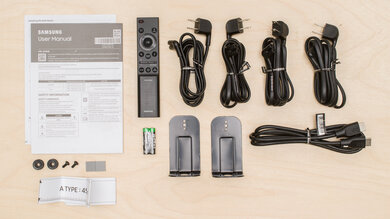
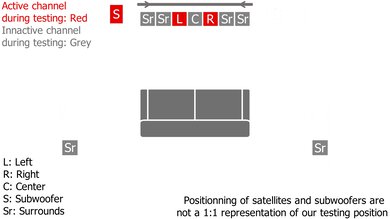
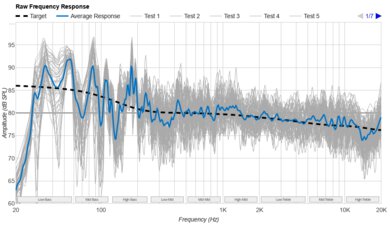
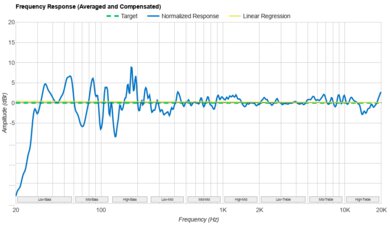
for pictures & test results

for pictures & test results


