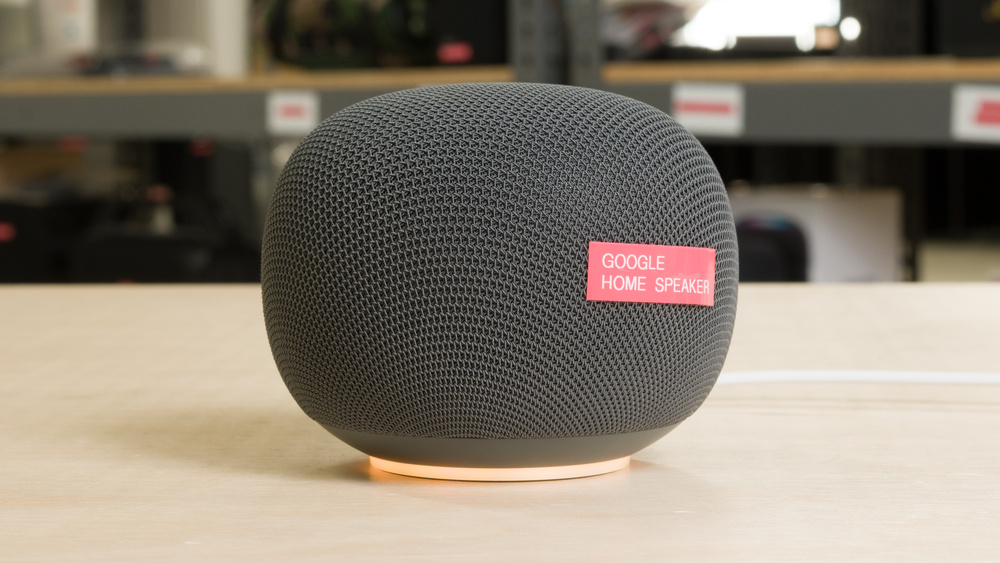
The Google Home Speaker is a 2026 Gemini-equipped smart speaker that serves as a hub for all your Google ecosystem devices. It features a spherical design, which the manufacturer claims facilitates 360-degree audio, as well as a built-in mic that can be muted when not in use. The specs have been bumped up from previous Google smart speakers, too, like the Google Nest Audio, with the addition of Wi-Fi 6 and Bluetooth 5.4.
Our Verdict
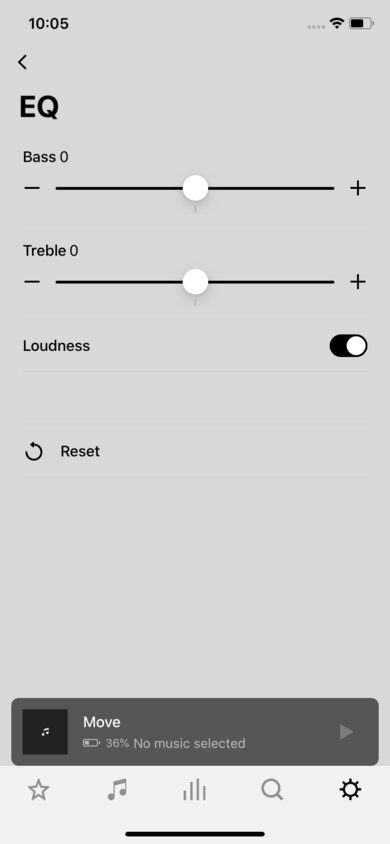
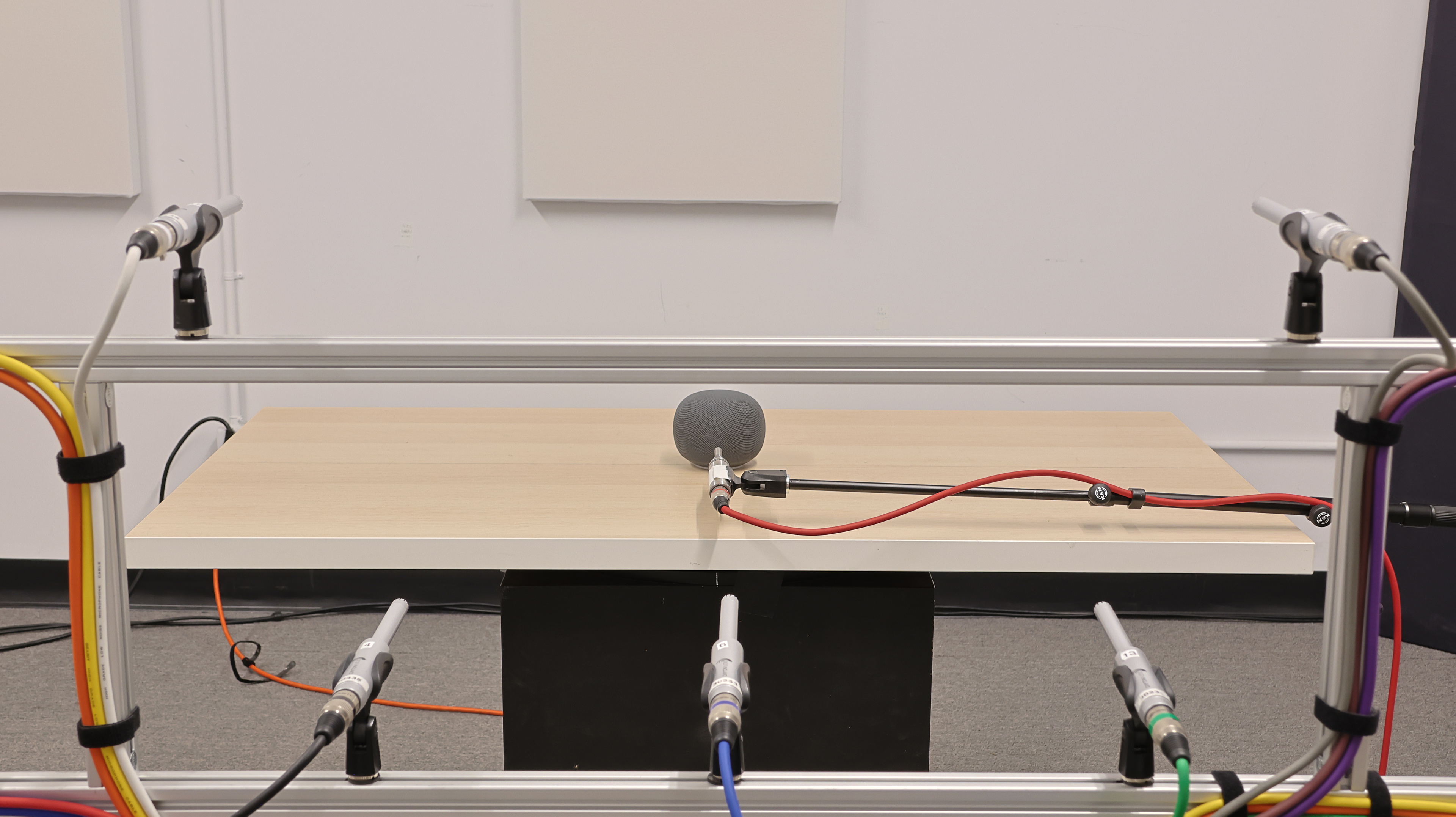
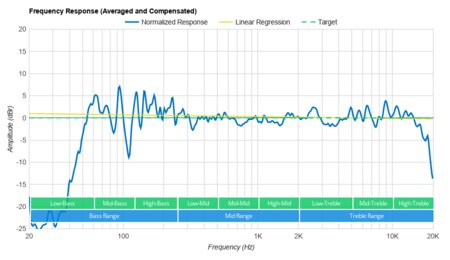
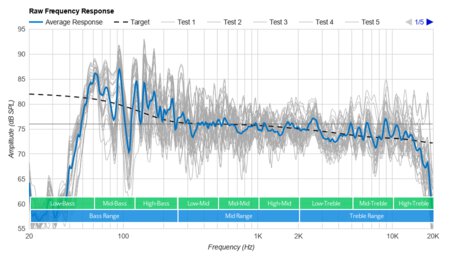
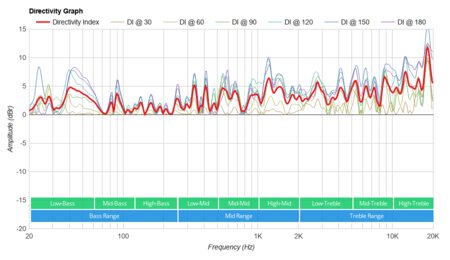
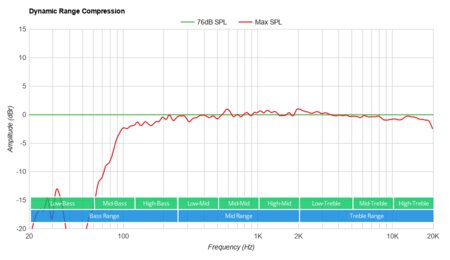
The Google Home Speaker is passable for music. It can't produce much in the way of low bass, which robs big kicks of their punch, and it also rolls off some treble-range content, dulling cymbals. The mid-range is mostly well-balanced, though a boost to the upper-mids can bring out some of the honk in vocals. Bass and treble adjustments are available in the app if you feel like dialing in the sound to your taste. On the upside, directivity is excellent, meaning audio reproduction is consistent across different listening angles. That said, the speaker can't get very loud and has to downmix stereo content to mono, reducing the perceived width of stereo-panned guitars.
Amazing directivity.
Bass and treble adjustments in app.
Downmixes stereo content to mono.
Doesn't get very loud.
The Google Home Speaker is disappointing for videos and movies. While its excellent directivity means everyone will experience similar audio reproduction (regardless of where you're positioned around the speaker) during movie night, the frequency response lacks low bass and treble, which can rob action sequences of some excitement and intensity. The speaker can't get very loud either, so it's not a good choice for larger rooms. We also found latency to be on the higher side with both iOS and Android devices, which can introduce some sync issues between video and audio. That said, apps compensate for latency in different ways, so your experience may vary.
Amazing directivity.
Downmixes stereo content to mono.
Doesn't get very loud.
The Google Home Speaker is okay for podcasts. It's able to reproduce mid-range frequencies well, making for a natural reproduction of your favorite hosts' voices. It also boasts amazing directivity, so you don't need to worry about your positioning relative to the speaker, as almost all listening angles sound consistent. That said, it doesn't get very loud, and its wired design limits portability, so you'll need to stay in close proximity to the speaker to follow along with podcast audio.
Amazing directivity.
Bass and treble adjustments in app.
Rolls off some treble content.
Doesn't get very loud.
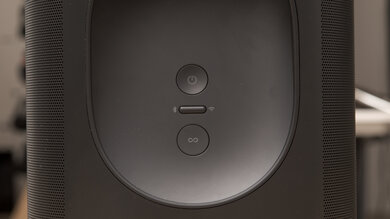
The Google Home Speaker is outstanding for voice assistant use. It's designed for use within the Google Home ecosystem, so it features native support for Google Gemini. The built-in mic does an excellent job of picking up your voice commands, even if you're on the other side of a noisy room. There's even a mic mute switch for deactivating the mic when it's not in use, which is reassuring from a privacy perspective.
Amazing directivity.
Built-in mic recognizes voice commands well.
Downmixes stereo content to mono.
The Google Home Speaker has to be plugged in to operate, which makes it unsuitable for outdoor use.
Check Price
Differences Between Sizes And Variants
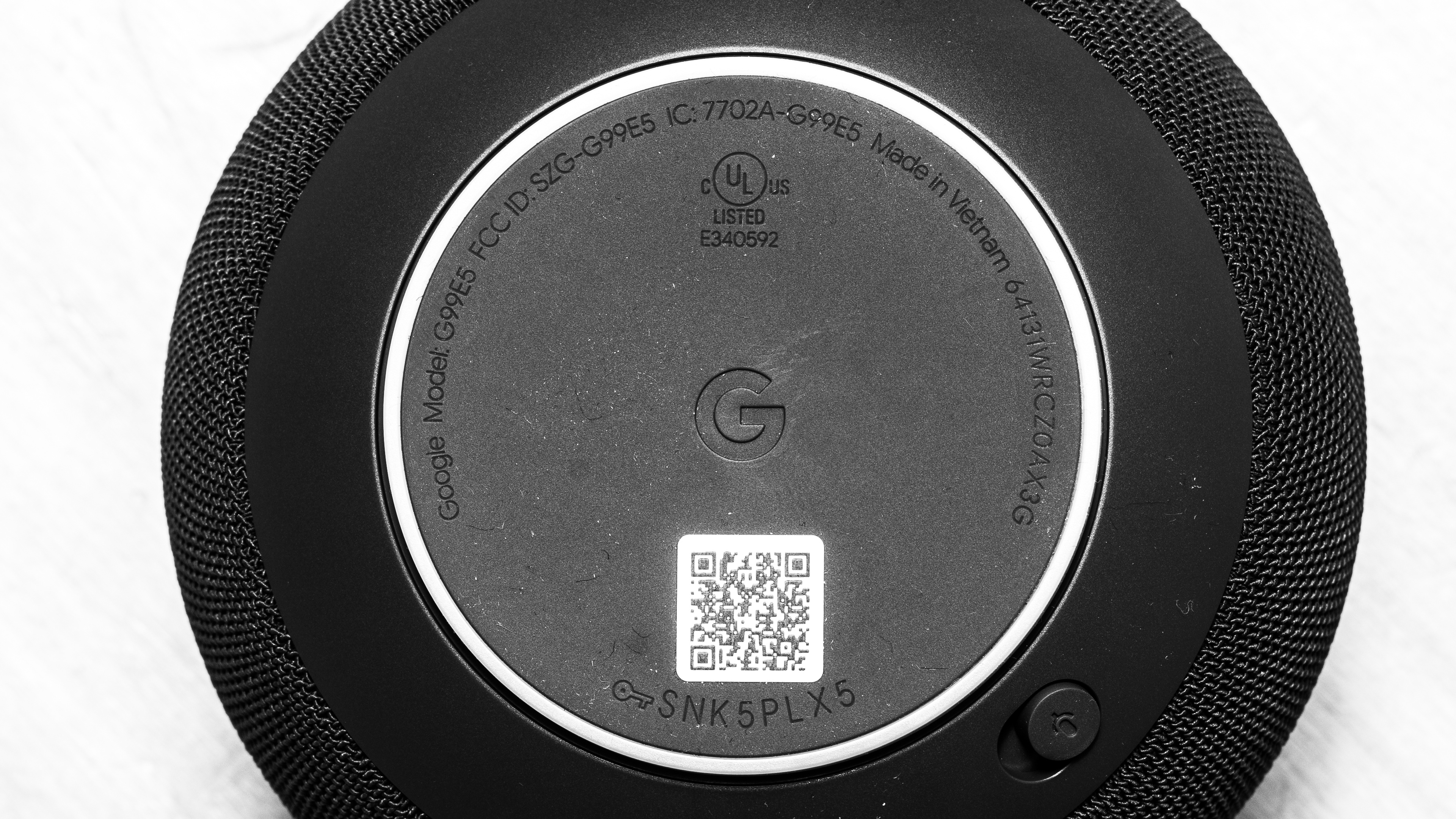
The Google Home Speaker comes in four color variants: there's 'Hazel' and 'Porcelain', as well as the US exclusives 'Berry' and 'Jade.' We tested the 'Hazel' variant (and photographed its label) but expect all color variants to perform similarly. If you encounter another variant of this speaker, let us know in the comments, and we'll update our review.
Popular Speaker Comparisons
The Google Home Speaker is a wired-only smart speaker. It's the spiritual successor to the Google Nest Audio, though a lot has changed both with the design and under the hood. The design is spherical instead of ovular, and the Google Home Speaker is quite a bit more compact, allowing it to be tucked away on a shelf or mantlepiece. It comes equipped with Wi-Fi 6 and Bluetooth 5.4, too, and you can even pair two speakers with a Google Streamer for a home theater setup. The speaker is built with Gemini at its core, so it's understandable that it integrates better with this voice assistant than the Nest Audio or even the Google Home Max, allowing you to input more complex commands or even connect to Nest Cams. The built-in mic recognizes voice commands better than any of these speakers, too, so your commands won't be misinterpreted as easily.
See also our recommendations for the best smart speakers, the best home speakers, and the best Google speakers.
The Google Home Speaker and the Amazon Echo Gen 4 are smart speakers designed with different product ecosystems at their core. The Amazon makes the most sense if you already own other Amazon home products, like Ring doorbell cams, and use Alexa as your voice assistant of choice. Meanwhile, the Google is built around its deep Gemini integration and can be paired with devices like the Google Streamer for a compact home theater setup. They offer comparable performance when it comes to sound, and both have excellent built-in mics, so choosing between them will likely rely on which product ecosystem you align with.
The Google Home Speaker is better for most use cases than the Google Nest Audio. While Google has rolled out Gemini support for older speakers, like the Nest Audio, the Home Speaker features deeper Gemini integration and a built-in mic that can more easily understand your voice commands. The Home Speaker is smaller and more compact too, with better directivity to ensure audio reproduction is consistent across different listening angles. That said, the Google Nest Audio has a more balanced default frequency response, with more treble-range presence, and it can get slightly louder at max volume.
The Google Nest Mini (2nd Gen) is an older, more compact home speaker compared to the Google Home Speaker. If you're looking for full Gemini integration, the newer speaker is a better choice as it features native support for this voice assistant. While Google has rolled out Gemini support for the Nest Mini (2nd Gen), it lacks some of the Home Speaker's deeper integration features, like compatibility with Google Nest cameras. When it comes to performance, the Home Speaker offers better directivity, and its built-in mic picks up voice commands more easily. Still, if a compact design is your priority and you don't need the Gemini-adjacent bells and whistles, the Nest Mini (2nd Gen) can absolutely do the job.
The Google Home Max is a few generations behind the Google Home Speaker. As a result, it lacks some of the Home Speaker's features, like Wi-Fi 6 and advanced Gemini integration for pairing with devices like Nest Cams. The Home Max is also a lot larger and substantially heavier, meaning it can be trickier to fit into a cluttered living room. Still, the trade-off here is that it can get a bit louder and comes with a room correction feature to adapt the sound to your space. That said, the Home Speaker offers better directivity, thanks to its 360-degree design, and its built-in mic does a better job of picking up your voice commands.
Test Results
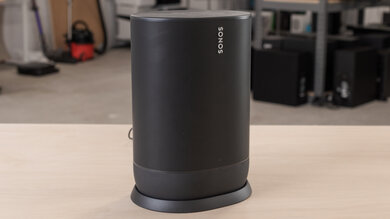
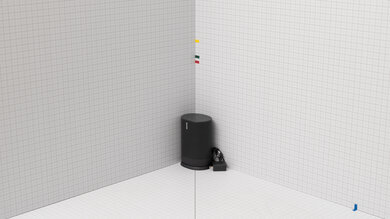
for pictures & test results
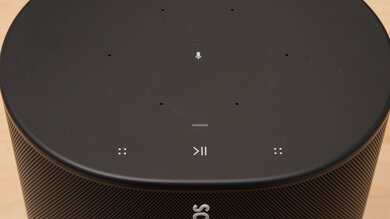
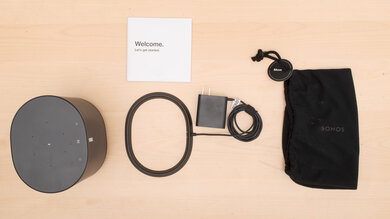
for pictures & test results

for pictures & test results