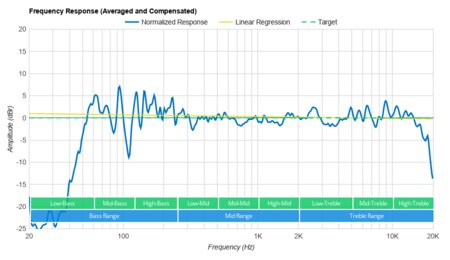
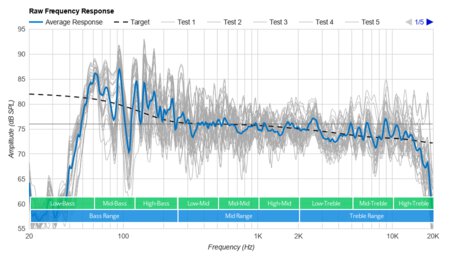
The Yamaha MusicCast 50 speaker is a wired home speaker with a slightly boomy, well-balanced sound profile with its 'Bass Booster' feature enabled. You can connect it to other MusicCast-compatible speakers and soundbars, and there's even a multi-room feature you can use to listen to different audio across different rooms of your home. While it doesn't have any built-in voice assistants, the manufacturer advertises that it can be connected to other Google Assistant or Alexa-enabled speakers, though we don't test for this. Unfortunately, it struggles to reproduce low-bass. That said, there's a graphic EQ and presets you can use to tweak its sound to your liking.
Our Verdict
The Yamaha MusicCast 50 is decent for music. With its 'Bass Booster' sound program enabled, it has a well-balanced, though slightly boomy sound profile, making it suitable for listening to a wide variety of audio content. It has a fairly balanced mid-range, so vocals and lead instruments sound clear and present in the mix. However, it lacks some low-bass, so you can't feel the deep thump and rumble in bass-heavy music like EDM. Fortunately, its MusicCast companion app features a graphic EQ and presets you can use to tweak its sound to your liking.
- Graphic EQ and presets.
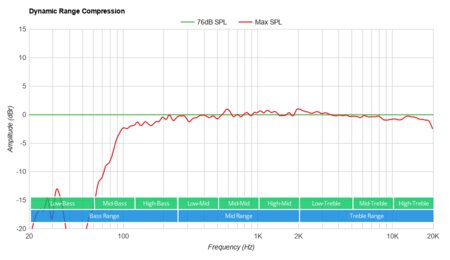
- Little compression at max volume.
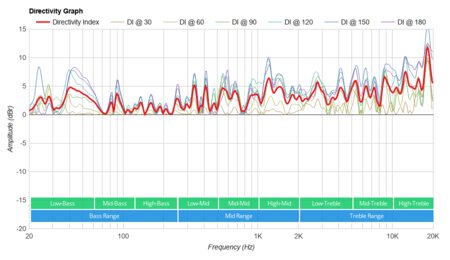
- Poor directivity.
- Lacks low-bass.
The Yamaha MusicCast 50 is fair for watching videos and movies. While it has a well-balanced, though slightly boomy sound profile with its 'Bass Booster' sound program enabled, it still struggles to reproduce the deep thump and rumble typically present in action-packed scenes. It also has a poor Bluetooth latency performance with iOS and Android devices, so your audio and video may be out of sync. However, some apps compensate for latency differently, and your experience may vary.
- Graphic EQ and presets.
- Optical port.
- Gets loud.
- Poor Bluetooth latency with iOS and Android devices.
- Poor directivity.
- Lacks low-bass.
The Yamaha MusicCast 50 is passable for podcasts. It can get loud with little compression at max volume, so your audio sounds mostly clean during louder listening sessions. With its 'Bass Booster' sound program enabled, the MusicCast has a balanced mid-range, so voices accurately reproduce in the mix. However, the overemphasis in the treble range can make higher-pitched voices and sibilants like S and T sound a bit harsh. It also isn't very portable due to its wired design. That said, there's a multi-room feature you can use to listen to different audio content across different rooms of your home.
- Little compression at max volume.
- Multi-room.
- Isn't very portable.
- Poor directivity.
The Yamaha MusicCast 50 doesn't have any built-in voice assistants. You can connect it to Google Assistant or Alexa-enabled speakers to use voice assistants, though we don't test for this since it requires the purchase of a third-party device.
The Yamaha MusicCast 50 speaker is a wired-only speaker that isn't designed for outdoor use.
Check Price
Differences Between Sizes And Variants
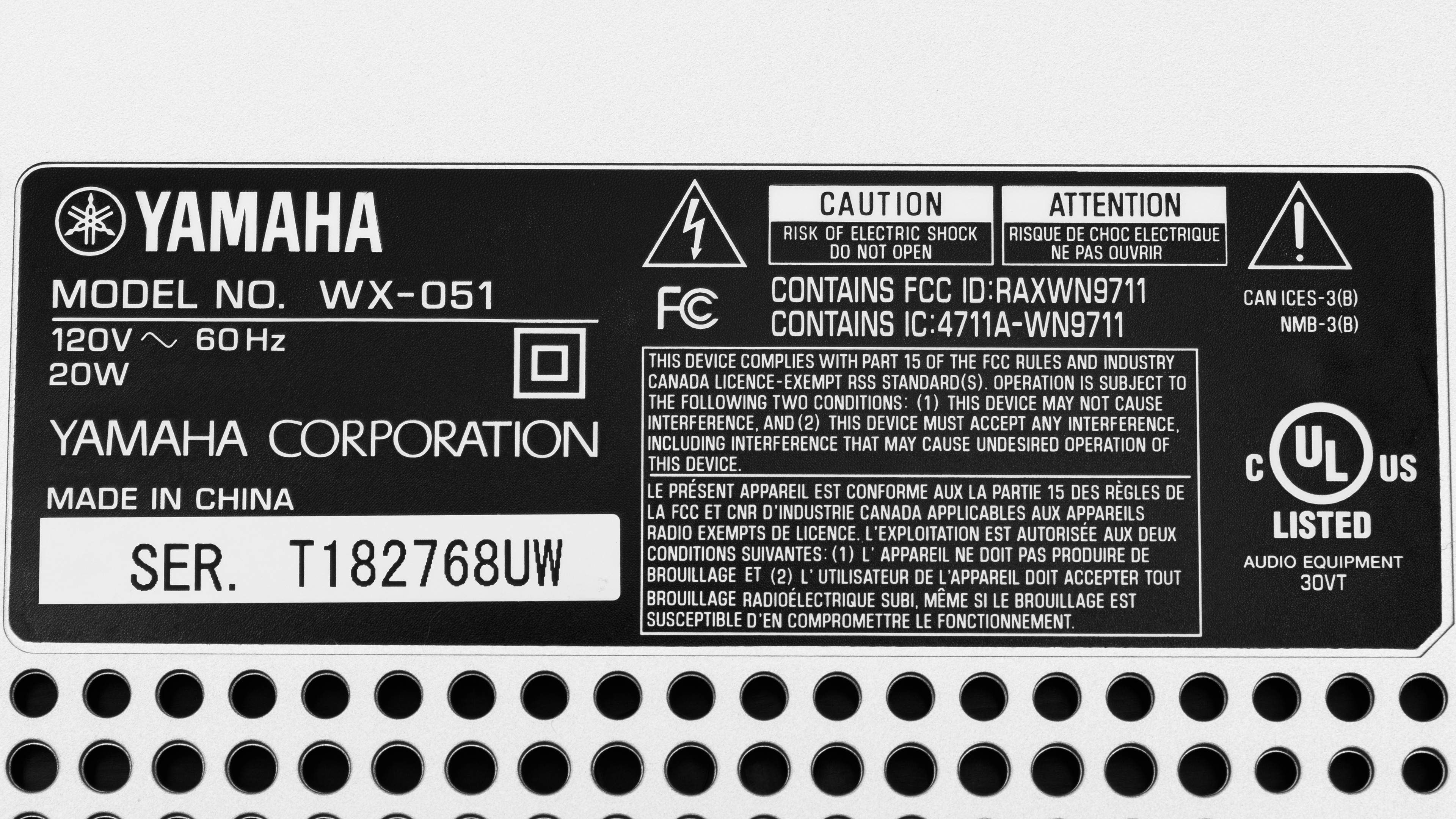
The Yamaha MusicCast 50 comes in three color variants: White, Black, and Birch. We expect these variants to perform similarly. We tested the White variant, you can find its label here.
If you come across any other variants, let us know in the discussions, and we'll update our review.
Popular Speaker Comparisons
The Yamaha MusicCast 50 is an oval-shaped speaker with a well-balanced sound profile overall. Like many home speakers, it isn't very portable due to its wired design and needs to remain plugged into a power source for it to work. You can use the graphic EQ and presets in its MusicCast companion app to customize its sound to your liking, and can also use the app to pair it to compatible MusicCast devices like the Yamaha YAS-408, though we don't currently test this.
See also our recommendations for the best Bluetooth speakers, the best home speakers, and the best Alexa speakers.
The Amazon Echo Studio (1st generation) and the Yamaha MusicCast 50 are similar speakers. The Amazon speaker offers excellent voice assistant support with Alexa built-in and does an excellent job of understanding your commands from far away. It has better directivity, resulting in a wider-sounding soundstage. It also has a built-in Zigbee hub, so you can connect it to compatible smart home devices like lightbulbs or thermostats and control them using Alexa. You can connect the Yamaha to MusicCast-compatible devices like MusicCast soundbars. It can also get louder than the Amazon and is more customizable thanks to the graphic EQ and presets featured in its MusicCast app.
The Yamaha MusicCast 50 is a better speaker than the Sonos Roam/Roam SL overall, though you may prefer one over the other, depending on your listening habits. With its default 'Bass Booster' sound program enabled, the Yamaha can produce a more extended low bass than the Sonos. It can get louder than the Sonos with fewer compression artifacts at max volume, resulting in cleaner audio during louder listening sessions. It can also play stereo content without downmixing it to mono, which is more immersive. The Sonos is smaller and battery-powered, making it more portable than the Yamaha. It also offers fantastic voice assistant support with Alexa and Google Assistant built-in as long as you get the right variant.
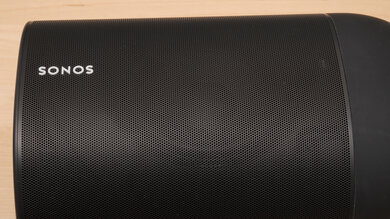
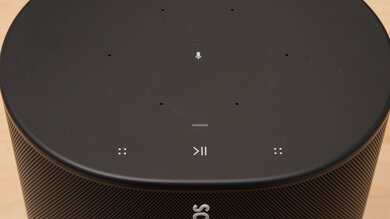
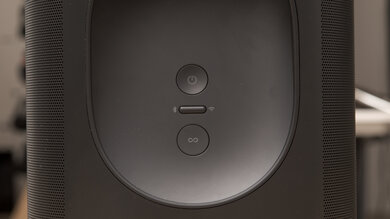
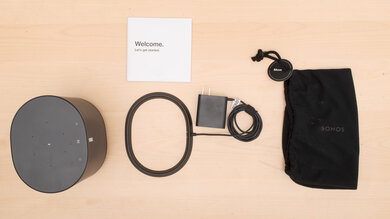
The Sonos Move is a better speaker than the Yamaha MusicCast 50 overall. The Sonos has a better-balanced sound profile that can produce deeper bass than that of the Yamaha. It's also battery-powered and is rated IP56 for dust and water resistance, making it more portable than the Yamaha. Also, it offers outstanding voice assistant support with Alexa and Google Assistant built-in. That said, the Yamaha can get louder with less compression at max volume, resulting in cleaner-sounding audio at louder volume levels. It's also more customizable, thanks to the graphic EQ and presets featured on its companion app.
The Bose Home Speaker 500 is a slightly better speaker than the Yamaha MusicCast 50. The Bose offers a wider and more natural-sounding soundstage, so your audio sounds clean from most angles. It also has Google Assistant and Alexa built-in and does an excellent job of understanding your commands from far and in noisier environments. However, the Yahama has can get louder than the Bose, with less compression at max volume, resulting in cleaner audio during louder listening sessions. It's also more customizable thanks to the graphic EQ and presets featured in its companion app.
Test Results
for pictures & test results
for pictures & test results
for pictures & test results