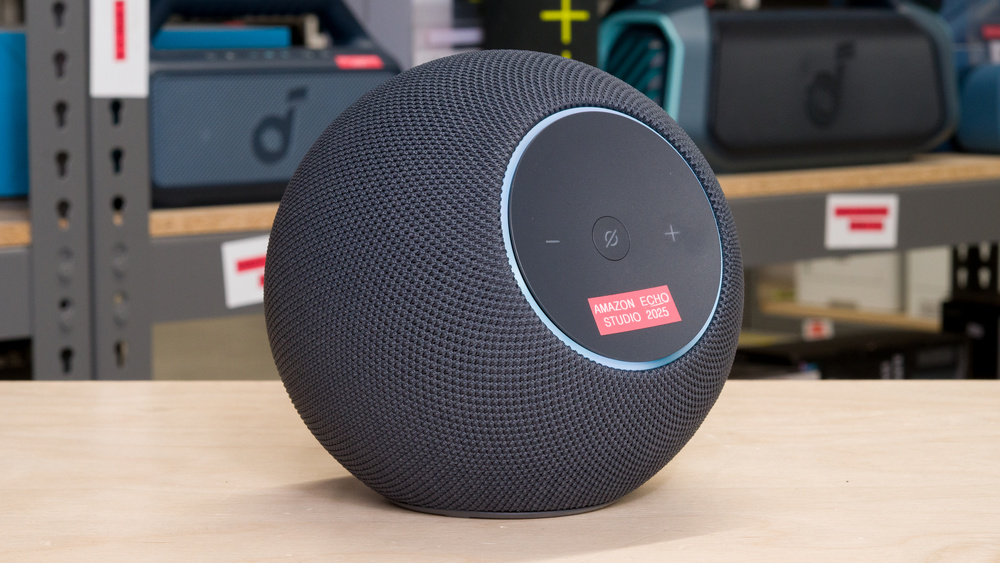
The Amazon Echo Studio 2025 is the second generation of the Amazon Echo Studio (1st generation). While the shift from a cylindrical to a spherical design is the most eye-catching change, there have been some tweaks under the hood, too. There's support for Alexa+ and the ability to combine up to five Echo Studios with a sub for the Alexa Home Theater experience. Plus, incremental upgrades like Wi-Fi 6 and a redesigned control interface bring it up to speed with its home speaker contemporaries.
Our Verdict
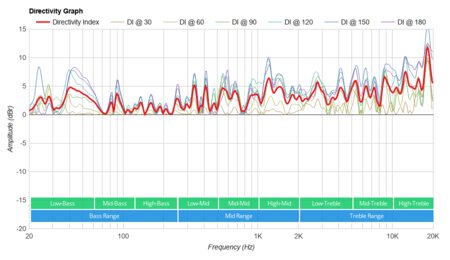
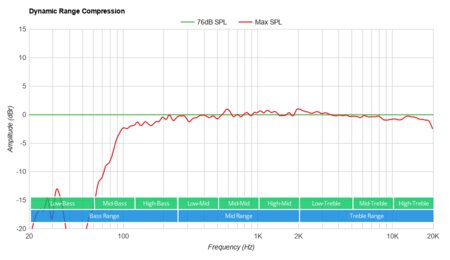
The Amazon Echo Studio 2025 is acceptable for music. It has a fairly balanced frequency response, though kicks and basslines lack punch and thump. The balanced mid-range means lead instruments sound generally balanced, but a dip in the low-treble can reduce vocal clarity. Its spherical design means it can reproduce sound consistently across the sides and front of the speaker, too. Sadly, it's hampered by its limited loudness and mono-only playback. It also offers fewer customization options than competitors, with its bass/treble controls lacking the granularity of a graphic EQ.
Balanced default frequency response.
Mono-only playback.
The Amazon Echo Studio 2025 is middling for videos/movies. While it can be linked to other Echo Studios and a wireless subwoofer for the Alexa Home Theater experience, its limited loudness and mono-only playback make it not a great fit for soundtracking movie night. On top of that, it has high latency on both Android and iOS devices, so you're likely to run into lip-sync issues. That said, its default frequency response is balanced enough that voices sound true-to-life, though it lacks the low-end punch and thump to bring out more cinematic moments.
Balanced default frequency response.
High latency with iOS and Android devices.
The Amazon Echo Studio 2025 is okay for podcasts. It reproduces mid-range frequencies with plenty of detail, so your favorite hosts' voices will sound natural and lifelike, though a dip in the low-treble can reduce vocal clarity a bit. Its battery-less design means you'll need to keep it parked in one place, though, and its low top volume can be a limiting factor when listening from another room. Still, its directivity is good enough that your listening experience won't be significantly affected by your position around the sides and front of the speaker.
Balanced default frequency response.
Doesn't get very loud.
The Amazon Echo Studio 2025 has outstanding voice assistant support. It's intended to be used as a part of a wider Alexa ecosystem, so it's equipped with Alexa+ compatibility, which allows for more complex, AI-assisted functionality. While we weren't able to install Alexa+, we found that the built-in mic did an outstanding job of recognizing voice commands, even in noisy environments, with regular Alexa.
Mic recognizes commands very easily.
Good directivity.
This is a home speaker that lacks a built-in battery. As a result, it's not really suited for outdoor use.
Changelog
- Updated Jul 28, 2026: This review has been updated to Test Bench 1.0.1. This includes the Test Bench 1.0 updates to all of our Sound tests: Frequency Response Accuracy, Raw Frequency Response, Directivity, and Loudness, as well as the revised Low-Frequency Extension calculation and related DRC updates introduced in Test Bench 1.0.1. There have also been text changes throughout the review, including to the usages and product comparisons, where applicable, to match these results. You can read more about these changes in our Test Bench 1.0 changelog and Test Bench 1.0.1 changelog.
- Updated Jul 13, 2026: This review has been updated to Test Bench 1.0, which includes new results for all of our Sound tests: Frequency Response Accuracy, Raw Frequency Response, Directivity, and Loudness. There have also been text changes made throughout the review, including to the usages and product comparisons, to match these results. You can read more about these changes in our changelog.
-
Updated Feb 03, 2026:
We referenced the Amazon Echo Dot Max in the Style box.
- Updated Jan 30, 2026: Review published.
Check Price
Differences Between Sizes And Variants
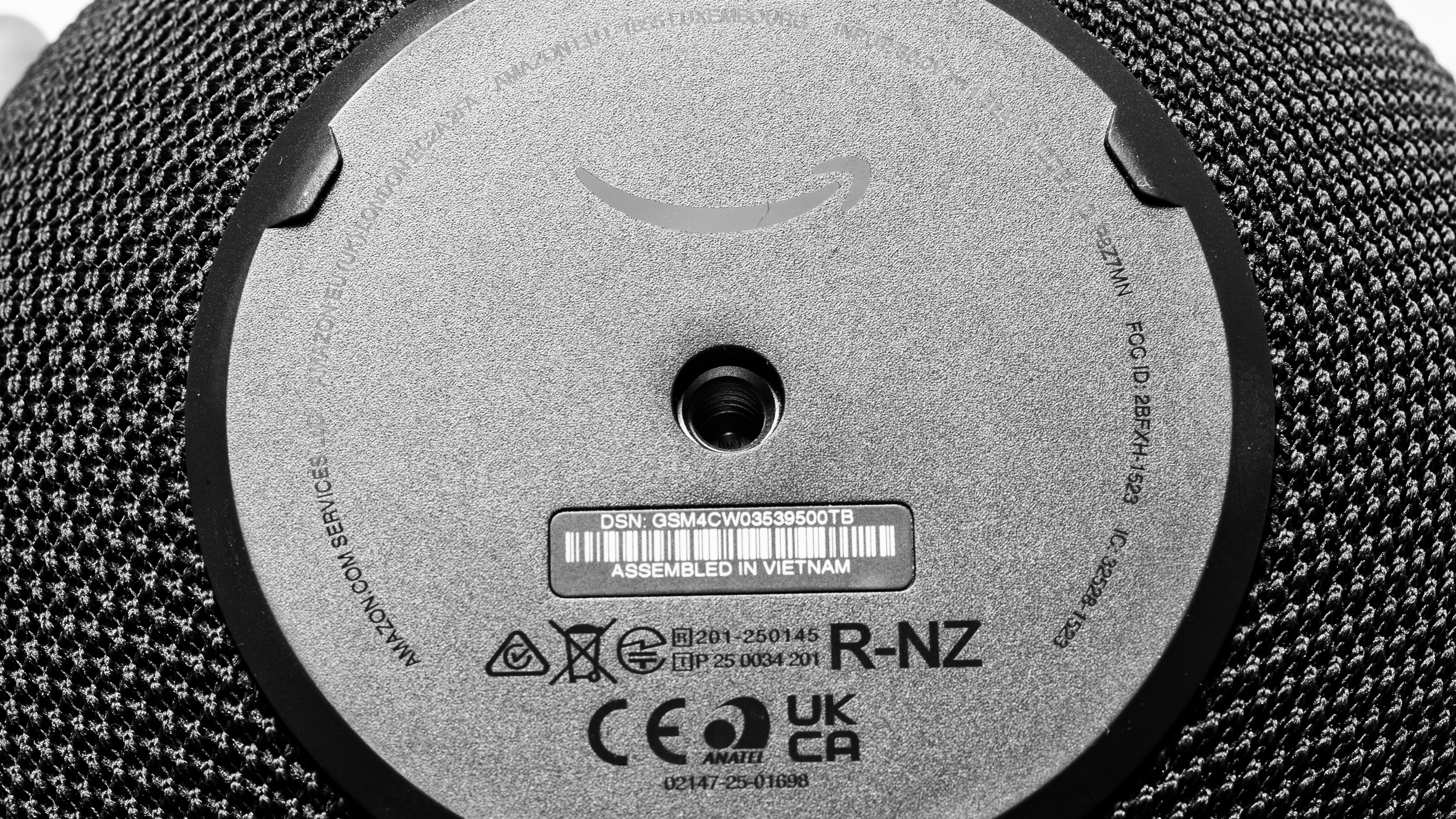
The Amazon Echo Studio 2025 comes in two color variants: 'Graphite' and 'Glacier White,' and we bought and tested the 'Graphite' variant; see a picture of our unit's label. If you encounter another variant of this speaker, please let us know in the comments.
Popular Speaker Comparisons
The Amazon Echo Studio 2025 is a refreshed version of the Amazon Echo Studio (1st generation). This newer iteration features a redesigned exterior, with the original generation's cylindrical shape replaced by a smooth, spherical design. The 2025 refresh also features a redesigned control panel that utilizes tap gestures. Unfortunately, the new gen lacks the ability to play stereo content without downmixing. If you're looking to spend a bit more and want a home speaker that's compatible with more voice assistants, you can take a look at the Bose Home Speaker 500, which can play back stereo content without downmixing. You can also consider the JBL Authentics 500 for a better build quality, albeit at a higher price.
Check out our recommendations for the best home speakers, the best Bluetooth speakers, and the best-sounding Bluetooth speakers.
The Amazon Echo Studio 2025 and Amazon Echo Dot Max are both part of Amazon's 2025 speaker refresh. They both offer superb built-in Alexa support and compatibility with Amazon's latest technologies, such as Alexa Home Theater and Alexa+. The speakers are mainly differentiated by size and price. The larger Studio 2025 costs and weighs about twice as much as the Dot Max, but as a result, it gets louder and puts out more bass.
If you're looking to save some money and don't need all the bells and whistles, the Amazon Echo Gen 4 offers a scaled-back feature set at a fraction of the price of the Amazon Studio 2025. The Studio offers a room correction feature, a redesigned control interface, and compatibility with next-gen Alexa features, like Alexa Home Theater. Still, the Amazon Echo Gen 4 punches above its weight, with stereo playback and lower latency with iOS and Android devices. The Echo's built-in mic won't recognize your voice commands as easily as the Studio's mic does, though.
The Amazon Echo Studio 2025 and the Bose Home Speaker 500 are both solid home speakers, and choosing between them will come down to your existing smart home setup and future needs. The Bose has better directivity and is compatible with wireless streaming protocols like Chromecast and Apple AirPlay. On the other hand, if you already have an Alexa-ready setup, then Amazon's Alexa+ and Alexa Home Theater compatibility will be an asset. Still, the Bose works with Google Assistant.
The Amazon Echo Studio 2025 is the next generation of the Amazon Echo Studio (1st generation). While the design has been re-worked, with the original's cylindrical shape swapped out for a smoother, orb-like design, the newer version can't play back stereo content without downmixing to mono. That said, the updated edition does feature some next-gen tech, like Alexa+ and Alexa Home Theater compatibility that can help futureproof your setup. It also does a better job of recognizing voice commands in noisy environments.
Test Results
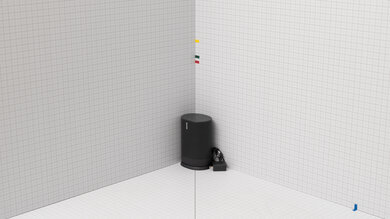
for pictures & test results
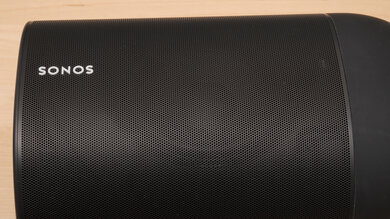
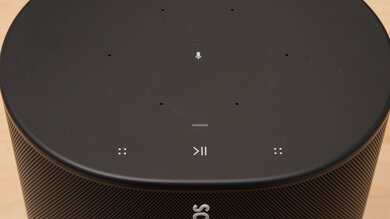
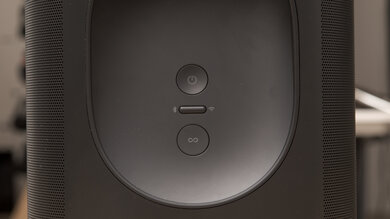

for pictures & test results