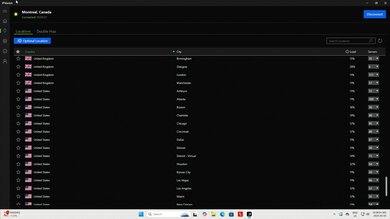
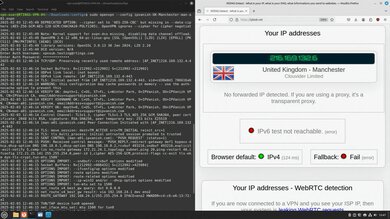
IPVanish is a VPN service established in 2012 and owned by Ziff Davis, a large digital media company that also owns Vipre Security Group, Strong VPN, and a large portfolio of other online publications and tech companies. It has servers in over 100 countries, allows for unlimited simultaneous connections, and supports a variety of different platforms.
Our Verdict
IPVanish is okay for torrenting. It doesn't have any data limits, and it lets you download torrents. That said, it has bad security as it leaks DNS queries, so it's not a good choice if you care about being protected at all times. Additionally, the kill switch doesn't work correctly, as it allows you to reconnect to the internet outside the VPN tunnel after a system reboot, software crash, and after a loss of internet. It has no registration options that preserve your anonymity, as you must provide an email address and password to create an account and use a personally identifiable payment method.
Proper TLS implementation doesn't leave you vulnerable to man-in-the-middle attacks.
No registration or payment options that preserve anonymity.
Leaks DNS queries.
Kill switch doesn't work properly.
IPVanish is bad for private browsing. It has poor security, leaks some of your internet traffic outside of the VPN tunnel, and leaves you vulnerable to third-party observation. It also has bad policies and business practices. While the company has a no-logging policy, its privacy policy states that it retains potentially revealing information about your devices, and the independent privacy audits are limited.
Privacy policy allows the VPN to collect information about your device.
Privacy policy audits limited in scope and only viewable in full to subscribers.
IPVanish has poor policies and business practices. While the company has a no-logs policy that independent auditors have verified, the audits are limited in scope and only available in full to paying subscribers. Additionally, the privacy policy states that the apps may collect information about your device, potentially risking your anonymity. Further, the company hasn't published any audits of its security infrastructure and engages in pushy marketing practices, and its terms of service aren't confidence-inspiring, requiring you to agree to a legal framework that heavily favors the company.
Privacy policy allows the VPN to collect information about your device.
Privacy policy audits limited in scope and only viewable in full to subscribers.
IPVanish has poor security. It leaks some of your system's DNS queries, so your ISP, DNS provider, or another third party could log your traffic and some of the services you connect to. Additionally, the kill switch doesn't function properly, as it allows you to reconnect to the internet outside the VPN tunnel after a system reboot, software crash, and reconnecting to the internet. Thankfully, it doesn't leave you exposed to man-in-the-middle attacks.
Proper TLS implementation doesn't leave you vulnerable to man-in-the-middle attacks.
Leaks DNS queries.
Kill switch doesn't work properly.
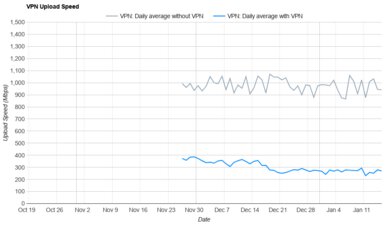
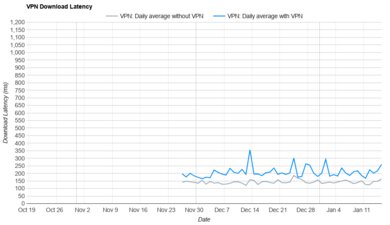
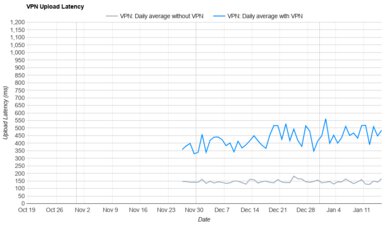
We're testing this VPN's speed on an ongoing basis and will update this verdict when we have more data. See the Performance section of the review to look at the data we've collected so far.
Performance Usages
Changelog
-
Updated Feb 24, 2026:
We've added text throughout the review to correspond with the new privacy tests in Test Bench 0.10.
-
Updated Jan 23, 2026:
We've updated the text throughout the review to reflect the changes from test bench 0.10.1.
- Updated Jan 23, 2026: We've updated this review to Test Bench 0.10.1! This is a minor update to how we conduct our speed tests. Read the changelog for more info.
- Updated Jan 15, 2026: We've updated our review to Test Bench 0.10! This update focuses on privacy and evaluates the trustworthiness of a VPN in keeping your personal information private. Read the changelog for more details.
Check Price
Differences Between Sizes And Variants
IPVanish has two tiers: Essential and Advanced. They both offer the same VPN functionality, but the Advanced tier includes 1TB of cloud storage, phone support, and access to IPVanish's 'Secure Browser' extension for Firefox, Chrome, and Edge. We bought and tested the 'Essential' tier.
Popular VPN Comparisons
IPVanish has poor security compared to other VPNs on the market, as it sometimes leaks your system's DNS queries and doesn't have a functional kill switch. This is problematic if you're concerned with keeping your traffic encrypted at all times. Most other VPNs that we've tested didn't leak DNS queries, like Windscribe and Perfect Privacy, and had a functional kill switch.
While it has some benefits, like support for unlimited devices and servers in over 100 countries, its privacy policies and business practices are bad, with past instances of handing over user data to authorities, and a policy framework that favors corporate interests over user privacy. IVPN, Mullvad, and Proton VPN have considerably better privacy practices than IPVanish.
To see which services we recommend, check out our articles on the best VPNs, the best VPNs for privacy, and the best VPNs for Windows PC.
NordVPN is a better VPN service than IPVanish. IPVanish leaks some system traffic and DNS queries, so third parties could potentially log your activities. It's also slower than Nord, doesn't have servers in as many countries, and doesn't accept cryptocurrencies as payment options. That said, it doesn't have a limit on how many devices you can have connected simultaneously, while Nord has a maximum of 10.
Test Results
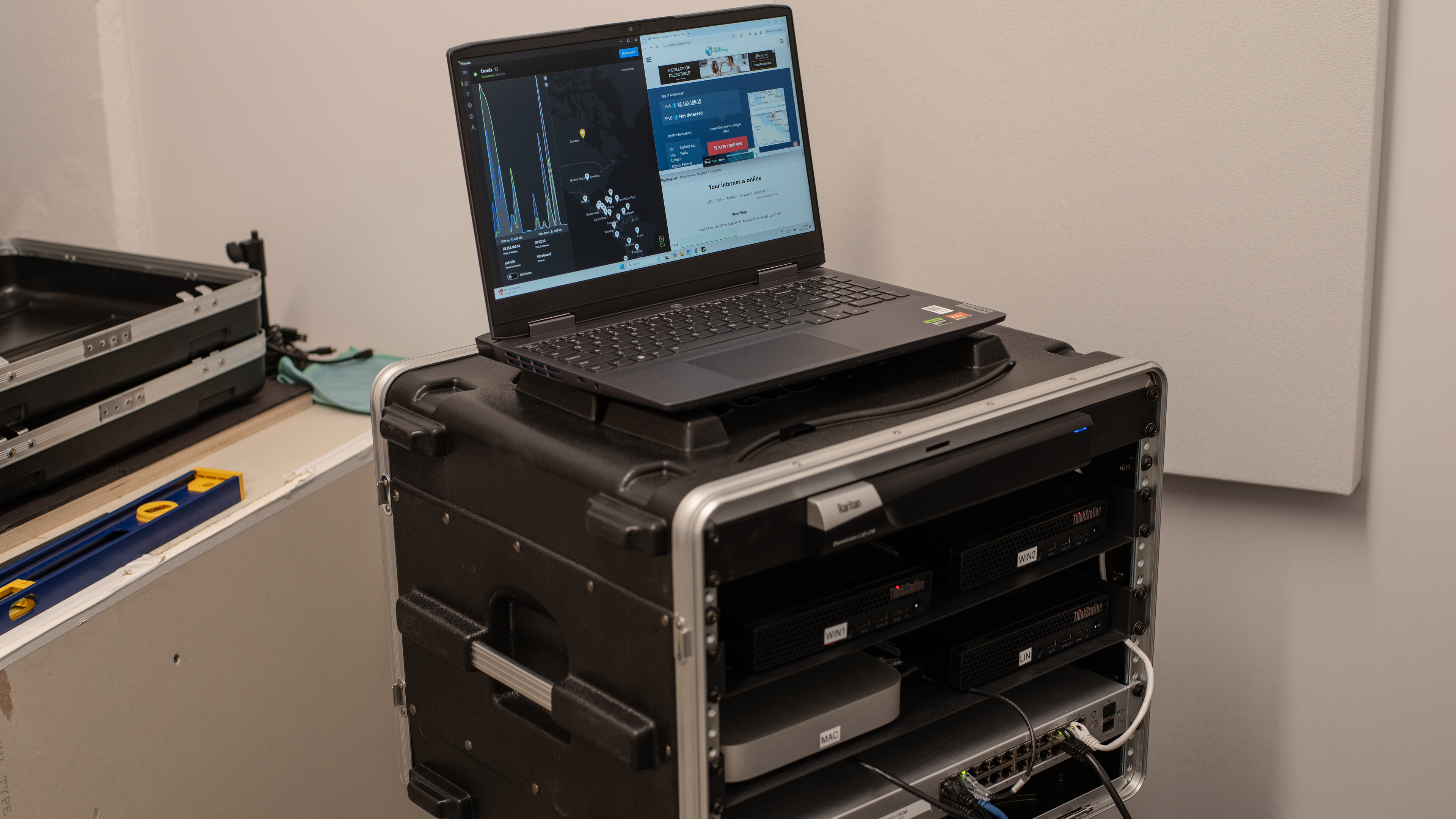
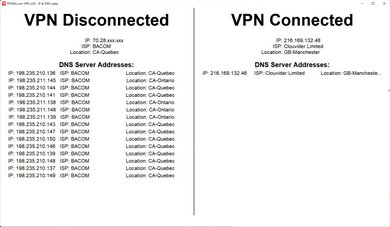
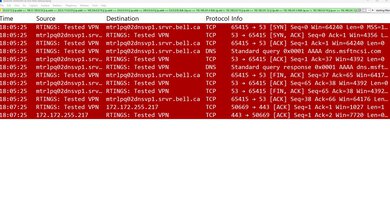
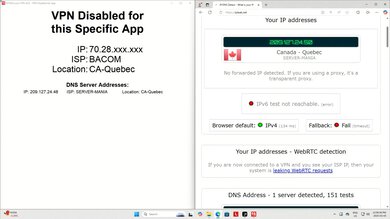
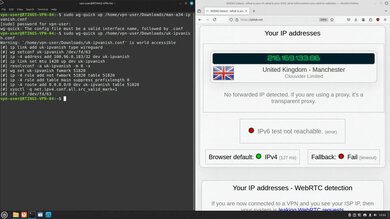
This VPN sometimes sends system DNS queries to the default DNS provider instead of going through the VPN tunnel, exposing those queries. This matters if you want to keep which websites and services you connect to hidden from your ISP or your third-party DNS provider.
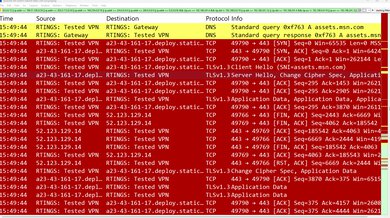
The kill switch doesn't work properly, as network traffic leaks outside the VPN tunnel after a reboot, software crash, or loss of internet. This is problematic if you're concerned with keeping your traffic encrypted when reconnecting to the internet after a reboot or crash.
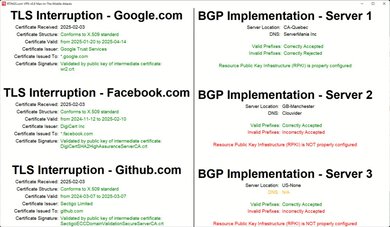
Like most VPN services, this VPN doesn't implement BGP properly. This means that even if your ISP protects against attacks like route hijacking, your traffic could still be misdirected once it enters the VPN's network. This is only a concern for highly targeted and resource-intensive attacks that are feasible only for governments or large corporations to orchestrate.
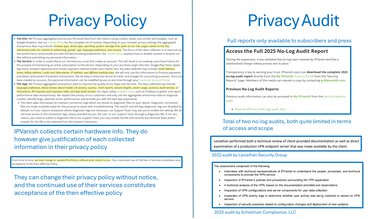
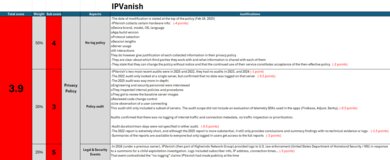
While IPVanish claims to uphold a no-logs policy, with independent audits confirming it, several conditions in the privacy policy stipulate that they collect information about your devices that could be linked to your identity. Additionally, their policy audits are somewhat limited in scope and detail, and the full reports are only available to subscribers who are logged in.
There was also a past instance of IPVanish providing user activity logs, including IP addresses, in response to a subpoena, contradicting its no-logs claims at the time. The company has changed ownership since this incident, however.
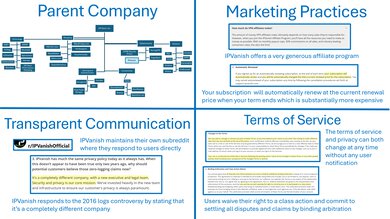
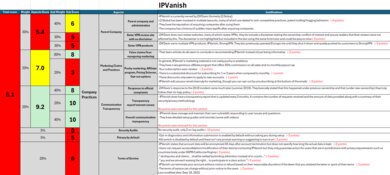
IPVanish is owned by Ziff Davis, a large media company with many other subsidiaries, including competing VPN providers and VPN review websites that recommend IPVanish, which represents a conflict of interest. Its marketing practices also entice users by offering exclusive discounts to new subscribers while enabling auto-renewal at a non-discounted price for existing subscribers.
The VPN generally has good communication transparency with its users, including responses to past security events, replying to user concerns online, and maintaining a transparency report.
Despite publishing audits of its privacy policy adherence, the company doesn't have any audits of its security infrastructure. Also, its terms of service favor the company by forcing arbitration, prohibiting class-action lawsuits, allowing the banning of accounts at their discretion, and allowing the company to change them at any time without notice.
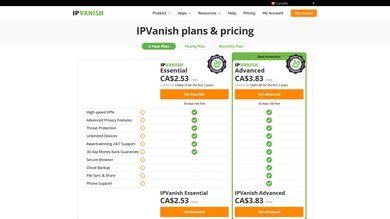
You can pay for this VPN using a credit card, Google Pay, or PayPal.
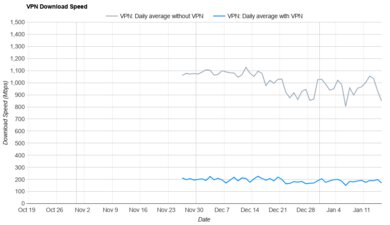
We're testing this VPN's performance on an ongoing basis, and will update the text for the download speed, upload speed, and latency tests when we have more data.
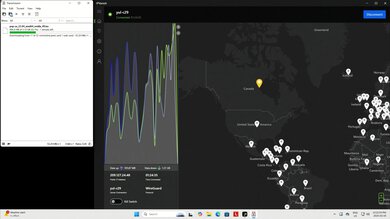
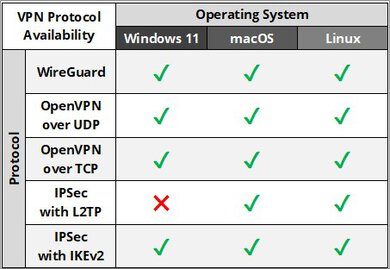
This VPN supports Ubuntu, Fedora, Kali Linux, Linux Mint, Lubuntu, Pop! OS, and manual configurations on Linux.
It's also available on Android, iOS, Chrome OS, and smart TVs. You can also set it up on your router so all of your network traffic gets routed through the VPN.