
TunnelBear is a VPN service founded in 2011 and owned by the cybersecurity company McAfee. It's available on multiple platforms and offers servers in 47 countries. It includes obfuscation, a feature that disguises your traffic to make it appear like you're not using a VPN. There are no data limits, and it allows unlimited simultaneous device connections.
TunnelBear also offers a free version that we also tested. See more in the Differences Between Variants section.
Our Verdict
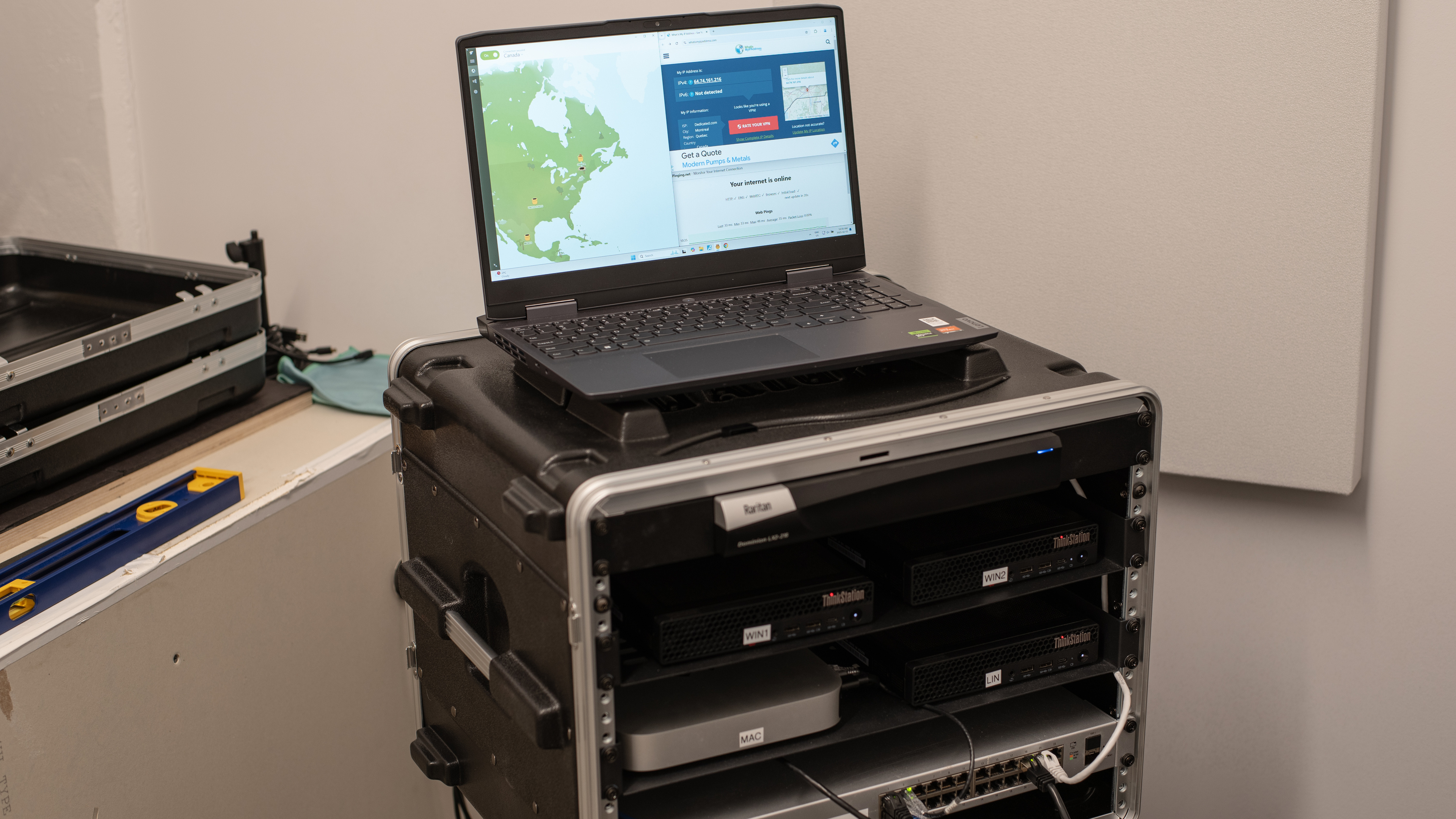
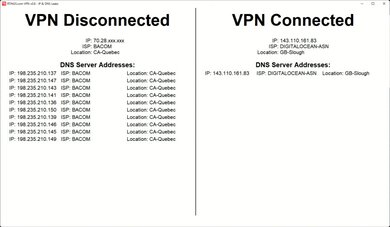
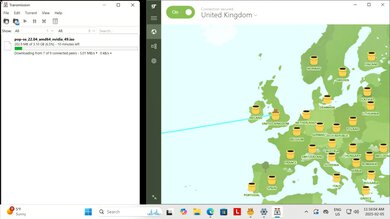
TunnelBear is good for torrenting. It allows you to download torrents and doesn't have a data limit. It also protects you from man-in-the-middle attacks and keeps your IP address and DNS queries within its tunnel while you use it. That said, its kill switch doesn't work properly, as it allows some unencrypted traffic to leak past the VPN after reconnecting to the internet, and it doesn't offer any anonymity-preserving registration or payment options, potentially exposing your personal information in the event of a data breach.
Doesn't leak your IP address or DNS queries.
Proper TLS and BGP implementation protects you from man-in-the-middle attacks.
Kill switch leaks unencrypted traffic after a loss of internet.
No anonymous registration or payment options.
TunnelBear is disappointing for private browsing. Its privacy policy states the company doesn't retain any user traffic logs, but it can collect device hardware information and geolocation data. It also doesn't publish independent security audits frequently or audits that affirm its compliance with its privacy policy. On the technical side, the VPN works to keep your IP address and DNS requests encrypted, but its kill switch doesn't work properly, leaving your traffic exposed if the VPN client crashes or your device restarts.
Doesn't leak your IP address or DNS queries.
Kill switch leaks unencrypted traffic after a loss of internet.
No anonymous registration or payment options.
Policies indicate the company can record device hardware information.
Infrequent independent security audits and no policy audits.
TunnelBear has poor business practices and privacy policies. While its policy states the company doesn't retain user traffic logs, it can still record device information and geolocation data. Also, the company claims to commit to publishing independent security audits annually, but hasn't since 2023, and these audits omit an evaluation of the company's policy compliance, demonstrating a lack of adherence to the user privacy commitments the company claims to make.
Policies indicate the company can record device hardware information.
Infrequent independent security audits and no policy audits.
TunnelBear has acceptable security. It keeps your IP address and DNS queries encrypted while you're connected to it. It also offers remarkable protection against man-in-the-middle attacks as it has proper TLS and BGP implementation. Unfortunately, its kill switch doesn't work as intended, as it leaks some unencrypted traffic after reconnecting to the internet. This is a concern if you need all your traffic to be encrypted when your internet drops out or when you connect to a new network.
Doesn't leak your IP address or DNS queries.
Proper TLS and BGP implementation protects you from man-in-the-middle attacks.
Kill switch leaks unencrypted traffic after a loss of internet.
We're testing this VPN's speed on an ongoing basis and will update this verdict when we have more data. See the Performance section of the review to look at the data we've collected so far.
Performance Usages
Changelog
-
Updated Apr 30, 2026:
We've added a link to our newly published review of AdGuard VPN in the Destinations section of the review.
-
Updated Mar 02, 2026:
We've updated the text throughout the review to reflect the changes from Test Bench 0.10.
-
Updated Jan 23, 2026:
We've updated the text throughout the review to reflect the changes from test bench 0.10.1.
- Updated Jan 23, 2026: We've updated this review to Test Bench 0.10.1! This is a minor update to how we conduct our speed tests. Read the changelog for more info.
Check Price
Differences Between Sizes And Variants
TunnelBear has a free tier, a tier for teams, and a paid unlimited tier, which we bought and tested in this review. We also tested TunnelBear Free separately.
| Plan | Linux Support | City Selection | Data Limit | Admin Tools & Centralized Billing |
|---|---|---|---|---|
| Free | No | No | 2GB per month | No |
| Unlimited | Yes* | Yes | Unlimited | No |
| Teams | Yes* | Yes | Unlimited | Yes |
*You can only manually configure the VPN on Linux. See the Platform Support section for more details.
Popular VPN Comparisons
TunnelBear is comparable to most VPN services if you want to download torrents and bypass geo-restrictions. It has acceptable security but fails the kill switch test like most other VPNs we've tested. That could be an issue if you're concerned with keeping your traffic protected at all times, like after reconnecting to the internet. That said, it doesn't offer many additional features like multi-hop or the ability to connect using the Tor network, which other VPNs like NordVPN or Proton VPN have. It doesn't limit how many devices you can connect with simultaneously, which is a bonus if you have a lot of devices.
TunnelBear is owned by McAfee, a private equity-backed security company with a contentious corporate history. While TunnelBear has a no-logging policy, its privacy policy indicates that it records an unnecessary amount of hardware information about your devices. Additionally, the company doesn't consistently publish independent security audits, and the audits it has published don't confirm its adherence to its user privacy commitments.
To see which services we recommend, check out our article on the best VPNs, best VPNs for Windows PCs, and the best VPNs for privacy.
Test Results
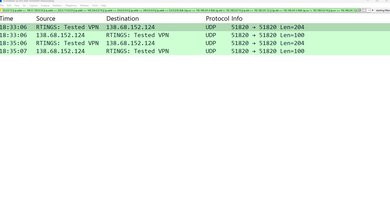
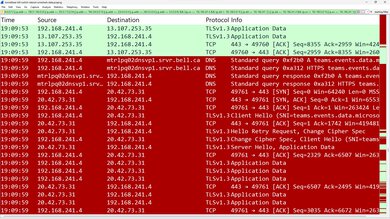
The kill switch doesn't work as intended, as network traffic leaks outside the VPN tunnel after a reboot and after a software crash. This can be problematic if you're concerned with keeping your traffic encrypted at all times, like if your system freezes and you have to restart it.
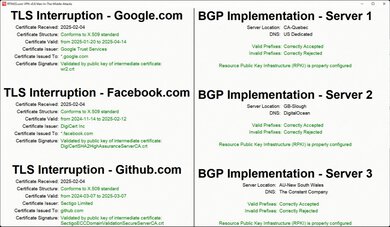
Unlike almost every other VPN service, TunnelBear implements BGP properly. While BGP implementation mostly concerns high-level internet routing, it's an extra layer of security for very specific and targeted attacks.
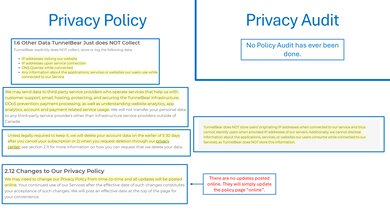
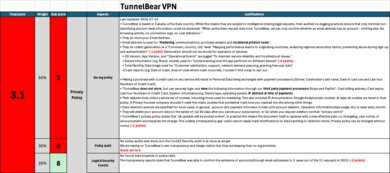
While TunnelBear's privacy policy specifies that the company doesn't collect your IP address, DNS queries, or traffic logs while you use the service, it does indicate that it collects geolocation and device information for analytics purposes. The policy can also be changed without notice to users.
Additionally, TunnelBear hasn't published any independent audits to verify that it upholds its privacy claims, and its transparency report indicates that it has confirmed the existence of two user accounts to government authority requests.
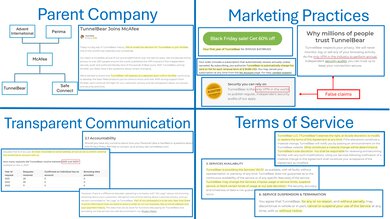
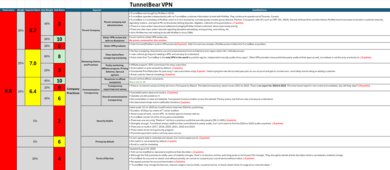
TunnelBear is owned by McAfee, which is itself owned by private equity firms that have been criticized for using typical private equity buyout tactics and other vehicles to prioritize profit over product improvement.
While TunnelBear has published a transparency report, it has not been updated since 2023. The company has also committed to publishing annual independent security audits, but it hasn't published any for 2024 or 2025, and there's a medium-risk issue that remains unresolved.
The terms of service are clearly written but contain conditions that allow the company to modify the terms at its discretion, suspend user accounts without notice, and do not offer an appeal process for account termination.
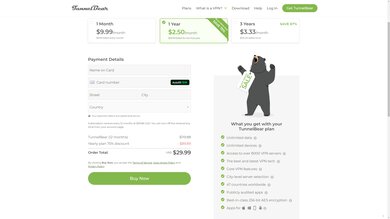
You can only pay using a credit card.
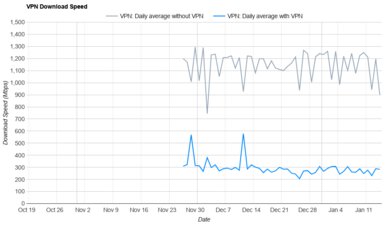
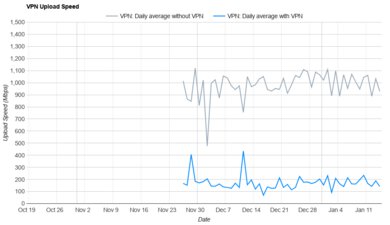
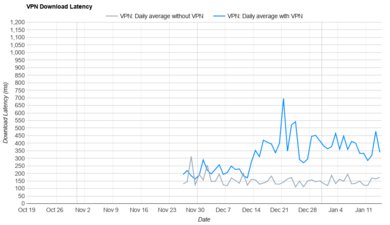
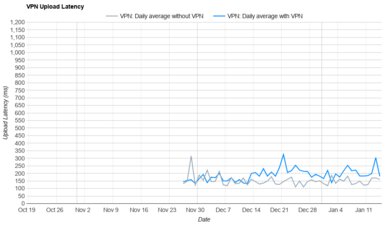
We're testing this VPN's performance on an ongoing basis and will update the text for the download speed, upload speed, and latency tests when we have more data.
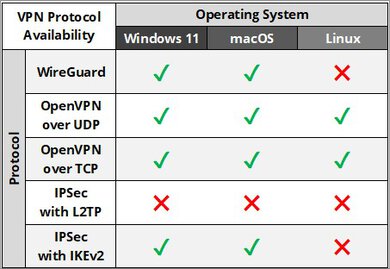
While TunnelBear doesn't have a dedicated Linux app, you can configure OpenVPN manually on Ubuntu and other distributions.
There are also mobile apps available for iOS and Android, as well as browser extensions.
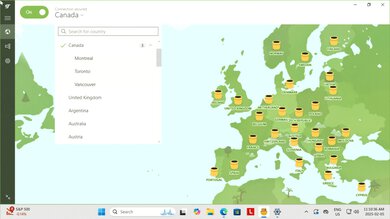
Check out AdGuard VPN if you're looking for a VPN service with servers in more countries.
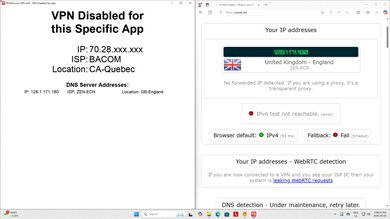
While you can't split tunnel based on IP address, you can based on URL.
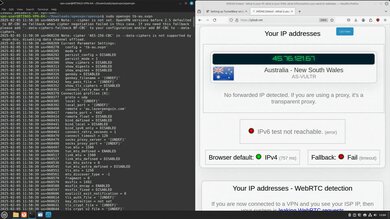
While you can set up an OpenVPN connection headlessly, the configurations that TunnelBear provides on its website are inconsistent and sometimes require you to manually alter the configuration files depending on the server you want to connect to.