 |
 |
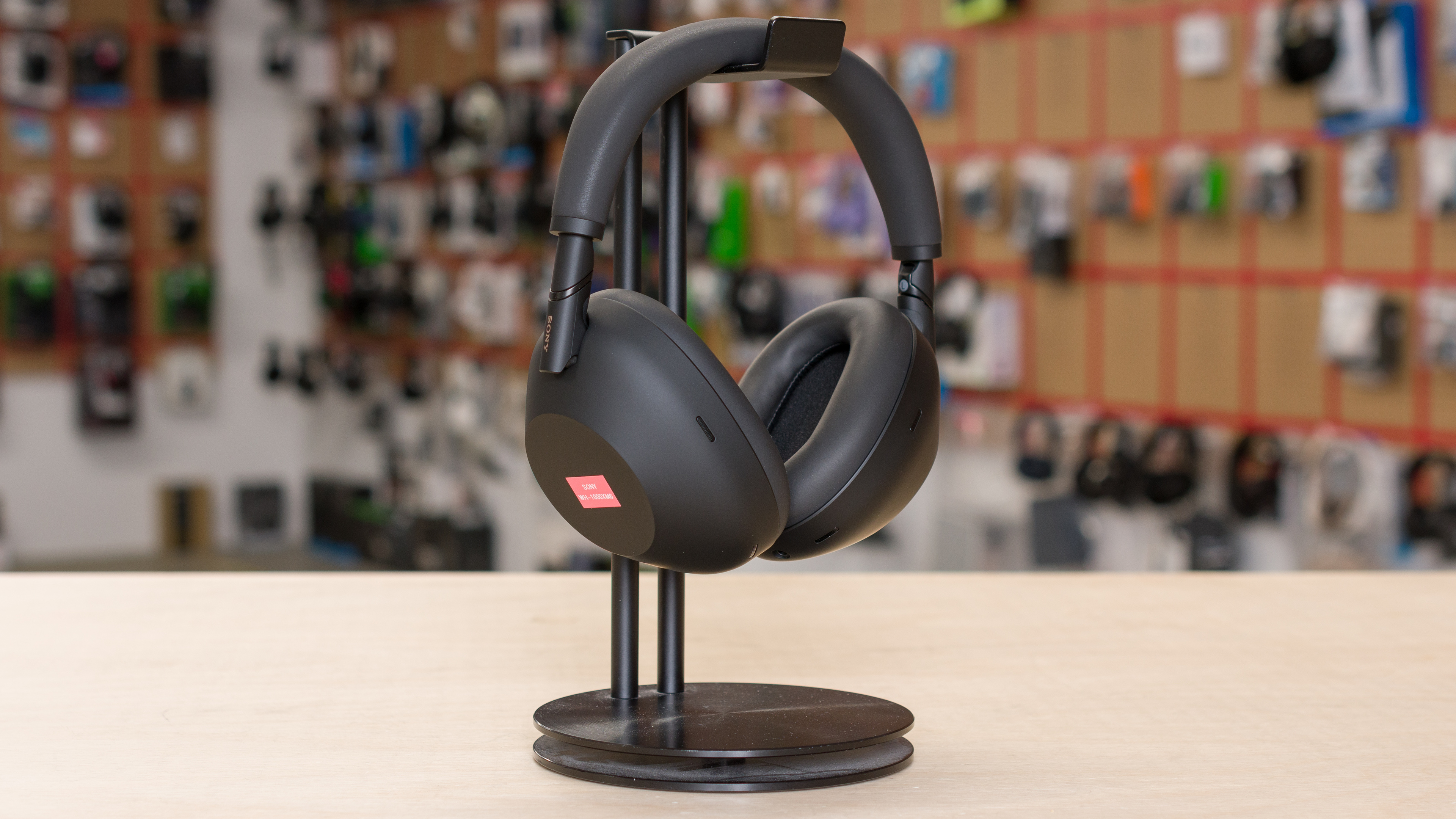 |
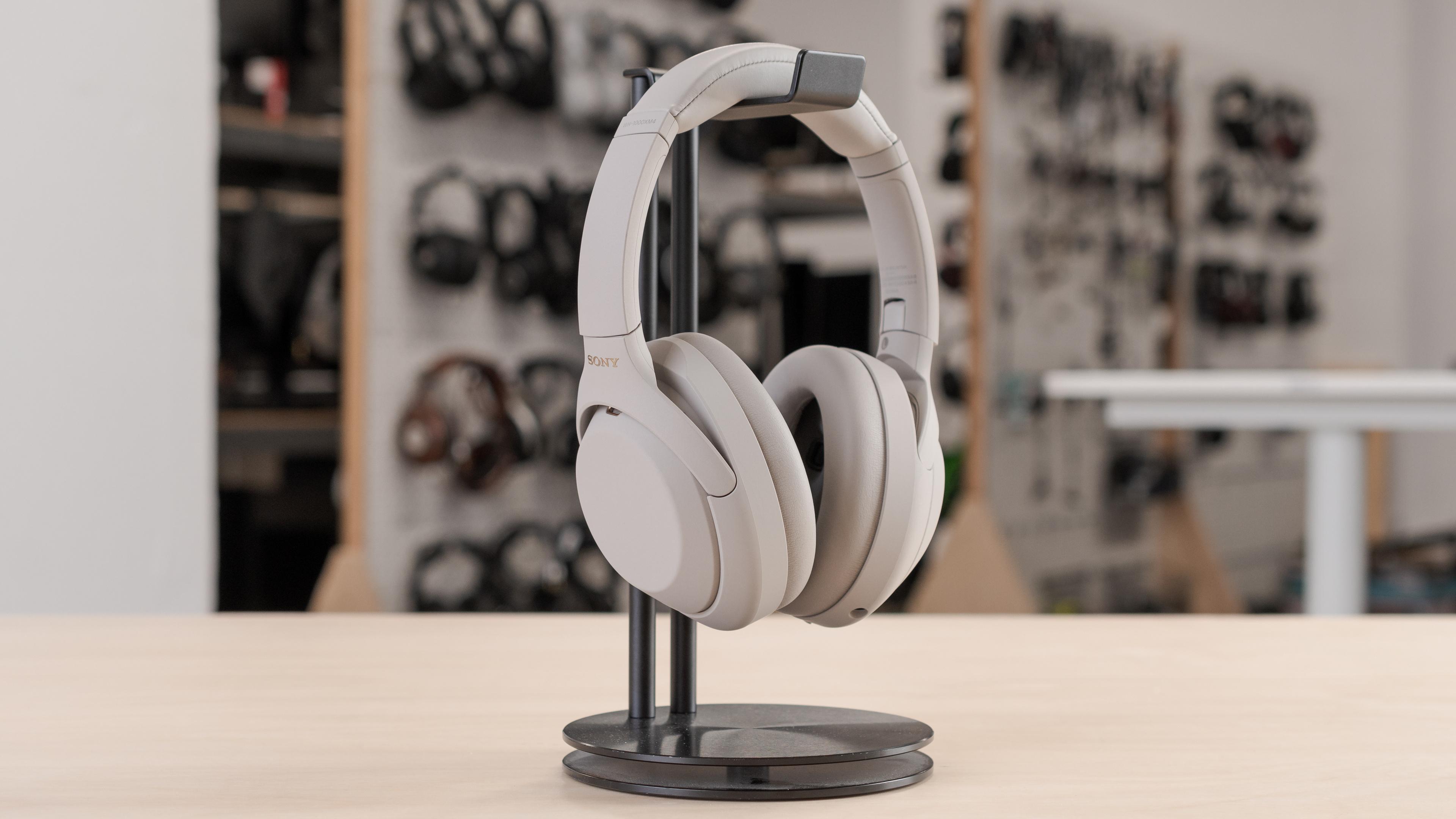
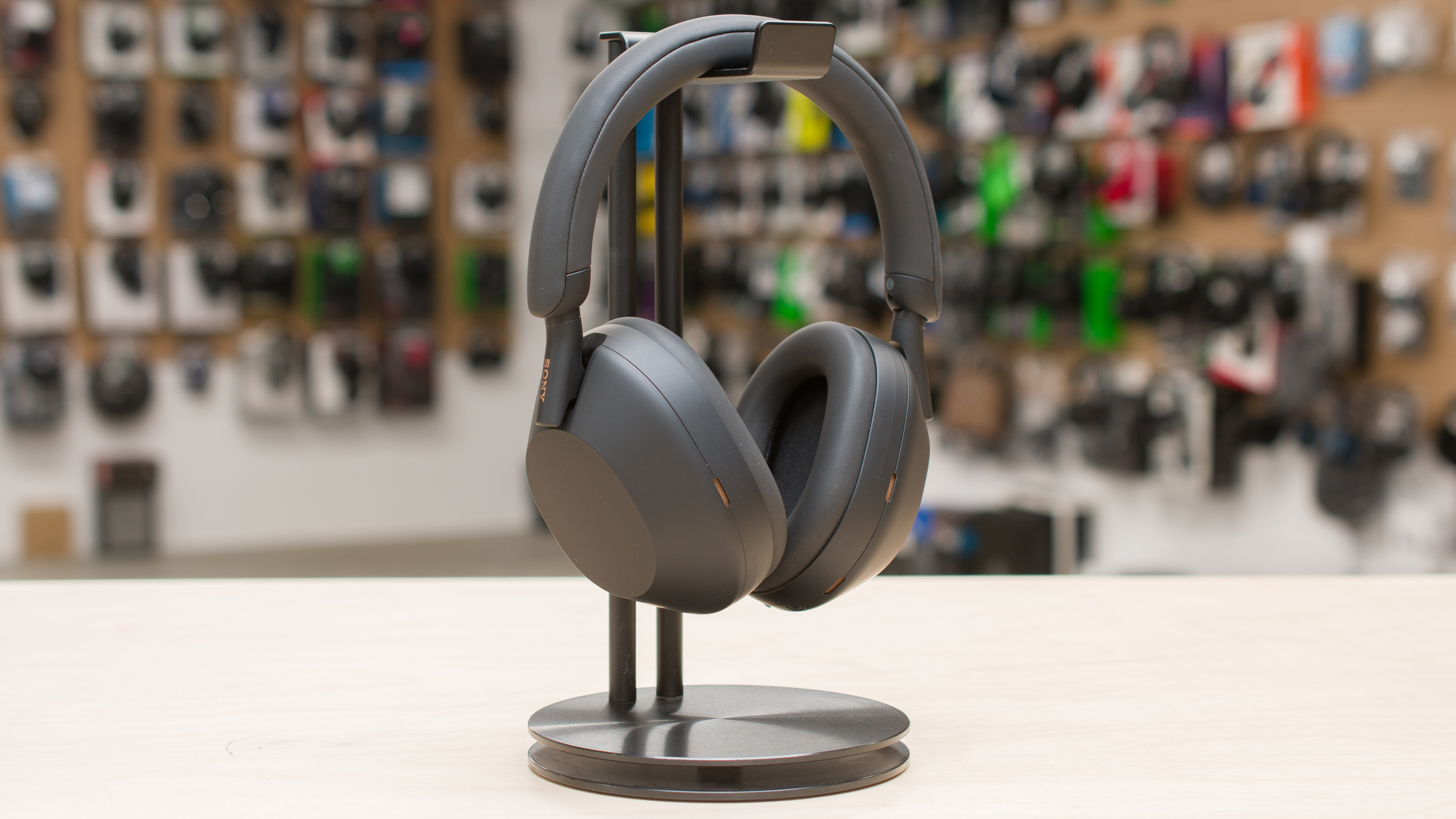
Chances are, you're already familiar with Sony's WH-1000XM lineup. A perennial favorite for anyone who prefers feature-packed wireless over-ears, this flagship series has made waves, with three iterations released in the last five years. These headphones can be identified by their model number, which starts with 'WH' (indicating that they're over-ears), followed by -1000XM#, where the number at the end indicates their generation. These over-ears' ability to seal you off from the outside world is often their main selling point, and Sony isn't shy about using this in their marketing material, claiming an 'incomparable' and 'distraction-free' listening experience.
In this article, we look at the evolution of Sony's ANC technology through three headphones: the Sony WH-1000XM4 Wireless, Sony WH-1000XM5 Wireless, and Sony WH-1000XM6. We'll also discuss other important factors in their usability, such as their price, comfort, and build quality. We'll aim to answer that age-old question: Does newer always mean better?
Test results
What Is ANC?
This section provides a quick overview of how modern ANC systems work. Feel free to skip ahead if you've already mastered the theory or read about it in more depth in our Noise Isolation test article.
Perhaps the biggest selling point of the XM line is Sony's celebrated Active Noise Cancellation (ANC) technology. ANC isn't to be confused with passive isolation, which is the kind of noise suppression you'll experience when wearing in-ear buds or earmuffs. ANC instead works in tandem with the seal created by the ear cups, using microphones mounted either on or within the ear cups (or both, in the case of high-end headphones). The microphones first capture external sound and pass it to the ANC chipset, which analyzes the signal in real-time. The system then generates a sound wave that closely mimics the noise it hears but with an inverted phase. When this anti-noise is played through the headphones, it cancels out the original sound through destructive interference before it reaches your ears. This entire process happens in real-time, allowing you to go about your business undisturbed by the outside world.
This technology has evolved rapidly over the past decade, driven by intense competition among manufacturers to create headphones that offer complete isolation from the outside world. Sony's XM-series over-ears have remained consistently among the top performers throughout this race.
Our Noise Isolation Tests
We assess headphones' noise isolation ability using two tests: Noise Isolation (Full Range) and Noise Isolation (Common Scenarios). The former assesses headphones' ability to suppress external noise using a full-range pink noise sweep, while the latter is tested using audio that simulates real-life environments to see how the ANC tech responds to less consistent audio sources.
Check out our Test Bench 1.7 R&D article to learn more about ANC systems and how we test both passive and noise isolation.
What's Special About Sony's ANC Technology?
While Sony remains tight-lipped about the specifics of their adaptive ANC tech, the specs alone tell a story: the microphone count has risen from four in the XM4 to eight with the XM5 and twelve in the XM6, improving the system's ability to track external noise. While microphone count isn't everything, it helps the ANC system properly identify which frequencies to cancel out. For reference, the Bose QuietComfort Ultra Headphones Wireless, a close competitor, feature an eight-mic array to assist with noise cancelling.
As you can see from the image below, Sony XM-series headphones use a hybrid adaptive ANC system that utilizes mics positioned both on and inside the ear cups. The external mics pick up environmental audio, while the internal mics analyze the audio that makes its way to your ear. The technology's adaptive nature means that it's constantly optimizing, ensuring changes to ambient noise levels translate to a consistent level of noise cancellation.
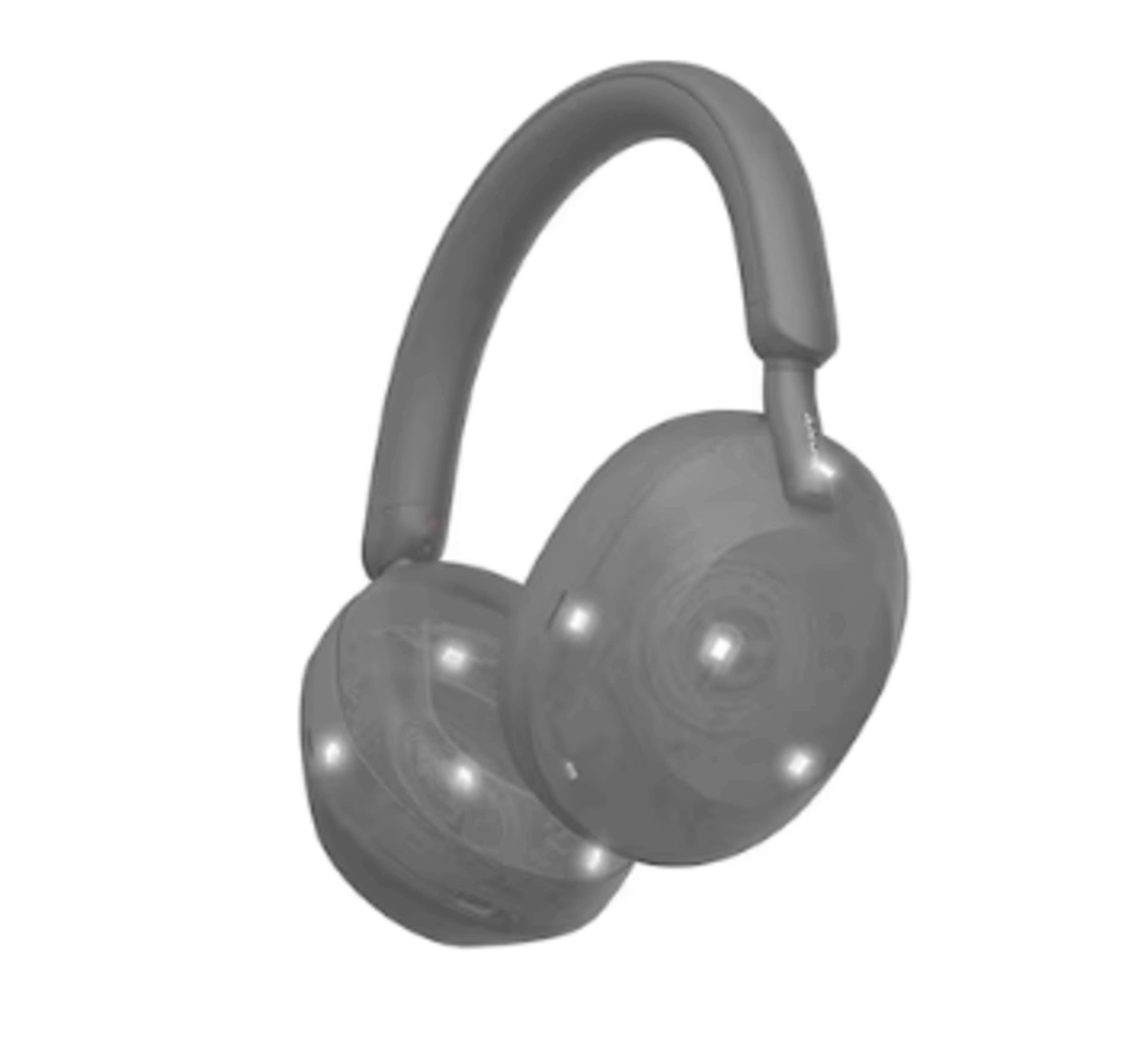
Looking under the hood, the XM4 and XM5 use the QN1 processor, while the XM6 feature the new QN3 chip, which Sony claims is seven times faster. While we can't verify that figure, there's little doubt that their ANC tech has significantly advanced in the five years between the XM4's release and the XM6. But does this new processor translate to better scores in our noise isolation testing?
Noise Isolation (Full Range)
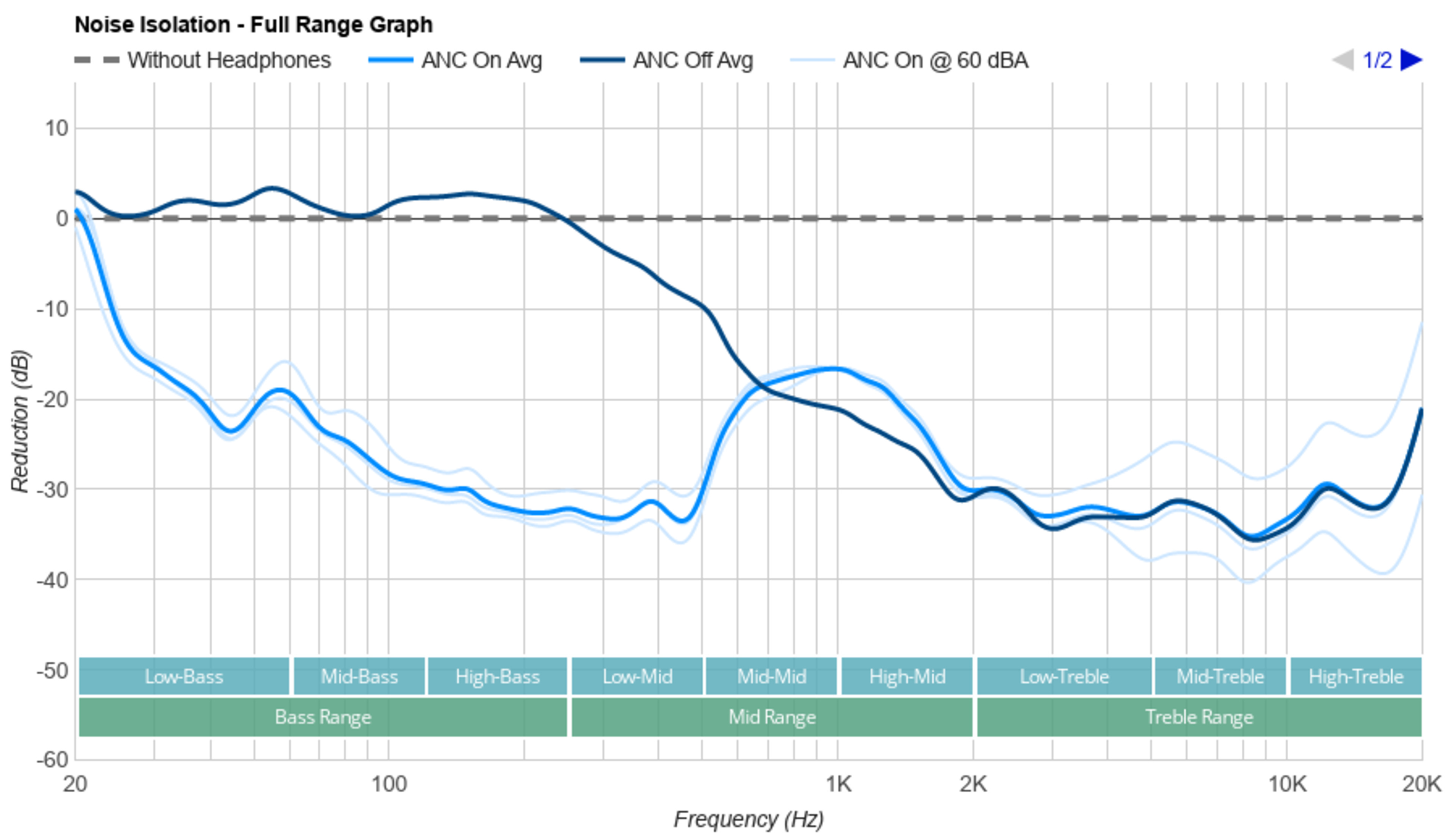
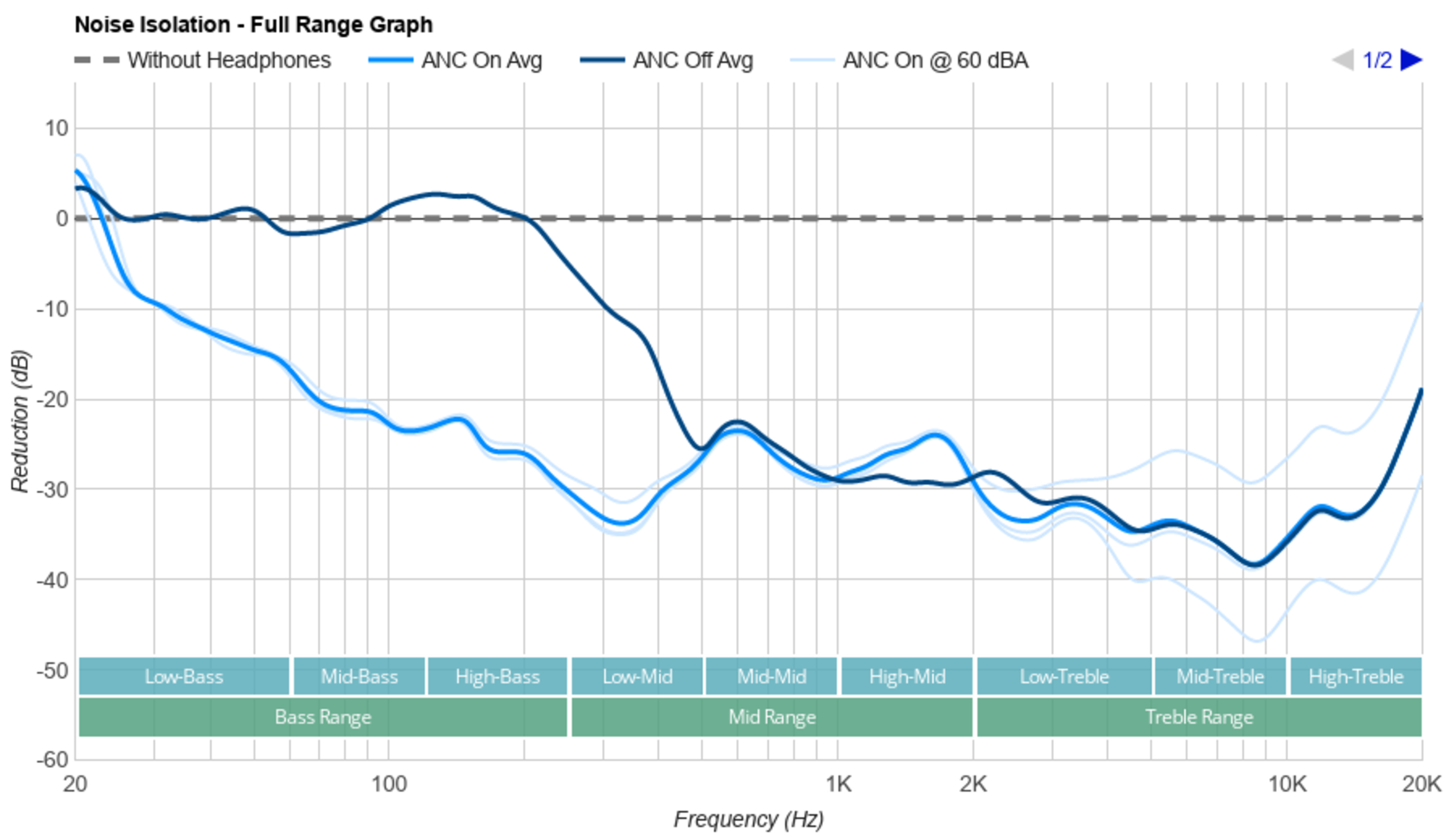
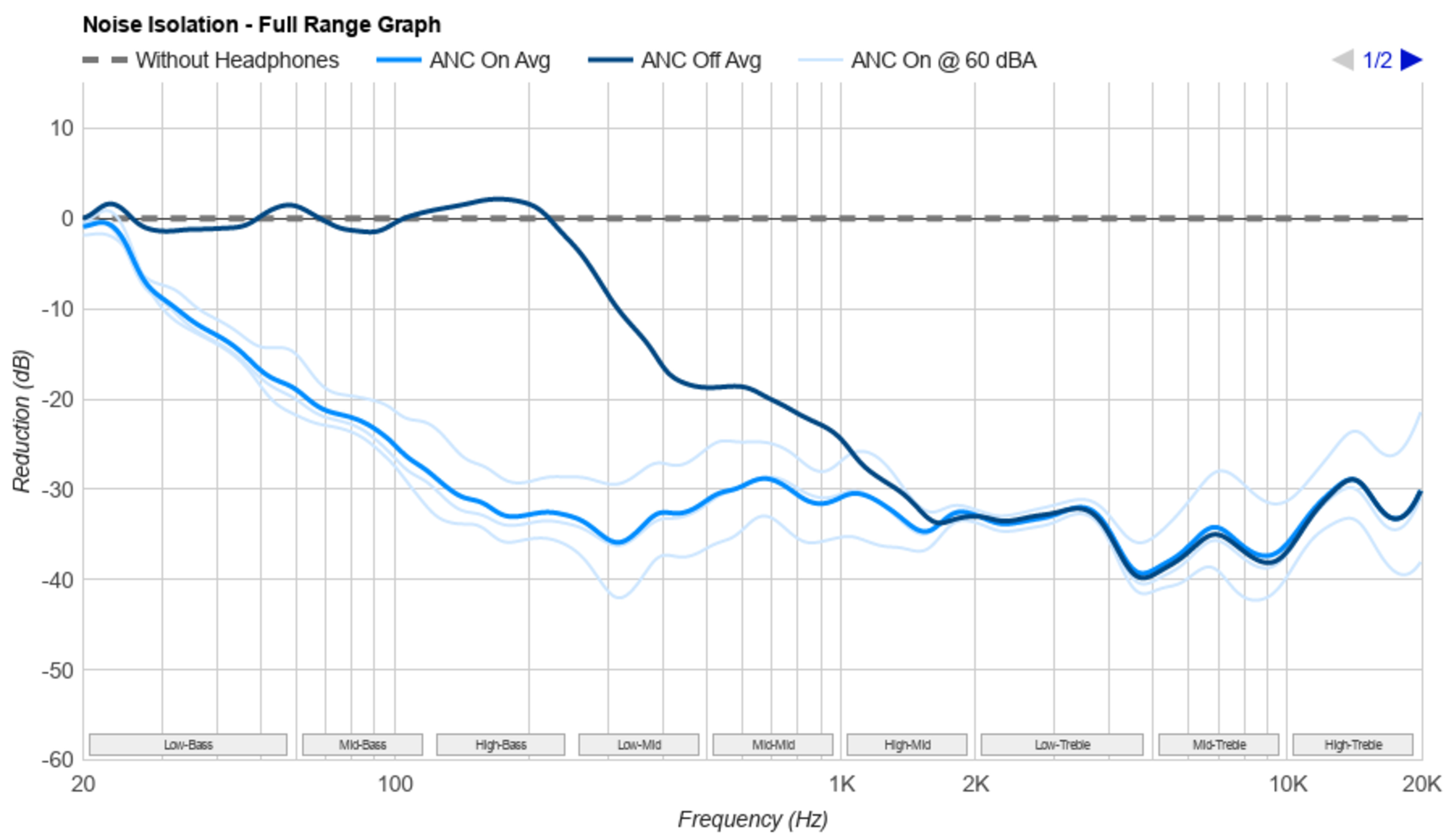
This test assesses how well headphones block out a pink noise test signal. We switched to pink noise after using a sine sweep in previous testing methodologies, as many ANC systems are now 'adaptive,' meaning they take a few seconds to adjust to an external audio source. Pink noise allows them the necessary response time to 'react,' providing a more accurate measure of real-world performance. This test is especially useful to see the difference in isolation between each frequency range.
 |
 |
 |
 |
 |
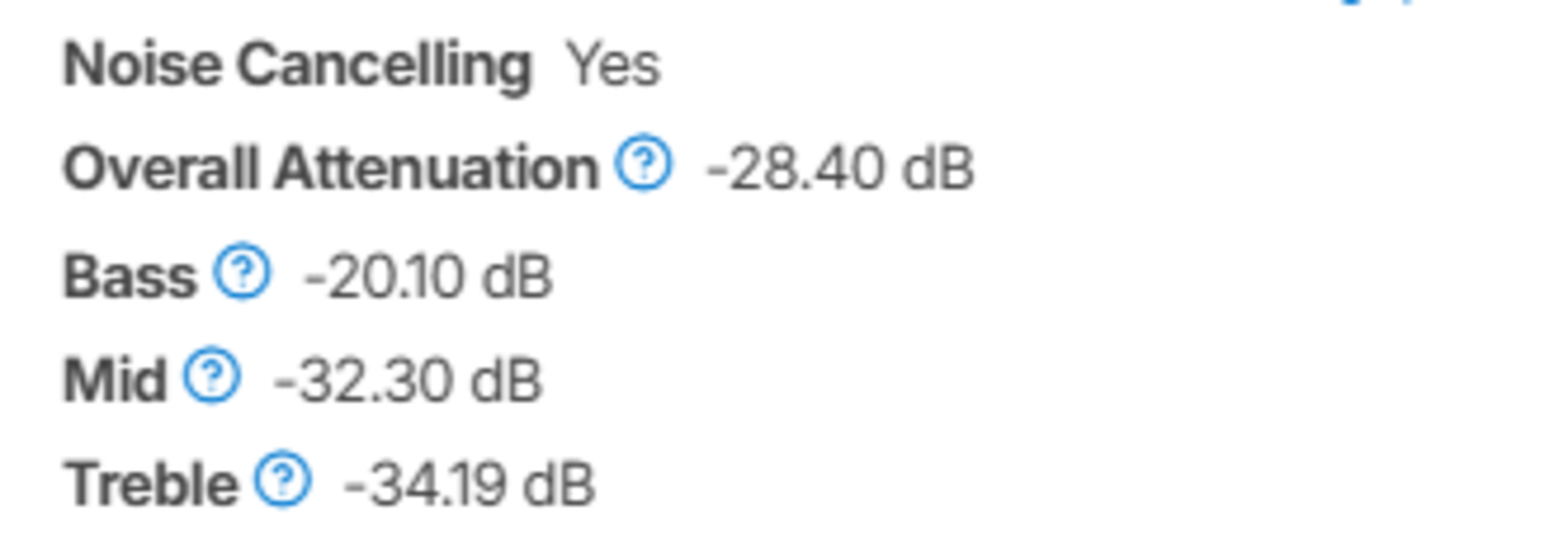 |
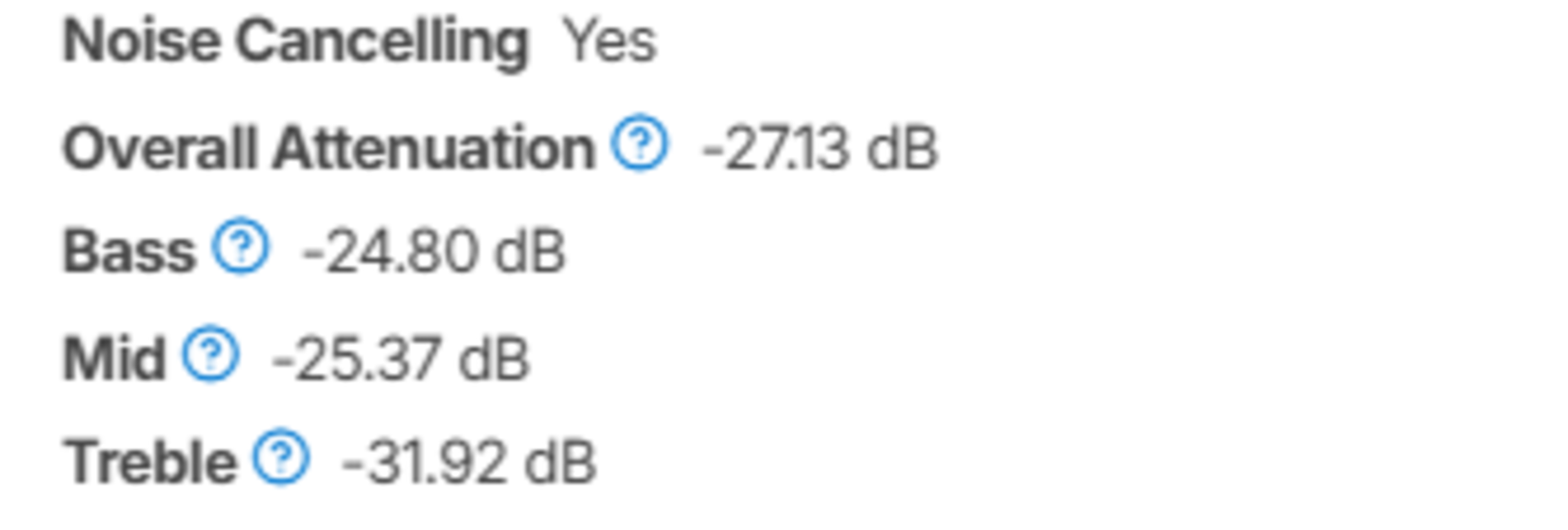
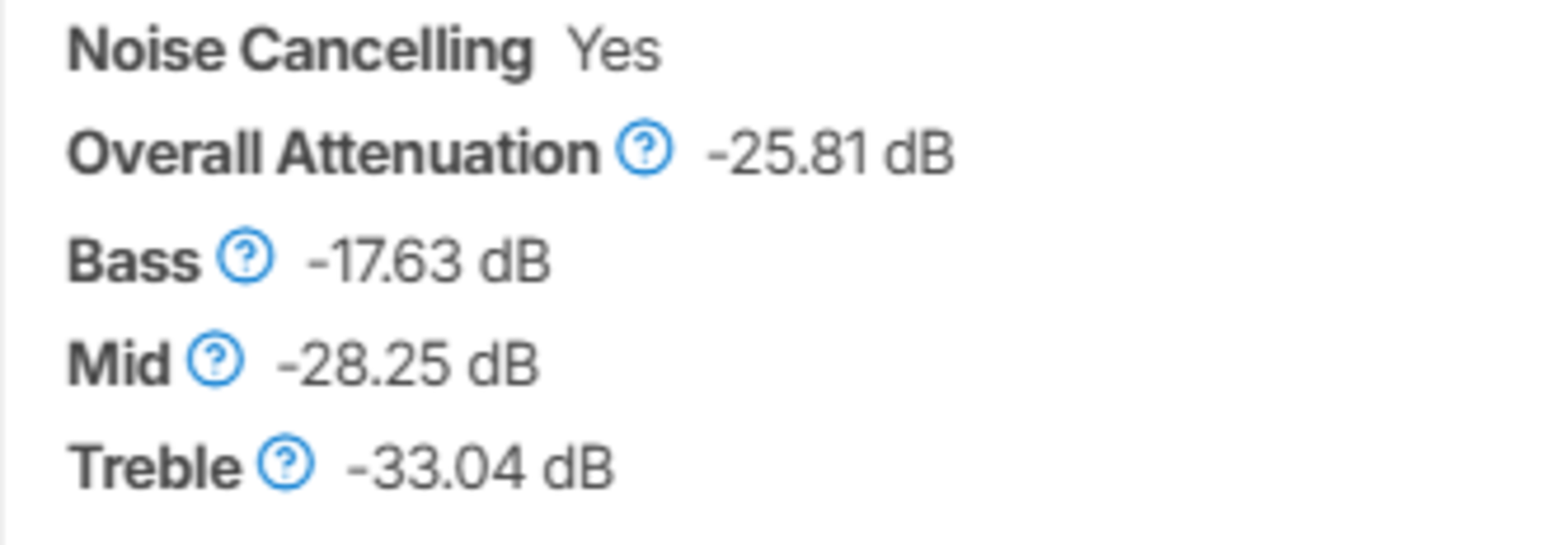
As you can see, all three of Sony's flagships perform well in this test. The XM4 and XM5, with their latest firmware updates installed, are almost on par with one another. While the XM6 rank among the top performers in this test, it's worth noting that a difference of 0.2 in our test results is fairly small and likely won't be noticeable during everyday use. Also, although the XM6 reduce more mid-range and treble noise than the XM4 and XM5, the XM4 still outperform them in bass reduction, which could be worth bearing in mind if you're trying to block out the sound of jackhammers on a construction site outside your window (hello, Montrealers).
Noise Isolation (Common Scenarios)
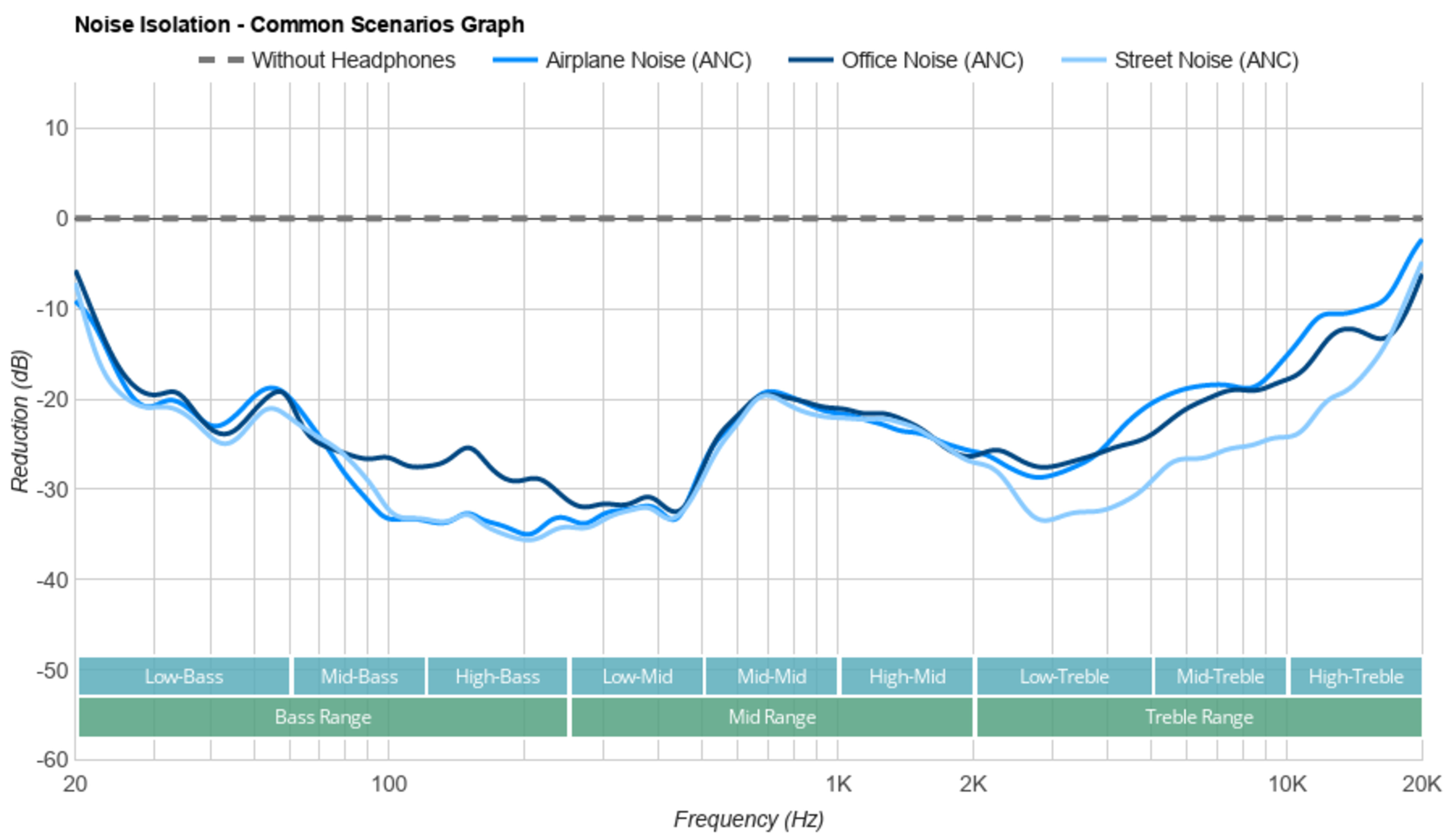
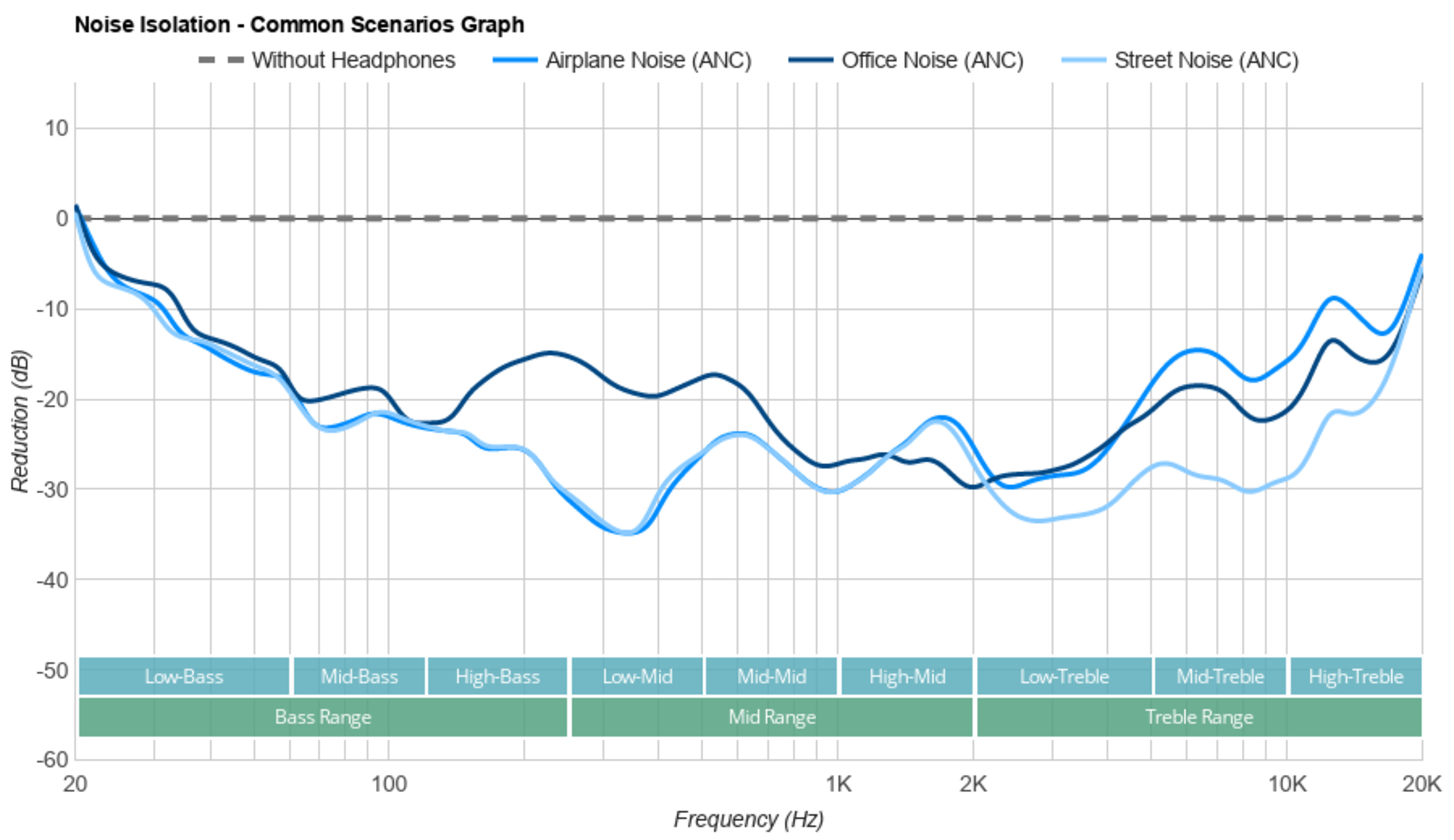
Our full-range test is a good measure of ANC strength, but pink noise isn't something you'll hear in everyday life. That's why we created our common scenarios test. This test uses audio samples taken from three everyday scenarios: a busy street, an office, and an airplane cabin. The graph illustrates the amount of noise attenuated in each scenario, with individual scores for each and an average of the three. We've also linked to the recordings of each scenario in the caption of each graph.
 |
 |
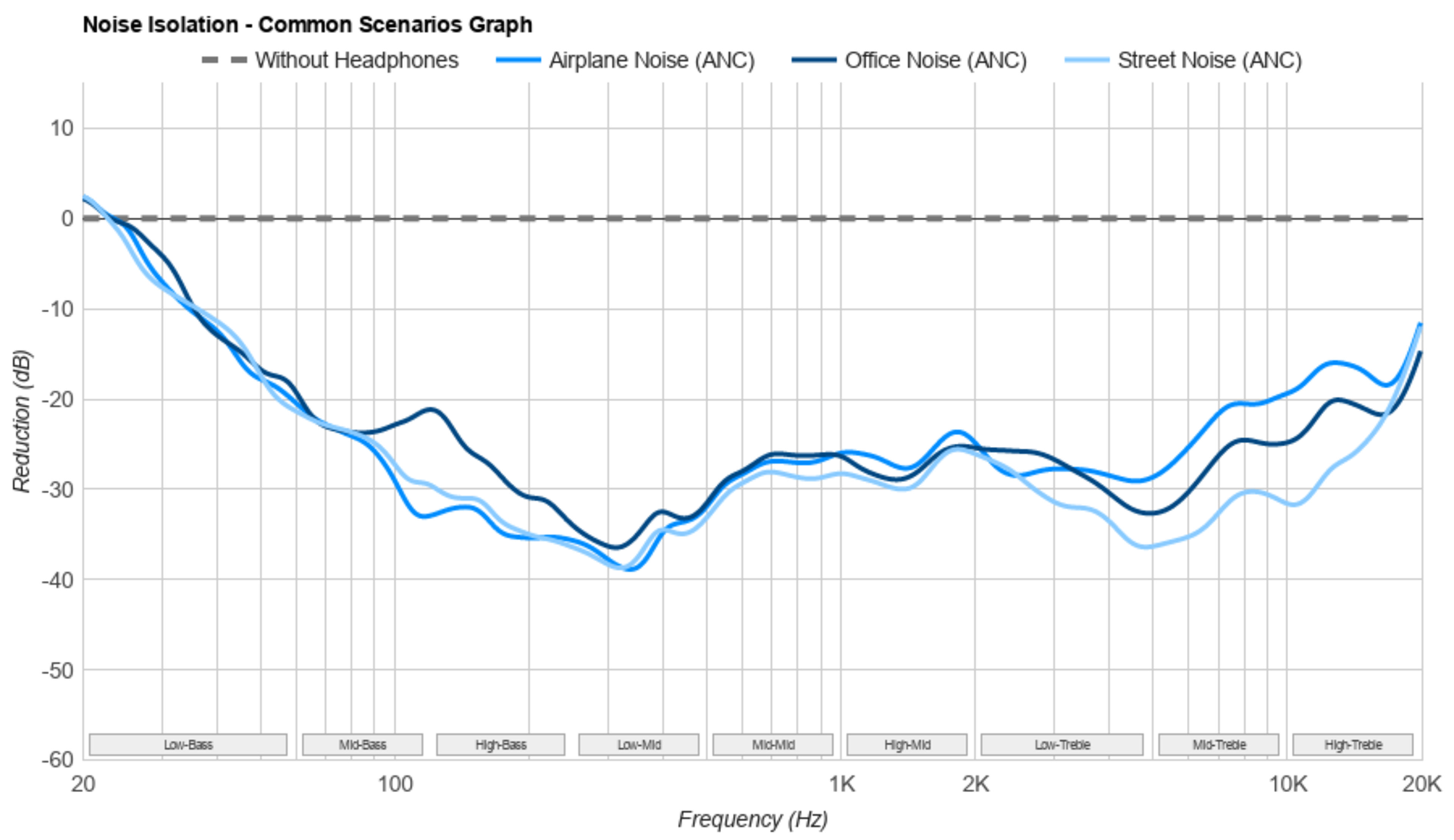 |
These scores and graphs follow a similar trend to the full range test, with the XM5 lagging behind slightly more than the other two.
In summary, the XM6 rank among the very best ANC-equipped headphones we've tested, cutting out a remarkable amount of noise in pretty much every common scenario. They're the clear winner when it comes to our test results, scoring exceptionally well in both our full range and common scenarios tests. That said, the differences in score between the three headphones are minimal enough that they might not be reflected in day-to-day performance. There are also a few other factors that need to be considered before crowning the XM6 as the Sony ANC king.
But What About Wind Noise?
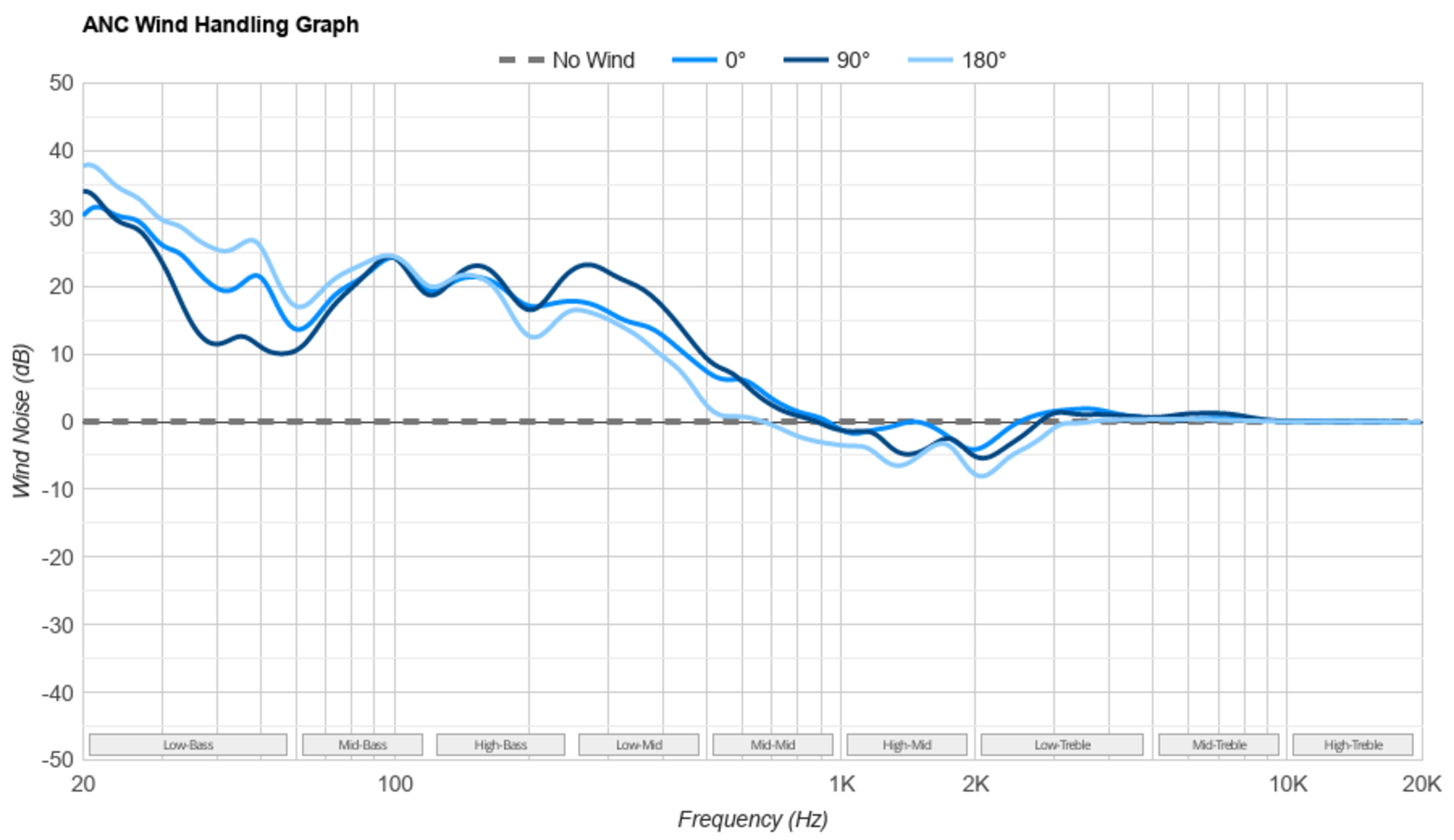
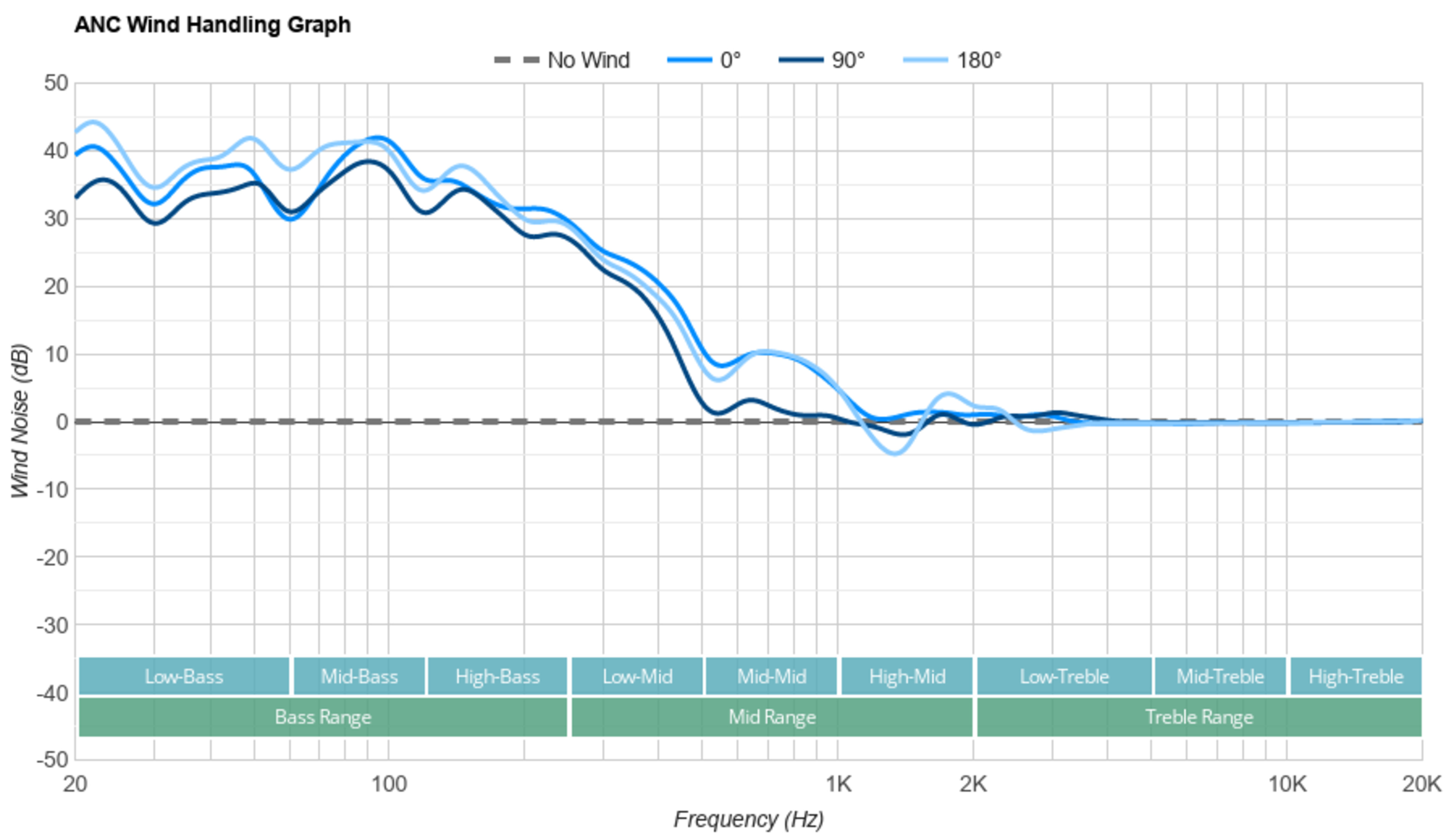
If you've ever wandered the streets on a blustery day with your ANC-equipped headphones on, you might have experienced an aggravating screeching sound as the wind picks up. This noise is particularly difficult for ANC systems to cancel out. However, it's not actually the wind that you're hearing, but the sound of the anti-noise created by the ANC system. Many headphones feature a wind noise reduction feature to try and counteract this.
 |
 |
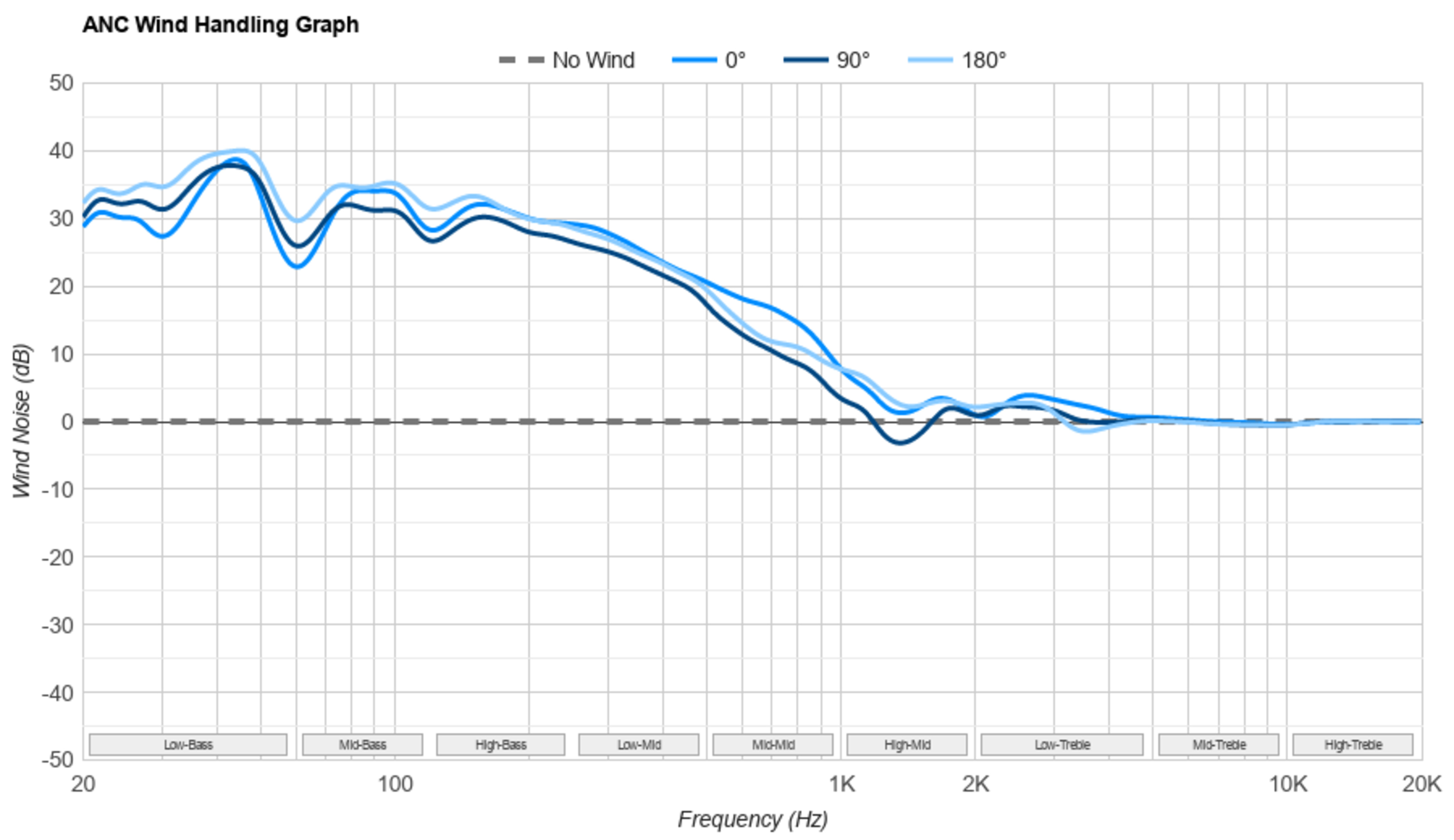 |
Only one of these three XM-series headphones comes equipped with a wind reduction feature. Can you guess which one, based purely on the graphs? Shockingly enough, it's the oldest model in this lineup that deals with wind noise most effectively: the venerable XM4. While it may not be a make-or-break factor for most people in the market for casual commuting headphones, it might be a consideration for folks who live in windy cities (Chicago or otherwise).
If Transparency Is A Priority...
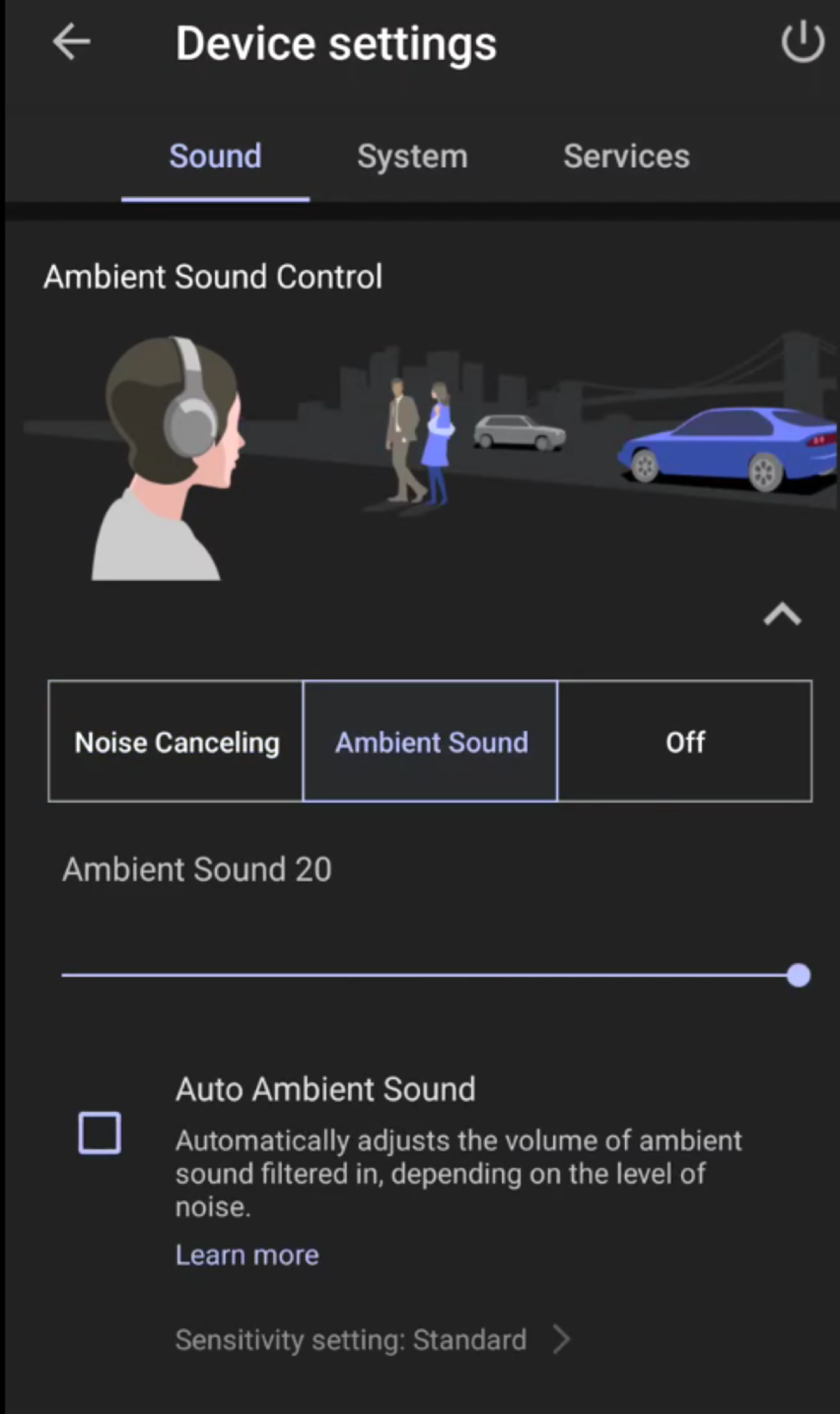
This aspect of ANC goes by many names: transparency mode, talk-through, or ambient sound (as it's called in the Sony ecosystem). In short, this mode lets an ANC system selectively allow external sounds through. It's useful in a variety of situations, especially those where staying aware of your surroundings is a priority, such as when you're on a run or want to have a quick conversation without taking off your headphones.
While we don't yet have a test to assess the quality of headphones' transparency mode, we can deliver some subjective judgments based on extended use. None of the Sony XM-series over-ears can match Apple headphones like the Apple AirPods Max when it comes to rendering external noise in a natural way. There's a boxy quality to audio in Sony's Ambient Sound mode that makes it seem distant. That said, there have been incremental improvements in the quality of this feature with each generation. All the XM-series over-ears also feature a physical button to switch between noise cancelling and Ambient Sound, as well as adaptive features that adjust the ratio between the two depending on the noise of your surrounding environment. However, only the XM6 allow you to adjust the transparency level (on a scale of 1-20). The other two use adaptive transparency modes, which rely on the ANC system's ability to optimize performance based on your surroundings. While this generally works as intended, the adaptive technology isn't foolproof, so it's nice to have a manually adjustable failsafe.
Looking Beyond The Surface: Consistency Is Key
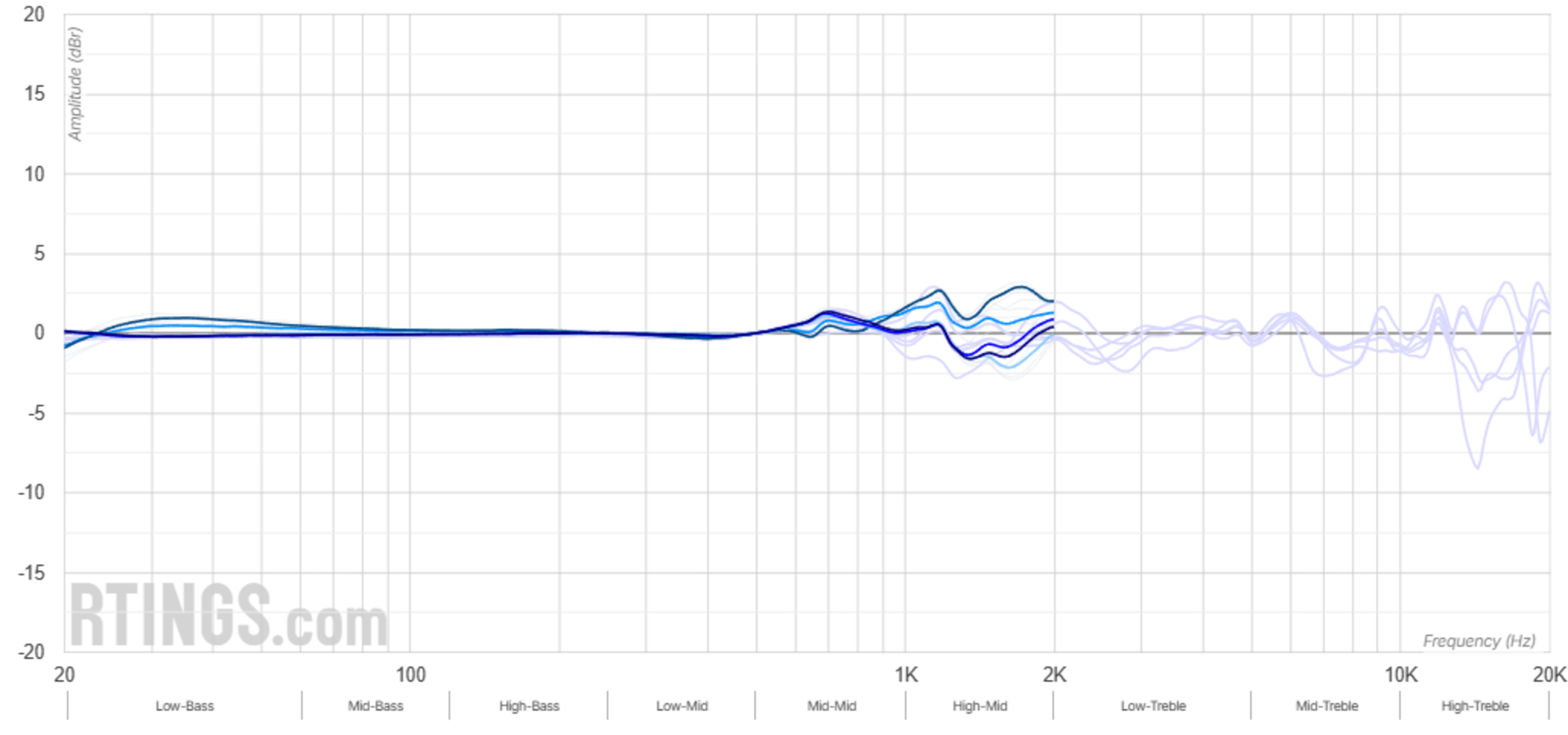
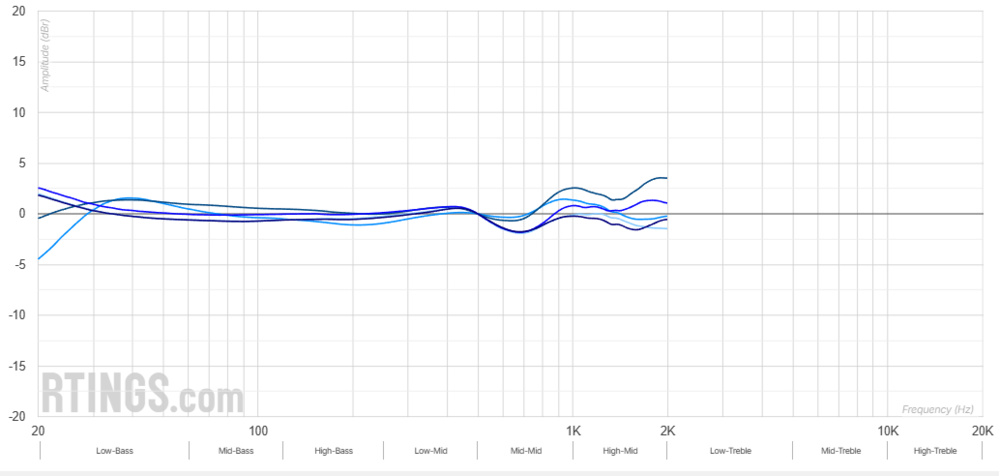
At first glance, comparing these three headphones based on noise isolation seems straightforward. The XM6 appear to block the most external sound, followed by the XM4 and then the XM5. In an ideal world, this would be the full story. However, there is another important factor that can influence ANC performance. Frequency Response Consistency (or FRC) measures how reliably headphones deliver audio across different fits and placements, and it also reveals how much their performance depends on physical factors like positioning and seal.
Examples of these physical factors include head size and shape, the size of your ears, whether you wear glasses, and whether you have thick hair. All of these traits can interfere with headphones' ability to create a solid seal. This not only affects the way the audio sounds but can also reduce the effectiveness of both passive and active noise cancellation.
 |
 |
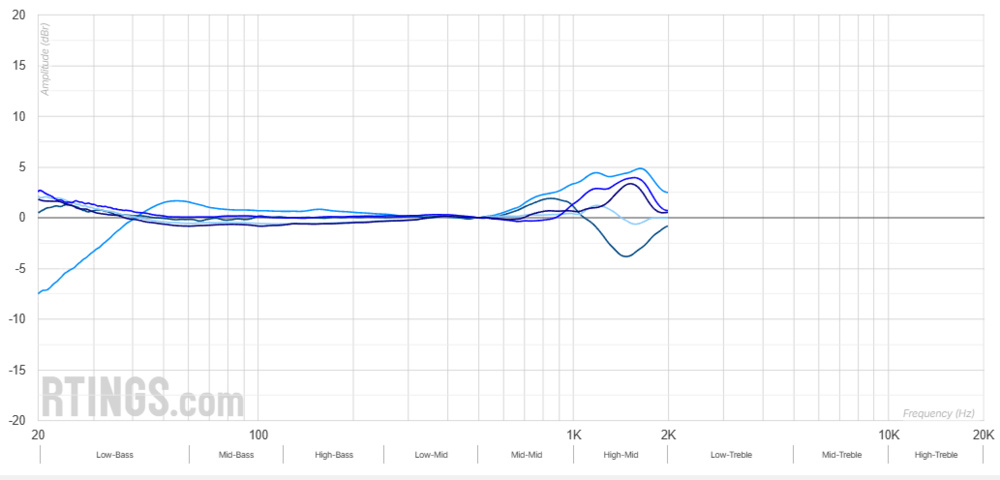 |
The three graphs above show you the FRC of the XM4 (left), XM5 (center), and XM6 (right), respectively. The graphs show the average results from three test passes conducted on human subjects with five different physical traits, including small, medium, and large head sizes, as well as the presence of glasses and long hair. You can click on each graph to enlarge it; this also lets you see what characteristic each curve correlates to, as well as the three individual passes that form the average of each characteristic.
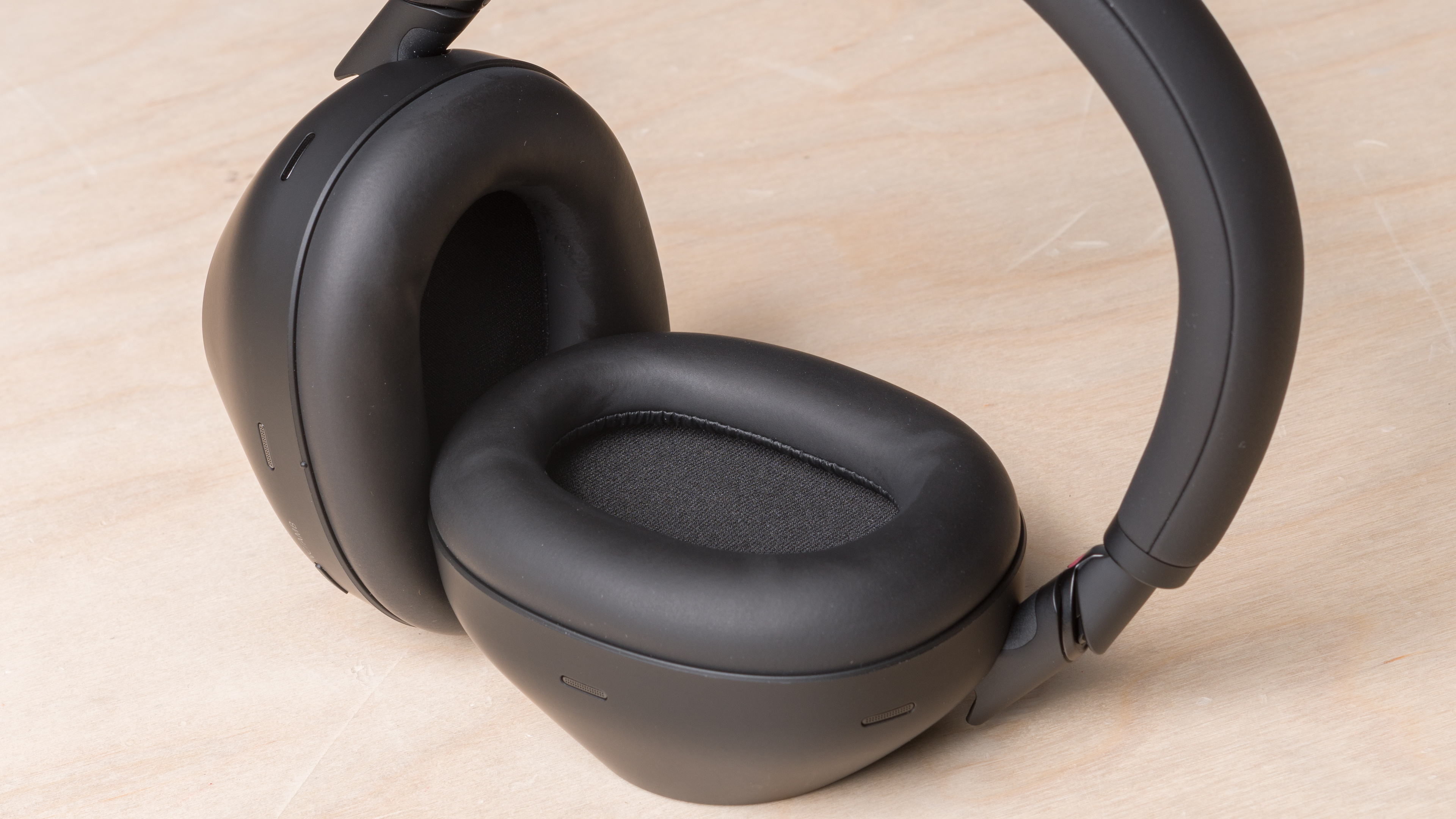
While these graphs primarily show how a pair of headphones' frequency response changes with fit, they also reveal how effectively each model maintains a proper seal across different users. In general, a more consistent seal means more reliable passive isolation, which improves overall noise isolation performance across varying head shapes and features. For example, the XM6 show a noticeable bass drop when worn with glasses, suggesting that the ear cups struggle to form a good seal in that case, which may also result in weaker noise isolation. By contrast, the XM4 maintain a more consistent seal across test subjects, regardless of their physical characteristics. The main culprit here is the XM6's earpads. They're softer and less spongy than the ones that come with the XM5 and, therefore, more susceptible to being bent out of shape by the arms of glasses.
 |
 |
Style
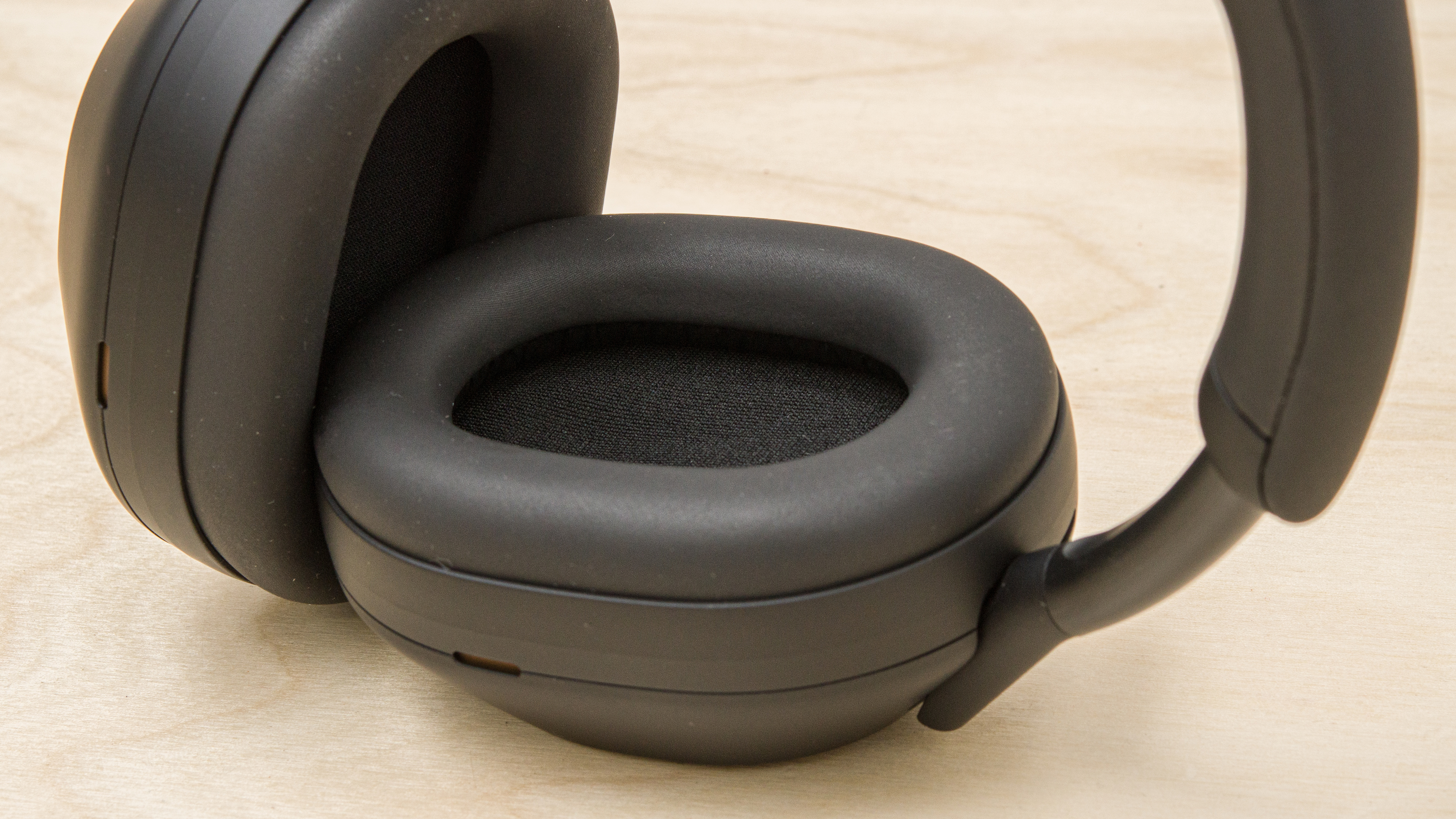
When it comes to design, Sony have kept it pretty consistent over the years, establishing a recognizable visual identity. The main points of continuity are the smooth, rounded ear cups, primarily plastic construction, and monochrome color schemes. The XM4 feature exposed hinges, while the XM5 have a one-piece build that joins the ear cups directly to the headband. Both headphones have hinges that are prone to cracking, though, so the XM6 incorporate a more robust fold and swivel design, with metal used in the hinges. On a purely superficial level, if you like the design of one of these headphones, you'll probably like them all. While there's a wide variety of color variants across the three models, they're all relatively restrained hues with satin or matte finishes.
Build Quality
The differences in headband and hinge design also translate to other aspects worthy of consideration, like build quality. The quality of the construction across the XM series is generally good, with high-quality plastic used predominantly. However, the XM5's hinge design makes them the most susceptible to damage, as the hinges often snap, with the ubiquity of this problem highlighted by this Reddit poll. This issue is exacerbated by the lack of replacement parts available on the market. Fortunately, Sony seems to be aware of this, as the XM6 has a design with more easily replaceable parts.
Comfort
While the XM6 are certainly comfortable headphones, with a redesigned headband that improves on the XM5, neither have been able to live up to the comfortable fit of the XM4. Of course, comfort is subjective and will vary a bit depending on your anatomy, but the XM4 generally exert less pressure on your ears. This comfortable fit also contributes to a better seal in many cases which, as we saw above, can benefit ANC performance.
Sound
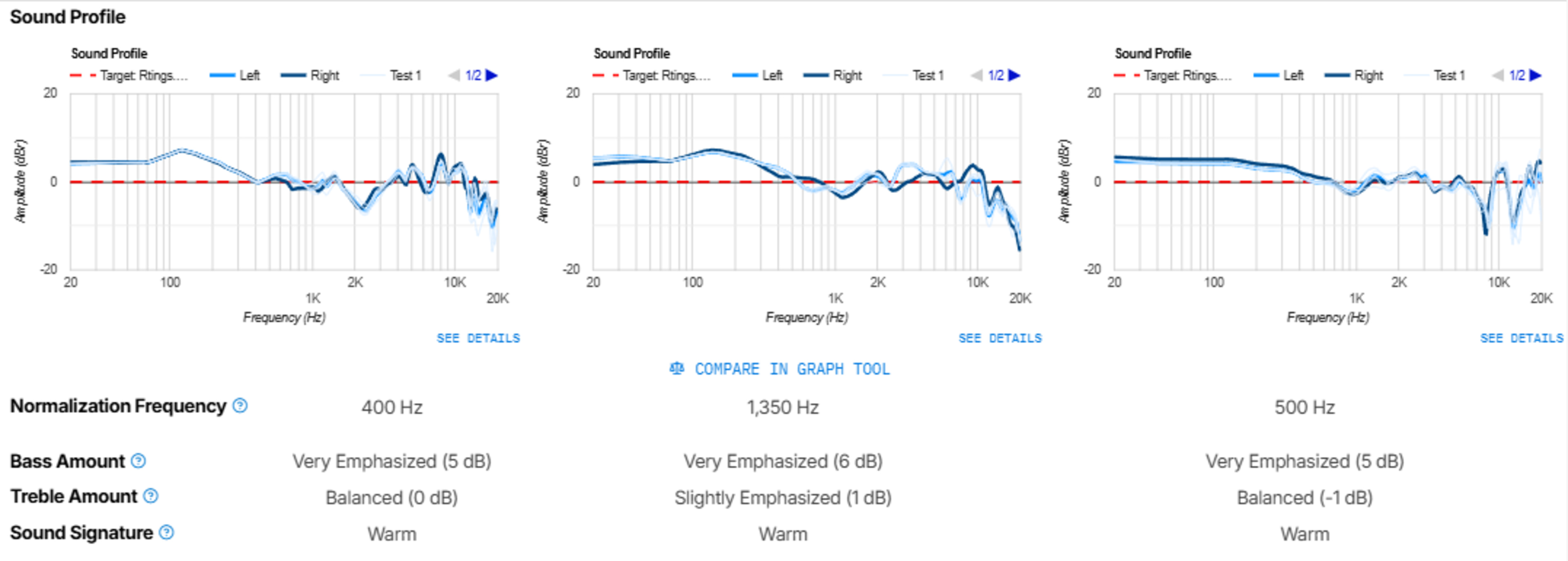
Sound profile preferences are highly subjective, with people gravitating towards different sonic characteristics. Fortunately, all of these XM series headphones come equipped with graphic EQs and presets so you can tailor the frequency response to your liking. That said, not all graphic EQs are made equal—while the XM4 and XM5 feature 5-band EQs, the XM6's EQ stretches to 10 bands for that extra bit of granularity.
Otherwise, there's a clear trend between the three when it comes to sound profile. They all feature over-emphasized low-end, though the exact amount of the over-emphasis varies a bit between them. This over-emphasis extends to the low-mids too, resulting in a warm sound that favors the 808s and heavy kicks found in genres like techno and trap. The treble range is generally under-emphasized by comparison, though to varying degrees. The XM4 feature the most prominent treble range of the three, bringing out some of the zing in sibilant ride cymbals, while the XM6 roll off the highs a little more.
Generally speaking, if you like a strong low-end presence in your day-to-day listening, any of the XM-series will likely work well for you. While there are small differences in their respective responses, these can easily be fine-tuned with some tweaks within the graphic EQ.
Price
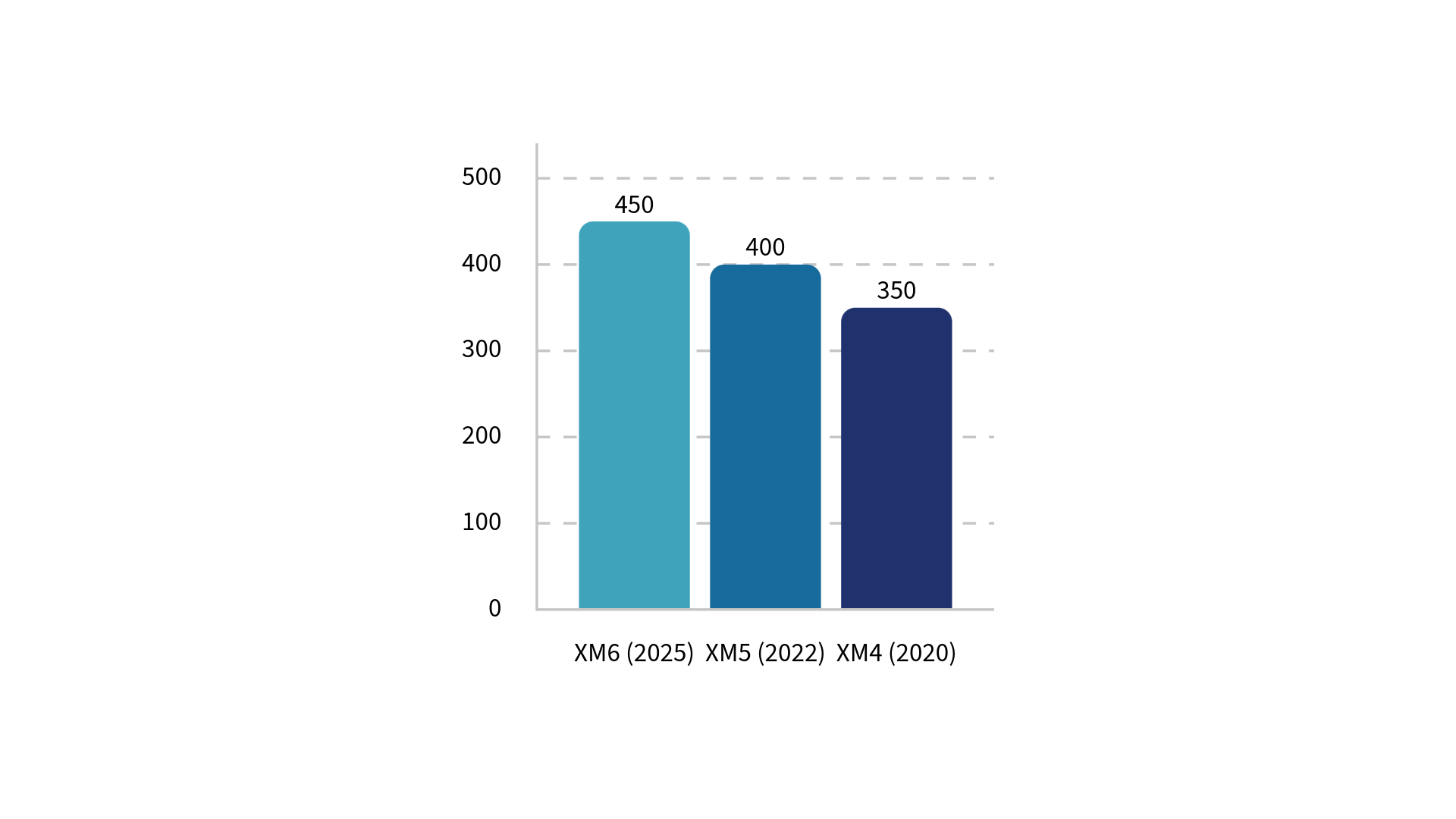
There's no way of sugar-coating it: the XM6 are expensive, with a retail price of $450 at launch. This represents a $50 increase from the XM5's $400 launch price and a hefty $100 increase over the XM4's $350 MSRP at launch. Of course, part of this consistent increase can be attributed to inflation, but these are still significant price increases. Given how closely the three generations perform in our noise isolation tests—and how similar their noise cancelling features, like transparency mode, are—you might find better value in older models, which are often available at steep discounts. This is especially true if having the latest ANC technology isn't a top priority for you.
How Can I Use This Information To Make A Buying Decision?
We've looked at the data, we've looked at the science... but what does this mean if you're looking to pick up one of the XM-series over-ears? If the graphs and analysis haven't swayed you so far, this next section might convince you to pick a winner.
The XM6 Are The Winner...
Based on the Noise Isolation (Full Range) and Noise Isolation (Common Scenarios) tests alone, the XM6 are the clear winner, scoring among the very best of all the headphones we've tested to date. They attenuate just about every frequency range well and can block out plenty of pesky sound in common scenarios. This makes sense because, at the time of writing, they're Sony's latest and greatest.
But They're Not Perfect...
While the XM6 are the top performers overall, these headphones come with a few caveats. They're the most expensive of the three, and their shallow ear cups and soft pads can make it harder to achieve a consistent seal—especially if you wear glasses—which can affect noise isolation performance. They also lack the dedicated wind noise reduction feature found on the older XM4, which could matter if you live in a windy area. Still, if you don't mind these trade-offs and want the best ANC tech available right now, the XM6 are a strong pick.
Conclusion
There you have it: the Sony WH-1000XM6 are Sony's best-performing noise cancelling headphones according to our test methodology. If you're determined to own the best of the best, hell-bent on blocking out the screaming of toddlers on your next flight, or want earmuffs with a decent transparency mode, the XM6 are the natural choice. But their performance is only marginally clear of the 2020 XM4 and comes at a much steeper price. If you're looking for value in the market or you're worried about forming a tight seal, the venerable XM4 might be your ticket.
Of course, there are other factors at play, and this article only deals with noise cancelling capabilities. You can check out this three-way comparison of all the test results to see other key differences between these headphones.
Recent Updates
07/16/2025: The article has been updated to feature FRC results for the Sony WH-1000XM4 and a section comparing the three headphones' sound profiles.
07/07/2025: Article created.