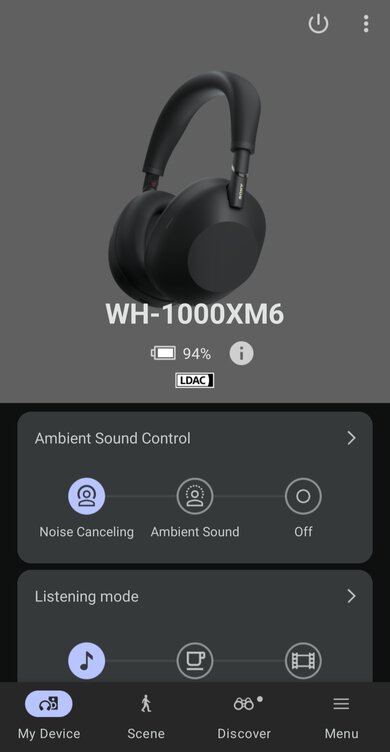
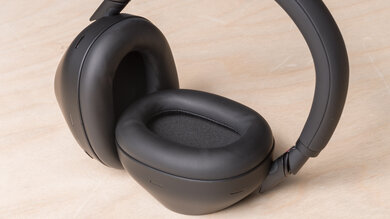
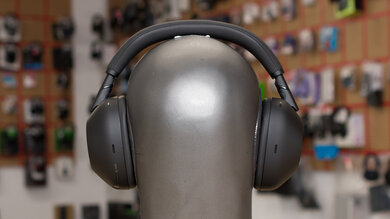
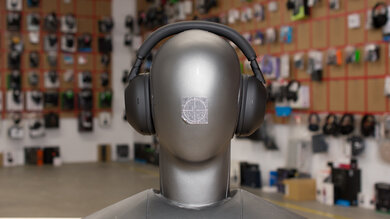
Released to wide fanfare in May 2025, the Sony WH-1000XM6 are the direct successor to the manufacturer's 2022 flagship, the Sony WH-1000XM5 Wireless. While they don't mark a major shift in design, a handful of subtle tweaks to the appearance and internals aim to push them further ahead of previous generations and much of the current competition. Among the most notable changes are support for Bluetooth LE's LC3 codec and a redesigned folding hinge. Sony also claims improved ANC performance, backed by the addition of extra microphones and a faster QN3 processor. Together, these upgrades position the XM6 as a refinement rather than a reinvention of their flagship entry.
Our Verdict
The Sony WH-1000XM6 are decent for sports and fitness, though they aren't designed for this use case. While they have a comfortable fit and a solid build, they aren't particularly stable; don't expect the headphones to stay put while you run in the park. That said, if you plan on using them on a stationary bike, they'll probably stay on your head, allowing you to benefit from their incredible noise suppression, cutting noise from deadlifters dropping weights to the floor.
Considerable battery life.
Comfortable, lightweight design with low clamping force.
Unstable with intense movement.
Audio delivery consistency issues.
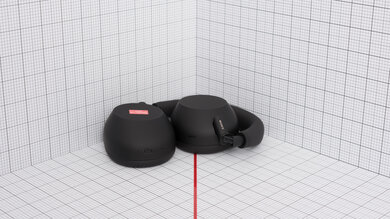
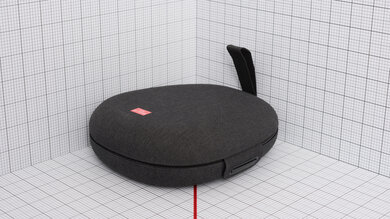
The Sony WH-1000XM6 are impressive for travel. They have a fantastic continuous 31.75-hour battery life with ANC enabled, so you'll be covered for even the longest international flights. Plus, their handy case features a magnetic closure for quick headphone storage when you need to stow them. Their powerful ANC system also easily reduces environmental noise from airplane engines or chattering commuters. Meanwhile, their light weight and clamping force make it a piece of cake to wear the XM6 for extended periods of time. You can also configure the app to automatically enable noise cancelling when you ride a vehicle like a bus or train on your daily commute.
Incredible noise attenuation.
Considerable battery life.
Low hassle magnetic clasp case.
Audio delivery consistency issues.
The Sony WH-1000XM6 are great for office work. If you work in a crowded office or at home with kids, the headphones' incredible ANC system easily attenuates environmental noise, allowing you to lock in for a productivity sprint. Their battery lasts over 31 hours, so if you forget to charge them every day, you likely won't run into any issues. The XM6 also have expanded additional controls, including head gestures to accept or decline calls and a dedicated shortcut to mute/unmute your mic. Their amazing microphone system renders your voice clearly and with depth and warmth, so you'll remain intelligible on Microsoft Teams calls.
Incredible noise attenuation.
Considerable battery life.
Impressive microphone performance.
Audio delivery consistency issues.
The Sony WH-1000XM6 aren't widely usable for wireless gaming. While you can connect them via Bluetooth LE, the feature is still in beta, and a limited number of devices can communicate with the headphones using this connection. That said, if you have a compatible phone or Bluetooth LE dongle, you'll likely have low enough latency that audio-visual desync isn't an issue even when playing games.
The Sony WH-1000XM6 are very good for wired gaming. While their microphone won't function while connected to devices using an AUX cable, you can still enjoy clear, detailed audio for offline modes or story gameplay. The headphones have a lightweight, comfortable fit that makes long sessions a breeze as long as you have the stamina. And since you can use the top-tier ANC while the headphones are plugged in, you can eliminate environmental distractions and in-game adversaries simultaneously.
Comfortable, lightweight design with low clamping force.
Near-zero latency on analog connection even while powered on.
Audio delivery consistency issues.
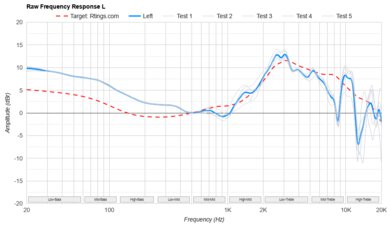
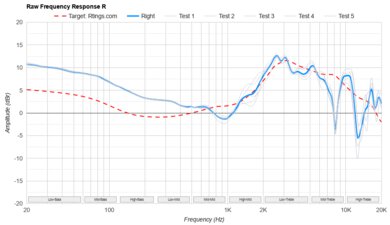
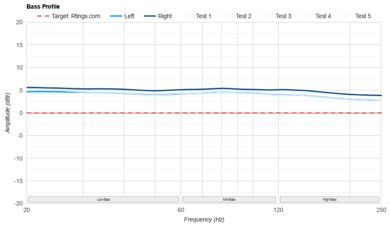
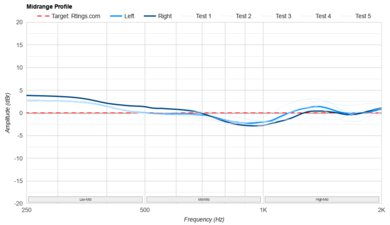
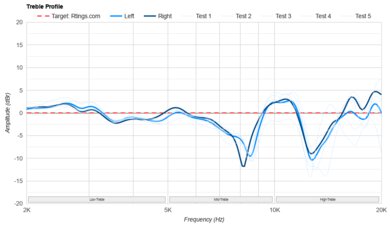
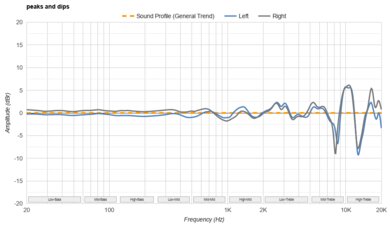
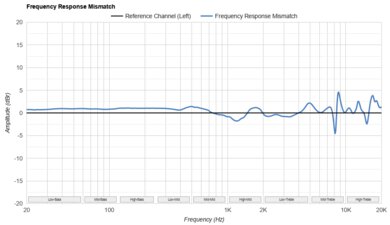
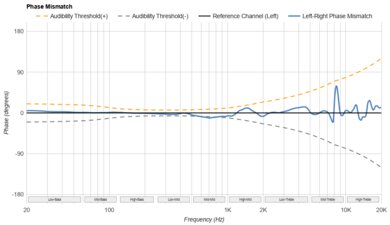
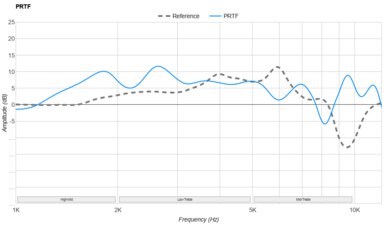
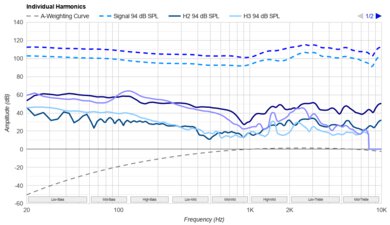
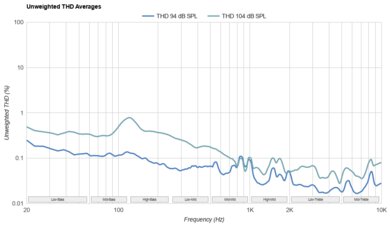
The Sony WH-1000XM6 have good audio reproduction accuracy. Across most of the audible spectrum, their frequency response deviates minimally from their warm tuning, with narrow dips that subtly affect the upper harmonics of vocals and instruments in the mid- and high-treble. The headphones' L/R drivers have minor stereo matching issues, which can bias low-register instruments and vocals to the right while reducing the clarity of audio objects of higher pitch. Harmonic distortion is low, even at levels beyond what's safe, so your audio remains free of timbral coloration. Additionally, the headphones' PRTF measurements somewhat resemble our reference curve, indicating outer ear stimulation that contributes to a more immersive listening experience. That said, your experience can differ from our measurements, depending on your physical characteristics; check out Frequency Response Consistency for more information.
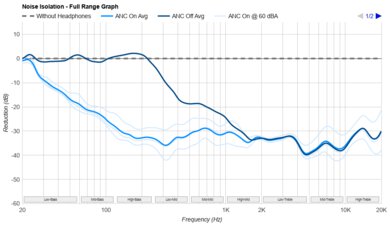
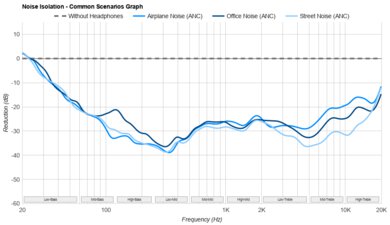
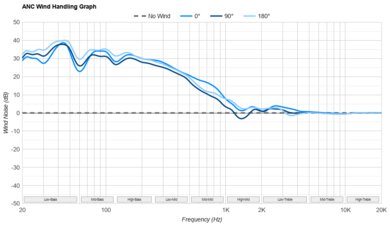
The Sony WH-1000XM6 are outstanding for noise isolation. The collective noise suppression of the earpads and ANC system easily cuts noise across most of the frequency spectrum from the screech of upstairs neighbors rearranging furniture to the hum of an air conditioner compressor. That said, performance may vary depending on the headphones' fit and physical factors like whether you wear glasses.
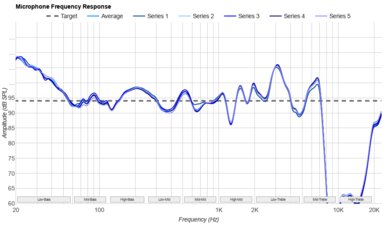
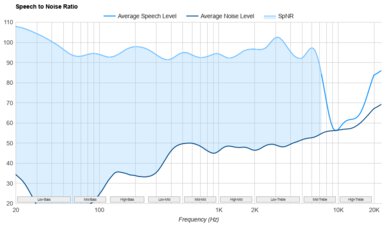
The Sony WH-1000XM6 have a very good microphone system. Your voice on calls will sound full-bodied and intelligible. The headphones easily separate background noise from your voice, protecting your conversation partner(s) from loud or unexpected noise. That said, in extremely harsh conditions, your voice may lose intelligibility as a trade-off. The XM6 also support Bluetooth LE and LC3, which facilitate improved microphone quality in two-directional signaling. Though it's not compatible with many devices, this alternative connection is a noticeable improvement over the standard protocol.
The Sony WH-1000XM6 have passable frequency response consistency. Depending on your physical characteristics, our frequency response measurements may not be representative of your listening experience. Even after taking the time to seat the headphones, you may experience variability in audio delivery across the audible spectrum, particularly if you wear glasses.
Performance Usages
Changelog
-
Updated Aug 06, 2026:
We've updated the Bluetooth Connection box with latency results using firmware 3.1.5, which introduces support for the Gaming Audio Profile of Bluetooth LE's LC3 codec.
-
Updated Jun 23, 2026:
We've updated the Comfort box to mention the Sony 1000X THE COLLEXION's deeper ear cups.
- Updated Jun 23, 2026: This review has been updated to Test Bench 2.3, which removes the Virtual Soundstage, Base/Dock, and some comparisons from Bluetooth Connection. Have a look at our changelog for more info.
- Updated Apr 20, 2026: This review has been updated to Test Bench 2.2, which removes the Cumulative Spectral Decay (CSD) test, retiring its waterfall plot visualization from our reviews. You can read more about this change in the changelog.
Check Price
Differences Between Sizes And Variants
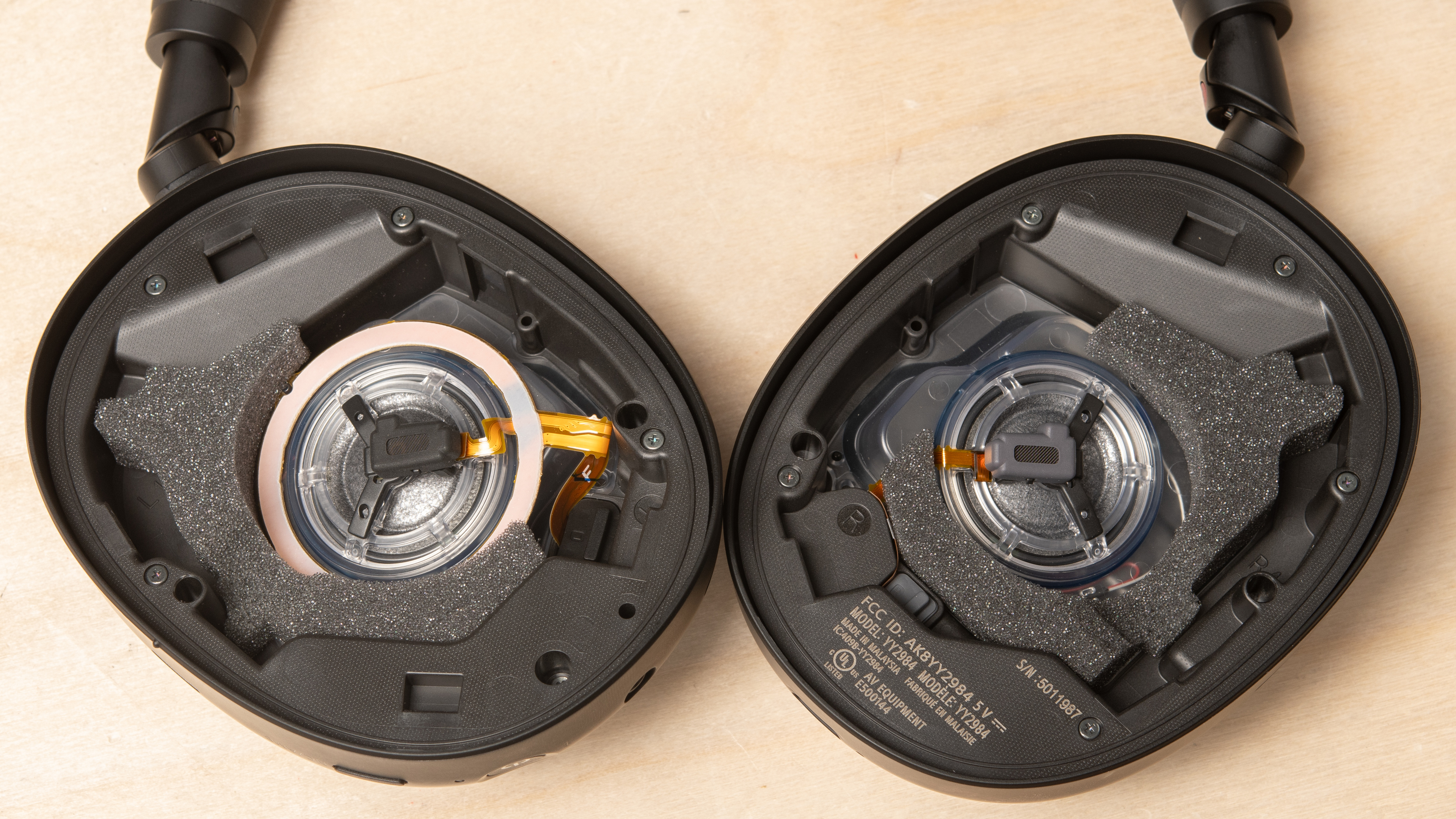
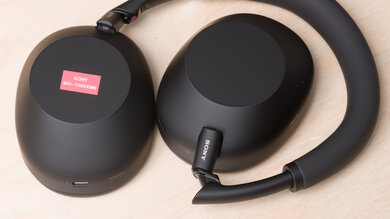
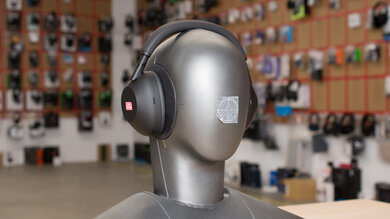
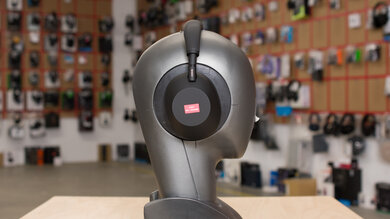
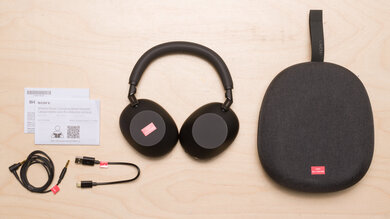
The Sony WH-1000XM6 come in four colors: 'Black,' 'Midnight Blue,' 'Sand Pink,' and 'Platinum Silver.' Our unit is 'Black' and you can see a photo of its label here.
If you encounter a variant or additional colorways, please let us know in the comments, and we'll update the review.
Popular Headphone Comparisons
The Sony WH-1000XM6 join the lineup of Sony's recent flagships, sitting alongside the Sony WH-1000XM5 Wireless and Sony WH-1000XM4 Wireless. While all three have their respective strengths, the XM6 edge out their predecessors across most performance metrics—but they also come at the highest price point. The XM5 have a similar sound profile and slightly less effective ANC, but are held back by reports of durability issues and a design that some users find uncomfortable. Meanwhile, the XM4 remain a compelling budget-friendly option, though they fall short of the XM5 and XM6's mic performance.
Looking beyond Sony, the Bose QuietComfort Ultra Headphones Wireless live up to their name with deeper ear cups and better comfort overall, particularly for users with more varied ear shapes, while the Focal Bathys, with their audiophile focus, deliver audio more consistently across different individuals and listening sessions. That said, neither matches the Sony XM6 in overall noise suppression, though the difference isn't enormous. Meanwhile, the Apple AirPods Max offer seamless support for spatial audio and head tracking on iOS—features missing from the Sony when connected with Apple devices.
If you're jumping between budgets or considering Bluetooth earbuds, check out our articles for the best headphones, best budget wireless headphones, and best wireless earbuds.
While the Bose QuietComfort Ultra Headphones Wireless and Sony WH-1000XM6 are both premium headphones and are priced accordingly, the Sony are a step above in most performance metrics. They have a better microphone system and audio reproduction accuracy overall. However, while both headphones have a warm tuning, the Sony's bass emphasis bleeds more into the mids, which can cause dense mixes to sound muddled relative to the Bose. In terms of features, the Sony's more recent release date and positioning affords them the benefit of expanded functionality, including extensive virtual soundstage features, and the LC3 and LDAC codecs. That said, the Bose still support an analogous Hi-Res codec with aptX Adaptive, which also brings wider compatibility for low latency than LC3. The Bose are also more comfortable and have deeper ear cups, which can make a big difference depending on your physical characteristics.
The Sony WH-1000XM6 are a better all-around pair of headphones than the Sennheiser MOMENTUM 5. The Sony headphones have significantly better noise isolation that mitigates much more mid-range noise, affecting voices, revved cars, and clicky keyboards more effectively. Their microphone also captures your voice more naturally and prevents loud noise from affecting intelligibility. You also have access to the more accessible LDAC codec and LC3 for lower latency. That said, the Sennheiser headphones have a longer-lasting, replaceable battery and support wired USB audio.
The Apple AirPods Max 2 and Sony WH-1000XM6 are both premium over-ear headphones with top-tier noise cancelling, but they cater to slightly different buyers. The Sony are the easier all-around recommendation for most people since they're lighter and more comfortable, last a lot longer on a charge, come with a far more useful (and protective) case, and offer broader app support across iOS and Android. The Sony mic is also generally better and more versatile, since it performs well regardless of the device it's connected to, whereas the Apple's mic is disappointing unless connected to another Apple device. In general, the Apple make more sense if you're already deep in Apple's ecosystem, as they offer tighter integration with Apple devices alongside features like Personalized Spatial Audio and Live Translation. For most people, the Sony are better.
The Sony WH-1000XM6 and Bose QuietComfort Ultra Earbuds (2nd Gen) are both flagship products from leading headphone brands. But they target different usages. The Sony are full-sized over-ears, while the Bose are earbuds. That makes the much smaller-sized Bose easier to toss in a pocket or small purse, while the larger Sony are bulkier and harder to carry around. That said, the Sony do fold in a little, reducing their footprint, and they come with a case that keeps them safe while in transit. The Sony headphones' larger size also means they're not practical for even moderately intense workouts, while the Bose come with stability fins to keep them secure in your ears while pushing your interval training to its limits. On the other hand, the Sony headphones' larger design helps give them a noticeably better mic than the Bose. And while the Bose still offer superb ANC, it's not quite on par with the Sony's.
Our How We Test Headphones article takes you behind the scenes in our lab. You'll learn how we choose and purchase products and dive into the details of our review philosophy, from testing and scoring to writing and editing.
You can also discover how we produce recommendations like this one so that you can find the best headphones (or earbuds!) for your needs.
Test Results
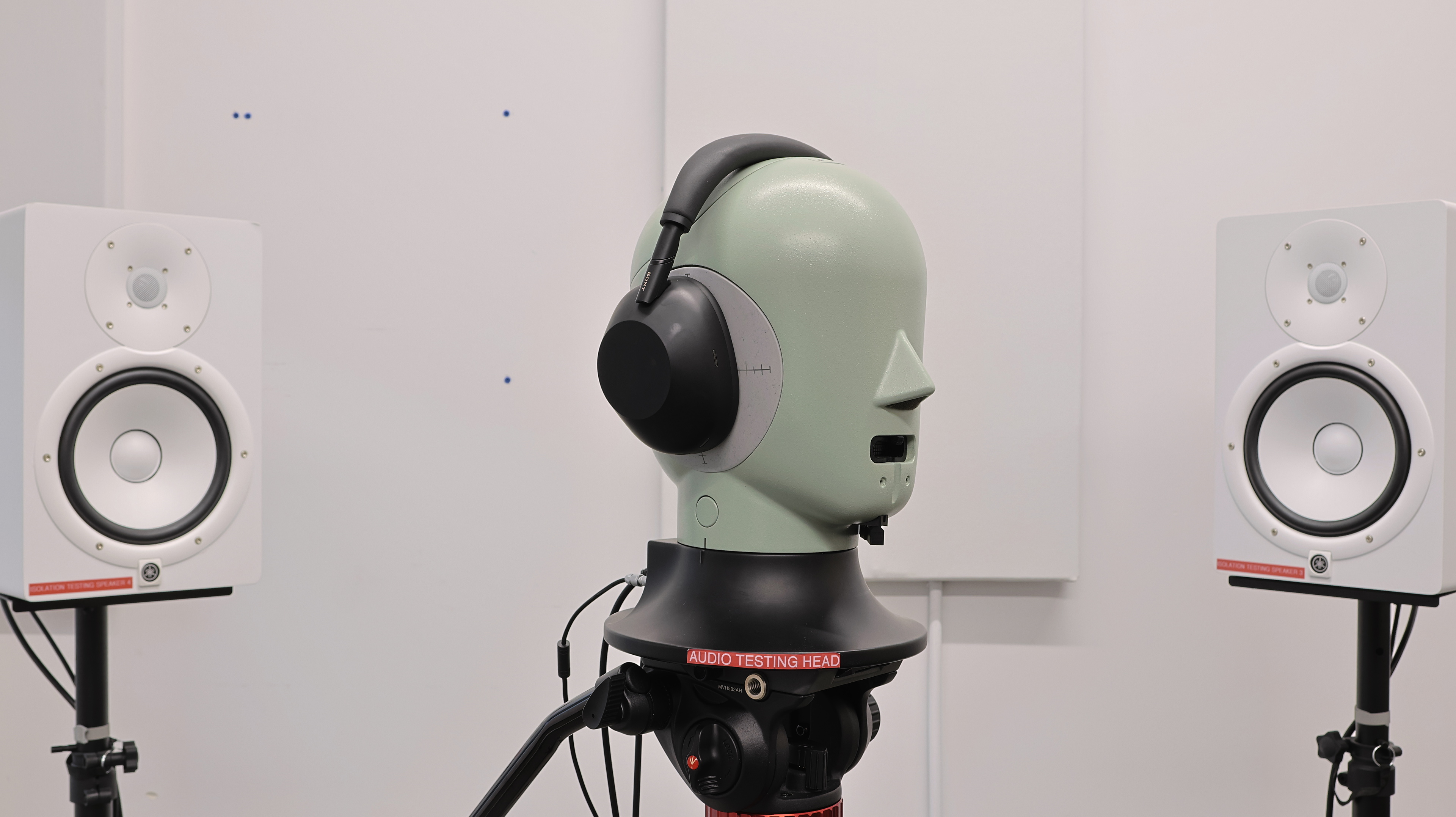
for pictures & test results
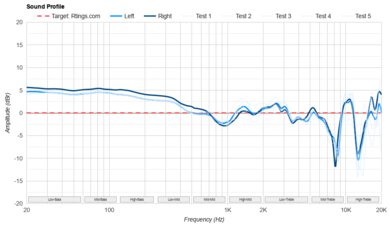
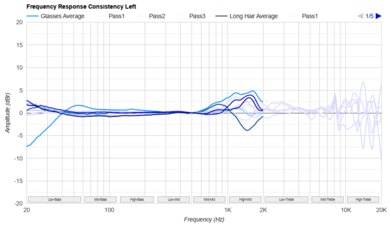
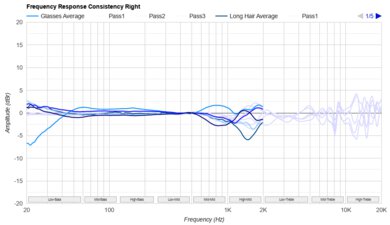
for pictures & test results
for pictures & test results
for pictures & test results

for pictures & test results

for pictures & test results