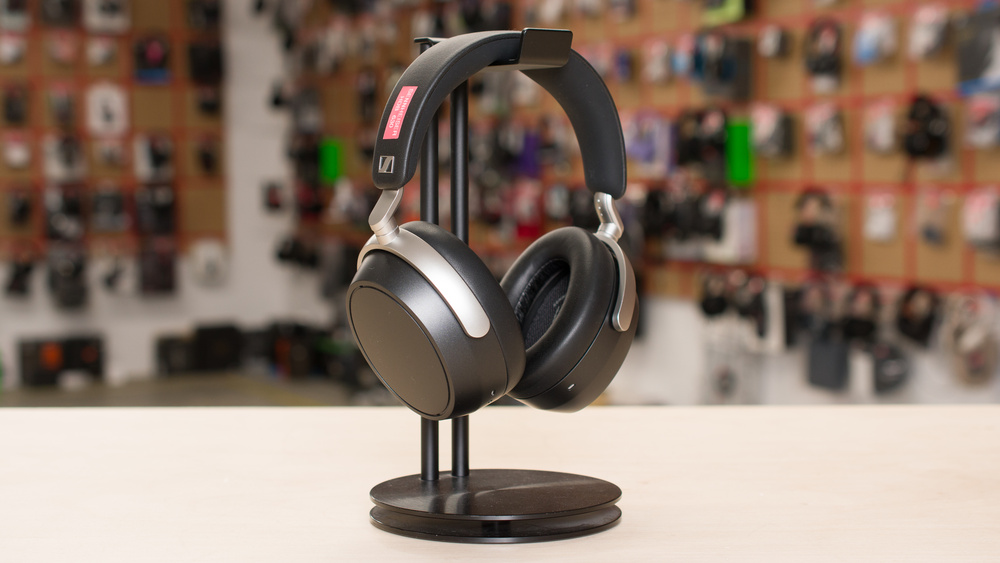
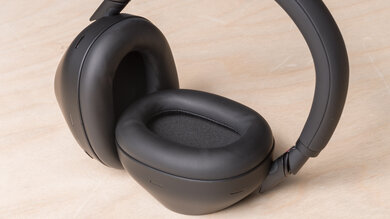
The Sennheiser HDB 630 are premium closed-back, over-ear headphones that blend audiophile-grade sound with modern wireless convenience. They feature active noise cancellation (ANC) and promise up to 60 hours of battery life. They also offer a high-resolution listening experience with support for aptX codecs and up to 24-bit, 96 kHz audio via USB-C or the included BTD 700 Bluetooth USB-C dongle. You also get comprehensive sound shaping through a fully parametric EQ in the Sennheiser Smart Control Plus app, which even offers a crossfeed function.
Our Verdict
The Sennheiser HDB 630 aren't really designed for sports and fitness. While they're comfortable and feel pretty well-built, they lack an IP rating, so you won't want to get them wet. They can also get destabilized or fall off your head with only moderate movements, so we wouldn't recommend these for anything more intense than a brisk walk. For that purpose, though, they're great: their excellent ANC will block out the sound of traffic around you, and their balanced sound will keep all your favorite audio sounding natural and true-to-life. Just don't expect these to do a good job accompanying you on your next HIIT session.
Incredibly balanced sound that suits every kind of audio.
Mic does a good job separating your voice from any noise around you.
Long 54-hour battery life.
ANC is generally excellent.
ANC struggles in the low-bass.
Mic makes your voice sound a bit thin.
Padding around the middle of the headband is a little thin.
Poor frequency response consistency (FRC) means you need to take time getting the proper fit with each wear.
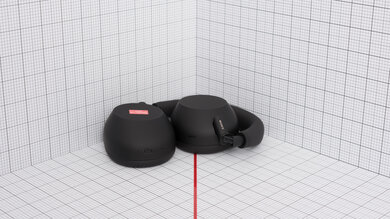
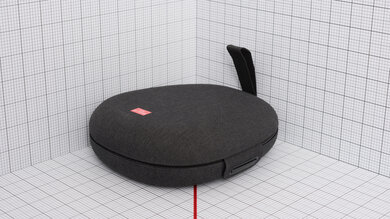
The Sennheiser HDB 630 headphones are great for travel. They're comfortable enough for long plane rides, and their 54-hour battery life will see you through a weekend getaway and back with minimal recharging. Their balanced sound does a great job reproducing everything from podcasts to music with clarity and accuracy; combined with their amazingly well-matched left and right drivers and excellent ANC, and you've got yourself an impressive pair of audiophile cans to use while on the go. That said, while the ear cups do swivel, the headphones don't fold up into a smaller size, and the included case, while premium, is quite large. These aren't the best option if you prefer to travel light or want a pair that can be easily tossed into a coat pocket. Their companion app allows you to adjust both their ANC performance and sound via an extensive range of options.
Incredibly balanced sound that suits every kind of audio.
Mic does a good job separating your voice from any noise around you.
Long 54-hour battery life.
ANC is generally excellent.
Fully parametric EQ in the companion app, along with a crossfeed option.
ANC struggles in the low-bass.
Mic makes your voice sound a bit thin.
Padding around the middle of the headband is a little thin.
Poor frequency response consistency (FRC) means you need to take time getting the proper fit with each wear.
The Sennheiser HDB 630 are very good for office work. They have amazing ANC that does an excellent job blocking out the sound of chatty coworkers and general office ambience. Their mic is also satisfactory: while it makes your voice does sound a bit thin, it separates it well from any noise around you, so whoever you're speaking to will hear you clearly. And their balanced sound impressively reproduces everything from techno thump to vocal clarity with ease; if you prefer a different sound, the 5-band parametric EQ lets you customize their tone to your heart's content. To top it off, a 54-hour battery life means you'll be able to get through a whole work week without recharging, though people with larger heads may wish to take listening breaks, as the top of the headband can push a little into the top of your skull.
Incredibly balanced sound that suits every kind of audio.
Mic does a good job separating your voice from any noise around you.
Long 54-hour battery life.
ANC is generally excellent.
Fully parametric EQ in the companion app, along with a crossfeed option.
ANC struggles in the low-bass.
Mic makes your voice sound a bit thin.
Padding around the middle of the headband is a little thin.
Poor frequency response consistency (FRC) means you need to take time getting the proper fit with each wear.
The Sennheiser HDB630 are decent for wireless gaming. Even if you use the included dongle, they can only connect via Bluetooth, which limits how low the latency can get. Sennheiser claim you'll get latency as low as 30 ms, but we were barely able to achieve less than 100 ms of latency. Most people will find that figure too high for gaming. That said, if you're playing a simple RPG while on your phone or any game where timing isn't important, these cans will work. They have a very balanced sound that works well with all audio content, and while their mic makes your voice sound a bit thin, it does a good job of separating it from any surrounding noise. The 54-hour battery life also means you'll be able to enjoy several gaming sessions back-to-back without recharging. Finally, their companion app includes both a fully parametric EQ for tone shaping and a crossfeed option.
Incredibly balanced sound that suits every kind of audio.
Mic does a good job separating your voice from any noise around you.
Long 54-hour battery life.
Fully parametric EQ in the companion app, along with a crossfeed option.
ANC struggles in the low-bass.
Mic makes your voice sound a bit thin.
Padding around the middle of the headband is a little thin.
Poor frequency response consistency (FRC) means you need to take time getting the proper fit with each wear.
The Sennheiser HDB 630 are decent for wired gaming. Even if you use their analog connection, they have to be powered on to work, so you'll always experience around 30 ms of latency. That might not be low enough for competitive eSports players, but most people will find it low enough for their gaming sessions. While their mic does make your voice sound a little thin and lacking in detail, it effectively blocks out ambient noise around you. And their balanced sound ensures that explosions sound full and dialogue is accurate, while their amazingly well-matched drivers make it easy to locate objects, such as enemy fighters, in the stereo field. As is typical, if you use these cans via their analog connection, you won't get mic support, but their wired USB-C connection offers both audio and mic support for everyone save Xbox users, who are limited to the analog connection.
Incredibly balanced sound that suits every kind of audio.
ANC is generally excellent.
Fully parametric EQ in the companion app, along with a crossfeed option.
Headphones have to be powered on, even when used via an analog cable.
ANC struggles in the low-bass.
Poor frequency response consistency (FRC) means you need to take time getting the proper fit with each wear.
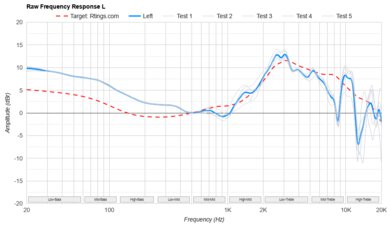
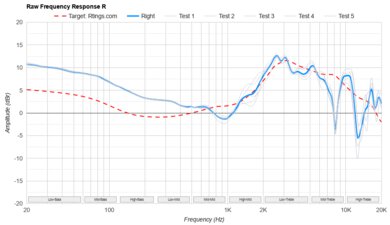
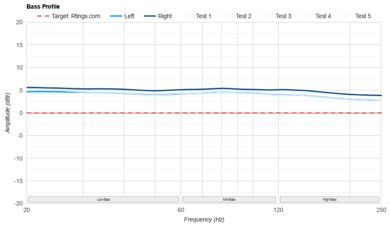
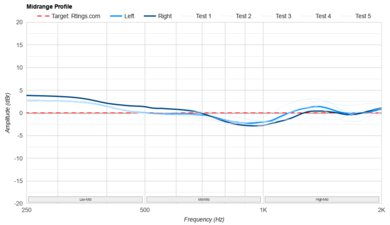
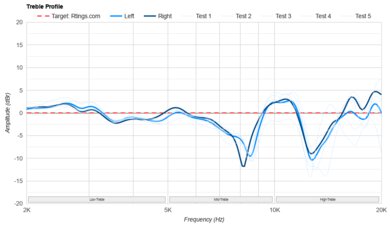
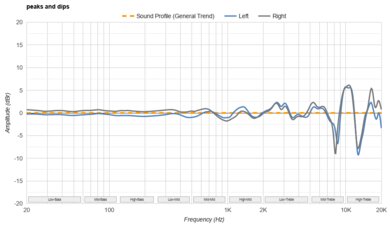
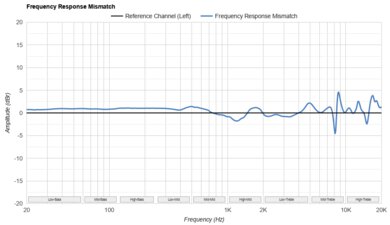
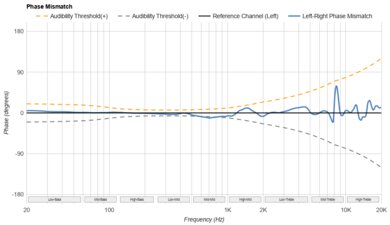
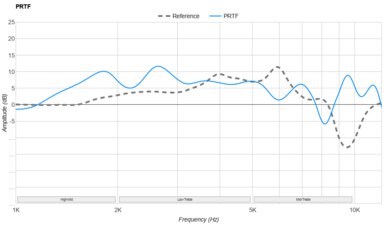
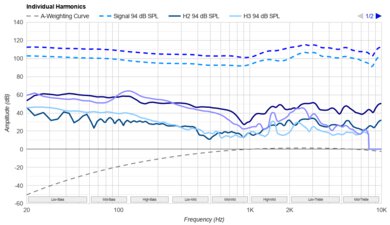
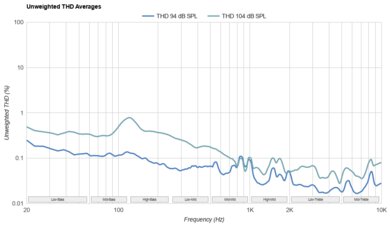
The Sennheiser HDB630 have impressive audio reproduction accuracy. They adhere closely to their balanced sound profile with minimal peaks and dips, ensuring instruments and voices alike are reproduced with clarity and accuracy. A gently boosted bass also adds thump and rumble to kick drums without overwhelming the mid-range. They have amazingly well-matched left and right drivers, so objects are correctly located in the stereo field, and low distortion ensures audio reproduction without timbral coloration even at high listening levels. As closed-backs, these don't make your audio sound like it's coming from two speakers in a room, but since the companion app has a crossfeed option, you can enhance the solidity of the phantom center, which can make your audio seem a little more like it's coming from in front of you.
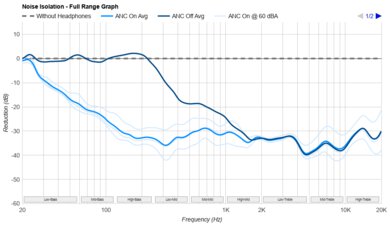
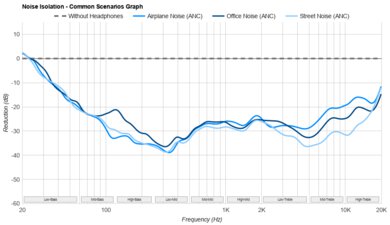
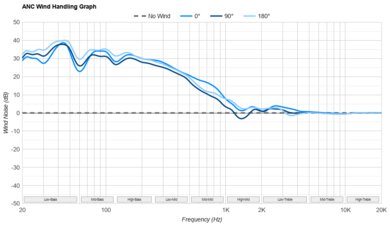
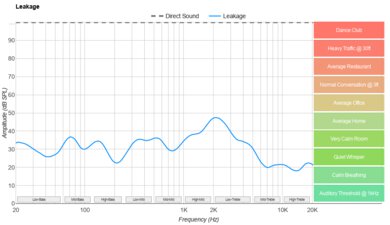
The Sennheiser HDB 630 have amazing noise isolation. They can't block out the lowest rumbles of a train engine, but do a good job in the high-bass, so bass frequencies that would be more heard than felt are handily reduced. Their strong performance continues through the mid-range and treble, so fan whirr and office chatter are blocked out. Outside of the low-bass, their main weakness is in the mid-mids, so mid-range heavy sounds like people yelling or doors slamming may make their way into your audio. But for the most part, these are excellent headphones if noise isolation is a priority.
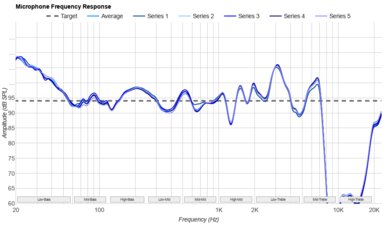
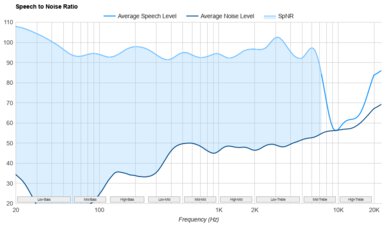
The Sennheiser HDB 630 have a decent microphone. It doesn't capture much low-end, so your voice sounds thin, and a roll-off in the treble range means you also lack sparkle. Still, the all-important mid-range and low-treble frequencies are present, so you sound comprehensible and clear. The mic also does a good job of separating your voice from any surrounding noise, even in fairly noisy environments like subway stations, which ensures they're usable, if imperfect, for calls in most situations.
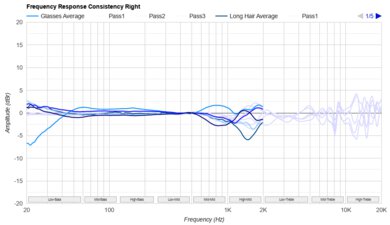
The Sennheiser HDB 630 have poor frequency response consistency. Their sound can noticeably change based on how you position them on your head, so you'll want to position them in a similar way each time you wear them to ensure a consistent sound across wears. The amount of bass you experience will also vary with your head size, hair length, and whether you wear glasses or not. In general, these aren't headphones you want to throw on thoughtlessly, but take a little time positioning them correctly, and you should experience relatively consistent sound between wears.
Performance Usages
Changelog
-
Updated Aug 05, 2026:
We've updated the review to consider the included BTD 700 as a dongle in Wireless Connection (Dongle) to fix the Wireless Gaming usage being incorrectly crossed out.
-
Updated Jul 31, 2026:
We added a mention of the Sennheiser MOMENTUM 5 to App Support.
-
Updated Jul 02, 2026:
We've corrected a typo in the Portability section, where the width was the wrong order of magnitude.
-
Updated Jun 26, 2026:
We've added a comparison to the Jabra Evolve3 85 in the Recording Quality box.
Check Price
Differences Between Sizes And Variants
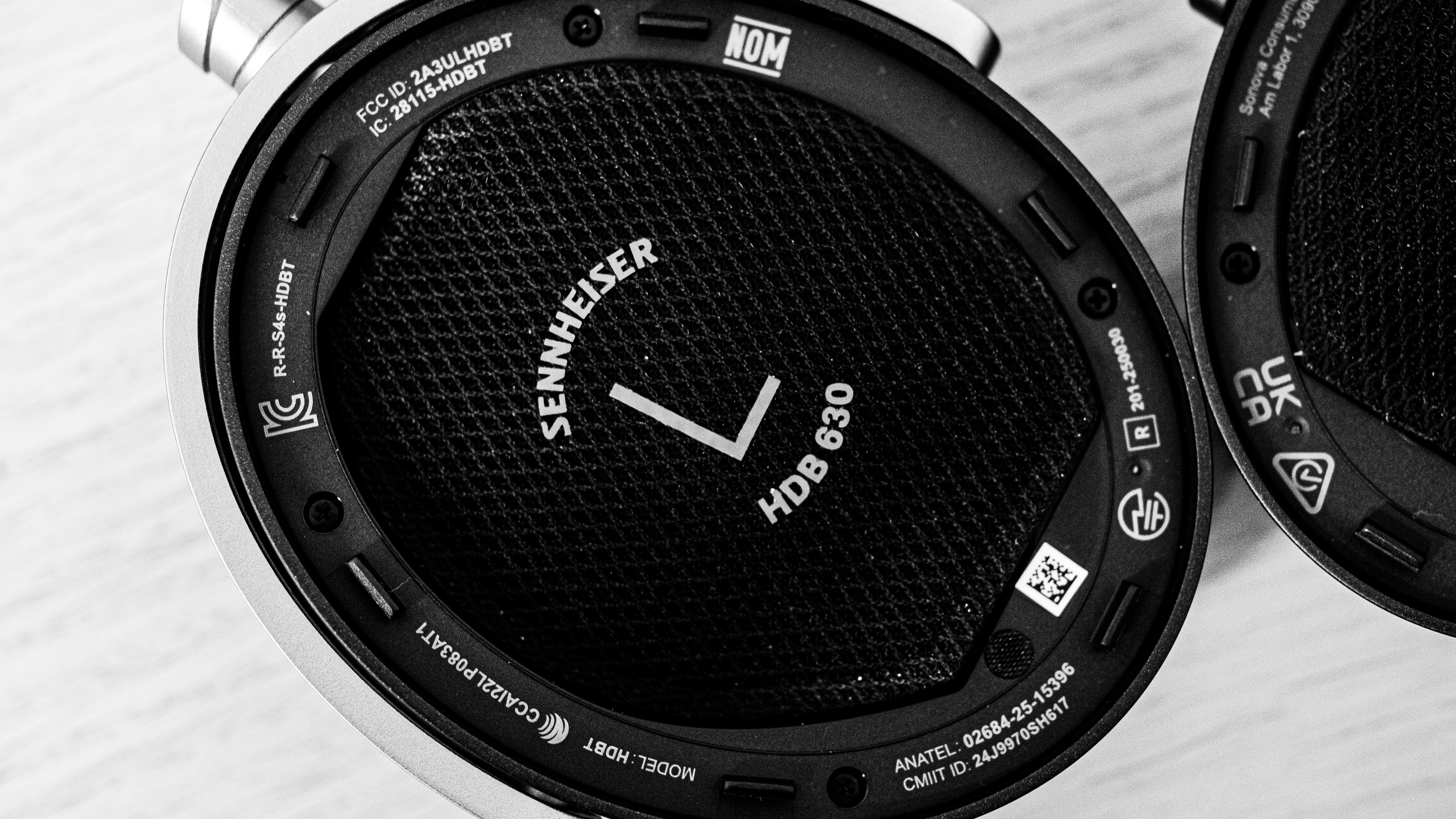
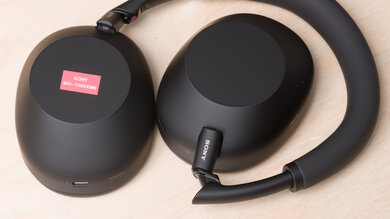
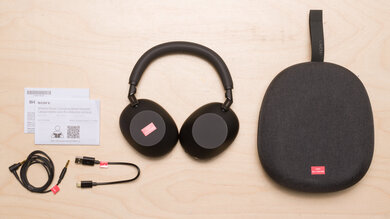
The Sennheiser HDB 630 are available in one color: Black. Check out this photo of its label.
If you encounter another variant of these headphones, please let us know in the comments, and we'll update our review.
Popular Headphone Comparisons
The Sennheiser HDB 630 are premium headphones that target audiophiles looking for a high-quality, versatile, and portable listening experience. Many audiophiles know Sennheiser best from their wired open-backs, such as the relatively affordable Sennheiser HD 6XX or top-of-the-line Sennheiser HD 800 S. While such cans offer impressive listening experiences, they're not exactly versatile, demanding quiet listening rooms and wired setups. In 2022, the Sennheiser brand split, with Sennheiser Professional continuing to develop pro and audiophile products, while Sonova took over Sennheiser's consumer-focused lineup, which includes models like the Sennheiser MOMENTUM 4 Wireless and Sennheiser MOMENTUM True Wireless 4. However, these cans offer a less balanced sound that's tuned more for impact than balance and clarity. With the HDB 630, Sonova do a good job closing the gap between casual use and audiophile headphones, since these cans offer a very balanced sound, excellent noise isolation, and a superb 54-hour battery life.
In the audiophile-focused Bluetooth over-ears market, the Sennheiser face off against headphones like the Focal Bathys Wireless and Noble FoKus Apollo. Of the three, the Sennheiser have the most balanced, controlled sound, and manages this while being cheaper than either rival. But the Sennheiser's poor frequency response consistency means people who wear glasses may be better served by the Focal. And if noise isolation and mic performance are your top criteria, the Noble are the cans to choose.
Check out our recommendations for the best noise cancelling headphones, the best headphones for music, and the best audiophile headphones.
The Sennheiser HDB 630 and Sennheiser MOMENTUM 5 are similar headphones with differentiating characteristics that can pull you in either direction. The MOMENTUM 5 have a warm tuning that emphasizes the low-bass rumble of movie soundtracks more than the balanced HDB 630, but one tuning isn't necessarily better than the other and comes down to preference. The HDB 630 stands out thanks to convenient access to a parametric EQ and crossfeed features in the app, and they have a longer battery life, though both headphones have over 50 hours with ANC on. You also get the Sennheiser BTD 700 wireless dongle so you can listen to high-quality or low-latency audio streams on iPhones without worrying about Bluetooth codec compatibility. On the other hand, the MOMENTUM 5 are more affordable and offer virtual surround support for more immersive listening via Dolby Atmos.
The Sennheiser HDB 630 and the Sony WH-1000XM6 are both high-priced portable Bluetooth over-ears, but they each target listeners with slightly different priorities. The Sennheiser prioritize people in search of an extremely balanced sound in a versatile package. Their impressive peaks and dips performance and amazingly well-matched left and right drivers testify to this audiophile focus. On the other hand, the Sony offer superior noise isolation and a better mic, making them a bit more versatile. But the Sony's warm sound profile isn't as well-controlled as the Sennheiser's balanced response.
The Sennheiser HDB 630 are better value wireless audiophile cans than the Focal Bathys MG, though people who wear glasses may prefer the latter. The Sennheiser have a much longer battery life, and their balanced tuning reproduces voices and instruments more naturally than the warmer Focal Bathys MG. Perhaps the main attraction of the Sennheiser is their companion app, which offers both a parametric EQ and crossfeed options to dial in your ideal sound. That said, the Focal deliver much more consistent sound between wears, especially if you wear glasses, and feel better built.
In many ways, the Sennheiser HDB 630 are a more premium version of the Sennheiser MOMENTUM 4 Wireless. To be clear, the HDB 630 are not a sequel to the MOMENTUM 4, but they have remarkably similar designs and build quality. And though the chassis may be similar, the HDB 630 have a more balanced sound, better noise isolation, and a better mic. They also come with a Bluetooth dongle that adds versatility to the overall package. On the other hand, the MOMENTUM 4 are much cheaper, still sound good, and have a longer battery life. In the end, the choice between the two is primarily one of budget.
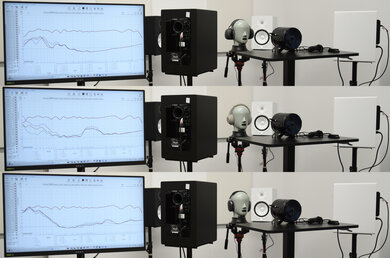
Our How We Test Headphones article takes you behind the scenes in our lab. You'll learn how we choose and purchase products and dive into the details of our review philosophy, from testing and scoring to writing and editing.
You can also discover how we produce recommendations like this one so that you can find the best headphones (or earbuds!) for your needs.
Test Results
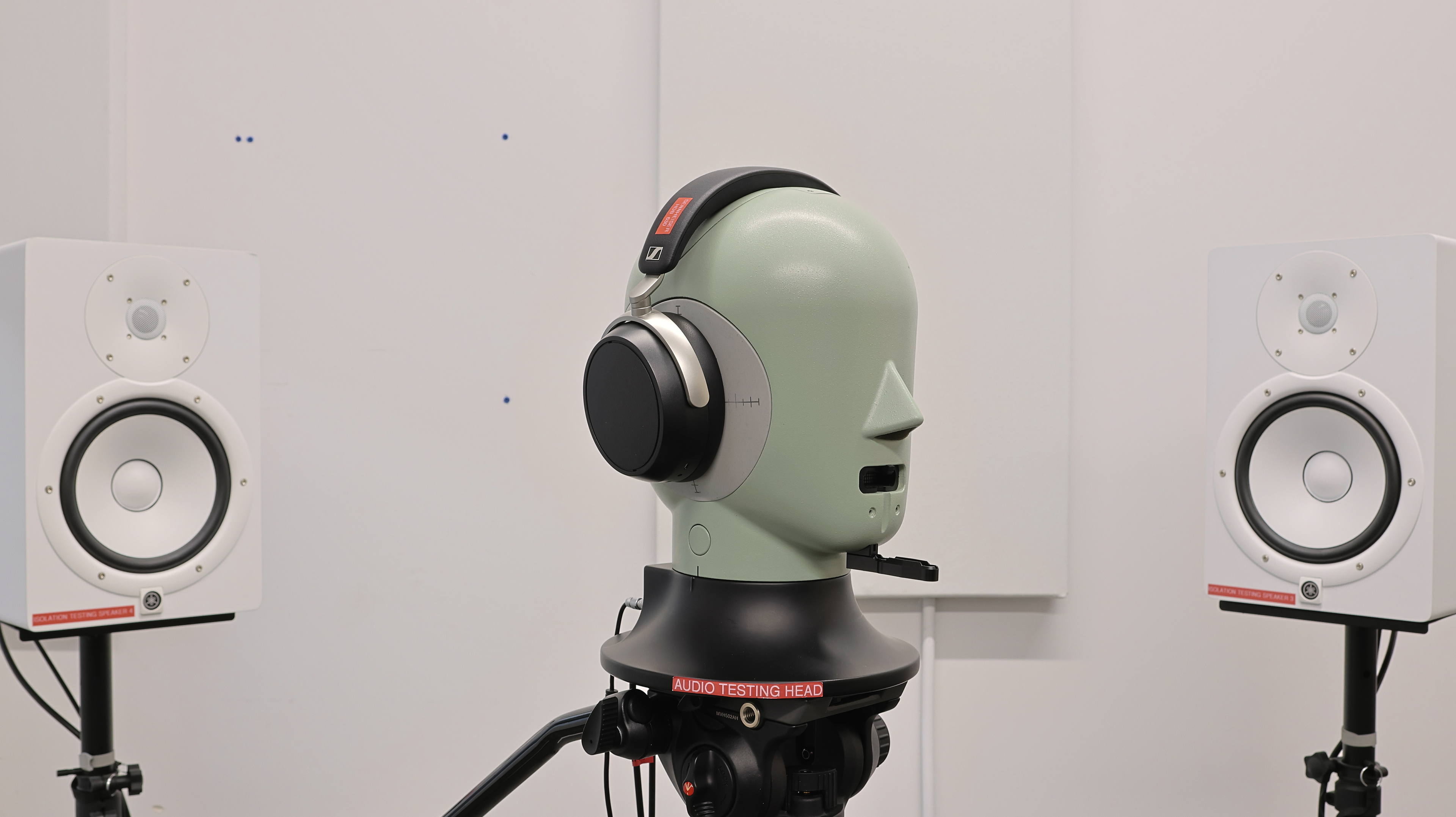
for pictures & test results
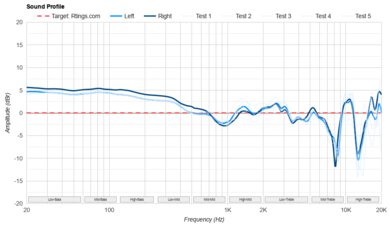
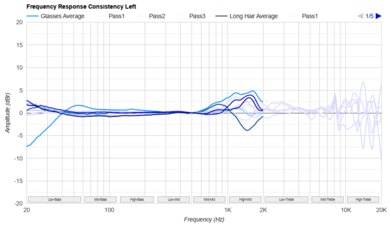
for pictures & test results
for pictures & test results
for pictures & test results

for pictures & test results

for pictures & test results