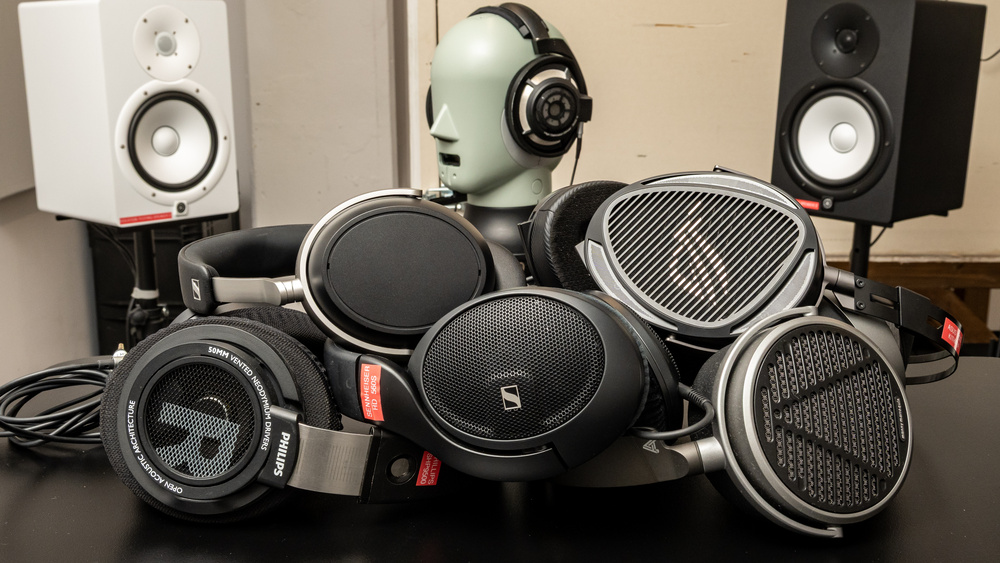
If you care about audio quality above all else, you'll want a good pair of audiophile headphones. These headphones typically aren't focused on convenience, with most designs being wired and open-back. As a result, you lose out on active features like Bluetooth connectivity in exchange for more balanced or flat tuning (less bass relative to treble). The best options are comfortable to wear for long periods of time and generally have solid build quality at a minimum. This article primarily focuses on wired audiophile headphones, but we have a dedicated wireless pick further down; you can check out our best headphones recommendations for more wireless options.
We've tested over 910 pairs of headphones, and below are our recommendations for the best headphones for audiophiles you can buy. See our recommendations for the best headphones for music, the best bass headphones, the best wired headphones, and the best studio headphones.
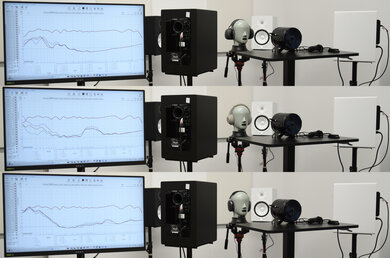
Our How We Test Headphones article takes you behind the scenes in our lab. You'll learn how we choose and purchase products and dive into the details of our review philosophy, from testing and scoring to writing and editing.
You can also discover how we produce recommendations like this one so that you can find the best headphones (or earbuds!) for your needs.
-
Best Audiophile Headphones
 Audio Reproduction AccuracySound SignatureFlatComfortSee all our test resultsFrequency Response Consistency
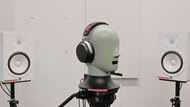
The best audiophile headphones we've tested are the Sennheiser HD 800 S. These top-of-the-line headphones aren't for everyone; their high price point puts them out of reach for many users, and you'll need a dedicated amplifier to drive them, which can be an additional expense if you don't already own one. However, if you're looking for an immersive experience regardless of cost, these open-backs have an outstanding soundstage that's natural and spacious. As a result, audio feels like it's coming from out in front of you rather than inside your head.
They have a flat sound profile that renders all sorts of audio accurately, but they lack a bit of punch and rumble (partly due to their open design). Still, they have a touch of extra high bass to add warmth to mixes, so they never sound thin. Vocals and lead instruments are reproduced accurately, thanks to their smooth and flat mids. If you're hunting for audiophile headphones with a bit more bass and don't mind a more intimate listening experience, check out the Audeze LCD-X. Unlike the Sennheiser, which have dynamic drivers that move a diaphragm using a voice coil, the Audeze's planar magnetic drivers use an array of magnets to move a thin diaphragm more evenly across its surface. Driver type doesn't determine tuning, but the Audeze have a warmer sound signature with a bit more bass. That said, the Audeze weigh nearly twice as much as the Sennheiser, and while their headband and plush padding make them quite comfortable to wear, they may be too heavy for some.
-
Best Mid-Range Audiophile Headphones
Audio Reproduction AccuracySound SignatureBalancedComfortSee all our test resultsFrequency Response ConsistencyIf you're willing to lose a little speaker-like immersion in order to keep costs down, the Sennheiser HD 490 PRO are a fantastic option. These over-ears are easier on the wallet than the Sennheiser HD 800 S and are just as comfortable, but their build quality suffers due to their flimsier plastic yokes. Still, the HD 490 PRO have a balanced sound profile, so vocals and lead instruments sound present and clear. They also have a bit more low bass compared to the HD 800 S, which brings more thump to mixes, although your audio never sounds as spacious and immersive as it does with the HD 800 S.
These over-ears have a comfortable fit, a lightweight design, and a light clamping force. With swappable earpads that slightly change their sound signature, the HD 490 PRO also offer some sound and comfort customization options. To top it off, they're also easier to drive than the HD 800 S, meaning you'll save some money as you won't need an amp to use these headphones with most devices.
-
Best Lower Mid-Range Audiophile Headphones
Audio Reproduction AccuracySound SignatureFlatComfortSee all our test resultsFrequency Response ConsistencyWhile unable to produce audio that mimics the sound of a pair of angled reference speakers quite as well as the more expensive picks on this list, the Sennheiser HD 560S are still an amazing deal in the world of audiophile headphones. And like the Sennheiser HD 490 PRO, the HD 560S are quite comfortable to wear for long listening sessions. However, their lower price results in some sacrifices in build quality compared to the HD 490 PRO.
The HD 560S's flat sound profile suits a variety of audio content and musical genres. Fans of classical and pop alike will appreciate their controlled mid-range and treble response. That said, they do lack a little low and mid bass, which is typical of open-backs. Closed-back headphones tend to do a better job reproducing bass, so if you're a techno fan looking for more rumble and boom, the FIIO FT1 are a good option. They put out a healthy amount of thump and punch, and their closed design also means they leak less audio: you can use them with less fear of being overheard in quiet spaces like your local library. That said, the arms of glasses can create gaps between the earpads and your head, which weakens the seal and can cause a noticeable drop in bass.
-
Best Budget Audiophile Headphones
Audio Reproduction AccuracySound SignatureFlatComfortSee all our test resultsFrequency Response ConsistencyIf you're looking for an affordable gateway into the world of audiophile headphones, the Philips SHP9500 are a great option. Their open-back design ensures a wide and natural sound that makes audio feel as though it's coming from two speakers in a room. They're comfortable to wear for long listening sessions and have a decent build quality, although they're not as stable on the head as more expensive options, such as the Sennheiser HD 560S.
They have a flat sound profile that suits most genres of music. In particular, their mid-range is outstanding, so vocals are rendered naturally and without any honk. The main downside of these cans is their lackluster bass response. They're not the best for audiophiles who want plenty of thumpy low bass for hip-hop and other bass-heavy genres. If that's you, the Superlux HD 681 are worth considering. The Superlux have a balanced sound that suits most genres, and they're an especially good pick for fans of modern bass-heavy genres like EDM. Unfortunately, they have a plasticky build and aren't as comfortable as the Philips, though they're less expensive.
-
Best Audiophile In-Ear Monitors
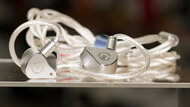
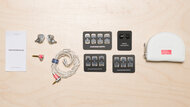
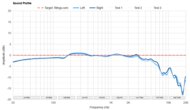
Audio Reproduction AccuracySound SignatureWarmComfortSee all our test resultsFrequency Response ConsistencyIf you prefer an in-ear fit, the best in-ear monitors (IEMs) for audiophiles we've tested are the CrinEar Reference. Their warm tuning keeps bass tight, while their virtually flat mid-range reproduces vocals and instruments with impressive clarity. With the included foam tips, the treble rolls off a little, which lends these in-ears a slightly warm tonality and helps take the edge off harsh cymbals. That said, the silicone tips produce a brighter sound, so it's worth trying the included options to find the tuning you prefer. The wide selection of foam and silicone tip sizes should also help you find a comfortable fit.
The detachable braided cable includes interchangeable 3.5 mm and 4.4 mm connectors to help you connect to your rig. However, these IEMs don't come with a way to connect them to USB ports, nor do they have an integrated mic. Their metal shells are also a little heavier than most IEMs and stick out from your ears, so they can come loose if bumped. If you want lighter in-ears with broader out-of-the-box compatibility, consider the Meze ALBA. They include an analog-to-USB-C adapter along with a USB-A attachment. They put out a little more bass and treble than the CrinEar, but their sound isn't quite as consistent between wears. They also can't block out nearly as much noise as the CrinEar.
-
Best Bluetooth Audiophile Headphones
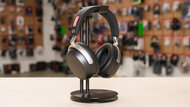
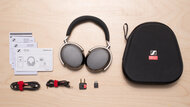
Audio Reproduction AccuracySound SignatureBalancedComfortSee all our test resultsFrequency Response ConsistencyThe best Bluetooth audiophile headphones we've tested are the Sennheiser HDB 630. Unlike the other picks on this list, these headphones are wireless and battery-powered, and come equipped with an excellent active noise cancelling (ANC) system. That makes them a great option for taking on the bus or out on a walk: noise like background chit-chat or rumbling engines won't drown out your music. They also come with a USB-C Bluetooth dongle that you can use to bypass your device's Bluetooth hardware (or lack thereof) for high-quality wireless audio streaming.
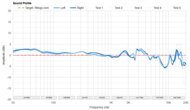
Out of the box, these headphones have a balanced sound; kick drums sound full and thumpy without ever overpowering the mix, while acoustic instruments and vocals sound clear and accurate. There's also a parametric EQ in the companion app, and you can even blend some of the left and right channels using the crossfeed option, which can create a more speaker-like presentation. That said, if you wear glasses or have a larger head, these may not fit you well, which can lead to a drop in bass response. If that's you, consider the Focal Bathys Wireless, which fit a wider variety of people, though their 29-hour battery life falls far short of the Sennheiser's 54 hours.










Notable Mentions
-
Audeze MM-100:
The Audeze MM-100 are comfortable, well-built open-back headphones equipped with planar magnetic drivers and designed for professional mixing applications. They have a flatter sound signature compared to the Sennheiser HD 490 PRO and don't come with an extra set of pads for more casual listening.
See our review -
Sennheiser HD 6XX:
The Sennheiser HD 6XX make a great alternative to the Sennheiser HD 560S. They're a different version of the audiophile classic, the Sennheiser HD 650, with a slightly more subdued treble than the HD 560S, which fans of a warm sound may appreciate. But unfortunately, they're not always easy to find outside the USA.
See our review -
CrinEar Daybreak:
The CrinEar Daybreak are a more affordable alternative to the CrinEar Reference. The Daybreak offer a bit more bass and treble than the Reference, but their resin shells don't feel as premium as our pick's machined aluminum enclosures.
See our review -
ASUS ROG Kithara:
The ASUS ROG Kithara are audiophile gaming headphones that offer a flat sound profile along with a good mic. Since they're wired open-backs, they're not a good choice for use out and about, unlike the Sennheiser HDB 630. But if 'casual use' mostly means gaming to you, then you'll enjoy the ASUS' boom mic, which captures your voice much more accurately than the Sennheiser's.
See our review
Recent Updates
Sep 04, 2026:
The CrinEar Reference are our new pick for in-ear monitors due to their remarkable frequency response consistency and good passive noise isolation. The Meze ALBA are a cheaper alternative with out-of-the-box support for USB audio.
Jul 03, 2026:
We've trimmed down some of the text and Notable Mentions to make the article easier to parse. The remaining picks are still valid and in stock.
May 11, 2026:
We added the ASUS ROG Kithara to our Notable Mentions for anyone looking for audiophile gaming headphones.
Mar 10, 2026:
The Sennheiser HDB 630 replace the Focal Bathys Wireless as our casual use pick, with the Focal remaining as an alternative for people who wear glasses. To keep our Notable Mentions focused and helpful for our readers, we've removed the Sennheiser IE 200.
Nov 20, 2025:
We've removed the HiFiMan Sundara 2020 from the article due to their price fluctuations and the presence of better alternatives. The article now includes references to the Audeze LCD-X, Noble FoKus Apollo, Sennheiser HDB 630, and CrinEar Daybreak as alternate products or in the Notable Mentions.
All Reviews
Our recommendations above are what we think are currently the best-sounding headphones to buy for most people in each price range. We factor in the price (cheaper headphones win over pricier ones if the difference isn't worth it), feedback from our visitors, and availability (no headphones that are difficult to find or almost out of stock everywhere).
If you'd like to choose for yourself, here's the list of all our reviews for headphones, sorted by their audio reproduction accuracy. Be careful not to get caught up in the details. There are no perfect headphones. Personal taste, preference, and where you use the headphones will matter more in your selection.


