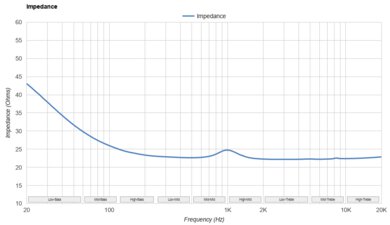
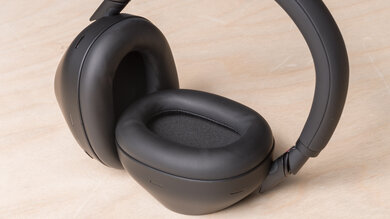
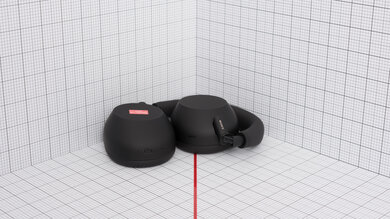
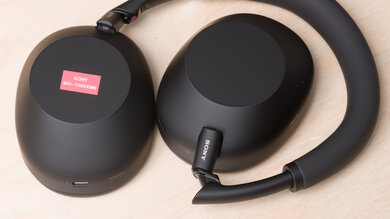
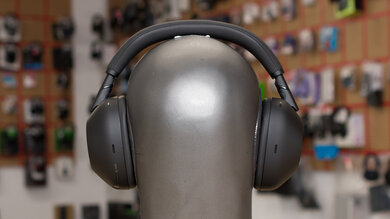
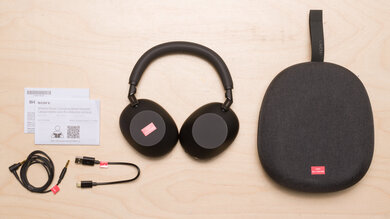
The HiFiMan Sundara 2020 are open-back, planar magnetic headphones. They're the next generation of the HiFiMan Sundara 2018, and the manufacturer advertises a redesign of the ear cup padding. They're comfortable audiophile headphones that are best suited to listening at home due to their bulky design and lack of a carrying case. You can even drive them without an amp, making them a versatile set of headphones with a variety of devices.
Our Verdict
The HiFiMan Sundara 2020 are inadequate for sports and fitness. They're large, hefty over-ears that aren't designed for staying put during exercise. Their wired connection makes them inconvenient to navigate around equipment, and the open-back housings leak audio and don't isolate out environmental sounds either.
- Well-built and comfortable.
No protective case or pouch and bulky in size.
- Leak a lot of audio.
The HiFiMan Sundara 2020 are terrible for travel. Because the headphones are open-backed, they won't isolate you from fellow passengers and engine noises whatsoever. Plus, whatever you're listening to will leak out and bother people nearby. They're also rather large and don't fold down smaller. While they're comfortable to wear, they're meant to be worn in quiet spaces, not in public.
- Well-built and comfortable.
- Not designed to isolate you from passive noise.
No protective case or pouch and bulky in size.
- Leak a lot of audio.
The HiFiMan Sundara 2020 are a bad choice for office work. Their open-back design means you'll disturb your coworkers with your audio escaping into the office space, and there's virtually zero isolation to block out environmental noises. They lack a mic, so you'll also need an outboard one for remote meetings. On the upside, they're comfortable and well-cushioned, but unless you have a private office and don't need a mic, they're not suited for offices.
- Well-built and comfortable.
- Not designed to isolate you from passive noise.
- No microphone.
No protective case or pouch and bulky in size.
- Leak a lot of audio.
The HiFiMan Sundara 2020 are wired-only headphones, so you can't use them for wireless gaming.
The HiFiMan Sundara 2020 are okay for wired gaming. If you don't need headphones with a microphone, these open-backs can connect to PCs and consoles without needing an amp. Their consistent sound and very comfortable fit are positives for gamers. The tuning is fairly flat, so you'll hear dialogue and soundtracks with clarity, though there aren't any additional tools to tweak the frequency response. Their open-back design means they can leak audio into the space and won't block much, which is fine in private rooms.
- Well-built and comfortable.
- Very consistent sound delivery.
- No EQ or presets.
- No microphone.
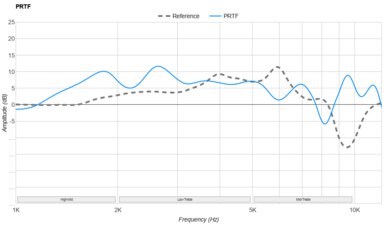
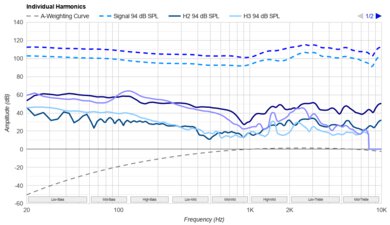
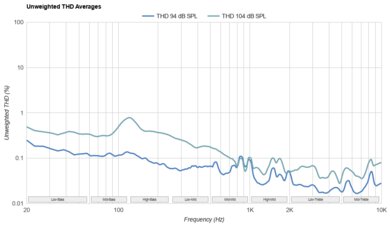
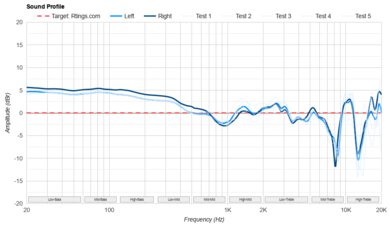
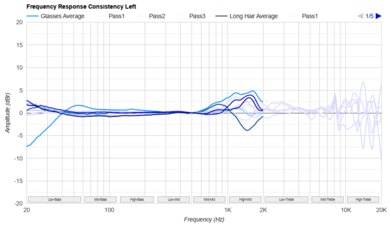
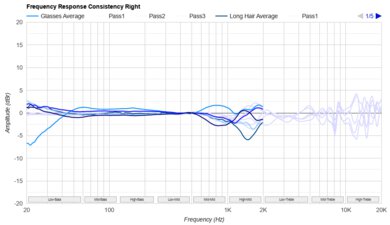
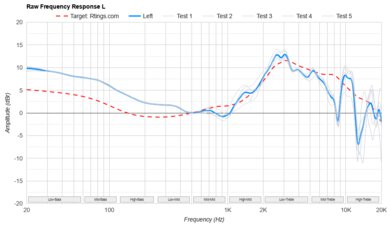
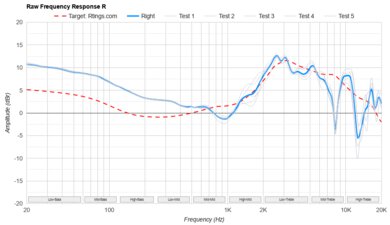
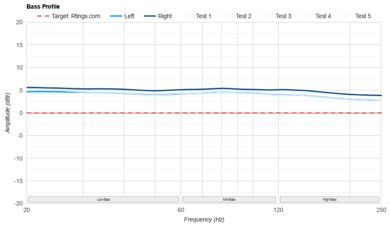
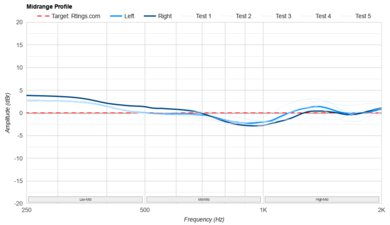
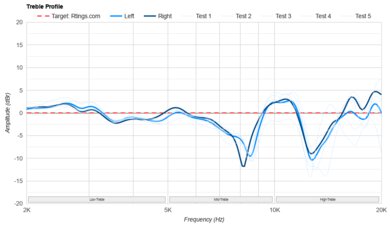
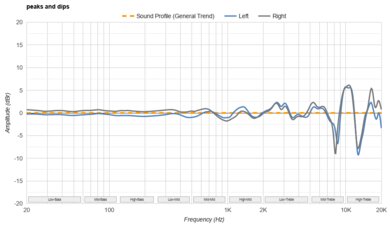
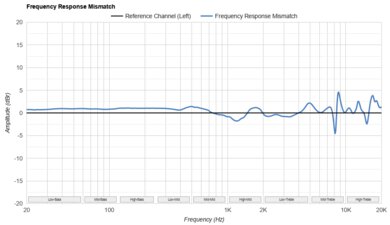
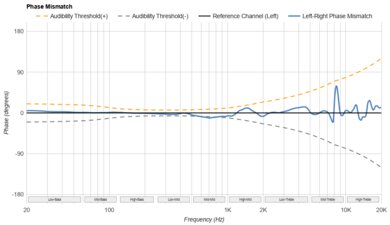
The HiFiMan Sundara 2020 are great for audio reproduction accuracy. Their flat sound signature supplies a bit of de-emphasis in the bass and treble for a slightly warm tonality with clear instrumentation in the mix and not too many peaks and dips. Overall, the drivers are well-matched and produce inaudible levels of harmonic distortion. They're also very consistent between wears and on people who wear glasses or have long hair. As open-backs, they offer a decent PRTF performance.
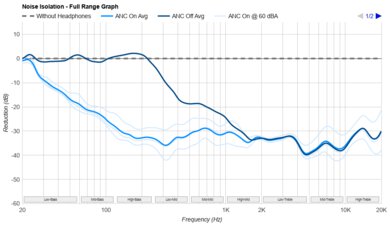
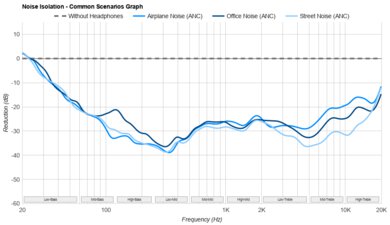
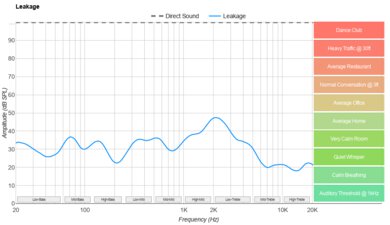
The HiFiMan Sundara 2020 are open-back headphones, so their noise isolation is terrible by design. They both leak a noticeable amount of your audio into the room and let nearly all of the environment's ambient sounds reach your ears.
The HiFiMan Sundara 2020 don't come with a microphone.
The HiFiMan Sundara 2020 have very good frequency response consistency. If you take the time to seat them properly with each wear, you'll get a consistent sound each time, even if you have longer hair or a larger head.
Performance Usages
Changelog
- Updated Jun 23, 2026: This review has been updated to Test Bench 2.3, which removes the Virtual Soundstage, Base/Dock, and some comparisons from Bluetooth Connection. Have a look at our changelog for more info.
- Updated Apr 20, 2026: This review has been updated to Test Bench 2.2, which removes the Cumulative Spectral Decay (CSD) test, retiring its waterfall plot visualization from our reviews. You can read more about this change in the changelog.
-
Updated Mar 12, 2026:
This review has been updated to Test Bench 2.1, which removes the Group Delay test, and rebalances scoring for the Harmonic Distortion test and Audio Reproduction Accuracy performance usage. For more details, consult our full changelog.
- Updated Mar 12, 2026: We've converted this review to Test Bench 2.1, which features minor updates to our sound tests.
Check Price
Differences Between Sizes And Variants
The HiFiMan Sundara 2020 come in one color, 'Black,' which we tested. They're an updated version of the HiFiMan Sundara 2018, with new ear cup padding, which results in slight differences in fit, seal, and positioning that affect sound delivery. However, both models otherwise perform (and reproduce sound) very similarly. If you come across another variant or yours is different, please let us know in the comments, and we'll update our review.
Popular Headphone Comparisons
The HiFiMan Sundara 2020 are planar magnetic headphones meant for audiophiles. Their performance is similar to the previous generation HiFiMan Sundara 2018, although the manufacturer advertises that they've changed the ear cup padding. They have a similarly neutral sound profile and a wide, spacious soundstage. Although they offer a similarly balanced sound to high-end audiophile headphones, like the Sennheiser HD 800 S, they aren't as well built and lack the Sennheiser's truly immersive soundstage.
Check out our lists of the best over-ear headphones, the best headphones for music, and the best audiophile headphones.
The HiFiMan Edition XS are slightly better audiophile headphones than the HiFiMan Sundara 2020. The Edition XS reproduce audio more consistently and follow our target curve slightly more closely, with a touch of added thump that listeners of bass-heavy genres like hip-hop may appreciate. However, the Sundara 2020 have a more comfortable ski-band headband design.
The HiFiMan Sundara 2020 and the HiFiMan Ananda have different strengths, and you may prefer either one, depending on your needs. The Sundara follow our target curve a bit closer, which some listeners may like. On the other hand, the Ananda are much more breathable, have significantly better build quality, and come with an extra audio cable.
The HiFiMan Sundara 2020 and the FIIO FT1 Pro are both open-back, planar-equipped over-ears with similarly flat sound profiles that offer a rolled-off bass with a flat mid-range and analytical treble. The HiFiMan retail for slightly more but can create a more spacious sound and are better-built. The FIIO are more comfortable, though, and come with a luxurious semi-hardshell case. Ultimately, both headphones are good options for audiophiles and sound professionals, but the FIIO represent slightly better value for money.
The HiFiMan Sundara 2020 perform similarly to the HiFiMan HE400se, and your best choice depends on your preferences for sound profiles. While both headphones are very comfortable and well-built, the Sundara follow our target curve more closely for a smoother sound profile, particularly in the treble, and a bit warmer than the HE400se. They're also a bit more stable on the head. That said, these are minor differences, and if you want a brighter sound, the HE400se might suit you.
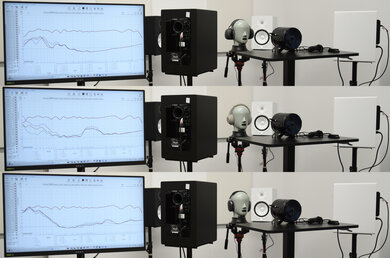
Our How We Test Headphones article takes you behind the scenes in our lab. You'll learn how we choose and purchase products and dive into the details of our review philosophy, from testing and scoring to writing and editing.
You can also discover how we produce recommendations like this one so that you can find the best headphones (or earbuds!) for your needs.
Test Results
for pictures & test results
for pictures & test results
for pictures & test results
for pictures & test results