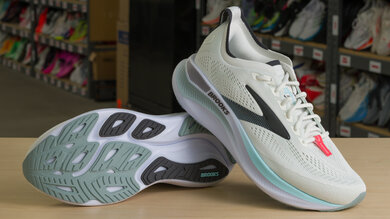
The Brooks Adrenaline GTS 26 is a decent stability shoe for daily training. It's the Ghost's stability counterpart in Brooks' classic daily trainer line, while the Brooks Glycerin GTS 23 brings stability to the more cushioned, premium Glycerin line. Raised foam rails on both sides of the heel help limit excessive inward roll, and there's enough cushioning under the heel to make easy road miles comfortable if you land there first. However, its heavy weight and lack of bounce make it much harder to pick up the pace, and the thinner forefoot can feel harsh as your runs get longer.
| ✅ Buy If: | ❌ Skip If: |
|
|
Our Verdict
The Brooks Adrenaline GTS 26 is a disappointing choice for racing a half or full marathon. Its broad base keeps landings steady, but the shoe feels heavy when you're trying to hold race pace, and the foam gives very little energy back as you push off. The cushioning also loses some of its protection over distance, so landings can feel harsh.
Raised heel rails and a broad base help keep your foot centered.
Heavy build makes quick turnover harder.
Foam gives little energy back at landing or push-off.
Cushioning becomes less protective as the miles add up.
The Brooks Adrenaline GTS 26 is a subpar choice for racing a 5K or 10K. Its firm forefoot gives you a stable surface to push against, but the modest curve at the toes and limited snap as the shoe springs back do little to quicken your stride. The weight makes it harder to turn your feet over quickly, and the foam offers very little rebound to help you hold race pace.
Firm forefoot gives you a solid surface to push against.
Heavy build makes quick turnover harder.
Foam gives little energy back at landing or push-off.
The Brooks Adrenaline GTS 26 is a mediocre choice for long runs. It can still make sense if stability is your priority, since the broad platform keeps you steady and the heel absorbs a reasonable amount of shock on pavement. The cushioning becomes less effective as the miles add up, though, so landings can feel much harsher by the end of a long run.
Raised heel rails and a broad base help keep your foot centered.
Heel absorbs enough shock for easy road miles.
Heavy build makes quick turnover harder.
Cushioning becomes less protective as the miles add up.
The Brooks Adrenaline GTS 26 is a decent daily trainer for easy road miles, especially if you value stability. Its broad, plateless sole and raised heel rails help keep your foot centered, and there's enough cushioning under the heel for routine runs. The weight and limited rebound are more noticeable on days when you want to pick up the pace.
Raised heel rails and a broad base help keep your foot centered.
Heel absorbs enough shock for easy road miles.
Plateless construction suits everyday training.
Heavy build makes quick turnover harder.
Foam gives little energy back at landing or push-off.
Modest rocker provides little help through toe-off.
Changelog
- Updated Nov 13, 2026: Review published.
- Updated Nov 12, 2026: Early access published.
- Updated Nov 03, 2026: Our testers have started testing this product.
- Updated Oct 27, 2026: The product has arrived in our lab, and our testers will start evaluating it soon.
- Updated Oct 20, 2026: We've purchased the product and are waiting for it to arrive in our lab.
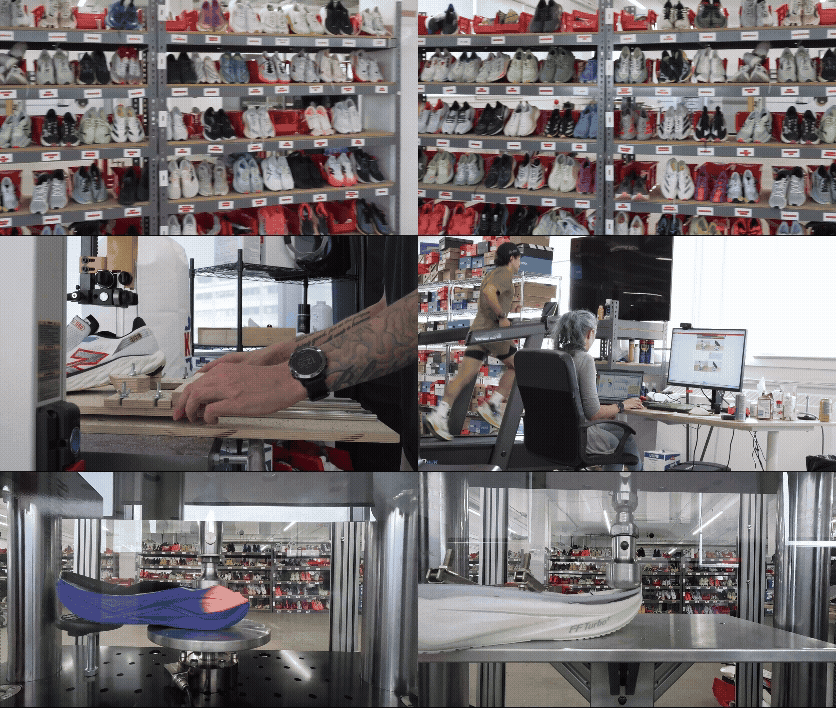
We've bought and tested more than 300 running shoes. Every pair purchased with our own money, never supplied or sponsored by brands. Our data-driven tests are designed to go beyond marketing claims, and since every shoe goes through the exact same methodology, you can directly compare results to find the right pair for your needs.
Test Results
Design


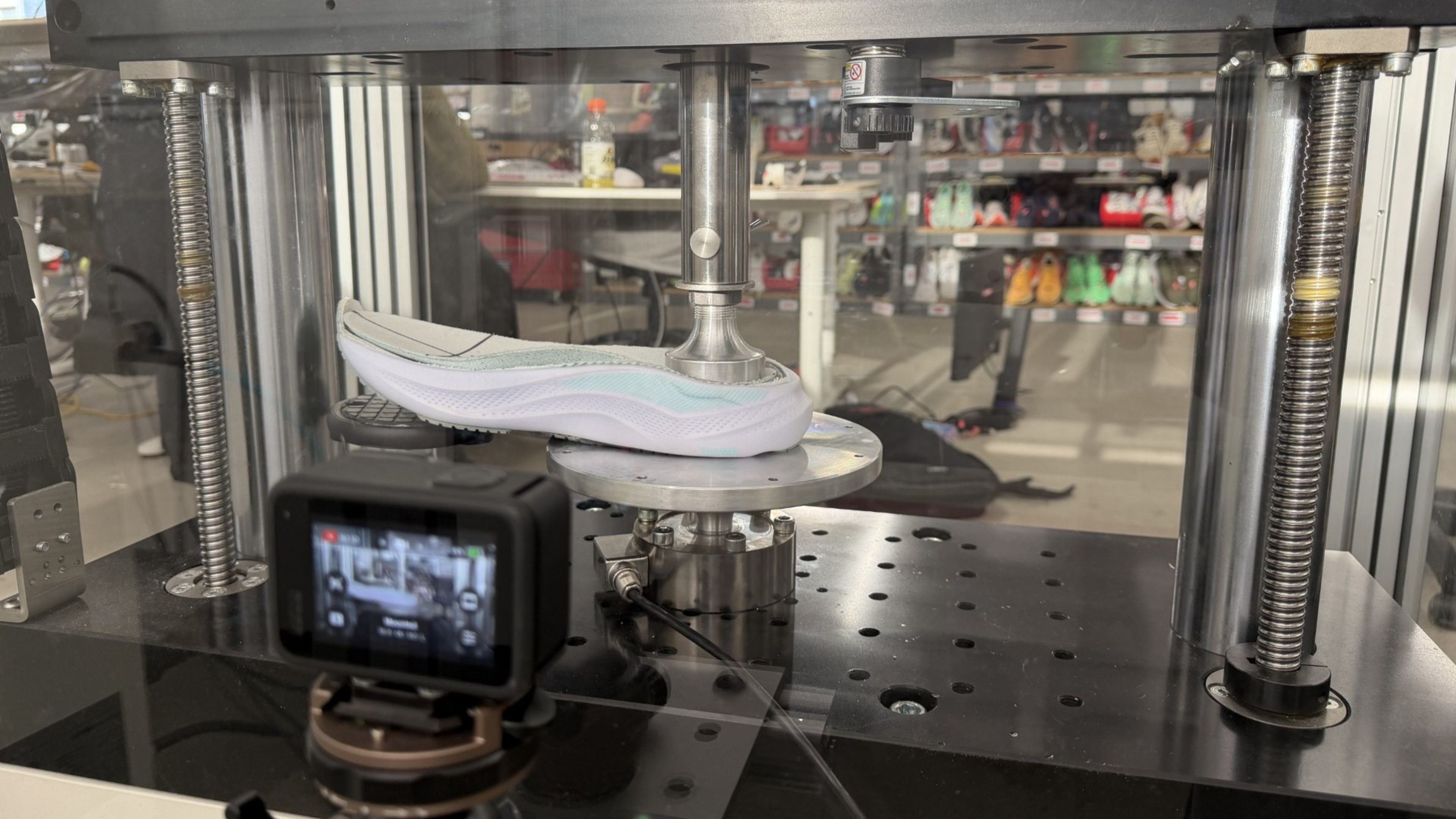
The Brooks Adrenaline GTS 26 is heavy for a daily trainer, weighing even more than the previous Brooks Adrenaline GTS 25. That extra weight is less noticeable on an easy jog. However, it can slow you down during fast intervals, when you need to turn your feet over quickly.


The Adrenaline uses a single layer of DNA LOFT v3, Brooks' nitrogen-infused, EVA-based foam. It gives the shoe a firm, steady feel with little rebound, especially under the forefoot. The Brooks Glycerin GTS 23 uses DNA Tuned foam for a plusher ride.

Energy Return
The Brooks Adrenaline GTS 26 gives very little energy back underfoot. The heel has especially little rebound after it compresses, and the forefoot offers only a little more spring at push-off. That muted response makes faster paces feel harder to sustain.
Foam gives little energy back at landing or push-off.

Energy return is a little better under the ball of the foot than at the heel, but it's still poor. Pressing into the foam gives you little lift at push-off.

The heel gives very little energy back after it compresses. If you land on your heels, there's little spring underfoot as you transfer your weight forward. For a stability shoe with more pep underfoot, check out the Saucony Hurricane 26.
Stability
The Brooks Adrenaline GTS 26 offers excellent stability. Raised foam rails cradle the heel to help limit excess side-to-side motion, while the wide base and firm foam keep your foot steady as your weight moves forward. The forefoot is especially firm, so you still have a stable surface beneath you at push-off.
Raised heel rails and a broad base help keep your foot centered.
Firm forefoot gives you a solid surface to push against.

The foam beneath the forefoot is especially firm. It gives you a stable surface to push against, though runners who prefer some give under their toes may find it unforgiving.

The firm heel resists compression, particularly as you put more weight on it. That helps keep the back of the shoe steady when you land.


The shoe features raised foam rails on both sides of the heel, that Brooks markets as GuideRails, to help limit excess side-to-side movement. The shoe has no plate. Up top, the thinner, flat-knit tongue wraps more closely over the foot than the padded tongue on the Brooks Adrenaline GTS 25. It's unattached at the sides, so you can reposition it before tightening the laces.
Cushioning
The Brooks Adrenaline GTS 26 offers mediocre cushioning overall. The heel absorbs enough shock to take the edge off landings on pavement. The thinner forefoot absorbs less energy, so harder landings can feel harsh, as the forefoot tends to bottom out. The shoe also loses cushioning as the miles add up, leaving you with less protection near the end of a long run.
Heel absorbs enough shock for easy road miles.
Cushioning becomes less protective as the miles add up.
Thin forefoot absorbs little shock, so landings can feel harsh.


Shock absorption is disappointing under the thinner forefoot. If you land on the ball of your foot, harder landings can feel harsh. If you tend to apply a lot of force when you land, such as when picking up the pace and/or if you're heavier, the forefoot bottoms out. For another stability shoe by Brooks with more forefoot protection, you'll want to check out the Brooks Glycerin GTS 23.


Traction
The Brooks Adrenaline GTS 26 has decent traction overall and performs best on concrete. Grip is fantastic on dry concrete and great on wet concrete. The outsole slips more easily on wet metal and struggles on gravel and mud, making it a poor choice for runs that take you from pavement onto loose or muddy trails.
Fantastic grip on dry concrete and great traction on wet concrete.
Limited grip on wet metal, gravel, and mud.


Outsole Durability
The Brooks Adrenaline GTS 26 has great outsole durability. Rubber covers most of the heel and forefoot, and both areas resisted abrasion well in our testing. It's a great option if you want an everyday shoe with an outsole that can hold up to frequent runs and walks.
Extensive rubber coverage resists wear at the heel and forefoot.


Wet & Warm Weather
The Brooks Adrenaline GTS 26 is middling in wet and warm weather. Air doesn't move particularly well through the upper, so heat and moisture from sweaty feet can build up on warm runs. Once soaked, the shoe feels noticeably heavier and takes well over a day to dry fully.
Limited airflow lets heat and moisture build up.
Takes more than a day to dry fully after a soaking.


Airflow through the upper is mediocre. On hot runs, heat and moisture can build up around your foot, especially if you're used to a more open mesh.


Bounciness
The Brooks Adrenaline GTS 26 has little bounce. The firm forefoot barely compresses, and while the heel gives more under a heavier landing, the foam rebounds weakly. Each step feels planted, with little lift as you leave the ground.
Firm foam compresses little and delivers little bounce.


Snappiness
The Brooks Adrenaline GTS 26 has decent snappiness overall, though it feels less snappy than its score suggests. The very firm forefoot gives you a solid surface to push against and is its biggest strength here. The toes curve up only modestly, though, and the forefoot gives back limited energy as it springs back after bending. The result is a fairly muted toe-off.
Firm forefoot gives you a solid surface to push against.
Modest rocker provides little help through toe-off.


There's some resistance when you bend the front of the shoe, but your toes can still flex through push-off. That balance feels natural at a walking or easy running pace.

The toes curve upward a little more than on the Brooks Adrenaline GTS 25. That curve helps ease you onto your toes, though the rolling sensation is subtle because the front of the shoe flattens easily under load.

Roll
The Brooks Adrenaline GTS 26 doesn't roll forward particularly well. There's only a modest curve at the heel, and although the forefoot has some stiffness, its upward curve flattens fairly easily under load. That leaves your foot to do more of the work and can make the transition from heel to toe feel a little clunky.
Modest rocker provides little help through toe-off.

The upward curve at the toes is easy to flatten. As you load the forefoot, the sole bends with your foot and provides limited help in rolling you through toe-off.

The heel-to-toe drop is lower than what we measured on the Brooks Adrenaline GTS 25, but it's still very steep. There's considerably more foam under the heel than the forefoot, giving the shoe a traditional, heel-raised feel and a more direct connection to the ground under the ball of your foot.

True To Size
The Brooks Adrenaline GTS 26 fits true to size overall, so most runners can choose their usual size. The length is right on target, with a little extra width across the ball of the foot and a closer fit through the arch. However, if you often feel pressure across the tops of your toes, the toe box may feel a little shallow.
Fits true to size in length.
Enough width across the forefoot for most runners.
Shallow toe box can press on the tops of your toes.


Popular Running Shoe Comparisons
The Brooks Adrenaline GTS 26 is a decent choice for easy runs if you like firm support and a traditional high drop. The Nike Structure 26 is another stability shoe that usually costs a little less, and it's the better buy if you prefer a lower heel-to-toe drop and more foam under the forefoot. The Saucony Hurricane 26 takes a more modern approach to stability. It usually costs a little more than the Brooks, but it's the more well-rounded running shoe overall. Its broad base and raised sidewalls keep you steady, and its more protective cushioning makes it a better choice when your easy runs stretch into long ones.
For more shoes with extra support, see our picks for the best stability running shoes. If you like the Adrenaline, explore the best Brooks running shoes, or see our best running shoes for options across brands and uses.
The Nike Structure 26 is the better buy than the Brooks Adrenaline GTS 26 if you want firm support for everyday runs and prefer a smaller height difference between your heel and toes. The Nike usually costs a little less, and it puts more foam under the front of your foot while keeping the heel at about the same height. Both shoes feel steady and offer little bounce. The Brooks is the better choice if you land heel first and like a more raised heel with foam rails on either side to guide your foot.
The Brooks Adrenaline GTS 26 is a better choice than the previous Brooks Adrenaline GTS 25 if you want an even more stable feel on easy runs. The 26 keeps the raised foam rails that help center your foot, but its heel sits closer to the ground on a wider base, giving you a steadier landing. Both shoes have a traditional high drop. The 25 is lighter and has more foam under the heel, so it’s worth sticking with if you already like how it feels on easy runs, especially if you find it at a discount.
The Saucony Hurricane 26 is a more well-rounded stability shoe than the Brooks Adrenaline GTS 26, especially if you want one pair for everyday runs and longer efforts. The Hurricane is lighter and gives you more cushioning under the forefoot, so landings still feel protective late in a run. Its foam also gives you more spring as you push off, while its wide base helps keep you steady. The Brooks usually costs a little less and is the better buy if you prefer firm support and a more raised heel for easy runs and walks.
The ASICS GT-2000 15 is a better choice than the Brooks Adrenaline GTS 26 if you want a stability shoe that can handle a change of pace. The ASICS is considerably lighter and gives you more spring at push-off, making it easier to pick up the pace halfway through an everyday run. It also cushions the forefoot better if you land toward the front of your foot. The Brooks makes more sense for easy runs and walks if you like a higher heel and firm support that helps keep your foot centered.
Differences Between Sizes And Variants
We purchased the Brooks Adrenaline GTS 26 in the Blanc/Mist/TechnoBlue colorway and tested a men's US size 9 in Medium (D), as shown here on the label of our pair. Other colorways are available depending on your region. Both the men's and women's versions come in four widths. From narrow to extra-wide, the men's widths are B, D, 2E, and 4E, and the women's widths are 2A, B, D, and 2E.

The design measurements apply to the size and width we tested. We expect other sizes and the women's version to perform similarly.