The adidas Adizero Adios Pro 4 is a premium marathon super shoe designed for competitive runners looking for lightweight responsiveness on race day. Its bouncy foam and early rocker combine to create a propulsive ride that's fast and fun. It's not a stable shoe at all, though, and the medial cutout can cause your ankles to roll as fatigue sets in late in a marathon.
| ✅ Buy If: | ❌ Skip If: |
|
|
Our Verdict
The adidas Adizero Adios Pro 4 is a great marathon racing shoe thanks to its excellent energy return and cushioning. It makes it feel ideally suited for long-distance races and helps keep legs fresh deeper into the run. Its embedded carbon rods help hold the foam together and add stiffness to the midsole. The medial cutout makes the shoe rather unstable and could become challenging to keep steady as you fatigue.
Lightstrike Pro foam offers amazing bounce and cushioning.
Very lightweight construction contributes to shoe's racing efficiency.
Controlling the unstable platform can fatigue your lower legs.
The adidas Adizero Adios Pro 4 is a good option for shorter races, providing a dynamic and responsive ride with its premium midsole, carbon rods, and lightweight construction. The midsole is somewhat firm but not overly so. This makes it slightly less explosive than specialized shorter-distance racing shoes, but it remains a very competitive choice for these distances.
Carbon rods add stiffness and make toe-offs snappy.
Very lightweight construction contributes to shoe's racing efficiency.
Updated Lightstrike Pro offers amazing bounce.
Foam is quite soft and can get wobbly.
The adidas Adizero Adios Pro 4 is a satisfactory long-run shoe. The cushioning holds up decently well over long distances, and the aggressive rocker helps you maintain steady momentum. It's not a very stable shoe, however, which makes longer distances more tiring for the smaller stabilizer muscles in your lower leg.
Great rockered geometry helps keep legs turning over.
Controlling the unstable platform can fatigue your lower legs.
The adidas Adizero Adios Pro 4 isn't intended as a daily trainer, and it doesn't work that well for normal runs. The cushioning is very good, so it will be comfortable in that sense, but the unstable platform feels awkward at easy paces.
Controlling the unstable platform can fatigue your lower legs.
Changelog
- Updated Sep 23, 2026: We've updated this review to Test Bench 0.16, expanding our coverage with new tests for breathability, water absorption, and drying time. For more details, see the changelog.
- Updated Sep 17, 2026: We've converted this review to Test Bench 0.15, which replaces Responsiveness with three specific performance usages: Bounciness, Snappiness, and Roll. To read more about the changes, see the changelog.
- Updated Aug 27, 2026: We've converted this review to Test Bench 0.14, which adds new lace-specific results. We've included a close-up photo of the laces, as well as details including lace type, width, thickness, and stretch. To read more about the changes, see the changelog.
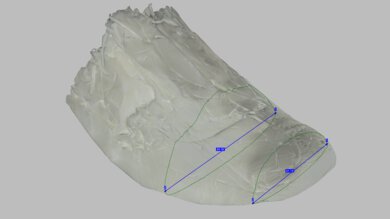
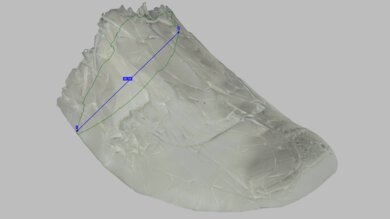
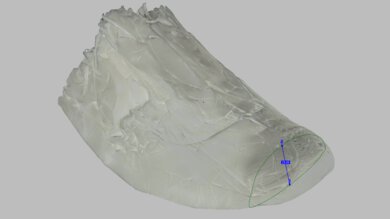
- Updated Aug 26, 2026: We've converted this review to Test Bench 0.13, which identifies the different foams used in the shoe's midsole. We've included a microscopic image of the foam cells to give you an idea of what the microstructure looks like. To read more about the changes, see the changelog.
- Updated Jun 17, 2026: We've converted this review to Test Bench 0.12, which fixes how we measure firmness, a component of the Stability and 5K/10K Racing usages. There may be inconsistencies between the text and the scores for these usages, but the scores should still be considered valid. We've also brought back the Energy Return score and added two new usages: Daily Training and Long Run. To read more about the changes, see the changelog.
-
Updated Apr 15, 2026:
We've replaced the Energy Return usage box with Responsiveness, which incorporates four additional tests, and updated the text accordingly.
- Updated Apr 15, 2026: We've converted this review to Test Bench 0.11, adding two new rocker measurements to the Design section, and three new responsiveness tests to the Performance section. The Energy Return usage score has been replaced with Responsiveness. Check out the details in our changelog.
-
Updated Feb 27, 2026:
We updated the review to include text for the new Fit usage box, which was recently added to our test bench.
- Updated Feb 20, 2026: We've converted this review to Test Bench 0.10, adding a new set of fit tests to the Design section and an overall fit performance usage. Check out the details in our changelog.
-
Updated Nov 24, 2025:
We have updated the Popular Running Shoe Comparisons box to include the adidas Adizero Prime X3 STRUNG in the lineup overview.
- Updated Oct 28, 2025: We've converted this review to Test Bench 0.9, which adds a Forefoot Long Run Cushioning test to our performance section. Read more in our changelog.
-
Updated Oct 27, 2025:
We updated the Compared Summary, Pros & Cons, Lateral Stability, Cushioning, Marathon Racing, 5K/10K Racing, Forefoot Cushioning, Heel Firmness, and Forefoot Firmness boxes to align with the latest test bench, refreshed the Popular Running Shoe Comparisons section, and revised the side-by-side comparisons to keep the review accurate.
- Updated Oct 24, 2025: We've converted this review to Test Bench 0.8.2, which updates our methodology for the impact force range used in our compression tests to improve their accuracy. This also affects all usage and performance usage boxes using those compression tests as score components.
-
Updated Jul 30, 2025:
We revised the phrasing in the Lateral Stability and Marathon Racing box, as well as in the side-by-side comparison with the adidas Adizero Adios Pro 3, to better align with the latest test bench scores regarding lateral stability.
- Updated Jul 30, 2025: We've converted this review to Test Bench 0.8.1, which mainly updates the score components for the Marathon Racing and Lateral Stability usage boxes to improve accuracy.
-
Updated Jun 25, 2025:
We added a mention of the adidas Adizero Pro Evo 2 in the Compared To Other Running Shoes and Weight boxes.
-
Updated May 29, 2025:
We added a mention of the adidas Adizero Prime X 2.0 STRUNG in the Compared To Other Running Shoes box.
-
Updated Apr 24, 2025:
We added a comparison to the PUMA Deviate NITRO Elite 3 in the Forefoot Firmness box.
- Updated Apr 09, 2025: Review published.
- Updated Apr 03, 2025: Early access published.

We've bought and tested more than 250 running shoes. Every pair purchased with our own money, never supplied or sponsored by brands. Our data-driven tests are designed to go beyond marketing claims, and since every shoe goes through the exact same methodology, you can directly compare results to find the right pair for your needs.
Test Results
Energy Return
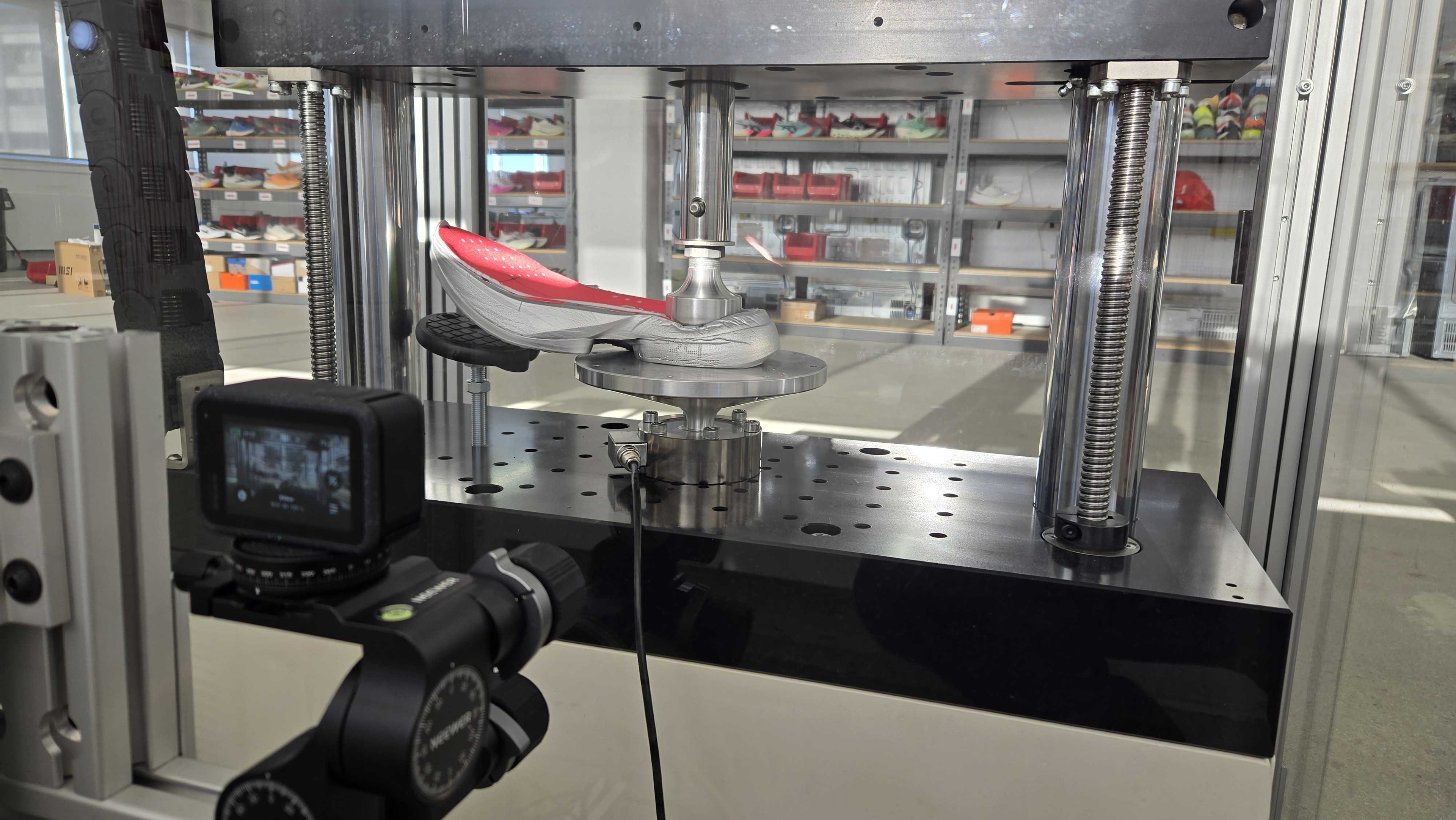
The adidas Adizero Adios Pro 4 has amazing energy return. The midsole is very efficient at converting the force you apply into forward momentum.
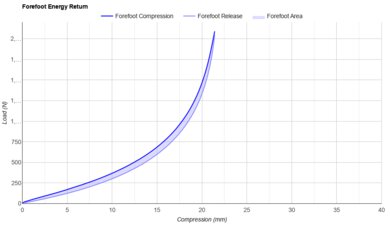
The forefoot energy return is also excellent, providing energetic feedback and responsiveness upon toe-off. This ensures the shoe remains lively, making it suitable for longer efforts and sustained high-speed racing.
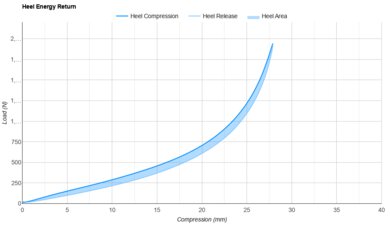
The heel energy return in this shoe is excellent. It efficiently rebounds energy during landings, allowing for smoother transitions, which is particularly valuable for runners who strike more toward the heel. During testing, the shoe bounced so much upon compression that it caused slight forward movement under the testing piston. Despite this, repeated tests confirmed that this motion didn't influence the overall results.
Stability
The adidas Adizero Adios Pro 4 offers decent lateral stability. The very narrow outsole arch, due to a large cutout in this zone, and soft foam in the heel doesn't help, but this is less evident for runners able to maintain great form. On the plus side, the shoe has a wide base and a secure lockdown to help compensate for the high, wobbly stack of foam.
Wide base at the heel and forefoot.
Large cutout in the outsole makes it quite unstable.
Foam is quite soft and can get wobbly.
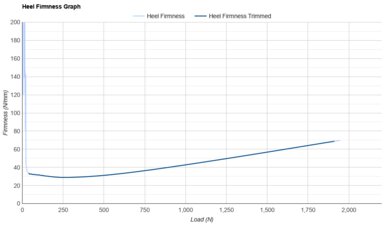
The adidas Adizero Adios Pro 4's heel is soft, especially at lower forces. This contributes considerably to comfort during extended runs, although runners preferring a firmer, more stable platform might find it excessively soft.
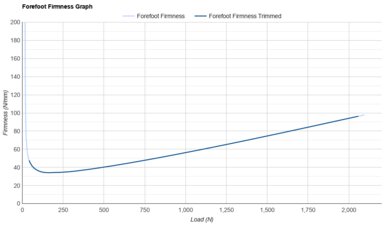
The forefoot feels moderately firm, offering a well-balanced sensation between comfort and responsiveness. This updated version of the foam is softer than the previous iteration, which enhances its suitability for longer distances where maximum comfort is key and ground feedback becomes secondary. Some other super shoes, like the Nike Vaporfly 3, feature a firmer forefoot, which delivers a snappier toe-off and encourages a higher turnover rate.
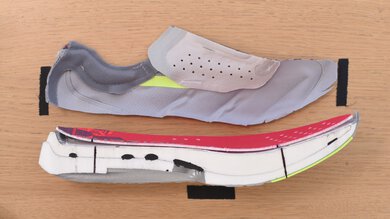
Cushioning
The adidas Adizero Adios Pro 4 delivers very good cushioning. Particularly impressive in the heel but still very good under the forefoot, this protection makes it suitable for longer runs, effectively minimizing fatigue and maximizing comfort throughout extended distances. This new, more compressive version of Lightstrike Pro midsole stands out among competitors by providing ample protection without sacrificing its energetic feel.
Premium midsole makes for a super cushioned ride.
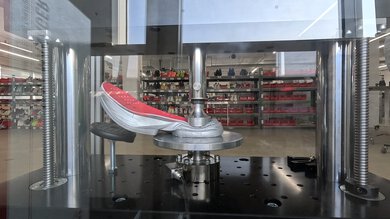
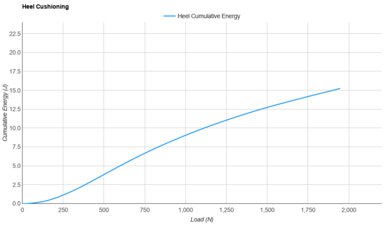
The adidas Adizero Adios Pro 4's heel cushioning is outstanding. The midsole provides great shock absorption across varying impact intensities, meaning runners can comfortably handle longer distances without excessive fatigue or discomfort.
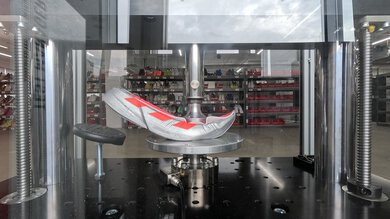
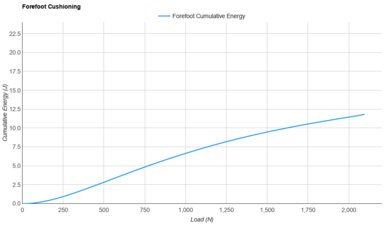
The forefoot cushioning is very good, delivering reliable comfort and protection. The midsole compresses effectively with each strike, helping maintain freshness and comfort, especially during faster-paced or longer runs. That said, runners who load the forefoot hard won't find it as plush: it feels very compliant at first, but past a certain force threshold, it becomes less protective.
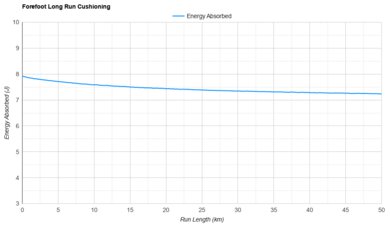
The cushioning in the adidas Adizero Adios Pro 4 starts out very soft, but loses some of its shock absorption with each passing mile. It's still reasonably protective by the end of the marathon distance, but not nearly as impressive as the Saucony Endorphin Elite 3 or PUMA Deviate NITRO Elite 4.
Bounciness
The adidas Adizero Adios Pro 4 has good bounce thanks to the very lively foam. It doesn't compress that deeply, so it doesn't feel trampoline-like; instead, it has a very efficient rebound.
Updated Lightstrike Pro offers amazing bounce.


Snappiness
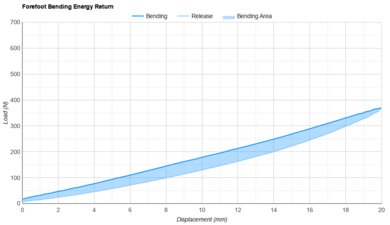
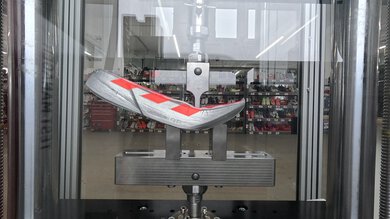
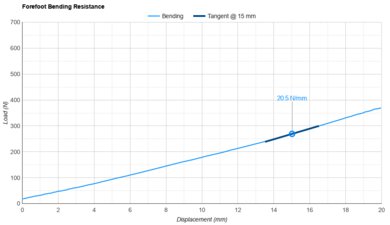
The adidas Adizero Adios Pro 4 is a very snappy shoe. The forefoot is stiff enough to give you leverage as you push off, and it springs back powerfully after you bend it, creating a springy, snappy sensation.
Roll
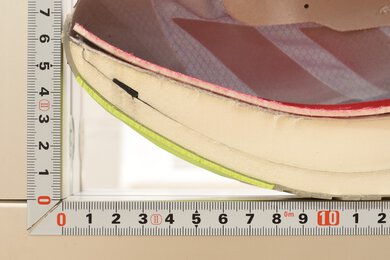
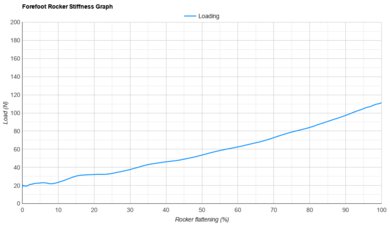
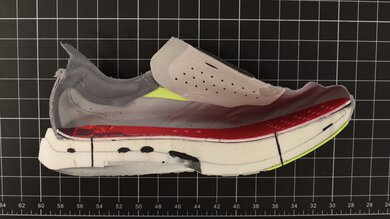
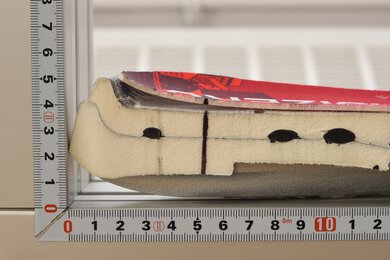
The adidas Adizero Adios Pro 4 has an impressive rockered geometry that helps roll through each stride. Both the heel and the forefoot have a good rocker, which holds its shape well as you apply force.
True To Size
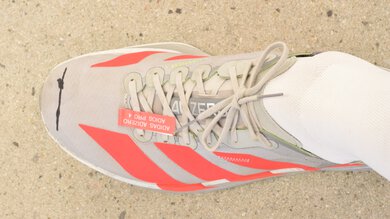
The adidas Adizero Adios Pro 4 is a racing shoe, so the fit is snug, especially in the arch. While this helps lock down the foot, runners with wide arches will find this constricting. Otherwise, the length is true to size, so runners should buy their usual size.
Length is true to size.
Arch is very narrow.
Wet & Warm Weather
The adidas Adizero Adios Pro 4 is a great option for wet and warm weather overall, although it handles rain better than heat. It absorbs very little water and dries exceptionally quickly afterward. However, its mediocre breathability can leave your feet feeling warm during hard efforts in hot conditions.


Breathability is mediocre. The upper allows some airflow but isn't particularly effective at releasing heat, which can become noticeable during hard efforts in hot conditions.


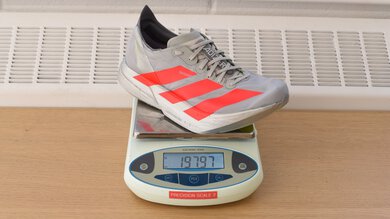
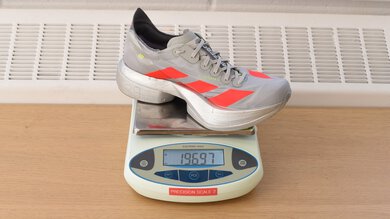
The adidas Adizero Adios Pro 4 is notably lighter than its predecessor, the adidas Adizero Adios Pro 3, offering improved efficiency for racing. However, it remains noticeably heavier than the extremely lightweight adidas Adizero Adios Pro Evo 2.
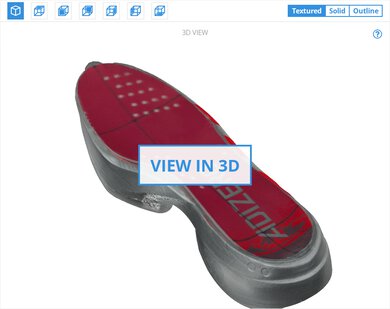
The internal shape of this shoe is similar to the previous model in terms of length and platform width, but the redesigned upper creates a significantly more tapered fit. In our testing, we confirmed the widespread feedback among users and other reviewers that this narrow fit can lead to discomfort, including pressure points or numbness around the forefoot area, especially near the big toe. We suggest considering this when picking your size.


Popular Running Shoe Comparisons
The adidas Adizero Adios Pro 4 is a top-tier racing shoe that offers a compelling combination of bounce, cushioning, and snappiness. While the Adios Pro 4 offers a good balance of these elements, the Nike Alphafly 3 has a stiffer, snappier ride that's also more stable. Runners who want a bouncier, more cushioned super shoe might prefer the Saucony Endorphin Elite 3, although it is slightly heavier.
For runners seeking a super trainer for workouts during their training block, the adidas Adizero Boston 12 is a good choice, offering more stability and durability.
For more options, check out our recommendations for the best marathon running shoes to find the perfect pair.
The Nike Alphafly 3 is a better marathon racer than the adidas Adizero Adios Pro 4 if you want control. It has a firmer front and better stability, giving you a steadier ride and a stronger push-off. The adidas is more energetic and more cushioned overall, making it the better pick for a livelier, more protective ride.
The adidas Adizero Adios Pro 4 is a better shoe than the adidas Adizero Evo SL for racing. It's lighter, with higher energy return, and its carbon rods make it more efficient at race pace. The Evo SL is more versatile, handling daily training and workouts, and it can still race if you're not ready for a carbon super shoe.
The adidas Adizero Adios Pro 4 and adidas Adizero Boston 13 are both performance-leaning models that use carbon rods, but they're built for different roles within a rotation. The Adios Pro 4 is a true super shoe made for racing, especially the marathon, with a highly cushioned, bouncy midsole that feels protective over long distances while remaining very light on foot. The Boston 13 is more of a super trainer, designed to handle interval sessions and high-mileage workouts with greater durability than a pure race-day shoe. It feels firmer and very snappy, with a more distinct response that tends to reward powerful runners, particularly forefoot strikers who can really load and activate the platform.
The ASICS METASPEED SKY TOKYO and the adidas Adizero Adios Pro 4 are both top-tier marathon racers, but they differ in design philosophy and feel underfoot. The SKY TOKYO is dramatically lighter and uses a flatter full-length carbon plate placed close to the foot for a direct, propulsive toe-off, while the Adios Pro 4 relies on its carbon-infused EnergyRods and more pronounced rocker geometry to deliver a rolling, snappy transition. Both are highly efficient, but the SKY offers slightly better energy return and a more consistent cushioning performance over the course of a marathon, maintaining its effectiveness even late into the race. The Adios Pro 4, with its higher drop and slightly firmer midsole feel, provides a bit more structure and guidance but feels less agile in comparison.
The PUMA Deviate NITRO Elite 4 is a better marathon racer than the adidas Adizero Adios Pro 4 for most runners. It's lighter and more predictable underfoot while still being very efficient. The adidas is bouncier up front, especially if you land on the front of your foot, but its aggressive shape and large cutout in the sole make it feel less conventional.
The adidas Adizero Adios Pro 4 is a better choice than the Nike Vaporfly 4 for long-distance racing. Its very bouncy, plush ride stays efficient and protective as fatigue builds. The Nike is lighter and lower to the ground, with a quicker, more responsive feel, making it better for 5K and 10K races, though it can stretch to the half-marathon.
The adidas Adizero Adios Pro 4 and New Balance FuelCell SuperComp Elite v5 are two racing shoes that are in the same literal weight class (both tipping the scales at around 200g), but the Adios Pro 4 outclasses the Elite v5 in almost all performance metrics, from cushioning to energy return to stability. That said, the New Balance shoe has a slightly more accommodating fit and is also available in a wide version, making it accessible to a wider range of runners.
The adidas Adizero Adios Pro 4 and the PUMA Deviate NITRO Elite 3 are both lightweight carbon-plated super shoes, but they offer different strengths. The adidas delivers unmatched energy return and cushioning, making it a top-tier option for longer distances like the marathon. The Deviate NITRO Elite 3, on the other hand, feels even softer, which might feel a bit too plush for shorter events, but it's got a more accommodating fit, making it suitable for more foot shapes.
The adidas Adizero Adios Pro 4 and adidas Adizero Adios Pro 3 are both long-distance super shoes, but the Pro 4 brings some key updates. It's lighter, more responsive, and more cushioned thanks to a fully redesigned midsole. The upper was also reworked, resulting in a noticeably tighter fit in the forefoot. While neither shoe is the most stable, the Pro 3 was slightly more stable overall. The third version also has a firmer forefoot, which gives it an edge for shorter distances or runners who prefer a snappier toe-off.
The adidas Adizero Adios Pro Evo 2 and adidas Adizero Adios Pro 4 are both elite-level marathon racing shoes from the Three Stripes, but they take different approaches to achieving top performance. The Adios Pro 4 is the brand's flagship super shoe for the masses, with a ride that's both protective and energetic. It's built to go fast by combining generous cushioning, strong energy return, and a geometry that accommodates various strike patterns, especially at marathon paces. The Evo 2, on the other hand, strips everything down in the name of efficiency. It's far lighter, and it has a lower drop. The result is a shoe that feels snappier and very agile, and better suited to efficient forefoot strikers chasing marginal gains, even if it doesn't offer the same midsole energy return or long-term durability.
The adidas Adizero Prime X3 Strung and the adidas Adizero Adios Pro 4 may share a family name and a big chunk of Lightstrike Pro foam, but they're built for very different purposes. The Prime X3 is a super trainer: heavier, much higher stacked, and far more cushioned, with a dual propulsion system that delivers huge rebound but feels too bulky to race efficiently. The Adios Pro 4 is the true super shoe in the lineup: lighter, more streamlined, and more energetic. The Prime X3 offers more protection and long-run comfort, making it ideal for marathon training blocks, while the Adios Pro 4 provides better efficiency, quicker turnover, and a more race-ready feel for half marathons and full marathons.
The adidas Adizero Adios Pro 4 and the Saucony Endorphin Elite 2 are both high-end super shoes that strike an impressive balance between cushioning and energy return, and they weigh about the same. The adidas offers a slightly more cushioned underfoot feel that's great for protecting legs over long distances. The Saucony, while still well-cushioned, offers a firmer, more stable ride. Both are optimized for marathon efforts, but if you had to race a 5K in one of them, the firmer platform of the Saucony would better support quick turnover and a snappy toe-off.
The adidas Adizero Adios Pro 4 and the HOKA Cielo X1 2.0 are both elite racing shoes with medial cutouts designed to reduce weight, but they differ in key aspects. The adidas shoe is lighter and more energetic, with pronounced rebound from its Lightstrike Pro midsole, making it feel more responsive at toe-off. It has a clear rocker effect, but it kicks in later compared to the HOKA, which uses an aggressive early-stage rocker and heel bevel that promotes smooth transitions, especially for midfoot and forefoot strikers. The HOKA feels noticeably softer and more protective underfoot, and it's got a carbon plate instead of the carbon rods adidas uses.
The adidas Adizero Adios Pro 5 and adidas Adizero Adios Pro 4 are both capable long-distance racing shoes, but the newer model isn't an upgrade in every respect. Choose the Pro 5 for its lighter, more nimble build and softer forefoot cushioning that stays more protective over long efforts. The Pro 4 remains worth considering if you prefer stronger energy return and a firmer, snappier forefoot, especially if you find it discounted. Neither offers much stability, but the fifth version will be easier to trust for most runners because it gets rid of the medial cutout that made the Pro 4 feel notoriously wobbly.
The adidas Adizero Adios Pro 4 is far better than the HOKA Clifton 10 for racing and fast running. It's lighter and more energetic, and its carbon rods help you hold faster paces with less effort. The HOKA is a stable, comfortable daily trainer, making it the better pick for easy miles and recovery runs.
The adidas Adizero Adios Pro 4 and ASICS MEGABLAST can both handle fast running, but they're designed for very different levels of efficiency. The ASICS is a do-it-all trainer that blends bounce and cushioning with a surprisingly light feel for its category, making it versatile enough for daily miles, long runs, and even racing if you want a single shoe rotation. That said, the adidas is still the more purpose-built racing tool, with a lighter build and a carbon plate that feels more responsive and more efficient when you're pushing hard. It also delivers a more energetic, bouncier ride that helps improve running economy, letting you maintain pace with less effort.
The adidas Adizero Adios Pro 4 and New Balance SuperComp Elite v6 are two super shoes that have very different selling points. The adidas is the better cushioned shoe, and has a steeper rocker that quickly pitches you forward onto your toes. The New Balance shoe is not nearly as soft, but it has a snappy forefoot that comes alive at faster paces. The standard version of the SC Elite v6 already has a more accommodating fit than the Adios Pro 4, but the New Balance is also available in a Wide version, making it the obvious choice for wide-footed runners. The adidas remains the better choice for runners who want a more cushioned, rocker-driven ride.
The HOKA Rocket X 3 and adidas Adizero Adios Pro 4 are both cushioned carbon-plated super shoes built for long-distance racing, but they approach performance with different philosophies. The HOKA shoe prioritizes consistency and a structured ride, offering a firm yet forgiving midsole with a smooth rocker and solid containment through the midfoot, making it well-suited for runners who value predictability and guided transitions. The adidas shoe, on the other hand, is a lighter, more efficient option overall thanks to its energetic Lightstrike Pro foam and aggressive toe-off feel. Its unique geometry, including a large midfoot cutout and carbon rods, delivers impressive propulsion but adds some unpredictability underfoot compared to the more continuous platform of the HOKA shoe.
The ASICS METASPEED RAY and adidas Adizero Adios Pro 4 are both top-tier marathon racing shoes, but they differ significantly in feel and performance. The ASICS is much lighter and delivers a more efficient ride thanks to its highly energetic foam and partial forefoot plate, which creates a consistent bounce from start to finish. The adidas shoe uses full-length carbon-infused rods to add stiffness. While the adidas still offers strong cushioning, the ASICS is noticeably softer and retains its protection capabilities more consistently over long distances
. However, the adidas offers greater lateral stability, making it a compelling marathon option.
The adidas Adizero Adios Pro 4 and New Balance FuelCell SuperComp Elite v4 are both high-performance super shoes, but they cater to slightly different needs. The adidas shoe is the better pure racing option: it's lighter, more energetic, and more efficient overall, making it ideal for runners chasing peak performance. The New Balance shoe, while still race-ready, offers more stability and a wider, more accommodating fit, making it a strong choice for runners who want solid race-day performance without compromising on comfort or support.
The adidas Adizero Prime X 2.0 STRUNG and the adidas Adizero Adios Pro 4 are often confused because they're both premium, carbon-plated options from the German brand, sharing the same Lightstrike Pro foam at their core. But despite these similarities, they serve very different purposes. The Adios Pro 4 is a true race-day shoe, fine-tuned for marathon performance with a lightweight build and aggressive geometry. In contrast, the Prime X 2 is a super trainer: heavier and designed more for long, steady runs within your marathon build rather than for race-day performance itself.
The adidas Adizero Adios Pro 4 and the adidas Adizero Adios Pro Evo 1 are both marathon-focused super shoes, but they're built for very different types of runners. The Adios Pro 4 offers a more energetic and durable ride, making it suitable for a wide range of runners aiming for fast times over long distances. It's also more forgiving and better suited for repeated use. The Evo 1, by contrast, is a one-use-only, ultralight shoe stripped down to the essentials for elite athletes chasing marginal gains. It sacrifices practicality for pure efficiency, saving weight where it counts. If you're looking for the most advanced, race-day-only tool and can handle the trade-offs, the Evo 1 delivers, but for nearly everyone else, the Adios Pro 4 is the smarter, more practical choice.
The adidas Adizero Adios Pro 4 and Mizuno Wave Rebellion Pro 3 are both highly cushioned, forgiving carbon-plated marathon shoes, but they take different routes to performance. The adidas offers a more efficient racing performance for most runners thanks to its lower weight and more energetic Lightstrike Pro midsole, delivering a responsive and fast feel. The Mizuno, however, uses a unique, aggressive geometry with a prominent stack height in the midfoot area that creates a strong rolling sensation, especially effective for midfoot strikers, making it a great option if that rocker complements your stride.
The adidas Adizero Adios Pro 4 and Diadora Gara Carbon 2 are both carbon-plated racers that deliver different experiences in the same race-day category. The adidas is lighter and features a more responsive midsole, offering an explosive toe-off that makes it a go-to for runners chasing aggressive splits and pure speed. However, that performance focus comes at the expense of stability, with the adidas feeling a bit more precarious underfoot, especially during longer efforts or when form starts to break down. The Diadora, in contrast, is soft and cushioned, but not overly so like the adidas. It finds a middle ground that many runners will appreciate.
Differences Between Sizes And Variants
We tested the adidas Adizero Adios Pro 4 in men's US size 9, as indicated on the label. The shoe pictured here is in the Silver Metallic/Lucid Red/Grey colorway. This model is available in several colors, including Lucid Blue/Dash Grey/Onix, Lucid Red/Core Black/Lucid Red, Lucid Lemon/Core Black/Halo Silver, and Warm Vanilla/Cloud White/Onix. Special Y-3 editions are also available in unique colorways like Alumina/Cinder/Cinder. Wide versions aren't available for this model. The design section applies only to the exact model we tested, but we expect other sizes to perform similarly.