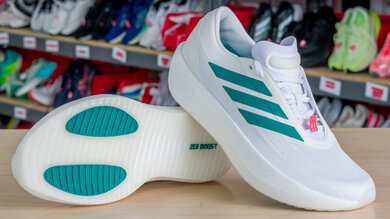
The adidas Zenboost is an affordable, lightweight daily trainer for runners who want a low-stack shoe for regular mileage. Its energetic midsole and very stable platform make it secure underfoot, while the tame geometry keeps it comfortable at easy paces. It can also handle short-distance racing, intervals, and pickups well. However, its cushioning isn't up to the task for longer efforts, and your legs will feel very beat up if you take it beyond 10K.
| ✅ Buy If: | ❌ Skip If: |
|
|
Our Verdict
The adidas Zenboost isn't a good pick for marathon racing. Despite its lightweight, stable platform and lively ride, its low stack provides poor protection over the distance. It also returns little of the energy stored as the forefoot bends, making the ride less efficient as the miles build.
Stable platform is easy to trust when fatigued.
Cushioning does poor job of absorbing impact over long distances.
Inefficient ride makes you tire much quicker.
The adidas Zenboost is a good choice for short-distance racing. Its very low weight and remarkably firm forefoot help with quick turnover, while the midsole provides ample rebound underfoot. However, the forefoot bends too easily and returns little of the energy stored as it unbends, so it lacks the aggressive snap and propulsion of true road racers.
Light build disappears underfoot.
Very good rebound keeps you turning over at speed.
Lacks the snap of truly speedy racers.
The adidas Zenboost isn't a good long-run shoe. Though its platform is very trustworthy, as fatigue builds, and its low weight and very good energy return make it easy to turn over, its unremarkable cushioning provides poor protection over distances beyond 10K. Its low stack also means it's not comfortable over longer efforts, while the modest rocker geometry provides little assistance through the stride.
Stable platform is easy to trust when fatigued.
Cushioning does poor job of absorbing impact over long distances.
Tame geometry makes it unsuited to cruising.
The adidas Zenboost is a good daily trainer. It's a very stable shoe, providing a secure platform for regular mileage, while its low weight makes it easy to move when you pick up the pace. However, its cushioning isn't great, so it's better suited to shorter runs than longer efforts.
Very stable platform is easy to trust.
Very good rebound keeps legs moving over daily training distances.
Very firm heel means rearfoot landings are reliable.
Midsole will leave legs sore on longer efforts.
Changelog
- Updated Aug 12, 2026: Review published.
- Updated Aug 10, 2026: Early access published.
- Updated Aug 03, 2026: Our testers have started testing this product.
- Updated Jun 29, 2026: The product has arrived in our lab, and our testers will start evaluating it soon.
- Updated Jun 22, 2026: We've purchased the product and are waiting for it to arrive in our lab.

We've bought and tested more than 250 running shoes. Every pair purchased with our own money, never supplied or sponsored by brands. Our data-driven tests are designed to go beyond marketing claims, and since every shoe goes through the exact same methodology, you can directly compare results to find the right pair for your needs.
Test Results
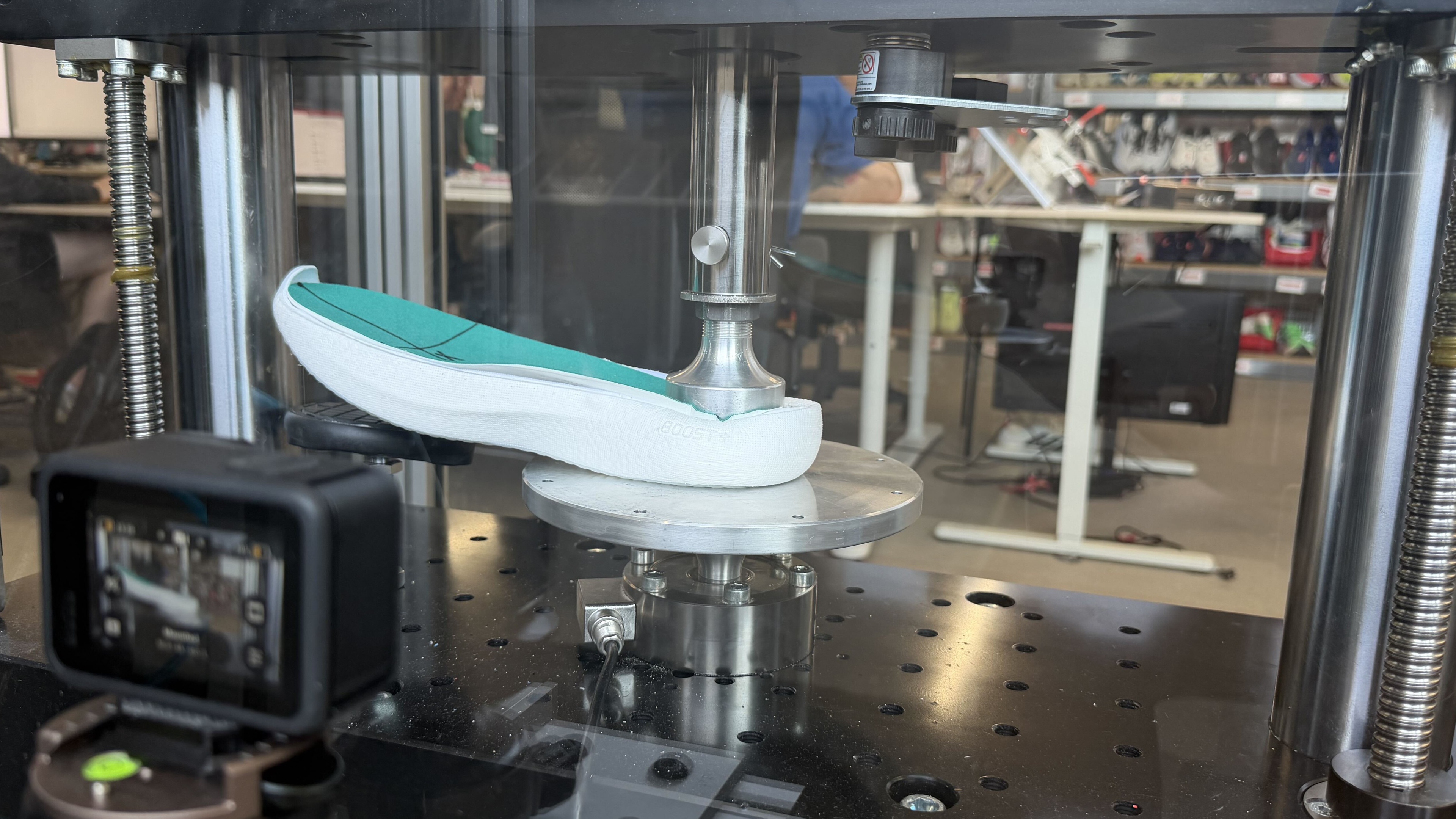
Energy Return
The adidas Zenboost delivers very good energy return. The forefoot has a good amount of rebound, and the heel is even better, kicking you into stride impressively.
Good forward rebound makes turnover fluid.
Heel rebound kicks you forward impressively.
Shoe might be too lively for those wanting a more traditional ride.
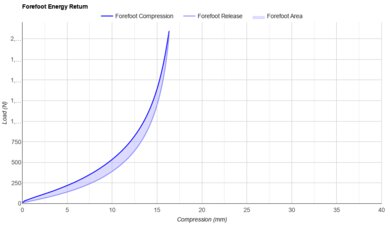
Though the forefoot doesn't return as much energy as the heel, it's still good overall, and is particularly impressive for a shoe in its price range. It returns a significant amount more energy than shoes like the HOKA Mach 7.
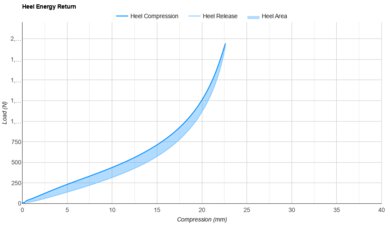
We were very impressed with the energy returned in the heel of this shoe. It outperforms both the adidas Adizero Evo SL and adidas Hyperboost Edge, providing ample rebound on landing.
Stability
The adidas Zenboost is a very stable shoe. Its firm forefoot and heel deliver a very trustworthy platform for landing and toe-off. Though the heel is on the narrow side and the outsole arch could be wider, the heel width-to-stack ratio is great overall and keeps the shoe controlled through stride.
Firm forefoot makes toe-off trustworthy.
Firm heel makes landings very controlled.
Narrow heel could cause wobble for overpronators.
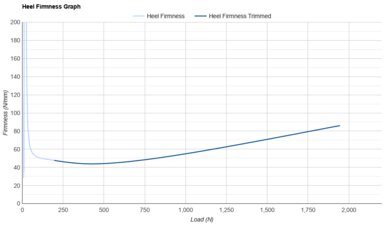
The heel of this shoe is impressively firm overall, providing a very secure platform for rearfoot landings.
Cushioning
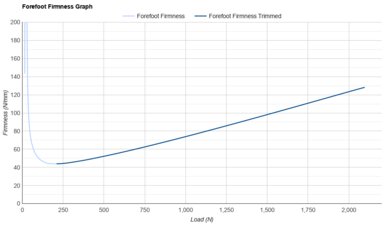
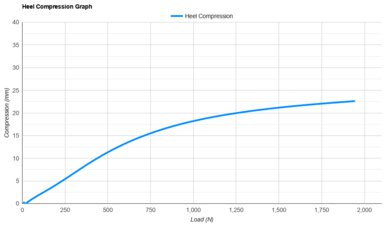
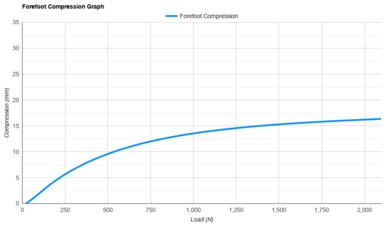
The adidas Zenboost has unremarkable cushioning overall. The heel absorbs impact well at lighter forces, making it comfortable for lighter runners and easier paces, but that performance drops noticeably as force increases. The forefoot starts off a bit less forgiving and deteriorates even faster under heavier loads, so forefoot strikers will find it harsh from landing to toe-off. It also does a poor job of absorbing shock over longer runs.
Heel offers good protection at lighter forces.
Forefoot is decently protective at lighter forces.
Midsole gets much harsher as more force is applied.
Long-run protection is poor.

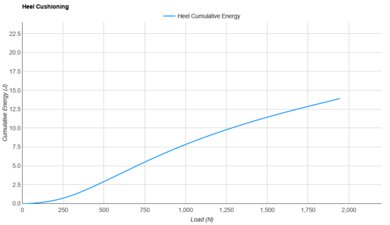
The adidas Zenboost has okay cushioning in the heel overall, but favours slower, lighter runners. It loses protection significantly as more force is applied, and is nowhere near the level of the adidas Hyperboost Edge.
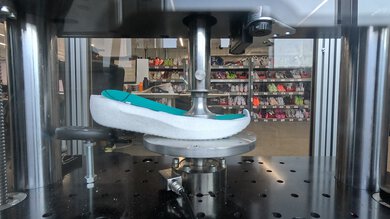
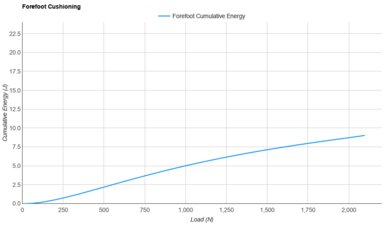
The forefoot of this shoe does a sub-par job of protecting your legs from impact. Though it's decent at lighter forces, the drop-off is fast, providing poor shock absorption and a harsh ride the more you load it.
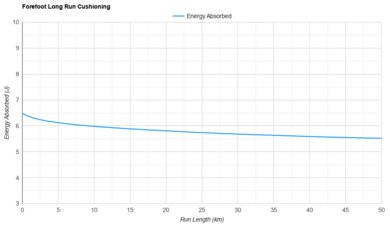
Interestingly, adidas claims this shoe is good for up to the marathon distance, but our testing found the opposite. Its midsole offers poor protection for anything beyond 10 km, meaning, should you take them at their word, your legs will be very sore afterward.
Bounciness
The adidas Zenboost isn't impressively bouncy, but it's still not bad overall. It returns a very good amount of energy, making the ride lively. However, the midsole is very rigid, so it compresses poorly, meaning the sensation is less soft and springy and more firm and direct.
Very good energy return provides some bounce.
Poor compression means ride lacks softness to truly spring.
Snappiness
The adidas Zenboost has an unimpressive amount of snap. Though the firm forefoot makes toe-off direct, it bends too easily and returns an inadequate amount of energy stored when it unbends to deliver a truly snappy ride. The rocker angle is also much too shallow for a fast and propulsive turnover.
Firm forefoot makes toe-off direct.
Forefoot loses a lot of energy as it unbends, making the ride less efficient.
Shallow rocker angle doesn't promote fast turnover.
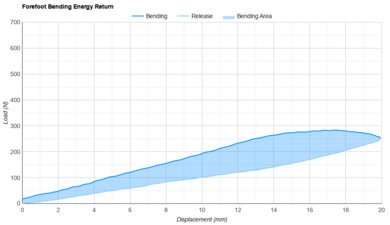
The forefoot returns a poor amount of energy when it unbends, and it's nowhere near as springy as shoes like the adidas Adizero Evo SL or adidas Hyperboost Edge.
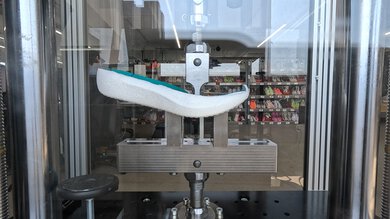
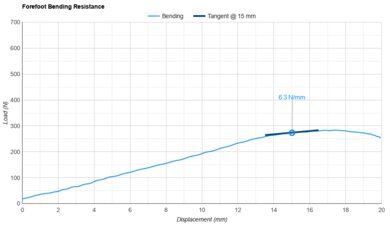
The adidas Zenboost is too soft in the forefoot to provide much of a lever when pushing off.
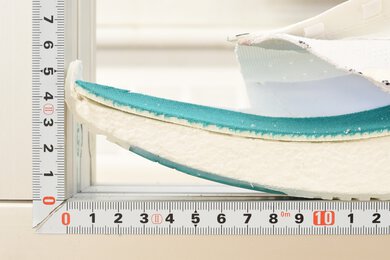
The forefoot rocker of this shoe is a mixed bag. It starts very early, delivering some smoothness through stance, but the low spring and shallow angle mean it transfers load to the toes more slowly than the apex suggests, so it provides unremarkable assistance through toe-off.
Roll
The adidas Zenboost has mediocre roll. Its heel and forefoot geometry provide some assistance through the stride, but the relatively compliant rocker limits how smoothly it carries you from landing to toe-off.
Geometry provides some assistance through stride.
Relatively compliant rocker limits smoothness overall.
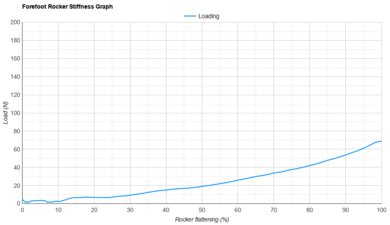
The rocker of this shoe flattens quite easily, so though its lightweight and very good rebound mean it can go fast, it's not very efficient when doing so.
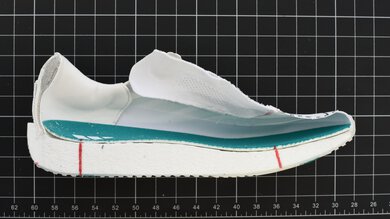
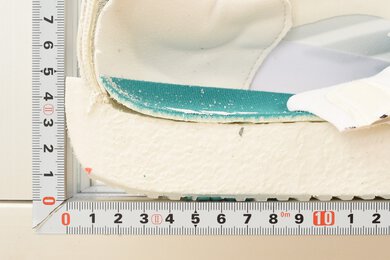
Though the angle of the adidas Zenboost's heel rocker is steep enough, the low spring and relatively flat apex mean transitions to midstance lack the assistance of shoes like the HOKA Mach 7.
True To Size
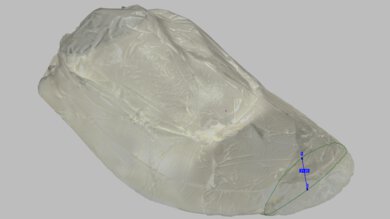
The adidas Zenboost fits true to size overall. The length is bang-on, and the forefoot and arch width closely match our reference fit. Though the toe-box height is a bit low, we still recommend all runners go with their usual size.
Length is bang-on.
Forefoot and arch width are generous.
Toe-box height could cause some chafing if you have taller toes.
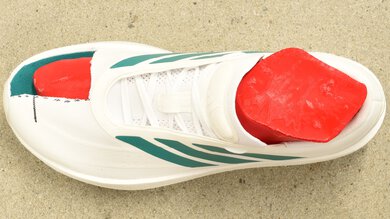
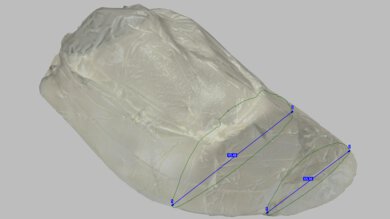
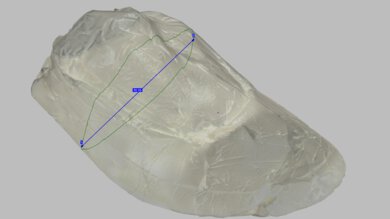
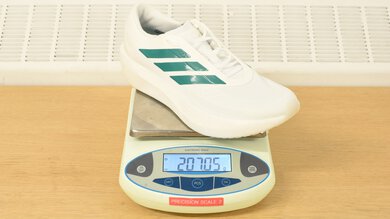
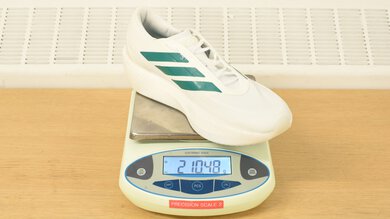
The adidas Zenboost is a very lightweight shoe. For context, it's much lighter than the adidas Adizero Evo SL, and even lighter than dedicated marathon racers like the Saucony Endorphin Elite 3.
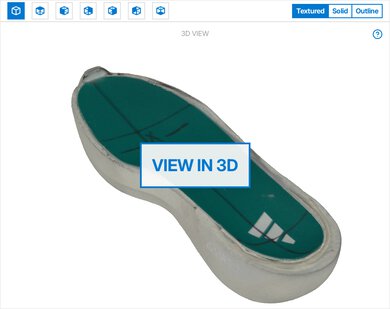

Though the adidas Zenboost is part of the "Boost" family alongside the adidas Hyperboost Edge, they use different foams. The Zenboost uses a more basic BOOST + compound, which is significantly less protective underfoot but still delivers very good energy return.
Popular Running Shoe Comparisons
The adidas Zenboost is a lightweight, low-stack daily trainer for runners who want a simple shoe for regular miles without spending much. Though adidas positions it for distances up to the marathon, like the adidas Hyperboost Edge, it lacks the cushioning and long-run protection to perform even close to that shoe. However, the Zenboost is much more stable and returns only slightly less energy than the Hyperboost, though the ride is much harsher underfoot. It's also not as versatile as the adidas Adizero Evo SL, which is the better choice if you want a true do-it-all daily shoe. That said, if you mainly want an affordable trainer for shorter sessions, the Zenboost is the shoe for you.
For more options from the brand, check out our picks for the best adidas running shoes. If price matters most, check out our recommendations for the best budget running shoes.
The adidas Adizero Evo SL is a more versatile running shoe than the adidas Zenboost. It's much more cushioned and energetic, making it better for longer runs and marathon training, while still handling faster work well. The Zenboost is lighter and more stable, though, and also retails for far less, so if you're on a budget and want a shoe to only run shorter distances, the Zenboost is a certified bargain.
The adidas Hyperboost Edge is a better daily trainer than the adidas Zenboost. Its much deeper cushioning keeps legs protected over everything from easy runs to marathon efforts, and it rolls much more smoothly, making it easier to maintain your stride as the miles build. However, it's also significantly heavier, less stable, and much more expensive, so the Zenboost is the better pick if you're running short distances and want an affordable shoe that sits lower to the ground.
The adidas Zenboost and Questar 4 are both good budget daily trainers, but they suit different runners. Get the Zenboost if you mainly run shorter distances and prefer more ground feel, a livelier ride, and a nimbler feel underfoot. Get the Questar 4 if cushioning is the priority and you want a more protective shoe that's better suited to extending your runs.
Differences Between Sizes And Variants
We tested the adidas Zenboost in men's U.S. size 9, as indicated on the label of our unit. The colorway shown here is called "Cloud White / Equipment Green / Equipment Green", and, despite our testing, we never deduced whether the repetition was intentional. Multiple color options are also available across regions for men and women. This shoe is only available in standard sizing. The design section applies specifically to the version we tested, but we expect other sizes and gender variants to perform similarly.