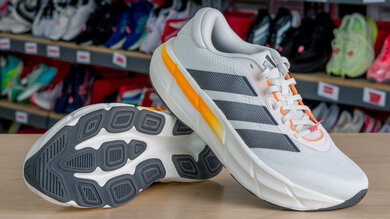
The adidas Questar 4 is a good entry-level daily trainer for runners who want a simple, budget-friendly shoe for everyday miles. It offers good cushioning and a stable ride that help it stand out in its category, though it feels heavy and lacks much energy underfoot. It's well-suited to easy runs and regular daily mileage, but its bulky, subdued ride makes it a poor fit for faster workouts.
| ✅ Buy If: | ❌ Skip If: |
|
|
Our Verdict
The adidas Questar 4 is a sub-par option for half and full marathon racing. Its tall platform provides just enough protection, and its very good stability keeps the ride controlled over long distances, but the shoe is heavy and returns very little energy. This makes it much better suited to simply covering the distance than running it quickly.
Very stable platform stays controlled as fatigue sets in.
Cushioning remains adequate as the run gets longer.
Heavy build makes longer and faster efforts more taxing.
Very low rebound, leaving the ride flat.
Poor bending energy return leaves little punch at toe-off.
Modest forefoot rocker limits quick turnover.
The adidas Questar 4 is a sub-par option for 5K and 10K racing. Its firm forefoot provides a solid platform to push against, but the shoe is heavy and gives very little energy back at toe-off. The modest rocker and poor rebound also make it difficult to maintain a quick, lively turnover that help sustain fast race paces.
Firm forefoot provides a solid toe-off.
Heavy build makes longer and faster efforts more taxing.
Very low rebound, leaving the ride flat.
Modest forefoot rocker limits quick turnover.
The adidas Questar 4 is decent for long runs, particularly when comfort and control matter more than pace. Its cushioning provides reasonable protection, while the very stable platform stays reassuring as the miles add up. However, its heavy build and lifeless rebound can make longer efforts feel increasingly laborious.
Very stable platform stays controlled as fatigue sets in.
Cushioning remains adequate as the run gets longer.
Heavy build makes longer and faster efforts more taxing.
The adidas Questar 4 is good for daily training, especially easy and steady mileage. Its very stable platform and decent cushioning make it comfortable and predictable for routine runs, while its natural, plate-free construction works well at relaxed paces. However, the substantial weight and very low energy return limit its versatility when you want to pick up the pace.
Very stable platform stays controlled as fatigue sets in.
Plate-free construction feels natural for daily mileage.
Heel rocker helps smooth transitions.
Firm heel keeps rearfoot landings very steady.
Wide base feels planted underfoot.
Heavy build makes longer and faster efforts more taxing.
Very low rebound, leaving the ride flat.
Changelog
-
Updated Sep 25, 2026:
We've updated this review to add a link to the newly reviewed Under Armour Charged+ Assert 11 to the Foam box.
-
Updated Sep 22, 2026:
We've updated this review to add a link to the newly reviewed Nike Quest 7 to the Forefoot Long Run Cushioning box.
-
Updated Sep 16, 2026:
We've updated this review to add a link to the newly reviewed Saucony Cohesion 19 to the Other Features box.
- Updated Aug 12, 2026: Review published.
- Updated Aug 07, 2026: Early access published.
- Updated Jul 24, 2026: Our testers have started testing this product.
- Updated Jun 29, 2026: The product has arrived in our lab, and our testers will start evaluating it soon.
- Updated Jun 22, 2026: We've purchased the product and are waiting for it to arrive in our lab.

We've bought and tested more than 250 running shoes. Every pair purchased with our own money, never supplied or sponsored by brands. Our data-driven tests are designed to go beyond marketing claims, and since every shoe goes through the exact same methodology, you can directly compare results to find the right pair for your needs.
Test Results
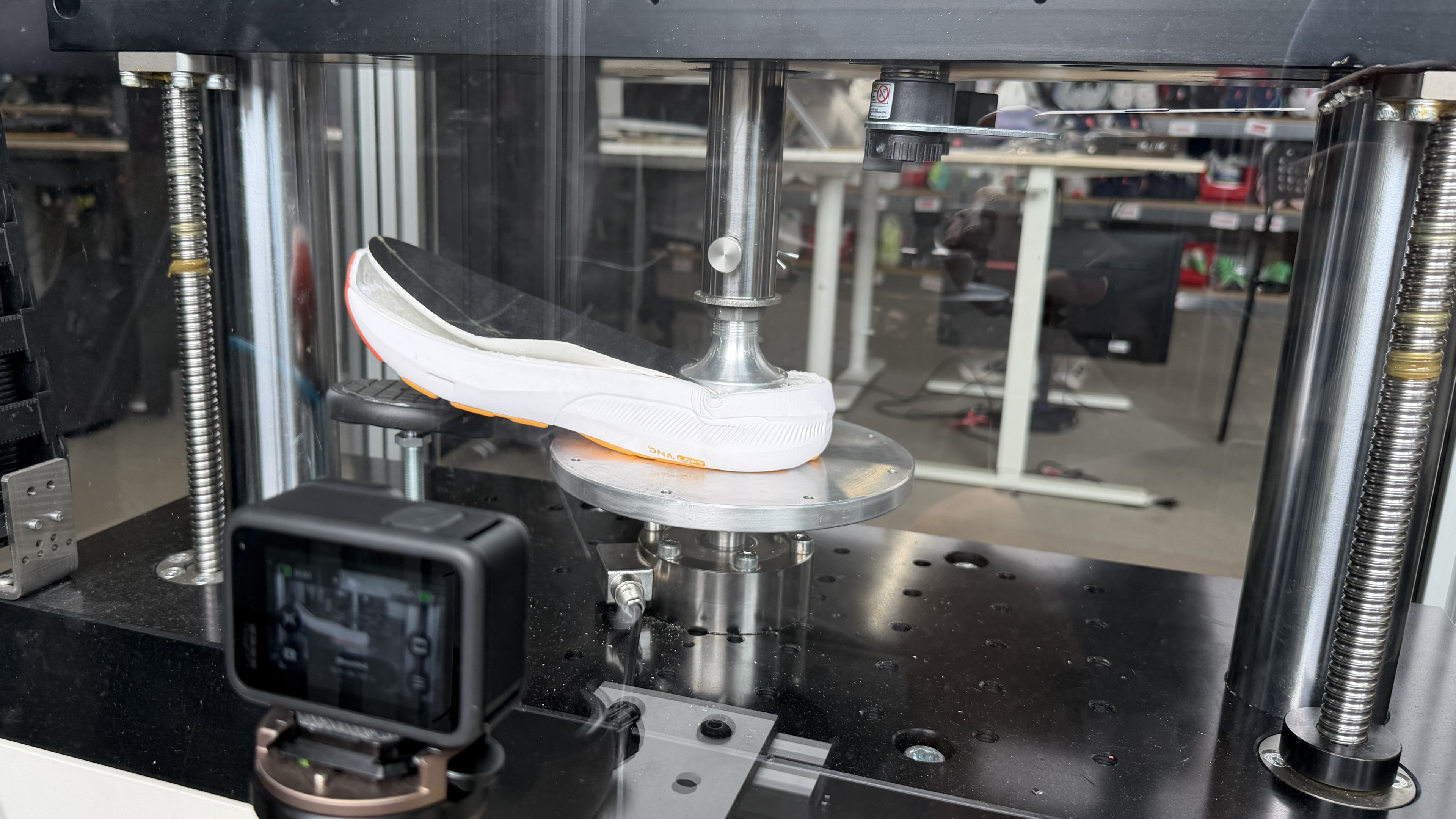
Energy Return
The adidas Questar 4 feels extremely lifeless underfoot. The midsole give back very little of the energy put into it, with the heel feeling especially dead. This makes the ride inefficient and noticeably less lively than most modern daily trainers.
Very low rebound, leaving the ride flat.
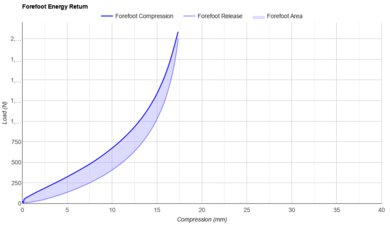
Forefoot energy return is also very poor. The midsole gives little energy back after loading, so toe-offs feel muted rather than lively.
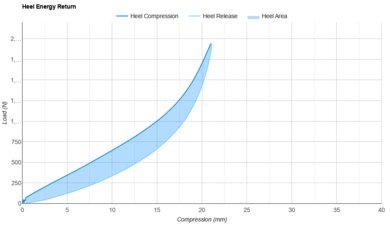
This model has poor heel energy return. Like several of adidas’ entry-level trainers, including the adidas Adizero Pacer and adidas Runfalcon 6 CLOUDFOAM, the midsole gives very little energy back after being compressed, making rearfoot landings feel particularly flat.
Stability
The adidas Questar 4 is very stable. Its firm heel and forefoot combine with a broad base to keep the tall platform well controlled from landing through toe-off. This planted feel is one of the shoe's biggest strengths for everyday mileage.
Very stable platform stays controlled as fatigue sets in.
Firm forefoot provides a solid toe-off.
Firm heel keeps rearfoot landings very steady.
Wide base feels planted underfoot.
Ungusseted tongue provides less midfoot lockdown.
Low forefoot height can feel restrictive vertically.
Ungusseted tongue provides less midfoot lockdown.
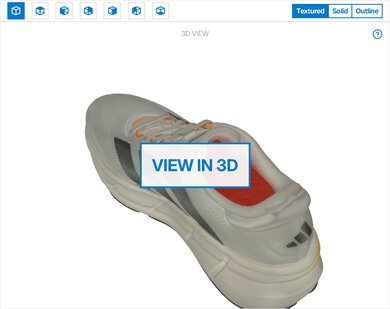
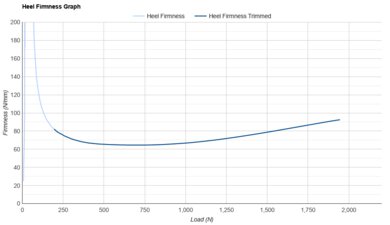
The heel is extremely firm. This creates a very stable landing platform, but it also makes rearfoot impacts feel hard and unforgiving.
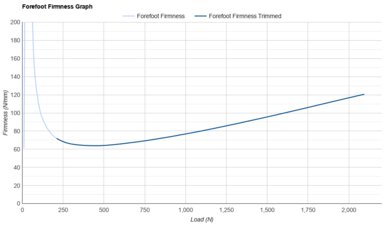
The forefoot is also very firm. It feels planted and stable at toe-off, but the rock-hard platform can also feel harsh underfoot, with a similarly rigid character to the adidas Supernova Rise 3.
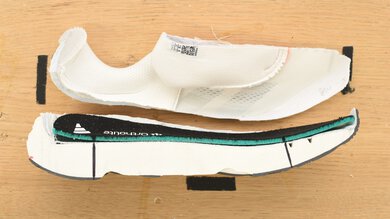
Cushioning
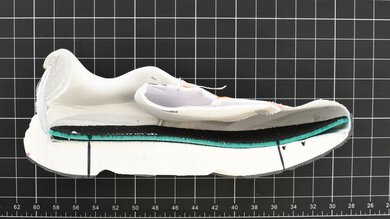
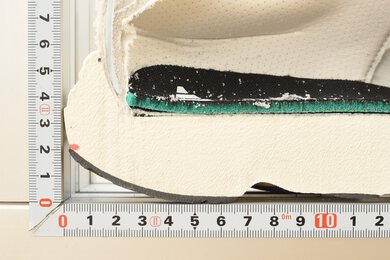
The adidas Questar 4 provides decent cushioning for daily mileage. The forefoot feels more protective than the heel, and while the ride isn't especially plush, there's enough impact protection to make it one of the rare basic daily trainers that's still an acceptable option for longer runs.
Cushioning remains adequate as the run gets longer.
Cushioning doesn't feel truly plush.
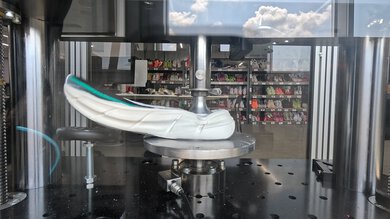
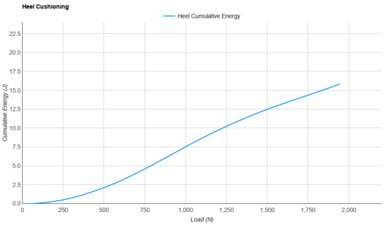
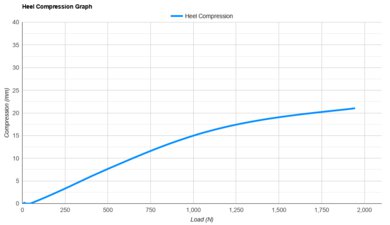
Heel cushioning is mediocre overall. Runners who load the midsole more heavily should find it relatively plusher and get more out of the available cushioning, while lighter runners may experience the heel as firmer and less protective.
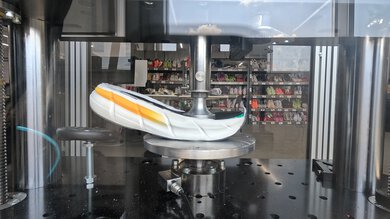
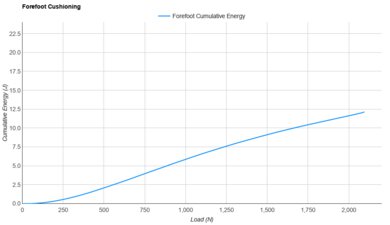
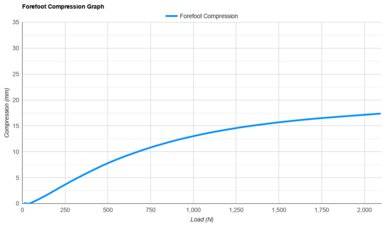
Forefoot cushioning is decent overall, though its behavior is almost the opposite of the heel's. Lighter runners or slower paces should find it reasonably protective, while greater forces expose the limits of the lower forefoot stack and make it feel noticeably harsher. That said, it's still much more protective than in other budget shoes like the Saucony Cohesion 19 overall.
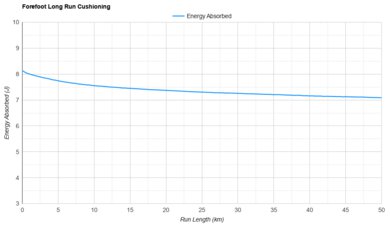
Forefoot protection is only adequate as runs get longer, but that still makes the adidas Questar 4 unusually capable for an entry-level trainer. Other basic models, such as the Nike Downshifter 14 or Nike Quest 7, can feel too underprotected for sustained mileage, whereas this shoe has enough cushioning to remain a viable option for longer runs.
Bounciness
The adidas Questar 4 has a poor amount of bounce. The midsole doesn't compress especially deeply, and what compression it does provide translates into very little rebound. As a result, the shoe feels muted rather than dynamic with each step.
Very low rebound, leaving the ride flat.
Snappiness
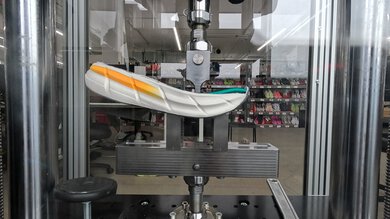
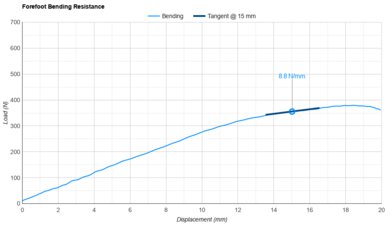
The adidas Questar 4 has mediocre snappiness. Its firm forefoot and moderate stiffness give you a reasonably solid platform to push against, but poor bending energy return and a fairly modest rocker prevent it from feeling particularly quick or propulsive.
Firm forefoot provides a solid toe-off.
Modest forefoot rocker limits quick turnover.
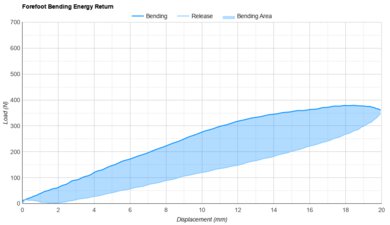
The forefoot gives little energy back as it unbends. It therefore lacks the springy rebound that can make a stiff forefoot feel truly propulsive.
Roll
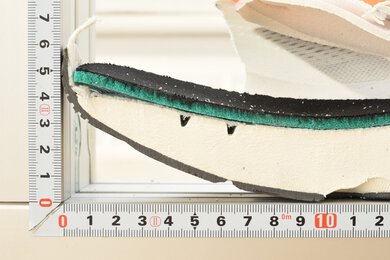
The adidas Questar 4 rolls decently through each stride. Its relatively pronounced heel and forefoot rocker help guide the foot forward smoothly enough, though the geometry isn't aggressive enough to create a particularly fast or effortless transition.
Heel rocker helps smooth transitions.
Forefoot geometry provides a decently smooth roll.
Modest forefoot rocker limits quick turnover.
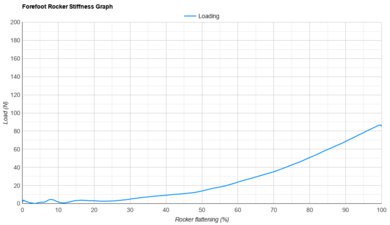
The rocker is quite stiff. That resistance helps the shoe maintain its shape through the stride and gives the otherwise conventional geometry a more guided rollover sensation.
True To Size
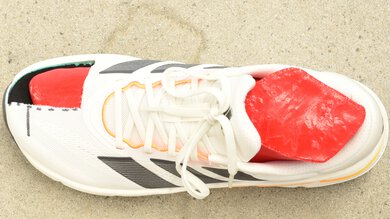
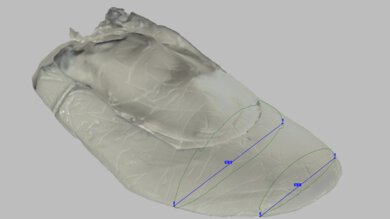
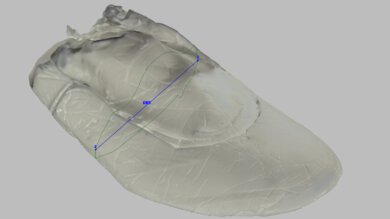
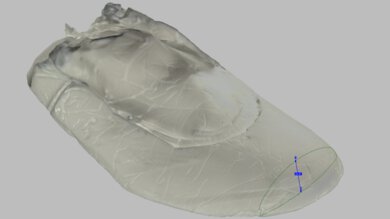
The adidas Questar 4 fits true to size overall. Its length and width are very well aligned with standard sizing, with enough space through the arch and forefoot. The main exception is the low forefoot height, which can feel somewhat restrictive for runners who need more vertical toe-box room. Still, most runners can confidently go for their usual size.
Length is spot-on.
Forefoot and arch widths closely match the reference fit.
Low forefoot height can feel restrictive if you have high toes.
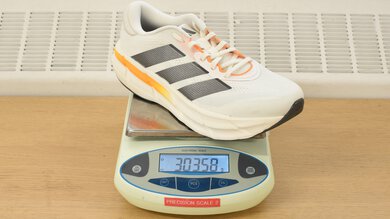
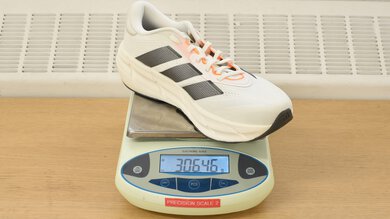
The adidas Questar 4 is heavy for a daily trainer. It also carries more weight than some of adidas’ other entry-level options, like the adidas Zenboost and adidas Adizero Pacer, which contributes to its more cumbersome feel when picking up the pace.
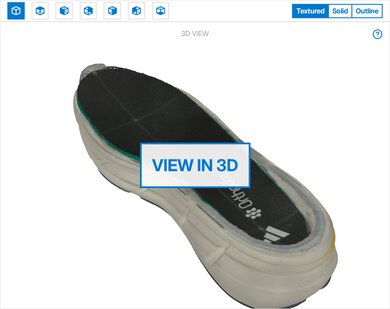

The adidas Questar 4 uses Cloudfoam+ throughout its midsole. This entry-level foam, composed of EVA, prioritizes a firm, stable platform feel over the soft or energetic feel found in adidas's more performance-oriented compounds. That said, it's still substantially more cushioned than the EVA found in other budget shoes like the Under Armour Charged+ Assert 11 and Nike Quest 7.
Popular Running Shoe Comparisons
The adidas Questar 4 is a standout among entry-level trainers if you don't want to spend much but still want a shoe designed primarily for running, rather than a lifestyle sneaker that can also handle the occasional run. It's better than most basic daily trainers because it combines decent cushioning with a very stable ride, helping your legs feel more protected and making it a good option if you're new to running. Within adidas' lineup, the Adizero Pacer is usually cheaper, but it's not as capable a daily trainer overall. The Zenboost is another good, inexpensive option if you prefer more ground feel and a nimbler ride, but it gives up some cushioning. If you can stretch your budget a little bit, consider the adidas Adizero Evo SL, a much more capable and versatile trainer overall.
For more options from the brand, check out our picks for the best adidas running shoes. If you're looking to save a few bucks, check out our recommendations for the best budget running shoes.
The adidas Adizero Pacer and adidas Questar 4 are two entry-level budget trainers from the German brand. The Questar 4 is the better daily trainer overall, thanks to its more cushioned, stable ride, making it the better choice for most runners. The Pacer isn't far behind, though, and its lower weight makes it worth considering if you can find it for substantially less.
The adidas Zenboost and Questar 4 are both good budget daily trainers, but they suit different runners. Get the Zenboost if you mainly run shorter distances and prefer more ground feel, a livelier ride, and a nimbler feel underfoot. Get the Questar 4 if cushioning is the priority and you want a more protective shoe that's better suited to extending your runs.
The Nike Run Defy and adidas Questar 4 are both affordable entry-level shoes, but the Questar 4 is the better choice for actual running. It usually costs a bit more and is heavier, but its taller, more protective platform and smoother roll make it better suited to daily mileage and longer efforts. The Run Defy is lighter and less cumbersome for walking, gym classes, and occasional short runs, but its thin, firm platform provides much less impact protection.
The New Balance Fresh Foam 520v9 and adidas Questar 4 are both budget shoes, but the adidas is the better daily training option overall. It provides much better impact protection and a smoother ride, so it's the better choice if you'll be running regularly. The New Balance is lighter and more stable, though, and it comes in wider sizes, making it the better pick for mixed use or wider feet.
The adidas Questar 4 is a better daily trainer than the Saucony Cohesion 19 for most runners. Though the adidas is much heavier, its impact reduction is significantly better and more balanced across foot strikes. It's also far more capable beyond 10 km and retails for a bit less. The Cohesion 19 is the better choice only if you're a heel striker who specifically wants the lighter shoe.
The adidas Questar 4 is a better running shoe than the Nike Quest 7. It's much heavier, but it provides far better cushioning and is much better suited to long runs or regular weekly mileage. The Quest 7 is more stable and much lighter, so if you're just looking for a shoe for gym work or occasional short runs, then it's the pick.
Differences Between Sizes And Variants
We bought and tested the adidas Questar 4 in men's U.S. size 9, in the Cloud White / Iron Metallic / Lucid Tangerine colorway. Here's the label for our pair. You can also buy the shoe in several other color options, depending on your region and whether you buy it in men's or women's sizing. The design section applies specifically to the version we tested, but we expect other sizes and gender variants to perform similarly.