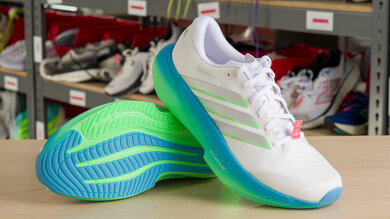
The adidas Supernova Rise 3 is a daily trainer that feels especially well-suited to beginner runners who want something simple and approachable, while still being fully capable as a proper running shoe. Built around a full-length Dreamstrike+ midsole and adidas' PEBA-based foam, this version shifts toward a more protective, more planted ride than the earlier adidas Supernova Rise models, making it a better match for easy miles and recovery runs. Its moderate stack height and Lighttraxion outsole help keep the ride smooth and confidence-inspiring. However, this version gives up some of the flexibility and liveliness that helped its predecessors stand out within the basic, value-oriented trainer category.
Our Verdict
The adidas Supernova Rise 3 isn't made for marathon racing. Its stable platform helps keep your feet planted, but the lack of rebound, heavier build, unplated design, and especially limited forefoot protection make it a poor option for racing long distances efficiently.
Mediocre energy return overall.
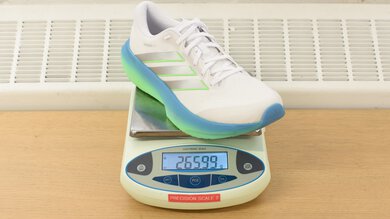
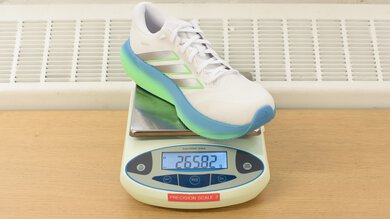
Not the lightest option.
The adidas Supernova Rise 3 isn't really built for shorter races, though it's still usable for newer runners or casual racers. Its firmer, more stable forefoot can feel reassuring on toe-off, but it still lacks the light, punchy, propulsive feel that makes dedicated race shoes stand out.
Mediocre energy return overall.
Not the lightest option.
Changelog
- Updated Aug 26, 2026: We've converted this review to Test Bench 0.12, which fixes how we measure firmness, a component of the Stability and 5K/10K Racing usages. There may be inconsistencies between the text and the scores for these usages, but the scores should still be considered valid. We've also brought back the Energy Return score and added two new usages: Daily Training and Long Run. To read more about the changes, see the changelog.
- Updated Jun 22, 2026: We've converted this review to Test Bench 0.11, adding two new rocker measurements to the Design section, and three new responsiveness tests to the Performance section. The Energy Return usage score has been replaced with Responsiveness. Check out the details in our changelog.
- Updated Apr 24, 2026: Review published.
- Updated Apr 16, 2026: Early access published.
- Updated Mar 24, 2026: Our testers have started testing this product.
- Updated Feb 19, 2026: The product has arrived in our lab, and our testers will start evaluating it soon.
- Updated Feb 17, 2026: We've purchased the product and are waiting for it to arrive in our lab.
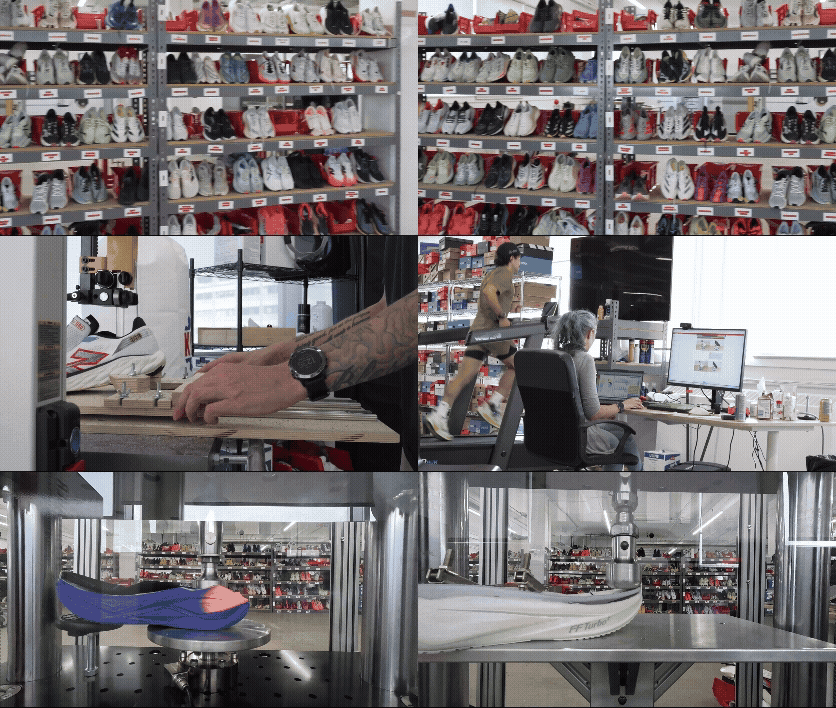
We've bought and tested more than 300 running shoes. Every pair purchased with our own money, never supplied or sponsored by brands. Our data-driven tests are designed to go beyond marketing claims, and since every shoe goes through the exact same methodology, you can directly compare results to find the right pair for your needs.
Test Results
Energy Return


Stability
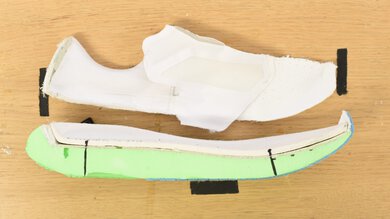
The adidas Supernova Rise 3 feels impressively stable. Its broad platform, firm forefoot, and planted base keep you feeling grounded and balanced, which makes it especially suited for beginners, easy runs, and tired legs once form starts to fade. The heel is a bit softer than the front, but overall it feels very secure.
Stable, planted platform.


Cushioning
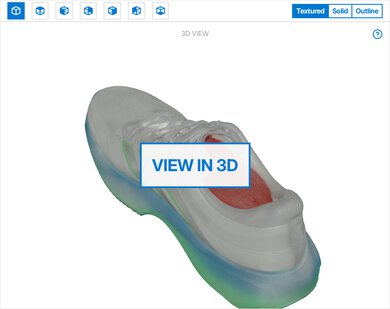
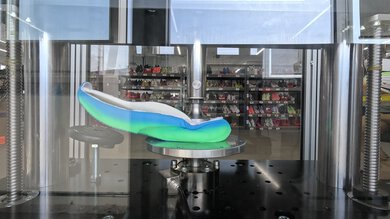
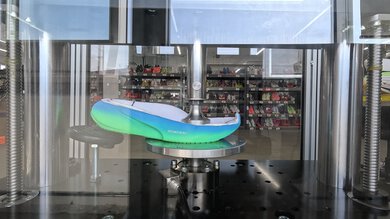
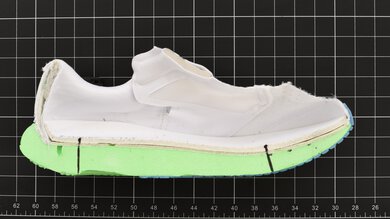
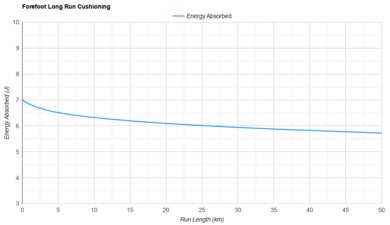
The adidas Supernova Rise 3 has passable cushioning that works well for easy daily mileage and recovery runs. The heel feels more protective than the forefoot, which benefits heel strikers more than runners who load the front of the shoe heavily. There is enough underfoot comfort for regular training, but it doesn't feel especially plush or deeply cushioned for longer runs or for runners who apply a lot of force.
Decent heel cushioning for a basic trainer.
Forefoot tends to bottom out under heavy impact.


Responsiveness
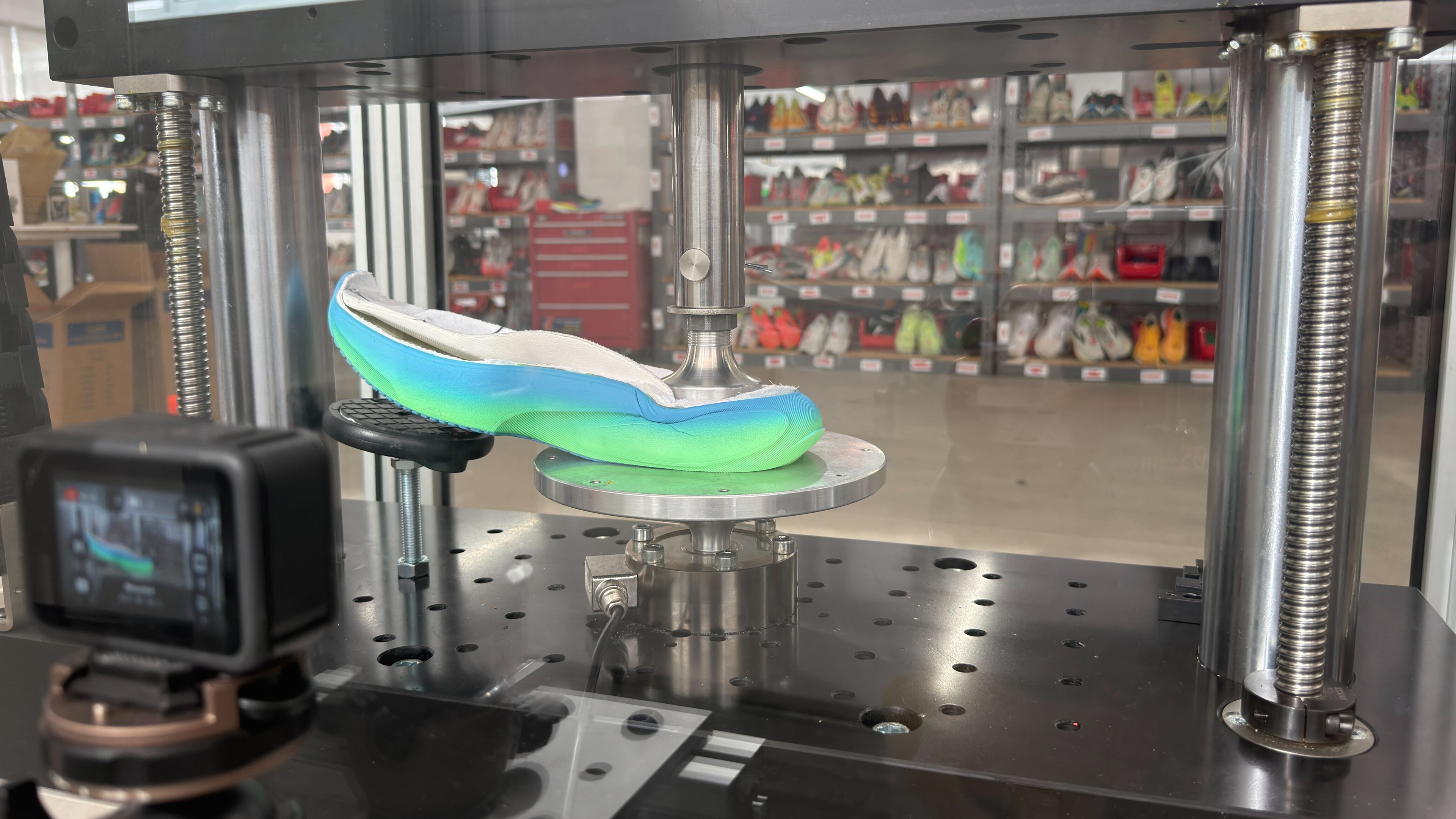
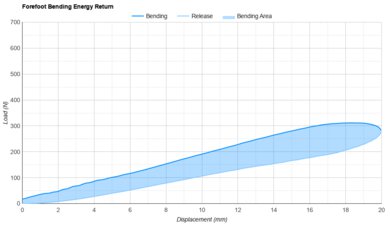
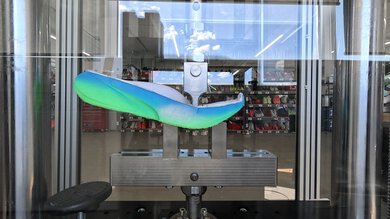
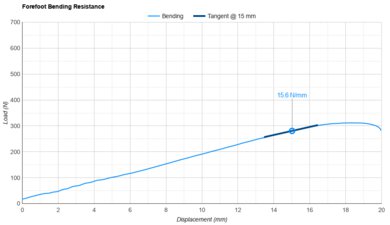
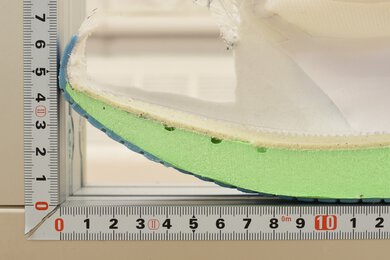
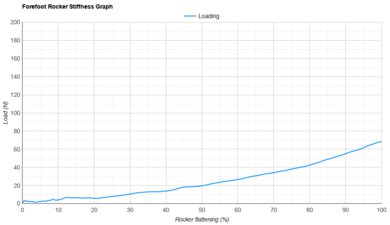
The adidas Supernova Rise 3 delivers mediocre energy return overall, despite using adidas' PEBA-based Dreamstrike+ foam. The forefoot has a modest amount of pop, but the heel feels noticeably flatter and less lively. It doesn't feel dead, but it won't give you much extra help when you try to pick up the pace.
Mediocre energy return overall.
True To Size
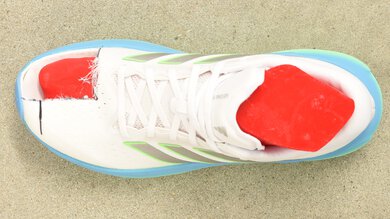
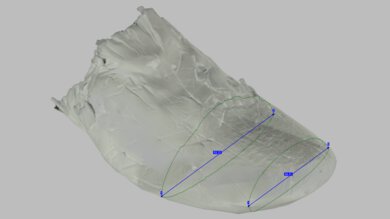
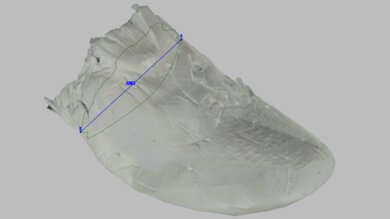
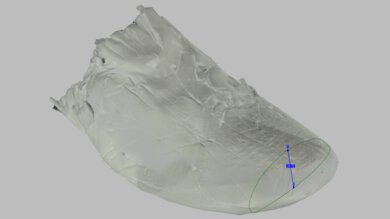
The adidas Supernova Rise 3 fits true to size in length, with a nicely accommodating forefoot that gives most runners enough room up front. Going with your usual size should leave an appropriate amount of room in both length and overall volume. The main caveat is that the arch area fits more snugly, so runners with higher arches may find it a bit less spacious.
True-to-size length.
Accommodating forefoot.
Arch area fits a bit snug.
Popular Running Shoe Comparisons
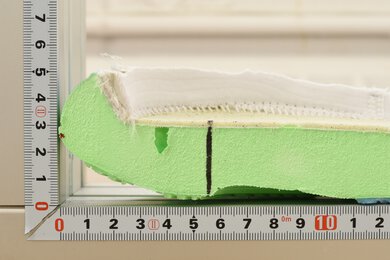
The adidas Supernova Rise 3 is a basic, value-oriented daily trainer built for consistent, no-fuss use. In the broader market, that makes it a solid option for newer runners or anyone who simply wants a stable, comfortable shoe that makes running feel approachable from the start. Some other entry-level daily trainers, such as the Nike Pegasus 41, can feel too harsh for you to enjoy enough to keep coming back. Meanwhile, the Supernova Rise 3 isn't especially cushioned or lively, but it has enough protection and comfort for shorter, easy runs and daily mileage, and outperforms true entry-level shoes like the Nike Downshifter 14. The Brooks Glycerin Max 2 is another good beginner-friendly option in this space, but with more cushioning and a higher stack, while the PUMA Velocity Nitro 4 offers a similar amount of ground feel but in a lighter package.
Within adidas' lineup, the Supernova Rise 3 no longer has the same bounce as earlier versions, instead delivering a more straightforward daily-training experience. The adidas Adizero SL2 fills a somewhat similar role but in a lighter package, while the adidas Adizero Evo SL is the better choice if you want something more responsive for faster workouts. The German brand also makes the adidas Supernova Prima 2, a higher-stacked sibling to the Rise.
If you're looking for more shoes to add to your rotation, check out our recommendations for the best running shoes, the best long-distance running shoes, and the best shoes for running a marathon.
The adidas Adizero Evo SL and adidas Supernova Rise 3 fill different roles within a rotation. The Supernova Rise 3 is the more classic daily trainer, offering a stable, grounded feel that works best for short, easy miles and relaxed running. The Adizero Evo SL is an uptempo trainer, using a partial plastic shank and a more energetic midsole that absorbs and returns more energy, making it far more responsive when you pick up the pace. That more premium foam also gives it a slightly more chaotic feel during easy runs, where it doesn't feel as calm or predictable as the Supernova Rise 3.
The HOKA Clifton 10 and adidas Supernova Rise 3 are two daily trainers, but they have different strengths. The adidas feels more stable and a bit lighter, with a more grounded ride. The HOKA uses a higher stack and feels more cushioned at first, but as the distance builds, that cushioning effect fades somewhat, bringing the ride closer to the more ground-connected feel of the adidas. The HOKA also feels less restrictive at the arch.
The New Balance Fresh Foam X 1080v15 and adidas Supernova Rise 3 are two daily trainers, but they emphasize different aspects of comfort and performance. The New Balance uses a higher stack and a more modern Infinion midsole, delivering more cushioning and a bit more bounce, which makes it better suited for longer runs and more relaxed mileage. The adidas feels more grounded, with more road feel and a more stable platform, but it is heavier and less well-suited to longer distances where cushioning matters more.
The adidas Adizero Pacer and adidas Supernova Rise 3 are both basic daily trainers from the three stripes, but the Pacer is slightly lighter, while the Supernova Rise 3 feels much more cushioned and responsive underfoot. The Supernova Rise 3 gets its stability from a broad platform, whereas the Pacer relies mainly on its exceptionally firm foam to keep the ride planted. Overall, the Supernova Rise 3 feels like a more capable and well-rounded shoe overall, as it feels less harsh underfoot.
Differences Between Sizes And Variants
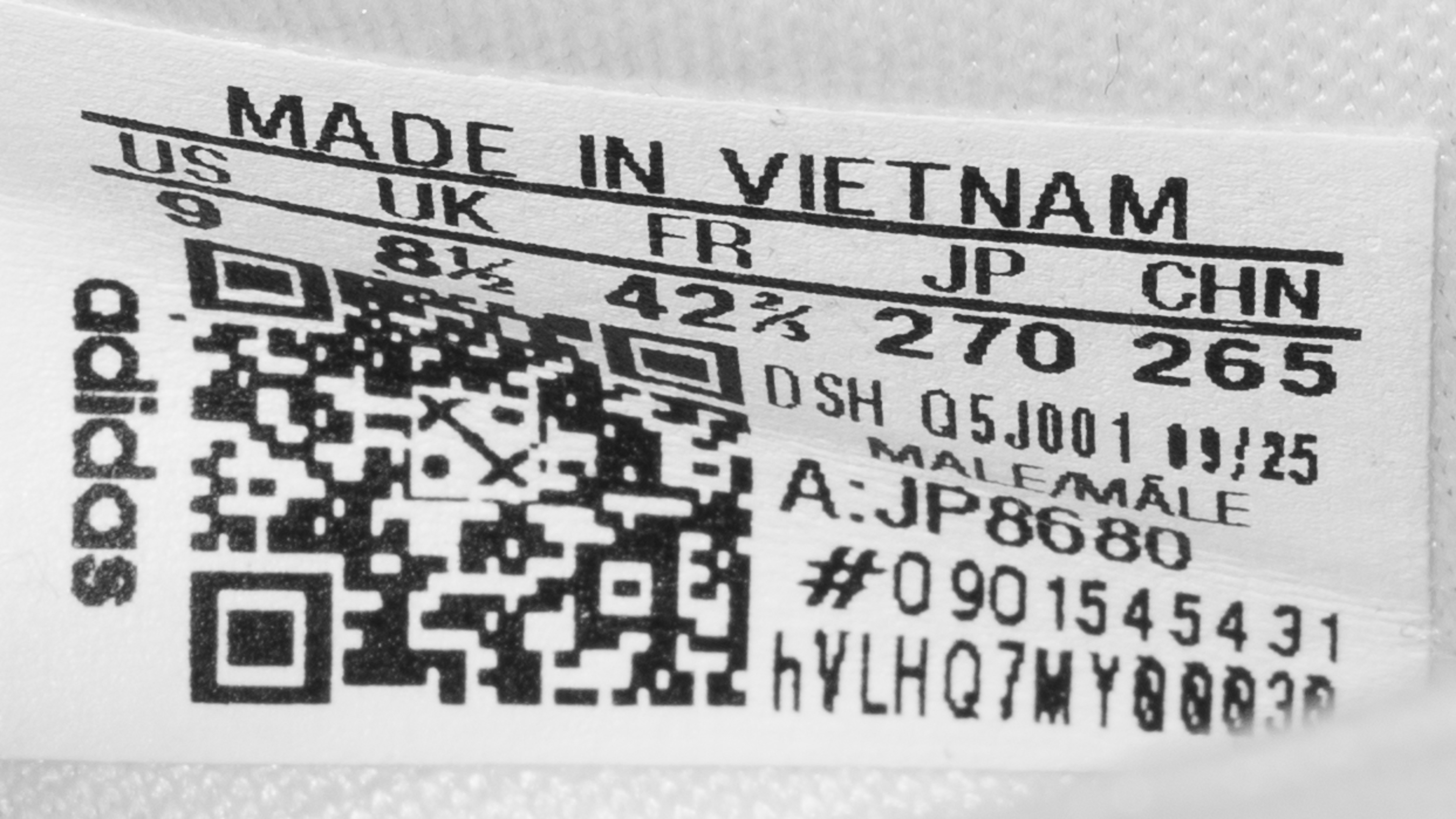
We bought and tested the adidas Supernova Rise 3 in men's US size 9, in the Cloud White/Silver Metallic/Semi Blue Burst colorway. Here's the label for our pair. You can also buy the shoe in several other color options, depending on your region and whether you buy it in men's or women's sizing. These include Glow Blue/Silver Metallic/Cloud White, Off White/Core Black/Onix, and Auburn/Chalk White/Core Black, among others.
There's also an Adaptive version of the shoe, a disability-inclusive variant with features like a step-in heel and low-pressure lacing to make the shoe easier to put on and more comfortable to wear. However, we didn't test this specific version, so its results may vary slightly. This shoe comes in regular and wide fit.