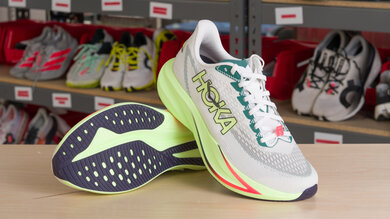
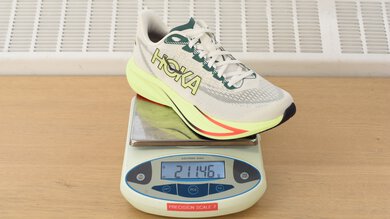
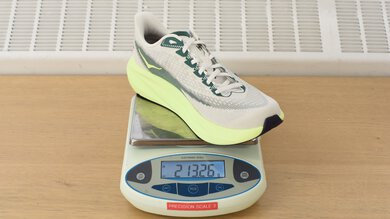
The HOKA Mach 7 is a lightweight daily trainer that stays true to the line’s identity by cutting significant weight from the previous HOKA Mach 6. It pairs a supercritical EVA midsole with a refined upper and redesigned outsole to improve lockdown and grip. The result is a nimble, versatile shoe that feels more connected to the ground than most daily trainers while still offering enough cushioning for shorter everyday miles. In a market that has largely shifted toward higher-stacked and softer trainers, the HOKA Mach 7 stands out as one of the last true lightweight trainers, and it still deserves a spot in a rotation for shorter runs, pickups, and even interval sessions, though getting up to speed takes a bit more work than with more energetic shoes like true super trainers.
Our Verdict
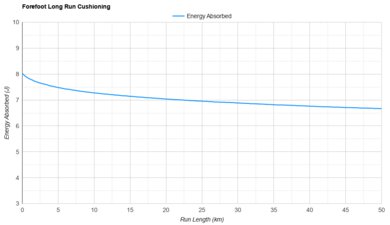
The HOKA Mach 7 isn't a bad option on paper for marathon racing, since its low weight and stable, no-fuss ride can still work for runners who prefer a simpler, more traditional setup. The midsole is also quite energetic and provides good initial protection. However, its cushioning starts to lose some effectiveness after a few kilometers, and over the course of a full marathon, the foam is likely to feel bottomed out and fairly harsh late in the race. As a result, while it’s not the worst choice for the distance, it lacks the deep protection and high stack of better marathon-focused options.
Especially lightweight for a trainer.
Very stable design.
No plate.
Cushioning loses effectiveness on longer runs and at higher forces.
The HOKA Mach 7 can work decently well for 5K and 10K efforts if you like a nimble, firmer-feeling shoe. It turns over quickly and feels light on foot, and its firmer forefoot helps it feel at home for shorter races and interval work. That makes it an adequate choice for runners with a faster cadence who like a snappy ride. That said, it doesn't deliver the sharp, explosive pop of a plated racer, so it suits runners who are comfortable doing a bit more of the work themselves.
Especially lightweight for a trainer.
Forefoot feels fairly firm and snappy.
No plate.
Changelog
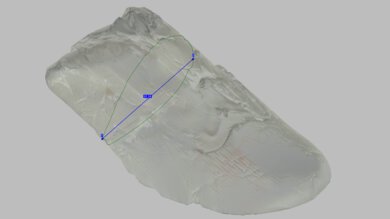
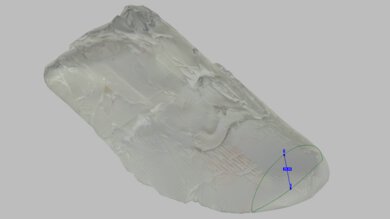
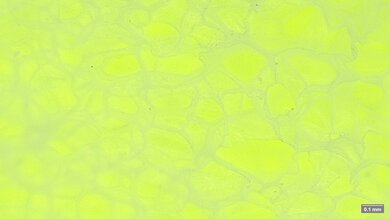
- Updated Jul 03, 2026: We've converted this review to Test Bench 0.13, which identifies the different foams used in the shoe's midsole. We've included a microscopic image of the foam cells to give you an idea of what the microstructure looks like. To read more about the changes, see the changelog.
- Updated Jun 22, 2026: We've converted this review to Test Bench 0.12, which fixes how we measure firmness, a component of the Stability and 5K/10K Racing usages. There may be inconsistencies between the text and the scores for these usages, but the scores should still be considered valid. We've also brought back the Energy Return score and added two new usages: Daily Training and Long Run. To read more about the changes, see the changelog.
- Updated Jun 22, 2026: We've converted this review to Test Bench 0.11, adding two new rocker measurements to the Design section, and three new responsiveness tests to the Performance section. The Energy Return usage score has been replaced with Responsiveness. Check out the details in our changelog.
- Updated Mar 27, 2026: Review published.
- Updated Mar 24, 2026: Early access published.
- Updated Mar 18, 2026: Our testers have started testing this product.
- Updated Feb 17, 2026: The product has arrived in our lab, and our testers will start evaluating it soon.
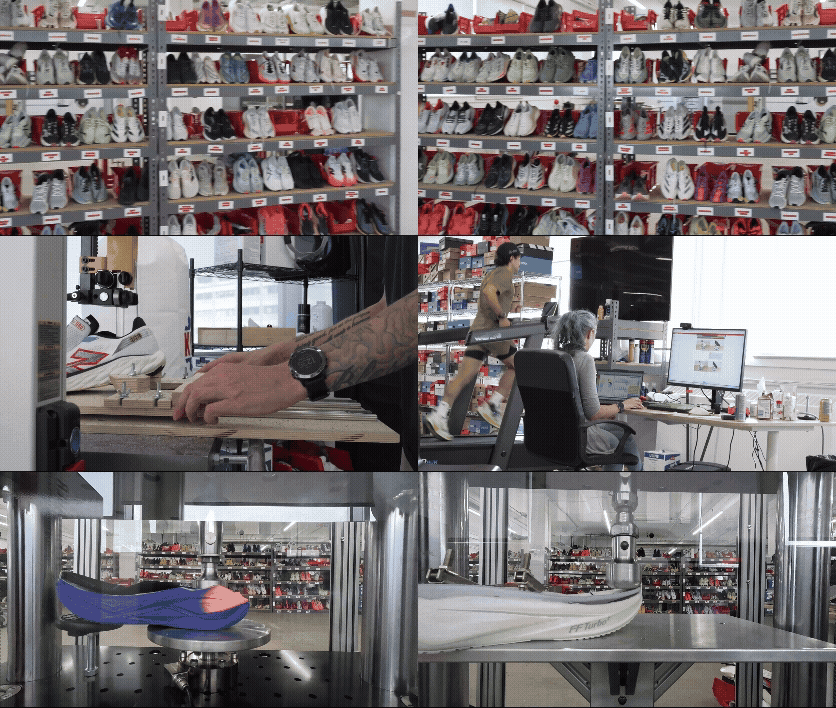
We've bought and tested more than 250 running shoes. Every pair purchased with our own money, never supplied or sponsored by brands. Our data-driven tests are designed to go beyond marketing claims, and since every shoe goes through the exact same methodology, you can directly compare results to find the right pair for your needs.
Test Results
Energy Return
Stability
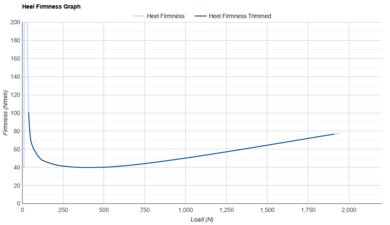
The HOKA Mach 7 feels reassuringly stable for a neutral lightweight trainer. Its broad platform, secure upper, and relatively firm forefoot keep the ride controlled when cornering or picking up the pace. The fully-gusseted tongue is another plus, helping with lockdown. The heel is on the softer side, so it can feel a bit more wobbly for heel strikers, but overall, it offers more inherent stability than many shoes in this category.
Very stable design.
Heel is on the softer side.
Cushioning
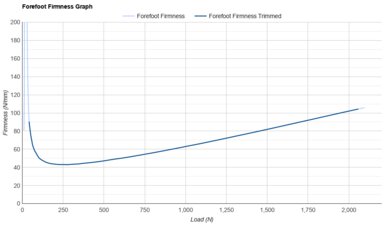
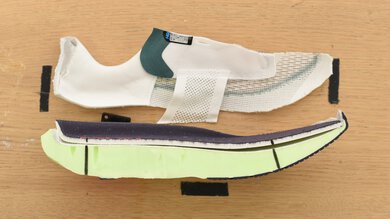
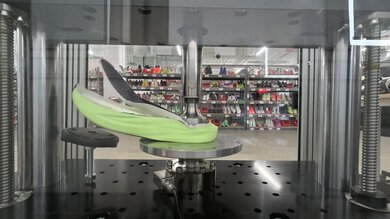
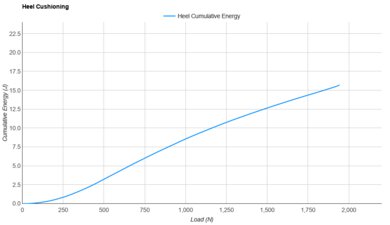
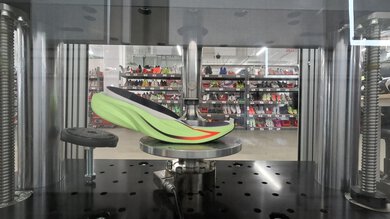
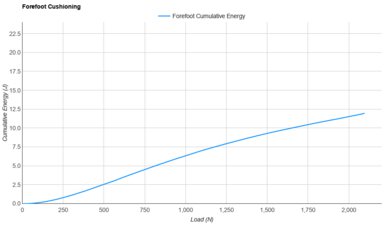
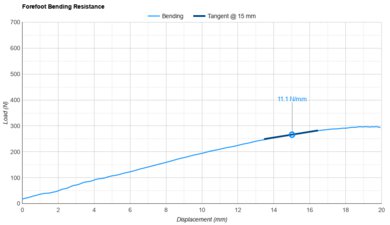
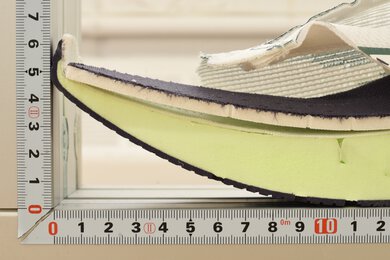
The HOKA Mach 7 offers good underfoot protection overall, especially for a moderately stacked lightweight trainer. It feels comfortably cushioned for daily miles, shorter steady runs, and moderate efforts, while still preserving some ground feel and a fairly connected ride. However, the cushioning starts to feel less protective once you apply more force, and it's not the most forgiving option for longer outings.
Good cushioning for shorter everyday runs.
Cushioning loses effectiveness on longer runs and at higher forces.
Responsiveness
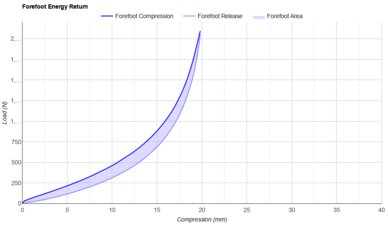
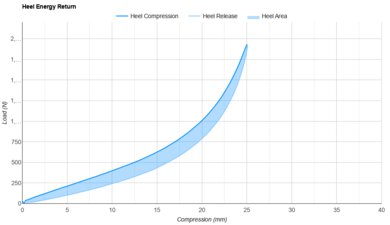
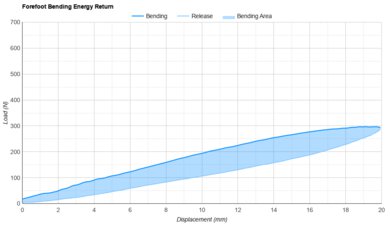
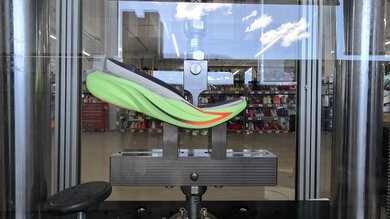
The HOKA Mach 7 delivers decent rebound, especially when loaded through the forefoot. It gives the ride enough snap for pickups, steady runs, and light workouts without feeling dull, yet it stops short of the lively, springy sensation that defines the best midsole compounds on the market. Heel strikers may also find it a bit less rewarding from the back than from the front.
Decent rebound from the midsole.
The heel is noticeably less lively than the forefoot.

True To Size
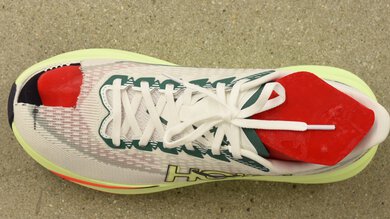
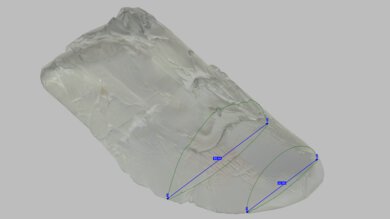
The HOKA Mach 7 has a decent fit overall, but it isn't perfectly true to size. The forefoot volume is fairly accommodating, which is a plus, and for regular daily mileage, most runners should be fine going with their usual size. However, the toe taper and length can become more problematic on longer runs, where toe rubbing may start to show up by around the half-marathon mark, and the arch fit is also quite restrictive. If you plan to use it for long runs or you have a wider arch, going up half a size makes more sense.
Forefoot has fairly accommodating volume.
Arch fit is quite restrictive.
A bit short lengthwise, which can cause rubbing on long runs.
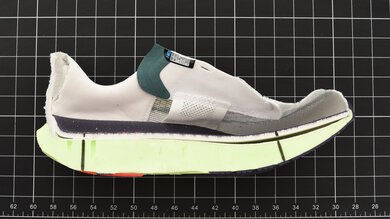
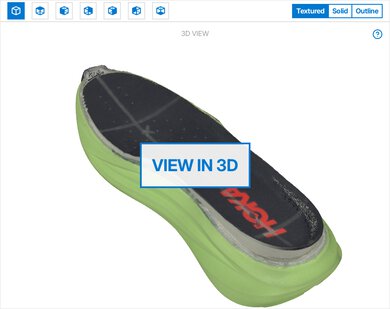
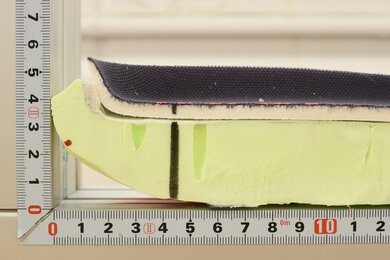
Popular Running Shoe Comparisons
The HOKA Mach 7 sits in the increasingly rare category of true lightweight daily trainers. Many shoe series used to occupy this lane, but their most recent iterations have moved toward higher stacks, softer rides, and a bit more weight, as seen with the New Balance FuelCell Rebel v5, the Brooks Hyperion 3, and the Brooks Launch 12. The Mach 7, meanwhile, manages to be notably lighter while still offering a moderate stack comparable to those models, which is impressive. Perhaps more importantly, it achieves that light weight without leaning into a more minimal, stripped-back build like the Saucony Kinvara 16 or the Altra Escalante 4, so it doesn't compromise protection too much and still feels comfortable for shorter runs and everyday mileage.
That makes it a refreshing option in HOKA's lineup as well, since the brand is mostly associated with softer, more cushioned shoes, whereas the Mach 7 goes back to fundamentals with a more grounded, nimble, and traditional ride. Compared with the HOKA Clifton 10, it feels lighter, quicker, and less relaxed, while the HOKA Bondi 9 sits further in the max-cushion direction as a more protective, more comfort-focused option for easy miles and long days on foot. While the Mach 7 has good natural stability by design, shoes like the HOKA Gaviota 6 and the HOKA Arahi 8 add true support features meant to help correct overpronation. Overall, the Mach 7 stands out in HOKA's daily trainer family for runners who want low weight, some ground feel, and enough versatility for daily miles, shorter runs, pickups, and occasional interval sessions. The HOKA Mach X 3 is a cushioned plated trainer that's capable of picking up the pace.
For more options, check out our recommendations for the best running shoes, as well as the best long-distance running shoes and the best shoes for running a marathon.
The HOKA Mach 7 is a better shoe than the HOKA Mach 6. It's lighter, more stable, and more agile, with a more secure fit and better grip up front. The Mach 6 has a roomier, more accommodating fit, so it may suit runners who need more space.
The HOKA Mach 7 is a more versatile daily trainer than the HOKA Clifton 10. It's lighter and more nimble, making it easier to pick up the pace, and its cushioning stays more consistent after a few kilometers. The Clifton 10 is plusher at first and has a more accommodating fit, making it comfortable for easy runs.
The HOKA Mach 7 and HOKA Bondi 9 sit in two very different categories within HOKA’s lineup. The HOKA Mach 7 is a lightweight trainer with a moderate stack that feels more stable, more nimble, and better suited to a wider range of runs, especially if you want a shoe that can handle daily miles while still feeling at home when you pick up the pace. The HOKA Bondi 9 is a premium cushioned trainer that leans fully into protection, using its higher stack to create a bigger buffer between you and the ground, which makes it better for relaxed miles and comfort-first running. The trade-off is that the HOKA Bondi 9 feels heavier and less versatile overall.
The HOKA Mach 7 and the adidas Adizero Evo SL are two versatile shoes with a similar overall stack, but they lean toward different running styles. The HOKA Mach 7 is more of a lightweight daily trainer, feeling a bit lighter and more stable overall, with a design that makes it easier to use for steady mileage and a wide range of everyday runs. The adidas Adizero Evo SL is more of an uptempo trainer, using a plastic shank and a more energetic Lightstrike Pro midsole to create a more energetic and more absorbent ride that feels better when you're picking up the pace.
The HOKA Mach 7 and HOKA Arahi 9 are both stable shoes, but they achieve that stability in very different ways. The Mach 7 is a neutral trainer that feels naturally secure thanks to its moderate stack and gusseted tongue, which helps lock the foot in place without trying to correct your stride. It's the better running shoe for most people because it's lighter and uses more energetic foam, making it feel more effortless across a wider range of paces. The Arahi 9 is much more focused on control, using an H-Frame, a firmer H-shaped foam structure that supports the foot from both sides. That makes it the stronger option if you need extra guidance, but it offers less beyond that.
The HOKA Mach 7 and R.A.D SYNTH are both lightweight trainers with daily mileage and uptempo range, but they don't deliver that versatility the same way. The HOKA is lighter, bouncier, and more energetic underfoot, which makes it better suited to pickups, steady efforts, and runs where you want the shoe to turn over quickly. The R.A.D feels a bit more cushioned as the distance piles up, giving it a touch more underfoot protection for longer daily runs, but it doesn't have the same lively snap when you start pushing the pace.
The HOKA Mach 7 and ASICS HYPER SPEED 6 are both lightweight trainers, but the HOKA is the better shoe for most runners. Its midsole foam absorbs impact better, and it also returns significantly more of the energy you put into it, resulting in a livelier, more cushioned ride. The HYPER SPEED 6 retails at a lower price, so it's still a viable option for runners who don't need much cushioning or bounce.
Differences Between Sizes And Variants
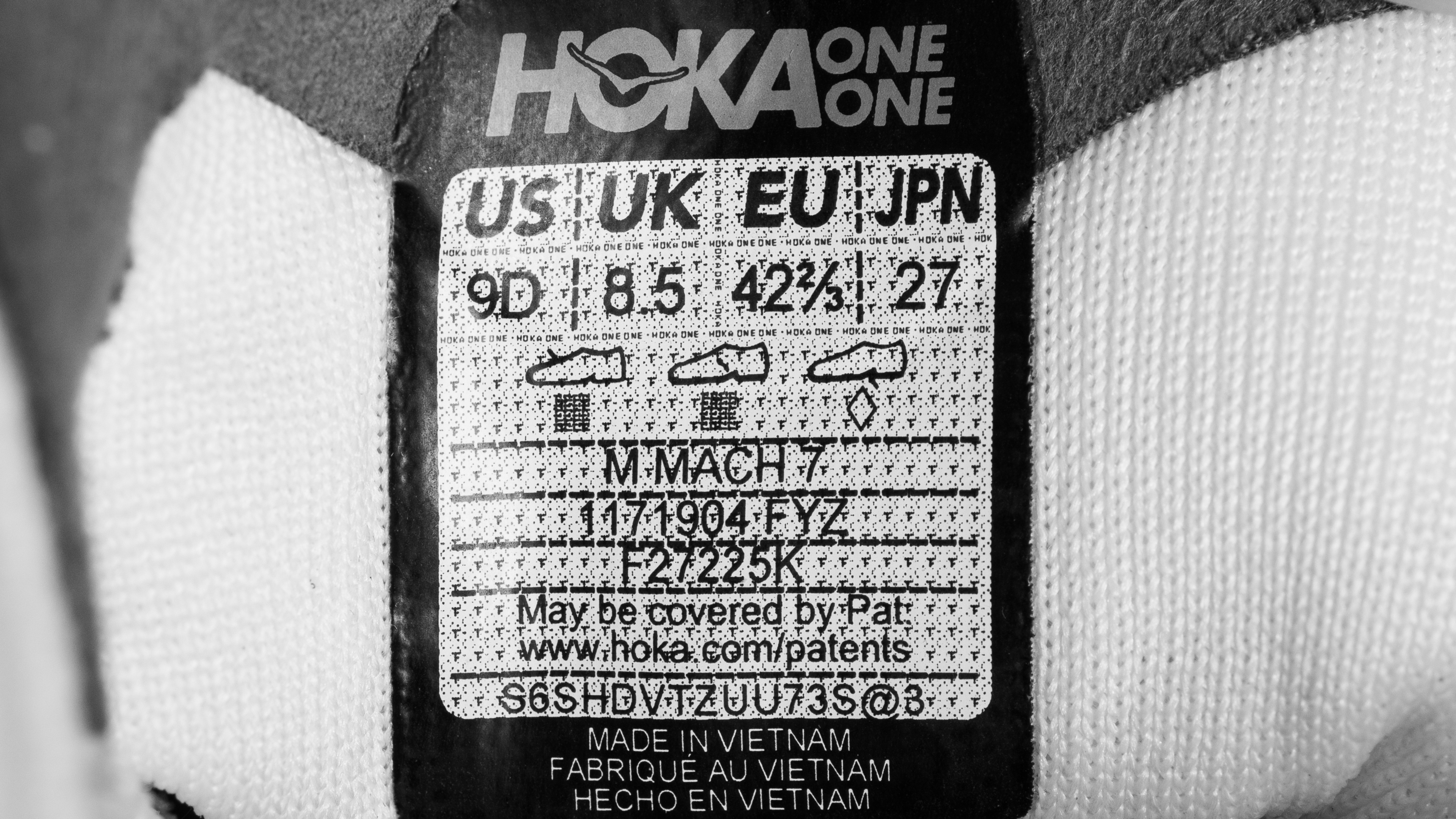
We tested the HOKA Mach 7 in men's US size 9, as indicated on the label for our pair. The color shown here is Frost/Neon Yuzu, and the shoe is available in several other colorways, including Alabaster/Soaring Blue, Cobalt Blue/Neon Green, and Lilac Cream/Tangerine Glow. Wide versions are available separately for both men and women. The design section applies only to the exact model we tested, but we expect other size and gender variants to perform similarly.