The ASICS SUPERBLAST 2 is a maximalist super trainer designed for long-distance comfort. As the sequel to the original ASICS SUPERBLAST, it's built to handle everything from daily training miles to steady-paced long runs. This shoe combines a dual-layer midsole that features a top layer of PEBA-based FF Turbo+ and a bottom layer of firmer FF Blast+ ECO foam to add stability. Although it lacks a plate like some other super trainers, the shoe is very stable and versatile, contributing to a natural experience.
Our Verdict
The ASICS SUPERBLAST 2 is surprisingly decent for marathon racing. It provides a nice amount of cushioning, ideal for protecting the feet over longer distances, and decent energy return. However, it isn't light enough to be a truly competitive marathon shoe. Additionally, the lack of a carbon plate limits its appeal to runners targeting fast marathon times.
Amazing cushioning.
Satisfactory stability.
PEBA-based FF Turbo+ offers decent energy return.
Too heavy to race competitively.
Unplated.
Not as bouncy as a racer.
For shorter distances like 5K and 10K, the ASICS SUPERBLAST 2 shows mediocre performance. The forefoot isn't very firm and the shoe's somewhat heavy build and sub-optimal energy return prevent it from feeling snappy or lively enough for higher-paced racing efforts.
PEBA-based FF Turbo+ offers decent energy return.
Too heavy to race competitively.
Unplated.
Not as bouncy as a racer.
Changelog
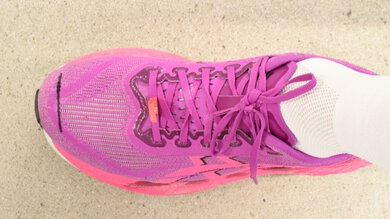
- Updated Sep 17, 2026: We've converted this review to Test Bench 0.14, which adds new lace-specific results. We've included a close-up photo of the laces, as well as details including lace type, width, thickness, and stretch. To read more about the changes, see the changelog.
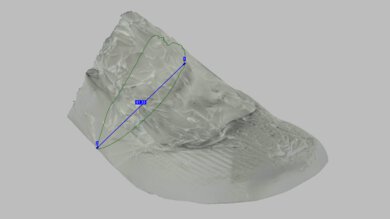
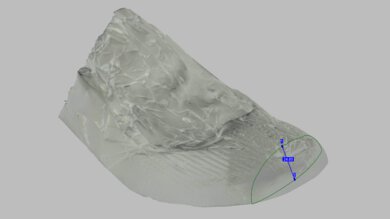
- Updated Jul 03, 2026: We've converted this review to Test Bench 0.13, which identifies the different foams used in the shoe's midsole. We've included a microscopic image of the foam cells to give you an idea of what the microstructure looks like. To read more about the changes, see the changelog.
-
Updated Jun 22, 2026:
We've updated the Popular Comparisons section to include a link to the recently reviewed Mount to Coast C1.
- Updated Jun 17, 2026: We've converted this review to Test Bench 0.12, which fixes how we measure firmness, a component of the Stability and 5K/10K Racing usages. There may be inconsistencies between the text and the scores for these usages, but the scores should still be considered valid. We've also brought back the Energy Return score and added two new usages: Daily Training and Long Run. To read more about the changes, see the changelog.
-
Updated Apr 15, 2026:
We've replaced the Energy Return usage box with Responsiveness, which incorporates four additional tests, and updated the text accordingly.
- Updated Apr 15, 2026: We've converted this review to Test Bench 0.11, adding two new rocker measurements to the Design section, and three new responsiveness tests to the Performance section. The Energy Return usage score has been replaced with Responsiveness. Check out the details in our changelog.
-
Updated Feb 16, 2026:
We updated the review to include text for the full set of new fit tests and the corresponding usage box, which were recently added to our test bench.
- Updated Feb 16, 2026: We've converted this review to Test Bench 0.10, adding a new set of fit tests to the Design section and an overall fit performance usage. Check out the details in our changelog.
-
Updated Jan 12, 2026:
We added a mention of the ASICS GLIDERIDE MAX 2 in the External Shape section of the review.
-
Updated Oct 23, 2025:
We updated the review to include text for the Forefoot Long Run Cushioning test, which was recently added to our test bench.
- Updated Oct 23, 2025: We've converted this review to Test Bench 0.9, which adds a Forefoot Long Run Cushioning test to our performance section. Read more in our changelog.
-
Updated Oct 01, 2025:
We updated the Pros & Cons, Energy Return, Cushioning, 5K-10K Racing, Forefoot Energy Return, Heel Cushioning, Forefoot Cushioning, Heel Firmness, and Forefoot Firmness boxes to align with the latest test bench. We also added findings from our real-world testing of the model in the Other features box and revised the side-by-side comparisons to keep the review accurate.
- Updated Oct 01, 2025: We've converted this review to Test Bench 0.8.2, which updates our methodology for the impact force range used in our compression tests to improve their accuracy. This also affects all usage and performance usage boxes using those compression tests as score components.
-
Updated Sep 18, 2025:
We updated the Popular Running Shoe Comparisons box to include the ASICS MEGABLAST in ASICS' lineup.
-
Updated Sep 12, 2025:
We updated the Popular Running Shoe Comparisons box to replace the mention of the ASICS MAGIC SPEED 4 with the ASICS SONICBLAST.
-
Updated Jul 30, 2025:
We revised the phrasing in the Lateral Stability and Marathon Racing boxes to better align with the latest test bench scores.
- Updated Jul 30, 2025: We've converted this review to Test Bench 0.8.1, which mainly updates the score components for the Marathon Racing and Lateral Stability usage boxes to improve accuracy.
- Updated Apr 02, 2025: Converted to Test Bench 0.8.
- Updated Apr 02, 2025: Review published.
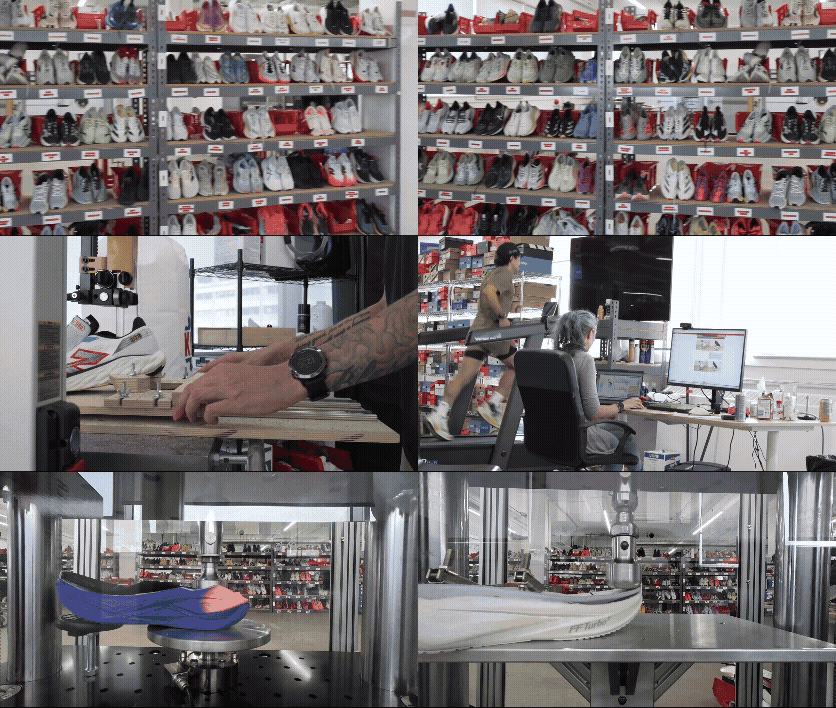
We've bought and tested more than 250 running shoes. Every pair purchased with our own money, never supplied or sponsored by brands. Our data-driven tests are designed to go beyond marketing claims, and since every shoe goes through the exact same methodology, you can directly compare results to find the right pair for your needs.
Test Results
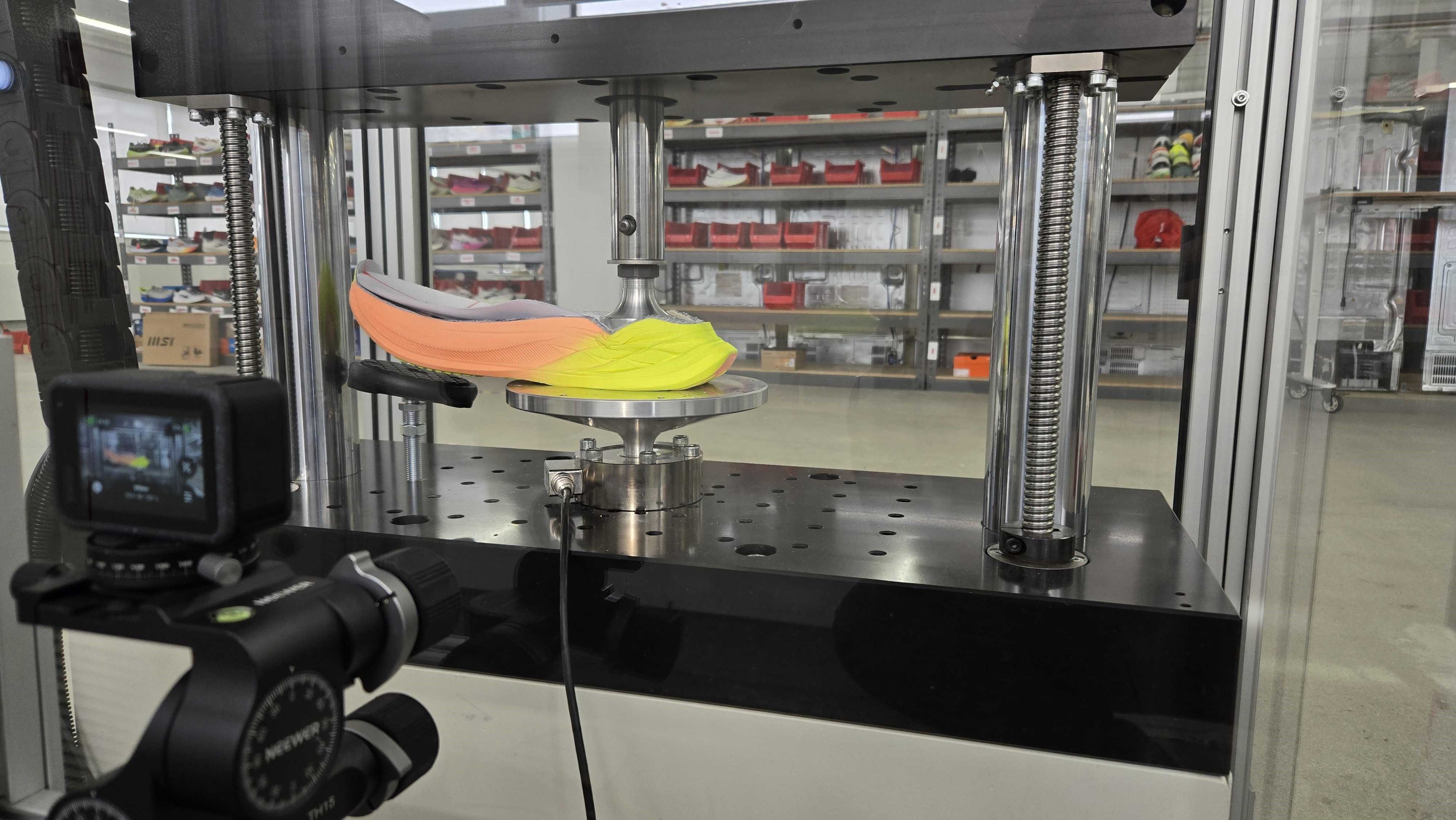
Energy Return
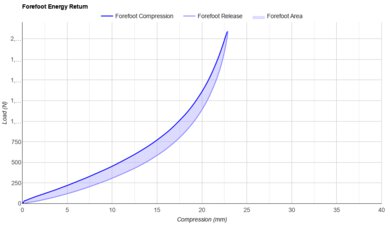
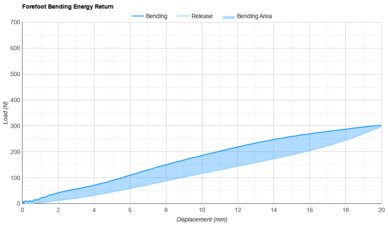
The midsole shows decent energy return at the forefoot, offering a good balance between responsiveness and comfort. Paired with a pronounced rocker, this delivers a rolling feel at toe-off, which supports efficient transitions. Yet, its foam composition still falls short of the explosive responsiveness preferred for high-speed racing or intense workouts.
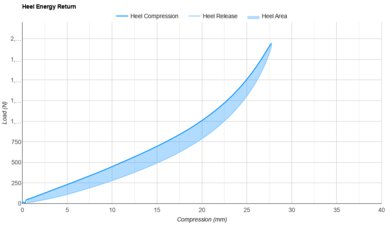
Heel energy return on this shoe is satisfactory, providing a moderately responsive feel when landing towards the back of the shoe. It's not overly bouncy, but offers enough rebound to enhance comfort during regular-paced runs or slower, longer efforts. However, runners expecting an energetic heel response for aggressive heel strikes might find it slightly dull.
Stability
The ASICS SUPERBLAST 2 provides decent lateral stability, ensuring a secure and balanced ride. Its exceptionally wide outsole contributes greatly to a stable platform. However, the softness of the heel and very high heel stack height moderately compromise its overall stability. This makes the shoe suitable for most runners with minimal stability concerns.
Exceptionnaly wide platform.
Fully gusseted tongue.
Towering stack height.
Soft heel.
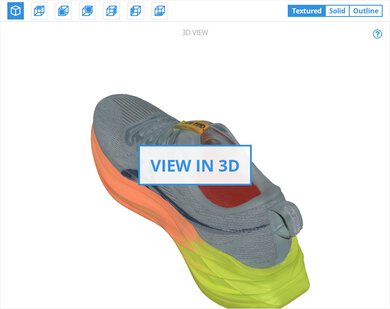
The upper of this shoe is relatively lightweight and quite performance-oriented. Another ASICS shoe with a similar upper is the ASICS GLIDERIDE MAX 2.
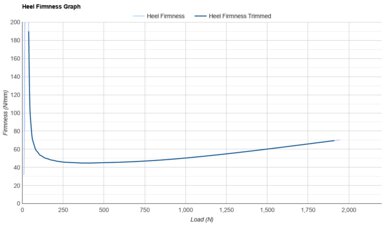
Overall, the shoe is soft in the heel. Initially there is still some firmness present at lighter impacts, which enhances stability during gentle strides. However, as force increases, it feels notably softer than most shoes, such as the adidas Adizero Boston 12 . This softer feel can compromise stability during faster or more aggressive running.
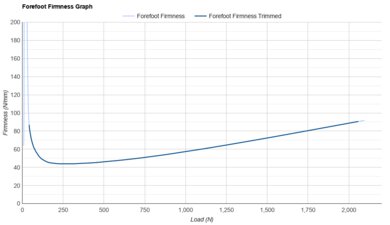
The forefoot of this shoe is quite firm at a range of forces, offering enough stability and responsiveness for everyday runs. This balanced feel means it provides some support for most runners, regardless of their weight or pace, while still retaining some softness for comfort and plushness. In our real-world testing, we found that it feels firmer out of the box but softens noticeably after a few runs of break-in.
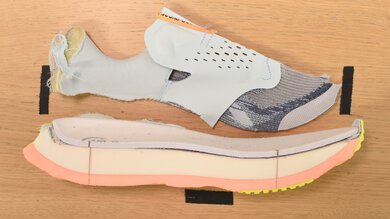
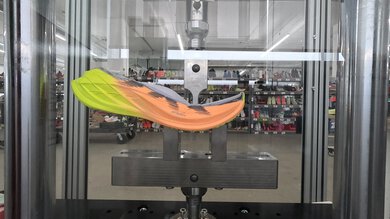
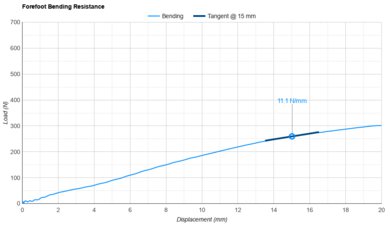
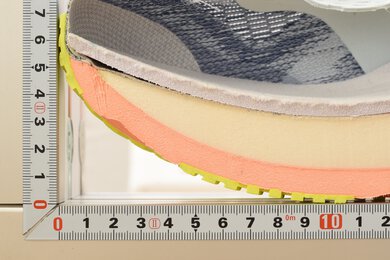
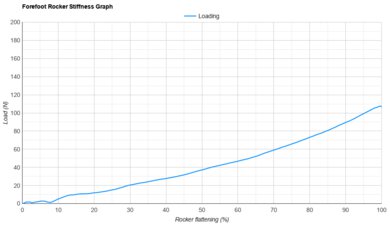
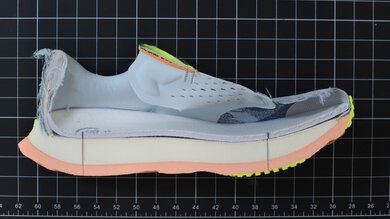
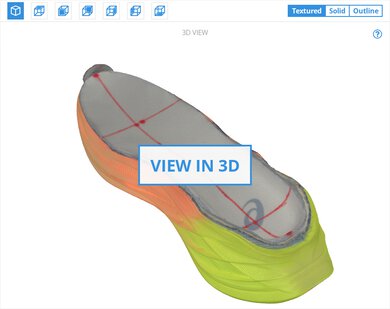
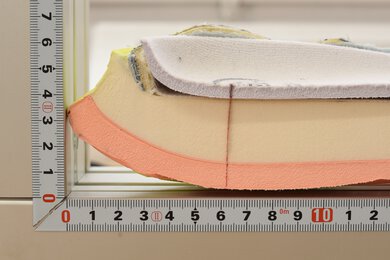
As you can see in the image, the shoe's overall geometry is visible: a pronounced rocker that's quite stiff in bending. It maintains its shape at higher speeds rather than collapsing, which promotes smooth heel-to-toe transitions, keeps toe-off quick and efficient, and reduces muscular strain because the rocker does more of the work. This is a big reason it feels versatile across paces, even though the midsole isn't the bounciest on its own.
Cushioning
The ASICS SUPERBLAST 2 stands out with excellent cushioning, delivering amazing comfort and protection, particularly at the forefoot. Heel cushioning is also very good, though slightly less plush. This abundant cushioning makes the shoe ideal for runners seeking maximum comfort and impact absorption on daily training runs or longer outings.
Forefoot cushioning is particularly great.
High stack and max-cushioned.
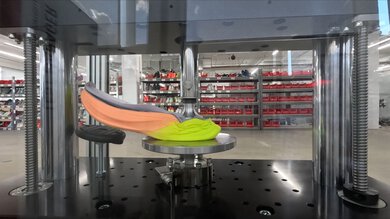
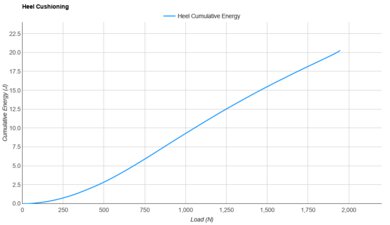
Heel cushioning in this shoe is great, providing reliable impact absorption at varying forces. The cushioning quality progressively improves under heavier impacts, feeling particularly protective when landing hard on the heel. This characteristic makes the shoe especially appealing for heavier runners or those looking for consistent comfort on extended training sessions.
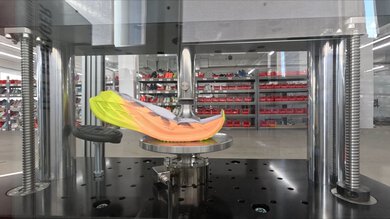
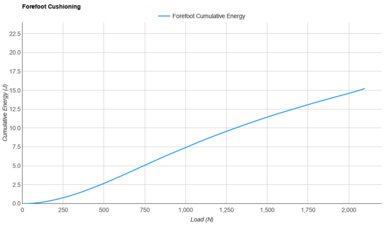
Forefoot cushioning is amazing, delivering a soft, consistent feel across a range of impact intensities. Whether during lighter strikes or more forceful landings, the cushioning remains comfortable, effectively protecting the foot without feeling excessively mushy. This is ideal for runners prioritizing comfort, particularly for long-distance training.
Responsiveness
The ASICS SUPERBLAST 2 is decently responsive, contributing to running efficiency. It's not as bouncy as a super shoe, but for a trainer, it's actually pretty good at returning energy from each foot strike. The SUPERBLAST 2 relies more on geometry than explosive pop for forward momentum, and its rockered midsole helps keep your foot rolling forward, so it's a good shoe for long runs at steady paces, but not necessarily for top-end speed.
PEBA-based FF Turbo+ offers decent energy return.
Gentle rocker holds it shape well.
Heel returns less energy than forefoot.
True To Size
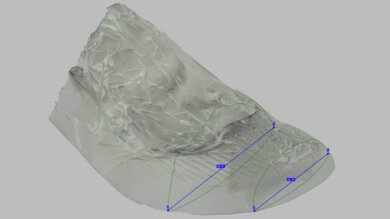
The ASICS SUPERBLAST 2 fits very close to true to size overall, with a predictable length and a comfortably accommodating forefoot that works well for most foot shapes. There’s enough width up front to avoid feeling pinched, and the forefoot height offers a secure but not overly restrictive wrap. The main caveat is the arch area, which feels a bit snug and more contoured than average, creating a closer hold that can bother runners with higher-volume arches.
True-to-size length.
Comfortable forefoot with enough volume.
Slightly snug arch can feel restrictive for a wider midfoot.
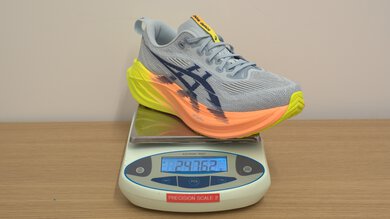
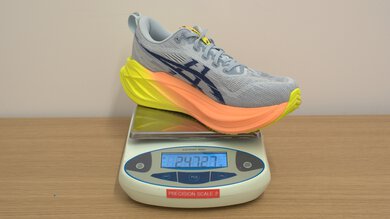
The ASICS SUPERBLAST 2 has an alright weight for a performance-oriented shoe. It doesn't feel especially lightweight or quick on foot, limiting its appeal for speed-focused racing efforts. However, it's still comfortable enough for daily miles and picks up the pace well for tempo work.


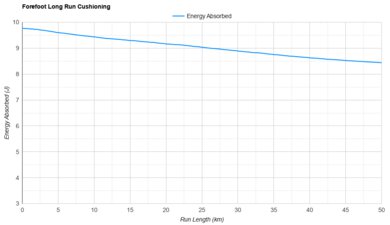
The ASICS SUPERBLAST 2 starts off with excellent cushioning and maintains much of that protection even after a full 40 km effort. While there's a natural, gradual decrease in absorption over time, because the shoe is really cushioned initially, it stays comfortable throughout. Its consistent performance and high level of impact protection make it a standout choice for long runs and even an appealing unplated marathon option for runners who prioritize reliable cushioning.
Popular Running Shoe Comparisons
The ASICS SUPERBLAST 2 is a versatile super trainer offering maximal cushioning, good stability, and an energetic ride, making it suitable for a wide variety of training sessions. It even pairs as a decent racing option for amateur runners who aren't chasing podium finishes but still want a performance-oriented shoe that's comfortable enough for longer distances. Its standout feature is its blend of cushioning and stability, making it a compelling choice for those wanting maximum protection without sacrificing versatility. The ASICS SUPERBLAST 3 has taken the series a much more cushioned, but less stable direction, so fans of the SUPERBLAST 2 looking for a firmer, but still comfortable long run shoe could consider the Mount to Coast C1.
Competitors like the HOKA Mach X 2 or the ASICS NOVABLAST 5 deliver more impact absorption, offering greater underfoot protection for daily runs. Within ASICS' lineup, the SUPERBLAST 2 sits between the daily-oriented NOVABLAST 5 and plated options like the versatile super trainer ASICS SONICBLAST. There's also the ASICS MEGABLAST, an unplated high-stack trainer that combines max cushioning with a bouncy midsole. For racing, check out the elite-level ASICS METASPEED SKY PARIS and ASICS METASPEED EDGE PARIS, which provide the most efficient performance.
For other options, check out the best running shoes we've tested.
The ASICS NOVABLAST 5 and the ASICS SUPERBLAST 2 weigh about the same, but they target different types of runs. The NOVABLAST 5 is a versatile daily trainer, comfortably handling easy runs and mixed workouts, thanks to its great cushioning. The SUPERBLAST 2, meanwhile, positions itself as an unplated uptempo trainer, and its foam offers better energy return and more underfoot protection. Also, its more pronounced rocker and slightly firmer foam make it feel more rolling, favoring faster-paced runs. For runners prioritizing faster workouts and intervals, the SUPERBLAST 2 will have a slight edge, whereas the NOVABLAST 5 offers greater comfort and cushioning for longer, slower-paced runs or general daily mileage.
The ASICS SUPERBLAST 3 and ASICS SUPERBLAST 2 follow the idea of a highly cushioned, unplated shoe that feels responsive when you pick up the pace, but the newer version shifts the ride in a different direction. The ASICS SUPERBLAST 3 is lighter and sits higher, and its updated midsole setup with a softer top layer of FF LEAP makes it feel bouncier and more cushioned overall. That extra softness also means it loses a bit of the crisp and stiff forefoot character that defines the ASICS SUPERBLAST 2, which also feels firmer and slightly more stable as a result. For most runners, the ASICS SUPERBLAST 3 feels like a meaningful upgrade because it's more nimble and more efficient while adding long run protection, but if you specifically prefer a firmer, more direct ride with a bit more bending stiffness at toe-off, the ASICS SUPERBLAST 2 still makes the stronger case.
The ASICS SUPERBLAST 2 and ASICS MEGABLAST are both unplated maximalist trainers, but they lean in different directions. The SUPERBLAST 2 is designed as a long-distance cruiser with a firmer feel and a more tapered platform that makes it roll more smoothly over steady miles. For example, the SUPERBLAST 2's rocker is stiffer, which helps you keep your heel-to-toe transitions consistent as the miles pile up. The MEGABLAST, by contrast, aims to be a do-it-all trainer, combining max cushioning with a lively ride that feels bouncier and more playful. It is lighter on the scale but sits on a consistently wide platform that gives it a broad footprint, more reminiscent of a cushioned daily trainer like the GEL-NIMBUS 27. That geometry makes it feel less streamlined and agile than the SUPERBLAST 2, despite the lighter weight.
The ASICS SUPERBLAST 2 is a better shoe than the Nike Vomero Plus if you want more versatility at faster paces. It's significantly lighter and better suited to workouts, while still handling long runs well. The Nike shoe offers deeper protection for regular daily mileage and provides very good rebound of its own. Get the ASICS if speed matters; get the Nike if cushioning for everyday running matters more.
The ASICS SUPERBLAST 2 and ASICS SONICBLAST are both versatile high-stack trainers, but the SUPERBLAST 2 is the better pick for long, steady efforts. It’s lighter and rolls more smoothly through the stride, while the SONICBLAST is bouncier and more cushioned through the heel. Get the SUPERBLAST 2 if long-run efficiency matters most; get the SONICBLAST if you want more bounce and a plated ride that works across a more paces.
The ASICS SUPERBLAST 2 and adidas Adizero Evo SL are both super popular shoes because they blur traditional categories and deliver true versatility without relying on a plate. The ASICS is the more max-cushion option, feeling especially at home on long runs and steady efforts. Yet, it still stays smooth and capable when you shift into marathon pace, uptempo segments, and pace variations. The adidas goes in a lighter, more responsive direction, using a partial plastic shank and a less plush but bouncier midsole that feels great for uptempo work. As a result, the adidas tends to feel more efficient when you're pushing the pace. In contrast, the ASICS feels better suited to covering longer distances comfortably without losing its ability to pick it up.
The HOKA Clifton 10 and ASICS SUPERBLAST 2 are both popular high-cushion shoes, but are built around different levels of versatility. The HOKA is a cushioned daily trainer that feels most at home on short, easy runs where you want a plush, comfort-first ride and a relaxed pace. The ASICS, on the other hand, feels more consistent and more capable as distance increases, with cushioning that holds up better deep into long runs and a noticeably more energetic midsole that keeps the shoe engaging when you start changing gears. It's also lighter despite the higher stack, making it easier to use across a wider range of training, from easy mileage to steady efforts to long sessions with pace variations.
The ASICS SUPERBLAST 2 and ASICS GEL-NIMBUS 28 are two popular models from ASICS, but they target different types of runners despite both offering generous cushioning. The SUPERBLAST 2 is a category-bending shoe, delivering a highly cushioned yet very energetic ride without a plate, making it versatile for many types of runs, especially strong for steady long runs with pace changes. It also feels lighter and more agile overall. The GEL-NIMBUS 28 is a premium trainer with very plush cushioning and a comfortable, refined upper. It feels a bit softer in the forefoot, especially under higher forces, and its geometry and overall tuning aren't really meant for picking up the pace. This makes it the preferred option for relaxed, recovery-oriented mileage.
The ASICS SUPERBLAST 2 and the Saucony Endorphin Speed 4 are both versatile trainers but cater to slightly different priorities. The ASICS is an unplated, uptempo premium trainer that emphasizes maximum cushioning and provides a stable, plush ride, making it especially appealing for longer runs. The Saucony, however, is a super trainer that prioritizes a more energetic and responsive experience, featuring a bouncy midsole and a nylon plate, making it better suited for shorter races and faster workouts. While both shoes handle versatility well, the ASICS excels in comfort and protection. In contrast, the Saucony is the preferred option if you want a snappier shoe that can comfortably pick up the pace for faster efforts like intervals or tempo runs.
The ASICS SUPERBLAST 2 and the ASICS NOVABLAST 4 serve different roles despite their similar name. The SUPERBLAST 2 is a premium unplated uptempo trainer. It delivers a lighter, more cushioned experience with better energy return, making it more suitable for longer runs, tempo efforts, or even amateur racing. In contrast, the NOVABLAST 4 offers a slightly firmer, more stable ride, making it good for runners prioritizing stability. While both shoes can handle daily mileage, runners looking for maximal cushioning, versatility, and race-day potential will prefer the SUPERBLAST 2.
The Brooks Glycerin Max and the ASICS SUPERBLAST 2 are both high-stack trainers, but each targets different needs. The Brooks emphasizes maximum softness and plush cushioning, which is ideal for runners who prioritize ultimate comfort and foot protection during easy-paced or recovery runs. In contrast, the ASICS is an uptempo premium trainer that offers more versatility thanks to its lighter weight, more effective cushioning, and notably bouncier ride, making it better suited for runners who want to effortlessly pick up the pace during workouts. While both provide generous cushioning, the ASICS' lighter build and more responsive feel make it the superior option if you want the flexibility to comfortably handle a variety of runs. In contrast, the Brooks excels as a pure comfort shoe for recovery miles.
The Brooks Hyperion Max 3 and the ASICS SUPERBLAST 2 offer two different paths to a fast but cushioned trainer. Both have dual-density midsoles, featuring their respective brand's premium foam on top and a firmer carrier foam underneath. The Brooks adds a plastic plate to the midsole, while the ASICS is unplated. Both shoes have a rockered geometry, but the Brooks shoe's rocker is more aggressive and starts propelling forward earlier in the stride pattern. The end result is that the Brooks feels more propulsive and energetic, while the ASICS provides a more stable ride.
The ASICS SUPERBLAST 2 and ASICS MAGIC SPEED 4 target different ends of the performance-training spectrum despite some overlap. The MAGIC SPEED 4 is lighter and sits a bit lower to the ground, using a full-length carbon plate to deliver a firmer ride that feels best during shorter, focused workouts and uptempo sessions. The SUPERBLAST 2, on the other hand, uses a much wider base and an unplated construction, which makes it noticeably more stable and confidence-inspiring. Its midsole is both more cushioned and more bouncy, offering greater protection and a livelier feel that holds up well over long runs. That combination gives the SUPERBLAST 2 a broader pace range and the ability to retain its ride quality deep into long efforts, whereas the MAGIC SPEED 4 is better suited to shorter, structured training where snap is the priority.
The ASICS GLIDERIDE MAX 2 and the ASICS SUPERBLAST 2 serve similar long-run and high-mileage roles, but they approach that job differently. The GLIDERIDE MAX 2 leans on geometry and stability: its pronounced rocker and 3/4-length plastic plate create a guided, rolling transition that helps you cruise efficiently at easy and steady paces with minimal effort. It feels very protective, but not especially bouncy. The SUPERBLAST, on the other hand, is lighter and clearly more energetic. Its unplated, high-rebound midsole delivers more cushioning depth, which makes it feel more responsive and less monotonous as distances add up. Instead of relying on a plate to manage the stride, it uses foam rebound and a stable, wide base. It also tends to hold its cushioning more consistently over very long runs.
The ASICS SUPERBLAST 2 is a better option for long runs than the Brooks Hyperion Max 2. It has significantly better cushioning and offers more underfoot protection. It's also a bit lighter. However, some may prefer the Brooks' lower stack and firmer foam, which offers a bit more stability.
The ASICS SUPERBLAST 2 is better overall than the ASICS GLIDERIDE MAX, though it's also a more premium trainer. Its PEBA-based hybrid foam significantly improves its energy return while maintaining good cushioning for longer runs.
The On Cloudmonster Hyper and the ASICS SUPERBLAST 2 are both premium unplated trainers, but their execution is very different. The Cloudmonster Hyper blends On's firmer Helion carrier with a slab of Helion HF PEBA in the forefoot, creating a shoe that is steady, somewhat responsive, but not especially lively. It works best for steady, easy-to-moderate paces and feels more like a cushioned daily trainer with a touch of uptempo range. The ASICS, on the other hand, is a far more versatile and refined package. It's lighter, higher stacked, more cushioned, and significantly bouncier, with a smoother rocker and foam that allows it to pick up the pace naturally across a wide range of runs. In practice, the SUPERBLAST 2 feels like the fully realized version of what the Cloudmonster Hyper aims to be: a stable yet fun, high-stack trainer that can handle both easy long runs and faster sessions without compromise.
The ASICS SUPERBLAST 2 and the adidas Adizero Prime X 2.0 STRUNG are both maximalist, high-stack trainers, but they're tuned for very different experiences. The ASICS is lighter and has a wider platform, giving it a more stable and versatile feel that's comfortable for easy mileage as well as for faster paces. It also lacks a plate, resulting in a more natural, forgiving ride that some runners might prefer for day-to-day training. In contrast, the adidas is taller and more aggressive, with a dual carbon-infused plate and a geometry that activates best at marathon or uptempo efforts.
The ASICS SUPERBLAST 2 and the On Cloudboom Zone are both unplated uptempo trainers aimed at interval sessions and faster training, but they offer very different experiences. The Cloudboom Zone is lighter and a touch more energetic, with a direct, close-to-the-ground feel that makes it sharp and snappy at pace, though also quite firm and not very forgiving for longer efforts. The SUPERBLAST, while still relatively firm, feels a lot more cushioned and protective overall, offering more stack and a smoother rocker that softens the ride without dulling turnover. The trade-off is that it carries more weight and less ground feel, but it ends up being more versatile across different sessions.
At first glance, the Puma MagMax NITRO and the ASICS SUPERBLAST 2 look like similar shoes, aimed at similar uses: both are unplated, deeply-cushioned trainers with tall stack heights. The MagMax feels ready to roll, straight out of the gate, whereas the SUPERBLAST 2 requires a bit of time to break in. The SUPERBLAST 2 is arguably the faster of the two shoes, as it returns energy better, but some runners find the MagMax more forgiving at faster paces. The MagMax NITRO is a sturdier and more cushioned shoe, so it might be the better choice for heavier runners.
The Saucony Triumph 22 and ASICS SUPERBLAST 2 are both good options for daily training, but they differ in their approach. The ASICS delivers more energy return and a livelier ride, making runs feel more dynamic. Conversely, the Saucony provides a more balanced and stable platform, offering greater support throughout longer efforts.
Differences Between Sizes And Variants
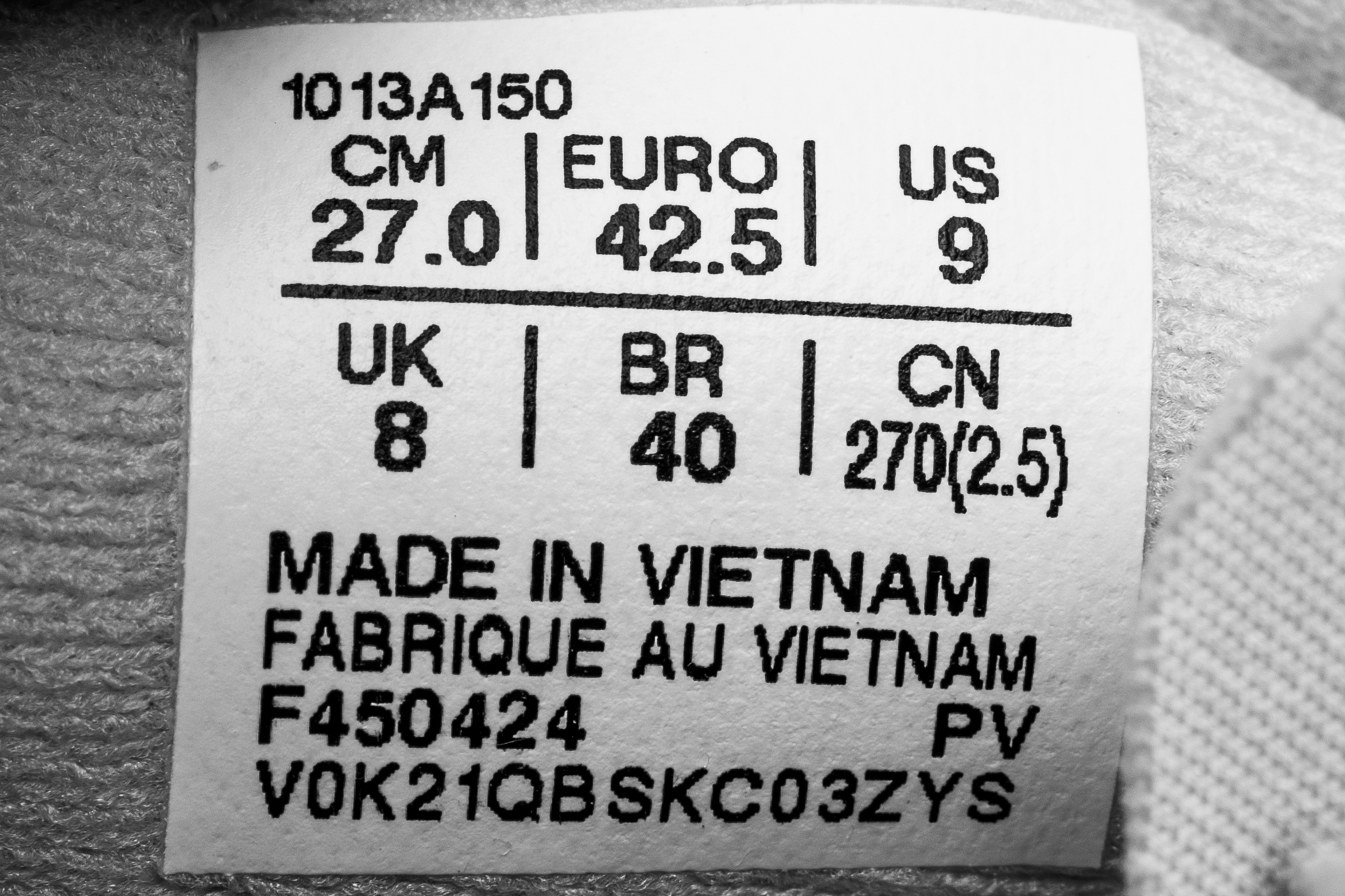
We tested the ASICS SUPERBLAST 2 in men's US size 9, as indicated on the label. The color shown here is Cool Grey/Safety Yellow, part of the Paris Edition series, which is said to draw inspiration from Paris sunrises and sunsets. This version features the same specifications as the standard SUPERBLAST 2, which is also available in colorways such as Black/White, White/Cool Grey, and Bold Magenta/Pink Glo. Wide versions aren't available for this model.