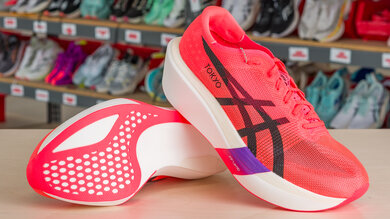
The ASICS METASPEED SKY TOKYO is a plated, ultra-light super shoe marketed for stride-dominant runners (who pick up the pace mainly by taking longer steps), pairing a late rocker and a carbon plate that sits high and close to the foot. It has a dual-foam midsole that puts FF Turbo+ above the plate and FF Leap underneath for quick rebound and a smooth roll, perfect for fast interval sessions or racing. The new midsole composition makes it feel notably softer and springier than the previous ASICS METASPEED SKY PARIS while staying efficient underfoot, which makes it easy to lock into goal pace without expending too much energy. The upper is minimal and airy with a race-fit silhouette and a decent grip up front, though the soft, exposed heel foam and narrow base won't suit heavy heel strikers or runners who need a lot of stability. It feels livelier at toe-off and more energetic through the midsole than the ASICS METASPEED EDGE TOKYO, though it can be a more risky choice if your form tends to fade. Against the ASICS METASPEED RAY, the SKY TOKYO is heavier and stiffer, thanks to its full-length carbon plate.
Our Verdict
The ASICS METASPEED SKY TOKYO is a marathon-ready racer that feels light, efficient, and easy to lock into goal pace thanks to its high plate position, late rocker, and dual-foam midsole that blends a soft, compressive bottom layer with springy FF Turbo+ foam on top. The midsole absorbs the force from each step and channels it into energy, helping you keep moving forward and making the ride feel very efficient. Runners who land mid to forefoot will appreciate how it pops at faster paces, though the rear of the shoe is less stable, due to the higher proportion of softer FF Leap foam in this area.
FF Leap under FF Turbo+ gives a quick, elastic rebound.
Exceptionally light build.
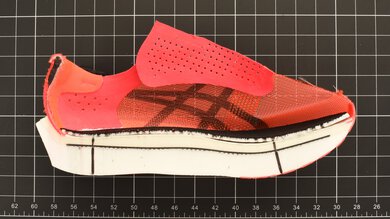
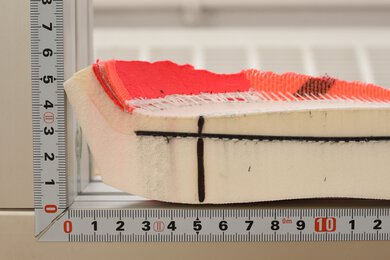
High, relatively flat carbon plate positioned near the foot.
Plenty of underfoot protection.
Rear platform feels narrow and wobbly if form fades.
Not very suitable for heel strikers.
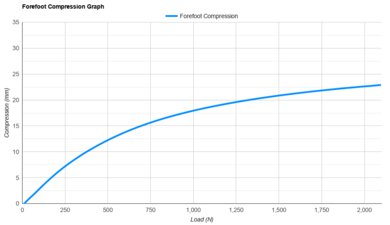
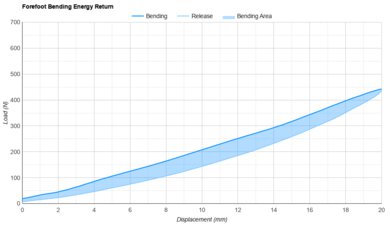
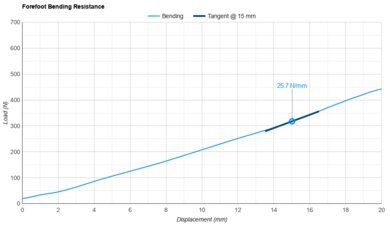
The ASICS METASPEED SKY TOKYO feels lively for shorter races, with a very light weight and energetic forefoot that makes it highly suitable for faster efforts. The forefoot has some give rather than an ultra-rigid snap, but the carbon plate, positioned close to the foot, brings some dynamism and reactiveness to the ride. That makes it a great option for fast road 5Ks and 10Ks if you want bounce and speed without a harsh platform.
FF Leap under FF Turbo+ gives a quick, elastic rebound.
Exceptionally light build.
High, relatively flat carbon plate positioned near the foot.
Changelog
- Updated Jul 16, 2026: We've converted this review to Test Bench 0.15, which replaces Responsiveness with three specific performance usages: Bounciness, Snappiness, and Roll. To read more about the changes, see the changelog.
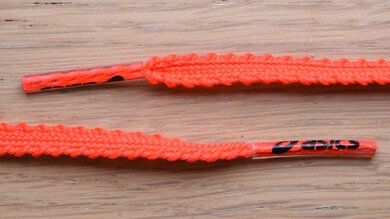
- Updated Jul 09, 2026: We've converted this review to Test Bench 0.14, which adds new lace-specific results. We've included a close-up photo of the laces, as well as details including lace type, width, thickness, and stretch. To read more about the changes, see the changelog.
- Updated Jun 30, 2026: We've converted this review to Test Bench 0.13, which identifies the different foams used in the shoe's midsole. We've included a microscopic image of the foam cells to give you an idea of what the microstructure looks like. To read more about the changes, see the changelog.
- Updated Jun 17, 2026: We've converted this review to Test Bench 0.12, which fixes how we measure firmness, a component of the Stability and 5K/10K Racing usages. There may be inconsistencies between the text and the scores for these usages, but the scores should still be considered valid. We've also brought back the Energy Return score and added two new usages: Daily Training and Long Run. To read more about the changes, see the changelog.
-
Updated Apr 15, 2026:
We've replaced the Energy Return usage box with Responsiveness, which incorporates four additional tests, and updated the text accordingly.
- Updated Apr 15, 2026: We've converted this review to Test Bench 0.11, adding two new rocker measurements to the Design section, and three new responsiveness tests to the Performance section. The Energy Return usage score has been replaced with Responsiveness. Check out the details in our changelog.
-
Updated Feb 16, 2026:
We updated the review to include text for the full set of new fit tests and the corresponding usage box, which were recently added to our test bench.
- Updated Feb 16, 2026: We've converted this review to Test Bench 0.10, adding a new set of fit tests to the Design section and an overall fit performance usage. Check out the details in our changelog.
-
Updated Nov 05, 2025:
We wrote the text of this review to reflect scores from our latest Test Bench update.
- Updated Oct 28, 2025: We've converted this review to Test Bench 0.9, which adds a Forefoot Long Run Cushioning test to our performance section. Read more in our changelog.
- Updated Oct 24, 2025: We've converted this review to Test Bench 0.8.2, which updates our methodology for the impact force range used in our compression tests to improve their accuracy. This also affects all usage and performance usage boxes using those compression tests as score components.
- Updated Oct 24, 2025: Review published.
- Updated Jun 26, 2025: Our testers have started testing this product.
- Updated Jun 20, 2025: The product has arrived in our lab, and our testers will start evaluating it soon.
- Updated Jun 20, 2025: We've purchased the product and are waiting for it to arrive in our lab.
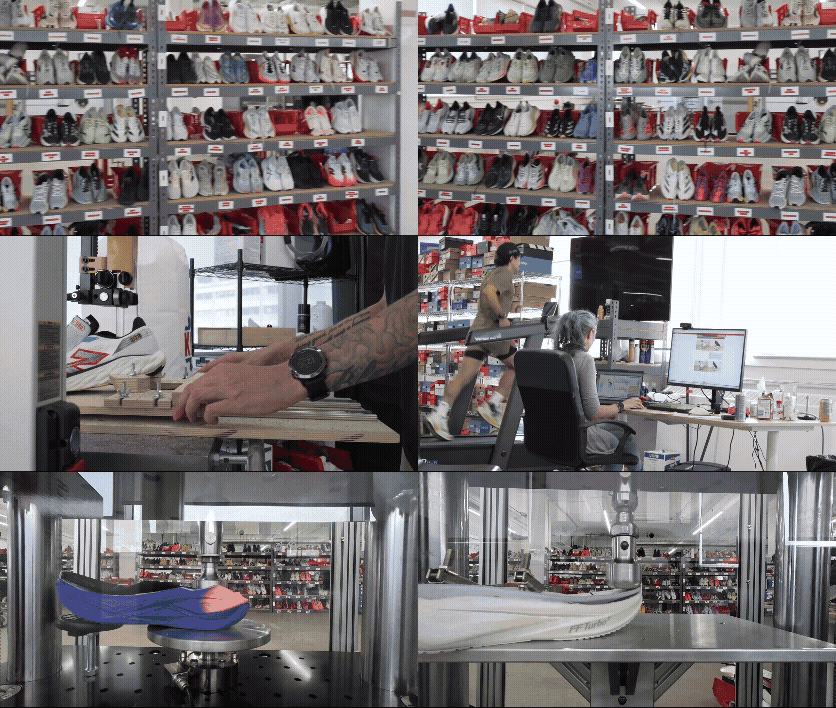
We've bought and tested more than 250 running shoes. Every pair purchased with our own money, never supplied or sponsored by brands. Our data-driven tests are designed to go beyond marketing claims, and since every shoe goes through the exact same methodology, you can directly compare results to find the right pair for your needs.
Test Results
Energy Return
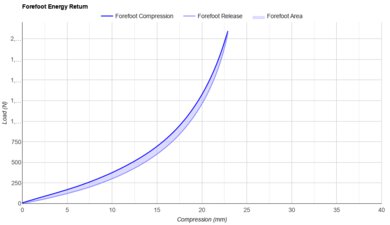
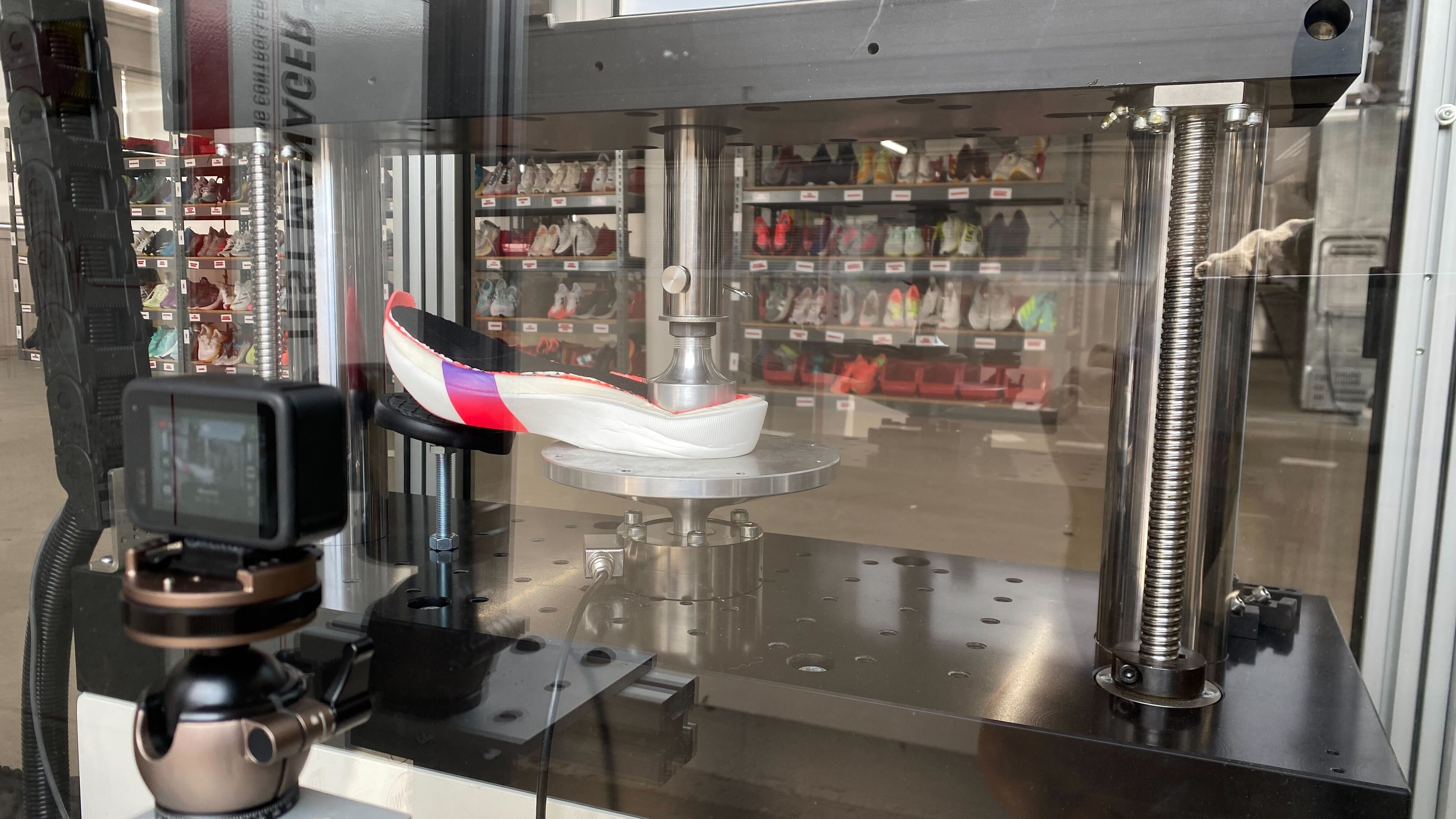
This shoe delivers superb pop up front, returning a similar amount of energy as the ASICS METASPEED RAY, thanks to FF Leap foam sitting under the plate and FF Turbo+ foam above it, a layout that compresses quickly then snaps back for a lively toe-off. It feels more energetic than the ASICS METASPEED EDGE TOKYO's flipped setup, rewarding runners with elastic rebound that makes uptempo pacing feel easy to maintain.
Stability
The ASICS METASPEED SKY TOKYO doesn't have the best lateral stability. A narrow, softer rear platform and minimal upper structure keep weight low but can introduce a bit of wobble on sharp turns, off-camber roads, or when the form breaks down late in a race or session. This is mainly due to the presence of soft, very malleable FF Leap foam as the bottom layer, so heel-to-midfoot strikers seeking extra confidence will find steadier options in the category.
High, relatively flat carbon plate positioned near the foot.
Rear platform feels narrow and wobbly if form fades.
Not very suitable for heel strikers.
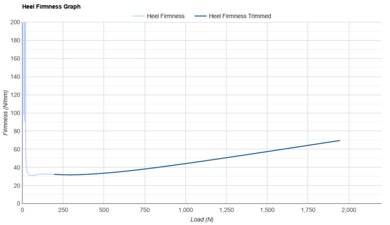
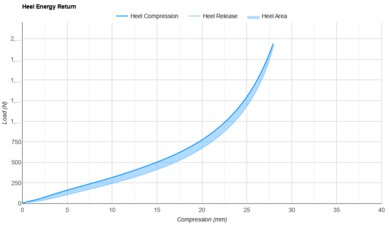
The heel feels soft and pliable, with the bottom layer of FF Leap introducing more give. The rear platform can feel a bit ungrounded, which is perfectly fine for non-technical courses but more problematic on curves or off-camber sections.
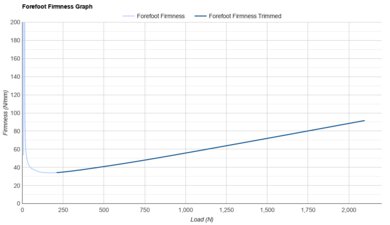
The forefoot sits in a sweet spot: firm enough to add some snap at toe-off, yet compliant enough to avoid too much harshness. However, it will feel a lot less firm in that region than other super shoes, such as the Nike Vaporfly 4.
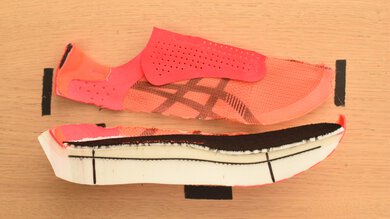
Cushioning
The ASICS METASPEED SKY TOKYO delivers well-balanced cushioning that feels protective during long efforts without feeling dull. The softer layer underfoot compresses smoothly for comfort, while the top layer and plate keep the platform composed so landings don't feel overly mushy either. The forefoot feels plusher than many pure speed shoes, which helps for longer distances, though the ride can feel a bit chaotic for runners who struggle to maintain good form.
Plenty of underfoot protection.
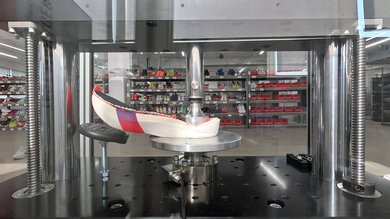
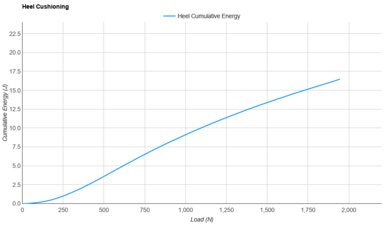
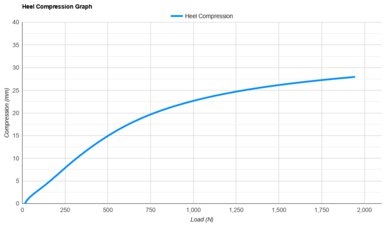
The ASICS METASPEED SKY TOKYO offers very protective heel cushioning that keeps impacts comfortable without turning too mushy. However, at very high forces, it will feel less cushioned.
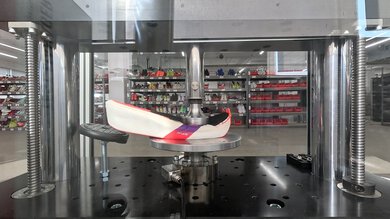
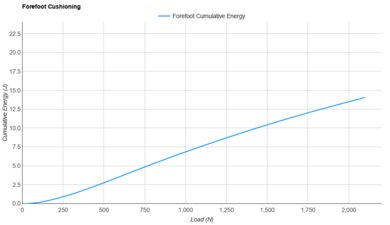
The ASICS METASPEED SKY TOKYO has impressive forefoot protection. It feels cushioned without dulling the pop, making faster efforts comfortable while maintaining that responsive feel that defines the shoe.
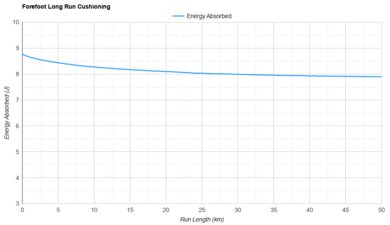
The ASICS METASPEED SKY TOKYO offers very good long-run protection, but forefoot protection fades a bit as the distance piles up. With the plate sitting high in the midsole, it meets the force coming from the foot early and gets in the way of the midsole trying to absorb it, so the FF Turbo+ foam layer above the plate ends up taking more of the initial shock. Over repeated impacts, this reduces the cushioning capabilities of the foam at a faster rate than the ASICS METASPEED EDGE TOKYO, with its flipped dual-midsole layout. That said, the SKY TOKYO remains a great pick for distances up to a half or full marathon.
Bounciness
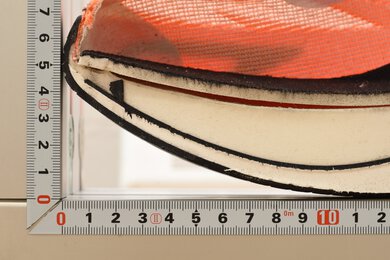
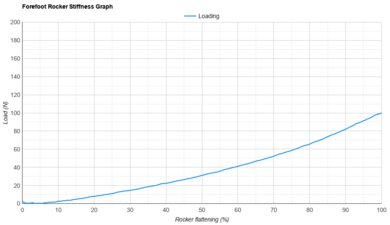
The ASICS METASPEED SKY TOKYO has impressive responsiveness, as its midsole rebounds exceptionally well, combining fast-decompressing FF Leap foam under the plate with a responsive FF Turbo+ foam layer above. This composition, combined with a rocker that is more pronounced toward the forefoot, gives a good roll-through that rewards mid and forefoot landing. The shoe keeps its snap deep into long runs, helping you maintain pace with less effort through the stride.
FF Leap under FF Turbo+ gives a quick, elastic rebound.
Carbon plate makes the ride feel snappy.
Snappiness
Roll
True To Size
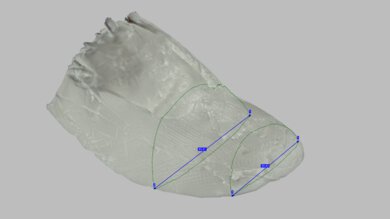
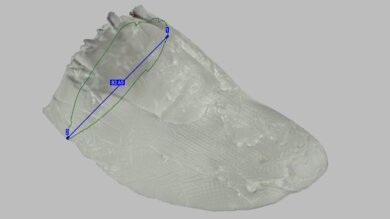
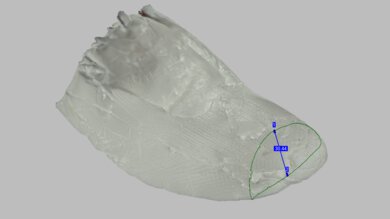
The ASICS METASPEED SKY TOKYO fits with a distinctly race-snug feel, running a bit tight in length and in width through the forefoot and arch, which can feel restrictive if you have a broader foot or prefer a more relaxed fit for longer sessions. The good news is that the toe box height stays true to size, so you still get a good amount of vertical room over the toes without that pressed-down sensation. Overall, it’s a secure, performance-first fit that works best for narrow-to-average feet, while runners who want a little more breathing room will likely be happier sizing up.
Good amount of vertical room at the forefoot.
A bit short in length.
Quite narrow.
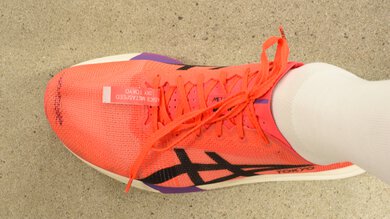
This shoe feels a bit short in length, and ideally, you'd get a touch more toe clearance up front. It can be perfectly fine for racing if you prefer a locked-in feel, but over longer distances, especially a marathon, your feet tend to swell, and your big toe can end up sitting uncomfortably close to the front of the shoe. It won't bother everyone, but runners who prefer more breathing room will likely be happier if they go up half a size.
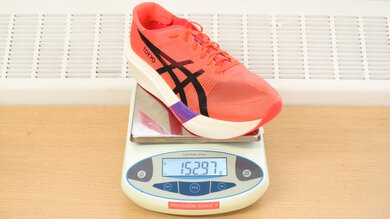
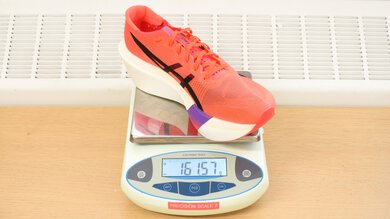
The ASICS METASPEED SKY TOKYO is exceptionally light even by super shoe standards, so it feels effortless to keep pace and stay fresh late into workouts. If your top priority is shaving every gram for maximum efficiency, the ASICS METASPEED RAY trims even more. On our scale, there was a considerable weight variation between the left and right shoes, but it's likely pair-specific.


Popular Running Shoe Comparisons
The ASICS METASPEED SKY TOKYO is a high-performance racing shoe marketed for stride-driven runners. With its unique dual-foam midsole configuration, full-length carbon plate positioned close to the foot, and aggressive forefoot rocker, this shoe delivers a propulsive feel, which makes it ideal for faster paces and short- to mid-distance racing. Compared to shoes like the PUMA Fast-R NITRO Elite 3 or the Nike Vaporfly 4, the SKY is bouncier but less snappy and aggressive at toe-off. And while the previous ASICS METASPEED SKY PARIS did deliver that more traditional snap, this new version refines almost everything else. On the other hand, those who want a performance-oriented shoe that's more stable, without the very soft, compliant feel of the FF Leap bottom layer, should find the Diadora Gara Carbon 2 or the Saucony Endorphin Pro 4 more solid options.
Within ASICS' race lineup, the SKY TOKYO sits between the ASICS METASPEED RAY and ASICS METASPEED EDGE TOKYO, bridging the gap between top efficiency and approachability. It's the snappiest option of the three, best for mid-to-forefoot strikers who prefer a more connected and responsive feel. The EDGE TOKYO, by contrast, offers a ride suitable for heel-to-midfoot runners who want something reliable over the full marathon distance. The RAY, meanwhile, goes for pure efficiency, delivering maximum softness and rebound, and minimal weight, but at the cost of stability and long-term durability. Together, they make up ASICS' most comprehensive race-day lineup yet, giving runners clear choices depending on their mechanics and race goals.
For more options, check out our recommendations for the best running shoes, or more specifically, for the best long-distance running shoes and the best shoes for running a marathon.
The ASICS METASPEED SKY TOKYO and the adidas Adizero Adios Pro 4 are both top-tier marathon racers, but they differ in design philosophy and feel underfoot. The SKY TOKYO is dramatically lighter and uses a flatter full-length carbon plate placed close to the foot for a direct, propulsive toe-off, while the Adios Pro 4 relies on its carbon-infused EnergyRods and more pronounced rocker geometry to deliver a rolling, snappy transition. Both are highly efficient, but the SKY offers slightly better energy return and a more consistent cushioning performance over the course of a marathon, maintaining its effectiveness even late into the race. The Adios Pro 4, with its higher drop and slightly firmer midsole feel, provides a bit more structure and guidance but feels less agile in comparison.
The Nike Alphafly 3 and ASICS METASPEED SKY TOKYO both aim for peak marathon efficiency but take very different approaches to achieving it. The SKY TOKYO uses FF Leap (A-TPU) foam and a full-length carbon plate positioned close to the foot, creating a lighter shoe with a highly responsive feel. The Alphafly 3, meanwhile, leans into its signature ZoomX midsole and forefoot Air Pods to produce a mechanical, trampoline-like pop that feels springy but returns less energy overall. Both are performance-oriented shoes, yet the SKY TOKYO feels smoother and far lighter on foot, which can translate to better efficiency for runners who maintain strong mechanics over long distances. The Alphafly, however, offers a touch more stability, making it a safer bet for fatigue-prone runners or those needing extra structure late in a race.
The ASICS METASPEED EDGE TOKYO and ASICS METASPEED SKY TOKYO target different running styles. The EDGE TOKYO suits cadence-driven runners plus heel-to-midfoot strikers, while the SKY TOKYO better suits stride-driven runners who load the midfoot or forefoot. The SKY TOKYO offers more bounce, while the EDGE TOKYO provides better stability for heel strikers and works particularly well over the marathon. Get the EDGE TOKYO if you gain speed through quicker turnover; get the SKY TOKYO if you gain speed by lengthening your stride.
The PUMA Fast-R NITRO Elite 3 and ASICS METASPEED SKY TOKYO are both elite racing shoes built for fast, efficient runners, but they take slightly different approaches to propulsion and long-distance feel. The ASICS is lighter and has a lower drop, and it holds a very slight edge in overall bounce and weight, which in theory translates to marginally better running economy when you're chasing peak efficiency. Its plate sits higher and feels flatter underfoot, creating a direct, aggressive sensation. The PUMA uses a more curved plate and a split midsole, and while both shoes can feel somewhat unstable due to their soft, highly reactive foams, the PUMA's split platform amplifies that sensation further. Over longer distances, though, the PUMA's cushioning tends to hold up better, making it feel a bit more protective deep into a race.
The ASICS METASPEED RAY and the ASICS METASPEED SKY TOKYO are both elite racing shoes built for speed, but they deliver that speed in very different ways. The RAY is lighter and softer, relying on a partial forefoot plate and a single, thick layer of FF Leap foam to create a deeply cushioned, springy ride that stays consistent over distance. The SKY TOKYO uses a full-length plate positioned close to the foot, paired with a wider outsole platform that provides more stability and a firmer feel. Both are highly energetic and responsive, but the RAY offers a softer, more cushioned experience. While the SKY TOKYO may give up more protection deep into a run, it makes up for it with greater stability and a more consistent ride than the RAY.
The ASICS METASPEED SKY TOKYO and Saucony Endorphin Elite 3 are two carbon-plated racers that deliver different rides that will appeal to different runners. The ASICS shoe has a much lower heel-to-toe drop and a narrower platform that favors forefoot strikers who can maintain good form throughout the race. The Saucony shoe has a more rockered rearfoot and a bigger heel drop that is more accommodating of heel strikers. Its wider platform also makes the shoe generally more stable, although it is also significantly heavier. The SKY TOKYO is the shoe for hyper-optimized running efficiency, while the Endorphin Elite 3 is a super shoe with a bit more of a safety net in case your form breaks down.
Differences Between Sizes And Variants
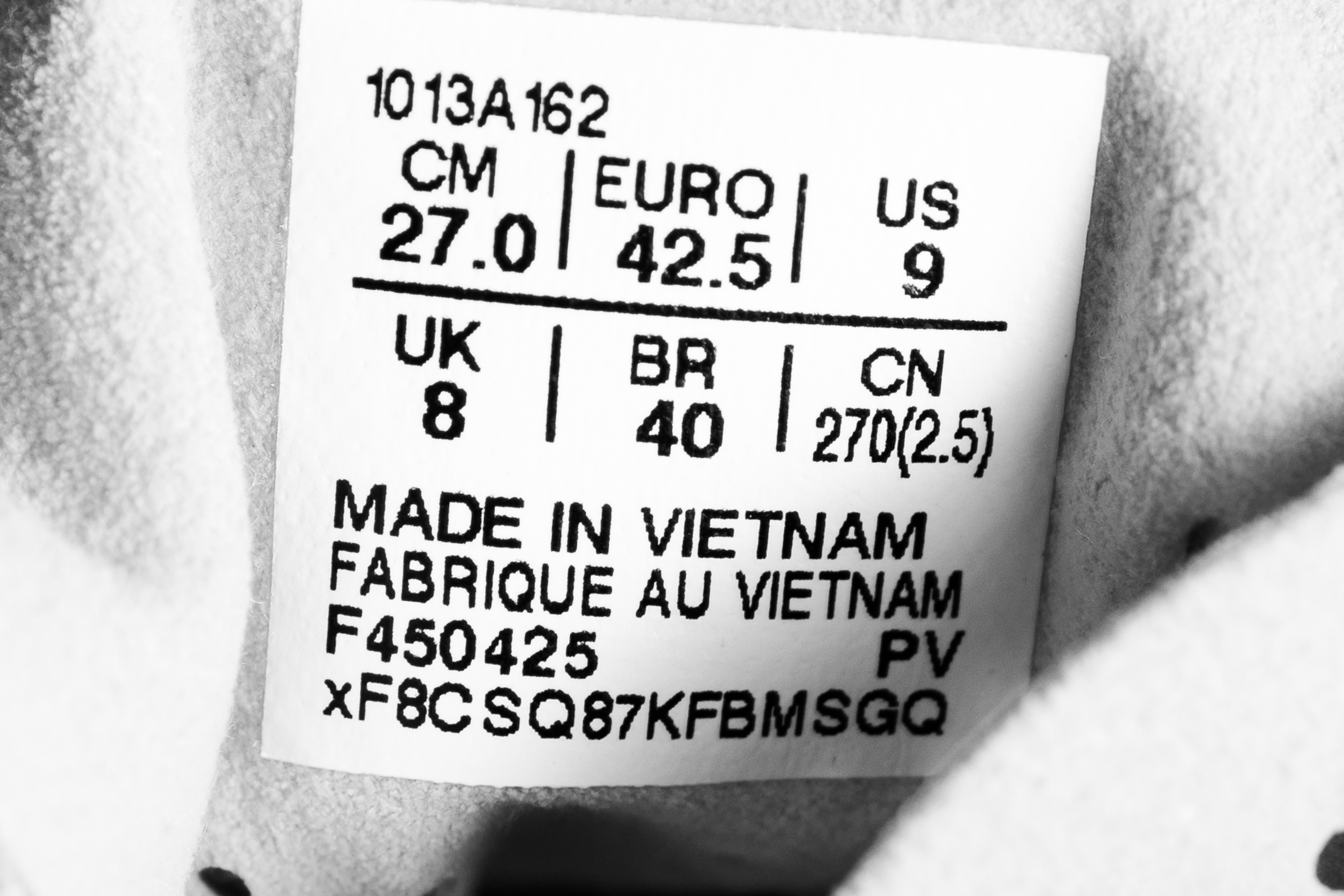
We bought and tested the ASICS METASPEED SKY TOKYO in men's US size 9, as noted on the label for our pair. The pair we purchased is the Flash Red/Black colorway. There are currently no wide variants available. The design section applies only to the exact model we tested, but we expect other size and gender variants to perform similarly.