The PUMA Fast‑R NITRO Elite 3 is an aggressive super shoe built for racing and high‑intensity runs. It's significantly lighter than its predecessor, the Fast-R 2, and weighs less than most other carbon-plated racers. That weight loss mainly comes from a less substantial PUMAGRIP outsole and a paper‑thin upper. The result is a super shoe that feels noticeably sharper than the more approachable PUMA Deviate NITRO Elite 3. At marathon effort and faster, its carbon plate NITROFOAM ELITE midsole and aggressive geometry combine to generate efficient forward momentum. This is especially true for forefoot strikers, who will benefit most from its unique design. Treat it like a supercar: as a dedicated race tool, it simply doesn't come alive at anything slower.
Our Verdict
The PUMA Fast‑R NITRO Elite 3 is an amazing marathon racer, combining a feather‑light build with a snappy NITROFOAM ELITE midsole and carbon plate that sustains forward momentum efficiently. Its aggressive rocker and decoupled midsole geometry encourage a consistent forefoot strike, though you'll need precise form to get the most out of this shoe and remain stable. In practice, however, the way the shoe activates under load upon each strike means lateral stability isn't too bad once you're rolling at race pace.
Carbon fiber plate.
Very lightweight.
A-TPU foam delivers a very bouncy ride.
NITROFOAM ELITE is very protective.
Not the most stable super shoe.
The PUMA Fast-R NITRO Elite 3 is a great option for shorter-distance racing, thanks largely to its ultralight weight and lively midsole. The forefoot foam by itself isn't the snappiest on the market, but it's braced by a carbon plate that actually extends beyond the toe, so toe‑offs still feel explosive. Overall, it delivers an efficient and propulsive drive when you push off, making it a compelling choice for 5K and 10K efforts.
Carbon fiber plate.
Very lightweight.
A-TPU foam delivers a very bouncy ride.
Forefoot could be firmer.
Changelog
- Updated Jul 16, 2026: We've converted this review to Test Bench 0.15, which replaces Responsiveness with three specific performance usages: Bounciness, Snappiness, and Roll. To read more about the changes, see the changelog.
-
Updated Jul 13, 2026:
We added the newly reviewed PUMA Fast-FWD NITRO Elite 2 to the Popular Running Shoe Comparisons section.
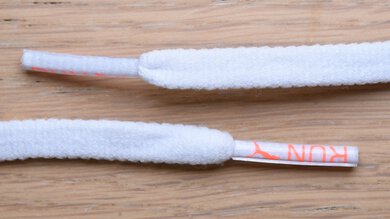
- Updated Jul 09, 2026: We've converted this review to Test Bench 0.14, which adds new lace-specific results. We've included a close-up photo of the laces, as well as details including lace type, width, thickness, and stretch. To read more about the changes, see the changelog.
- Updated Jul 07, 2026: We've converted this review to Test Bench 0.13, which identifies the different foams used in the shoe's midsole. We've included a microscopic image of the foam cells to give you an idea of what the microstructure looks like. To read more about the changes, see the changelog.
- Updated Jun 17, 2026: We've converted this review to Test Bench 0.12, which fixes how we measure firmness, a component of the Stability and 5K/10K Racing usages. There may be inconsistencies between the text and the scores for these usages, but the scores should still be considered valid. We've also brought back the Energy Return score and added two new usages: Daily Training and Long Run. To read more about the changes, see the changelog.
-
Updated Apr 29, 2026:
We updated the Popular Running Shoe Comparisons section to include the PUMA Deviate NITRO Elite 4.
-
Updated Apr 15, 2026:
We've replaced the Energy Return usage box with Responsiveness, which incorporates four additional tests, and updated the text accordingly.
- Updated Apr 15, 2026: We've converted this review to Test Bench 0.11, adding two new rocker measurements to the Design section, and three new responsiveness tests to the Performance section. The Energy Return usage score has been replaced with Responsiveness. Check out the details in our changelog.
-
Updated Feb 16, 2026:
We updated the review after correcting measurement inaccuracies with the Volume tests for Fit due to an inaccurate 3D mold of the shoe.
-
Updated Feb 16, 2026:
We updated the review to include text for the full set of new fit tests and the corresponding usage box, which were recently added to our test bench.
- Updated Feb 16, 2026: We've converted this review to Test Bench 0.10, adding a new set of fit tests to the Design section and an overall fit performance usage. Check out the details in our changelog.
-
Updated Oct 30, 2025:
We updated the Weight box to add a comparison to the ASICS METASPEED RAY.
- Updated Oct 28, 2025: We've converted this review to Test Bench 0.9, which adds a Forefoot Long Run Cushioning test to our performance section. Read more in our changelog.
-
Updated Oct 22, 2025:
We updated the Weight box to align with the latest test bench and revised the side-by-side comparisons to keep the review accurate.
- Updated Oct 20, 2025: We've converted this review to Test Bench 0.8.2, which updates our methodology for the impact force range used in our compression tests to improve their accuracy. This also affects all usage and performance usage boxes using those compression tests as score components.
-
Updated Sep 03, 2025:
In the Popular Running Shoe Comparisons section, we've added a comparison to the recently reviewed Brooks Hyperion Elite 5.
-
Updated Jul 30, 2025:
We revised the phrasing in the Marathon Racing and Lateral Stability boxes to reflect the changes in the latest test bench.
- Updated Jul 30, 2025: We've converted this review to Test Bench 0.8.1, which mainly updates the score components for the Marathon Racing and Lateral Stability usage boxes to improve accuracy.
- Updated May 14, 2025: Review published.
- Updated May 08, 2025: Early access published.
- Updated May 02, 2025: Our testers have started testing this product.
- Updated May 02, 2025: The product has arrived in our lab, and our testers will start evaluating it soon.
- Updated Apr 30, 2025: We've purchased the product and are waiting for it to arrive in our lab.

We've bought and tested more than 250 running shoes. Every pair purchased with our own money, never supplied or sponsored by brands. Our data-driven tests are designed to go beyond marketing claims, and since every shoe goes through the exact same methodology, you can directly compare results to find the right pair for your needs.
Test Results
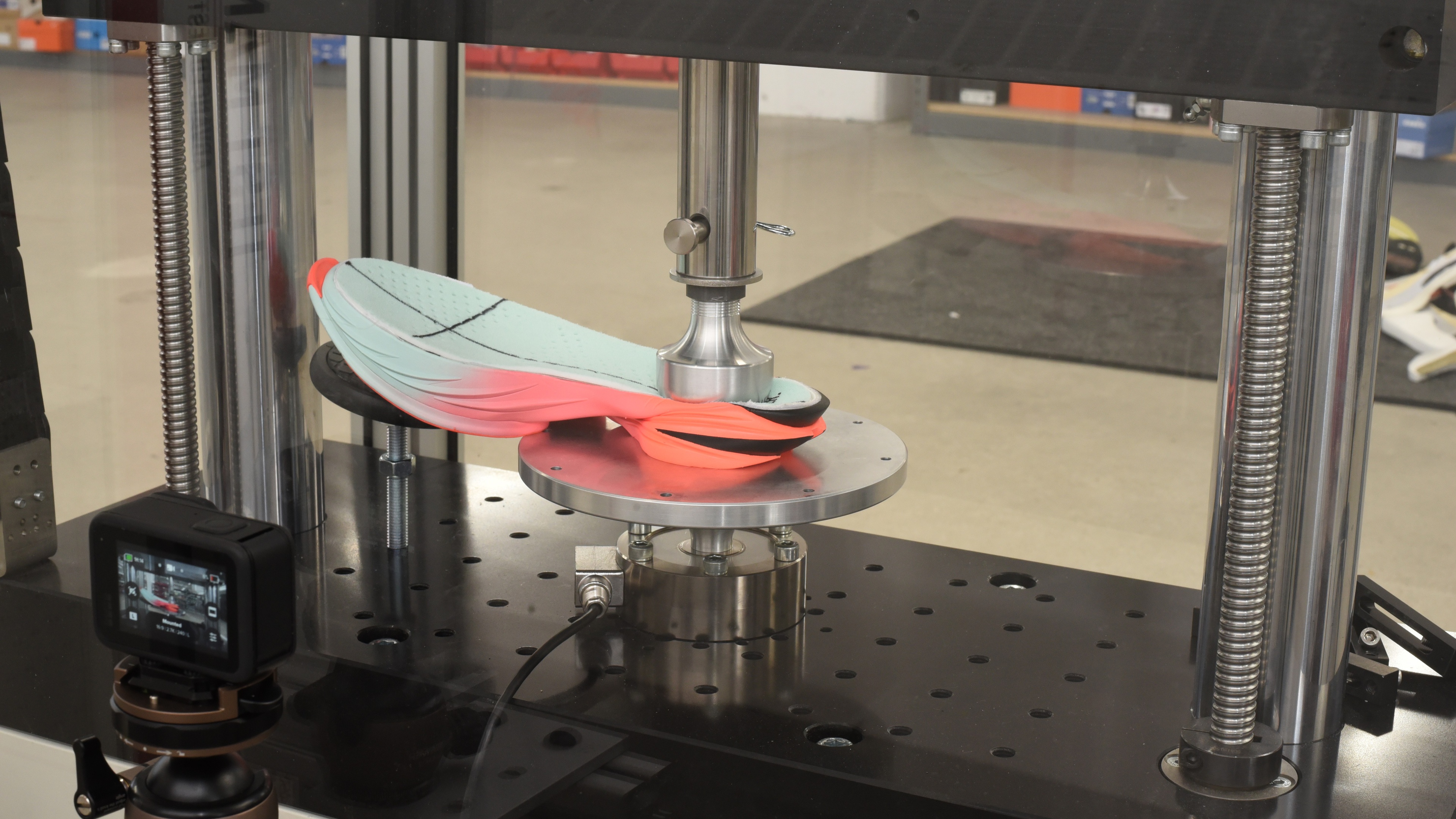
Energy Return
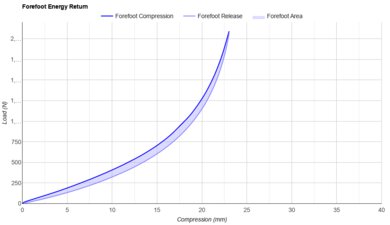
Under the forefoot, the A-TPU foam delivers a very dynamic push at toe‑off. You sense an immediate pop as the midsole releases stored energy, especially when you're running at marathon pace or faster, making each stride feel more explosive.
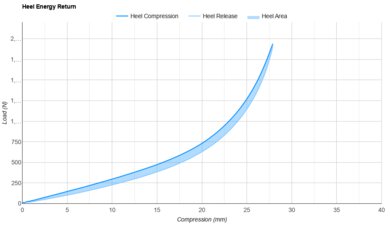
The NITROFOAM ELITE in the heel bounces back quickly after each landing, so you feel carried forward instead of limited by impacts. That lively rebound helps maintain rhythm, smoothing the transition through your gait.
Note that because the shoe's unique heel geometry causes it to slide under compression, we slightly adjusted our methodology by shifting the compression point to 25% of the heel length (instead of the usual 12%) to obtain reliable, comparable results.
Stability
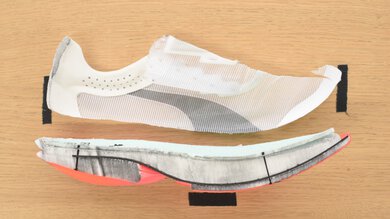
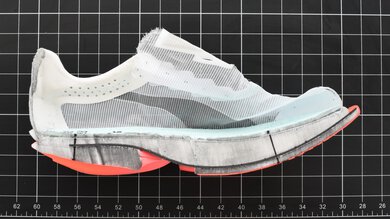
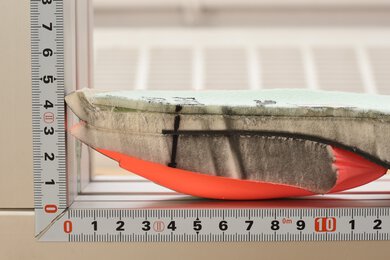
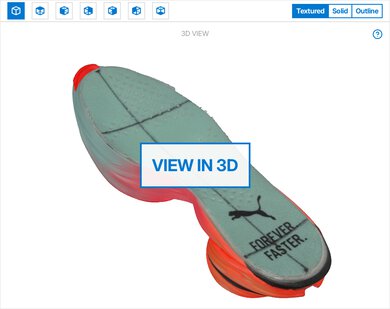
Because the PUMA Fast‑R NITRO Elite 3 uses a decoupled midsole design, its outsole shows an almost nonexistent arch width, resulting in quite a low score. In practice, however, that narrow section isn't really activated when running due to the overall geometry, so you won't feel much instability, especially if your form is solid. That said, it remains a performance‑focused super shoe with really soft foam at the heel, so don't expect much stability either if you drift off a clean strike pattern.
Carbon fiber plate.
High stack height.
Heel foam is quite soft and wobbly.
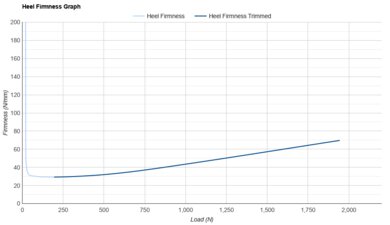
The heel feels notably soft and is appealing if you like a forgiving landing, but that compliance comes at the expense of stability, offering little resistance when your foot rolls laterally.
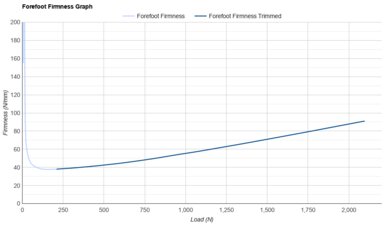
The forefoot is moderately firm, but not as firm as short-distance specialists like the PUMA Deviate NITRO Elite 3 or the ASICS METASPEED SKY PARIS. If you depend on an ultra‑snappy toe‑off to launch your speed, those models will feel more appropriate, whereas the PUMA Fast‑R NITRO Elite 3 strikes a middle ground between softness and snap.
Cushioning
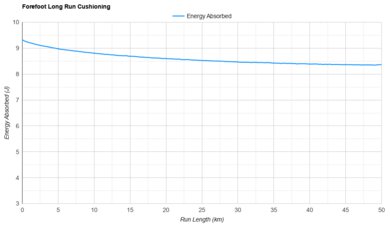
Despite stripping back weight, the PUMA Fast‑R NITRO Elite 3 doesn't compromise the excellent underfoot protection. The heel is plush enough to absorb impact without feeling too mushy, and the forefoot is sufficiently cushioned to remain protective for longer efforts.
NITROFOAM ELITE is very protective.
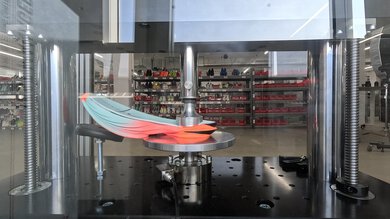
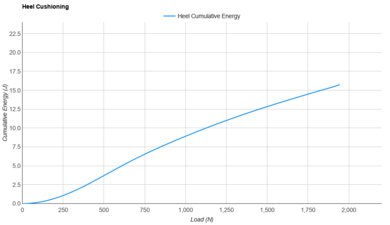
Despite its stripped‑down silhouette, the heel is very plush underfoot. It absorbs impact confidently, giving long‑distance protection that is especially beneficial at the end of a marathon when your legs need it most.
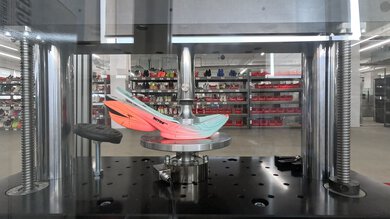
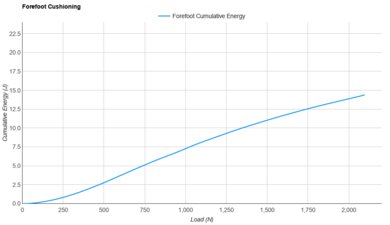
The PUMA Fast‑R NITRO Elite 3 delivers surprisingly generous padding under the ball of your foot. While it doesn't compromise rebound, the A-TPU foam provides a protective buffer that keeps push‑offs comfortable, even when you're hammering at race pace. It offers noticeably plusher cushioning here than its cousin, the PUMA Deviate NITRO Elite 3, making the Fast-R 3 the better choice for long distances when extra underfoot protection is crucial.
Bounciness
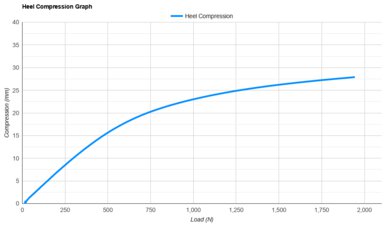
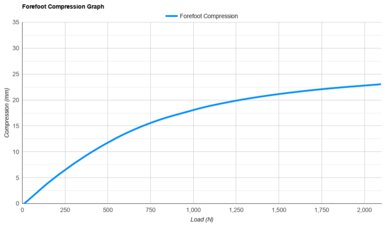
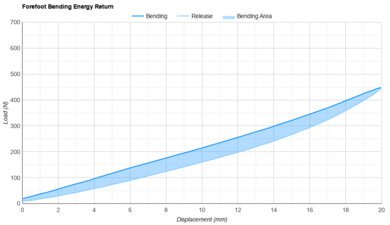
The PUMA Fast‑R NITRO Elite 3 offers excellent responsiveness. The NITROFOAM ELITE foam, made of A-TPU, offers amazing energy return. Each landing is converted into a dynamic and bouncy feel, so at threshold and race paces, you sense a continuous pop that carries you into the next stride. The carbon fiber plate, which extends past the toe, adds further snap to each push-off.
A-TPU foam delivers a very bouncy ride.
Rockered geometry encourages high turnover.
Snappiness
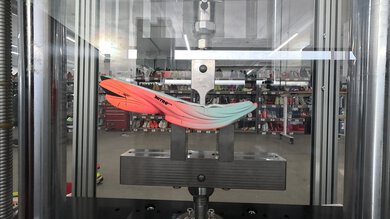
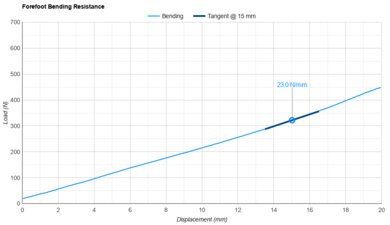
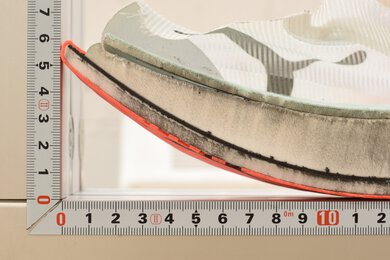
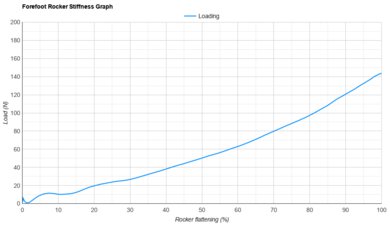
Roll
True To Size
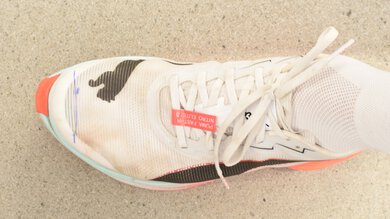
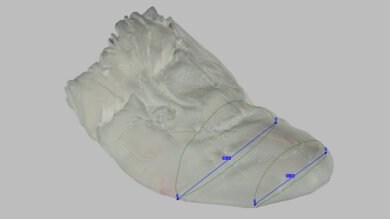
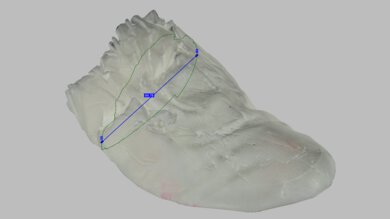
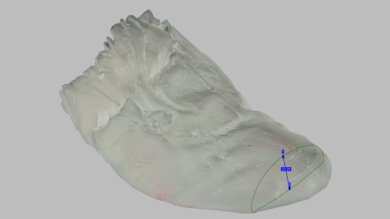
The PUMA Fast-R NITRO Elite 3 fits true to size in length, delivering a race-ready, locked-in feel without feeling too short or overly long. The arch and forefoot are true to size in width, so most runners get a natural amount of room up front while still feeling secure at faster paces. In terms of vertical space, it's quite snug at the forefoot, which is typical for a performance shoe.
Length is true to size.
Good width at the forefoot.
A bit low-volume at the forefoot.
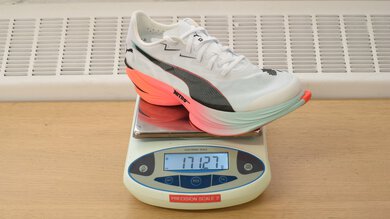
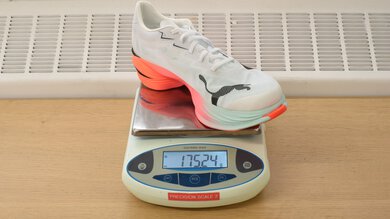
The shoe is amazingly light, noticeably so even among today's super shoes. You'll sense the weight drop the moment you pick it up versus the previous Fast-R 2 or PUMA's more approachable super shoe, the PUMA Deviate NITRO Elite 3, and that translates into an efficient experience in every stride. Only a handful of super shoes are lighter than this model, such as the ASICS METASPEED RAY.

Popular Running Shoe Comparisons
The PUMA Fast-R NITRO Elite 3 is a standout in the super shoe category, delivering a uniquely aggressive and efficient ride. Its split midsole design, prominent rocker, and very responsive midsole work together to offer a highly propulsive and energetic toe-off. It's also among the lightest racing shoes available, enhancing running efficiency. Still, it's far from reaching the ultra-light weight of the adidas Adizero Adios Pro Evo 1. That said, its aggressive design may favor those who strike closer to their forefoot, and runners with a heel-striking gait might find it less stable and efficient than options like the Brooks Hyperion Elite 5 or New Balance FuelCell SuperComp Elite v5, especially during longer distances. This shoe is clearly optimized for the marathon, offering sufficient cushioning to stay protected throughout the race, while remaining capable across a variety of distances. That said, its forefoot isn't as snappy as dedicated short-distance super shoes like the ASICS METASPEED SKY PARIS or the Nike Vaporfly 4, which deliver a more tuned feel for 5Ks and 10Ks.
Within PUMA's lineup, it sits above the PUMA Deviate NITRO Elite 4, offering an aggressive and snappy ride for serious performance seekers. There's also the PUMA Fast-FWD NITRO Elite 2, a lower-stacked super shoe optimized for short-distance racing up to 10k.
For more options, check out our recommendations for the best running shoes.
The Nike Alphafly 3 and the PUMA Fast-R NITRO Elite 3 are both elite marathon racing shoes, but they take different paths to performance. The Puma is significantly lighter and features a more responsive midsole, which contributes to a highly efficient, energetic ride, especially for forefoot strikers. In contrast, the Alphafly 3 delivers a unique mechanical sensation through its Air Zoom pods, which add just the right amount of firmness in the forefoot, creating an experience that's both bouncy and controlled. The Nike's geometry is less extreme, making it more accessible to a wider range of strike patterns.
The PUMA Deviate NITRO Elite 4 and PUMA Fast-R NITRO Elite 3 are two super-light super shoes from the big cat brand, but they target different racers. The Fast-R sits on top as the more aggressive option, with a decoupled midsole design that's well-suited to forefoot strikers and elite runners who want the snappiest feel. The Deviate is the more approachable choice for most people: it's still very light, but it uses a more standard platform that feels more stable and a bit more protective.
The PUMA Fast-R NITRO Elite 3 and ASICS METASPEED SKY TOKYO are both elite racing shoes built for fast, efficient runners, but they take slightly different approaches to propulsion and long-distance feel. The ASICS is lighter and has a lower drop, and it holds a very slight edge in overall bounce and weight, which in theory translates to marginally better running economy when you're chasing peak efficiency. Its plate sits higher and feels flatter underfoot, creating a direct, aggressive sensation. The PUMA uses a more curved plate and a split midsole, and while both shoes can feel somewhat unstable due to their soft, highly reactive foams, the PUMA's split platform amplifies that sensation further. Over longer distances, though, the PUMA's cushioning tends to hold up better, making it feel a bit more protective deep into a race.
The ASICS METASPEED RAY and PUMA Fast-R NITRO Elite 3 are both aggressive, performance-focused super shoes, but they take very different approaches. They both focus on delivering the very last percentages of efficiency, even if it's at the expense of durability. That said, the ASICS leans into a super-soft, ultra-bouncy midsole and featherweight build for maximum efficiency at fast paces, with a partial forefoot plate that adds some stiffness while remaining supremely plush. The tradeoff is a narrow platform and very compliant foam that makes it quite unstable. The PUMA shoe, on the other hand, features a full-length carbon plate and a uniquely aggressive rocker geometry on a wider, more planted base, making it feel a bit more confidence-inspiring when cornering, even if it is not quite as light or as cushioned-feeling as the ASICS. Its forefoot feels quite snappy and propulsive, whereas the ASICS leans more into elasticity and bounce for momentum.
The adidas Adizero Adios Pro Evo 2 and the PUMA Fast-R NITRO Elite 3 are both elite-level marathon racing shoes, but they cater to different types of runners. The Evo 2 is one of the lightest super shoes on the market, with a low-drop geometry and carved Lightstrike Pro Evo foam that provides consistent bounce. It's best suited to efficient forefoot strikers who can engage its later-stage rocker and don't require excessive cushioning or pop to maintain top-end pace. The Fast-R 3, on the other hand, is still very lightweight but offers a much more aggressive ride. Its midsole is more energetic, and it's paired with a full-length carbon PWRPLATE. The result is a powerful and explosive toe-off, but the split sole and narrow platform mean it's noticeably less stable. The geometry is bolder and the drop higher, making it easier to activate for more runners across a wider range of strides, but it's also less adapted to longer distances.
The PUMA Fast-R NITRO Elite 3 and Hoka Rocket X 3 are both carbon-plated super shoes designed for racing, but they cater to very different types of runners. The Fast-R 3 is significantly lighter and delivers much more aggressive propulsion thanks to its PEBA-based Nitro Elite foam and extreme geometry, making it one of the most energetic and efficient shoes available. However, its aggressive design, less stable platform, and split midsole can make it difficult to hold form over the full marathon distance, especially for fatigued or less experienced runners. The Rocket X 3, while less energetic and heavier, offers a more balanced experience and a more forgiving ride, especially in the heel. It trades raw explosiveness for smoother transitions and a more predictable feeling underfoot, which may be a better fit for runners looking for predictability and comfort rather than pure speed.
The PUMA Deviate NITRO 4 and PUMA Fast-R NITRO Elite 3 occupy different places in PUMA's lineup. The PUMA Fast-R NITRO Elite 3 is the brand's top-tier super shoe, built as a highly aggressive racing option with a super-light build, a full carbon plate, a higher stack, and a ride that feels bouncier, more protective, and more fully optimized for race-day performance. The PUMA Deviate NITRO 4 gives up some of that raw speed and outright efficiency, but in return it offers a more predictable, more durable, and more stable ride that's still plated, light, and energetic enough for serious workouts and even shorter races.
The ASICS METASPEED SKY PARIS and the PUMA Fast-R NITRO Elite 3 are two elite racing shoes built for speed, but they take very different approaches. Both are lightweight and designed for high performance, but the PUMA is more aggressive overall, featuring a split midsole and pronounced rocker that creates a propulsive ride, which is especially effective for midfoot and forefoot strikers. The ASICS, in contrast, has a firmer forefoot at average forces, delivering a snappy toe-off that excels in shorter efforts and controlled pacing, but with a more traditional and smoother transition. The ASICS feels more precise and stable, particularly over shorter distances where ground contact and control matter more.
The PUMA Deviate NITRO Elite 3 and the PUMA Fast-R NITRO Elite 3 are both carbon-plated racers, but they cater to different needs and racing styles. The Deviate NITRO Elite 3 is a more versatile option, with a traditional single-slab midsole that works well for a variety of workouts and races. It's better suited for runners who want a super shoe that can double as a workout partner for tempo efforts and doesn't feel overly aggressive underfoot. In contrast, the Fast-R 3 is more specialized and aggressive, with a split midsole design that delivers a noticeably more responsive ride. It's also significantly lighter and more efficient, especially at higher speeds. While the Fast-R 3 is clearly the more race-optimized option, particularly for midfoot and forefoot strikers, the Deviate NITRO Elite 3 remains a strong pick for runners seeking a balance between performance and adaptability.
Differences Between Sizes And Variants
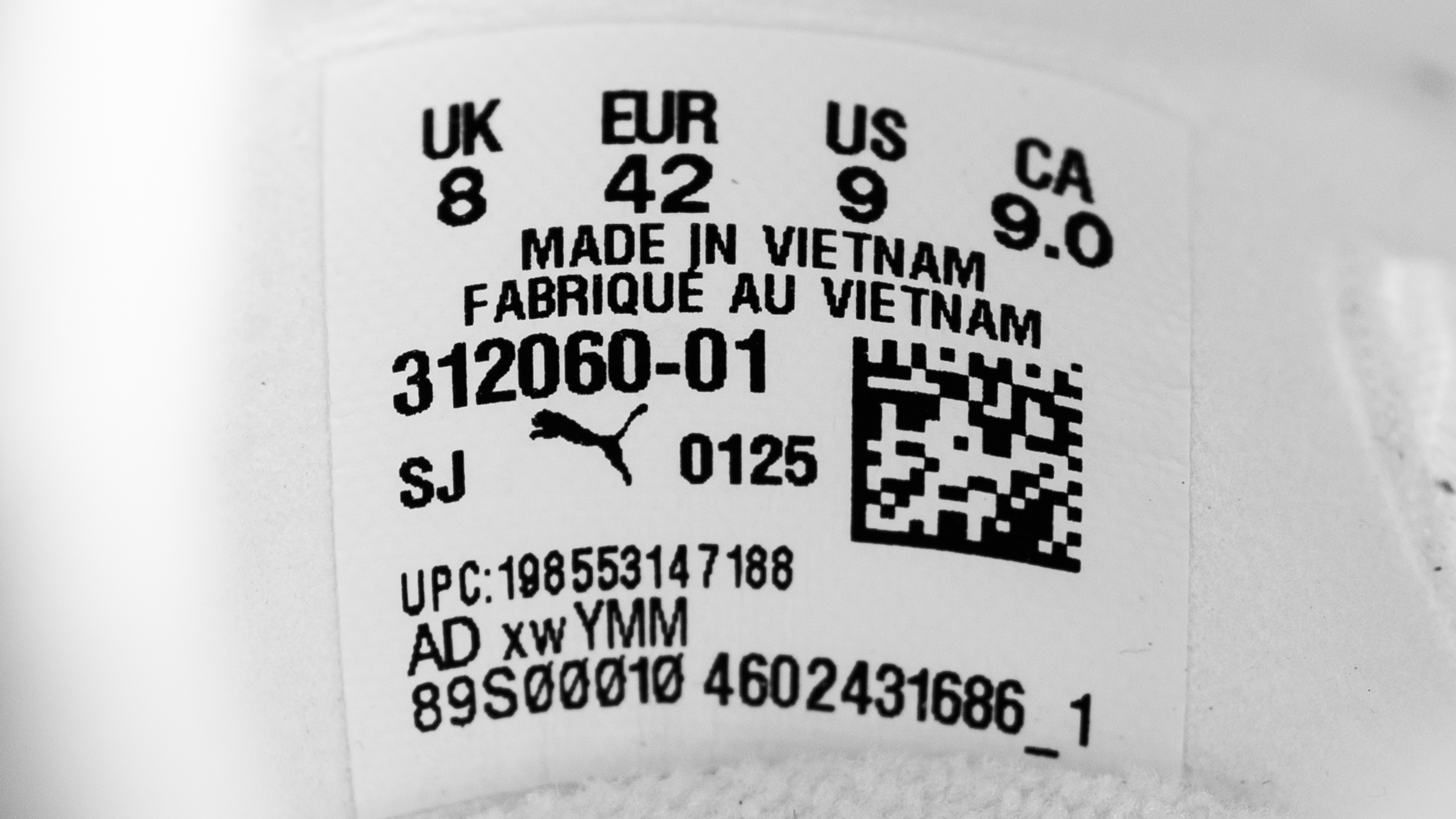
We tested the PUMA Fast‑R NITRO Elite 3 in men's US size 9, as indicated on the label of our unit. The specific colorway shown here is PUMA White/Glowing Red/Mint Melt. This model is available only in this colorway; no wide or special editions are currently offered. Most of our review results are valid for all sizes and gender variants, though the design section applies only to the PUMA White/Glowing Red/Mint Melt model we tested.