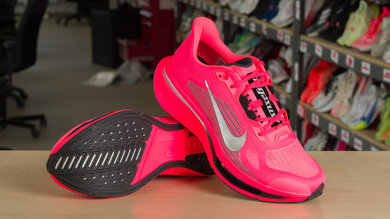
The Nike Pegasus Plus 2 is a neutral daily trainer that's marketed as an uptempo shoe but works just as well for easy, everyday miles. Its heel is well-cushioned and rolls your foot smoothly forward, delivering an enjoyable ride for heel strikers, and the shoe has a decent balance of comfort and snappiness. But the midsole doesn't reward harder efforts and is heavy for its category, limiting its appeal for runners who want a nimble shoe for faster workouts or races.
| ✅ Buy If: | ❌ Skip If: |
|
|
Our Verdict
The Nike Pegasus Plus 2 is a decent option for a marathon if comfort matters more to you than speed. Its tall stack does a good job protecting your legs deep into the distance, and the platform is stable enough to stay trustworthy late in the race. That said, the added weight makes it more tiring to turn over, and its modest energy return means you'll need to work harder to hold pace over 26.2 miles.
Cushioning holds up well over long distances.
Platform stays trustworthy late in the race.
Substantial weight limits quick turnover.
Modest energy return makes sustaining pace more laborious.
The Nike Pegasus Plus 2 is a reasonable choice for short-distance racing. The firm forefoot gives you a secure base to push off from, and its bending stiffness offers good leverage at toe-off. However, the added weight works against quick turnover, and the shoe's modest energy return doesn't add much pop when you're trying to hold a fast pace.
Stiff, firm forefoot gives a secure push-off.
Substantial weight limits quick turnover.
Energy return isn't sufficient to reward all-out efforts.
The Nike Pegasus Plus 2 is a decent long-run companion. Its tall stack and cushioning still give a fair amount of protection even after 40 km, so your legs stay reasonably comfortable as the miles pile up, and the stable platform is trustworthy enough when fatigued. On the downside, the shoe's weight becomes more noticeable the longer you're on your feet, and the rocker offers only modest assistance rolling through your stride.
Cushioning holds up well over long distances.
Heel rocker smooths transitions as legs fatigue.
Platform stays stable when fatigued.
Substantial weight is more noticeable as miles build.
The Nike Pegasus Plus 2 is a good daily trainer. It has satisfactory stability and cushioning, and its geometry works especially well for heel strikers. It falls short on energy return, though, giving the ride a duller feel, and forefoot strikers won't get as much cushioning or bounce from the shoe.
Ride is firm and dependable.
Comfortable heel cushioning.
Mediocre energy return dulls the ride.
Changelog
- Updated Sep 23, 2026: Review published.
- Updated Sep 21, 2026: Early access published.
- Updated Sep 14, 2026: Our testers have started testing this product.
- Updated Sep 11, 2026: The product has arrived in our lab, and our testers will start evaluating it soon.
- Updated Sep 03, 2026: We've purchased the product and are waiting for it to arrive in our lab.

We've bought and tested more than 250 running shoes. Every pair purchased with our own money, never supplied or sponsored by brands. Our data-driven tests are designed to go beyond marketing claims, and since every shoe goes through the exact same methodology, you can directly compare results to find the right pair for your needs.
Test Results
Energy Return
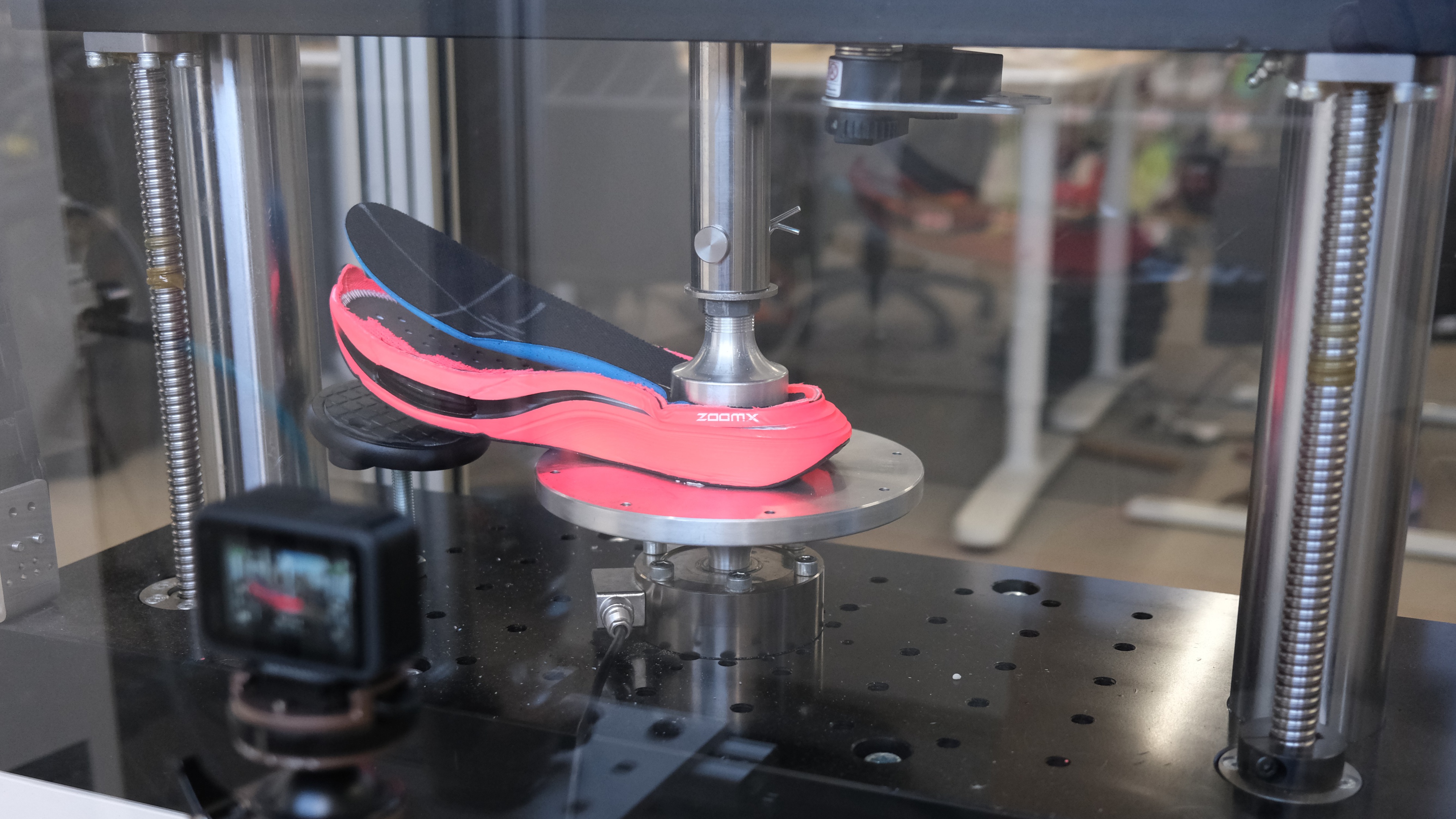
The Nike Pegasus Plus 2 has okay energy return. Neither the heel nor the forefoot gives back a particularly high share of the energy you put into the midsole, leaving the ride feeling comparatively dull rather than lively.
Heel gives a reasonable bounce forward to your toes.
Forefoot does a mediocre job returning energy you put into it.

The forefoot is mediocre at returning energy, so push-offs feel comparatively dull and require more effort. The original Nike Pegasus Plus was significantly livelier.

On landing, only a moderate share of the energy you put into the midsole comes back, so heel strikers get a somewhat muted sensation rather than a springy bounce forward through the stride. It's still much livelier than the Nike Pegasus 42, but not as efficient as the PUMA Deviate Pure NITRO.
Stability
The Nike Pegasus Plus 2 is a decently stable shoe. The firm heel makes rearfoot landings very stable, and the firm forefoot keeps the platform from wobbling underfoot at push-off. That said, its outsole runs fairly narrow relative to its stack height, so it's not quite as reassuring for runners who land unevenly.
Midsole is firm enough to resist wobbling.
Platform is wide enough in the forefoot to offset higher stack.
Platform is very narrow under arch, which could exaggerate any pronation.
Heel platform could be too narrow for heel strikers who land unevenly.


The heel of the Nike Pegasus Plus 2 sits on the firmer side without turning harsh. You get a solid sense of ground feel, and the platform stays composed rather than feeling mushy or unstable underfoot.

The Nike Pegasus Plus 2 has a very firm forefoot even at easy paces, and it becomes exceptionally so when you apply force. This can feel like an asset during hard efforts or track workouts where you want a responsive, connected feel at toe-off, but could also come across as harsh.

Cushioning
The Nike Pegasus Plus 2 offers decent cushioning overall, although how cushy it feels will depend a lot on where you land and with how much force. Lighter runners get great cushioning regardless of whether you land on your heel or forefoot, but the forefoot bottoms out much more quickly under heavy force, making this shoe less ideal for heavy forefoot strikers. The heel cushioning holds up better to heavy impacts, although it won't feel nearly as absorbent for runners who land with lots of force here.
Heel strikers get good protection from landing impact.
Forefoot cushioning struggles to absorb heavier impacts.


Heel cushioning is good on the Nike Pegasus Plus 2. It does a solid job soaking up impact under your heel, and that protection still holds up as you land harder or pick up the pace, so heel strikers should feel well-shielded from the pavement across a range of efforts.


Overall, the forefoot cushioning is decent, but inconsistent. Lighter runners moving at an easy pace should find the front of the shoe comfortable and protective, but it struggles to keep up with heavier impacts.

The long-run cushioning is okay on the Nike Pegasus Plus 2. The front of the shoe holds onto a fair amount of its protective feel as the miles add up, and it's significantly better for long runs than either the Nike Pegasus 42 or the Nike Pegasus Plus. Still, it's far short of a long-distance cruiser like the Dynafish Xiaonian.
Bounciness
The Nike Pegasus 42 isn't a very bouncy shoe. The midsole doesn't compress very deeply under load, so there isn't a lot of activity underfoot, and that's compounded by the shoe's modest energy return.
Modest energy return leaves the ride feeling flat.
Limited compression depth limits the amount of spring underfoot


Snappiness
The Nike Pegasus 42 has a satisfactory snap, thanks largely to its very firm forefoot, which resists bending well, providing decent leverage at toe-off. The forefoot rocker itself is fairly tame, though, so it doesn't add much extra push through your stride. It also doesn't return a significant amount of energy as it unbends, muting any snappy sensation.
Stiffer forefoot gives a secure, propulsive toe-off.
Forefoot doesn't return much energy as it unbends, limiting snap.

The Nike Pegasus Plus 2 has mediocre bending energy return. As the forefoot bends through toe-off, much of that stored energy simply is lost rather than returned, making each push-off feel less efficient than in a shoe like the Dynafish Xiaonian.


The forefoot bending stiffness on the Nike Pegasus Plus 2 is great. The midsole resists folding under load, giving you an efficient lever for push-off. It's a significant improvement over the Nike Pegasus Plus, which was too pliable to give any leverage.

The forefoot rocker is much more modest, so it doesn't offer much extra assistance rolling you through toe-off. Its geometry is much closer to a classic daily trainer like the Nike Pegasus 42 than an uptempo shoe like the adidas Adizero Evo SL.
Roll
The roll is okay on the Nike Pegasus Plus 2. The heel rocker is one of the shoe's strong points, with a steep spring and high apex that guide heel strikers smoothly into midstance. The forefoot rocker is more of a mixed bag, though, with a shallower angle that offers only modest assistance rolling through toe-off.
Heel rocker transitions heel strikers into midstance very smoothly.
Forefoot rocker offers only modest assistance.

The midsole has a passably stiff rocker. It gives way relatively easily once you start pushing off with real force, so the smooth, guided roll fades as you pick up the pace.

The Nike Pegasus Plus 2 is significantly taller than either the original Nike Pegasus Plus (which sat almost 8 mm lower in the heel) or the standard Nike Pegasus 42 (5 mm lower). Still, it retains the classic 10 mm drop that makes it most suited to heel strikers.

The heel rocker is excellent on the Nike Pegasus Plus 2, guiding heel strikers smoothly into midstance. It's more noticeable than on either the Nike Pegasus 42 or the Nike Pegasus Plus.
True To Size
The Nike Pegasus Plus 2 is remarkably true to size. Both the overall length and arch width track our reference measurements almost exactly. The only minor knock is the slightly low-clearance toe box, which could cause some chafing for runners with taller toes, but we still recommend that most runners stick with their normal size.
Length is true to size.
Width is very accommodating throughout the shoe.
Not much vertical clearance over toes.


Wet & Warm Weather
The Nike Pegasus Plus 2 performs okay in wet and warm weather. The upper doesn't breathe especially well, which can make runs in hot temperatures less comfortable, and once the shoe gets wet, it takes a long time to dry. On the positive side, it doesn't absorb that much water, so it doesn't feel too heavy and waterlogged during wet runs.
Doesn't gain too much weight from water absorption.
Upper has mediocre breathability.
Takes a long time to dry after getting soaked.


The Nike Pegasus Plus 2 has passable breathability. The fairly thick upper doesn't allow much air flow, which can make hot-weather runs less comfortable.

The Nike Pegasus Plus 2 takes a long time to fully dry. If you get caught out in the rain or sweat profusely during a run, the shoe will still be damp the next day.


The shoe does a good job of repelling water and won't get excessively heavy or waterlogged if you're running in wet conditions. It absorbs less water than the Nike Pegasus 42, but more than the adidas Adizero Evo SL.


The Nike Pegasus Plus 2 has gained weight compared to the original Nike Pegasus Plus, although it's still 30 g lighter than the Nike Pegasus 42. Still, it feels closer to a daily trainer than to a lightweight tempo shoe.


The Nike Pegasus Plus 2 uses ZoomX, which is Nike's umbrella term for several different foam formulations. This TPE/PEBA blend seems tuned to be softer but not as reactive as the compound found in the original Nike Pegasus Plus.

Popular Running Shoe Comparisons
The Nike Pegasus Plus 2 is a speedier spin-off of the Nike Pegasus 42, the brand's classic daily trainer. The Pegasus Plus 2 is indeed lighter and more energy-efficient than the standard Pegasus 42, and is a good shoe for runners nostalgic for the original Nike Pegasus Turbo series. But outside of Nike's lineup, there are better options for uptempo trainers. The PUMA Deviate Pure NITRO is much lighter and more energetic, and although it's lower-stacked, it has better cushioning. The Dynafish Xiaonian, which has even better energy return and cushioning than the PUMA, is another compelling option, but it can be hard to find in the West.
For more options from the swoosh, check out our recommendations for the best Nike running shoes. For even more options, see our overall picks for the best running shoes.
The Nike Pegasus Plus 2 marks a significant departure from the original Nike Pegasus Plus, and despite sharing a name, these shoes will suit very different preferences. The Pegasus Plus is a lighter, lower-stacked shoe that's good for track workouts and other shorter runs. The 2nd version is a more cushioned shoe that works better for daily training and moderate paces.
The Nike Pegasus Plus 2 is a step up in almost every aspect from the Nike Pegasus 42. The Plus 2 has more cushioning and a lighter, bouncier, more responsive midsole. It's a good choice for runners who want a shoe with a broader pace and distance range. The Pegasus 42 has a firmer, more stable midsole that is less lively underfoot, and works best on long walks or steady-paced runs.
The PUMA Deviate Pure NITRO outperforms the Nike Pegasus Plus 2 in almost every aspect. The PUMA shoe is significantly lighter but still has better shock absorption and energy return than the Nike. The Deviate Pure NITRO's lower stack height also keeps it more stable, but unfortunately, the shoe won't fit everyone, as the upper is significantly tighter around the arch, which could make it constricting for wider-footed runners. The Nike has a more accommodating fit, so it remains a good option for runners whose feet need a bit more space.
Differences Between Sizes And Variants
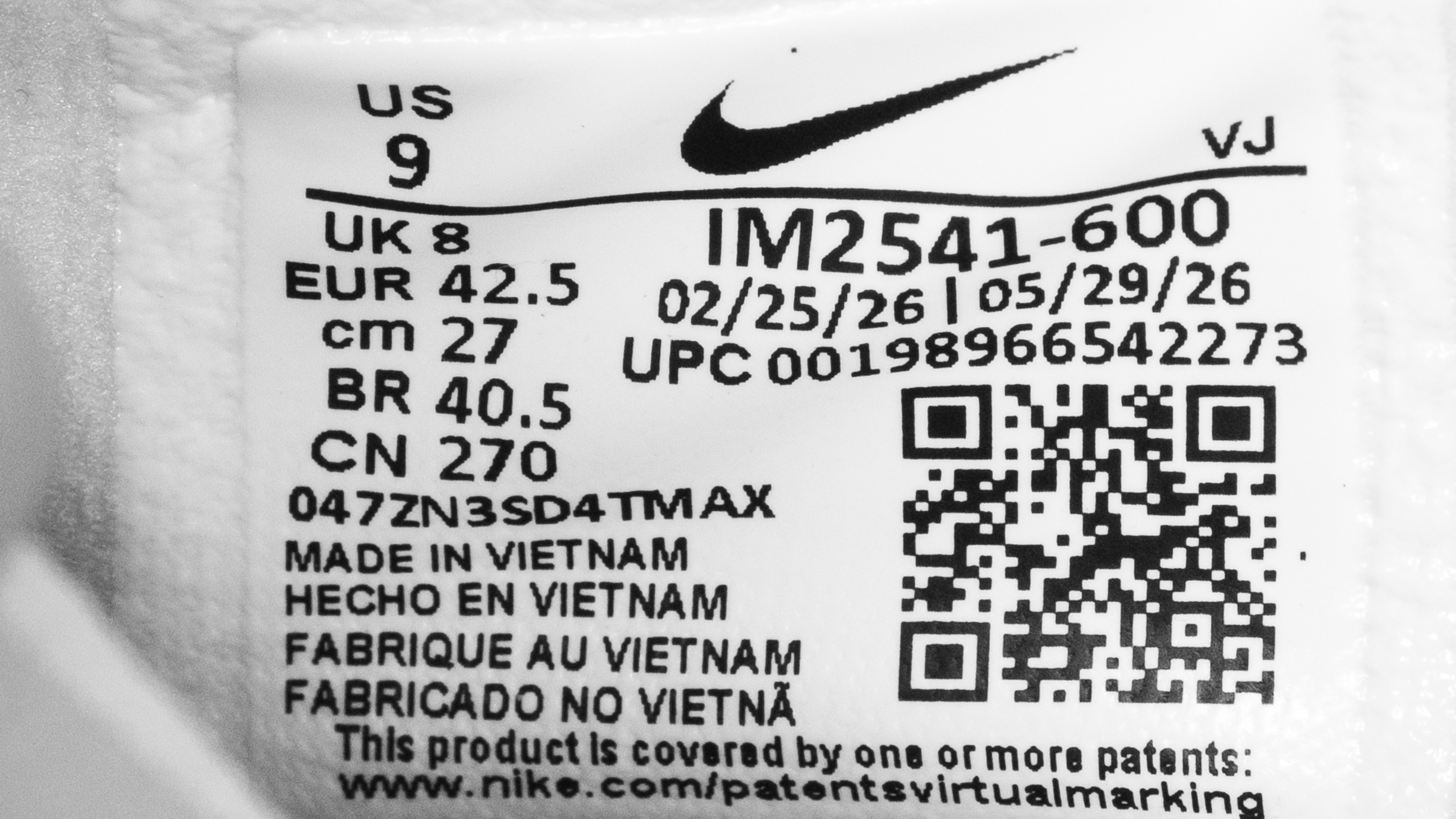
We tested the Nike Pegasus Plus 2 in men's US size 9, as noted on the label for our pair. The colorway shown here is Flash Crimson/Black/Light Smoke Grey/Metallic Silver, and the shoe is available in other colorways depending on your region. As of September 2026, no wide version is available. Nike tunes the air pressure in the air capsule in the forefoot to different PSI for men's and women's versions or for different size ranges, so exact results for other variants may differ.