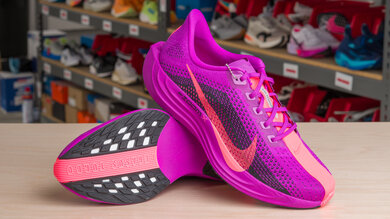
The Nike Pegasus Plus is a decent daily trainer for runners who want one shoe for regular miles that can handle some faster running. The ride is very trustworthy underfoot, with very good rebound that makes faster efforts efficient. However, the ride is harsh, with poor impact protection that becomes especially noticeable over longer distances, so it's not the shoe for marathon racing. It also lacks spring and assistance through the stride, making it a niche pick for runners who want a low-profile ride with plenty of feedback from the road.
| ✅ Buy If: | ❌ Skip If: |
|
|
Our Verdict
The Nike Pegasus Plus isn't a good choice for marathon racing. Its great stability keeps the ride trustworthy as fatigue builds, but the poor impact protection makes the shoe increasingly harsh over distance. The low stack also bottoms out quickly, and despite the efficient midsole and good heel rocker, the ride lacks the assistance needed for you to sustain marathon pace efficiently.
Poor impact protection leaves legs beaten up over the marathon distance.
Ride offers too little assistance for sustained race pace.
The Nike Pegasus Plus is an okay pick for 5K or 10K racing. Its low weight makes turnover easier, while the exceptionally firm forefoot provides a secure base when pushing off. However, the forefoot lacks enough leverage to make toe-off particularly quick, and the shoe offers little assistance through the stride compared with a dedicated racer.
Low weight makes quick turnover easier.
Firm forefoot provides a secure base at toe-off.
Ride offers too little assistance for sustained race pace.
Soft forefoot limits leverage through push-off.
The Nike Pegasus Plus isn't a good pick for long runs. Its very good stability keeps the ride trustworthy as fatigue builds, but the poor impact protection leaves your legs taking too much punishment over distance. The low stack also bottoms out quickly, while the compliant forefoot provides little assistance as the miles start adding up.
Great stability keeps the ride secure as fatigue builds.
Poor impact protection leaves legs beaten up over longer efforts.
Low stack bottoms out quickly as mileage builds.
Ride offers little assistance deep into long runs.
The Nike Pegasus Plus is a decent daily trainer overall. Its very good stability makes the ride trustworthy underfoot, while the lively midsole gives enough rebound to keep regular mileage efficient. The heel rocker also helps heel strikers move smoothly into midstance. However, poor impact protection makes the ride harsh, especially as distance builds, while the forefoot offers little assistance through toe-off.
Very good stability makes regular mileage easy to trust.
Good rebound works well when you want to run faster.
Poor impact protection makes the ride harsh.
Forefoot provides little assistance through toe-off.
Changelog
- Updated Sep 16, 2026: We've converted this review to Test Bench 0.15, which replaces Responsiveness with three specific performance usages: Bounciness, Snappiness, and Roll. To read more about the changes, see the changelog.
- Updated Sep 02, 2026: We've converted this review to Test Bench 0.14, which adds new lace-specific results. We've included a close-up photo of the laces, as well as details including lace type, width, thickness, and stretch. To read more about the changes, see the changelog.
- Updated Jun 30, 2026: We've converted this review to Test Bench 0.13, which identifies the different foams used in the shoe's midsole. We've included a microscopic image of the foam cells to give you an idea of what the microstructure looks like. To read more about the changes, see the changelog.
- Updated Jun 17, 2026: We've converted this review to Test Bench 0.12, which fixes how we measure firmness, a component of the Stability and 5K/10K Racing usages. There may be inconsistencies between the text and the scores for these usages, but the scores should still be considered valid. We've also brought back the Energy Return score and added two new usages: Daily Training and Long Run. To read more about the changes, see the changelog.
-
Updated Jun 08, 2026:
We modified the writing due to the new test bench and have updated the Responsiveness box text to reflect the new scores and added text to the True to Size box.
- Updated May 26, 2026: We've converted this review to Test Bench 0.11, adding two new rocker measurements to the Design section, and three new responsiveness tests to the Performance section. The Energy Return usage score has been replaced with Responsiveness. Check out the details in our changelog.
- Updated Mar 25, 2026: We've converted this review to Test Bench 0.10, adding a new set of fit tests to the Design section and an overall fit performance usage. Check out the details in our changelog.
- Updated Nov 20, 2025: We've converted this review to Test Bench 0.9, which adds a Forefoot Long Run Cushioning test to our performance section. Read more in our changelog.
- Updated Nov 06, 2025: Review published.

We've bought and tested more than 250 running shoes. Every pair purchased with our own money, never supplied or sponsored by brands. Our data-driven tests are designed to go beyond marketing claims, and since every shoe goes through the exact same methodology, you can directly compare results to find the right pair for your needs.
Test Results
Energy Return
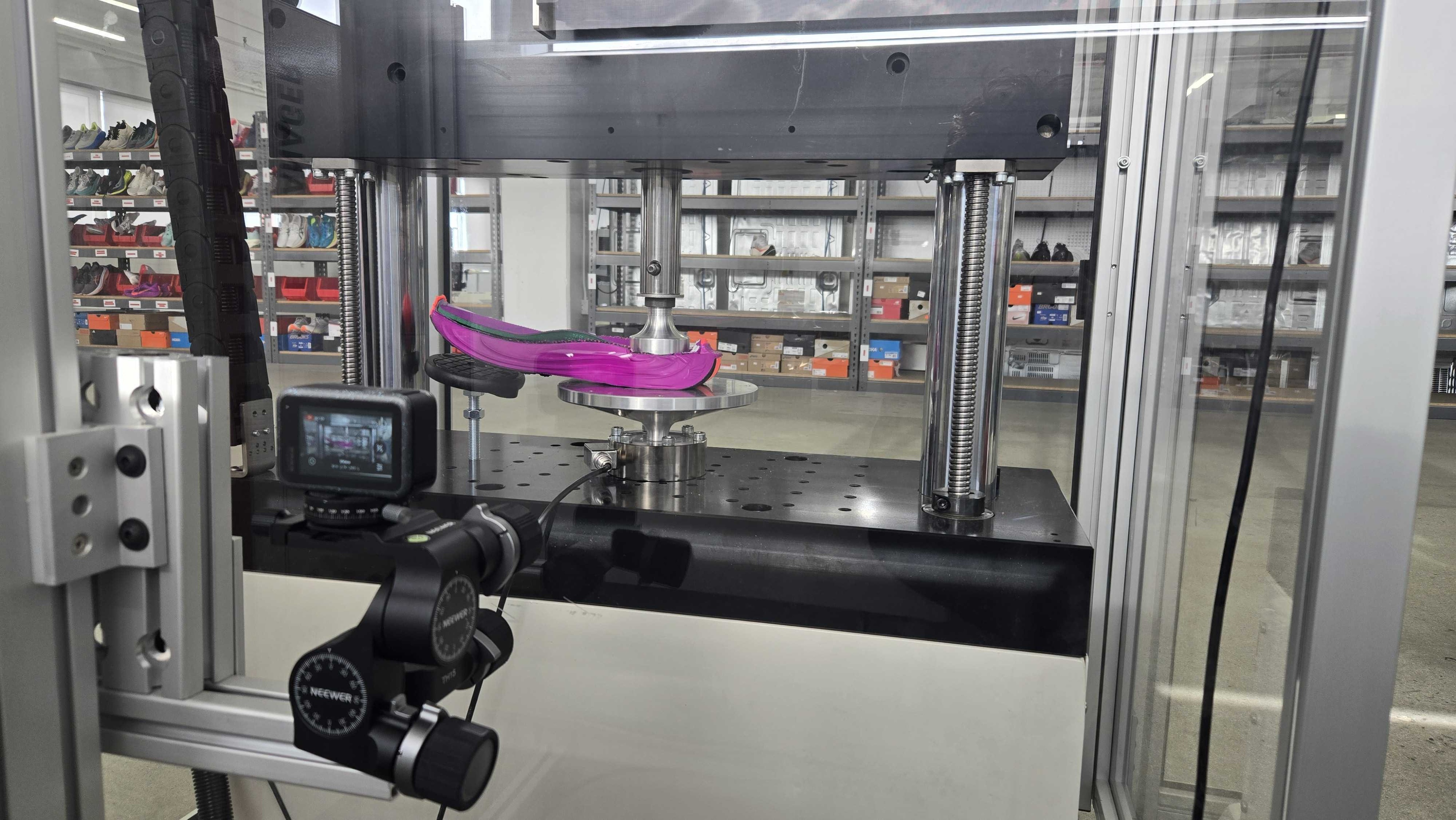
The Nike Pegasus Plus has very good energy return. Both the heel and forefoot give plenty back underfoot, providing enough rebound to make faster running efficient.
Very good forefoot rebound.
Heel gives plenty back after landing.

The forefoot of the Nike Pegasus Plus is very good at returning energy and responds much better at toe-off than modern daily trainers like the Nike Vomero 18, the Brooks Glycerin 22, or lightweight trainers like the Brooks Hyperion 3 or the New Balance FuelCell Rebel v5.

The heel of the Nike Pegasus Plus is much bouncier than the Nike Pegasus 41 and is similar in performance to the Nike Vomero Plus. If you are a heel striker, the midsole does a good job of bouncing you forward to your toes.
Stability
The Nike Pegasus Plus has very good stability. Its exceptionally firm heel keeps rearfoot landings controlled, while the remarkably firm forefoot provides a secure base at toe-off. The broad heel also gives runners plenty of support at initial contact. However, the narrow outsole arch means it can feel wobbly for midfoot strikers on landing.
Firm heel keeps landings controlled.
Firm forefoot provides a secure base at toe-off.
Broad heel gives rearfoot strikers plenty of support.
Narrow outsole arch can make midfoot landing wobbly.

The heel of the Nike Pegasus Plus is definitely on the firmer side, which aids with ground feel and lateral stability. But it's considerably firmer even than a dedicated stability shoe like the Nike Structure 26 or the Brooks Adrenaline GTS 25.

The forefoot of the Nike Pegasus Plus is exceptionally firm, even more so than a short-distance racing shoe like the Nike Streakfly 2. This rigidity can be an asset if you plan on doing hard track workouts, but an unnecessarily harsh sensation if not.
Cushioning
The Nike Pegasus Plus is a poorly cushioned shoe. Impact protection is bad across the whole midsole, and it's not up to the task of longer runs, either. In short, this is a harsh and deeply unprotective ride.
Heel is a very harsh experience.
Forefoot protection is especially poor.
Shoe bottoms out on long runs.
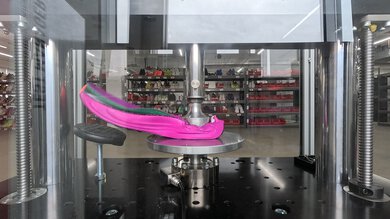

The cushioning under the heel of this shoe is disappointing. It starts out mediocre and only gets worse if you apply more force. Heavy heel strikers will find it harsher than the Nike Pegasus 41.
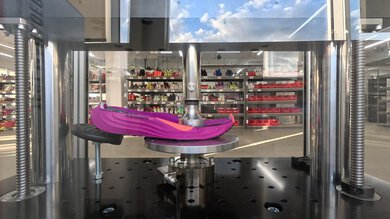

This shoe does a poor job of cushioning your forefoot. For the lightest of runners going at an easy pace, it offers mediocre protection. For anything more than that, it gets very harsh very quickly.
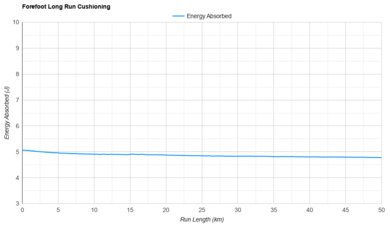
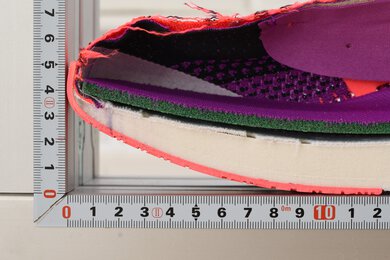
This shoe doesn't have the cushioning to keep you comfortable on long runs. The relatively thin stack of foam bottoms out quickly and absorbs less impact over the long haul than the Nike Pegasus 41 or even the Nike Streakfly 2.
Bounciness
The Nike Pegasus Plus has poor bounce. The very good energy return gives the ride some efficiency underfoot, but neither the heel nor forefoot compresses deeply enough to turn that rebound into much spring. The result is quick rebound without a trampoline-like sensation.
Very good rebound keeps the ride from becoming dull.
Shallow heel compression limits spring after landing.
Forefoot barely compresses, limiting bounce at toe-off.


Snappiness
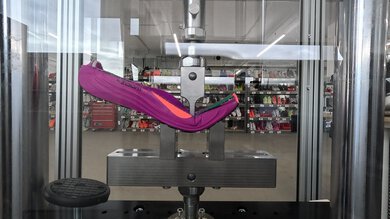
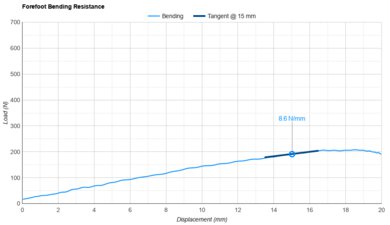
The Nike Pegasus Plus has mediocre snap. Its remarkably firm forefoot provides a very secure base to push from, while some stored energy returns as the shoe unbends. However, the forefoot bends too easily to provide much leverage, while the tame rocker angle offers little help moving onto the toes.
Firm forefoot provides a secure base at toe-off.
Soft forefoot provides little leverage.
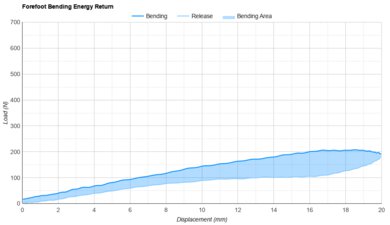
The forefoot loses too much of the energy stored while bending, reducing efficiency through toe-off.
Roll
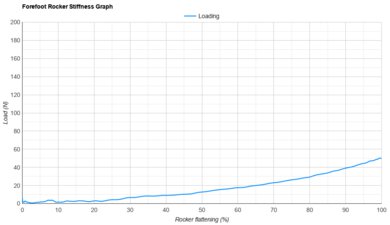
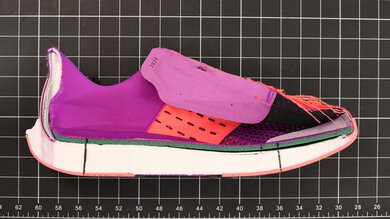
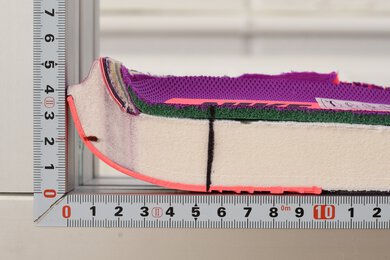
The Nike Pegasus Plus has poor roll. Though the heel rocker helps heel strikers move into midstance smoothly enough, the front of the shoe lets the transition down in a big way. The rocker flattens too easily, while the poor forefoot geometry provides little assistance through toe-off. Its extremely low forefoot also gives the shoe very little height to roll from.
Compliant rocker reduces assistance through the stride.
Poor forefoot geometry makes toe-off sluggish.
True To Size
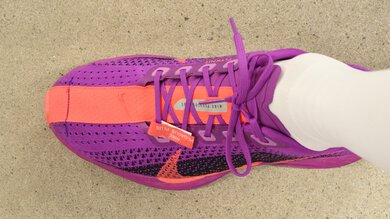
The Nike Pegasus Plus fits very well overall. The length is spot-on, while the forefoot provides plenty of width for most runners. However, the arch is extremely snug compared with our reference fit, and the forefoot height runs a bit low.
Length is spot-on.
Forefoot width gives most runners plenty of room.
Very narrow arch may squeeze runners with higher-volume feet.
Lower forefoot height may cause rubbing for runners with taller toes.
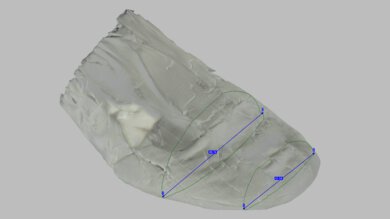
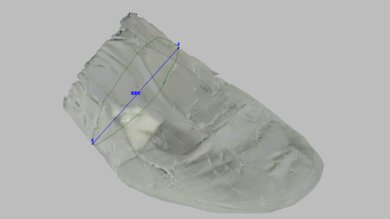
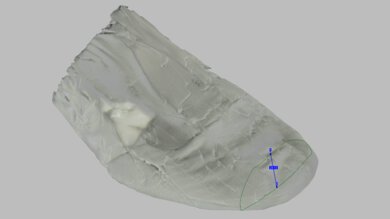
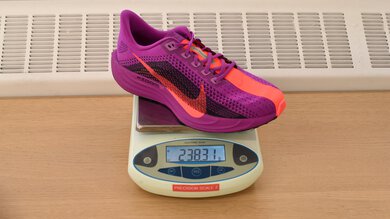
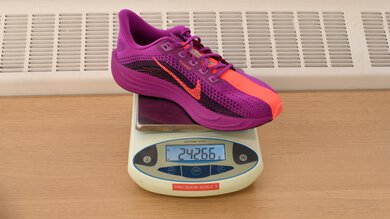
The Nike Pegasus Plus is over 40 g lighter than the Nike Pegasus 41, thanks to its lighter midsole foam.
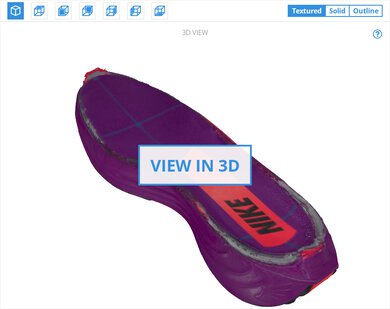

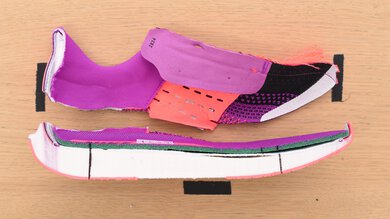
The Nike Pegasus Plus uses ZoomX, Nike's umbrella marketing name for several different foam formulations. This shoe uses a TPE and PEBA blend, which Nike has tuned for very good rebound rather than impact protection, giving faster runners plenty of energy back but making the ride harsh underfoot.

Popular Running Shoe Comparisons
The Nike Pegasus Plus is a running shoe that doesn't neatly fit into any category: it incorporates a modern, PEBA-based midsole into classic daily trainer design, but bucks the trend of taller stack heights and deeper cushioning. For runners who appreciate ground feel, it offers a snappy alternative to lightweight trainers like the Brooks Hyperion 3 or the New Balance FuelCell Rebel v5, but the Pegasus Plus has even less cushioning than these shoes. But runners who want better cushioning and energy return and are willing to sacrifice a bit of lateral stability might be better served by the adidas Adizero Evo SL.
Within Nike's daily trainer lineup, the Pegasus Plus is part of a revamped lineup that is organised around three legacy series: the Pegasus, Vomero, and Structure. Each series will have an 'icon,' which is the base model, as well as a Plus version, which has a full ZoomX midsole, and a Premium version, which adds Zoom Air pods to the midsole. In the case of the Pegasus series, the icon is the Nike Pegasus 41, which is the no-frills classic daily workhorse that offers a stable and predictable (if somewhat boring) ride. The Nike Pegasus Premium is an even wilder, taller shoe that features a triple-density midsole and is certainly not boring, but not very cohesive either.
For more options, check out our recommendations for the best Nike running shoes, the best long-distance running shoes, and our picks for the best running shoes overall.
The Nike Pegasus Plus is a better shoe than the Nike Pegasus 42 for runners seeking greater versatility. It's lighter and returns more energy underfoot, making faster running easier, while still working well for regular daily mileage. The Pegasus 42 offers better impact protection and a more traditional ride, though neither is particularly plush. Get the Pegasus Plus if you want the quicker, more efficient option; get the Pegasus 42 if you don't care about speed.
The Nike Vomero Plus is better than the Nike Pegasus Plus for runners who prioritize cushioning and longer runs. It offers much better impact protection and a livelier ride, though the Pegasus Plus is more stable and provides more feedback from the road. Get the Vomero Plus for comfort over distance; get the Pegasus Plus if you want a lower-profile daily trainer for faster, shorter runs.
The Nike Pegasus Plus is lighter and considerably more efficient than the Nike Pegasus 41, making it the better pick if you want a daily trainer that can handle some faster running. However, the Pegasus 41 offers better impact protection and a more traditional daily-training ride. Get the Pegasus Plus for a faster version of the Pegasus 41; get the Pegasus 41 for easy miles.
Differences Between Sizes And Variants
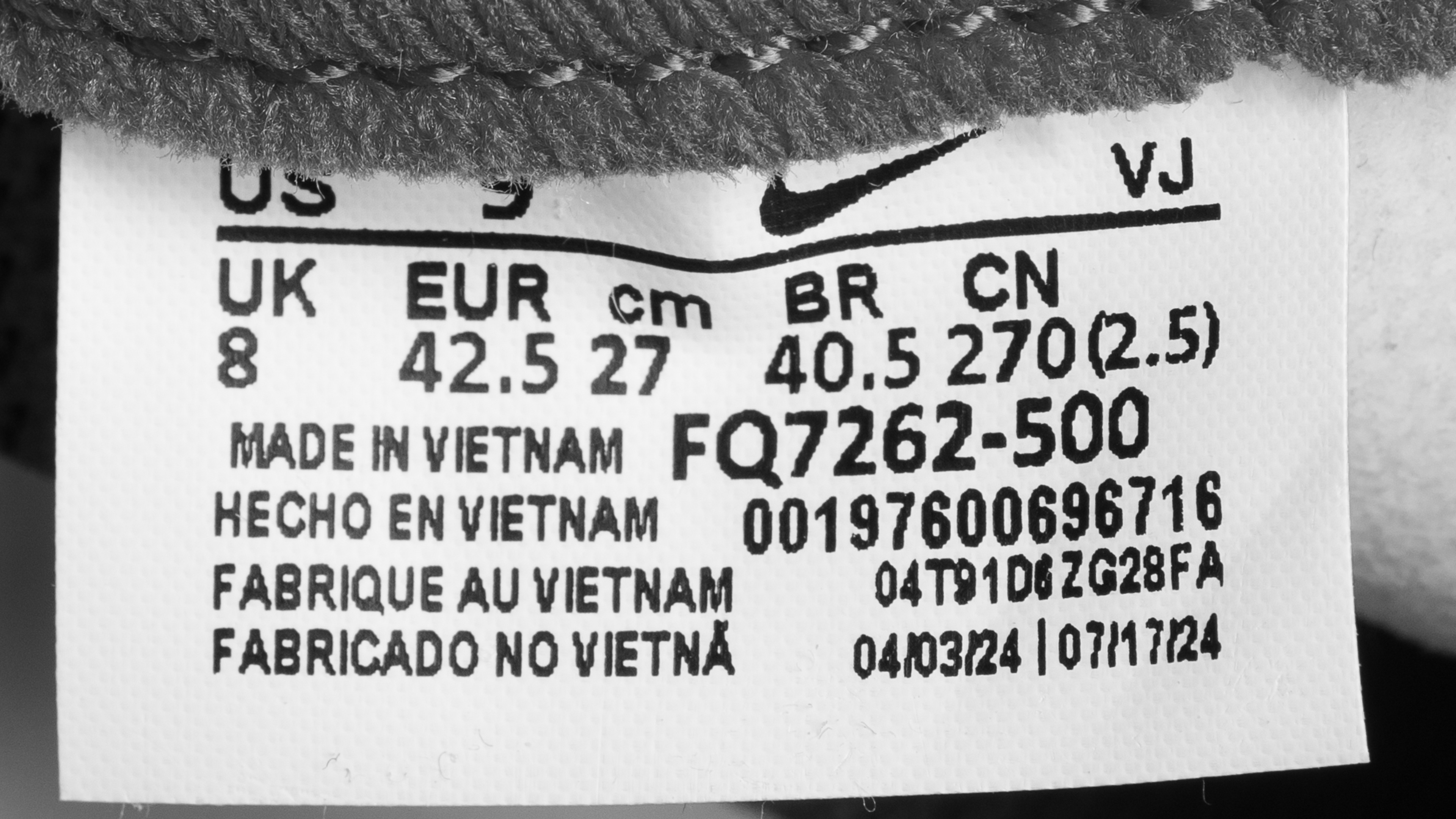
We tested the Nike Pegasus Plus in men's US size 9, as noted on the label. The colorway shown here is Vivid Purple/Black/Hot Punch. This model is available in other colorways depending on your region, but only in standard widths. The design section applies only to the exact model we tested, but we expect other sizes to perform similarly.