
The Nike Vomero 18 is a comfort-focused daily trainer built for runners who prioritize protection over speed. Its great stability and good cushioning make it easy to trust for regular mileage, while the impressive heel rocker works especially well for heel strikers. However, its significant weight and poor energy return leave the ride flat and limit its versatility for faster running. It's best suited to easy daily miles and recovery runs where comfort and impact protection matter most.
| ✅ Buy If: | ❌ Skip If: |
|
|
Our Verdict
The Nike Vomero 18 isn't built for chasing PRs over 42 km. Its high stack, generous foam, and very stable ride are appreciated for comfort, but the bulk and modest spring underfoot mean you'll expend more effort holding race pace than in lighter, livelier marathon shoes. Think of it as a reliable cruiser that gets you to the finish line in comfort rather than a performance weapon.
Great stability keeps the ride secure as fatigue builds.
Good cushioning provides adequate protection over long distances.
Significant weight makes sustained race pace harder to hold.
Poor rebound offers little help as fatigue builds.
The Nike Vomero 18 is more of a friendly training partner than a high-performance option. A firm forefoot helps you push off crisply, yet the extra ounces and subdued rebound keep the shoe from feeling truly snappy when the watch says go. It's fine for the occasional fun run, but dedicated PR seekers will definitely want something lighter and more propulsive.
Very heavy build makes quick turnover cumbersome.
Flat ride offers little help when trying to run fast.
The Nike Vomero 18 is a decent long-run shoe. Its great stability keeps the ride trustworthy as fatigue builds, while the cushioning provides good impact protection and holds up well over extended efforts. The impressive heel rocker also helps heel strikers move smoothly into midstance. However, the shoe is very heavy, and its poor responsiveness means it's not a good pick for progressive efforts.
Good cushioning provides adequate protection over long distances.
Great stability keeps the ride secure when fatigued.
Very heavy build becomes cumbersome as miles build.
Poor rebound means shoe can't handle progressive efforts.
The Nike Vomero 18 is a very good daily trainer. Its great stability makes it easy to trust for regular mileage, while the good cushioning provides plenty of protection underfoot. The impressive heel rocker also helps heel strikers roll smoothly into midstance, making easy miles particularly comfortable. However, its significant weight and poor responsiveness limit its versatility when you want to run faster.
Great stability makes regular mileage easy to trust.
Good cushioning keeps daily miles well protected.
Impressive heel rocker helps heel strikers transition smoothly into midstance.
Heavy, flat ride limits versatility for faster running.
Changelog
- Updated Sep 16, 2026: We've converted this review to Test Bench 0.15, which replaces Responsiveness with three specific performance usages: Bounciness, Snappiness, and Roll. To read more about the changes, see the changelog.
- Updated Sep 02, 2026: We've converted this review to Test Bench 0.14, which adds new lace-specific results. We've included a close-up photo of the laces, as well as details including lace type, width, thickness, and stretch. To read more about the changes, see the changelog.
-
Updated Sep 02, 2026:
We've updated this review to tweak the intro and add text to the new usage boxes after updating the shoe's Test Bench. We also tweaked the Popular Comparisons section and added a link to the newly reviewed Nike Winflo 12.
- Updated Jun 30, 2026: We've converted this review to Test Bench 0.13, which identifies the different foams used in the shoe's midsole. We've included a microscopic image of the foam cells to give you an idea of what the microstructure looks like. To read more about the changes, see the changelog.
- Updated Jun 17, 2026: We've converted this review to Test Bench 0.12, which fixes how we measure firmness, a component of the Stability and 5K/10K Racing usages. There may be inconsistencies between the text and the scores for these usages, but the scores should still be considered valid. We've also brought back the Energy Return score and added two new usages: Daily Training and Long Run. To read more about the changes, see the changelog.
-
Updated Apr 15, 2026:
We've replaced the Energy Return usage box with Responsiveness, which incorporates four additional tests, and updated the text accordingly.
- Updated Apr 15, 2026: We've converted this review to Test Bench 0.11, adding two new rocker measurements to the Design section, and three new responsiveness tests to the Performance section. The Energy Return usage score has been replaced with Responsiveness. Check out the details in our changelog.
-
Updated Feb 27, 2026:
We updated the review to include text for the new Fit usage box, which was recently added to our test bench.
- Updated Feb 20, 2026: We've converted this review to Test Bench 0.10, adding a new set of fit tests to the Design section and an overall fit performance usage. Check out the details in our changelog.
-
Updated Feb 06, 2026:
We updated the popular comparisons section to include a comparison to the recently released New Balance 1080v15.
-
Updated Jan 28, 2026:
We've added a reference to the recently reviewed Nike Pegasus Plus in the Popular Comparisons section.
- Updated Oct 28, 2025: We've converted this review to Test Bench 0.9, which adds a Forefoot Long Run Cushioning test to our performance section. Read more in our changelog.
- Updated Oct 20, 2025: We've converted this review to Test Bench 0.8.2, which updates our methodology for the impact force range used in our compression tests to improve their accuracy. This also affects all usage and performance usage boxes using those compression tests as score components.
-
Updated Sep 17, 2025:
We updated the Popular Running Shoe Comparisons box to ensure it remains both concise and relevant.
-
Updated Sep 09, 2025:
We've updated the Popular Running Shoe Comparisons section with the latest release in the Nike Structure series.
-
Updated Aug 21, 2025:
We mentioned the recently reviewed PUMA Magnify NITRO 3 and added a comparison in the Popular Running Shoe Comparisons section.
-
Updated Jul 30, 2025:
We updated the Compared to Other Running Shoes box with a link to our recommendations for the Best Nike Running Shoes.
-
Updated Jul 30, 2025:
We updated the phrasing in the Cushioning and Lateral Stability boxes to better reflect the scores from the most recent test bench update.
- Updated Jul 30, 2025: We've converted this review to Test Bench 0.8.1, which mainly updates the score components for the Marathon Racing and Lateral Stability usage boxes to improve accuracy.
- Updated May 23, 2025: Review published.
- Updated May 20, 2025: Early access published.
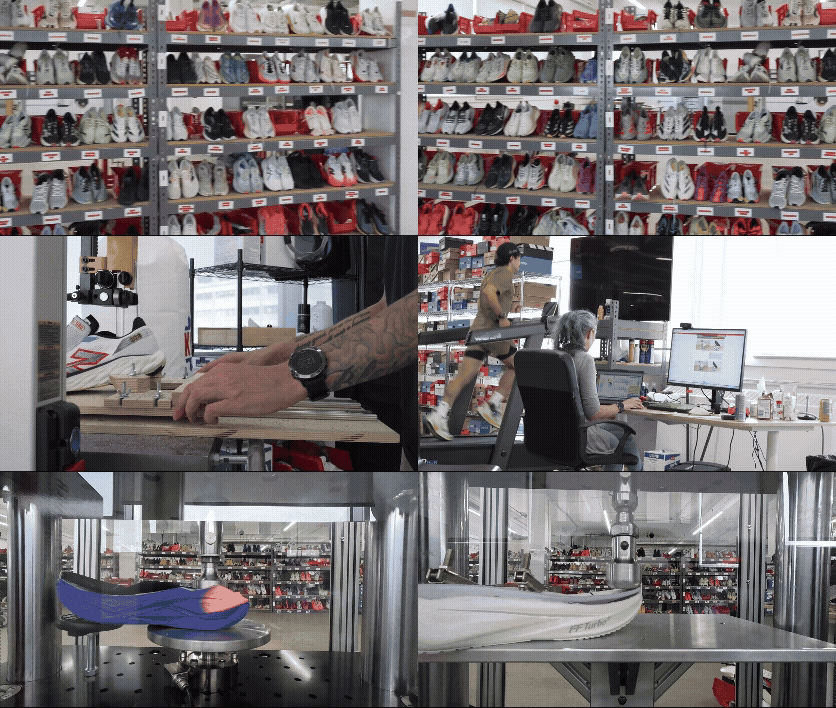
We've bought and tested more than 250 running shoes. Every pair purchased with our own money, never supplied or sponsored by brands. Our data-driven tests are designed to go beyond marketing claims, and since every shoe goes through the exact same methodology, you can directly compare results to find the right pair for your needs.
Test Results
Energy Return
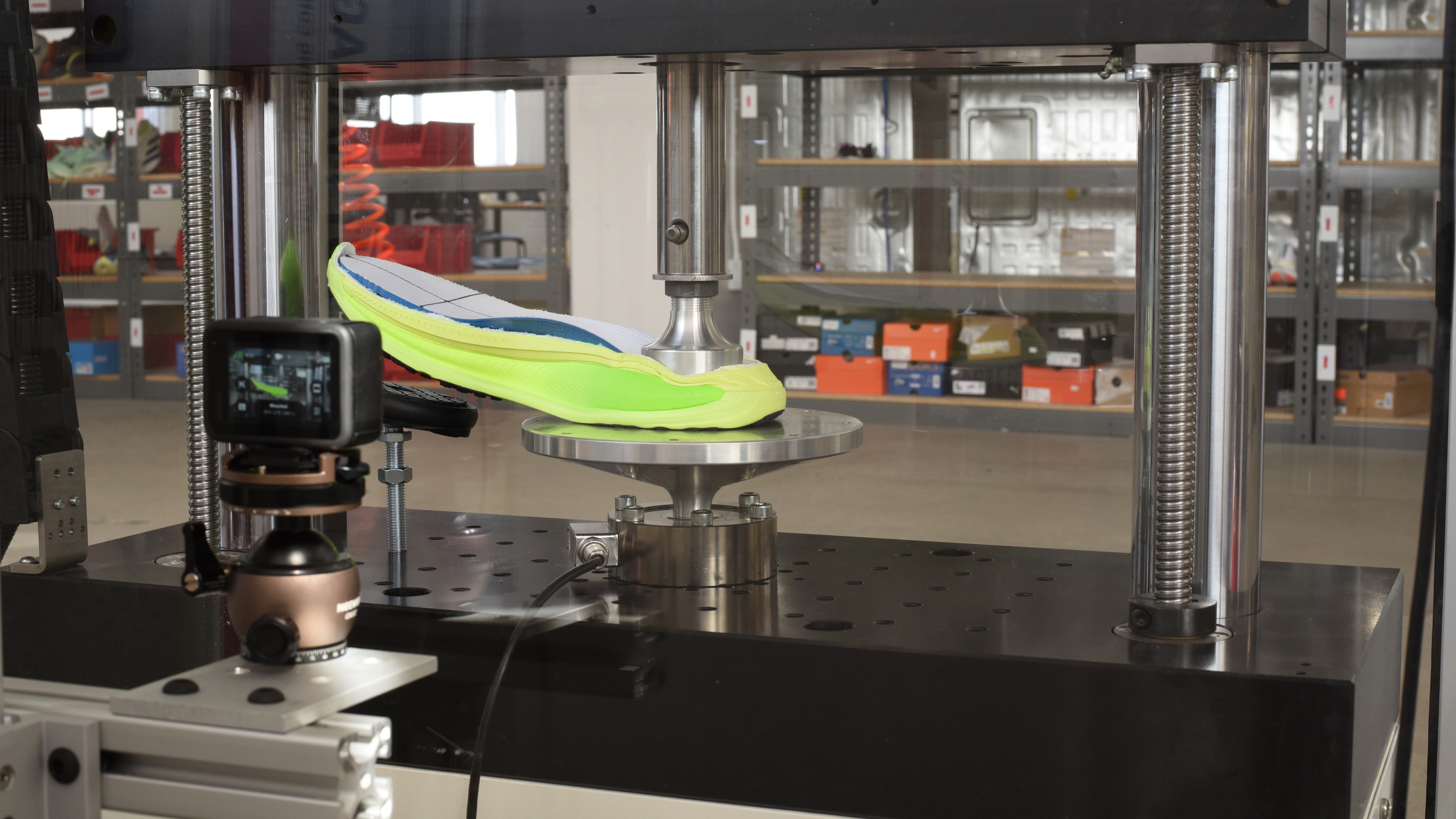
The Nike Vomero 18 has poor energy return. The midsole gives little back at either the heel or forefoot, leaving the ride flat despite the shoe's generous cushioning. There's very little rebound to help when you want to run faster.
Poor rebound leaves the ride flat.
Heel gives very little energy back after landing.
Poor forefoot rebound leaves toe-off flat.

The Nike Vomero 18 is similarly restrained in the forefoot, offering only minimal rebound during toe-off. The ride stays steady rather than springy, making the shoe better suited to easy efforts than to speed work.
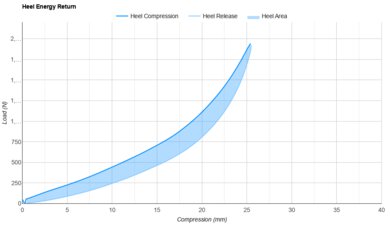
The Nike Vomero 18 provides muted heel energy return. Upon each landing, the foam gives back little pop, so you'll need to supply most of the propulsion yourself. It returns less energy than its predecessor, the Nike Vomero 17.
Stability
The Nike Vomero 18 is a very stable shoe thanks to its wide base, gusseted tongue, and firm foam. The large platform resists unwanted wobble really well, helping you stay confident during your daily miles. This inherent stability lets heavier runners or those with mild form breakdown keep moving smoothly without resorting to a formal stability shoe.
Broad platform keeps the ride secure through the stride.
Firm heel keeps rearfoot landings controlled.
Firm forefoot provides a secure base at toe-off.
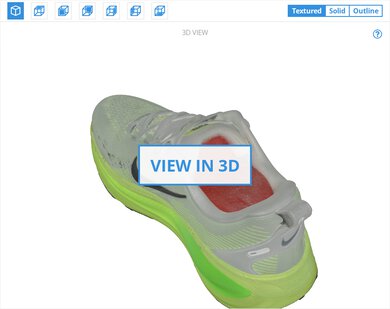

This model has quite a soft heel, delivering a forgiving, comfort-first landing for heel-strikers. It's not as soft as other modern trainers like the Mizuno Neo Zen, but it's definitely not a very firm shoe either.

The Nike Vomero 18 keeps a very firm forefoot, noticeably stiffer than most max-cushion contenders like the HOKA Skyward X, which is a bit puzzling if Nike aims to play in that ultra-plush space. The foam can become quite harsh late in a run, yet this update is still a move toward more softness versus the previous Nike Vomero 17. It preserves the classic Vomero character that appeals to runners who enjoy a touch of forefoot rigidity or prefer foam that holds its shape over the miles, while still being a step in the right direction.
Cushioning
The Nike Vomero 18 has good cushioning, especially in the heel. A thick top layer softens impact while the broad carrier form absorbs road impact well. If day-to-day comfort and protection top your priority list, this is where the shoe truly shines.
Very good heel cushioning provides plenty of protection for heel strikers.
Forefoot cushioning handles regular daily mileage well.
Forefoot becomes harsher under heaviest loads.
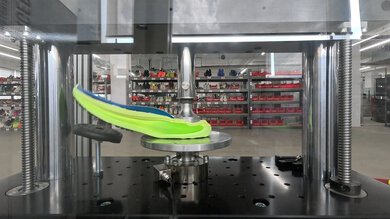

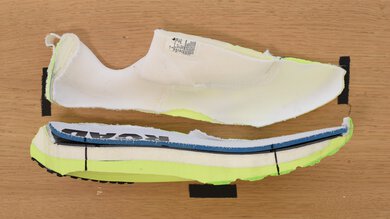
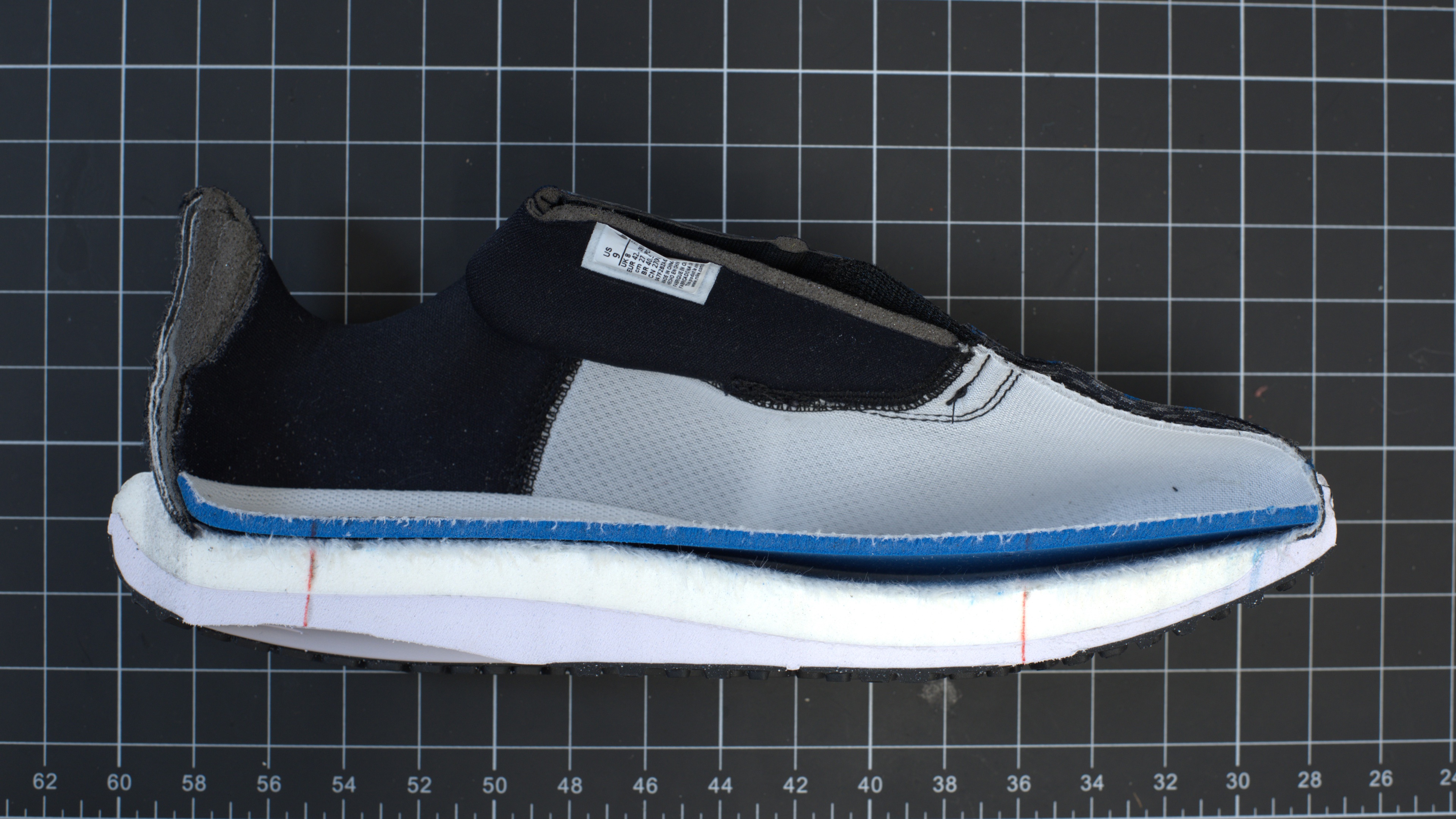
The Nike Vomero 18 delivers very good heel cushioning. The high stack of ZoomX/ReactX soaks up impacts really well, keeping things comfortable even for heel-strikers, especially for shorter, easier miles. With this iteration, Nike doubles down on the Vomero's line role as their most cushioned daily trainers, prioritizing underfoot protection, even if it comes at the cost of added weight.
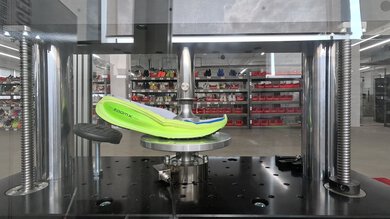

The Nike Vomero 18 offers decent forefoot cushioning that protects well during daily mileage, though it isn't quite as plush as the heel. The padding up front is sufficient for short training days, but those who crave a marshmallow-like forefoot may find it a bit more grounded. Because Nike kept the traditional 10 mm drop, there's relatively little foam under the forefoot, so it compresses quickly under higher forces and can feel bottomed-out as the miles pile up.
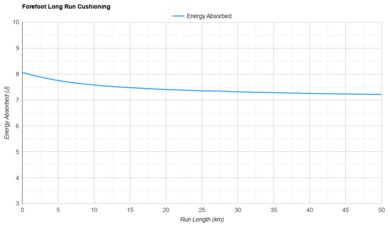
The forefoot cushioning holds up decently over longer efforts, with a predictable decline as the miles build. It's more protective than entry-level Nike shoes such as the Nike Downshifter 14, though the Nike Vomero Premium offers much deeper protection for longer runs.
Bounciness
The Nike Vomero 18 has disappointing bounce. Neither the heel nor the forefoot compresses deeply enough to create much spring underfoot. The midsole also returns very little energy, leaving the ride flat rather than lively.
Shallow compression creates very little spring underfoot.


Snappiness
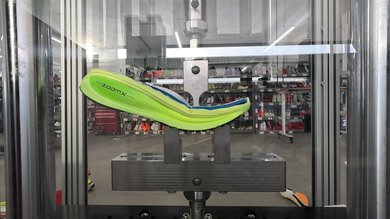
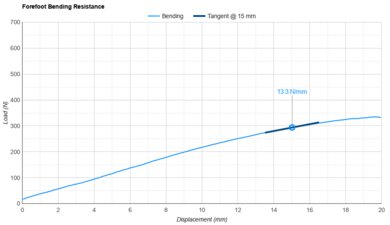
The Nike Vomero 18 has okay snap. Its exceptionally firm forefoot provides a secure base to push from, while it takes plenty of force to bend, giving you decent leverage at toe-off. However, the shoe loses too much of the energy stored while bending, while the tame forefoot rocker offers little assistance onto your toes.
Firm forefoot provides a secure base at toe-off.
Forefoot takes plenty of force to bend, giving decent leverage through push-off.
Poor bending energy return limits efficiency at toe-off.
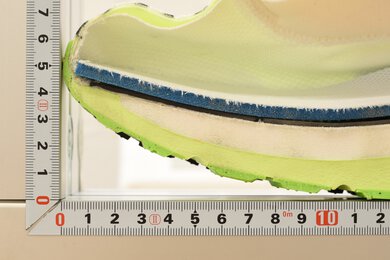
Tame forefoot rocker offers little assistance onto the toes.
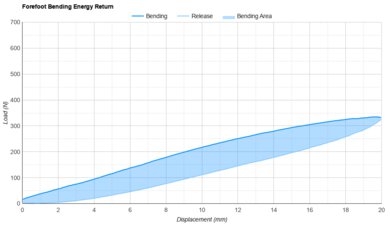
The forefoot loses too much of the energy stored while bending when it unbends, so toe-off lacks efficiency.
Roll
The Nike Vomero 18 has mediocre roll. Its impressive heel rocker helps heel strikers move smoothly into midstance, but assistance drops farther forward. The rocker flattens far too easily under load, while the forefoot geometry moves you onto your toes slowly.
Heel rocker transitions heel strikers smoothly into midstance.
Tall forefoot means shoe doesn't flatten out through late stance.
Poor rebound leaves the ride flat.
Compliant rocker reduces assistance through the stride.
Tame forefoot geometry makes the transition through toe-off slow.
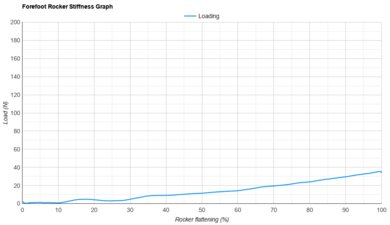
The rocker is very soft and flattens too easily under load, reducing how much assistance the shoe provides through the stride.
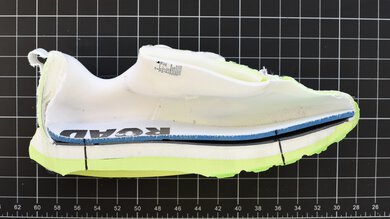
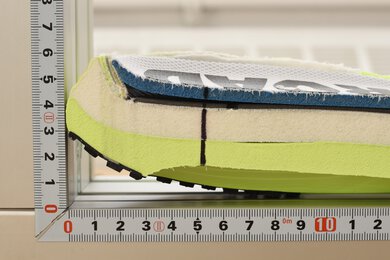
As one of the most notable changes from its predecessor, the Nike Vomero 17, the Nike Vomero 18 gains a substantial amount of stack compared with the previous Vomero 17's, pushing it firmly towards max-cushion territory. Nike's goal with this new geometry is greater protection from the ground without abandoning the signature 10 mm drop. In practice, the extra foam makes the heel noticeably more absorbent, but it also contributes to the shoe's added weight and keeps the forefoot feeling relatively thin.
True To Size
The Nike Vomero 18 is mostly true to size. It follows Nike's typical footbed design, which tapers noticeably between the ball of the foot and the toes. Runners who need more room for their toes to splay should consider the Wide or Extra Wide versions of this shoe. The length is just right, so most runners can stick to their usual size.
Length is spot-on.
Forefoot width gives most runners enough room.
Forefoot height provides good clearance above the toes.
Tapered toe box can restrict runners who need plenty of room to splay.
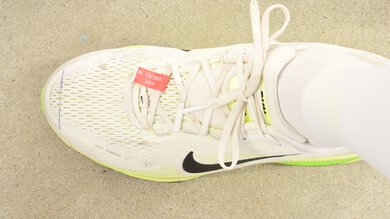
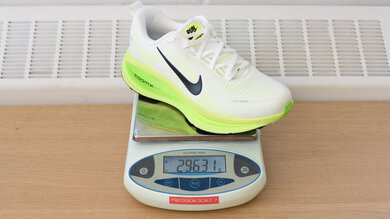
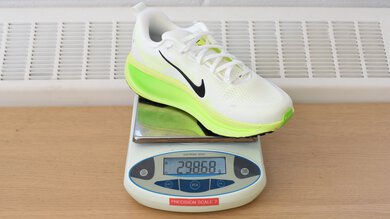
The Nike Vomero 18 tips the scale well above its predecessor, giving it a noticeably heftier feel than most daily trainers. That extra mass isn't a deal-breaker for relaxed mileage, but it does make the shoe feel a touch sluggish when the pace quickens.
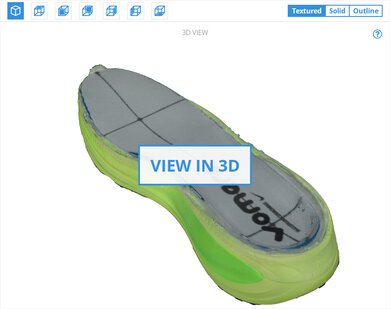

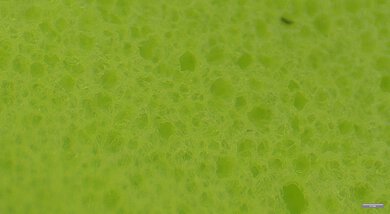
The Nike Vomero 18 calls the top layer of foam in this shoe the catch-all "ZoomX". This foam is also found in shoes like the Nike Alphafly 3, though the composition differs between models. Here, Nike pairs it with ReactX in a dual-foam setup that prioritizes good impact protection over rebound. The result is a protective daily-training midsole, but one that returns little energy compared with Nike's faster shoes.

Popular Running Shoe Comparisons
The Nike Vomero 18 is a comfort-focused daily trainer built around cushioning and stability rather than speed. Unlike the bouncier Nike Invincible 3, it returns little energy, but its smooth rocker and deep impact protection work well for easy and recovery miles. The considerably cheaper Nike Winflo 12 is livelier and a bit more stable while offering less protection, making it the better value for most daily training. For more cushioning in a lighter package, consider the Mizuno Neo Zen; if you want similar comfort with a lower stack and drop, the New Balance 1080v15 is a bouncier alternative.
Within Nike's lineup, the Vomero 18 is the standard cushioned trainer, sitting alongside the stability-focused Structure and the Pegasus line. Each now follows the same tiered structure, with models such as the Nike Vomero Plus, Nike Pegasus Plus, and Nike Structure Plus above the standard shoes, while the Nike Vomero Premium sits at the top of the Vomero range. The Vomero 18 is best for runners who prioritize a balance of protection and comfort over liveliness, without the excess of the Vomero Premium.
If you're looking for more options, look at our recommendations for the best Nike running shoes or the best running shoes.
The Nike Vomero Plus is a better shoe than the Nike Vomero 18 for most runners. It offers more cushioning with considerably more bounce, while also weighing less, making it better suited to longer runs or faster daily mileage. The Vomero 18 has better stability and a more controlled ride. Get the Vomero Plus if you want the more versatile daily trainer; get the Vomero 18 if stability matters more than liveliness.
The Nike Vomero 18 and Nike Pegasus 42 are two core pillars of Nike's daily trainer lineup, each delivering a slightly different ride. The Pegasus is the classic daily trainer, with a firm and stable ride. It has a fairly flat geometry and doesn't feel particularly lively. The Vomero 18 is the more premium, cushioned daily trainer with a dual-density midsole that absorbs impact more effectively over long distances. The Pegasus 42 is fine for shorter runs or for runners who want a more grounded ride, while the Vomero 18 is better suited to longer runs or to runners who want more cushioning, even if it adds a bit of weight.
The Nike Winflo 12 is a better shoe than the Nike Vomero 18 for most runners. They're both good daily trainers with great stability underfoot, though the Vomero 18 offers better impact protection, especially over longer runs. The Winflo 12 is livelier and more energetic, however, while still providing decent cushioning. If comfort and impact protection are paramount, get the Vomero 18; if you want a considerably cheaper, more versatile shoe with a livelier ride, the Winflo 12 is the better pick.
The HOKA Clifton 10 and Nike Vomero 18 are both cushioned daily trainers with a similarly stable, easy-to-trust feel, but they differ in how that comfort shows up on the run. The HOKA feels a bit lighter and delivers a more supportive, more protective sensation up front, making it especially pleasant if you like a cushioned forefoot for easy mileage. The Nike, on the other hand, feels more consistent as the distance increases, with cushioning that tends to hold its character better over longer runs.
The HOKA Bondi 9 and Nike Vomero 18 are two daily trainers that may look similar on paper, but have a few noticeable differences. The HOKA is the more cushioned of the two, providing more comfort and responsiveness on long, easy runs, and is best suited to runners who require more impact protection without sacrificing too much pep. The Nike shoe, on the other hand, still offers good cushioning, has more stack under the heel, and its comparatively higher heel-to-toe-drop and stronger heel rocker geometry mean that, of the two, it's better suited to heel strikers. It also has a more roomy forefoot width, making it the better option for those who want space for toe splay.
The Nike Pegasus Premium and Nike Vomero 18 are both cushioned daily trainers, but the Vomero 18 better suits runners who prioritize stability with consistent protection. The Pegasus Premium provides more cushioning under lighter loads and a more exciting ride, though the Vomero 18 handles heavier impacts better. Get the Pegasus Premium for plush easy miles; get the Vomero 18 for a more dependable ride across regular training.
The Nike Vomero 18 and the Nike Pegasus 41 are both daily trainers, but they serve different roles in Nike's lineup. The Vomero 18 is the more cushioned and protective option, featuring a taller stack and dual-density midsole that does a better job shielding your legs on short, easy runs, which is exactly what most people need from a daily trainer. While the Pegasus 41 does offer a bit more energy return, that added bounce is less relevant in practice for this shoe category; you're not likely to pick either of these for speed work or intervals. In the end, the Vomero may be heavier, but it delivers better on the core promise of a daily trainer: comfort, protection, and durability.
The ASICS NOVABLAST 5 and the Nike Vomero 18 are both daily trainers focused on comfort, but they take different approaches. The ASICS is lighter, more cushioned, and more energetic, offering a soft, bouncy ride that protects your legs while still feeling playful across a range of paces and distances. It's just a bit more versatile, whether you're cruising or picking things up a bit. The Vomero 18, on the other hand, is heavier and firmer, with a more structured and stable platform that emphasizes consistency and durability. The Vomero counters with a smoother rocker and slightly snappier forefoot, appealing more to those who prefer a grounded, stable feel for short, easy miles.
The adidas Adizero Evo SL and Nike Vomero 18 sit in very different lanes despite both being daily trainers. The adidas is lighter and more performance-leaning, with a plastic shank and a more energetic foam that make it feel better suited to uptempo efforts and steady runs with surges where responsiveness matters. The Nike sits higher but still feels more stable and grounded, delivering a cushioned, consistent, and reliable ride that's easier to settle into at relaxed paces. If you want a shoe to cruise through daily mileage with predictability and comfort, the Nike makes more sense. Still, if your training regularly includes faster segments and you want a lighter, snappier feel, the adidas is the more engaging option.
The ASICS GEL-NIMBUS 27 and the Nike Vomero 18 are both daily trainers designed for comfort, but they offer distinct experiences underfoot. The ASICS is higher-stacked overall and noticeably more cushioned in the forefoot, delivering a plush, soft ride ideal for runners prioritizing impact absorption and an easygoing feel. The Nike, by contrast, is firmer throughout, with a more structured platform and a slightly snappier forefoot, giving it a bit more responsiveness during toe-off. While the ASICS excels in softness and step-in comfort, the Nike edges it out for stability and liveliness, making it a better fit for runners who want a more grounded, supportive ride without sacrificing cushioning.
The New Balance 1080v15 is the better daily trainer for runners who want a livelier ride, while the Nike Vomero 18 provides better protection under heavier impacts and over longer distances. The New Balance also weighs less, making it easier to turn over for regular mileage. Get the 1080v15 for more versatility; get the Vomero 18 if cushioning under higher forces matters most.
The Nike Vomero 18 is a better daily trainer than the Nike Vomero 17 for most runners. It provides considerably better impact protection with greater stability, making easy mileage or longer runs more comfortable. The Vomero 17 offers more bounce and weighs less, so runners who prefer a livelier ride may still prefer the older shoe. Get the Vomero 18 for protection; get the Vomero 17 for lower weight with more rebound.
The Nike Invincible 3 and Nike Vomero 18 suit different types of easy running. The Invincible 3 offers considerably more bounce, making relaxed mileage more lively, while the Vomero 18 provides better stability with more consistent protection over longer efforts. Get the Invincible 3 if you want an energetic, easy-day shoe; get the Vomero 18 if you prioritize stability or longer-run protection.
The Brooks Glycerin 22 and Nike Vomero 18 are cushioned daily trainers built for comfort, but they approach it from different angles. The Vomero 18 feels firmer and more structured, giving it a stable, dependable character that holds up well over high mileage. The Glycerin 22 leans softer and smoother, providing a plush landing that's ideal for easy, relaxed runs. Those looking for a steady, responsive feel will favor the Vomero 18, while runners chasing comfort will find the Glycerin 22 more inviting.
The PUMA Magnify NITRO 3 and the Nike Vomero 18 represent slightly different interpretations of the modern workhorse shoe. The Nike is heavier, higher stacked, and of more stout construction, with a dual-density midsole and thicker, less stretchy upper. The PUMA is lighter and bouncier, with more even cushioning throughout the midsole, whereas the Nike has a more pronounced difference between the soft heel and firmer forefoot.
The HOKA Clifton PRO is a better shoe than the Nike Vomero 18. It's much lighter, much more cushioned, and packs more fun underfoot. It also performs better over long runs or marathon efforts. Even though the Nike is more stable, the HOKA still has good stability overall, and the Nike can't match its protection or versatility.
Differences Between Sizes And Variants
We tested the Nike Vomero 18 in men's US size 9, as indicated on the label of our unit, in the White/Electric Green/Volt/Black colorway. This model is offered in a full range of men's and women's sizes, but no wide-fit versions are available. Other colorways include Summit White/Dusty Cactus/Geode Teal/Black, Black/Coconut Milk/Light Iron Ore/Summit White, Black/Dark Smoke Grey/Light Smoke Grey/Black, Barely Green/Hyper Crimson/Barely Volt/Metallic Silver, and Platinum Tint/Siren Red/Light Smoke Grey/Metallic Pewter, though availability may vary by region.
