
The Nike Vomero Plus is a max-stack daily trainer designed to handle most of your weekly running. It sits between the classic daily trainer, the Nike Vomero 18, and the brand's most cushioned option, the Nike Vomero Premium, which is aimed more at recovery miles. The Vomero Plus's deeply cushioned platform offers amazing impact protection, with very good rebound that gives your legs plenty of help through each stride. It's also a decent pick for long runs and can get you to the finish line of a marathon if you're not racing. However, its bulk means it's not the shoe to pick for faster running.
| ✅ Buy If: | ❌ Skip If: |
|
|
Our Verdict
The Nike Vomero Plus is a decent marathon option for runners focused on finishing rather than racing. The amazing cushioning holds up decently over the distance, while very good rebound gives enough back to help you keep moving late in the race. However, the shoe carries too much weight for competitive racing, and the forefoot lacks the assistance needed to hold faster paces.
Cushioning keeps legs decently protected over the marathon distance.
Very good rebound helps maintain efficiency late in the race.
Very good rebound gives faster running some efficiency.
Heavy build is cumbersome to turnover as miles build.
Forefoot offers limited assistance for sustained race pace.
The Nike Vomero Plus is a mediocre pick for 5K or 10K racing. The very good rebound gives faster running some efficiency, but the shoe carries far too much weight for short-distance racing. The forefoot also lacks the snap and assistance needed for quick turnover.
Heavy build makes quick turnover difficult.
Shoe lacks the snap for short-distance racing.
The Nike Vomero Plus is a decent long-run shoe. The amazing cushioning takes plenty of sting out of the road, while the decent stability keeps the platform trustworthy as fatigue builds. The cushioning also holds up reasonably well over distance. However, the shoe's bulk becomes more noticeable as the miles build, while the forefoot isn't the most assistive through toe-off.
Amazing cushioning keeps legs decently protected over longer efforts.
Decent stability keeps the ride trustworthy enough as fatigue builds.
Heavy build becomes cumbersome over longer efforts.
Forefoot isn't the most assistive through toe-off.
The Nike Vomero Plus is a very good daily trainer. Its amazing cushioning provides deep impact protection for regular mileage, while the very good rebound makes the ride lively enough. The great heel rocker also moves heel strikers smoothly into midstance. Despite its decent stability, runners with dedicated support needs may find the tall, soft platform a bit wobbly underfoot. Its bulk also limits faster running.
Amazing cushioning provides deep protection for daily miles.
Very good rebound keeps daily miles efficient.
Great heel rocker moves heel strikers smoothly into midstance.
Heavy build limits faster running.
Tall, soft platform may feel wobbly for runners with dedicated support needs.
Changelog
- Updated Oct 26, 2026: We've converted this review to Test Bench 1.0! This update adds Traction and Outsole Durability verdict scores to the review, making it easier to make a buying decision. Read the changelog for a full list of changes.
- Updated Sep 30, 2026: We've updated this review to Test Bench 0.16, expanding our coverage with new tests for breathability, water absorption, and drying time. For more details, see the changelog.
- Updated Sep 16, 2026: We've converted this review to Test Bench 0.15, which replaces Responsiveness with three specific performance usages: Bounciness, Snappiness, and Roll. To read more about the changes, see the changelog.
- Updated Sep 02, 2026: We've converted this review to Test Bench 0.14, which adds new lace-specific results. We've included a close-up photo of the laces, as well as details including lace type, width, thickness, and stretch. To read more about the changes, see the changelog.
- Updated Jun 30, 2026: We've converted this review to Test Bench 0.13, which identifies the different foams used in the shoe's midsole. We've included a microscopic image of the foam cells to give you an idea of what the microstructure looks like. To read more about the changes, see the changelog.
- Updated Jun 17, 2026: We've converted this review to Test Bench 0.12, which fixes how we measure firmness, a component of the Stability and 5K/10K Racing usages. There may be inconsistencies between the text and the scores for these usages, but the scores should still be considered valid. We've also brought back the Energy Return score and added two new usages: Daily Training and Long Run. To read more about the changes, see the changelog.
-
Updated Apr 30, 2026:
We've updated this review to add text for the new Responsiveness and True To Size usage boxes and made minor phrasing adjustments throughout the review for consistency.
- Updated Apr 28, 2026: We've converted this review to Test Bench 0.11, adding two new rocker measurements to the Design section, and three new responsiveness tests to the Performance section. The Energy Return usage score has been replaced with Responsiveness. Check out the details in our changelog.
- Updated Mar 25, 2026: We've converted this review to Test Bench 0.10, adding a new set of fit tests to the Design section and an overall fit performance usage. Check out the details in our changelog.
-
Updated Jan 09, 2026:
We updated the Popular Comparisons section to include a reference to the recently reviewed PUMA MagMax NITRO 2.
-
Updated Dec 04, 2025:
We've updated the Popular Comparisons section following the release of the Nike Vomero Premium.
- Updated Oct 28, 2025: We've converted this review to Test Bench 0.9, which adds a Forefoot Long Run Cushioning test to our performance section. Read more in our changelog.
- Updated Oct 09, 2025: Review published.
- Updated Sep 18, 2025: Early access published.
- Updated Sep 10, 2025: Our testers have started testing this product.
- Updated Sep 04, 2025: The product has arrived in our lab, and our testers will start evaluating it soon.
- Updated Aug 11, 2025: We've purchased the product and are waiting for it to arrive in our lab.
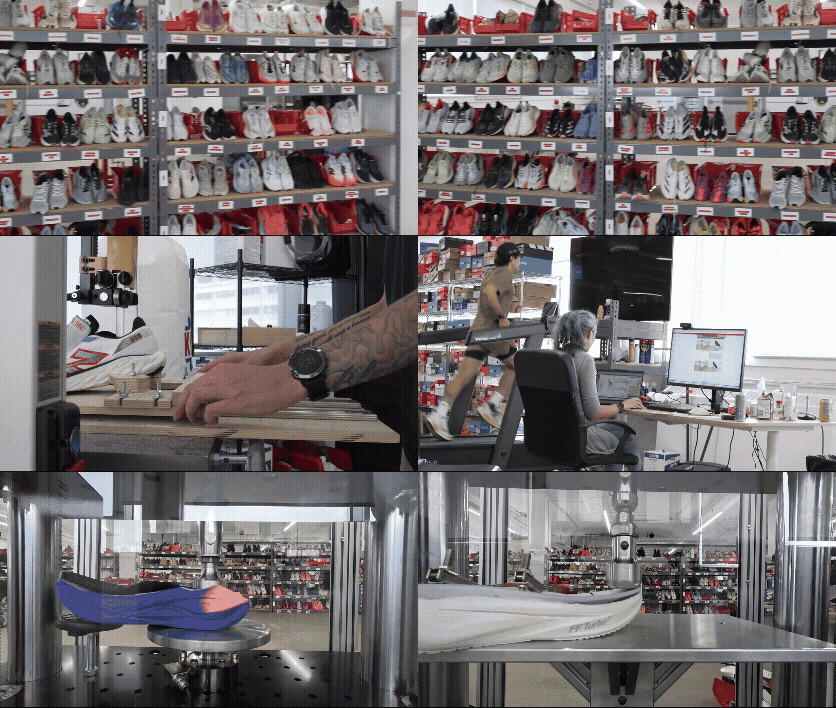
We've bought and tested more than 300 running shoes. Every pair purchased with our own money, never supplied or sponsored by brands. Our data-driven tests are designed to go beyond marketing claims, and since every shoe goes through the exact same methodology, you can directly compare results to find the right pair for your needs.
Test Results

Design
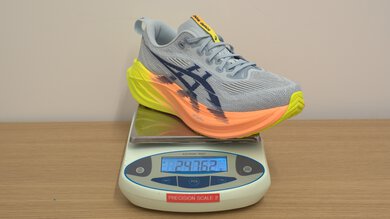
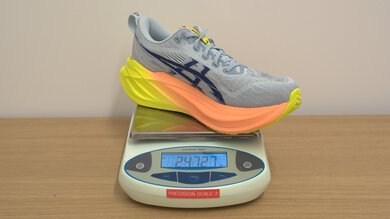
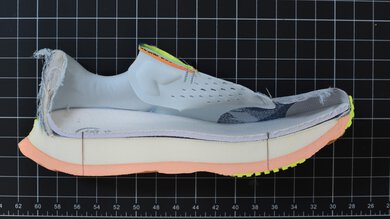
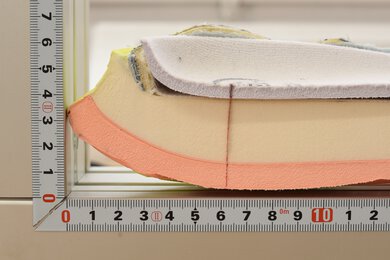
Despite having a wider base and slightly taller stack height than the Nike Vomero 18, the Nike Vomero Plus actually weighs about 17 g less than its sister shoe.
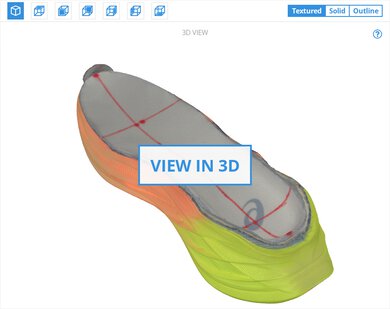

The Nike Vomero Plus uses ZoomX, though Nike doesn't disclose the composition of the compound in this shoe. ZoomX covers different formulations across Nike's lineup, so the name alone doesn't tell you how a shoe will perform. Here, the amazing cushioning pairs with very good energy return, pointing to a very different tuning from the Nike Vomero 18.

Energy Return
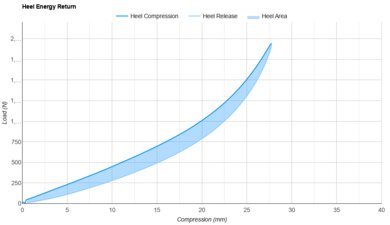
The Nike Vomero Plus has very good energy return. The forefoot gives plenty back at toe-off, while the heel provides good rebound after landing.
Very good forefoot rebound at toe-off.
Heel gives plenty back after landing.

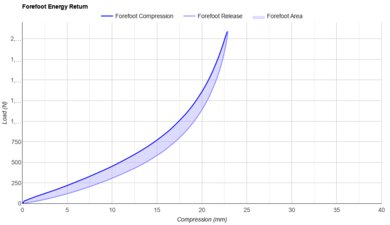
The energy return from the forefoot of the Nike Vomero 18 easily outshines similarly stacked shoes like the ASICS SUPERBLAST 2 or the PUMA MagMax NITRO.

Stability
The Nike Vomero Plus has decent stability for such a tall shoe. Its broad heel gives rearfoot strikers a secure base on landing, while the wide forefoot provides a dependable platform at toe-off. However, the softer heel can move around more for runners with longer ground contact, while the non-gusseted tongue provides less midfoot lockdown than a gusseted setup.
Broad heel provides a secure base on landing.
Wide forefoot keeps toe-off dependable.
Softer heel can become less secure during longer ground contact.
Non-gusseted tongue makes midfoot lockdown less secure.
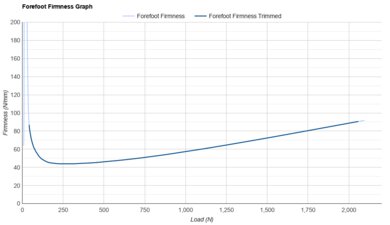
The Nike Vomero Plus has a decently firm forefoot and provides a satisfactory platform for toeing off, although it's much less firm than the Nike Vomero 18.
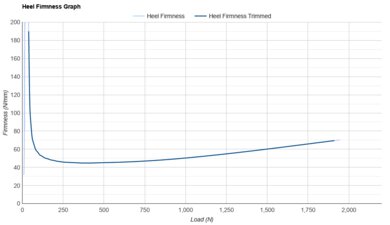
The Nike Vomero Plus's heel is decently firm overall, providing a secure enough platform for landings.
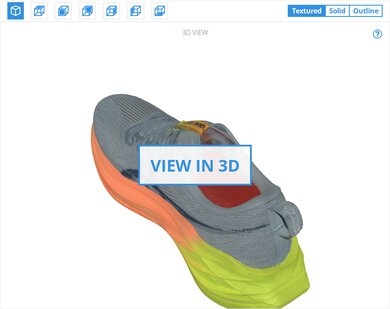
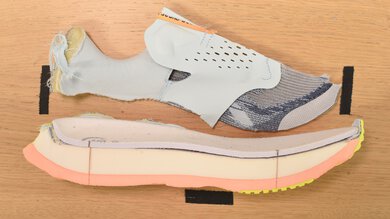
The Nike Vomero Plus uses a non-gusseted tongue and no plate. The lack of a plate keeps the shoe accessible for daily training. The non-gusseted tongue is a surprising choice given the shoe's high stack and only decent stability, since a gusset could provide more secure midfoot lockdown.
Cushioning
The Nike Vomero Plus has amazing cushioning. It absorbs impact well across different force levels, giving runners deep protection from the road, whether they land at the heel or farther forward. The cushioning also holds up decently over longer efforts, so protection remains dependable as the miles build.
Amazing impact protection across different force levels.
Deep cushioning takes plenty of sting out of the road.
Protection holds up decently over longer efforts.
Soft ride may be too plush for some runners.
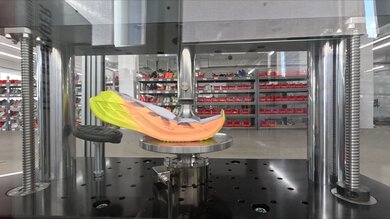
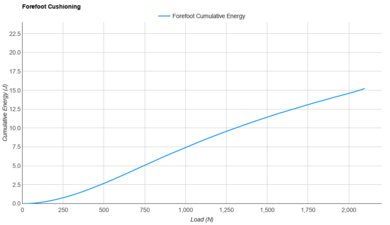
The Nike Vomero Plus's forefoot cushioning is also great, but it's less absorbent at faster paces than the ASICS SUPERBLAST 2 or the PUMA MagMax NITRO.
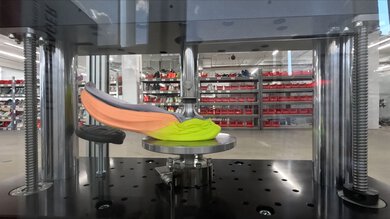
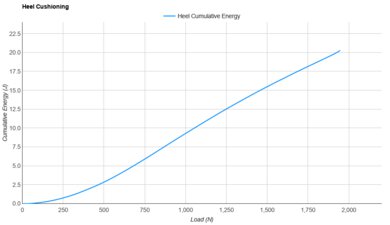
The impressive heel cushioning in the Nike Vomero Plus softens the impact of even the heaviest heel strikes.
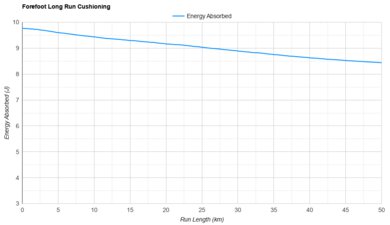
The cushioning holds up decently over longer efforts, with an expected decline as mileage builds. The ride doesn't become harsh over the marathon distance, though protection falls well short of that of its big brother, the Nike Vomero Premium.
Traction
The Nike Vomero Plus has adequate traction overall. It offers decent grip on dry concrete and good grip when that surface is wet, making it suitable for daily runs on concrete paths. The small lugs on the outsole make it look like it could be a good road-to-trail option, but that only partly holds true: it provides acceptable grip in mud, yet struggles on fine gravel. Grip is also limited on smooth, wet surfaces such as painted road markings and metal covers, so these still require caution even though the shoe handles wet concrete well.
Dependable grip on dry and wet concrete.
Acceptable grip in mud.
Limited grip on smooth, wet surfaces.
Very little grip on fine gravel.


Outsole Durability
The Nike Vomero Plus has outstanding outsole durability, which suits its role as a shoe for regular training mileage. The rubber resists abrasion very well at both the heel and forefoot, while extensive coverage keeps the foam protected from repeated contact with the ground. There isn't a clear weak point at either end, making outsole wear less of a concern whether you tend to wear down the heel or the front of your shoes.
Heel and forefoot rubber resist abrasion exceptionally well.
Extensive rubber coverage leaves very little foam vulnerable to wear.


The rubber resists abrasion exceptionally well at both the heel and forefoot. Neither end shows a meaningful weakness under repeated scraping, so the outsole is well-suited to accumulating regular training mileage. Runners who usually wear down the heel and those who put more wear through the forefoot both benefit from the durable material.

Extensive rubber coverage protects both the heel and forefoot, leaving very little foam vulnerable to ground contact. The exposed strips and small openings sit below the surrounding rubber, reducing how often they scrape against the ground. This gives the foam excellent protection across the shoe, with no major difference between the heel and forefoot.
Wet & Warm Weather
The Nike Vomero Plus has poor performance in wet and warm weather. Though its breathability isn't bad, your feet will still overheat in warm weather or on long runs. It also absorbs a lot of water when soaked and takes almost two days to fully dry, so not only will you have a very bulky shoe on your foot when you run in the rain, you won't be able to use a dry shoe the next day either.
Absorbs lots of weight when wet.
Takes almost two days to fully dry.


Airflow in the upper of this shoe is quite limited, so your feet will likely get very warm in hot weather or on long runs. For reference, the ASICS SUPERBLAST 3 has better breathability.


The Nike Vomero Plus takes a very long time to dry. Even shoes made from suede, like the Tracksmith Eliot Ryder, dry quicker, and even if you place this shoe in front of a fan, you'll be hard-pressed to have it dry by the next day.


Bounciness
The Nike Vomero Plus has okay bounce. The heel and forefoot return a good amount of energy, giving the ride plenty of rebound. The forefoot also compresses reasonably well under load, adding some spring at toe-off. However, the heel compresses less deeply, limiting how much bounce the shoe gets at the rear.
Good rebound keeps the ride lively.
Forefoot compression adds some spring at toe-off.
Heel doesn't compress deeply enough for a highly springy landing.


Snappiness
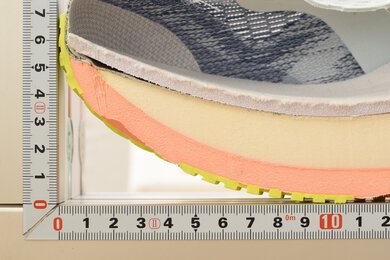
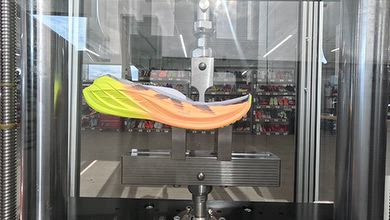
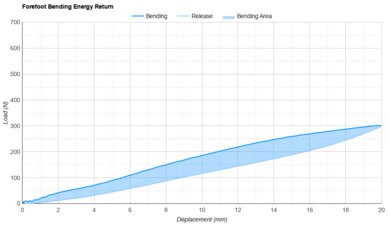
The Nike Vomero Plus has okay snap. The forefoot takes a good amount of force to bend, giving runners decent leverage at toe-off. It also returns a decent amount of the energy stored while bending. However, the forefoot itself isn't especially stiff, while the tame rocker angle offers little assistance moving onto the toes.
Forefoot provides decent leverage at toe-off.
Decent bending energy return adds some efficiency through push-off.
Soft forefoot limits snap.
Tame rocker angle offers little assistance onto the toes.
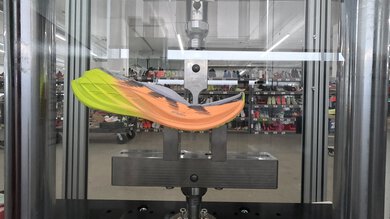
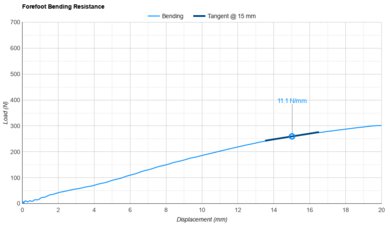
The forefoot takes a great amount of force to bend, providing impressive leverage through toe-off. However, the forefoot itself is relatively soft, limiting how much snap the shoe can produce.
Roll
The Nike Vomero Plus has okay roll. The great heel rocker moves heel strikers smoothly into midstance, while the adequate forefoot geometry keeps the transition through late stance reasonably smooth. However, the rocker flattens too easily under load, reducing assistance farther forward. The forefoot also provides less assistance than the rear of the shoe.
Great heel rocker moves heel strikers smoothly into midstance.
Rocker flattens too easily under load, reducing assistance farther forward.
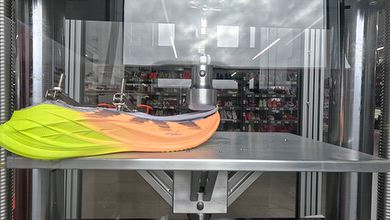
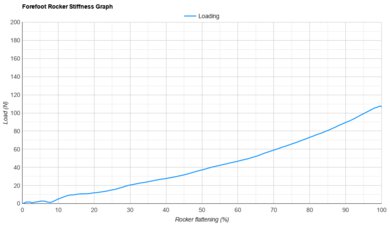
The rocker is on the softer side and flattens under load, reducing the assistance provided through the stride.
True To Size
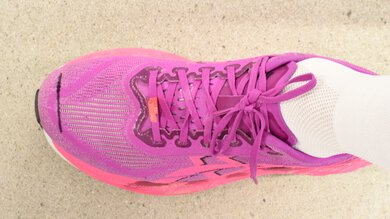
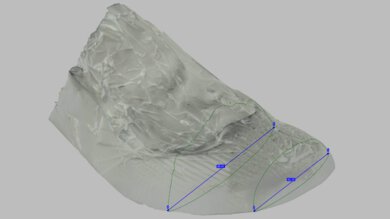
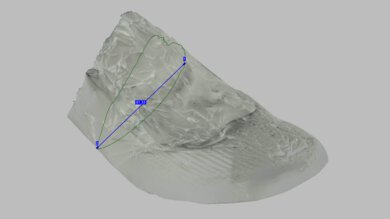
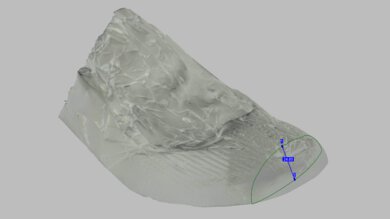
The Nike Vomero Plus fits true to size and has enough width and vertical space around the toes. The main limitation is through the arch, where the fit is more restrictive and can feel snug if you have flatter or higher-volume feet. Most runners can still confidently pick their usual size.
Length is spot-on.
Forefoot width gives most runners plenty of room.
Toe box provides ample vertical space.
Snug arch may restrict runners with flatter or higher-volume feet.
Popular Running Shoe Comparisons
The Nike Vomero Plus is a highly cushioned daily trainer that fills a similar role to the PUMA MagMax NITRO 2 and Mizuno Neo Vista 2. The PUMA offers better cushioning with a similarly stable build, but it's much less bouncy, whereas the Mizuno is even more cushioned, taller, and won't suit runners who don't like a plated shoe. The Nike sits between them in feel, pairing amazing impact protection with very good rebound and enough stability for regular mileage and longer runs. If you want a lighter, more performance-focused shoe with even deeper cushioning, the ASICS SUPERBLAST 3 is a clear step up: it's taller, significantly lighter, and much more cushioned, though it's also much less stable.
For more options, check out our recommendations for the best Nike running shoes, the best running shoes, as well as the best running shoes for men and the best running shoes for women.
The Nike Vomero Plus is a better shoe than the Nike Vomero 18 for most runners. It offers more cushioning with considerably more bounce, while also weighing less, making it better suited to longer runs or faster daily mileage. The Vomero 18 has better stability and a more controlled ride. Get the Vomero Plus if you want the more versatile daily trainer; get the Vomero 18 if stability matters more than liveliness.
The Nike Vomero Plus is a better shoe than the Nike Pegasus Premium for most runners. It provides more dependable impact protection across different loads and works much better for daily training and longer efforts. The Pegasus Premium is more specialized, working best for easy mileage where its softer ride can take priority. Get the Vomero Plus for versatility; get the Pegasus Premium if you mainly want a highly cushioned shoe for relaxed running.
The ASICS SUPERBLAST 3 is a better all-rounder than the Nike Vomero Plus. It's significantly lighter, more protective over longer efforts, and better suited to faster running. The Nike shoe offers amazing cushioning for daily mileage and costs less. Get the ASICS if you want one shoe with more range; get the Nike if you don't want to spend that much and don't need the ASICS's performance package.
The HOKA Bondi 9 is a better choice than the Nike Vomero Plus if you want a shoe that stays soft all day. It absorbs more impact and holds up longer on long runs. The Nike is lighter with very good energy return, making it the better pick if you want to pick up the pace.
The Nike Vomero Plus and the Nike Vomero Premium are the two new additions to the Vomero family within Nike's revamped lineup. The Plus version sticks closer to the Vomero family tree, maintaining a reasonable stack height but incorporating a full ZoomX midsole that delivers great bounce and excellent cushioning. The Premium version is the more experimental and "out there" shoe, towering nearly 10 mm higher than the Plus and integrating two Air Zoom units into a ZoomX midsole. Although the Vomero Plus is heavier than the average running shoe, it's much lighter and more versatile than the Vomero Premium, which feels mostly suited to easy, recovery runs.
The Nike Vomero Plus is a better choice than the Nike Zoom Fly 6 for most runners. It's softer, more cushioned, and bouncier, making it a comfortable pick for daily training and long runs. The Zoom Fly 6 is lighter, firmer, and stiffer, so it's the better option for runners who want a shoe for speed workouts and races, though it doesn't feel as forgiving on easy days.
The Nike Vomero Plus has better energy return than the ASICS NOVABLAST 5, making it the better pick for larger runners. The ASICS is much lighter, so smaller runners who apply less force may get more out of it. Both are soft enough for easy miles and bouncy enough to pick up the pace.
The Nike Vomero Plus is a better shoe than the Brooks Glycerin 23. It's lighter, more cushioned, and much bouncier, with a rockered heel that smooths out each landing. If stability matters more to you, the Brooks feels steadier underfoot and has more room through the arch.
The ASICS NOVABLAST 6 is a better shoe than the Nike Vomero Plus. It's much lighter and just as cushioned, making it the pick for runners who want one shoe for daily training, long runs, and faster workouts. The Nike shoe has a more rockered heel, so it's the better choice for heel strikers who want a smoother ride, though it fits snugly through the arch.
The adidas Hyperboost Edge is a better shoe than the Nike Vomero Plus for most runners. With a softer, bouncier feel and a lighter weight, the adidas handles long runs and daily miles comfortably while still managing the occasional faster workout. The Vomero Plus is the steadier of the two, though, and its more rockered heel will appeal to heel strikers who want smooth landings and fluid transitions. The Nike shoe is also available in wide versions.
The Nike Pegasus 42 is the trusty steed in Nike's lineup, while the Nike Vomero Plus is a fun, flamboyant new addition. Where the Pegasus 42 offers a stable, reliable ride, the Vomero Plus is lively and bouncy. If you just want a reliable workhorse shoe that will last a long time, the Pegasus is a solid option. If you're looking for something to spice up your workouts and you plan on doing longer runs, the Vomero Plus is a more enjoyable ride.
The adidas Adizero Evo SL is a better shoe for faster running than the Nike Vomero Plus. It's lighter and much better suited to workouts or quicker daily miles, while the Nike provides considerably more impact protection and works better for easy mileage. Get the adidas if speed matters more; get the Nike if you're looking for a shoe for relaxed miles.
The Nike Vomero Plus is a more well-rounded daily trainer than the HOKA Clifton 10. It's softer and more protective, with enough bounce to keep easy miles from feeling dull. The HOKA is more stable and predictable, so it's the better pick if you want a more planted ride.
The ASICS MEGABLAST is a better shoe than the Nike Vomero Plus. It offers better impact protection, handles marathon-distance efforts better, and has more range when you want to run faster. The Nike is cheaper and still works very well as a daily trainer for easy mileage plus long runs. Get the ASICS if you want a more complete shoe; get the Nike if you want a very good daily trainer without spending as much.
The Nike Vomero Plus is a better choice than the New Balance Fresh Foam X 1080v15 if you want a fun, energetic ride. It's more cushioned and livelier. The New Balance is lighter, lower, and more stable, giving it a reliable, no-fuss ride that stays predictable from start to finish.
The Nike Vomero Plus is better than the Nike Pegasus Plus for runners who prioritize cushioning and longer runs. It offers much better impact protection and a livelier ride, though the Pegasus Plus is more stable and provides more feedback from the road. Get the Vomero Plus for comfort over distance; get the Pegasus Plus if you want a lower-profile daily trainer for faster, shorter runs.
The Nike Vomero Plus is a better shoe than the Nike Winflo 12 for most runners. It's significantly more cushioned, much more energetic underfoot, and much lighter, making it a more versatile shoe, whether you're taking it for easy runs or some faster running. The Winflo 12 is much more stable and considerably cheaper, however, so if you mainly want a secure shoe for easy daily miles without spending as much, it's still a good pick.
The Brooks Glycerin Max and Nike Vomero Plus are two very different interpretations of a max cushioned shoe. The Brooks is higher stacked and heavier, so it doesn't feel nimble at all, but it does a better job of absorbing heavy impacts. The Nike shoe has softer, bouncier foam that gives far more energy return, so it feels better suited to uptempo efforts, but it doesn't hold up as well over long distances. If you're looking for a shoe for easy cruising and long runs, get the Brooks. If you want a shoe that's comfortable for easy runs, but can also handle some faster workouts, the Nike is the way to go.
The Saucony Triumph 24 is a better running shoe overall than the Nike Vomero Plus. It's a more versatile daily trainer, as it's considerably lighter and returns more energy with each step, so it feels at home in both slower runs and faster sessions. Its heel cushioning is stronger, and its forefoot protection holds up better over longer efforts, making it a useful option for building mileage. The Nike can still be worth it if you prefer a firmer, slightly steadier feel.
The ASICS GEL-NIMBUS 28 is a better choice than the Nike Vomero Plus for daily training and long runs. The ASICS's steadier platform and more resilient cushioning keep your stride consistent and your legs protected as the miles pile up, and it's a bit lighter, too. Runners who want more bounce should consider the Nike, as its lively foam and rockered heel make it more fun when you pick up the pace. The Nike shoe's roomier toe box is also a plus for those with taller toes.
The PUMA MagMax NITRO 2 and the Nike Vomero Plus are two big and tall maximalist trainers with excellent cushioning, but the similarities end there. The Nike shoe is a much livelier, more versatile model that's miles ahead of the PUMA in terms of energy return. The Nike is a fun, bouncy trainer that can handle everyday mileage, progression runs, or even some strides. The PUMA, on the other hand, seems much more specifically tailored to slow, easy runs. Its midsole doesn't put the same spring in your step, but its cushioning holds up better over long distances, and it's a touch more stable, thanks to its broader platform and fully gusseted tongue.
The Nike Alphafly 3 is a significantly better racing shoe than the Nike Vomero Plus. It's significantly lighter with better energy return and moves you through stride much quicker. However, if you're just looking for a more cushioned shoe to handle weekly miles, the Vomero Plus is the better option.
The ASICS SUPERBLAST 2 is a better shoe than the Nike Vomero Plus if you want more versatility at faster paces. It's significantly lighter and better suited to workouts, while still handling long runs well. The Nike shoe offers deeper protection for regular daily mileage and provides very good rebound of its own. Get the ASICS if speed matters; get the Nike if cushioning for everyday running matters more.
The Nike Vomero Plus is a better running shoe than the Brooks Glycerin Max 2. It's lighter and returns significantly more energy, so it takes less effort to run in and can handle a bit of faster running too. It also has great cushioning without feeling bulky. The Brooks is a bit more cushioned, though, so it's the better choice for slow, easy runs of any distance where comfort matters most. That said, its heavier build and much lower energy return make it unsuitable for anything else.
The On Cloudsurfer Max and Nike Vomero Plus both target runners seeking a cushioned, comfortable ride, but they approach that goal differently. The Nike is heavier, higher-stacked, and delivers a much bouncier, more cushioned ride, so it feels like a true premium trainer that prioritizes softness, protection, and energy return for long runs and daily cruising. The On shoe, by contrast, is firmer, with much less rebound and less deep cushioning than the name suggests, but it feels more stable and more predictable underfoot thanks to its platform and geometry.
The Li-Ning Red Hare 9 Ultra is a better running shoe than the Nike Vomero Plus. It's lighter, more cushioned, and returns more energy, so it's less tiring to run in and provides more assistance with each stride. Its cushioning also holds up much better over longer distances. It can handle everything from easy miles and recovery runs to progressive long runs with faster sections mixed in. The Li-Ning also performs better in the rain since it absorbs less water and dries much faster. However, its tall platform is much less stable, so runners with inward-rolling ankles may find it too chaotic underfoot.
The Saucony Triumph 23 and Nike Vomero Plus are both modern daily trainers with energetic, bouncy compounds, but they have different secondary priorities. The Nike sits higher and feels more protective, offering a bigger buffer underfoot that makes it especially comfortable for longer steady runs and easy mileage. The Saucony still delivers very good cushioning and a lively feel, but it isn't quite as high stacked, and its slightly firmer forefoot gives it a more stable, controlled ride overall.
The Saucony Endorphin Azura is a better running shoe than the Nike Vomero Plus. It's much lighter, more assistive through each stride, and takes less effort to run in, so it handles a wider range of weekly miles better. Its cushioning also holds up significantly better over longer runs, so it's the better choice for extended efforts or for finishing a marathon comfortably. That said, if you want a taller shoe with a touch more cushioning for short recovery miles, the Nike offers the softer ride.
The Saucony Hurricane 25 is a better choice than the Nike Vomero Plus for most runners. It's more stable and just as cushioned, making it a comfortable pick for daily training and long runs, especially if your form tends to break down. The Vomero Plus is lighter and better cushioned in the heel, so it's the better option for heel strikers with a neutral stride who want a more plush feel.
The Kiprun Kipride Max and Nike Vomero Plus both use high-stack platforms, though the Nike sits slightly higher and delivers a noticeably bouncier ride. That makes it a more viable option for uptempo efforts, while the Kiprun will feel more at home at relaxed paces. The Kiprun's midsole absorbs a bit more impact overall, and that advantage becomes even more noticeable as distances increase, helping it feel more protective deep into long runs. The Kiprun is also a bit more stable, so it's the best choice if you're looking for a more planted feel when you land.
Differences Between Sizes And Variants
We tested the Nike Vomero Plus in men's US size 9, as indicated on the label for our pair, in the Black/Metallic Dark Grey/Cool Grey/Dark Smoke Grey colorway. The shoe is also available in numerous other colorways, depending on your region. The Vomero Plus is available in regular and extra-wide sizes for both men and women. The design section applies only to the exact model we tested, but we expect the other size and gender variants to perform similarly.
