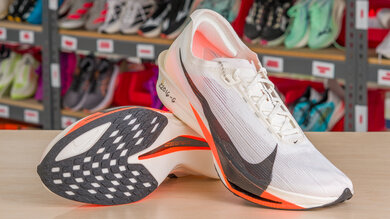
The Nike Streakfly 2 is an ultra-lightweight racing shoe built for short, high-intensity efforts from the mile up to 10K. It combines Nike's ZoomX foam with a thin full-length carbon Flyplate, creating a sharp, track-inspired feel that rewards forefoot strikers with rapid turnover and quick transitions. Compared to the original Nike Streakfly, it has an even lower stack height and drop, a more aggressive rocker geometry, and a snug, stripped-down upper, making it far more specialized as a pure speed shoe. This focus on minimal weight and direct ground feel positions it as one of the most aggressive racing options available to short-distance specialists, daring you to go faster.
Our Verdict
The Nike Streakfly 2 isn't designed for the marathon at all, as its thin midsole and low stack provide little protection once fatigue sets in. It feels very harsh over long distances and lacks the cushioning needed to support tired legs, making it completely unsuitable for 26.2 miles.
Thin, flexible carbon plate adds some snap.
Very light.
Insufficient protection for anything but very short events.
The Nike Streakfly 2 excels in short races, where its ultra-lightweight build and carbon plate almost make it feel like a road-optimized track spike. It turns over effortlessly at high speeds, providing a snappy, propulsive ride that rewards high-cadence runners with good running mechanics, making it ideal for the mile, 5K, and 10K.
Thin, flexible carbon plate adds some snap.
Very light.
Good bounciness from the ZoomX midsole.
Performance fit oriented towards short-distance racing.
Changelog
- Updated Jun 17, 2026: We've converted this review to Test Bench 0.12, which fixes how we measure firmness, a component of the Stability and 5K/10K Racing usages. There may be inconsistencies between the text and the scores for these usages, but the scores should still be considered valid. We've also brought back the Energy Return score and added two new usages: Daily Training and Long Run. To read more about the changes, see the changelog.
-
Updated Apr 15, 2026:
We've replaced the Energy Return usage box with Responsiveness, which incorporates four additional tests, and updated the text accordingly.
- Updated Apr 15, 2026: We've converted this review to Test Bench 0.11, adding two new rocker measurements to the Design section, and three new responsiveness tests to the Performance section. The Energy Return usage score has been replaced with Responsiveness. Check out the details in our changelog.
-
Updated Feb 16, 2026:
We updated the Fit usage box to better align it to the shoe's intended function.
-
Updated Feb 16, 2026:
We updated the review to include text for the full set of new fit tests and the corresponding usage box, which were recently added to our test bench.
- Updated Feb 16, 2026: We've converted this review to Test Bench 0.10, adding a new set of fit tests to the Design section and an overall fit performance usage. Check out the details in our changelog.
- Updated Oct 28, 2025: We've converted this review to Test Bench 0.9, which adds a Forefoot Long Run Cushioning test to our performance section. Read more in our changelog.
-
Updated Oct 01, 2025:
We updated the Forefoot Energy Return, Forefoot Cushioning, Heel Firmness, and Forefoot Firmness boxes to align with the latest test bench, and revised the side-by-side comparisons to keep the review accurate.
- Updated Oct 01, 2025: We've converted this review to Test Bench 0.8.2, which updates our methodology for the impact force range used in our compression tests to improve their accuracy. This also affects all usage and performance usage boxes using those compression tests as score components.
- Updated Sep 08, 2025: Review published.
- Updated Aug 29, 2025: Early access published.
- Updated Apr 02, 2025: Our testers have started testing this product.
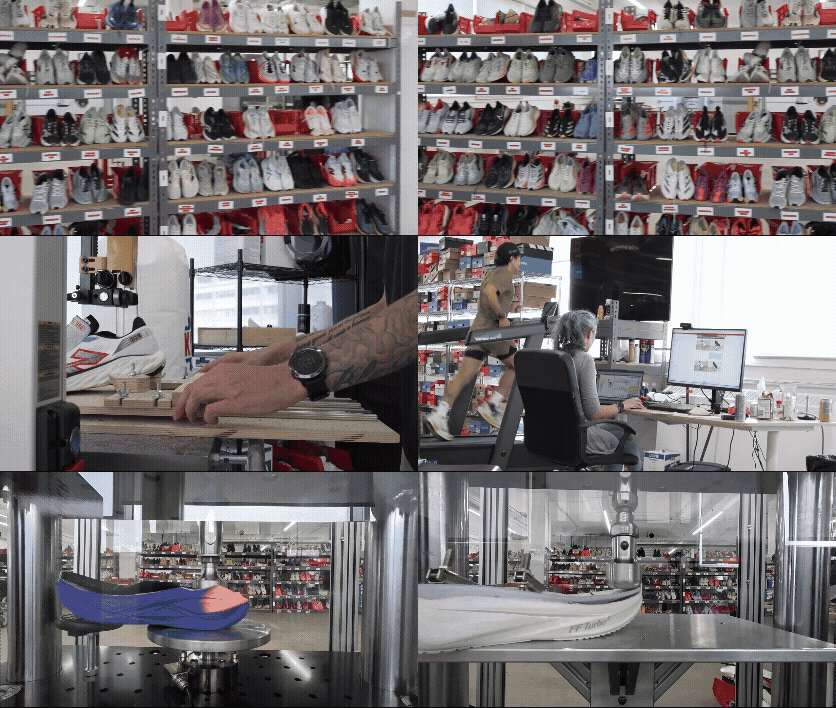
We've bought and tested more than 250 running shoes. Every pair purchased with our own money, never supplied or sponsored by brands. Our data-driven tests are designed to go beyond marketing claims, and since every shoe goes through the exact same methodology, you can directly compare results to find the right pair for your needs.
Test Results
Energy Return
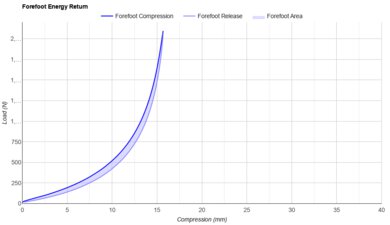
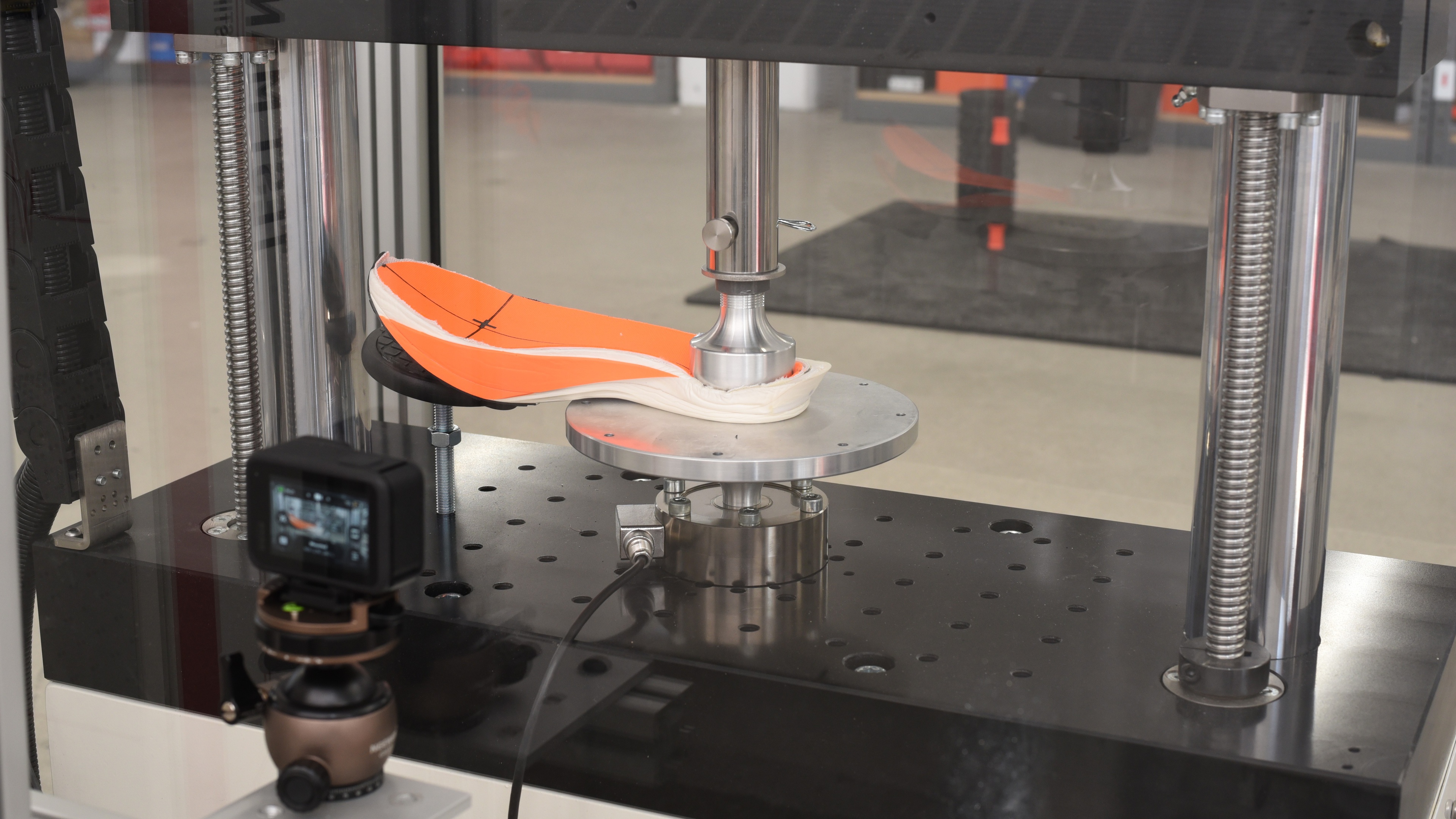
The Nike Streakfly 2 delivers excellent forefoot rebound, with the ZoomX foam creating a crisp, propulsive toe-off. It doesn't quite have the same bounciness as top max-stack marathon shoes, but the turnover feels immediate and sharp, helping runners access a higher gear at 10K pace and faster.
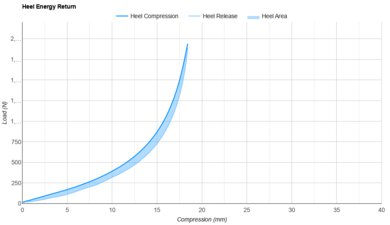
The Nike Streakfly 2 shows great rebound in the heel, which can help smooth the transition into the midfoot. However, the aggressive rocker and geometry aren't designed for heel striking, so while the foam and plate provide some bounce, the shoe doesn't function well for runners who load heavily at the back.
Stability
The Nike Streakfly 2 provides decent overall stability thanks to its stiff plate and firm underfoot foam, helping it stay planted when running at pace. However, the super-narrow platform and minimal build translate into limited stability as the distance piles up and the form deteriorates, making the shoe a practical option only for very short, fast races. In practice, the shoe's design forces the stabilizing muscles to work harder to stay balanced, which can become taxing on the legs over time.
Thin, flexible carbon plate adds some stiffness.
Decently stable for runners with good form over short distances.
Narrow platform makes for quite an unstable ride.
The shoe's construction engages stability muscles heavily, which can be fatiguing.
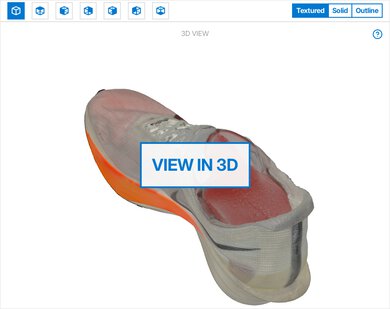
This shoe has one of the narrowest platforms on the market, which cuts excess foam and weight but also sacrifices stability. The low stack helps balance this out slightly, keeping it from feeling too unstable. Still, the nimble, narrow width is part of what makes the shoe so light and aggressive.
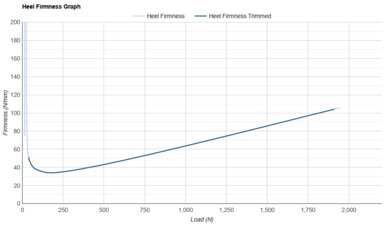
The heel feels firm overall. Light landings and higher loads alike feel quite stiff as the heel locks up and offers little give.
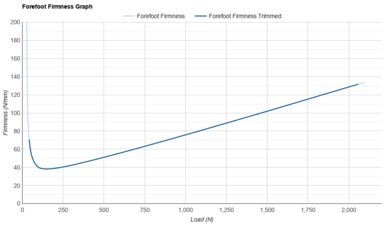
The Nike Streakfly 2 is extremely firm in the forefoot, with stiffness increasing significantly as forces increase. The foam is already firm at low forces, but it becomes even firmer as more pressure is applied, keeping the shoe snappy. This tuning matches its racing focus, ensuring power is directed into forward motion rather than sunk into the midsole.
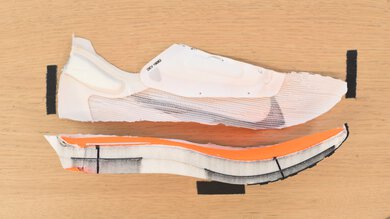
Cushioning
The Nike Streakfly 2 offers minimal cushioning, with just enough foam in the forefoot to keep you protected from the ground for shorter distances. The ride feels raw and direct, keeping you close to the ground but offering little comfort for longer efforts or runners who prefer a softer platform.
Insufficient protection for anything but very short events.
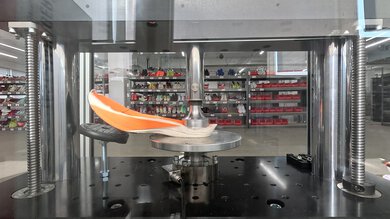
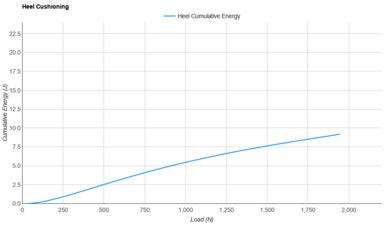
This model provides very limited heel cushioning. It absorbs some of the impacts at lower forces, but protection quickly drops off as the load increases. At faster speeds or higher forces, the heel bottoms out, leaving landings feeling harsh and unforgiving. This, combined with the aggressive geometry, makes it poorly suited for long runs or heel strikers.
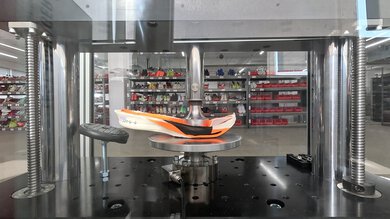
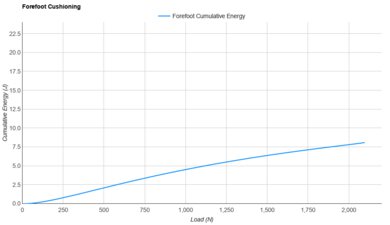
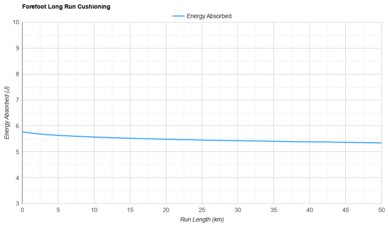
This shoe has mediocre cushioning up front. At lower impact forces, it actually compresses quite a bit and feels compliant, softening the ride more than expected for such a minimal shoe. However, as speed and forces increase, the foam can bottom out, leaving a harsher sensation. It works fine for 5K–10K racing, but won't offer lasting comfort for long efforts.
Responsiveness
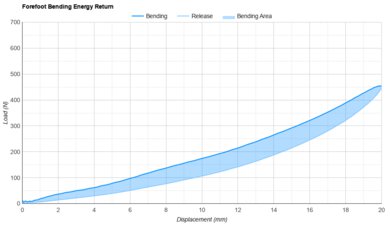
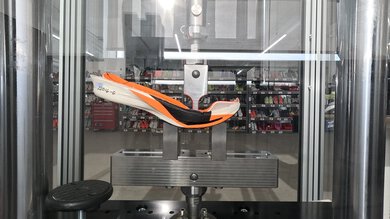
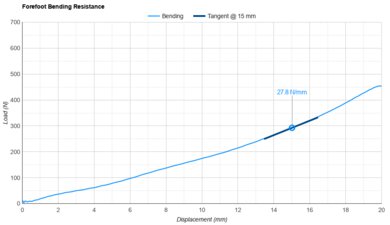
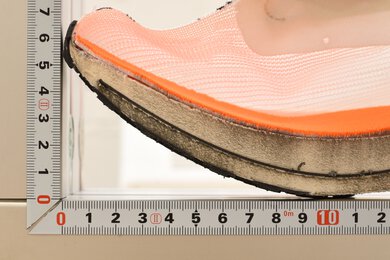
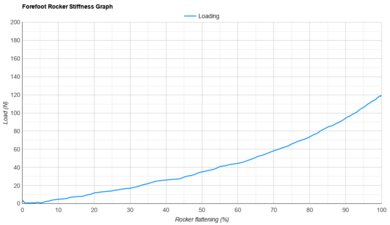
The Nike Streakfly 2 delivers impressive responsiveness, thanks to a fairly aggressive toe rocker and a carbon plate that makes toe-offs very snappy. The ZoomX midsole, although thin, gives impressive energy return, especially when loaded on the forefoot. The rebound feels immediate and efficient, giving runners an extra gear at faster paces, though it depends heavily on good form and the ability to stay up on your toes.
Good bounciness from the ZoomX midsole.
Rocker stays stiff and propulsive.
Carbon plated midsole keeps toe-offs snappy.
True To Size
The Nike Streakfly 2 has a narrow, performance-oriented fit. It's close to being true to size in terms of vertical space at the forefoot. However, the design feels quite narrow, creating a snug, race-ready fit that's optimized for short races. That said, if you have wide feet or prefer a roomier toe box, the front and arch can feel too tight, and the slightly short length may become annoying as distance increases, which aligns with the shoe's short-effort focus. If you're using this shoe for short-distance racing, you can stick to your usual size.
Good amount of vertical space at the forefoot.
Very narrow arch and toe box can feel constricting.
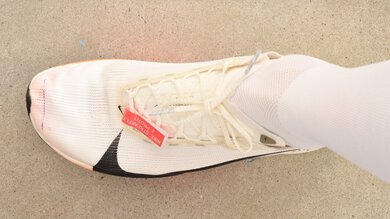
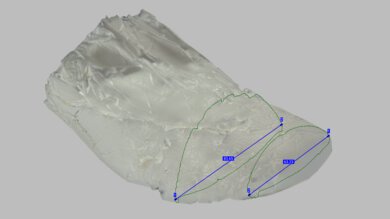
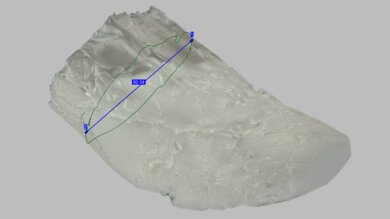
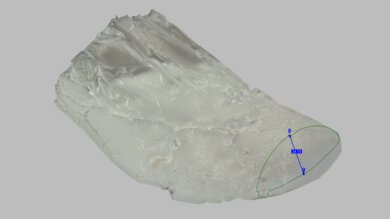
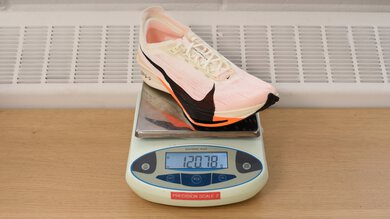
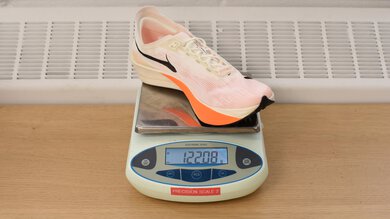
The Nike Streakfly 2 is insanely lightweight, among the very lightest racing shoes we've tested. Nike trimmed the upper down to the bare minimum and paired it with a low stack of high-performance foam, creating a shoe that almost disappears on foot. It's worth noting that some long-distance super shoes, like the adidas Adizero Adios Pro Evo 2, are only slightly heavier, but they're tuned for marathon efficiency rather than short-distance performance. For mile to 10K racing, the Streakfly 2's featherweight build makes turnover effortless.
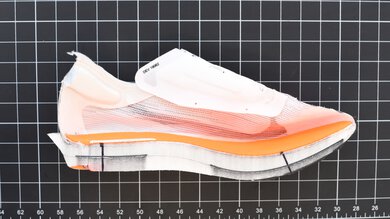
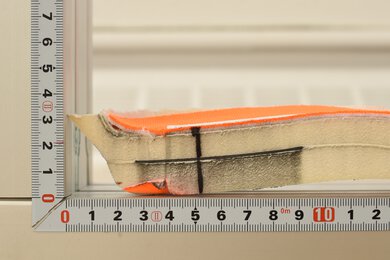
The Nike Streakfly 2 has a low stack height, especially for a carbon-plated racing shoe, with a heel that sits quite high, which accentuates how steep and aggressive the forefoot rocker is. The geometry resembles a track spike, creating a sensation akin to a negative drop when standing still. On the run, this puts you immediately on your toes, making it aggressive and fast, but uncomfortable for those who land farther back.
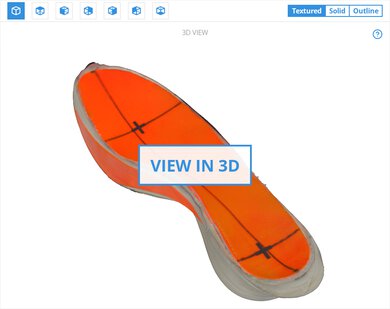
The Nike Streakfly 2 runs shorter than expected. Multiple measurements confirmed that the shoe comes in shorter than average, and on foot, it feels much more snug than other models in the same size. Wearing a normal sock may feel restrictive, so thinner socks or even going barefoot is the way to go. Pressure points can be noticeable even while walking, which highlights that this shoe isn't intended for extended wear. Size choice is crucial here, as the internal shape prioritizes performance over comfort.
Popular Running Shoe Comparisons
The Nike Streakfly 2 is Nike's pure short-distance racer, designed for hard efforts from the mile up to the 10K. It's one of the lightest shoes on the market, built with a low stack, carbon Flyplate, and ZoomX foam tuned for quick compression and rebound. The ride is extremely direct and favors midfoot or forefoot strikers, delivering sharp turnover and a powerful toe-off when running at 5K or 10K effort. Compared to the first version, it's significantly lighter and more aggressive, with a more refined execution that makes it far better specialized for its purpose. It doesn't offer much protection, so heel strikers and those used to higher-stack super shoes will likely find it harsh and calf-taxing. Runners who want a similar tool for their arsenal but are willing to carry a bit more weight in exchange for added protection could turn to the adidas Adizero Takumi Sen 11, though it doesn't deliver the same level of efficiency. Runners who just need a decently lightweight option for easier daily training should look towards a shoe like the HOKA Mach 6 instead. For the right runner (experienced and with good form), the Streakfly 2 provides one of the most efficient rides available, but it's not suited for longer runs, easy paces, or those who value comfort over performance.
Within Nike's super shoe lineup, there's also the Nike Vaporfly 4, which covers the middle ground with more cushioning and versatility for 10K up to the half marathon, while the Nike Alphafly 3 is tuned for longer efforts, delivering higher stack and protection for half marathon to marathon racing. Runners chasing 5K and 10K PRs will find the Streakfly 2 an unmatched lightweight weapon, but those who need more protection or want a shoe that doubles for training and racing should look toward the Vaporfly or Alphafly instead.
For additional options, check out our recommendations for the best running shoes, the best long-distance running shoes, and the best shoes for running a marathon.
The Nike Streakfly 2 and the Nike Vaporfly 4 are both lightweight racing shoes from the Oregon-based brand, but they're tuned for very different purposes. The Streakfly 2 is lighter and lower to the ground, designed for all-out efforts over shorter distances, such as the 5K or 10K. It delivers a firmer, more direct feel underfoot, with a sharp forefoot rocker that rewards fast turnover but offers limited protection for longer efforts. The Vaporfly 4, by contrast, is more versatile and better suited to mid-distance racing from 10K up to the half-marathon. It carries more stack height, providing greater cushioning and protection while still maintaining a snappy, efficient ride, with a carbon plate that's stiffer than the Streakfly's thin, flexible plate.
The Nike Streakfly 2 and the Nike Zoom Fly 6 both live in Nike's performance range but take very different approaches. The Streakfly 2 is a featherweight, low-to-the-ground option designed for short-distance racing and fast workouts, excelling in short efforts up to 10K with its aggressive geometry and firm, direct feel. It delivers unmatched efficiency and lightness at those distances but offers little in terms of cushioning, durability, or versatility. The Zoom Fly 6, on the other hand, is Nike's carbon-plated super trainer built for repeated use in training. It carries more cushioning, better durability, and a more structured platform that makes it suitable for intervals, race-pace long runs, and everyday speed work. While not as energetic or efficient as a true super shoe, it provides an approachable plated ride that holds up for a wide variety of training scenarios.
The adidas Adizero Takumi Sen 11 and the Nike Streakfly 2 are both built for shorter races and fast sessions, but they take different paths. The Takumi Sen 11 carries a bit more weight and sits on a higher stack, offering a touch more cushioning. Its EnergyRods add some stiffness, and in terms of raw midsole energy return, it actually has an edge. The Streakfly 2, however, is in a class of its own when it comes to efficiency at short distances. Its ultra-light build, firm forefoot, and full-length carbon plate make it incredibly snappy and efficient at higher paces, feeling closer to a track spike for the road. If you want a little more substance and protection, the adidas may suit you better, but for pure speed and efficiency over 5K to 10K, the Nike is unmatched.
The Nike Streakfly 2 and PUMA Fast-FWD NITRO Elite 2 are both ultra-light, short-distance racing shoes built for 5K and 10K efforts rather than anything longer. The Nike is the stronger option for that purpose, with a more pronounced rocker and stiffer platform that make it feel snappier and more aggressive at fast paces. Neither shoe has the protection most runners need beyond 10K, but the Nike feels especially punishing if you stretch it too far. The PUMA has a bit more stack in the heel and feels slightly more forgiving underfoot, though it isn't as propulsive. Both shoes fit snugly, but the PUMA fits more true to size overall, while the Nike has such a close, race-focused fit that it almost needs to be worn sockless.
The Nike Streakfly 2 and the Mizuno Hyperwarp Pure are two featherweight racing shoes that are optimized for short-distance racing, but they arrive in a similar niche from opposite directions. The Streakfly 2 is made using a track shoe mold, and it looks and feels like a track spike without the spikes. It has the narrowest of platforms, and its midsole is just barely cushioned enough to get you through a 5K. Conversely, the Hyperwarp Pure is unmistakably a road racing shoe, but one that has been significantly pared down. Its base is still wider than the Streakfly 2, adding more lateral stability, and although its stack height is low by modern super-shoe standards, it has enough cushioning to get through a 10K or even half-marathon.
The Nike Streakfly 2 and the adidas Adizero Adios 9 are both stripped-down speed shoes built for short, fast efforts, but they take different approaches. The Nike shoe is much lighter, with a carbon plate and a sharply angled forefoot geometry that gives it a snappy feel reminiscent of track spikes. The adidas shoe, while still very light, uses a partial plastic shank instead of a full plate, and its ride is firmer in the forefoot and more grounded with a more traditional flat-racer sensation. Both shoes are firm and snappy underfoot, though the Nike feels a bit firmer in the heel.
Differences Between Sizes And Variants
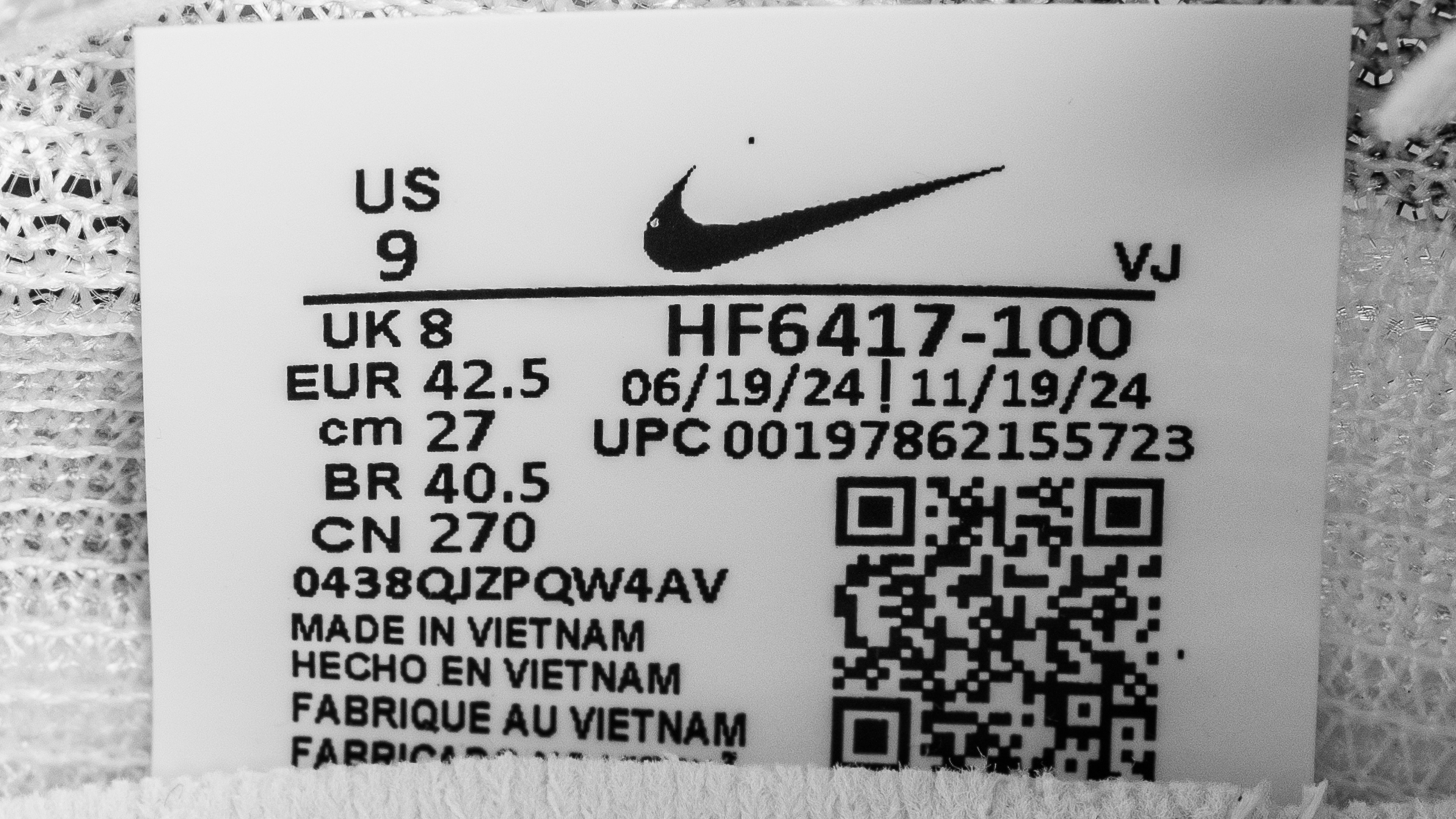
We bought and tested the Nike Streakfly 2 in men's US size 9, as noted on the label for our pair. The pair we purchased is the Proto edition in the Sail/Total Orange/White/Black colorway, but you can also buy the shoe in several other styles, depending on the region. Other colorways include Ghost/Persian Violet/Blue Lightning/Blue Void, Bright Crimson/Hyper, White/Obsidian Mist/Pure Platinum/Gridiron Orange/Gridiron/Lime Blast, and Glacier Blue/Mint Foam/Black. Unlike some other Nike shoes, this model is only offered in standard width. The design section applies only to the exact model we tested, but we expect other sizes and gender variants to perform similarly.