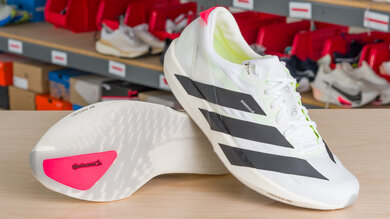
The adidas Adizero Adios 9 is a low-stack speed shoe whose exceptionally light build, energetic midsole, and stable, ground-hugging platform make it well-suited to intervals, track workouts, and short-distance racing. Its very low stack can also serve as a training tool for building lower-leg strength. However, it provides very little cushioning and lacks a strong snappy or rolling sensation, making it a poor choice for runners seeking a versatile daily trainer or enough protection for longer efforts.
| ✅ Buy If: | ❌ Skip If: |
|
|
Our Verdict
The adidas Adizero Adios 9 isn't well-suited for marathon distances. Its low stack and thin cushioning limit long-run comfort and protection, making it a tough shoe to run in for that event. While its lightweight and energetic foam helps maintain speed, the lack of underfoot padding puts extra strain on the legs over time. Although earlier Adios iterations once held the marathon world record, today it feels far less forgiving than the higher-stacked racers now built for 26.2 miles and endurance.
The premium midsole is very energetic.
Insufficient underfoot protection.
No full-length carbon plate.
The adidas Adizero Adios 9 shines in short races. Its featherlight build makes it an excellent tool for fast 5K and 10K efforts. The platform rewards quick mechanics and delivers direct ground contact that helps with speed and efficiency at these distances, though it lacks the protection for much beyond the 10K mark.
Low stack enhances ground feel.
The premium midsole is very energetic.
No full-length carbon plate.
The adidas Adizero Adios 9 is disappointing for long runs. Its exceptionally light build and energetic midsole can help you maintain quick turnover as fatigue sets in. However, it provides very little cushioning from the start, and that limited protection gradually fades as the distance increases. Most runners will find it too harsh for longer efforts, though experienced runners who enjoy minimalist shoes could still appreciate its direct ride.
The premium midsole is very energetic.
Insufficient underfoot protection.
Rocker doesn't hold its shape under pressure.
The adidas Adizero Adios 9 is okay for daily training, but only if faster sessions make up most of your intended use. Its exceptionally light build, energetic midsole, and stable low-profile platform work well for intervals, strides, and short tempo runs. Its very low stack can also make it a useful training tool for experienced runners looking to build lower-leg strength. However, its firm, minimally cushioned ride is uncomfortable for recovery runs, while the flexible forefoot limits its propulsive feel. It's best treated as a specialized workout shoe rather than your only daily trainer.
Insufficient underfoot protection.
Changelog
- Updated Sep 17, 2026: We've converted this review to Test Bench 0.15, which replaces Responsiveness with three specific performance usages: Bounciness, Snappiness, and Roll. To read more about the changes, see the changelog.
- Updated Aug 27, 2026: We've converted this review to Test Bench 0.14, which adds new lace-specific results. We've included a close-up photo of the laces, as well as details including lace type, width, thickness, and stretch. To read more about the changes, see the changelog.
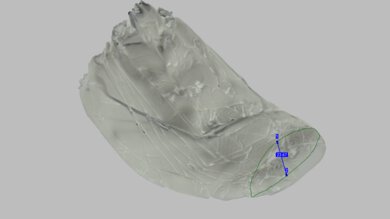
- Updated Aug 26, 2026: We've converted this review to Test Bench 0.13, which identifies the different foams used in the shoe's midsole. We've included a microscopic image of the foam cells to give you an idea of what the microstructure looks like. To read more about the changes, see the changelog.
- Updated Jun 17, 2026: We've converted this review to Test Bench 0.12, which fixes how we measure firmness, a component of the Stability and 5K/10K Racing usages. There may be inconsistencies between the text and the scores for these usages, but the scores should still be considered valid. We've also brought back the Energy Return score and added two new usages: Daily Training and Long Run. To read more about the changes, see the changelog.
-
Updated Apr 15, 2026:
We've replaced the Energy Return usage box with Responsiveness, which incorporates four additional tests, and updated the text accordingly.
- Updated Apr 15, 2026: We've converted this review to Test Bench 0.11, adding two new rocker measurements to the Design section, and three new responsiveness tests to the Performance section. The Energy Return usage score has been replaced with Responsiveness. Check out the details in our changelog.
-
Updated Feb 16, 2026:
We updated the review to include a clear recommendation on sizing.
-
Updated Feb 16, 2026:
We updated the review to include text for the full set of new fit tests and the corresponding usage box, which were recently added to our test bench.
- Updated Feb 16, 2026: We've converted this review to Test Bench 0.10, adding a new set of fit tests to the Design section and an overall fit performance usage. Check out the details in our changelog.
-
Updated Oct 23, 2025:
We updated the review to include text for the Forefoot Long Run Cushioning test, which was recently added to our test bench. To ensure accuracy, we also removed some information from the Forefoot Cushioning box to include it in the Forefoot Long Run Cushioning test box instead.
- Updated Oct 23, 2025: We've converted this review to Test Bench 0.9, which adds a Forefoot Long Run Cushioning test to our performance section. Read more in our changelog.
-
Updated Oct 01, 2025:
We updated the Forefoot Energy Return box to align with the latest test bench to keep the review accurate.
- Updated Oct 01, 2025: We've converted this review to Test Bench 0.8.2, which updates our methodology for the impact force range used in our compression tests to improve their accuracy. This also affects all usage and performance usage boxes using those compression tests as score components.
- Updated Sep 04, 2025: Review published.
- Updated Aug 28, 2025: Early access published.
- Updated Apr 30, 2025: Our testers have started testing this product.
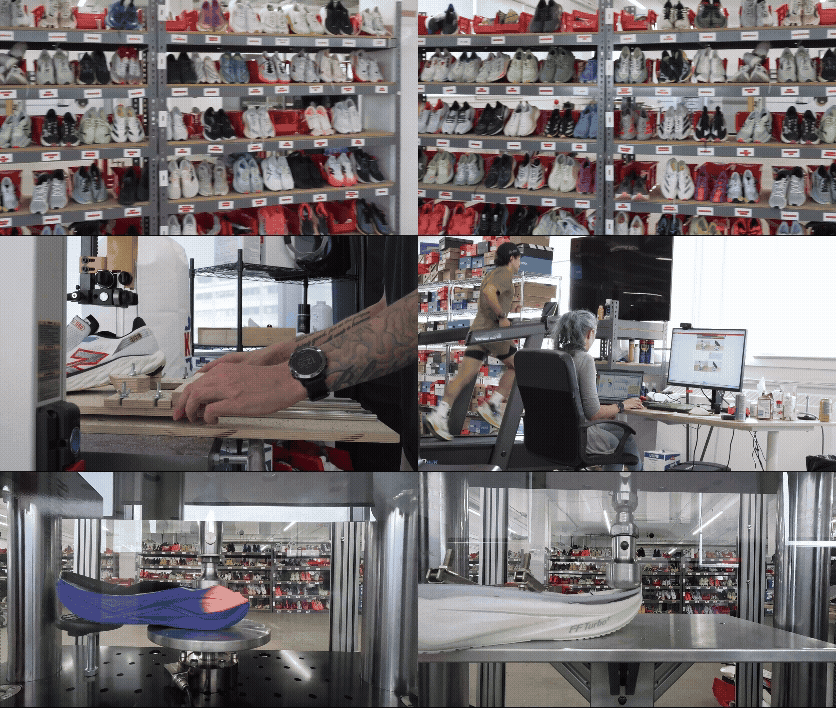
We've bought and tested more than 250 running shoes. Every pair purchased with our own money, never supplied or sponsored by brands. Our data-driven tests are designed to go beyond marketing claims, and since every shoe goes through the exact same methodology, you can directly compare results to find the right pair for your needs.
Test Results
Energy Return
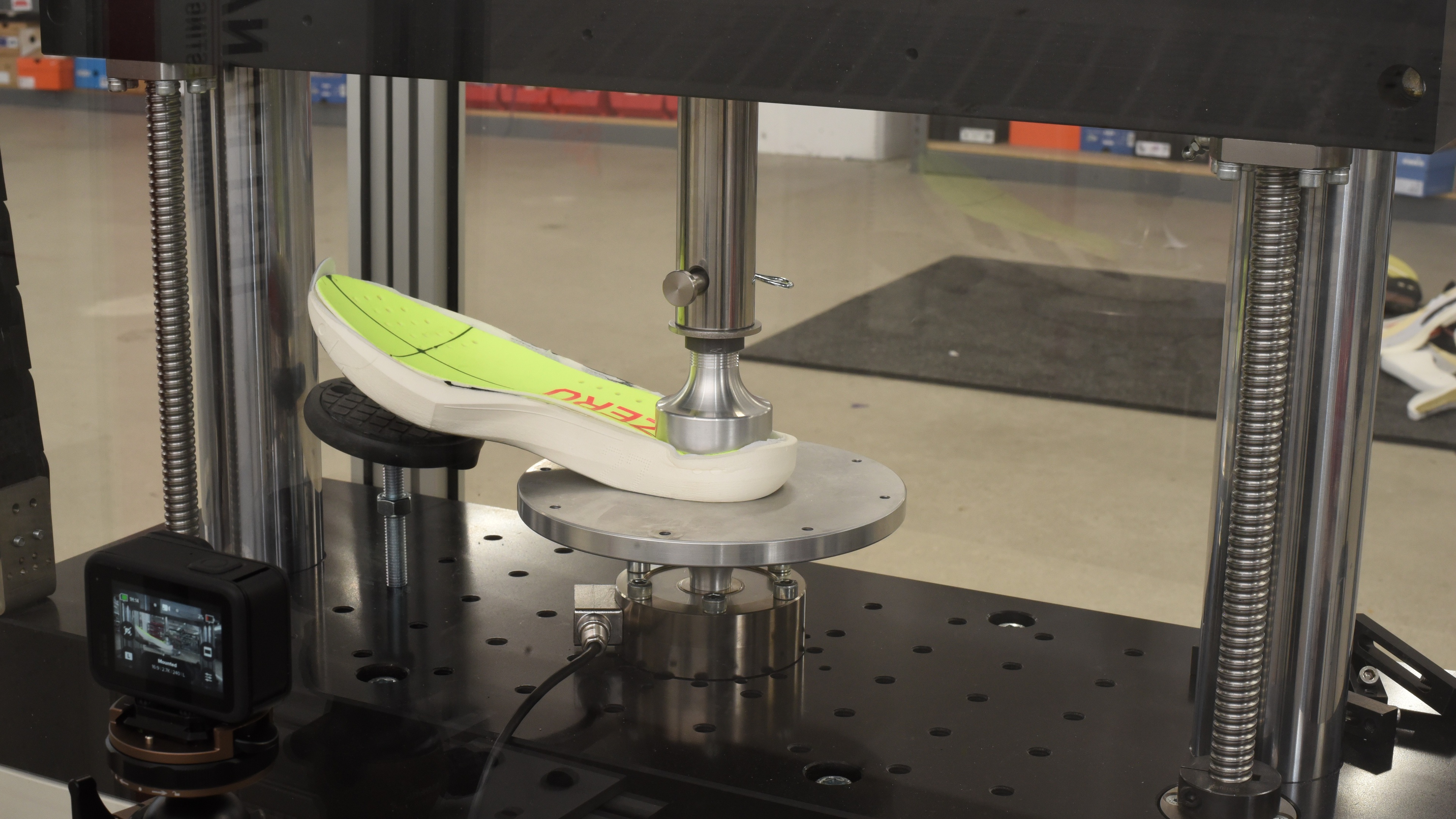
The adidas Adizero Adios 9 feels impressively efficient when you pick up the pace. Its thin midsole returns a high proportion of the energy applied at both the heel and forefoot, helping you maintain quick turnover. However, the limited amount of foam means the rebound feels fast and direct rather than deeply bouncy.
The premium midsole is very energetic.
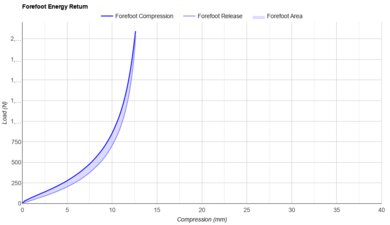
The forefoot is a bit more lively, giving off a sharpness that's reminiscent of the adidas Adizero Adios Pro 3 in character. This Lightstrike Pro formulation synergizes well with the overall geometry, helping the shoe feel reactive under load and rewarding runners who maintain a higher cadence and forefoot strike pattern.
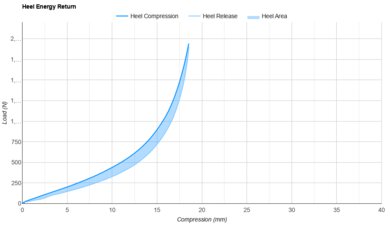
The heel feels very energetic for such a thin platform. The Lightstrike Pro midsole returns a lot of energy upon landing, making the Adios 9 feel quick when transitioning towards the forefoot and shifting gears. While not as energetic as top-plated super shoes like the PUMA Fast-R NITRO Elite 3, it's consistent and efficient for shorter runs.
Stability
The adidas Adizero Adios 9 is a very stable shoe. The firm forefoot and low profile keep the platform steady when cornering or picking up speed, and it feels secure for fast workouts on the road or track. However, the narrow heel and tapered fit may still feel unstable for heel strikers who aren't accustomed to this geometry.
Low stack enhances ground feel.
Relatively narrow platform.
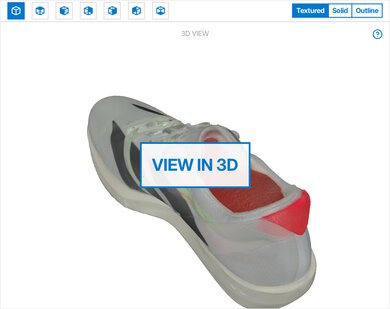
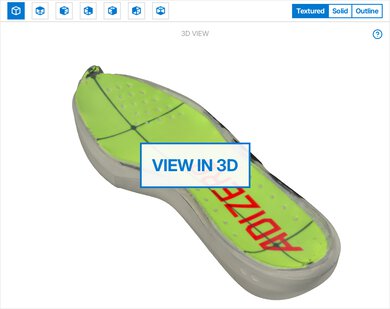
The outsole design, visible on the 3D scan, features adidas' new Lighttraxion with a small Continental patch up front for added grip, similar to other adidas race shoes like the adidas Adizero Adios Pro 4.
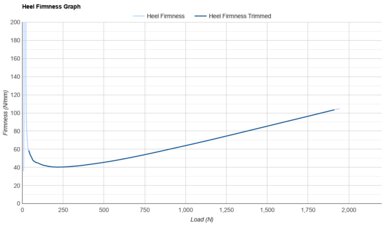
The heel is firm across all force levels. While this helps keep the platform stable and predictable, it also makes the ride feel harsher than softer alternatives, such as the adidas Adizero Takumi Sen 11.
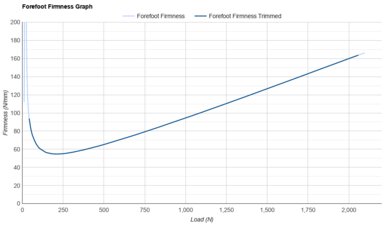
The forefoot is extremely firm, among the stiffest in its class. It can feel harsh, but it adds a lot of snap to each step, favoring a high cadence and efficient stride. This firmness also contributes to the shoe's stability, making it feel planted despite its narrow build.
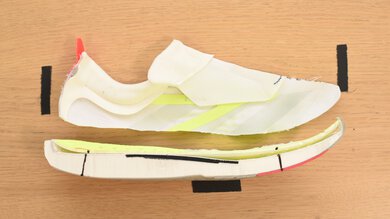
There's a partial plastic shank running through the midfoot, similar to what adidas uses in the adidas Adizero Evo SL and reminiscent of the OG Nike Streakfly. It doesn't deliver the same feel as a carbon plate, but it adds a subtle touch of stiffness to the shoe.
Cushioning
The adidas Adizero Adios 9 has very poor cushioning. The low stack height and firm feel mean very little protection underfoot, especially in the forefoot, where the shoe feels thin and unforgiving. This design enhances ground feel but sacrifices comfort, making it less suitable for long runs or recovery days.
Insufficient underfoot protection.
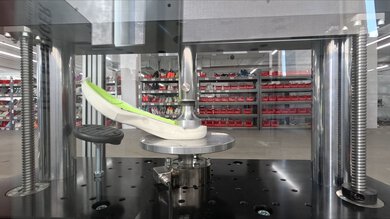
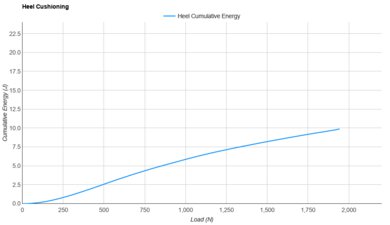
Heel cushioning is very limited in the adidas Adizero Adios 9. The Lightstrike Pro midsole absorbs shock reasonably well, but the very small amount of foam underfoot restricts comfort and protection. Specifically, heel strikers will find it harsh for long efforts, as there just isn't enough stack to buffer repeated impacts.
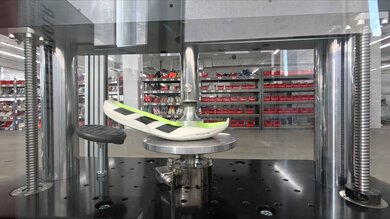
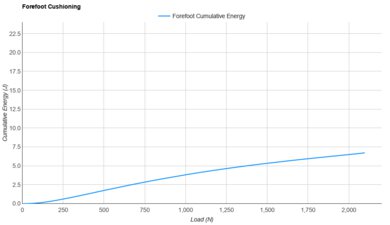
The forefoot has very little foam to absorb impact, so every step feels direct and close to the ground.
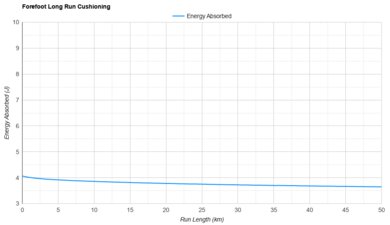
The adidas Adizero Adios 9 delivers very minimal cushioning from the start and keeps that same feel as the distance builds. There's no sudden drop in absorption, but protection stays low throughout, making it quite harsh on longer efforts. One of our staff members regularly runs 25 km or more in it without issue, though he's an old-school runner who enjoys that stripped-down, no-nonsense feel. For most runners, it's better suited to short races or hard sessions where that raw, minimal ride can actually work to your advantage.
Bounciness
The adidas Adizero Adios 9 isn't very bouncy. Its thin midsole compresses very little, particularly under the forefoot, creating a firm, direct sensation. Although it returns energy efficiently, there isn't enough material underfoot for that rebound to feel springy.
The premium midsole is very energetic.
Thin midsole provides very little compression underfoot.


Snappiness
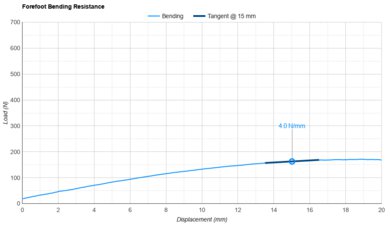
The adidas Adizero Adios 9 doesn't feel particularly snappy. Its flexible forefoot bends easily, and the partial plastic shank adds only a subtle amount of structure, so the shoe lacks a forceful release. It rewards quick cadence and direct ground contact more than runners who rely on the shoe to spring them forward.
Forefoot is firm but not snappy.
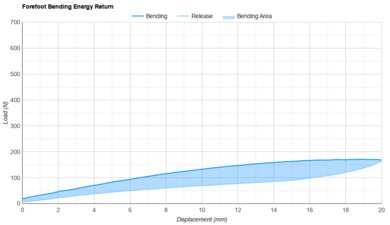
The forefoot's bending energy return is limited. It doesn't snap back forcefully when you toe off, so the shoe's fast feel comes more from its low weight and efficient midsole than from springy forefoot mechanics.
Roll
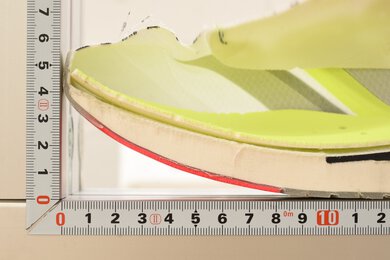
The adidas Adizero Adios 9 provides very little assistance through transitions. Its rocker isn't pronounced or stiff enough to hold its shape under load, resulting in a flat ride that doesn't roll you forward effectively.
Rocker doesn't hold its shape under pressure.
Low stack limits the rocker's assistance.
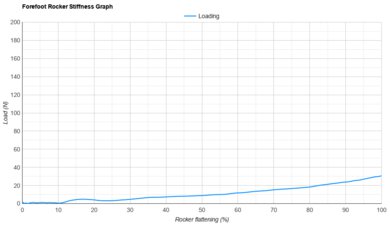
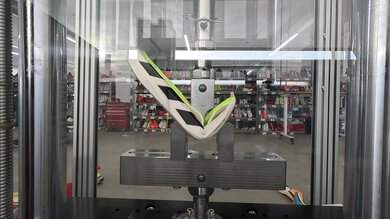
The rocker is very flexible and flattens easily under load. It provides little forward guidance through transitions, so the you'll need to rely more on natural foot movement and quick turnover.
True To Size
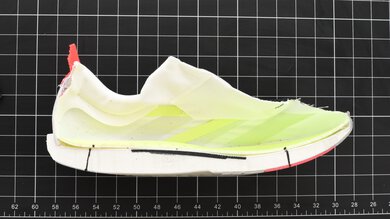
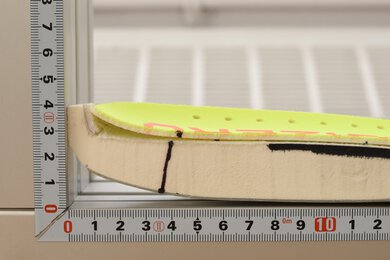
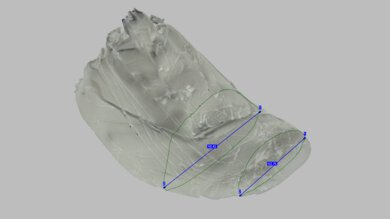
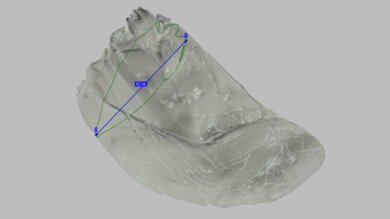
The adidas Adizero Adios 9 fits short in length, leaving little room for your toes. The forefoot width itself is impressively true to size, so it doesn't feel overly narrow, though the arch runs on the snug side. Vertical room in the forefoot is also limited, which can feel restrictive for higher-volume feet. Overall, it's a very snug, race-oriented fit. Size up by half a size.
True to size in terms of forefoot width.
Runs short lengthwise.
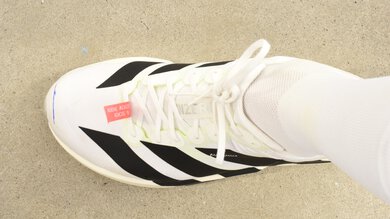
The adidas Adizero Adios 9 runs noticeably short. This snug fit may be fine for very short sessions or races if you prioritize a race-oriented lockdown. For anything longer, consider going up half a size to prevent your toes from pressing against the end, especially as your feet swell during harder efforts.
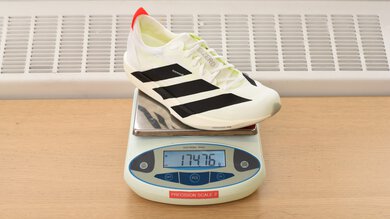
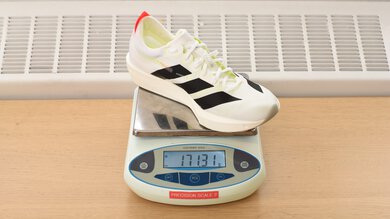
The adidas Adizero Adios 9 is impressively light, one of its biggest strengths. It's a true featherweight in daily use, though still not as minimal as direct competitors like the Nike Streakfly 2. Within adidas' lineup, it's the most well-tuned option for weight-to-performance balance if you appreciate pure ground feel. That said, runners who don't mind carrying a few extra grams can turn to the adidas Adizero Takumi Sen 11 or the adidas Adizero Evo SL, which offer more cushioning and versatility for uptempo runs, intervals, and short races.
The adidas Adizero Adios 9 has a snug, tapered toebox that feels narrow on foot. Our team of testers experienced pressure points during real-world usage of the shoes, and runners with wider forefeet may notice discomfort over longer runs. It's a secure performance fit, but keep this in mind when picking up your size.

The adidas Adizero Adios 9 uses a single layer of TPEE-based Lightstrike Pro foam without a secondary compound. The adidas Adizero Adios Pro 4 uses the same general foam, though it may not be the exact same formulation, and both shoes deliver similarly strong energy return. However, the Adios 9's much thinner application feels firm and provides far less cushioning.

Popular Running Shoe Comparisons
The adidas Adizero Adios 9 is a throwback-inspired racing flat reimagined with modern foam and upper technology. It's a featherweight, low-stack speed shoe designed for intervals, strides, track work, and racing up to about 10K. With a full Lightstrike Pro midsole, it delivers fast turnover, direct ground feel, and just enough protection for short, intense sessions. The ride isn't forgiving, and heel strikers and those used to max-stack shoes may find it harsh or calf-taxing at first. Overall, it offers excellent value as a specialized tool in your rotation, but it's not a versatile shoe, and it lacks the range of modern, higher-stack options. For comparison, the Nike Streakfly 2 offers an even lighter alternative in this niche, with a carbon plate and a lower drop. Overall, the Adios 9 is best suited to runners who want a traditional, minimalist racer feel with modern foam response, not those seeking plush cushioning or a versatile option. Runners simply looking for a relatively lightweight daily trainer who don't need high-performance features for top efficiency can look to the Brooks Hyperion 2.
Within adidas' Adizero range, the Adios 9 serves as a short-distance specialist without a full-length plate. Compared to the adidas Adizero Takumi Sen 11, which uses EnergyRods and offers slightly more underfoot padding, the Adios 9 is even more stripped down and minimal. Another option for workouts is the adidas Adizero Evo SL, also unplated, which is heavier but noticeably more protective. The Adios 9 carries design cues from adidas' super shoes, such as the adidas Adizero Adios Pro 4 and its previous iteration, the adidas Adizero Adios Pro 3.
For additional options, check out our recommendations for the best running shoes, the best long-distance running shoes, and the best shoes for running a marathon.
The adidas Adizero Adios 9 and the adidas Adizero Takumi Sen 11 are both lightweight speed options, but they serve slightly different purposes. The Adios 9 is the lighter of the two, with a very low stack that emphasizes ground feel and quick turnover. It uses a partial plastic shank to add a touch of stiffness, while keeping the ride stripped-down and minimal. The Takumi Sen 11, on the other hand, has a bit more stack and cushioning underfoot, making it more protective for slightly longer efforts. It replaces the shank with carbon fiber rods, which provide a stiffer feel but also make the shoe a bit less connected to the ground.
The adidas Adizero Adios 9 and the adidas Adizero Evo SL are in the same family but cater to different runner styles. The Adios 9 is the more traditional option, very low to the ground with a razor-sharp feel and fast turnover that mimics the classic racing-flat experience. It shines in intervals, short races, and any workout where ground feel and efficiency matter most. The Evo SL, by contrast, offers more protection and cushioning from its higher stack of Lightstrike Pro foam, making it a more versatile choice that can double as a lightweight daily trainer while still excelling in workouts and even longer races. While it still has some harshness compared to true max-cushioned options, it provides a way more forgiving platform than the Adios 9.
The ASICS METASLEEK and adidas Adizero Adios 9 are both lightweight, unplated performance trainers with energetic, grounded rides. The ASICS is lighter and returns more energy, making it better suited to top-end speed. The adidas is still a perfectly capable option if you want to log mileage in a light, grounded shoe that usually retails for a much lower price point. Unless you're an elite runner who wants a more refined execution of a similar concept, the adidas is the better option for most people.
The Nike Streakfly 2 and the adidas Adizero Adios 9 are both stripped-down speed shoes built for short, fast efforts, but they take different approaches. The Nike shoe is much lighter, with a carbon plate and a sharply angled forefoot geometry that gives it a snappy feel reminiscent of track spikes. The adidas shoe, while still very light, uses a partial plastic shank instead of a full plate, and its ride is firmer in the forefoot and more grounded with a more traditional flat-racer sensation. Both shoes are firm and snappy underfoot, though the Nike feels a bit firmer in the heel.
The adidas Adizero Adios 9 and the Brooks Hyperion 2 are both lightweight trainers that embrace their low-stack heritage, but they differ in execution. The adidas shoe is the lighter and more stripped-down option, sitting closer to the ground with a firmer, more energetic Lightstrike Pro midsole. It's an all-in, well-executed speed shoe that excels at intervals and short races. The Brooks, on the other hand, is more of a traditional lightweight daily trainer. It's heavier, not as energetic underfoot, and prioritizes durability over raw performance.
Differences Between Sizes And Variants
We bought and tested the adidas Adizero Adios 9 in men's US size 9, as noted on the label for our pair. The pair we purchased is the White/Black/Silver Metallic colorway, but you can also buy the shoe in other options, depending on the region. Another available men's colorway is Lucid Lemon/Black/Halo Silver. Unlike some other adidas models, the Adios 9 is only available in standard width. The design section applies only to the exact model we tested, but we expect other sizes and gender variants to perform similarly.