The adidas Adizero Evo SL is a very versatile shoe that suits a broad range of runners. While it sits at the same price point as many daily trainers, it offers elite-level features like adidas' premium Lightstrike Pro foam and a very light weight, blurring the line between using it for high-end racing and everyday running. Overall, it delivers great energy return and very good cushioning for a dynamic feel, whether tackling intervals, daily training, or race day itself.
Our Verdict
The adidas Adizero Evo SL is a good choice for marathon racing. Its impressive foam responsiveness, light construction, and very good cushioning significantly benefit marathon runners looking to maximize their performance. While it lacks a carbon plate, the shoe incorporates a plastic shank across the midfoot, providing a bit of structural support.
Impressive energy return from premium foam.
Lightweight build.
Enough protection for longer distances.
No full-length carbon plate.
Foam is notably soft towards the heel.
The adidas Adizero Evo SL is a decent choice for shorter races, offering a snappy forefoot and impressive energy return. Its full-length Lightstrike Pro midsole delivers a springy and responsive feel, enhancing propulsion during faster-paced efforts. However, runners seeking maximum explosiveness might find it less dynamic compared to fully plated competitors.
Impressive energy return from premium foam.
Lightweight build.
No full-length carbon plate.
Changelog
- Updated Aug 17, 2026: We've updated this review to Test Bench 0.16, expanding our coverage with new tests for breathability, water absorption, and drying time. For more details, see the changelog.
- Updated Jul 16, 2026: We've converted this review to Test Bench 0.15, which replaces Responsiveness with three specific performance usages: Bounciness, Snappiness, and Roll. To read more about the changes, see the changelog.
- Updated Jul 09, 2026: We've converted this review to Test Bench 0.14, which adds new lace-specific results. We've included a close-up photo of the laces, as well as details including lace type, width, thickness, and stretch. To read more about the changes, see the changelog.
- Updated Jun 30, 2026: We've converted this review to Test Bench 0.13, which identifies the different foams used in the shoe's midsole. We've included a microscopic image of the foam cells to give you an idea of what the microstructure looks like. To read more about the changes, see the changelog.
-
Updated Jun 24, 2026:
We've updated the Popular Comparisons section to include a link to the newly reviewed ANTA Zone 2 90.
- Updated Jun 22, 2026: We've converted this review to Test Bench 0.12, which fixes how we measure firmness, a component of the Stability and 5K/10K Racing usages. There may be inconsistencies between the text and the scores for these usages, but the scores should still be considered valid. We've also brought back the Energy Return score and added two new usages: Daily Training and Long Run. To read more about the changes, see the changelog.
- Updated Jun 22, 2026: We've converted this review to Test Bench 0.11, adding two new rocker measurements to the Design section, and three new responsiveness tests to the Performance section. The Energy Return usage score has been replaced with Responsiveness. Check out the details in our changelog.
-
Updated May 13, 2026:
We added a link to the newly published 'Best adidas Running Shoes' article in the Popular Running Shoe Comparisons section of the review.
-
Updated Apr 24, 2026:
We mentioned the adidas Supernova Rise 3 in the Popular Running Shoe Comparisons section of the review.
-
Updated Apr 16, 2026:
We mentioned the adidas Hyperboost Edge in the Popular Running Shoe Comparisons section of the review.
-
Updated Feb 16, 2026:
We updated the review to include text for the full set of new fit tests and the corresponding usage box, which were recently added to our test bench.
- Updated Feb 16, 2026: We've converted this review to Test Bench 0.10, adding a new set of fit tests to the Design section and an overall fit performance usage. Check out the details in our changelog.
-
Updated Nov 24, 2025:
We have updated the Popular Running Shoe Comparisons box to include the adidas Adizero Prime X3 STRUNG in the lineup overview.
-
Updated Oct 23, 2025:
We updated the review to include text for the Forefoot Long Run Cushioning test, which was recently added to our test bench.
- Updated Oct 23, 2025: We've converted this review to Test Bench 0.9, which adds a Forefoot Long Run Cushioning test to our performance section. Read more in our changelog.
-
Updated Oct 01, 2025:
We updated the Pros and Cons, Energy Return, Cushioning, Heel Energy Return, Heel Cushioning, Heel Firmness, and Forefoot Firmness boxes to align with the latest test bench, refreshed the Popular Running Shoe Comparisons section, and revised the side-by-side comparisons to keep the review accurate.
- Updated Oct 01, 2025: We've converted this review to Test Bench 0.8.2, which updates our methodology for the impact force range used in our compression tests to improve their accuracy. This also affects all usage and performance usage boxes using those compression tests as score components.
-
Updated Jul 30, 2025:
We revised the phrasing in the Lateral Stability box to better align with the latest test bench scores.
- Updated Jul 30, 2025: We've converted this review to Test Bench 0.8.1, which mainly updates the score components for the Marathon Racing and Lateral Stability usage boxes to improve accuracy.
-
Updated Jun 25, 2025:
We updated the Compared To Other Running Shoes box to include a comparison with the adidas Adizero Pro Evo 2.
-
Updated Jun 06, 2025:
We added a comparison to the adidas Adizero Boston 13 in the Compared To Other Running Shoes box.
-
Updated May 29, 2025:
We added a mention of the adidas Adizero Prime X 2.0 STRUNG in the Compared To Other Running Shoes box.
-
Updated Apr 14, 2025:
We corrected an issue with the listed midsole foam material.
- Updated Apr 02, 2025: Converted to Test Bench 0.8.
- Updated Apr 02, 2025: Review published.
We've bought and tested more than 250 running shoes. Every pair purchased with our own money, never supplied or sponsored by brands. Our data-driven tests are designed to go beyond marketing claims, and since every shoe goes through the exact same methodology, you can directly compare results to find the right pair for your needs.
Test Results
Energy Return

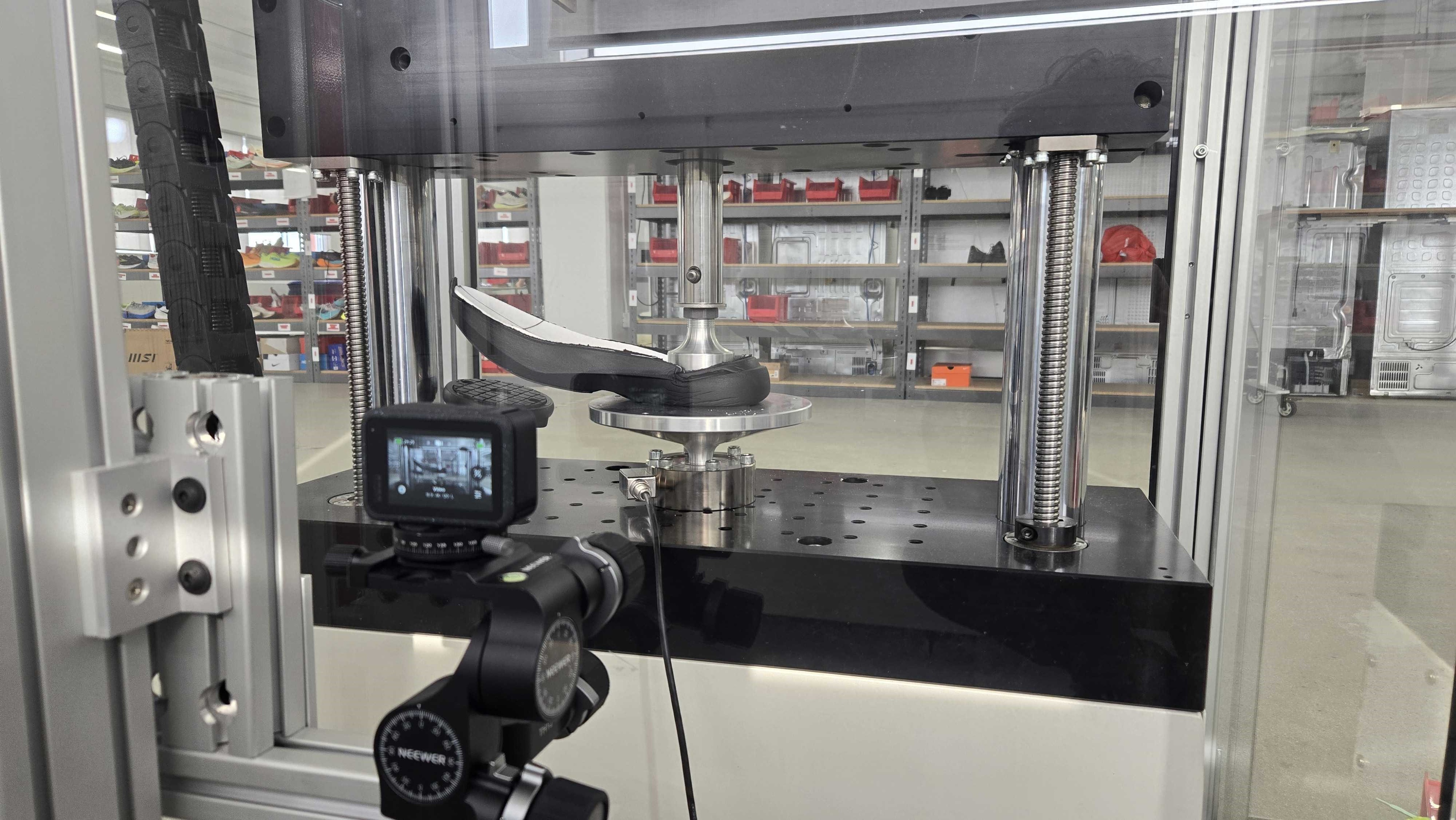
The forefoot energy return is another standout feature of the adidas Adizero Evo SL, showcasing the performance of the premium Lightstrike Pro foam. This midsole material returns substantial energy during toe-offs, making it a dynamic choice for runners who rely on responsiveness at faster paces or during intense training intervals.
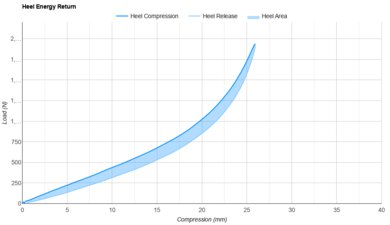
This shoe returns a great amount of energy at the heel, meaning it feels bouncy and dynamic with each foot strike. This makes it particularly versatile for a wider range of workouts, from faster-paced work to easier miles when you need that extra pop to help you transition rapidly towards your toes.
Stability
The adidas Adizero Evo SL demonstrates decent lateral stability, though it isn't its strongest suit. Its wide heel base and relatively firm forefoot offer reasonable support. However, the softer heel foam, stabilized only by a partial plastic shank, may limit its suitability for runners who rely significantly on lateral support.
Unique partial plastic shank across midfoot.
Wide heel base.
No full-length carbon plate.
Foam is notably soft towards the heel.

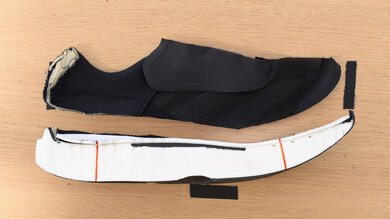
The heel is quite soft overall. This means that for most runners, regardless of pace and strike pattern, the heel foam doesn't feel very stable. This makes the shoe more appropriate for runners who appreciate comfort and plushness with moderate support rather than outright firmness in the heel.

The forefoot foam feels firm, which boosts stability and snappiness. It also provides a planted feel and smooth, efficient transitions, especially at faster paces and during intervals. Lighter or slower runners may still notice some softness because they load it less each step, but most will find it a bit harsh for easy recovery runs. That said, it isn't super stiff either, and at very high forces, it'll feel softer than other models like the Nike Vaporfly 4.
Cushioning
Cushioning is a clear strength of the adidas Adizero Evo SL, providing great protection for extended runs. The well-balanced combination of heel and forefoot cushioning ensures comfort and sustained performance, making it a reliable companion for both shorter sessions and longer workouts, though it's not exceptionally plush.
Well-balanced cushioning.
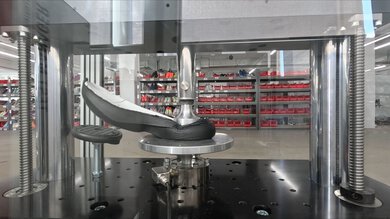

This shoe provides great cushioning at the heel, absorbing impacts very well. Although the foam isn't exceptionally plush at lower pressures, it becomes increasingly effective at higher impact forces, offering sufficient protection and comfort. This makes the adidas Adizero Evo SL well-suited for runners seeking a moderately cushioned ride without sacrificing performance.
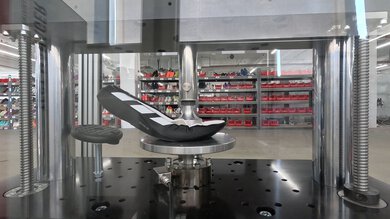

This model offers great cushioning at the forefoot, absorbing impacts effectively without feeling overly soft. Its consistent cushioning profile ensures comfort while preserving a responsive, lively feel, catering to runners who want protection during faster-paced runs and longer distances.
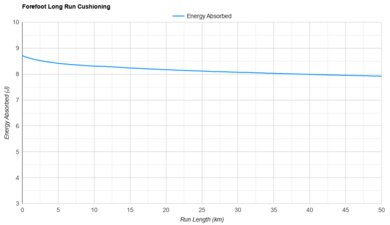
The adidas Adizero Evo SL maintains steady cushioning throughout long efforts. Its forefoot shows only a mild, gradual decline in energy absorption over the course of a simulated 50 km run, meaning protection remains consistent even deep into a session. While it doesn't deliver the plushest underfoot feel, the foam resists bottoming out and continues to absorb impact effectively. Runners can expect reliable forefoot comfort and stable protection over extended distances.
Bounciness
The adidas Adizero Evo SL offers great energy return, especially for a trainer. This is due to its premium, TPEE-based Lightstrike Pro foam, typically reserved for adidas's highest-tier racing models. This foam delivers a highly responsive and springy sensation, efficiently converting each step into forward propulsion. It's ideal for runners who want efficient and energetic strides, whether for fast interval sessions or simply to inject some dynamism into their daily runs.
Impressive energy return from premium foam.
Bouncier midsole than some super shoes.


Snappiness
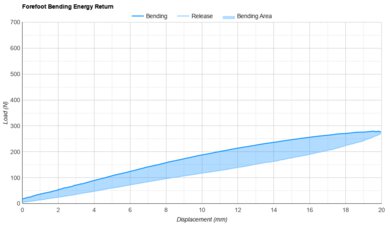
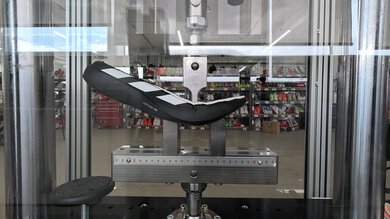
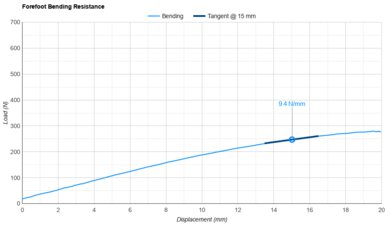
Roll
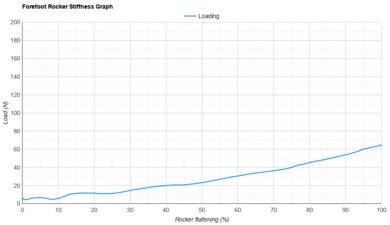
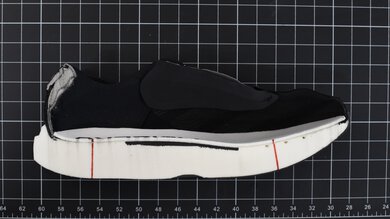
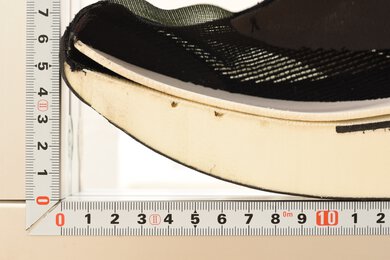
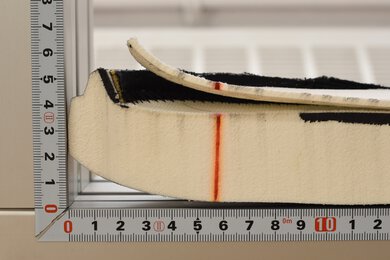
The shoe has an advertised 6 mm drop, which aligns roughly with our measurements. However, in practice, the shoe feels like it has a higher drop, likely due to the aggressive rocker, as pointed out by YouTuber kofuzi.
True To Size
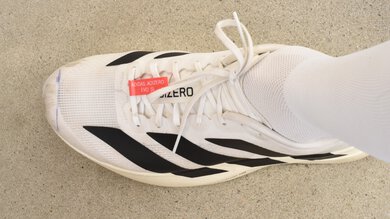
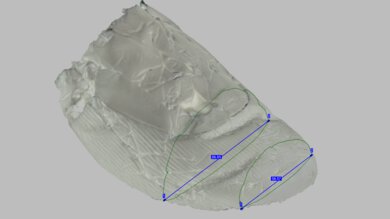
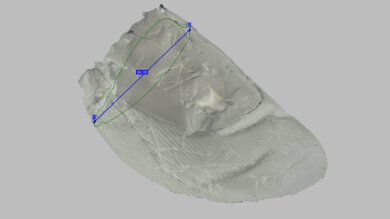
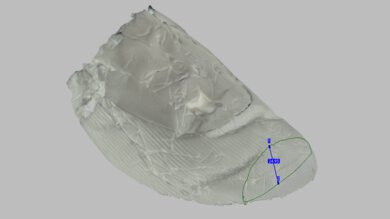
The adidas Adizero Evo SL delivers an excellent fit that sits very close to the true-to-size standard. It provides enough room in both length and volume to stay comfortable, but avoids excess space that can make a shoe feel sloppy or less secure. Overall, it hits that sweet spot between comfort and a dialed-in fit, so most runners can confidently stick with their usual size.
Fits true to size in both length and volume.
Right amount of room at the arch and forefoot.


Popular Running Shoe Comparisons
The adidas Adizero Evo SL is a versatile, lightweight trainer that uniquely combines high-performance features and exceptional value. It provides energy return comparable to elite-level super shoes like the Nike Alphafly 3. In addition, the Evo SL's midsole absorbs energy more than some higher-stacked daily trainers like the Brooks Glycerin Max, meaning the midsole compound is really good at dampening road impacts. That said, shoes like the ANTA Zone 2 90 provide even deeper protection, albeit it in a less stable package. While it lacks a carbon plate, the Evo SL is still energetic enough to comfortably handle uptempo efforts or even racing. If you're looking for a super trainer from Adidas that can handle fast paces with a snappy feel, thanks to its ENERGYRODS, and also delivers more stability, the adidas Adizero Boston 13 is a solid choice. Runners should note that for slower-paced runs, it can feel quite harsh, and a softer, less reactive option like the HOKA Clifton 10 can be more adapted.
Within the adidas lineup, it sits neatly between daily trainers like the adidas Supernova Rise 3 and top-tier super shoes like the adidas Adizero Adios Pro Evo 2, making it an ideal choice for runners seeking true versatility. There's also the adidas Adizero Prime X3 STRUNG, which is a favorite for steady-paced long runs. For long runs where you want something bouncy but not necessarily super snappy, check out the adidas Hyperboost Edge. The brand also tried to create a more affordable take on the Evo SL with the adidas Adizero Pacer, but the lower-cost construction comes with a major drop in performance.
For more options, check out our recommendations for the best running shoes and the best adidas running shoes.
The adidas Adizero Evo SL is a better shoe for faster running than the Nike Vomero Plus. It's lighter and much better suited to workouts or quicker daily miles, while the Nike provides considerably more impact protection and works better for easy mileage. Get the adidas if speed matters more; get the Nike if you're looking for a shoe for relaxed miles.
The ASICS NOVABLAST 5 and the adidas Adizero Evo SL both deliver impressive versatility, but each shines in different areas. They both offer protective cushioning, making it ideal for long runs and daily training, particularly if you prioritize plush comfort. Meanwhile, the Evo SL is lighter and offers more energetic responsiveness, allowing for snappier workouts and even racing. The NOVABLAST 5 still has some bounce, but its overall design and geometry mean it's more geared towards easier runs.
The adidas Adizero Boston 13 and adidas Adizero Evo SL may sit side by side in the Adizero lineup, but they occupy very different spaces. The Evo SL is an uptempo trainer that's unplated (apart from a partial plastic shank), making it a playful option for steady miles. Its midsole is full Lightstrike Pro, giving it a soft, cushioned, and energetic feel underfoot—perfect for runners who want a forgiving, bouncy ride that's smooth and fun. In contrast, the Boston 13 is a super trainer that brings a firmer, more controlled experience to the table. Its dual-density midsole combines Lightstrike Pro with a stabilizing Lightstrike carrier foam. The full-length ENERGYRODS on the Boston add noticeable stiffness and snap, giving it the kind of firm, quick turnover that suits structured speed sessions or marathon-pace efforts for runners who like a classic responsive feel that's also very stable.
The adidas Adizero Evo SL and Nike Vomero 18 sit in very different lanes despite both being daily trainers. The adidas is lighter and more performance-leaning, with a plastic shank and a more energetic foam that make it feel better suited to uptempo efforts and steady runs with surges where responsiveness matters. The Nike sits higher but still feels more stable and grounded, delivering a cushioned, consistent, and reliable ride that's easier to settle into at relaxed paces. If you want a shoe to cruise through daily mileage with predictability and comfort, the Nike makes more sense. Still, if your training regularly includes faster segments and you want a lighter, snappier feel, the adidas is the more engaging option.
The adidas Adizero Adios Pro 4 and adidas Adizero Evo SL both target fast running and feature a full Lightstrike Pro midsole, but they belong to two different subcategories. The Evo SL is an uptempo trainer that delivers surprisingly good cushioning and bounce for its category, making it a standout value for runners who want true versatility in a shoe they can also use for daily training and workouts. It can even work as a race-day shoe if you're not ready to commit to a full-on carbon super shoe, especially for runners prioritizing comfort and ease of use over squeezing out every last bit of performance. The Adios Pro 4, however, is better when the goal is peak racing efficiency: it feels more purpose-built, with a lighter feel, higher energy return, and full-length carbon rods that deliver a more pronounced propulsive sensation and better economy when you're running hard.
The adidas Adizero Evo SL and Saucony Endorphin Speed 5 both deliver a lively, modern bounce underfoot, but they suit slightly different runners. The adidas is an unplated uptempo trainer that feels lighter on foot and maintains more consistent cushioning as runs get longer, with a midsole that absorbs impact well while still returning energy efficiently. The Saucony is a plated super trainer that feels more structured and inherently more stable, but slightly less cushioned overall. While neither shoe is truly plush, the adidas feels a touch more forgiving over extended efforts, whereas the Saucony leans into its plate-driven snap and guidance.
The adidas Hyperboost Edge and adidas Adizero Evo SL target very different styles of running despite both being marketed as versatile shoes. The Hyperboost Edge leans into max cushioning, with a higher stack and a more comfort-first ride that feels softer and more protective, though a bit less responsive when you try to pick up the pace. The Adizero Evo SL is the lighter and more efficient option, using a plastic shank and a lower, less cushioned platform to create a more responsive, uptempo-friendly ride. The trade-off is that the Adizero Evo SL can feel harsher at easy paces, while the Hyperboost Edge is more forgiving when you're just cruising.
The adidas Adizero Boston 12 and the adidas Adizero Evo SL are two versatile options from the German giant, but despite the Boston 12 being named after a major marathon, you're probably better off racing one in the Evo SL. This is thanks to the Evo SL's superior cushioning, lighter build, and more responsive midsole. The Boston, however, remains the better choice if you highly value stability and prefer its full-length ENERGYRODS.
The adidas Adizero Evo SL and ASICS SUPERBLAST 3 are versatile trainers, but the adidas is better for faster running. It's lighter, bouncier, and more nimble, making it better for workouts or shorter efforts. The ASICS is much more cushioned and retains that protection better over long distances, so it's the better choice for long runs and high-mileage training.
The adidas Adizero Evo SL and HOKA Clifton 10 are both popular daily trainers, but they shine in different ways. The adidas is the more versatile option, feeling lighter, snappier, and more efficient as you lean into uptempo running, which makes it a better fit for long runs with pace variations and steady efforts. The HOKA is a cushioned daily trainer, with a softer, higher-stacked platform that feels plush and relaxed at easy speeds, making it the easier choice for short, mellow miles and recovery days when you want comfort and a smooth ride. While the HOKA can feel more inviting at first, the adidas foam offers better energy absorption once the distance piles up, even if it can feel a bit harsh when you're strictly jogging easy.
The ASICS SUPERBLAST 2 and adidas Adizero Evo SL are both super popular shoes because they blur traditional categories and deliver true versatility without relying on a plate. The ASICS is the more max-cushion option, feeling especially at home on long runs and steady efforts. Yet, it still stays smooth and capable when you shift into marathon pace, uptempo segments, and pace variations. The adidas goes in a lighter, more responsive direction, using a partial plastic shank and a less plush but bouncier midsole that feels great for uptempo work. As a result, the adidas tends to feel more efficient when you're pushing the pace. In contrast, the ASICS feels better suited to covering longer distances comfortably without losing its ability to pick it up.
The adidas Adizero Evo SL and New Balance FuelCell Rebel v5 are two very popular trainers, but they play different roles in a runner's rotation. The adidas is more at home when you pick up the pace, with a lighter build and a premium Lightstrike Pro midsole that absorbs and returns energy very effectively, making it feel more efficient and lively for uptempo runs and steady efforts with surges. The New Balance is the more predictable daily trainer, with a calmer, more stable platform that stays comfortable at easy paces and works especially well for shorter, no-fuss sessions. A practical advantage for the New Balance is that it's available in a wide version, making it a better fit for runners who need extra room.
The adidas Adizero Evo SL and Nike Zoom Fly 6 are two popular performance trainers from major brands, but they approach speed very differently. The Nike is a carbon-plated super trainer with a firmer, more traditional propulsive feel, relying on its geometry and plate to create a structured toe-off, with a denser forefoot that feels less bouncy and less cushioned overall. The adidas is an uptempo trainer with a small plastic shank and a higher stack, which makes it feel lighter and more energetic underfoot. It also fits more true to size through the arch, whereas the Nike feels noticeably narrower there. Over longer distances, the adidas tends to hold up better thanks to its superior cushioning.
The HOKA Mach 7 and the adidas Adizero Evo SL are two versatile shoes with a similar overall stack, but they lean toward different running styles. The HOKA Mach 7 is more of a lightweight daily trainer, feeling a bit lighter and more stable overall, with a design that makes it easier to use for steady mileage and a wide range of everyday runs. The adidas Adizero Evo SL is more of an uptempo trainer, using a plastic shank and a more energetic Lightstrike Pro midsole to create a more energetic and more absorbent ride that feels better when you're picking up the pace.
The adidas Adizero Evo SL and adidas Supernova Rise 3 fill different roles within a rotation. The Supernova Rise 3 is the more classic daily trainer, offering a stable, grounded feel that works best for short, easy miles and relaxed running. The Adizero Evo SL is an uptempo trainer, using a partial plastic shank and a more energetic midsole that absorbs and returns more energy, making it far more responsive when you pick up the pace. That more premium foam also gives it a slightly more chaotic feel during easy runs, where it doesn't feel as calm or predictable as the Supernova Rise 3.
The adidas Adizero Evo SL and adidas Adizero Pacer share a very similar look and geometry, but their actual capabilities are very different. The Evo SL uses TPEE-based Lightstrike Pro foam, giving it a lighter, much more energetic, and cushioned ride that works well for both daily training and genuine uptempo efforts, making it the better value for most runners. Meanwhile, the Pacer is a less expensive and much less capable version of the Evo SL. Its very firm EVA-based Lightstrike midsole makes it more stable, but it provides far less impact protection, bounce, or responsiveness.
The ASICS NOVABLAST 6 and adidas Adizero Evo SL are versatile trainers, but the adidas is more fun underfoot. It's much lighter, livelier, and snappier, making it better for workouts or runners who want a more energetic ride for regular miles. However, it's less stable, and the ASICS is more cushioned and protective. Runners who need the extra support should go for the ASICS; runners who don't should go for the adidas.
The Saucony Endorphin Azura and adidas Adizero Evo SL are versatile performance trainers that achieve speed differently. The adidas is much lighter and slightly livelier, while the Saucony is more cushioned, more stable, and significantly snappier, with a more rocker-biased ride. Get the adidas if you want a lighter, less assistive shoe; get the Saucony if you prefer more protection and a firmer platform that carries you through the stride.
The adidas Adizero Evo SL and ASICS MEGABLAST are both innovative trainers that blur traditional shoe categories, positioned as versatile, unplated shoes optimized for uptempo work. The Evo SL is lighter, narrower, and shaped with a more agile geometry, aided by a partial plastic shank that stiffens the midsole. Its foam composition feels a bit more energetic, making it appealing for runners who like a quicker response, though it comes across harsher at easier paces. The MEGABLAST leans more into cushioning and softness, offering a more forgiving ride with deeper protection. Where the Evo SL shines in speed and agility, the MEGABLAST prioritizes bounce and comfort, giving each a distinct personality for different training preferences.
The adidas Adizero Adios 9 and the adidas Adizero Evo SL are in the same family but cater to different runner styles. The Adios 9 is the more traditional option, very low to the ground with a razor-sharp feel and fast turnover that mimics the classic racing-flat experience. It shines in intervals, short races, and any workout where ground feel and efficiency matter most. The Evo SL, by contrast, offers more protection and cushioning from its higher stack of foam, making it a more versatile choice that can double as a lightweight daily trainer while still excelling in workouts and even longer races. While it still has some harshness compared to true max-cushioned options, it provides a way more forgiving platform than the Adios 9.
The adidas Adizero Evo SL and PUMA Velocity NITRO 4 are both fun, bouncy trainers, but they land in different parts of a rotation. The PUMA is a classic daily trainer done right, feeling lightweight and lively for everyday miles with a moderate stack that keeps some ground feel and makes the ride feel engaging. The adidas is the more uptempo-leaning option, sitting even lighter on foot with higher energy return and more cushioning for faster, steady runs and workouts, even without a full plate. The PUMA feels more stable and planted, which makes it easier to trust at relaxed paces, while the adidas can feel a bit harsh when you're strictly cruising in recovery mode.
The adidas Adizero Evo SL and Dynafish Xiaonian are two uptempo trainers built around energetic midsoles, but the Dynafish pushes the concept further. It is lighter, higher stacked, more protective, and more responsive overall, feeling almost like an elevated version of the Evo SL. The adidas uses a plastic shank to slightly firm up the midsole, while the Dynafish is completely unplated and relies more on the performance of its foam and geometry to create speed and propulsion.
The adidas Adizero Evo SL and PUMA Deviate Pure NITRO are both lightweight, unplated uptempo trainers, but they take different approaches. The PUMA is lighter and more stable, with a thinner forefoot that absorbs less impact and gives you more ground feel. That makes it feel more controlled and easier to use at relaxed paces, but also less protective up front. The adidas is the more responsive and energetic shoe, with a bouncier ride that feels better suited to uptempo efforts and faster workouts. However, that livelier character can make it feel less settled for easier daily runs.
The adidas Adizero Evo SL and ANTA Zone 2 90 are both lightweight, unplated trainers that blur the line between daily trainer and performance shoe. The ANTA offers more protection and better long-run comfort, with a softer, bouncier ride that makes it the more enjoyable cruiser. The adidas is firmer and a bit more stable, though it's still not the most stable shoe underfoot.
The adidas Adizero Evo SL and Kiprun Kipstorm Challenger are both versatile performance shoes, but they suit different use cases. The adidas is the non-plated option, with enough range for daily mileage and faster training, and it flourishes during tempo workouts. The Kiprun is the more aggressive shoe overall, coming in much lighter, featuring a carbon plate and a more energetic, propulsive ride. You'll likely prefer the adidas if you want a lively shoe that sits closer to a daily trainer, whereas the Kiprun is the better pick if you want an accessible plated performance shoe that can handle everything from workouts to racing.
The adidas Adizero Evo SL is a more versatile running shoe than the adidas Zenboost. It's much more cushioned and energetic, making it better for longer runs and marathon training, while still handling faster work well. The Zenboost is lighter and more stable, though, and also retails for far less, so if you're on a budget and want a shoe to only run shorter distances, the Zenboost is a certified bargain.
The adidas Adizero Evo SL and the adidas Adizero Adios Pro 3 offer surprisingly similar performance. The Evo SL delivers comparable cushioning and energy return, making it an exceptional value option for those looking for race-ready features and true versatility. However, for peak racing performance, the Adios Pro 3 holds a slight edge thanks to its marginally lighter weight and full-length carbon fiber rods, enhancing efficiency.
The adidas Adizero Evo SL and Mizuno Neo Zen are both popular trainers because they blend low weight with modern cushioning and a lively feel, but they are tuned differently. The adidas is the more responsiveness-first option, feeling a bit lighter and using a plastic shank to add stiffness, making it a better choice for picking up the pace and staying efficient during uptempo work. The Mizuno takes a more protective approach, sitting higher with more cushioning and a bouncy, modern midsole, but its geometry is optimized for smoother, easier miles rather than faster work.
The Saucony Endorphin Pro 4 and adidas Adizero Evo SL sit in different categories but share a similarly bouncy midsole character. The Saucony is a true super shoe built for racing, with a full carbon plate and a slightly lighter build that gives it a more race-focused edge. It also feels impressively stable for a super shoe, which helps keep things controlled when you're pushing hard. The adidas is an uptempo trainer with premium features, including a partial plastic shank, and while it's almost as lightweight, it leans more toward versatility. Its midsole feels a bit more absorptive, making it easier to use across a broader range of training. If your goal is peak race-day performance, the Saucony holds the advantage, but if you want a lively, adaptable partner that can handle steady runs without being limited to race day, the adidas makes more sense.
The New Balance Ellipse and adidas Adizero Evo SL are two popular shoes, but they serve different parts of a rotation. The New Balance is better suited for easy running, with a more comfort-focused ride, though it can feel a bit cumbersome and less agile when you try to pick up the pace. The adidas is much lighter and feels more efficient and responsive, helped by its plastic shank and more energetic ride, which makes it far more at home during uptempo efforts. The trade-off is that the adidas feels less stable overall, while the New Balance offers a more grounded experience.
The Skechers Aero Razor and adidas Adizero Evo SL are lightweight trainers that blur the line between daily training and faster workouts. The Skechers is lighter, lower-drop, and more race-leaning, with a nylon plate and aggressive rocker that give it a quick, rolling feel. The adidas uses a plastic shank rather than a plate, and has a more responsive ride, with cushioning that holds up better over longer efforts. Both are great options for faster daily training, but the adidas is the more versatile choice for runners who want more range from one shoe.
The On Cloudboom Zone and the adidas Adizero Evo SL are both unplated uptempo trainers designed to give runners a lightweight option for faster workouts, but they approach that goal differently. The Cloudboom Zone uses a PEBA-based foam, delivering a direct, grounded feel with some snap through the forefoot, though the midfoot can feel a bit flat and the overall ride less energetic than the adidas. The Evo SL, on the other hand, relies on full-length Lightstrike Pro and feels noticeably bouncier, livelier, and more fun to run in. Both are best suited for intervals, tempos, and track sessions rather than long, easy runs, but the On offers a more structured, much more stable ride, whereas the adidas is the more responsive, protective choice.
The R.A.D UFO and adidas Adizero Evo SL are both marketed as versatile trainers, but how do they perform in practice? The adidas Adizero Evo SL uses a partial plastic shank paired with Lightstrike Pro to create a stiff, propulsive feel that's best when you're running steady to fast, but it can feel a bit too firm on slower, recovery days. The R.A.D UFO takes the versatility angle through cushioning, staying fully unplated and offering a more forgiving, comfort-forward ride that's easier to settle into for long runs and easy mileage alike. Despite its higher stack, the R.A.D feels more laterally stable thanks to its broader platform, while the adidas feels more nimble and ready to take on quicker workouts.
The adidas Adizero Evo SL and Kiprun KS900 2 are often lumped together as "great value" trainers, and they both back that up in their own way, but they end up serving very different jobs. The adidas is the lighter, more energetic option, with a livelier midsole that makes it feel more efficient across a wider range of paces, from steady mileage to pickups and light workouts. That same punchier character can also make it feel a bit overkill for truly easy, relaxed runs where you just want the shoe to disappear under you. The Kiprun is the more straightforward daily trainer: it isn't as bouncy or as exciting, but its higher stack and unplated build deliver a more consistent, reliable ride that works well when you want simple, no-drama mileage.
The Li-Ning Chaoying Pro and adidas Adizero Evo SL are both lightweight trainers, but they suit very different runners. The adidas is the speedier, livelier shoe, with much better rebound and more life underfoot. It's the better pick if you want a shoe that can handle everything from easy runs to workouts and progressive efforts, no matter your strike pattern. The Li-Ning is the more protective and stable option, with deeper cushioning overall, an impressively secure platform, and a much more effective heel rocker. This makes it the better choice for heel strikers who want a shoe that rolls smoothly through easy miles and longer runs, with enough underfoot to just about handle uptempo efforts as well.
The adidas Adizero Evo SL and the On Cloudmonster Hyper both aim to bring performance into daily training, but they go about it very differently. The Evo SL delivers on that promise with a lightweight build and a highly energetic Lightstrike Pro midsole that makes it an excellent unplated uptempo trainer for faster runs. That said, it feels a bit harsh at true recovery paces, and it's not as stable as the On due to its narrower platform. The Cloudmonster Hyper, by contrast, only uses PEBA foam in the forefoot while relying on a firmer carrier for the rest, which results in a much less bouncy ride that feels better suited to easy miles and steady cruising. It does, however, offer a premium, roomy upper that provides more comfort and volume than the snug performance fit of the Evo SL.
The adidas Adizero Evo SL is a better running shoe than the adidas Runfalcon 6 CLOUDFOAM. Its midsole is much livelier and provides significantly more impact protection. It's also much lighter and can handle pretty much all daily training needs. Whilst the Runfalcon is much more stable, unless you're only looking for a shoe to handle warm-ups and cool downs on a treadmill between gym work, the Evo SL is the shoe to get.
The adidas Adizero Evo SL is a better performance shoe than the Diadora Corsa. Its lighter build and much livelier ride make it better for faster running. The Corsa is more stable and provides deeper impact protection, so it's the better pick if you're mainly running easy miles.
The adidas Adizero Evo SL is better overall than the Brooks Hyperion 2, offering more versatility for different kinds of runs. It delivers significantly better energy return, making for a more responsive ride when picking up the pace, and its more cushioned midsole makes it a better fit for longer efforts as well.
Differences Between Sizes And Variants
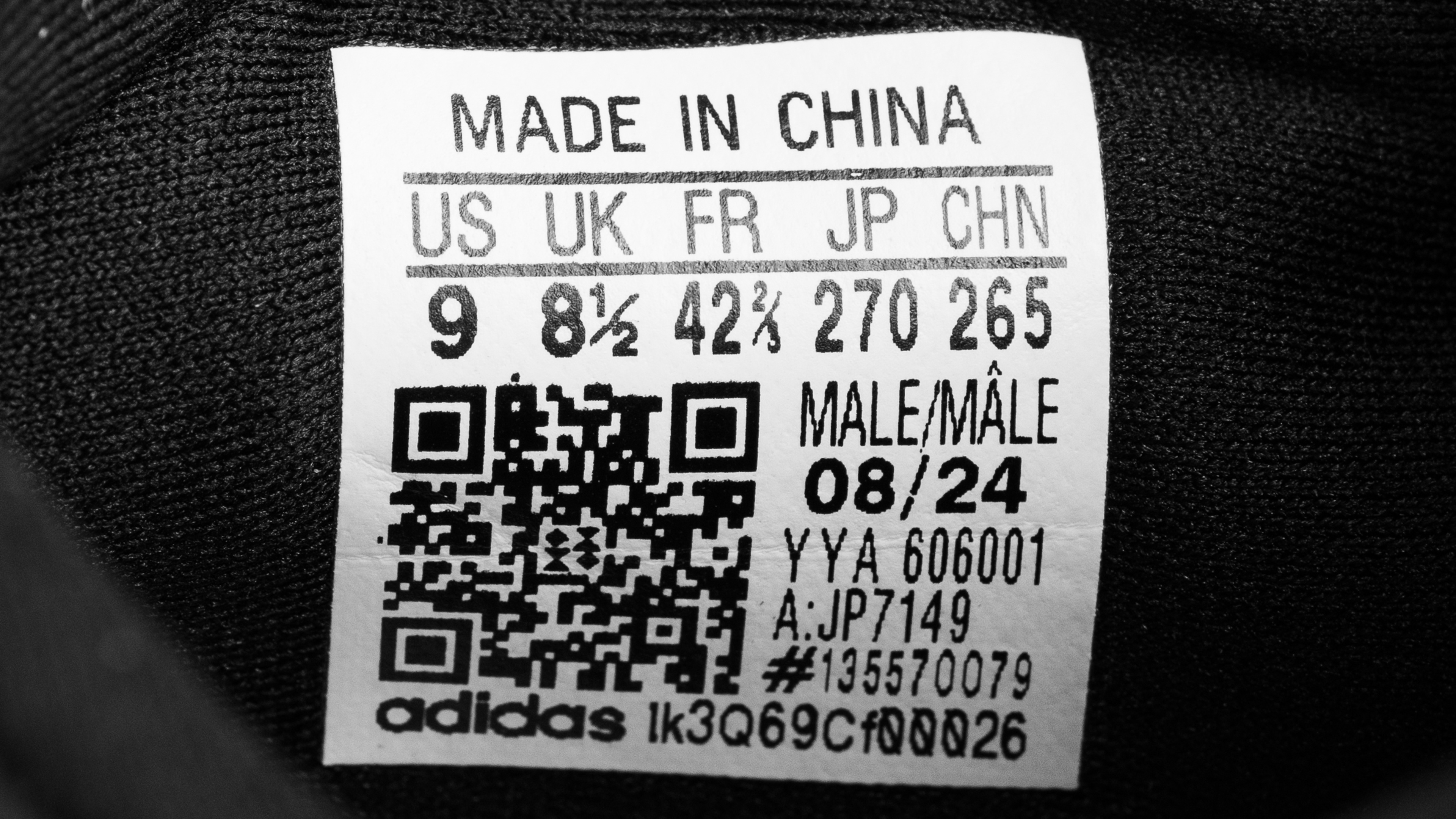
We tested the adidas Adizero Evo SL in men's US size 9, as indicated on the label. The color shown here is Core Black/Cloud White/Core Black. This model is currently available in a couple of additional colorways: Core Black/Iron Metallic/Core Black, Wonder White/Cyber Metallic/Warm Vanilla, Cloud White/Core Black/Cloud White, and Lucid Lemon/Core Black/Matte Silver. Wide versions are not available for this model.