
The adidas Supernova Rise is a well-rounded daily trainer aimed at everyday runners, unlike the brand's elite Adizero lineup. While its midsole mostly uses EVA foam, it also features a percentage of re-engineered Dreamstrike+ super foam and a new 'Support Rod' system of stiffer foam rods integrated into the outsole for added stability. The shoe's pronounced forefoot rocker and moderately cushioned heel make for smooth transitions, while the padded upper and inclusion of PEBA foam give it a more premium feel than most daily trainers.
Our Verdict
The adidas Supernova Rise isn't well-suited to marathons. It lacks the cushioning needed for longer efforts. While it offers adequate responsiveness for a daily trainer and feels stable, it's also on the heavier side for a race day option.
Decent responsiveness.
Cushioning is inadequate.
Not the lightest option.
The adidas Supernova Rise is okay for 5K/10K racing, mostly because of its decent energy return and springy forefoot. However, it isn't the lightest option for race day, which limits its efficiency.
Decent responsiveness.
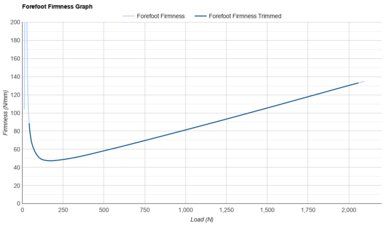
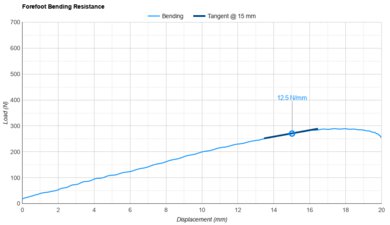
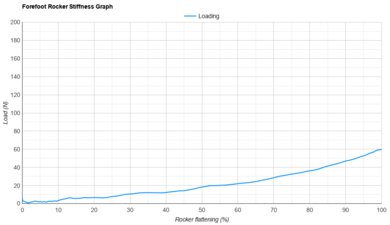
Very firm forefoot.
Not the lightest option.
Changelog
- Updated Jun 17, 2026: We've converted this review to Test Bench 0.12, which fixes how we measure firmness, a component of the Stability and 5K/10K Racing usages. There may be inconsistencies between the text and the scores for these usages, but the scores should still be considered valid. We've also brought back the Energy Return score and added two new usages: Daily Training and Long Run. To read more about the changes, see the changelog.
-
Updated May 13, 2026:
We've updated this review to add text to the True To Size box, update the language in the Responsiveness and Marathon Racing boxes, tweak the pros and cons section, and revise some side-by-sides to align with Test Bench 0.11.
- Updated May 05, 2026: We've converted this review to Test Bench 0.11, adding two new rocker measurements to the Design section, and three new responsiveness tests to the Performance section. The Energy Return usage score has been replaced with Responsiveness. Check out the details in our changelog.
- Updated Apr 29, 2026: We've converted this review to Test Bench 0.10, adding a new set of fit tests to the Design section and an overall fit performance usage. Check out the details in our changelog.
- Updated Apr 13, 2026: We've converted this review to Test Bench 0.9, which adds a Forefoot Long Run Cushioning test to our performance section. Read more in our changelog.
-
Updated Oct 22, 2025:
We updated the Pros & Cons, Lateral Stability, Energy Return, Cushioning, Marathon Racing, 5K/10K Racing, Heel Energy Return, Heel Cushioning, Forefoot Cushioning, Heel Firmness, and Forefoot Energy Return boxes to align with the latest test bench and refreshed the Popular Running Shoe Comparisons section to keep the review accurate.
- Updated Oct 20, 2025: We've converted this review to Test Bench 0.8.2, which updates our methodology for the impact force range used in our compression tests to improve their accuracy. This also affects all usage and performance usage boxes using those compression tests as score components.
-
Updated Jul 30, 2025:
We revised the phrasing in the Lateral Stability, Cushioning, Heel Cushioning, and Forefoot Cushioning boxes to reflect the changes in the latest test bench.
- Updated Jul 30, 2025: We've converted this review to Test Bench 0.8.1, which mainly updates the score components for the Marathon Racing and Lateral Stability usage boxes to improve accuracy.
- Updated Apr 02, 2025: Converted to Test Bench 0.8.
- Updated Apr 02, 2025: Review published.
We've bought and tested more than 250 running shoes. Every pair purchased with our own money, never supplied or sponsored by brands. Our data-driven tests are designed to go beyond marketing claims, and since every shoe goes through the exact same methodology, you can directly compare results to find the right pair for your needs.
Test Results
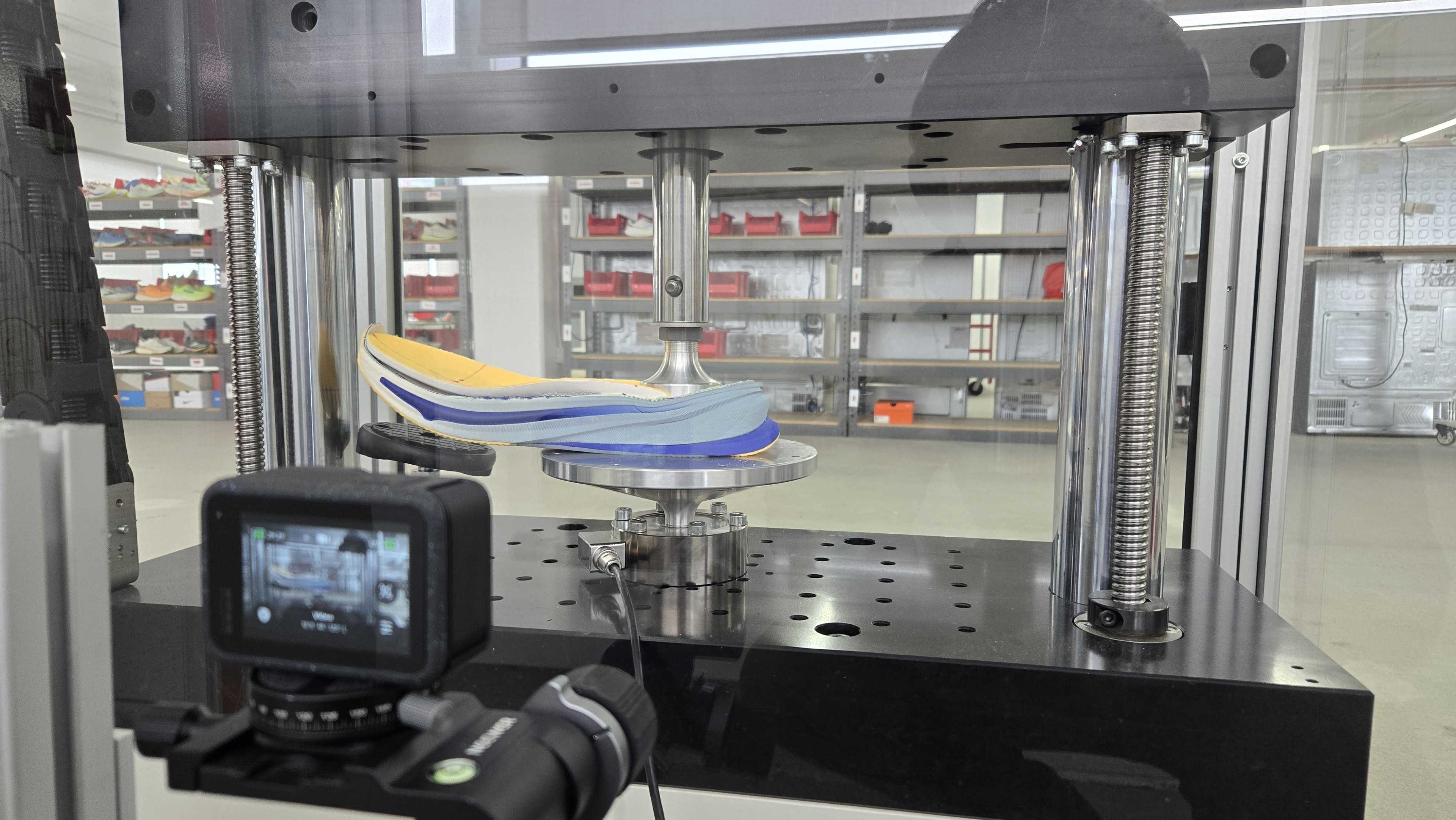
Energy Return
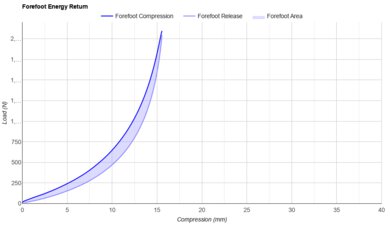
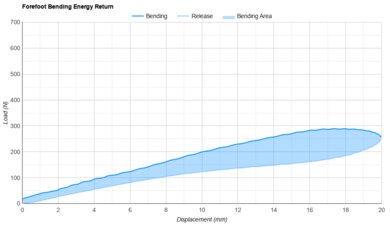
The forefoot energy return is also decent, making for a fairly springy toe-off.
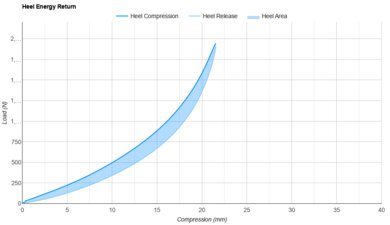
The adidas Supernova Rise has decent energy return in the heel. Thanks to its PEBA-EVA blend foam, it has relatively high rebound for a daily trainer. However, it's still far from reaching the efficiency of super shoes like the adidas Adizero Adios Pro 3.
Stability
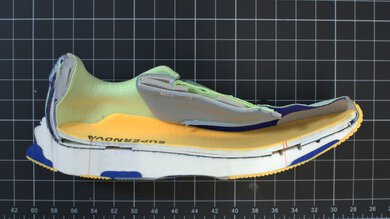
The adidas Supernova Rise has very good lateral stability. The firmness of its foam works in its favor for a more controlled, stable ride. It also has a relatively low stack height and a wide outsole, with 'Support Rods' to add a bit of structure.
Relatively firm foam.
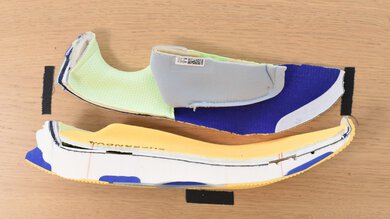
Support Rods add some structure to the outsole.
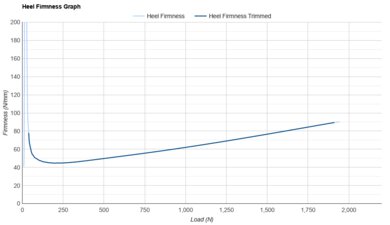
The heel is quite firm overall, especially at lower forces. Most people will find that the heel lacks softness, making it less comfortable, especially during longer efforts, but the added stability can be beneficial for maintaining form.
Cushioning
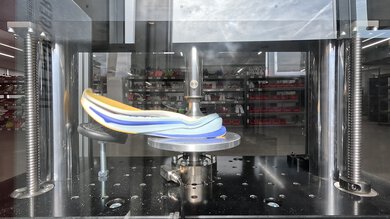
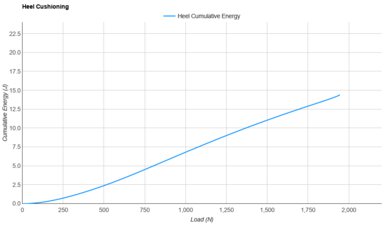
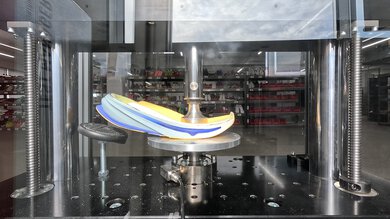
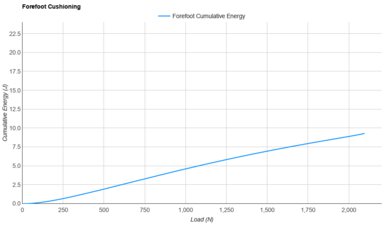
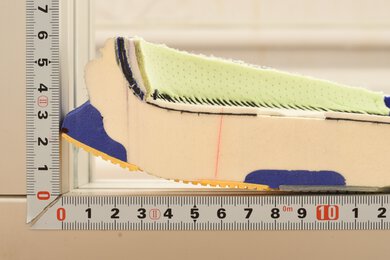
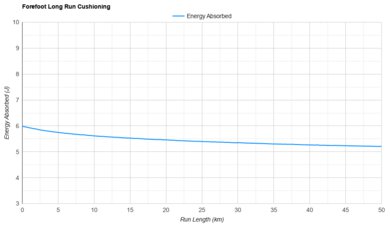
The adidas Supernova Rise isn't well-cushioned. Its moderate stack height and the presence of more basic EVA foam don't provide enough cushioning to absorb a lot of impact at faster paces or during longer sessions.
Cushioning is inadequate.
Responsiveness
The adidas Supernova Rise is reasonably responsive for a daily trainer. That's largely due to its mix of EVA and more efficient PEBA foam in the midsole. The energy return is well-balanced across the forefoot and heel, making it suitable for different kinds of foot strikes.
Decent responsiveness.
True To Size
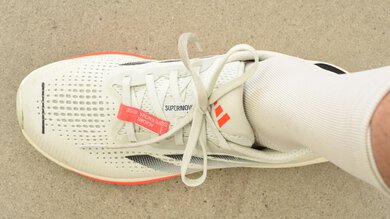
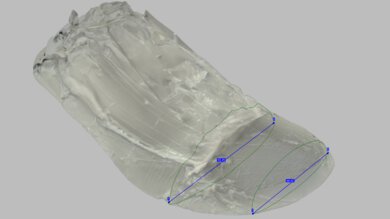
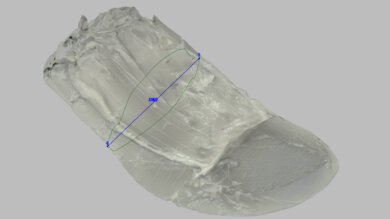
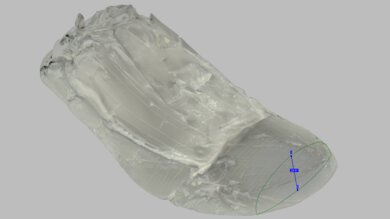
The adidas Supernova Rise has excellent sizing, with a true-to-size length and a roomy forefoot that should work well for runners with wider feet. The arch is a bit less spacious than the front of the shoe, but it still has enough room for most runners, providing a fairly accommodating fit overall.
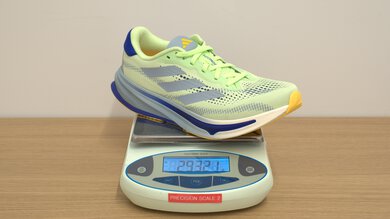
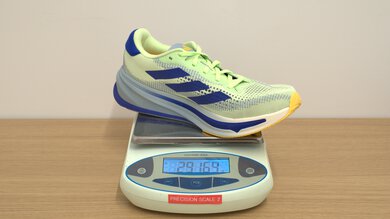
The shoe is on the heavier side, so it feels less agile than more lightweight trainers like the adidas Adizero Evo SL.
Popular Running Shoe Comparisons
The adidas Supernova Rise is a great middle-ground option for daily training, offering a good balance of stability and responsiveness. Though it lacks the cushioning of maximalist trainers, it has a relatively fun, bouncy ride thanks to a midsole that incorporates PEBA foam. This model marks a revamp of the Supernova lineup and sits above the adidas Supernova Stride, which is more of an entry-level trainer that uses a smaller percentage of Dreamstrike+ foam in the forefoot, while the adidas Supernova Solution is the lineup's stability shoe, which includes more support elements like reinforced Support Rods. Lastly, the Supernova Prima is the most cushioned model in the Supernova lineup, aimed primarily at mid and forefoot strikers, with the highest stack and thicker Support Rods. The Rise isn't the lightest or most responsive shoe, but for a daily trainer, it's comfortable enough for most efforts while still offering a fun ride.
For more options, check out the best running shoes we've tested.
The adidas Supernova Rise and the Nike Pegasus 41 are similar trainers overall. Neither is especially lightweight or high-stack, although the Supernova Rise has better cushioning. The adidas is a bit more efficient, with a more responsive PEBA-incorporated foam.
The HOKA Clifton 9 and the adidas Supernova Rise are both well-rounded daily trainers. The HOKA is more cushioned than the adidas, with a higher stack height and a softer feel underfoot. It's also lighter than the adidas. However, the adidas shoe delivers significantly better energy return, making it the preferred choice if you like a bouncier experience for your daily miles.
The ASICS NOVABLAST 4 and the adidas Supernova Rise are both well-rounded daily trainers, but the ASICS offers a bit better value. If you prefer a higher stack height with better cushioning for longer runs, the NOVABLAST 4 is a no-brainer and is notably lighter. However, the adidas shoe offers more ground feel and has better energy return overall.
The adidas Supernova Rise and adidas Adizero Boston 12 occupy different spots within the adidas lineup. The Boston 12 is a more premium super trainer that incorporates fiberglass ENERGYRODS for stability and a mix of EVA and more premium TPEE foam. It's a lighter shoe that's designed for mid to long-distance training. On the other hand, the Supernova Rise is designed to be a daily trainer for shorter sessions, with some bounce for added fun.
Differences Between Sizes And Variants
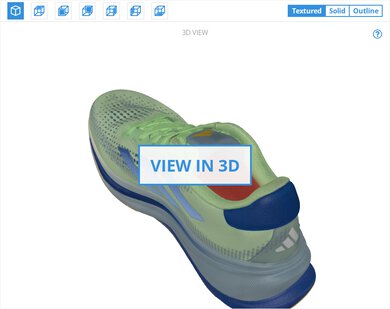
We bought and tested the adidas Supernova Rise in men's US size 9, in the Green Spark/Wonder Blue/Lucid Blue colorway. Here's the label for our pair.

You can also buy the shoe in several other color options, depending on your region and whether you buy it in men's or women's sizing. These include Core Black/Core White/Carbon, Footwear White/Iron Metallic/Spark, Sandy Pink/Dash Grey/Pink Spark, and Crystal Jade/Aurora Met./Silver Dawn, among others.
This shoe comes in regular fit and wide fit in both men's and women's sizing.