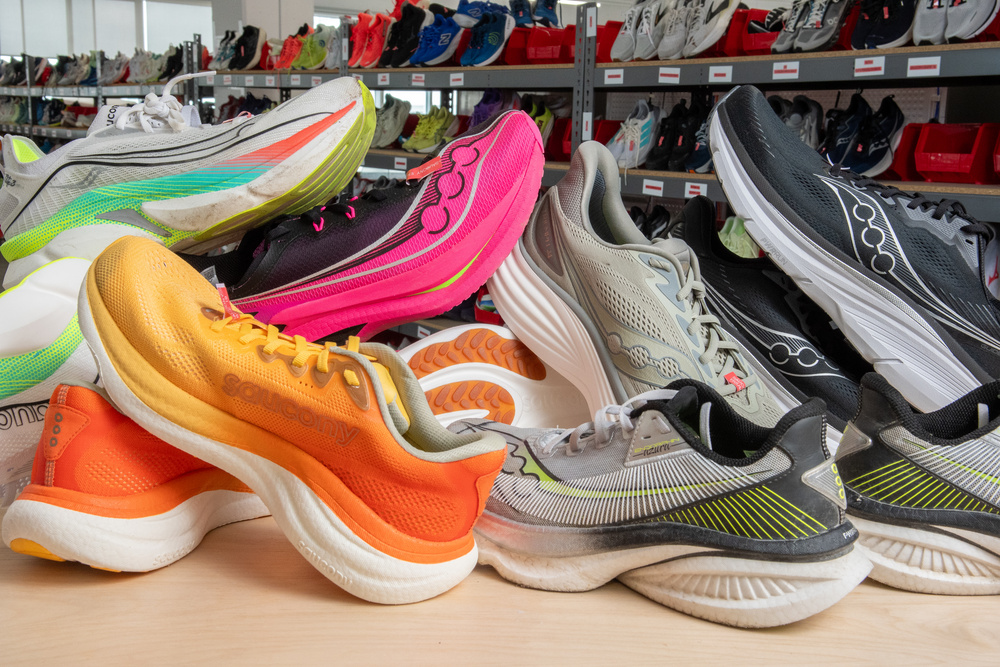
Saucony is one of the world's oldest running shoe brands. Founded in 1898, it takes its name from Saucony Creek that flowed beside the company's original factory and still inspires the river-and-boulders logo. The brand was at the forefront of the 1970s running boom, and has been continuously innovating, experimenting with midsole compounds and designs that have made it one of the most resilient running shoe brands. It now has one of the most complete lineups, spanning everything from stability-focused daily trainers to some of the best performance shoes on the market.
We've tested more than 210 running shoes; below are our recommendations for the best Saucony running shoes you can buy. Whether you're after a dependable daily trainer, a supportive shoe for overpronation, or a snappy option for workouts and race day, Saucony has one of the most complete lineups in running. If you're shopping beyond the brand, check out our recommendations for the best running shoes overall.
Updates
- 09/18/2026 Saucony Procyon Max reviewed
- 09/16/2026 Saucony Cohesion 19 reviewed
- 07/29/2026 Saucony Paramount Max reviewed
- 07/21/2026 Saucony Hurricane 26 reviewed
- 07/02/2026 Saucony Triumph 24 reviewed
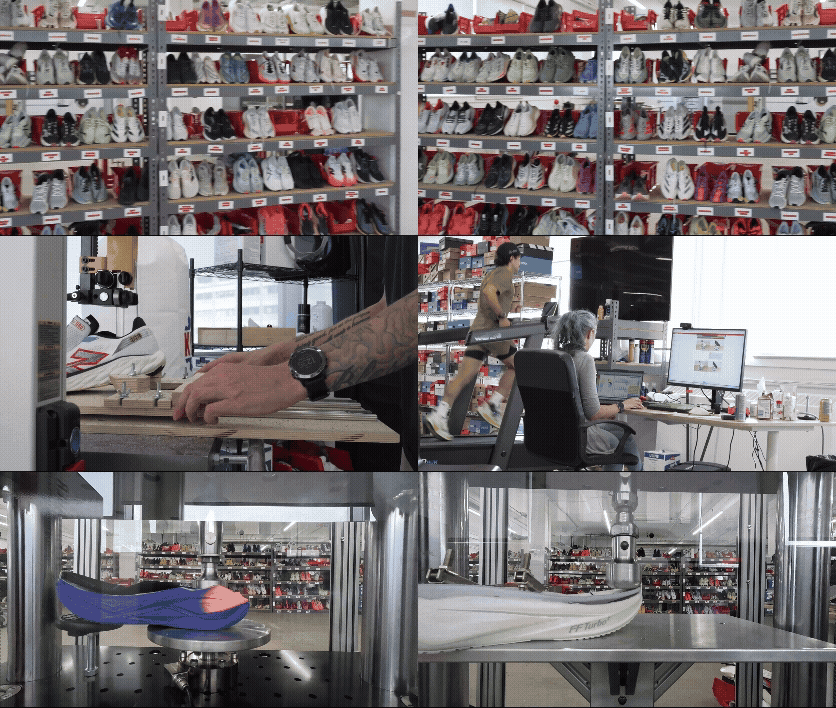
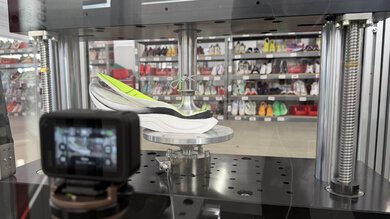
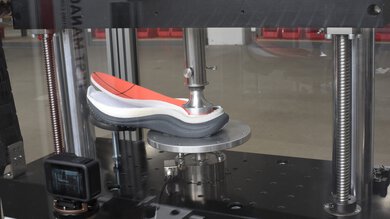
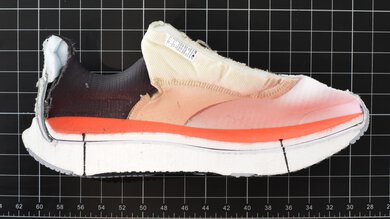
We've bought and tested more than 300 running shoes. Every pair purchased with our own money, never supplied or sponsored by brands. Our data-driven tests are designed to go beyond marketing claims, and since every shoe goes through the exact same methodology, you can directly compare results to find the right pair for your needs.
-
Best Saucony Running Shoes
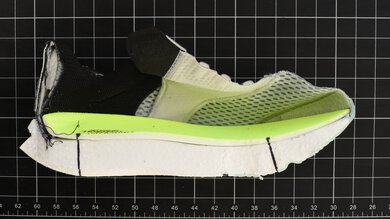
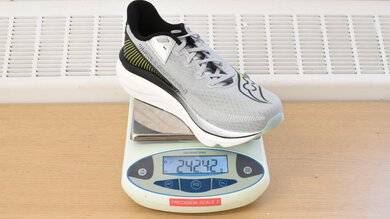
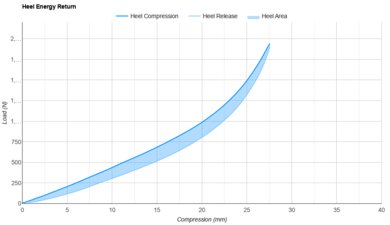
 Half/Full Marathon Racing7.95K/10K Racing7.3Long Run7.8Daily Training8.1Energy Return8.2Stability7.4Cushioning8.4Bounciness7.0Snappiness7.8Roll7.6True To Size9.8Weight:242.0 g (8.54 oz)Heel Stack Height:40.2 mmHeel-To-Toe Drop:7.3 mmSee all our test resultsPlate:None
The best Saucony running shoe we've tested is the Saucony Endorphin Azura. It's a lightweight yet very forgiving performance trainer that can handle far more than just workouts. Its excellent cushioning performs impressively across everything from daily miles to longer runs, and is light and lively enough to handle faster sessions decently as well. The PEBA-based PWRRUN PB midsole has impressive energy return, while the SpeedRoll rocker keeps the ride turning over smoothly without making the shoe feel overly aggressive. Though it doesn't have the snap and bite of a plated racer, runners looking for a single Saucony shoe to do it all won't find a better option.
-
Best Budget Saucony Running Shoes
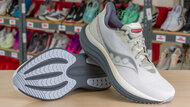
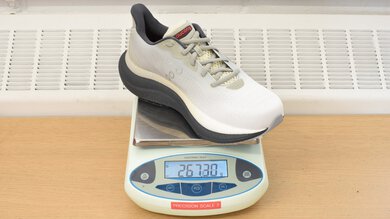
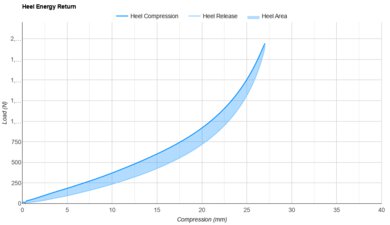 Half/Full Marathon Racing7.25K/10K Racing6.7Long Run7.5Daily Training8.0Energy Return7.8Stability8.0Cushioning7.8Bounciness6.9Snappiness7.2Roll7.2True To Size9.7Weight:264.8 g (9.34 oz)Heel Stack Height:39.4 mmHeel-To-Toe Drop:9.6 mmSee all our test resultsPlate:None
The best budget Saucony running shoe we've tested is the Saucony Triumph 23. A premium daily trainer, it combines very good protection and rebound with impressive stability to put a smile on your face over daily miles. While it's not as versatile or lively as the Saucony Endorphin Azura overall, it's a more trustworthy ride and much more of a cruiser, happily soaking up easy runs and recovery miles. It uses the same PWRUN PB midsole foam as the Azura, so it has enough cushioning to be a good long-run companion as well. With the Saucony Triumph 24 now available, the 23 is available at a discount, making its price-to-performance ratio very hard to ignore.
If you're looking for more deals, check out our recommendations for the best cheap running shoes.
-
Best Saucony Running Shoes For Daily Training
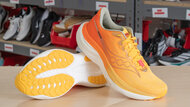
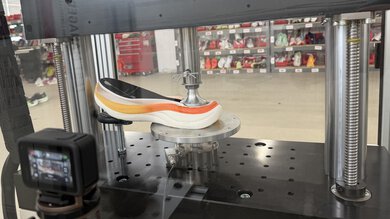
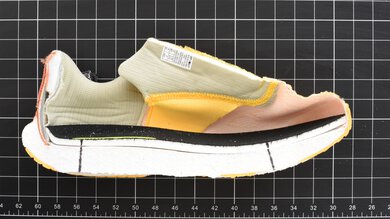
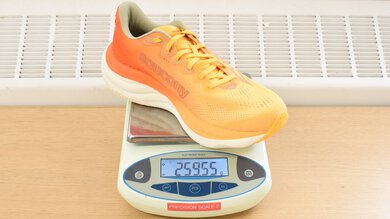
 Half/Full Marathon Racing7.05K/10K Racing6.9Long Run7.5Daily Training8.0Energy Return7.8Stability8.0Cushioning7.7Bounciness6.7Snappiness7.2Roll7.1True To Size9.6Weight:257.6 g (9.09 oz)Heel Stack Height:37.6 mmHeel-To-Toe Drop:9.8 mmSee all our test resultsPlate:None
The Saucony Ride 19 is one of the brand's longest-running series and the best Saucony daily trainer we've tested. It's a reliable, classic daily trainer built to be a true set-and-forget shoe. It sacrifices some versatility compared to the Saucony Endorphin Azura, as it's not as suited to longer runs or speed workouts, but the Ride 19 is the more trustworthy of the two, delivering an impressively stable ride. Its TPU-based PWRRUN+ midsole returns energy well without sacrificing the impressively stable character that has defined the Ride for years. Runners looking for a great daily trainer with enough fun to keep everyday miles engaging won't be disappointed.
-
Best Saucony Running Shoes For Cushioning
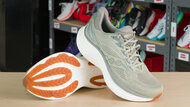
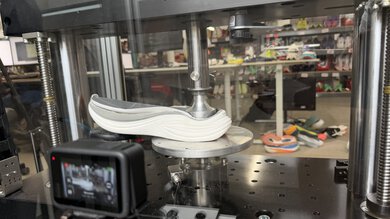
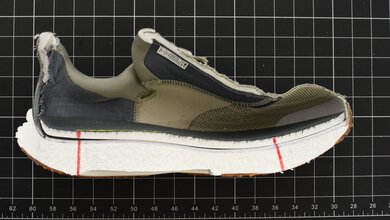
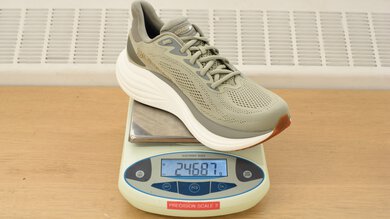
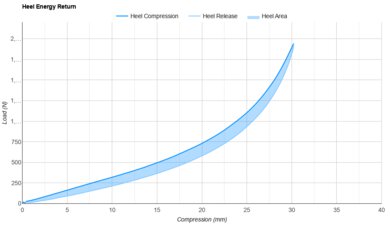 Half/Full Marathon Racing7.85K/10K Racing6.7Long Run7.7Daily Training8.0Energy Return8.4Stability6.9Cushioning8.7Bounciness7.7Snappiness6.8Roll7.2True To Size9.6Weight:240.9 g (8.50 oz)Heel Stack Height:42.3 mmHeel-To-Toe Drop:9.7 mmSee all our test resultsPlate:None
The Saucony Triumph 24 is for runners who want protection without sacrificing enjoyment underfoot. Its supercritical A-TPU midsole delivers amazing cushioning and impressive rebound, giving you deep protection with enough life underfoot to keep daily miles enjoyable. It's the best cushioned Saucony running shoe we've tested, and a shoe that asks you to make very few compromises. It's more cushioned than the Saucony Endorphin Azura while also being a touch lighter, which is almost unheard of for a max-stack comfort cruiser. It's not quite as nimble during faster efforts, but for easy runs, recovery miles, or longer efforts where comfort comes first but enjoyment is still a priority, this is the Saucony shoe to beat.
For more cushy options, check out our recommendations for the best cushioned running shoes.
-
Best Saucony Running Shoes For Racing
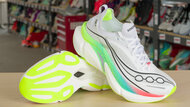
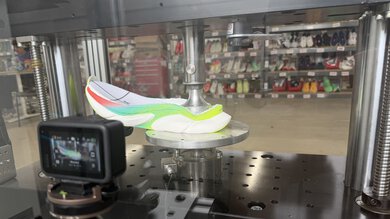
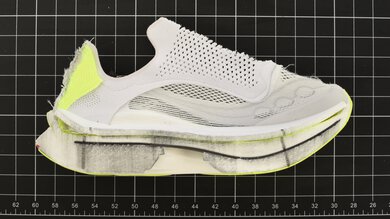
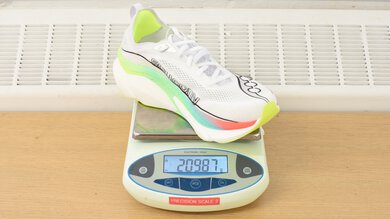
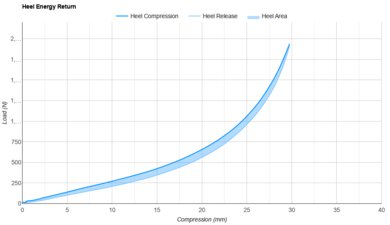 Half/Full Marathon Racing8.35K/10K Racing7.4Long Run7.8Daily Training6.4Energy Return8.9Stability6.5Cushioning8.3Bounciness8.1Snappiness7.7Roll8.2True To Size8.1Weight:213.2 g (7.52 oz)Heel Stack Height:40.2 mmHeel-To-Toe Drop:8.0 mmSee all our test resultsPlate:Carbon Fiber
The Saucony Endorphin Elite 3 is a carbon-plated marathon racer built for runners chasing personal bests over longer distances. Its TPEE-based IncrediRUN midsole helps conserve energy over longer efforts, while the spoon-shaped carbon plate delivers a smooth, propulsive toe-off. It's the best Saucony racing shoe we've tested, rewarding runners who are willing to trade a little stability for speed. Though the Saucony Endorphin Azura is the more versatile shoe and much better suited to daily training, the Endorphin Elite 3 is lighter, faster, and significantly more efficient on race day.
For more race-ready shoes, check out our picks for the best running shoes for marathon racing.
-
Best Saucony Running Shoes For Stability
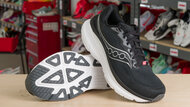
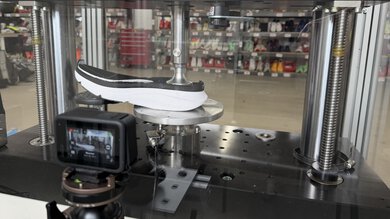
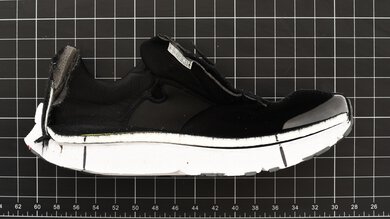
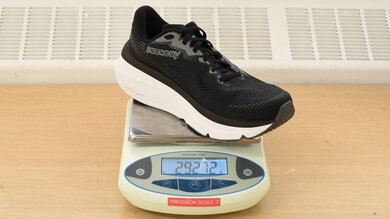
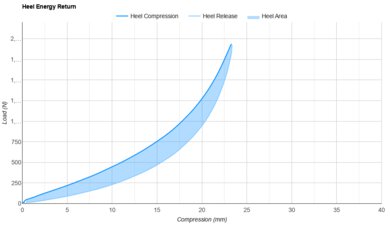 Half/Full Marathon Racing6.25K/10K Racing5.9Long Run7.2Daily Training7.9Energy Return4.5Stability8.9Cushioning7.2Responsiveness5.9True To Size9.6Weight:294.5 g (10.39 oz)Heel Stack Height:36.2 mmHeel-To-Toe Drop:6.7 mmSee all our test resultsPlate:None
The Saucony Guide 19 is a dependable stability shoe built for runners who want extra support without an overly controlling ride. The sister shoe of the Saucony Ride 19, this is the best Saucony stability shoe we've tested. Its broad platform, structured geometry, raised sidewalls, and impressively stable design keep each stride feeling planted and predictable, while the PWRRUN midsole adds just enough cushioning to balance guidance and comfort. Though the Saucony Endorphin Azura is a more exciting and energetic shoe, the Guide 19 is the more trustworthy partner for runners who need a little extra support underfoot.
If you're looking to balance excitement and support, the Saucony Hurricane 25 is a much more modern stability option. It sacrifices a little support compared to the Guide 19, but still offers very good stability overall, and its amazing cushioning delivers a deeply protective and much livelier ride.
Compared To Other Brands
-
Phenomenal Endorphin performance lineup.
Saucony's performance lineup has fast become one of the brand's biggest strengths. The Endorphin line captures the spirit of its "runner's high"- inspired name, covering uptempo training shoes through to carbon-plated super shoes for race day. Although there's some overlap, each model maintains a clear, speed-focused identity.
-
Modern midsoles.
Saucony's Human Performance and Innovation Lab focuses on improving running economy for everyone, from elite athletes to everyday runners. That philosophy extends to its midsole compounds, with the brand quick to adopt modern materials like the A-TPU-based IncrediLUX and the TPEE-based IncrediRUN, alongside proven PEBA-based foams like PWRRUN PB. The result is a lineup that benefits from some of the latest midsole technology available to improve running economy.
-
Outstanding stability lineup.
Few brands take stability as seriously as Saucony. Rather than relying on a single approach, the brand has built a lineup with distinct approaches to stability, giving runners a choice between traditional support and more modern, guidance-based designs. That breadth makes Saucony one of the easiest brands to recommend for runners looking for guidance underfoot without compromising comfort or ride quality.
-
Quality control issues.
Although Saucony's design and engineering are impressive, its quality assurance isn't always on par. Several models we measured, like the Saucony Ride 19 and Saucony Endorphin Pro 5, had steeper-than-advertised heel-to-toe drops, while the Saucony Hurricane 25 was notably lower than advertised. We've also noticed some significant differences in the weight of the left and right shoes from the same pair. This imbalance extended to both racing shoes and daily trainers.
-
Too many changes from one iteration to the next.
While we appreciate Saucony's commitment to innovation, some product lines have so many changes from one iteration to the next that it's really hard to know what you're going to get. The Triumph series has gone through so much back-and-forth in recent iterations that we're always a bit nervous each time a new version comes out. The original Saucony Endorphin Elite was very firm and was replaced by the Saucony Endorphin Elite 2, which was very soft. Saucony is not afraid to experiment and try new things, but the lack of predictability makes it harder to be loyal to the brand.
vs adidas
Saucony and adidas are competitors in the running shoe market, but there isn't much overlap in what they do well. Adidas is at the top of elite podiums, making super shoes that shatter world records and the 2-hour marathon barrier. On the other hand, they don't really make great daily trainers or stability shoes. Saucony doesn't make cutting-edge racing shoes, but it makes some of the best daily trainers and offers so many varied and compelling stability options that you might be tempted to try them even if you have no pronation issues. The only category where Saucony and adidas shoes are in direct competition is uptempo trainers; both have good options, but Saucony's tend to have a steeper heel-to-toe drop, which favors heel strikers.
vs New Balance
Saucony and New Balance are both Boston-area brands with running shoe lineups that skew toward the middle of the pack. Saucony's primary focus is on running, while New Balance is increasingly positioning itself as a lifestyle brand that also dabbles in every sport from pickleball to golf. This difference in focus shows up in their shoes, where Saucony has a more innovative and well-rounded running lineup. Their shoes tend to be both lighter and better cushioned than their New Balance equivalents, not to mention more responsive. One area where New Balance has more to offer is non-standard widths. While many of Saucony's models are available in Wide sizes, New Balance often goes even further, offering Extra Wide and Narrow sizes.
vs Brooks
Saucony and Brooks are two running specialty brands that focus on the great mass of ordinary runners rather than the elites. Both have lots of beginner-friendly shoes, very stable daily trainers, and plenty of options for over-pronators who need extra guidance. Saucony's midsole compounds tend to have a bit more pop, and their shoes are generally lighter and bouncier than their nearest Brooks' equivalent. Across categories, Brooks shoes tend to have a firmer, more grounded ride, while Saucony's are softer and more cushioned. Both brands have only one super shoe for racing, but Saucony has a more extensive uptempo lineup, with its Endorphin family of performance trainers.
Saucony has one of the most complete running shoe lineups of any brand, with some of the best-performing daily trainers, a plethora of stability shoes for different types of runs, and a stable of speedy steeds in the Endorphin family. Most of their models fit true to size and have a rather accommodating fit.
Conclusion
Saucony stands out for its stability options, growing Endorphin range, and willingness to bring newer midsole compounds into more shoes beyond its flagship racers. Quality control can be inconsistent, and some models change a lot from one version to the next. Still, Saucony is an excellent brand if you want a reliable daily trainer, varied options for stability or support, or an ultra-modern racing shoe to hit your next PB.
If there's a Saucony model you want us to test, you can vote for it to help decide what we buy next. To learn more about each model, check our full list of the best Saucony running shoes in the table below.