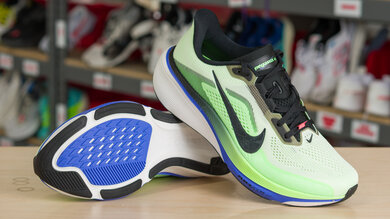
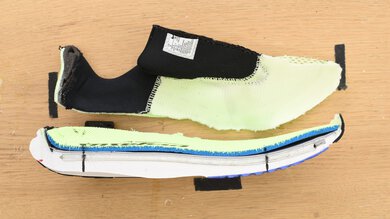
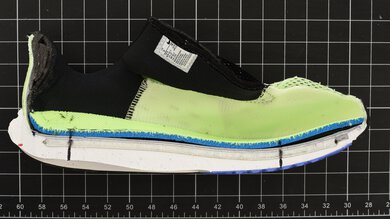
The Nike Pegasus 42 is a classic daily trainer and the definition of a workhorse shoe. The biggest update to the 42nd edition of Nike's oldest and best-selling running shoe line is inside the midsole, which now features a full-length Air Zoom unit rather than the two individual capsules in the Nike Pegasus 41. The change makes the midsole more accommodating to different landing patterns than the 41, as you don't have to land just right to get the benefit (or risk discomfort) of the Air Zoom units. The outsole has also been reworked, with the classic waffle pattern replaced by a slightly sparser, but more complex arrangement of rubber that's meant to improve grip. But despite the changes, the ride still feels very much like a classic Pegasus; flat, but straightforward. It's not a fast or flashy shoe, but it is dependable; the Pegasus 42 is here for a long time, not a good time.
Our Verdict
The Nike Pegasus 42 is a middling shoe for running a marathon. It's sturdy and stable enough to go the distance, but it doesn't have the cushioning to protect your legs from that much pounding, nor does it give enough energy back to make your stride feel efficient and fluid.
Energy return is lagging.
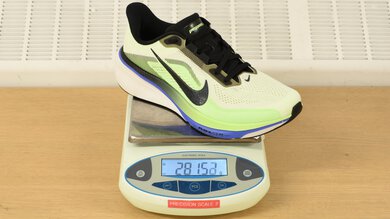
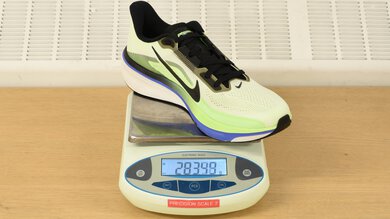
The shoe is quite heavy.
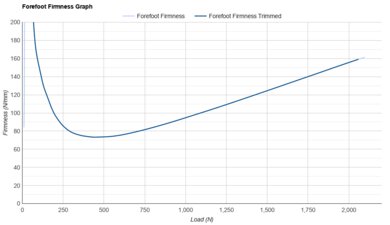
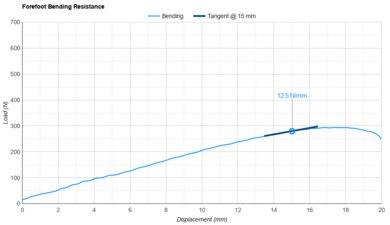
The Nike Pegasus 42 is a passable choice of shoe for racing a 5K or 10K. It's not going to do much to make you faster, as it returns energy rather poorly, and it's built to be sturdy rather than nimble. The stiff forefoot provides a solid base that stays firm through toe-off, but it's not especially lively.
Firm forefoot.
Energy return is lagging.
The shoe is quite heavy.
Changelog
- Updated Aug 27, 2026: We've converted this review to Test Bench 0.14, which adds new lace-specific results. We've included a close-up photo of the laces, as well as details including lace type, width, thickness, and stretch. To read more about the changes, see the changelog.
-
Updated Jul 30, 2026:
We've updated the Popular Comparisons section to add a link to the newly reviewed HOKA Rincon 5.
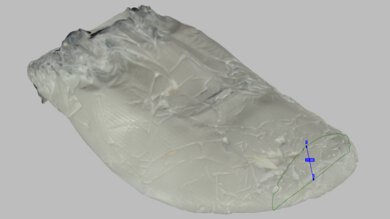
- Updated Jun 30, 2026: We've converted this review to Test Bench 0.13, which identifies the different foams used in the shoe's midsole. We've included a microscopic image of the foam cells to give you an idea of what the microstructure looks like. To read more about the changes, see the changelog.
-
Updated Jun 22, 2026:
We've updated the Popular Comparisons section to include a link to the newly reviewed Brooks Ghost 18.
- Updated Jun 17, 2026: We've converted this review to Test Bench 0.12, which fixes how we measure firmness, a component of the Stability and 5K/10K Racing usages. There may be inconsistencies between the text and the scores for these usages, but the scores should still be considered valid. We've also brought back the Energy Return score and added two new usages: Daily Training and Long Run. To read more about the changes, see the changelog.
- Updated Jun 15, 2026: Review published.
- Updated Jun 10, 2026: Early access published.
- Updated Apr 29, 2026: Our testers have started testing this product.
- Updated Apr 20, 2026: The product has arrived in our lab, and our testers will start evaluating it soon.
- Updated Apr 09, 2026: We've purchased the product and are waiting for it to arrive in our lab.

We've bought and tested more than 250 running shoes. Every pair purchased with our own money, never supplied or sponsored by brands. Our data-driven tests are designed to go beyond marketing claims, and since every shoe goes through the exact same methodology, you can directly compare results to find the right pair for your needs.
Test Results
Energy Return
Stability
The Nike Pegasus 42 has great lateral stability. The relatively low stack height keeps the ride grounded, and the firm forefoot provides a solid foundation for pushing off. The platform is flared enough under the heel to provide a very solid base for landing.
Firm forefoot.
Good stack height to width ratio.
Cushioning
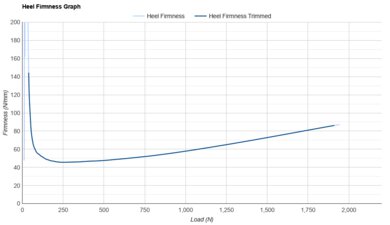
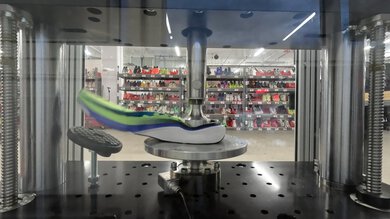
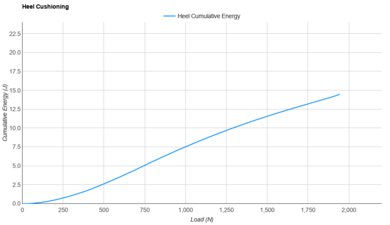
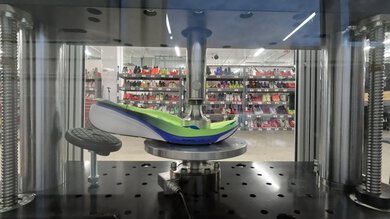
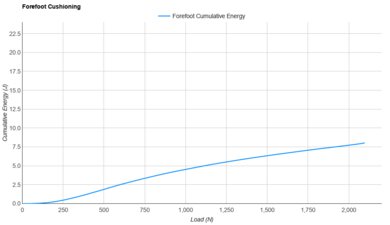
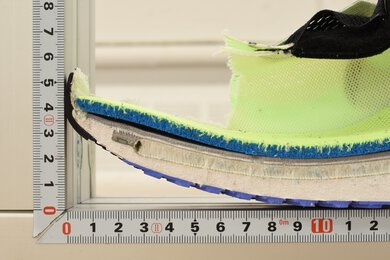
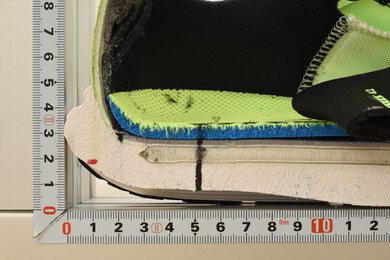
The Nike Pegasus 42 has mediocre cushioning. The heel does a reasonable job of absorbing impact, so heel strikers will get adequate protection, but the midsole is very thin under the forefoot and struggles to hold up under heavy force.
Adequate cushioning under the heel.
Forefoot can feel quite harsh.
Responsiveness
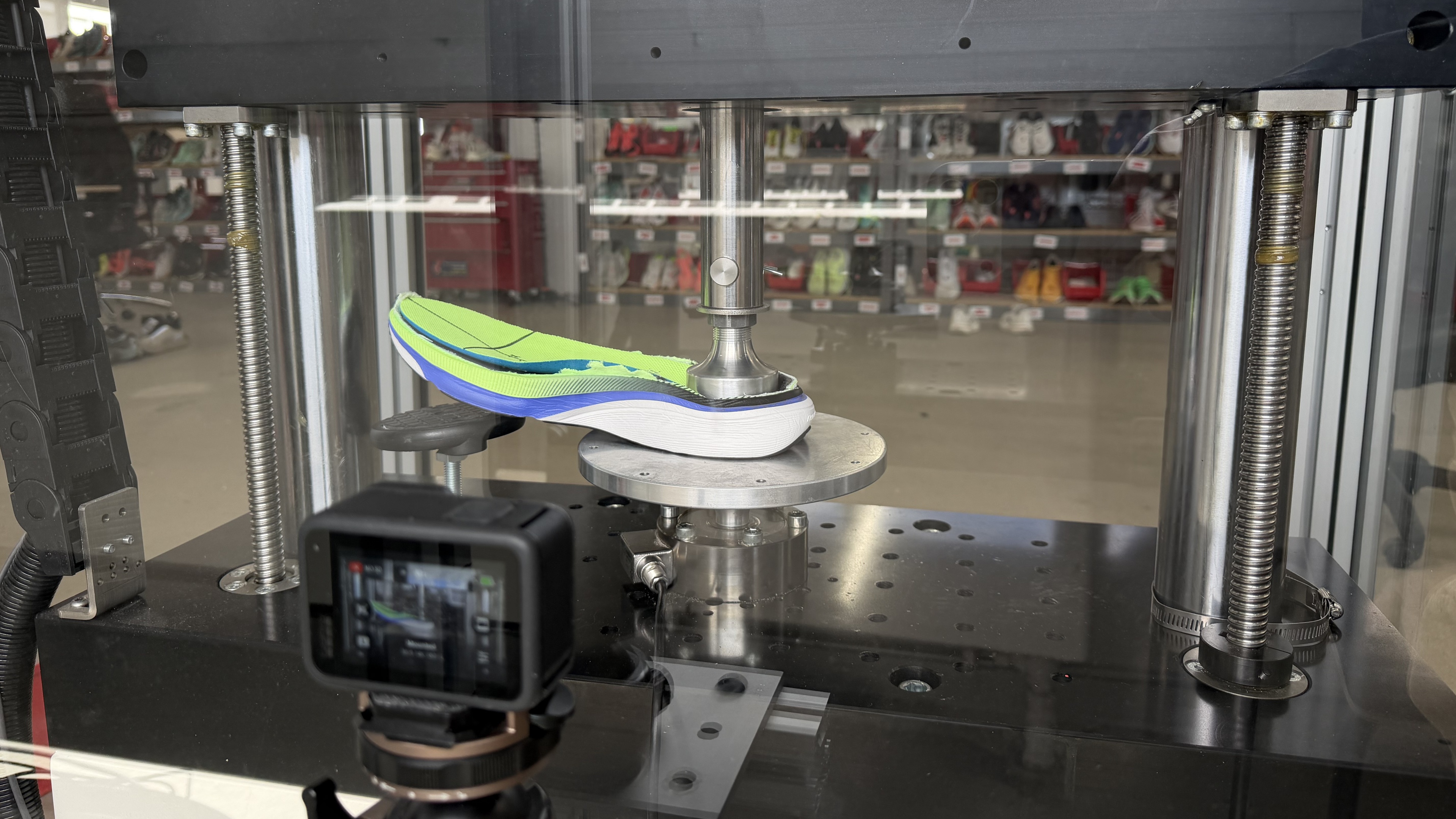
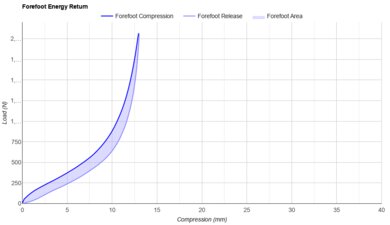
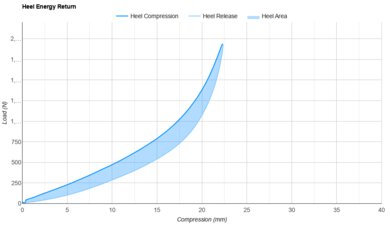
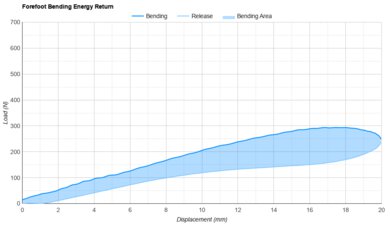
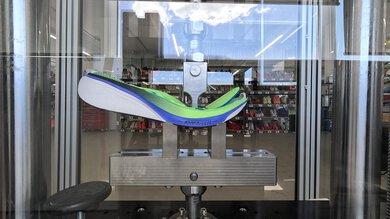
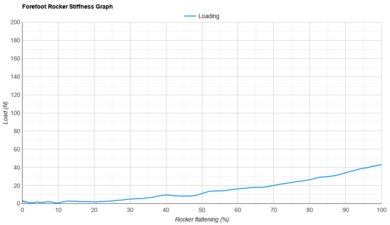
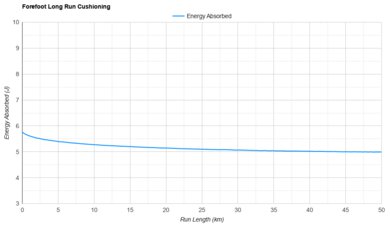
The Nike Pegasus 42 has disappointing responsiveness. Despite Nike's claim that the 42nd version has 15% more energy return than the 41st, our tests found no significant change in forefoot energy return and a less than 1% increase in heel energy return. The geometry of the Pegasus 42 is rather flat, without much of a rocker to aid forward momentum.
Energy return is lagging.
Midsole is fairly flat, with minimal rocker.
True To Size
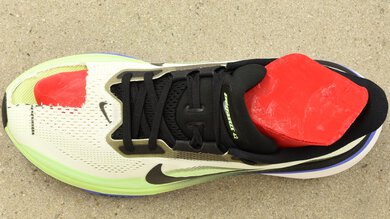
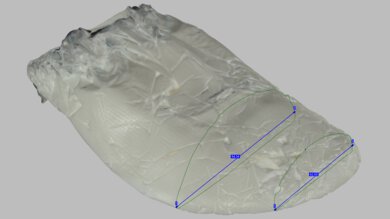
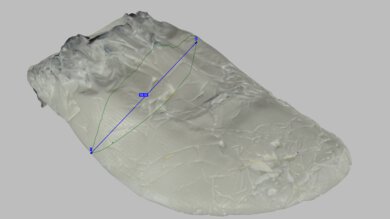
The Nike Pegasus 42 has an accommodating fit, and most runners can stick to their usual size. The forefoot tapers toward the toe, which could feel cramped if you have tall toes. The length is true to size, though, and the shoe is also available in Wide versions for both men and women.
Length is true to size.
Lots of room through arch to ball of the foot.


Popular Running Shoe Comparisons
The Nike Pegasus 42 is a classic daily trainer, or rather, THE classic daily trainer. Lots of running shoes have come and gone since the first Pegasus was launched in 1982, and although the 42nd version has come a long way since that original suede shoe, the Pegasus line has maintained its identity as a no-nonsense workhorse that can go for hundreds of miles. Among the old school of daily trainers like the ASICS GEL-CUMULUS 28, Brooks Ghost 18, or Mizuno Wave Rider 29, the Pegasus 42 is comparatively lively and responsive, but the broader market has evolved, and there are now plenty of daily trainers like the ASICS NOVABLAST 5 and PUMA Velocity NITRO 4 that have more bounce and cushioning, and even budget options like the HOKA Rincon 5 provide more protection than the Pegasus 42 underfoot.
The Pegasus 42 remains a core pillar of Nike's daily trainer lineup, alongside the Nike Vomero 18, a more cushioned daily trainer, and the Nike Structure 26, a stability trainer with guidance features to address overpronation. Each of these shoes also has a Plus version, which features Nike's more premium ZoomX foam; the Nike Pegasus Plus is a lighter, bouncier version of the Pegasus, without the AirZoom unit. The Vomero and Pegasus also have Premium versions, which put everything but the kitchen sink into the midsole: the Nike Pegasus Premium is a cluttered mash-up of the normal Pegasus and the Plus, with a layer of ZoomX on top of a full Air Zoom unit and ReactX foam.
If you're a dedicated Nike fan, check out our guide to the best running shoes from Nike. To see what's out there in the broader market, check out our recommendations for the best running shoes overall. If comfort is your priority, check out our picks for the most comfortable running shoes.
The Nike Vomero 18 and Nike Pegasus 42 are two core pillars of Nike's daily trainer lineup, each delivering a slightly different ride. The Pegasus is the classic daily trainer, with a firm and stable ride. It has a fairly flat geometry and doesn't feel particularly lively. The Vomero 18 is the more premium, cushioned daily trainer with a dual-density midsole that absorbs impact more effectively over long distances. The Pegasus 42 is fine for shorter runs or for runners who want a more grounded ride, while the Vomero 18 is better suited to longer runs or to runners who want more cushioning, even if it adds a bit of weight.
The Nike Pegasus 42 and Nike Pegasus Premium are two sibling shoes that took different paths in life. The Pegasus 42 is the dependable, slightly boring one that delivers a familiar, consistent ride, built on sturdy ReactX foam and a full ZoomAir unit. The Pegasus Premium is going through an experimental phase, with a wild, triple-density midsole that takes everything already in the Pegasus 42 and adds a layer of bouncy ZoomX foam. The extra layers make the Pegasus Premium better cushioned, but less stable.
The Nike Pegasus Plus is a better shoe than the Nike Pegasus 42 for runners seeking greater versatility. It's lighter and returns more energy underfoot, making faster running easier, while still working well for regular daily mileage. The Pegasus 42 offers better impact protection and a more traditional ride, though neither is particularly plush. Get the Pegasus Plus if you want the quicker, more efficient option; get the Pegasus 42 if you don't care about speed.
The Nike Pegasus 42 is the trusty steed in Nike's lineup, while the Nike Vomero Plus is a fun, flamboyant new addition. Where the Pegasus 42 offers a stable, reliable ride, the Vomero Plus is lively and bouncy. If you just want a reliable workhorse shoe that will last a long time, the Pegasus is a solid option. If you're looking for something to spice up your workouts and you plan on doing longer runs, the Vomero Plus is a more enjoyable ride.
The Brooks Ghost 18 and the Nike Pegasus 42 are classic daily trainers with more similarities than differences. Both are dependable workhorses that offer good stability and prioritize consistency over bounce. The Brooks offers better cushioning overall, while the Nike has a narrower toe box and delivers a firmer ride, especially through the heel. Neither shoe is particularly exciting underfoot, but both are reliable options for soaking up daily miles.
The Nike Winflo 12 is a better shoe than the Nike Pegasus 42 for most runners. It's much better cushioned, more stable, and significantly more energetic underfoot, making it better suited to daily training and longer runs. The Pegasus 42 is lighter and has a lower-profile build with more feedback from the road, so it's the better pick if you specifically prefer a firmer, more grounded ride.
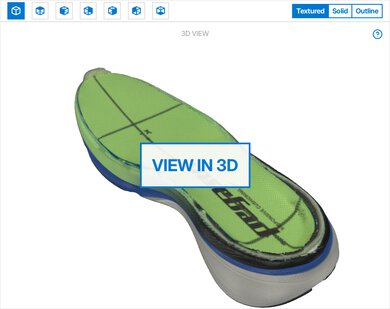
The Nike Pegasus 42 has a few noteworthy updates to the Nike Pegasus 41. There's an extra millimeter of stack height in the 42, and its toe box is more tapered between the ball of the foot and the toe. The 42nd version also has a new outsole pattern that replaces the classic waffle design and leaves more of the midsole foam exposed. Most significantly, the 42nd version has a full ZoomAir unit instead of the two ZoomAir pods in the 41st. This change does make the 42 less susceptible to discomfort if you land on the wrong spot, and the 42 feels more comfortable when you are standing or walking, but any added cushioning quickly disappears once you start running. Despite Nike's claims, the Pegasus 42 doesn't have significantly more energy return than the 41.
The Nike Downshifter 14 and Nike Pegasus 42 may both sit in Nike's daily trainer lineup, but the Pegasus 42 is the more complete running shoe. It offers more cushioning and a lighter build, and is a dedicated running shoe, whereas the Downshifter 14 is more of a gym shoe that can handle occasional runs.
The ASICS GEL-CUMULUS 28 and Nike Pegasus 42 are both classic daily trainers, but they perform slightly differently. The ASICS is much lighter, with significantly more cushioning and protection overall. The Nike is firmer with more groundfeel and better responsiveness, though neither shoe is especially lively by modern standards. The ASICS is the better pick if you want more protection, while the Pegasus 42 makes more sense if you prefer a firmer ride.
Differences Between Sizes And Variants
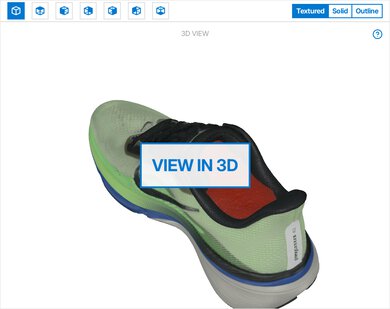
We tested the Nike Pegasus 21 in men's US size 9, as noted on the label for our pair. The colorway shown here is Volt Tint/Sapphire/Lime Blast/Black Spruce, and the shoe is available in other colorways depending on your region. Wide versions of the shoe are available for both men and women.
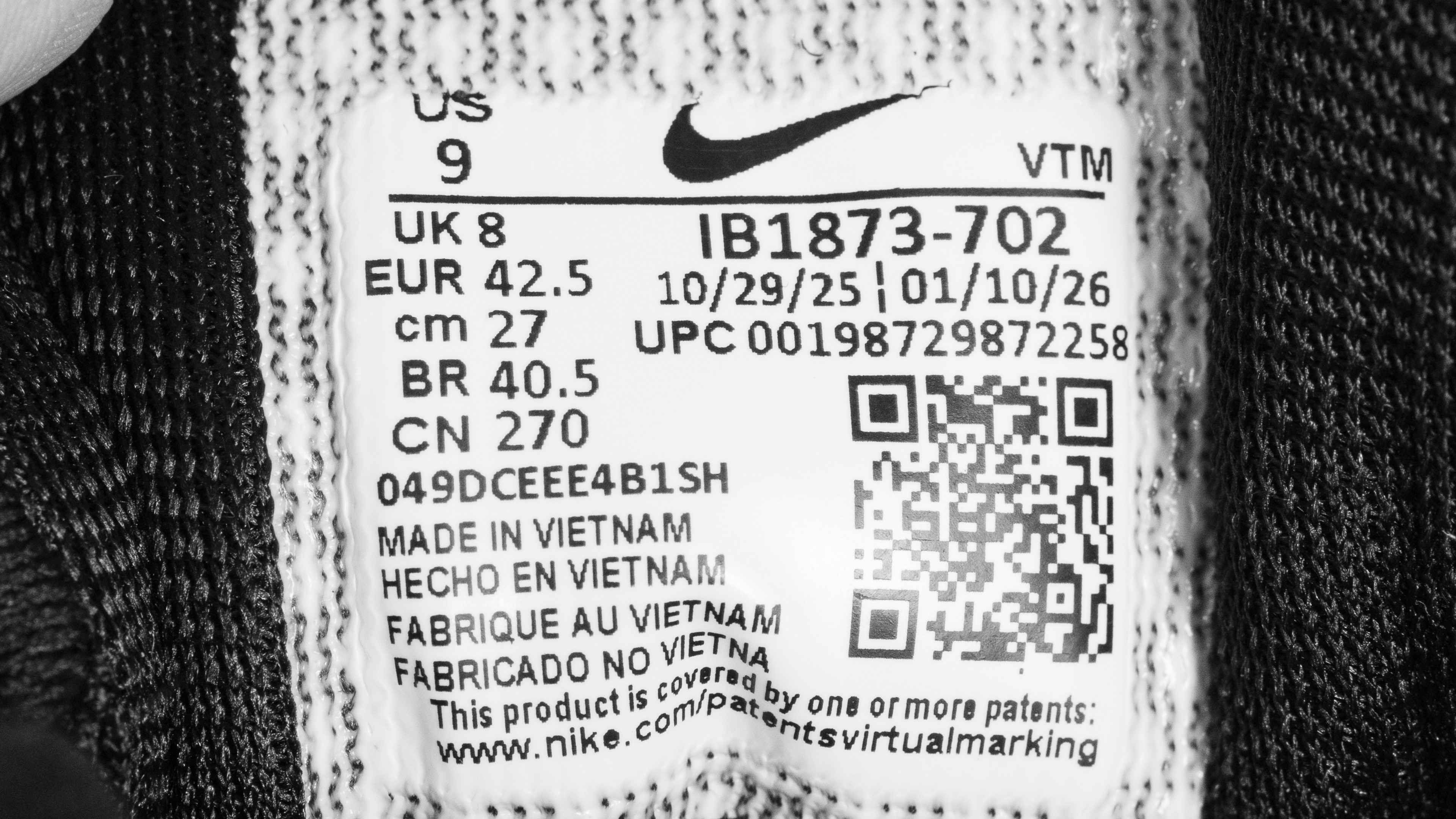
Nike tunes the Air Zoom unit in the midsole to different PSI levels for the men's and women's versions, and also adjusts the tuning based on shoe size. As such, the performance may vary somewhat for different size and gender variants.