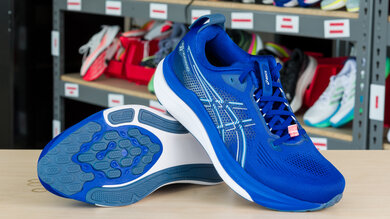
The ASICS GEL-KAYANO 33 is the brand's flagship support trainer for overpronators and neutral runners who want a plush, protective shoe for regular mileage. It offers good impact protection from the road and excellent support underfoot, though the ride is heavy for a daily trainer and lacks the pop and bounce of more modern shoes. It handles easy runs and longer efforts decently, but doesn't possess the propulsion for faster workouts. It's a good shoe for runners who want a reliable companion for weekly miles and prioritize support and protection over speed.
| ✅ Buy If: | ❌ Skip If: |
|
|
Our Verdict
The ASICS GEL-KAYANO 33 is an acceptable option for marathon racing. The very good cushioning and impressive stability give runners plenty of support and protection over long distances, but its heavy build and poor energy return make it a hard shoe to recommend for serious marathon racing. It can cover the distance, but holding race pace will be hard.
Good impact protection.
Significant heft feels cumbersome as miles build.
Dull midsole returns very little energy.
The ASICS GEL-KAYANO 33 is a mediocre option for 5K and 10K racing. The firm forefoot helps a little with toe-off, but the shoe's bulk, combined with its lifeless midsole, makes it more suited to comfort and support than speed.
Firm forefoot assists toe-off.
Dull midsole returns very little energy.
Too heavy to turnover at pace.
The ASICS GEL-KAYANO 33 is a decent shoe for long runs. The shoe's built-in stability helps to counteract and correct the breakdown in running form that can happen toward the end of a lengthy jaunt. The cushioning isn't the most protective over long distances, though, for a stability shoe, it's satisfactory. The midsole isn't very responsive, though, so this is a shoe for extended cruising rather than long workouts.
Ride stays stable and smooth over long distances.
Muted responsiveness can turn a run into a slog.
The ASICS GEL-KAYANO 33 is a good choice for a daily trainer for runners who need some extra support. The combination of cushioning and stability hits that Goldilocks sweet spot of not too firm but not too soft, making it just right for everyday outings.
Enough cushioning for everyday use.
Ride stays stable and consistent.
Muted responsiveness can turn a run into a slog.
Changelog
- Updated Sep 24, 2026: We've converted this review to Test Bench 0.13, which identifies the different foams used in the shoe's midsole. We've included a microscopic image of the foam cells to give you an idea of what the microstructure looks like. To read more about the changes, see the changelog.
-
Updated Sep 17, 2026:
We've updated this review to add a link to the newly reviewed 361 Flame 5 to the Weight box.
-
Updated Aug 25, 2026:
We refreshed the Popular Running Shoe Comparisons box to include recently released models.
-
Updated Jul 23, 2026:
We've added a new table in the intro to help you quickly determine if this shoe matches your needs.
-
Updated Jul 21, 2026:
We've updated the Popular Comparisons section to include a link to the newly reviewed Saucony Hurricane 26.
-
Updated Jun 30, 2026:
We've added text to the new usage boxes, and added corresponding Pros & Cons.
- Updated Jun 30, 2026: We've converted this review to Test Bench 0.12, which fixes how we measure firmness, a component of the Stability and 5K/10K Racing usages. There may be inconsistencies between the text and the scores for these usages, but the scores should still be considered valid. We've also brought back the Energy Return score and added two new usages: Daily Training and Long Run. To read more about the changes, see the changelog.
- Updated Jun 29, 2026: Review published.
- Updated Jun 25, 2026: Early access published.
- Updated Jun 15, 2026: Our testers have started testing this product.
- Updated Jun 12, 2026: The product has arrived in our lab, and our testers will start evaluating it soon.
- Updated May 26, 2026: We've purchased the product and are waiting for it to arrive in our lab.
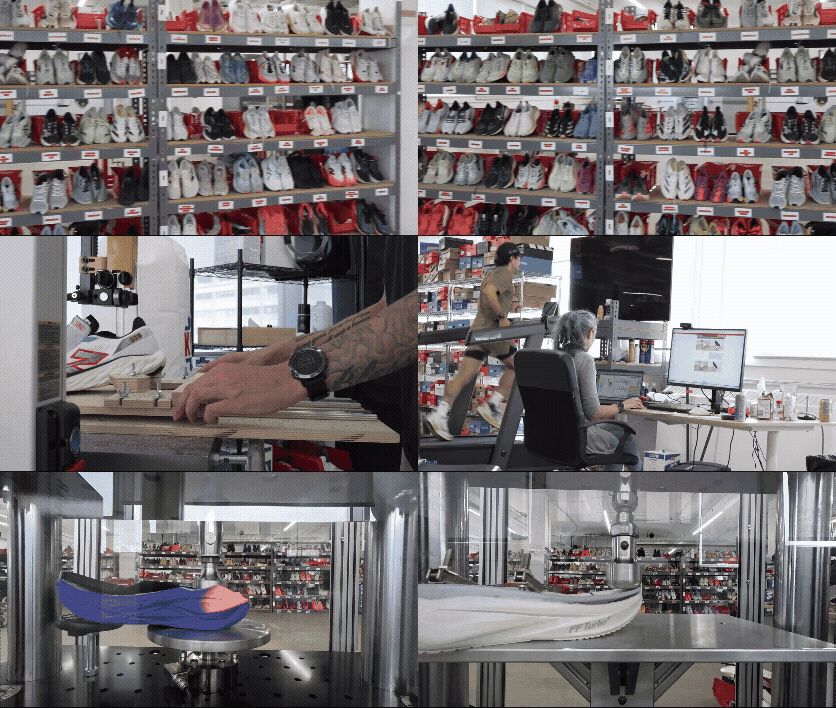
We've bought and tested more than 250 running shoes. Every pair purchased with our own money, never supplied or sponsored by brands. Our data-driven tests are designed to go beyond marketing claims, and since every shoe goes through the exact same methodology, you can directly compare results to find the right pair for your needs.
Test Results
Energy Return
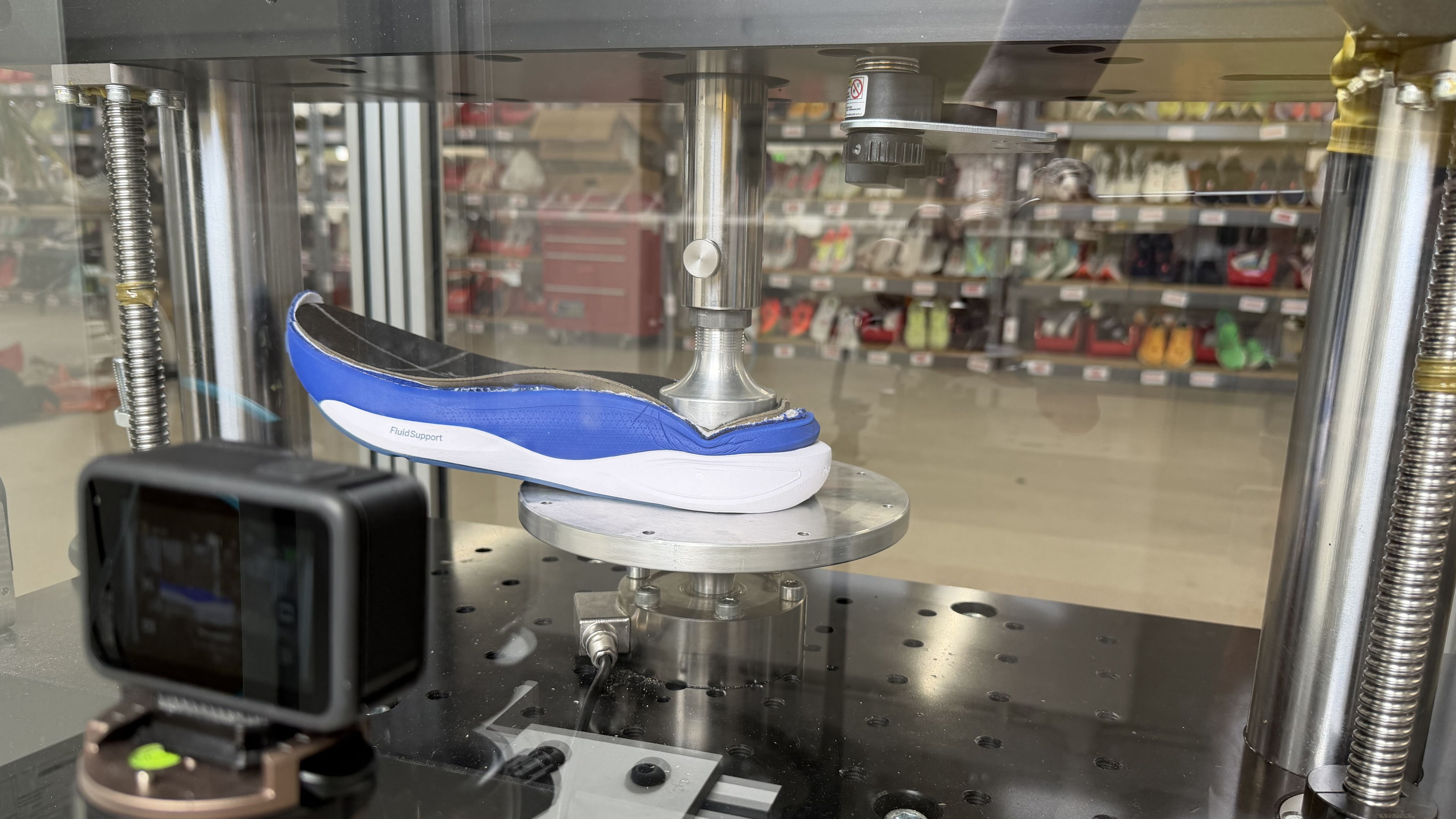
The ASICS GEL-KAYANO 33 has poor energy return. The midsole is designed to be stable and secure, not lively or bouncy. The shoe doesn't feel completely dead underfoot, but it doesn't give back much of the energy you put into it.
Midsole absorbs energy but doesn't give much back.
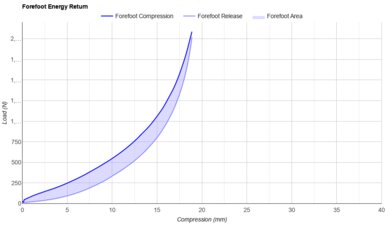
Though significantly better than the heel, the forefoot still has poor energy return. This dampens toe-off and means the ride lacks pep.
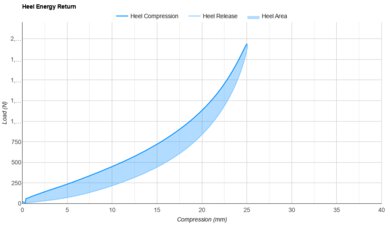
The shoe offers very little rebound under the heel. The foam gives nothing back when compressing, making the ride feel flat; though that's typical for most traditional stability shoes, it significantly lags behind more modern offerings like the Saucony Hurricane 25.
Stability
The ASICS GEL-KAYANO 33 has impressive stability. Its wide outsole, broad forefoot, and heel combine to give the shoe a very planted base. Though the new guidance system gives up some support compared to the previous generation, the result is still an assured, confidence-inspiring ride overall.
Wide base is very stable.
Impressively firm forefoot provides planted platform.
Soft heel could be an issue for some.
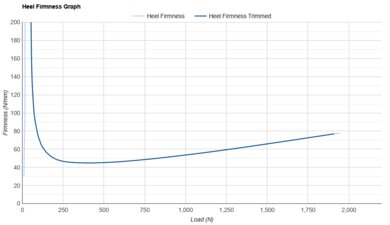
The heel of the ASICS GEL-KAYANO 33 has softened up since the ASICS GEL-KAYANO 32. It's still on the firmer side, which contributes to the overall stability, but might feel a bit more forgiving for heel strikers.
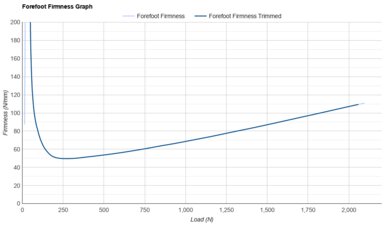
The forefoot is very firm, providing a stable platform through midstance and toe-off. That said, it's nowhere near as firm as the ASICS GEL-KAYANO 32 was, or as other stability shoes like the ASICS GT-2000 14 or Brooks Adrenaline GTS 25.
Cushioning
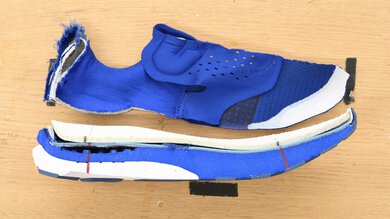
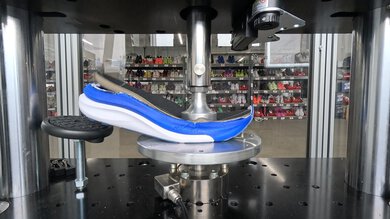
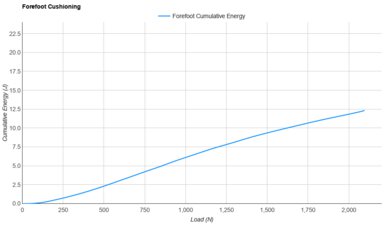
The ASICS GEL-KAYANO 33 offers very good cushioning. Its new dual-density midsole pairs a plush FF BLAST MAX top layer with an FF BLAST PLUS base, providing a soft and forgiving landing without becoming mushy. It also holds up reasonably well over longer efforts.
Cushioning holds up adequately over longer efforts.
New midsole dampens impact very well overall.
Long run cushioning is decent for a stability shoe.
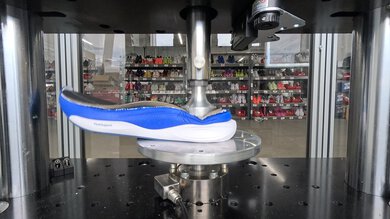
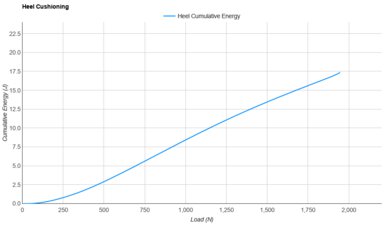
The heel cushioning in this shoe is very good, thanks to the upgraded midsole foam. It dampens impact much better than the ASICS GEL-KAYANO 32, and performs excellently for heavy heel strikers.
Responsiveness
The ASICS GEL-KAYANO 33 has poor responsiveness. Though the new midsole and updated rocker geometry make it noticeably livelier than its predecessor, it's still no street party underfoot, leaving runners looking for a propulsive ride disappointed.
Dull midsole returns very little energy.
Ride lacks propulsion.
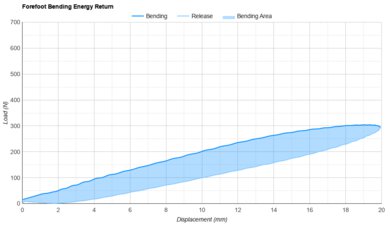
The ASICS GEL-KAYANO 33 returns only a modest amount of the energy stored as the forefoot bends. This means toe-off loses some efficiency, explaining why the ride lacks pep despite the stiffer rocker.
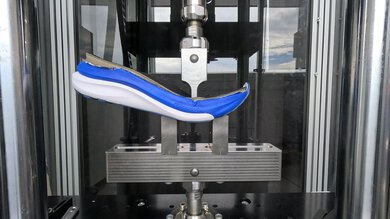
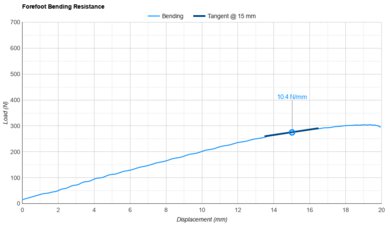
The forefoot resists flex enough to avoid feeling flimsy, but not enough to deliver a snappy toe-off, though it's much stiffer than shoes like the Nike Structure Plus.
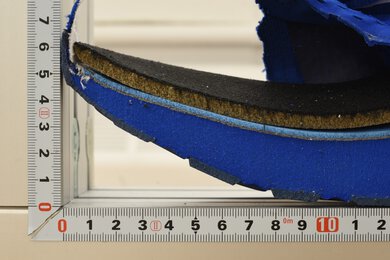
The forefoot rocker is noticeably different from the ASICS GEL-KAYANO 32, sporting a steeper toe spring and more pronounced curve to provide a smoother, easier toe-off.
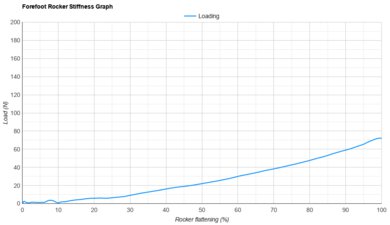
The rocker is stiffer than the ASICS GEL-KAYANO 32, so it holds its shape better under load. This helps the updated geometry provide more rollover assistance instead of flattening out through toe-off, making transitions feel smoother overall.
True To Size
The ASICS GEL-KAYANO 33 fits true to size overall. The length is very accurate, and the fit through the forefoot and arch is excellent, so most runners can confidently choose their usual size. The only caveat is the lower toebox, which may be an issue for runners with taller toes.
Length is very accurate.
Forefoot and arch fit remarkably well.
Toe box height could cause issues for taller toes.
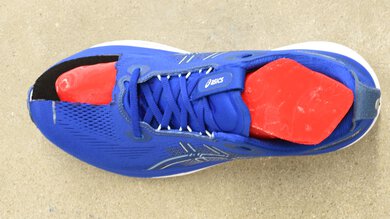
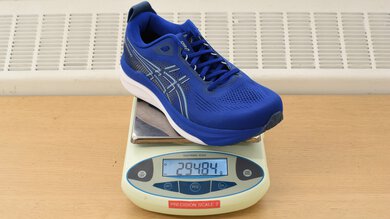
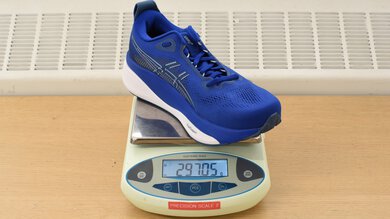
The ASICS GEL-KAYANO 33 is a touch lighter than the previous ASICS GEL-KAYANO 32, but it's still a heavy shoe. Though also lighter than support shoes like the Topo Aura 2, there's no escaping its heft on foot, and the weight limits its ability to turn over at pace.
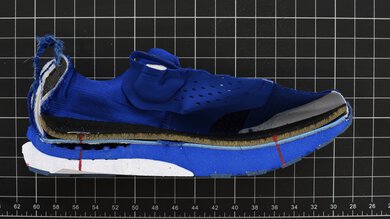
Interestingly, ASICS reported the same drop as last year, but our tests found it to be significantly higher than reported, reversing the lower drop seen in the ASICS GEL-KAYANO 32. This makes it very well-suited to heel-strikers, but still accommodating enough for all strike patterns.
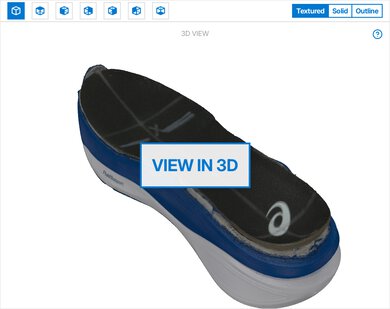
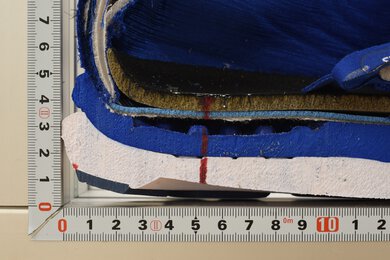
The heel rocker helps heel strikers transition smoothly onto the midfoot. It's noticeable enough to encourage forward motion, but restrained enough that the ride still feels natural. It's much more assistive in similar support shoes like the Brooks Glycerin GTS 23, making it the better pick for heel strikers.


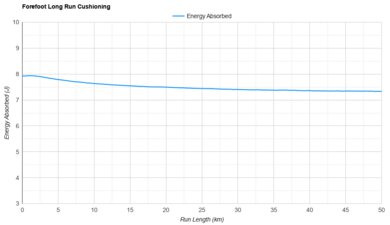
The midsole retains its cushioning well over longer efforts, with only a small drop in protection as the miles build, outperforming shoes like the Nike Structure Plus and the Brooks Adrenaline GTS 25.
Popular Running Shoe Comparisons
For years, the ASICS GEL-KAYANO 33 has served as the pluishest option in ASICS stability line-up, and this year's update feels like a shoe finally embracing where the rest of the market has been heading. As with any evolution, there are teething problems, and the return to a higher drop feels like a concession that last year's decrease was the wrong call. It's still a heavy shoe, too, and despite the new dual-density FF BLAST MAX and FF BLAST PLUS foams, it still lacks the pep of more modern support shoes like the Saucony Hurricane 26. Still, this year's model delivers the softest, most protective ride the KAYANO has had to date, making it feel like the line is finally finding its feet in the modern market. Compared to rivals like the Brooks Adrenaline GTS 25, it's much more cushioned and more responsive overall, and it's even more protective than the Nike Structure Plus, a shoe that planted its flag in the support shoe market with comfort front and center. So it is, then, that the KAYANO now meets them on those terms without giving up the dependable support that made the line beloved by many, making this feel like a shoe that's still evolving, but very much heading in the right direction.
Within ASICS' lineup, the GEL-KAYANO 33 sits as the long-run stability specialist, plusher but less nimble than the entry-level ASICS GT-1000 15, and more traditional ASICS GT-2000 15. Neutral runners should look to the ASICS GEL-CUMULUS 28 as the classic, no-frills daily trainer, the ASICS GEL-NIMBUS 28 for plush cruising, or the ASICS NOVABLAST 5 for a more modern daily trainer. The ASICS MEGABLAST and ASICS SUPERBLAST 3 are the livelier, do-it-all shoes in the lineup.
For more from the brand, check out our recommendations for the best ASICS running shoes. If you're looking to find the best support shoes, see our picks for the best stability running shoes.
The ASICS GEL-KAYANO 33 and Brooks Adrenaline GTS 25 are both support shoes, but they approach the job differently. The ASICS prioritizes cushioning, delivering a softer, more protective ride that's better suited to longer runs. The Brooks, meanwhile, leans further into stability, pairing a lighter build with a higher drop that makes it particularly well-suited to heel strikers. Neither shoe is especially lively underfoot, but if comfort and impact protection are your priorities, the ASICS is the better choice. If you want a more supportive shoe with a firmer, more structured ride, the Brooks is the shoe for you.
The ASICS GEL-KAYANO 33 is a better support shoe than the Brooks Glycerin GTS 23. Though both use sidewalls to offer impressive stability for overpronators, the ASICS is lighter and much more protective across runner weights, strike patterns, and distances, with a plusher feel underfoot. It also retails for less. The Brooks only makes sense if you prefer the classic, firmer Brooks ride.
The ASICS GEL-KAYANO 32 and ASICS GEL-KAYANO 33 may look similar on paper, but the newer shoe takes the series in a noticeably different direction. The GEL-KAYANO 33 replaces the previous FF BLAST ECO+ setup with a dual-layer FF BLAST MAX and FF BLAST PLUS midsole, delivering a softer, more cushioned, and more responsive ride. The new support system also trades a little stability for a smoother ride, though the shoe remains more than supportive enough overall.
The ASICS GT-2000 15 and ASICS GEL-KAYANO 33 are two stability-focused daily trainers, but the GT-2000 is the better running shoe for most people. It provides nearly the same support in a much lighter, more energetic package, making it more versatile. That said, the KAYANO is more cushioned and retains that protection better over long distances, so it's the one to get if comfort and support matter more than liveliness.
The Saucony Hurricane 26 and ASICS GEL-KAYANO 33 are both stability shoes, but the best pick depends on your needs. Runners who want a lighter, more cushioned, and much more energetic shoe that still has very good stability should get the Hurricane 26. Runners who need more support and still want good cushioning, but don't care as much about liveliness underfoot, should get the GEL-KAYANO 33.
The ASICS GEL-KAYANO 33 and Nike Structure Plus are both premium support shoes, but they deliver that support in different ways. The ASICS is the softer, more cushioned option, providing better protection and holding up better over longer distances despite remaining the heavier of the two. The Nike takes a firmer approach, giving it more stability underfoot, though it sacrifices a fair amount of comfort in the process. Neither shoe is especially lively, but if your priority is long-run comfort, the ASICS is the better choice. If you prefer a firmer, more stable ride, the Nike is the pick.
Differences Between Sizes And Variants
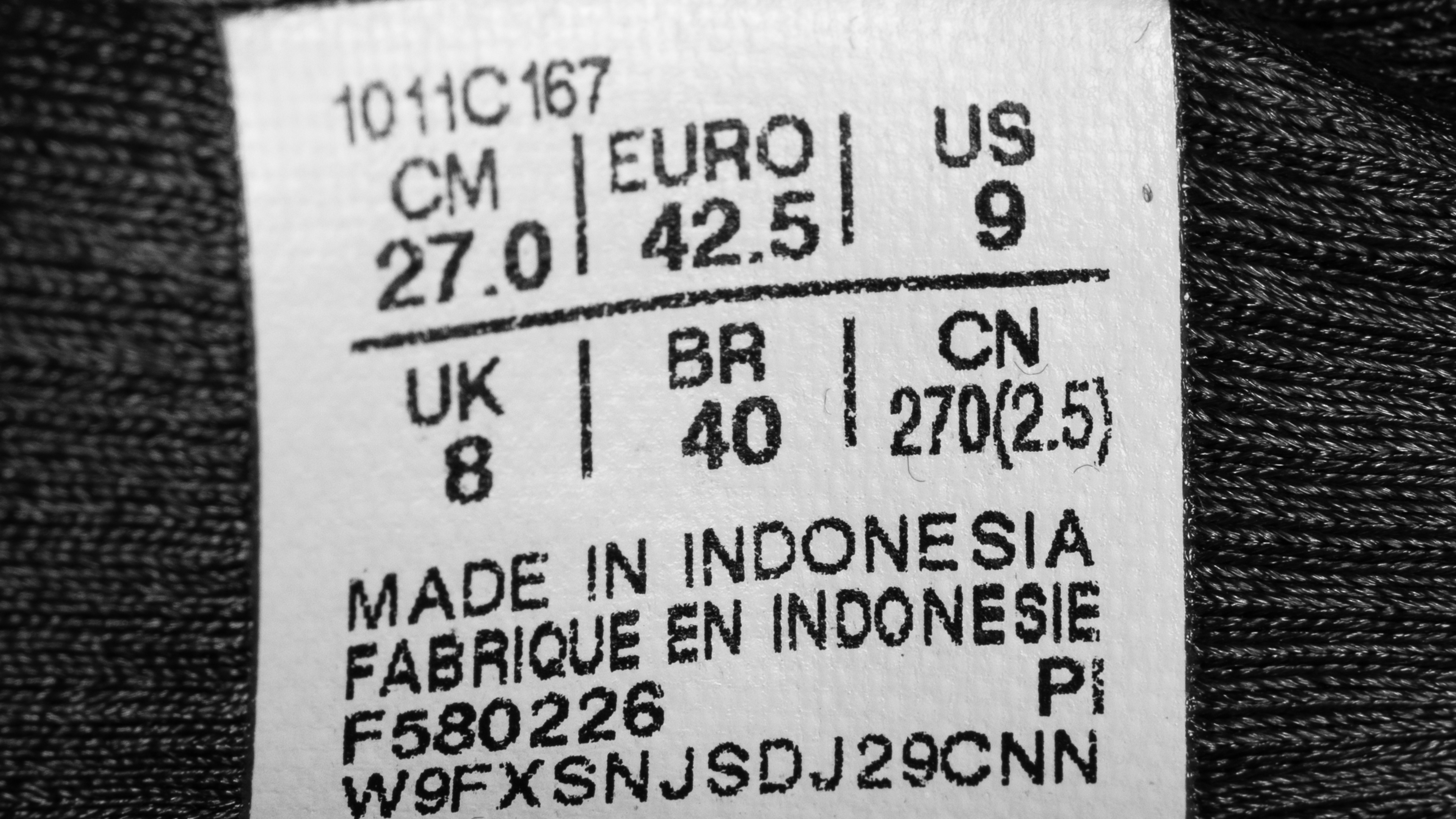
We bought and tested the ASICS GEL‑KAYANO 33 in men's US size 9, as noted on the label for our pair. The pair we purchased is the Prussian Blue/White colorway. However, you can also buy this shoe in a wide range of colors depending on the region. This shoe is available in a variety of widths, ranging from Narrow, Standard, Wide, and Extra Wide. The design section applies only to the exact model we tested, but we expect other sizes and gender variants to perform similarly.