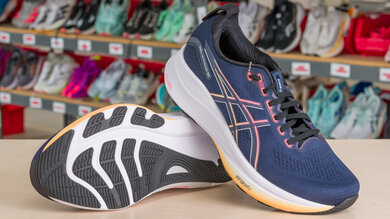
The ASICS GEL-KAYANO 32 keeps its place as the brand's flagship stability trainer while refreshing the formula with a slightly lower drop and a higher stack, especially at the forefoot, which creates a more balanced feel and a smoother roll-through. The tweaked FF Blast+ Eco midsole softens landings, so the ride feels more plush than the previous version without losing its trademark support features. In fact, the 4D Guidance System is still present, providing the same adaptive, non-intrusive support that makes it a reliable daily trainer for overpronators, heavier runners, or anyone who wants a cushioned, confidence-inspiring trainer.
Our Verdict
The ASICS GEL-KAYANO 32 is an inadequate option for marathon racing. Its heavy weight and limited energy return drain efficiency over long distances, so holding race pace quickly becomes a grind despite the shoe's acceptable protection and great stability.
Underfoot protection is satisfactory overall.
Bad energy return.
Heavy weight.
Heel cushioning is limited.
The ASICS GEL-KAYANO 32 lacks the snap you want for 5K or 10K racing. A reasonably firm forefoot provides some turnover, but this isn't consistent with the overall geometry, low energy return, and weight, translating to a ride that feels dull rather than snappy. It works better for easier efforts than all-out racing.
Bad energy return.
Heavy weight.
Heel cushioning is limited.
Heel cushioning is limited.
Heel cushioning is limited.
Changelog
- Updated Jun 17, 2026: We've converted this review to Test Bench 0.12, which fixes how we measure firmness, a component of the Stability and 5K/10K Racing usages. There may be inconsistencies between the text and the scores for these usages, but the scores should still be considered valid. We've also brought back the Energy Return score and added two new usages: Daily Training and Long Run. To read more about the changes, see the changelog.
-
Updated Jun 09, 2026:
We modified the writing due to the new test bench. We've updated the Responsiveness box text to reflect the new scores and added text to the True To Size box.
- Updated May 26, 2026: We've converted this review to Test Bench 0.11, adding two new rocker measurements to the Design section, and three new responsiveness tests to the Performance section. The Energy Return usage score has been replaced with Responsiveness. Check out the details in our changelog.
- Updated Mar 25, 2026: We've converted this review to Test Bench 0.10, adding a new set of fit tests to the Design section and an overall fit performance usage. Check out the details in our changelog.
-
Updated Dec 08, 2025:
We updated the Popular Running Shoe Comparisons to include some new releases like the ASICS GT-2000 14 and the Altra Torin 8.
- Updated Nov 20, 2025: We've converted this review to Test Bench 0.9, which adds a Forefoot Long Run Cushioning test to our performance section. Read more in our changelog.
-
Updated Oct 20, 2025:
We've adjusted this review's writing to align with the new test bench, including updates to all usage scores, and test boxes for Cushioning, Firmness, and Energy Return.
- Updated Oct 20, 2025: We've converted this review to Test Bench 0.8.2, which updates our methodology for the impact force range used in our compression tests to improve their accuracy. This also affects all usage and performance usage boxes using those compression tests as score components.
- Updated Aug 07, 2025: Review published.
- Updated Aug 04, 2025: Early access published.
- Updated Jun 27, 2025: Our testers have started testing this product.
- Updated Jun 11, 2025: The product has arrived in our lab, and our testers will start evaluating it soon.
- Updated May 08, 2025: We've purchased the product and are waiting for it to arrive in our lab.
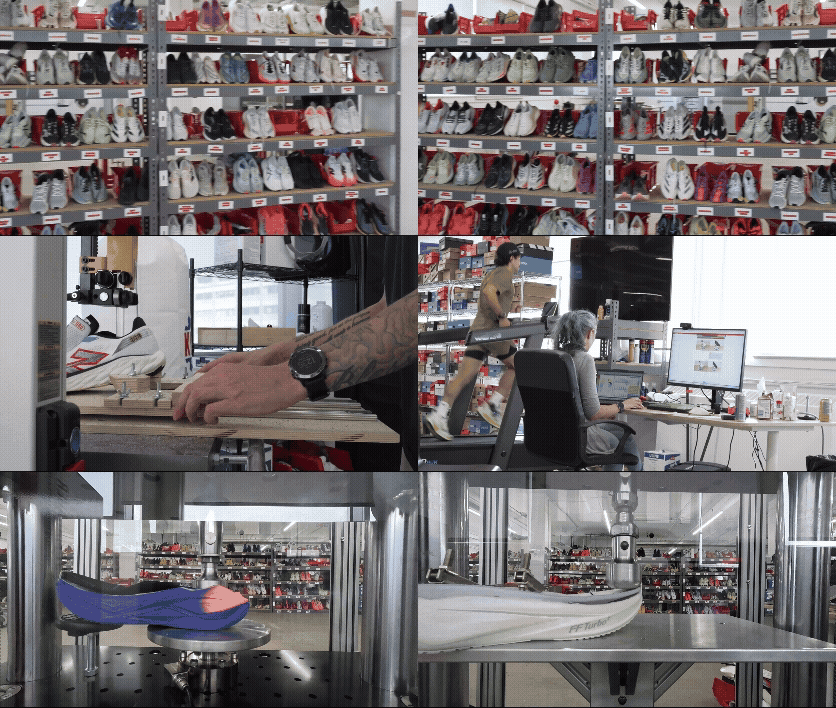
We've bought and tested more than 250 running shoes. Every pair purchased with our own money, never supplied or sponsored by brands. Our data-driven tests are designed to go beyond marketing claims, and since every shoe goes through the exact same methodology, you can directly compare results to find the right pair for your needs.
Test Results
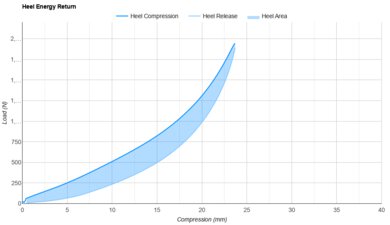
Energy Return
Heel cushioning is limited.
Stability
The ASICS GEL-KAYANO 32 has good stability. A wide platform, supportive sidewalls, and firm midsole foam keep the shoe planted in all scenarios, making it a reliable choice for overpronators or anyone who values a secure, confidence-inspiring ride.
Wide base is super stable.
The foam is quite firm all around.
Very supportive sidewalls.
Heel cushioning is limited.
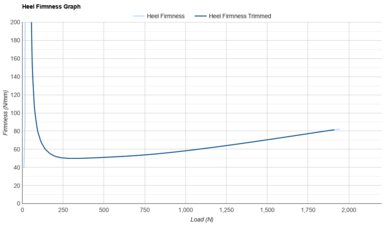
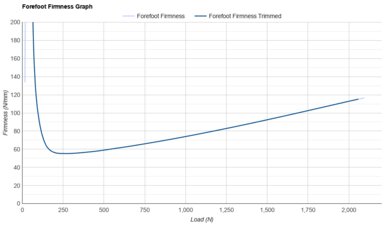
The heel is reasonably firm at lower force levels, but heavier runners or those who apply significant forces upon each strike will find it relatively soft in comparison.
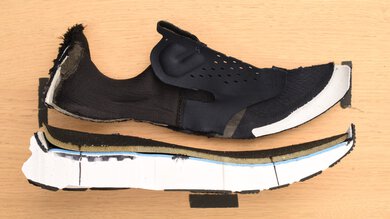
Cushioning
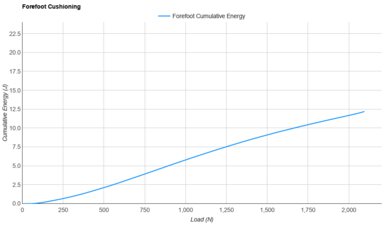
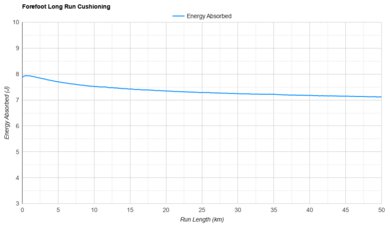
The ASICS GEL-KAYANO 32 delivers satisfactory protection. Landings are comfortably dampened without feeling pillowy, which is fine for daily mileage and recovery jogs, though runners seeking plush luxury may find the ride a bit harsh, as there's still some road feel underfoot, which is common for traditional trainers.
Underfoot protection is satisfactory overall.
Heel cushioning is limited.
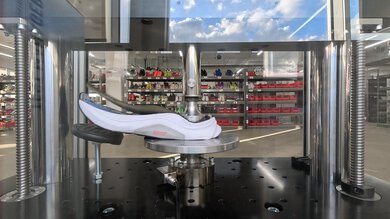
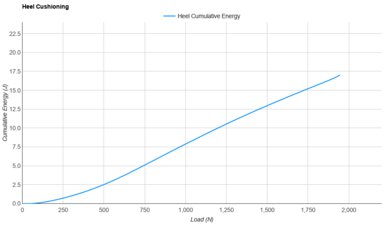
This shoe offers satisfactory impact protection at the heel. Landings feel adequately damped for everyday mileage, though they fall short of the plush comfort offered by softer premium trainers such as the Mizuno Neo Vista 2 or the ASICS NOVABLAST 5.
Responsiveness
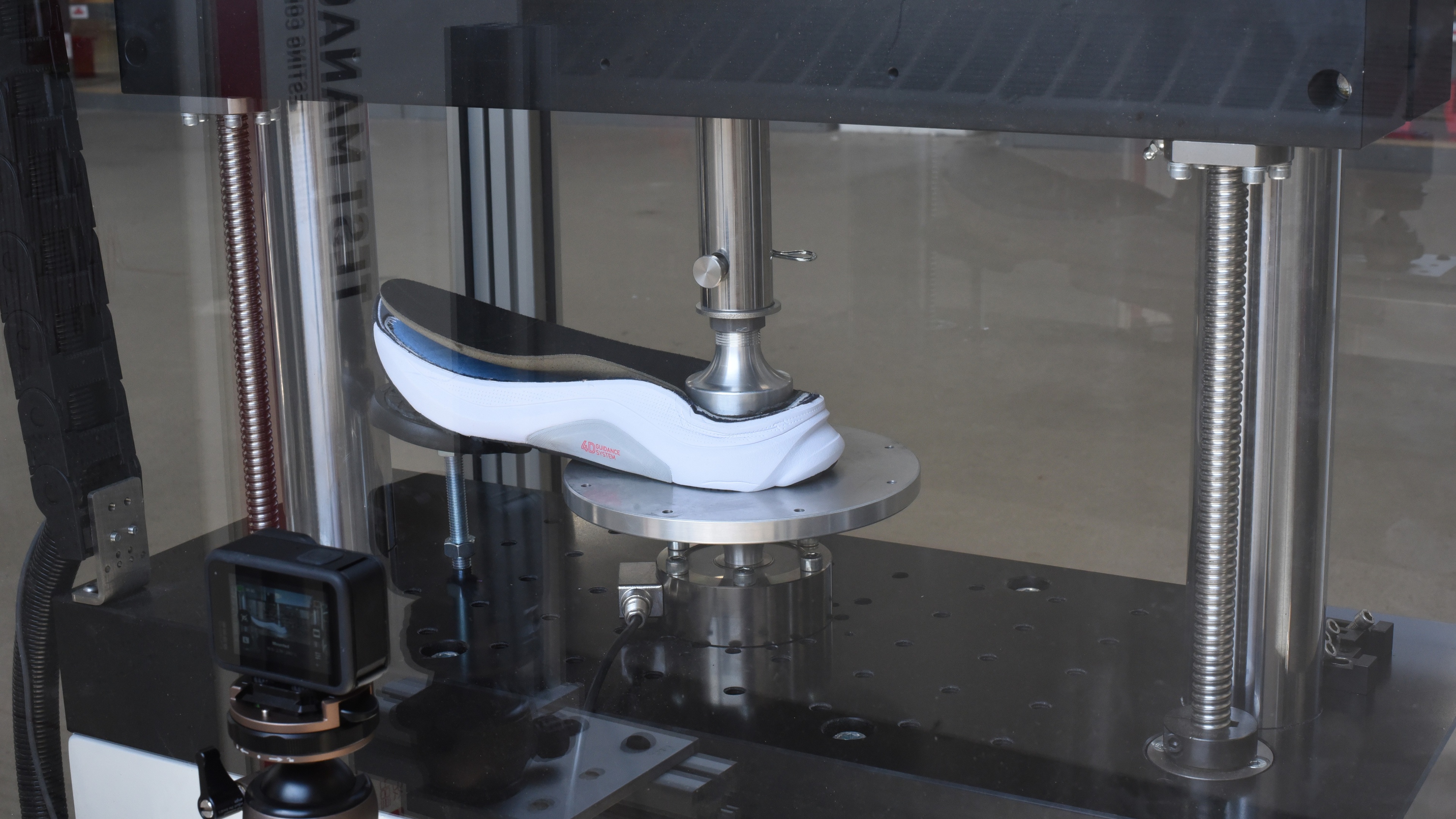
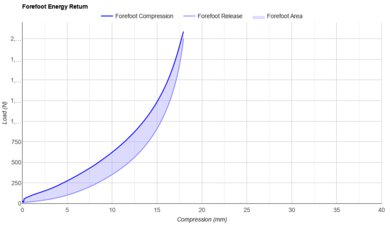
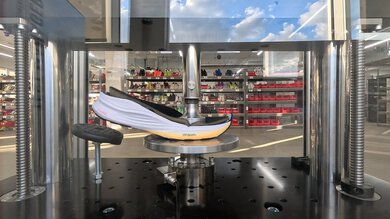
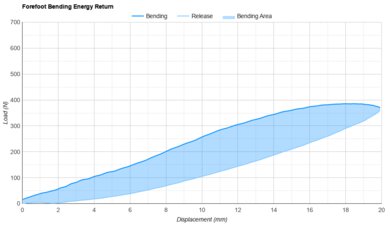
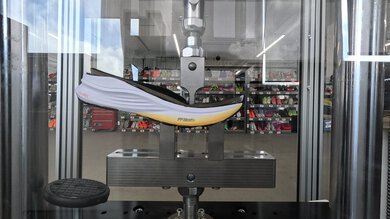
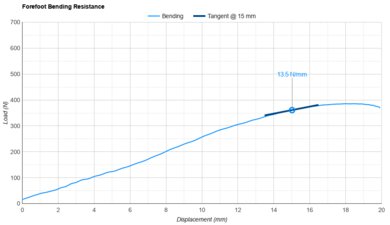
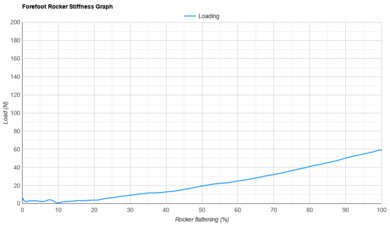
The ASICS GEL-KAYANO 32 offers minimal responsiveness. The foam under both heel and forefoot compresses and absorbs impact, but gives back very little. Despite being very stiff, the forefoot lacks snap, so faster workouts rely heavily on your own power rather than any help from the midsole.
Bad energy return.
Heel cushioning is limited.
True To Size
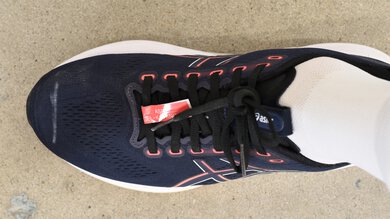
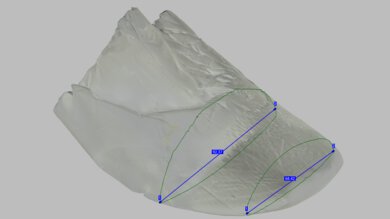
The ASICS GEL-KAYANO 32 has appropriate sizing, making it a safe buy for most runners. The length is true to size, and the arch and forefoot fit close to the standard baseline.
Heel cushioning is limited.
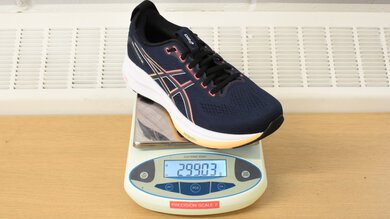
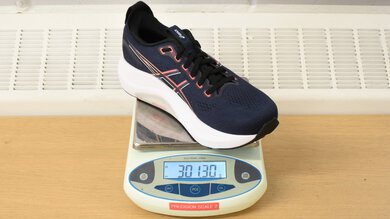
This shoe tips the scales on the heavy side and is just a touch more than the previous ASICS GEL-KAYANO 31. You feel that heft when picking up the shoe, and it makes for an inefficient and cumbersome sensation underfoot.
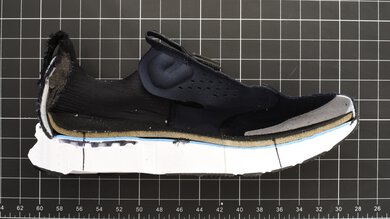
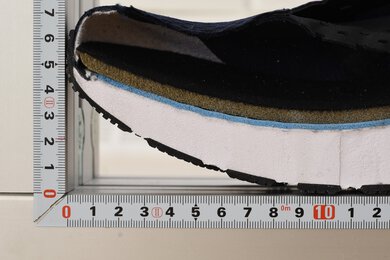
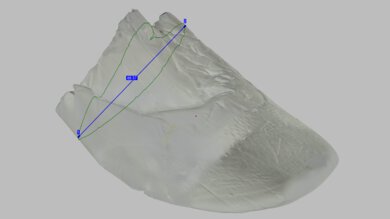
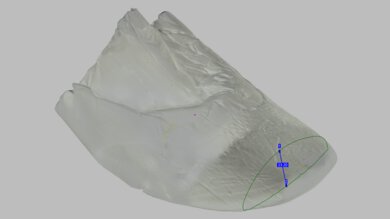
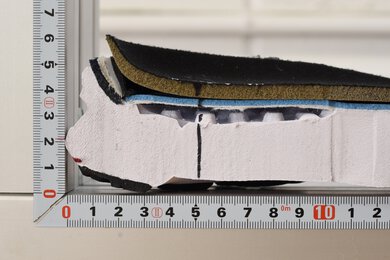
This shoe carries a thicker forefoot than the previous ASICS GEL-KAYANO 31, which slightly lowers the overall drop. The extra foam up front makes landings feel more protective and helps the shoe accommodate a wider range of foot-strike patterns instead of catering only to heavy heel strikers.
Popular Running Shoe Comparisons
The ASICS GEL-KAYANO 32 is a support trainer built for runners who need structure, shock absorption, and consistent guidance over daily efforts. This version introduces welcome updates, such as a lower drop and a slightly more protective midsole, making it more approachable without altering its core identity. It remains heavy and not especially responsive, but it offers excellent step-in comfort, durability, and stability for overpronators or heavier runners logging consistent miles. Alternatives in the same space include the Brooks Adrenaline GTS 25 and the HOKA Arahi 7. If you don't need dedicated support features and prefer more natural lateral stability, shoes like the New Balance FuelCell Rebel v5 or Altra Torin 8 will feel lighter and more nimble.
Within ASICS' lineup, the KAYANO sits at the top of the stability range, offering more protection and support than the lighter ASICS GT-2000 14. The ASICS NOVABLAST 5 is a softer, more modern daily trainer with better bounce and lower weight, while the ASICS SUPERBLAST 2 suits runners who want a firmer, uptempo feel. Overall, the KAYANO 32 moves the support trainer category in a better direction, but it's still a traditional pick, best for runners who prioritize security over performance and agility.
For more options, check out our recommendations for the best running shoes, as well as the best long-distance running shoes and the best shoes for running a marathon.
The ASICS GEL-KAYANO 32 and the Brooks Adrenaline GTS 25 are two classic stability trainers that incorporate a variety of support features to correct over-pronation. The Brooks shoe has a higher heel-to-toe drop and a much greater disparity in the levels of cushioning, with a heel that's slightly more protective than the ASICS shoe, but a forefoot that's much harsher. Neither shoe is very lively, as both are focused on a stable, controlled ride, but the Adrenaline GTS 25 does return energy slightly better.
The ASICS GEL-KAYANO 32 and ASICS GT-2000 14 are both stability daily trainers, but they sit at different points in ASICS' lineup. The Kayano is the premium option with more cushioning, more structure, and a plusher upper, while the GT-2000 is the mid-tier model that keeps things firmer, lower, and simpler. Both use geometry and a wide base to guide your stride, but the level of intervention and softness you feel on the run is not the same. On foot, the Kayano feels softer, while the 4D Guidance system provides more noticeable support as you roll through each step. The GT-2000 feels firmer and closer to the ground, while the 3D guidance system offers a very planted, laterally stable platform and a front half that gives more ground feel than plushness.
The ASICS GEL-KAYANO 32 and the ASICS GT-2000 13 are both stability shoes, but they differ significantly in how they deliver support and cushioning. The GT-2000 13 is the lighter and lower-stacked of the two, making it feel more nimble but also firmer and less protective, especially on longer runs. Its 3D Guidance system provides mild to moderate stability through a flatter platform and structured midsole without the bulk of a full guidance wall. The KAYANO, on the other hand, uses a 4D Guidance system with more built-up sidewalls and torsional rigidity, offering more pronounced support and control, especially for heavier runners or those who overpronate significantly. It also rides softer and absorbs more shock thanks to its thicker midsole and higher stack, but feels heavier and less agile as a result.
The ASICS GEL-KAYANO 32 and Nike Structure 26 are both stability shoes that use built-up sidewalls to keep runners' feet from under- or over-pronating. The GEL-KAYANO 32 has several extra features specifically targeting over-pronation, including a cut out in the bottom of the shoe meant to shift the weight of the shoe outward, and a pod of bouncier foam on the medial side designed to spring the foot back into neutral position faster. For the small percentage of runners who under-pronate, the Structure 26 would be a better choice, while over-pronators will get more support from the GEL-KAYANO 32.
The ASICS GEL-KAYANO 32 and ASICS GEL-KAYANO 33 may look similar on paper, but the newer shoe takes the series in a noticeably different direction. The GEL-KAYANO 33 replaces the previous FF BLAST ECO+ setup with a dual-layer FF BLAST MAX and FF BLAST PLUS midsole, delivering a softer, more cushioned, and more responsive ride. The new support system also trades a little stability for a smoother ride, though the shoe remains more than supportive enough overall.
The ASICS GEL-KAYANO 32 and the ASICS GEL-KAYANO 31 are both support trainers designed for runners who need guidance and protection, but the updates in the 32 make it a noticeably more approachable shoe. The 31 is slightly lighter on foot, but it feels firmer and harsher under load. The new geometry in the KAYANO 32, featuring a higher forefoot stack and a lower drop, creates a more balanced and protective ride that accommodates more stride types (rather than only pure heel strikers) without sacrificing the shoe's core support function. That said, both versions remain heavy, bottom-loaded shoes that feel more tank-like than nimble, and runners seeking a livelier or more responsive ride may still find it too sluggish for anything beyond easy or recovery efforts.
The ASICS GEL-KAYANO 32 and the Brooks Adrenaline GTS 23 are both longstanding support trainers aimed at overpronators, but they offer very different ride experiences. The Adrenaline uses Brooks' GuideRails system for support, paired with a high-drop, traditional geometry that feels more structured through the heel but less adaptable overall. Its midsole is noticeably firmer and absorbs less impact, giving it a harsher feel. The ASICS, in contrast, delivers a softer and more protective ride with a smoother heel-to-toe transition thanks to its lower drop and added forefoot stack. It still offers plenty of support thanks to its 4D Guidance sidewalls.
The ASICS GEL-KAYANO 32 and the HOKA Arahi 7 are both support-oriented daily trainers, but they approach stability and comfort quite differently. The Arahi 7 is lighter and leans into natural guidance without added bulk, making it feel nimbler underfoot. However, its lower stack height and firmer foam make it noticeably harsher over longer distances, especially for heel strikers or heavier runners. In contrast, the ASICS offers a plusher, more cushioned ride with better impact absorption and a more traditional support feel thanks to its 4D Guidance system. It provides more underfoot protection and a smoother, more stable transition, but at the cost of added weight and a bulkier sensation overall.
The ASICS GT-1000 15 and ASICS GEL-KAYANO 32 are both support trainers from the same brand, but they sit on different rungs of the ladder. The GEL-KAYANO 32 is the more premium option, using ASICS' 4D GUIDANCE SYSTEM to provide much more stability and pairing it with an FF BLAST+ ECO midsole to offer more protection overall. It is, however, much heavier and retails for considerably more, and runners who don't need all the bells and whistles will still find the GT-1000 15 an impressively stable shoe overall.
Differences Between Sizes And Variants
We bought and tested the ASICS GEL‑KAYANO 32 in men's US size 9, as noted on the label for our pair. The pair we purchased is the Midnight/Black colorway. However, you can also buy this shoe in a wide range of colors depending on the region, including Black/White, Gravel/Citron, Flash Red/Beet Juice, Oatmeal/Meteor Grey, White/Pure Silver, Piedmont Grey/Gravel, Black/Graphite Grey, and Black/Jasper Green. Women's options include Black/White, Lichen Rock/Cream, Midnight/Stillwater, and White/Orange Glow. In addition to the standard edition, there's a Luxe version that comes in a special Luxe/Black/Green colorway.
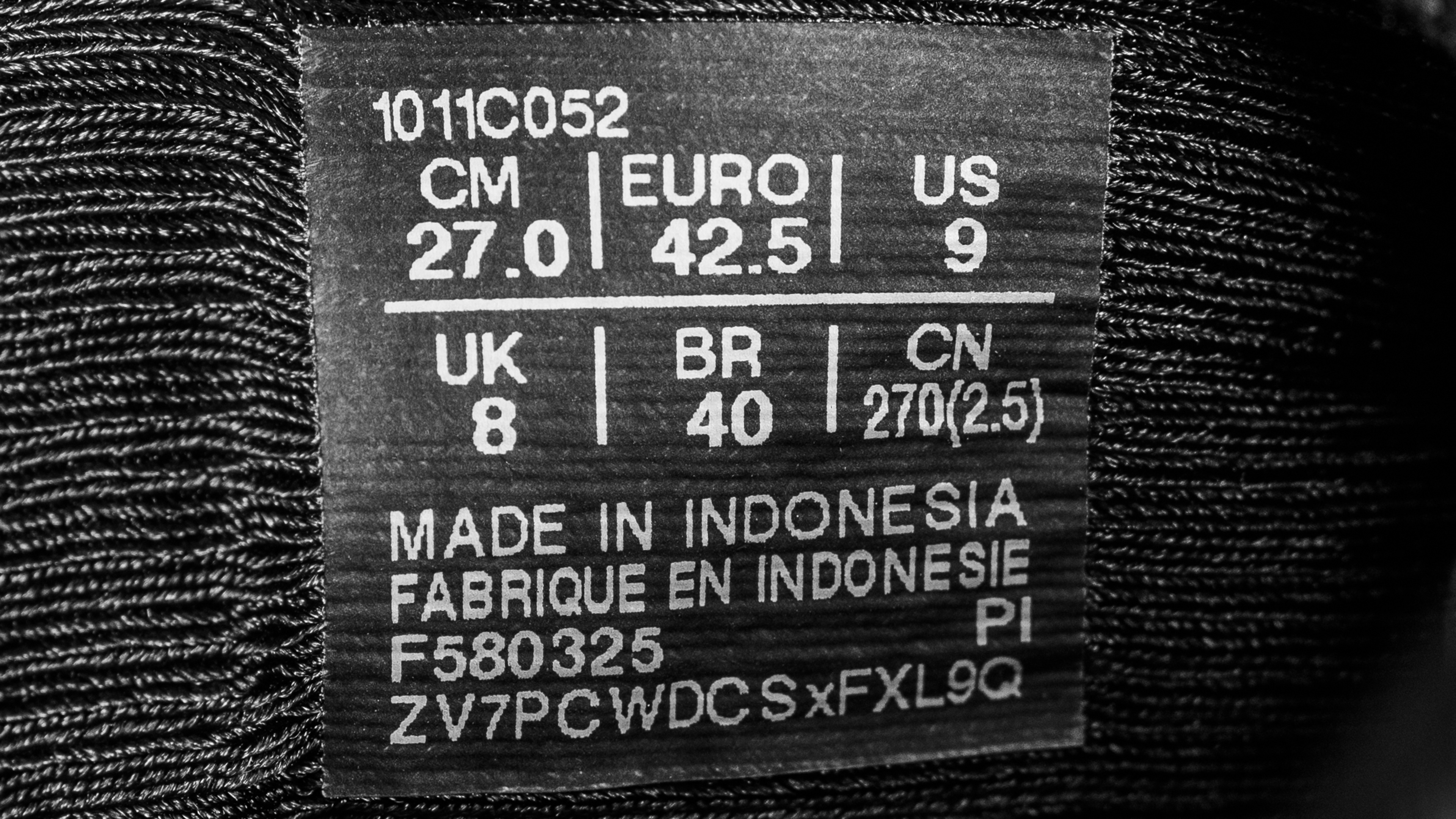
The GEL‑KAYANO 32 can be purchased in a range of widths: men's sizes come in regular (D), wide (2E), and extra‑wide (4E) fits, while women's sizes are offered in B and D widths.
The design section applies only to the exact model we tested, but we expect other size and gender variants to perform similarly.