
The ASICS GEL-KAYANO 31 is a premium stability trainer for runners who want a firm, controlled ride, particularly those who overpronate, thanks to its broad platform, supportive midfoot, and good heel cushioning. However, its heavy build, muted rebound, and more limited forefoot protection make it less appealing for speedwork or runners seeking plush cushioning over long distances.
| ✅ Buy If: | ❌ Skip If: |
|
|
Our Verdict
The ASICS GEL-KAYANO 31 isn't meant for marathon racing. As a supportive daily trainer, it's not great for picking up the pace. It has bad overall energy return and a heavy weight that you'll feel in the longer distances of a marathon.
Feels well-cushioned underfoot.
Bad energy return.
Heavy.
The ASICS GEL-KAYANO 31 isn't the best choice for 5K/10K racing. Its heavy weight and bulk aren't designed for faster speeds over shorter distances.
Bad energy return.
Heavy.
The ASICS GEL-KAYANO 31 is an adequate choice for long runs if stability is your priority. Its broad platform and supportive midfoot keep the ride controlled, while the heel provides good impact protection. However, the heavy build and limited rebound can make extended efforts feel laborious, and the firm foam becomes less forgiving as its cushioning diminishes over the course of a run.
Wide outsole provides a stable platform.
Good protection under the heel at higher forces.
Bad energy return.
Heavy.
Forefoot cushioning is more limited.
The ASICS GEL-KAYANO 31 is a good daily trainer for runners who prioritize support and a predictable ride. Its wide base, firm foam, and arch support provide a steady platform for everyday mileage, with good cushioning beneath the heel. However, its heavy weight and lack of rebound limit its versatility for faster workouts, while the forefoot may feel unforgiving if you prefer softer cushioning.
Wide outsole provides a stable platform.
Good protection under the heel at higher forces.
Heavy.
Changelog
- Updated Sep 16, 2026: We've converted this review to Test Bench 0.15, which replaces Responsiveness with three specific performance usages: Bounciness, Snappiness, and Roll. To read more about the changes, see the changelog.
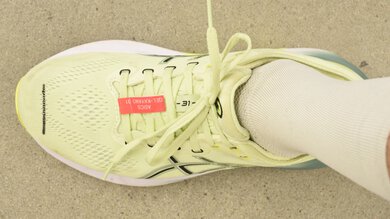
- Updated Sep 02, 2026: We've converted this review to Test Bench 0.14, which adds new lace-specific results. We've included a close-up photo of the laces, as well as details including lace type, width, thickness, and stretch. To read more about the changes, see the changelog.
- Updated Jun 30, 2026: We've converted this review to Test Bench 0.13, which identifies the different foams used in the shoe's midsole. We've included a microscopic image of the foam cells to give you an idea of what the microstructure looks like. To read more about the changes, see the changelog.
- Updated Jun 17, 2026: We've converted this review to Test Bench 0.12, which fixes how we measure firmness, a component of the Stability and 5K/10K Racing usages. There may be inconsistencies between the text and the scores for these usages, but the scores should still be considered valid. We've also brought back the Energy Return score and added two new usages: Daily Training and Long Run. To read more about the changes, see the changelog.
-
Updated May 12, 2026:
We've updated this review to align the text in the Responsiveness usage box with Test Bench 0.11 and added text to the True to Size box.
- Updated May 05, 2026: We've converted this review to Test Bench 0.11, adding two new rocker measurements to the Design section, and three new responsiveness tests to the Performance section. The Energy Return usage score has been replaced with Responsiveness. Check out the details in our changelog.
- Updated Apr 29, 2026: We've converted this review to Test Bench 0.10, adding a new set of fit tests to the Design section and an overall fit performance usage. Check out the details in our changelog.
- Updated Apr 13, 2026: We've converted this review to Test Bench 0.9, which adds a Forefoot Long Run Cushioning test to our performance section. Read more in our changelog.
-
Updated Oct 20, 2025:
We've adjusted this review's writing to align with the new test bench, including updates to all usage scores, and test boxes for Cushioning, Firmness, and Energy Return.
- Updated Oct 20, 2025: We've converted this review to Test Bench 0.8.2, which updates our methodology for the impact force range used in our compression tests to improve their accuracy. This also affects all usage and performance usage boxes using those compression tests as score components.
-
Updated Aug 11, 2025:
We updated the Compared to Other Running Shoes box to mention the ASICS GEL-NIMBUS 27.
-
Updated Jul 30, 2025:
We revised the phrasing in the Heel Cushioning box to better align with the latest test bench scores and clarify the shoe's purpose and context within the market.
- Updated Jul 30, 2025: We've converted this review to Test Bench 0.8.1, which mainly updates the score components for the Marathon Racing and Lateral Stability usage boxes to improve accuracy.
- Updated Apr 02, 2025: Converted to Test Bench 0.8.
- Updated Apr 02, 2025: Review published.
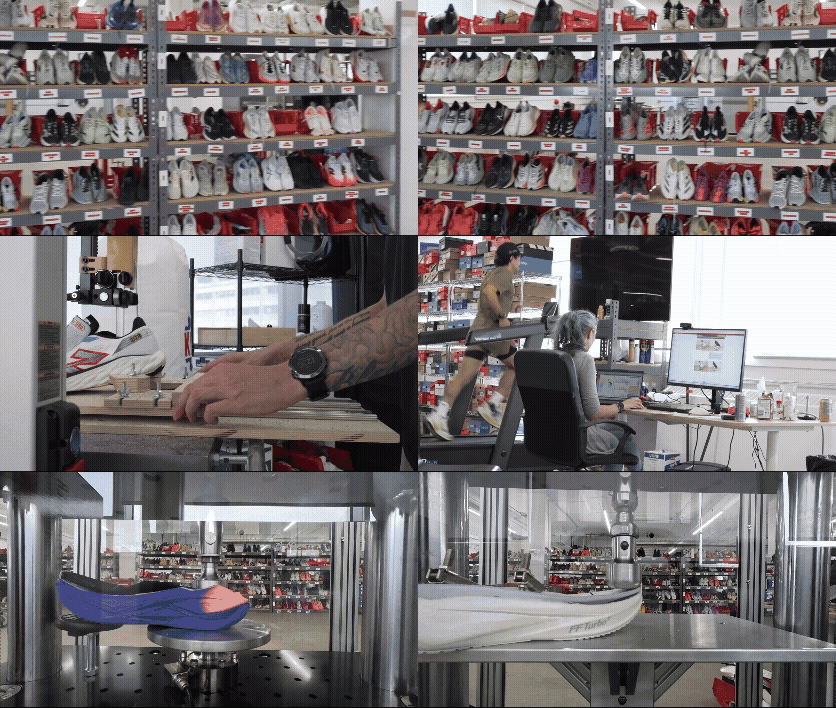
We've bought and tested more than 250 running shoes. Every pair purchased with our own money, never supplied or sponsored by brands. Our data-driven tests are designed to go beyond marketing claims, and since every shoe goes through the exact same methodology, you can directly compare results to find the right pair for your needs.
Test Results
Energy Return
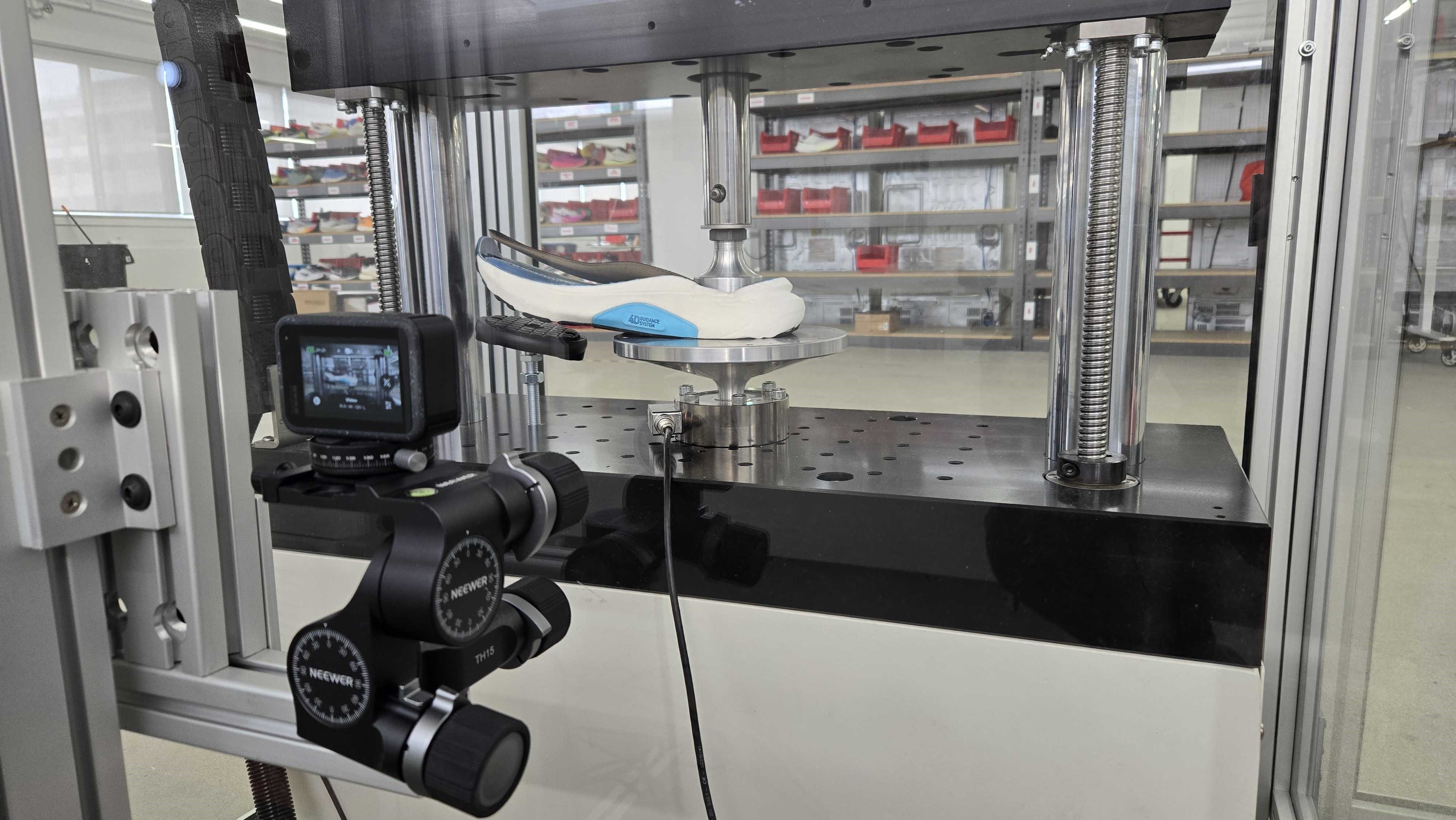
The ASICS GEL-KAYANO 31 has terrible energy return. The midsole rebounds inefficiently under compression at both the heel and forefoot, leaving little noticeable bounce as the foam unloads. This gives the ride a flat, subdued feel that won't satisfy runners looking for lively rebound with each stride.
Bad energy return.


Stability
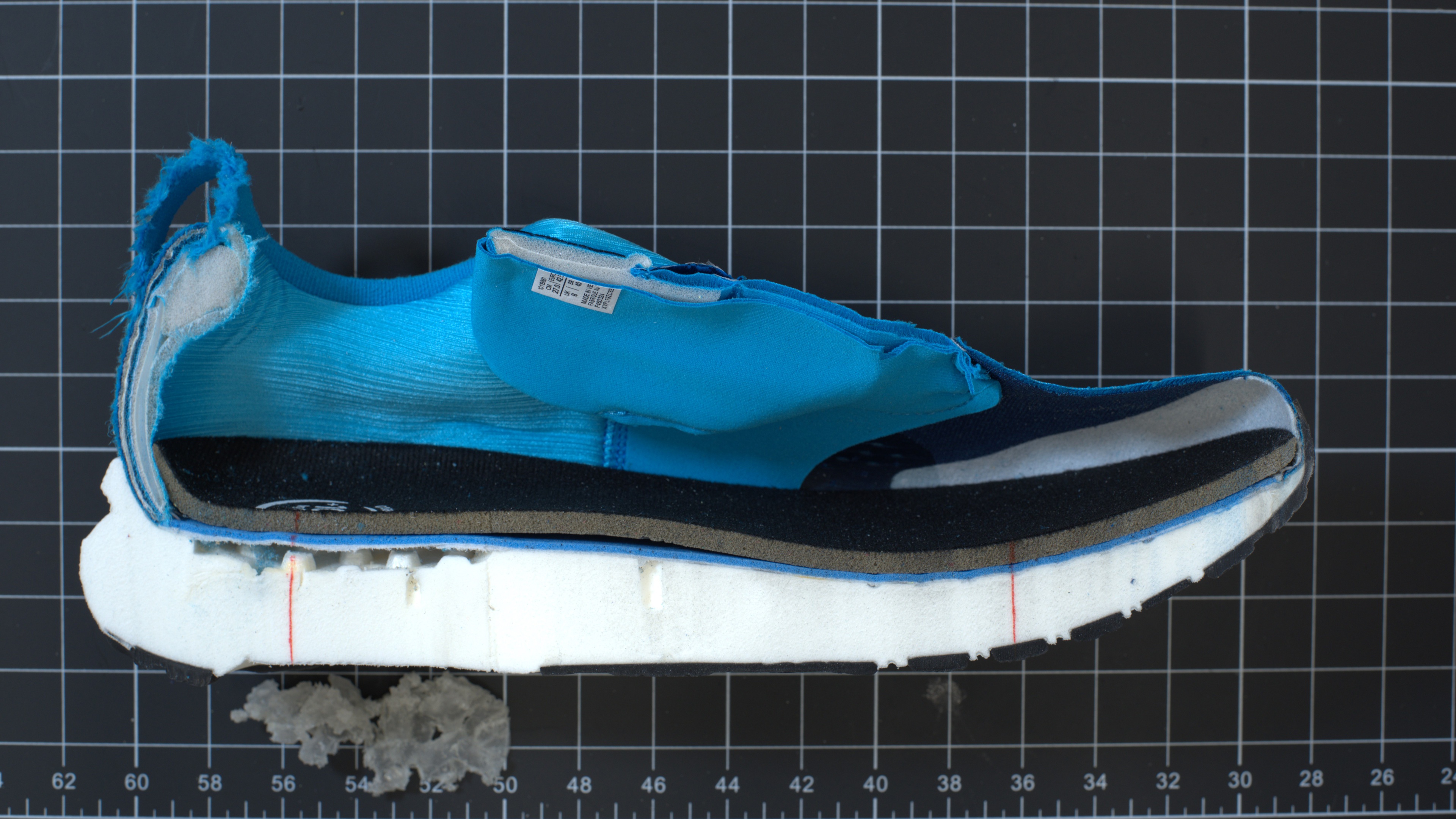
The ASICS GEL-KAYANO 31 has good lateral stability. The remarkably wide outsole creates a stable platform, and this shoe uses support elements like a harder foam block in the midfoot for arch support. Though its high stack height lifts you farther off the ground, the firmness of the foam, especially in the forefoot, makes for a very controlled ride.
Wide outsole provides a stable platform.
4D Guidance System includes elements like a stiff block of foam in the midfoot.
Foam is very firm overall.
High stack.
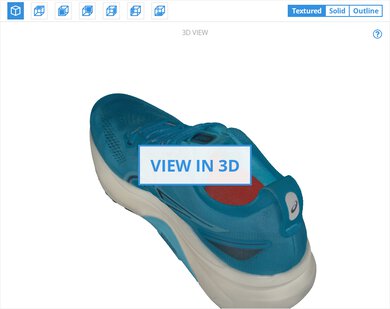

The heel is fairly firm. Lighter runners and forefoot strikers are more likely to feel that firmness, providing some stability. However, there's more give at higher forces, making for a softer landing in the heel if you're on the heavier side.

Cushioning
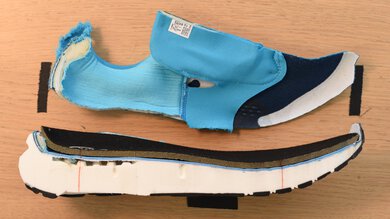
The ASICS GEL-KAYANO 31 offers decent cushioning overall, but that obscures differences between the front and rear of the midsole. Impact absorption is more limited in the forefoot, while the heel, fitted with a PureGEL insert, provides good cushioning and protection underfoot, especially for heavier runners.
Good protection under the heel at higher forces.
Forefoot cushioning is more limited.
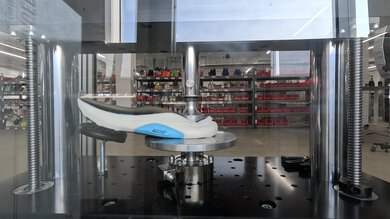

The heel offers good cushioning overall. It can provide underfoot protection for heel strikers and heavier runners, but if you're looking for a very plush, pillowy experience, look to true max-cushioned shoes like the Mizuno Neo Vista 2.
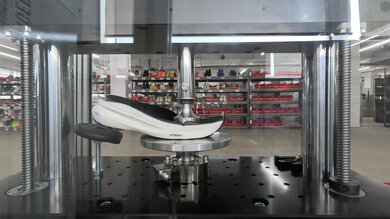

Unlike the heel, the forefoot doesn't provide the same level of cushioning, so the experience isn't as soft and protected under the forefoot.
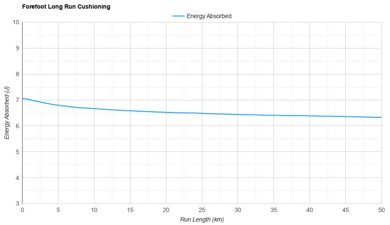
The ASICS GEL-KAYANO 31 isn't particularly well cushioned under the forefoot to begin with. Its cushioning drops noticeably over the first 10 kilometers, then continues to decline more slowly as distance builds. This makes it less appealing for extended outings. If you're looking for a stability shoe with better protection for long runs, check out the Saucony Hurricane 26.
Bounciness
The ASICS GEL-KAYANO 31 provides poor responsiveness. While the forefoot is fairly stiff and the rocker geometry is adequate, the midsole delivers very little rebound under load, limiting propulsion and leaving the ride feeling sluggish overall.
Midsole doesn't decompress in a dynamic way.

The heel of this shoe provides limited compression without a deep sinking sensation under load. Combined with its weak energy return, this limits the spring as the foam decompresses.

Under the forefoot, the foam compresses relatively little, and its weak energy return further limits the bounce as it decompresses. The Saucony Hurricane 26 offers deeper compression and a livelier rebound, adding more movement underfoot and making it a bouncier alternative among stability shoes.
Snappiness
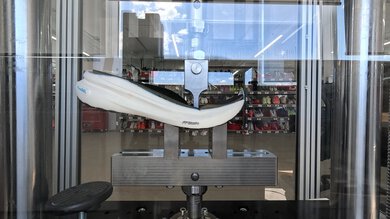
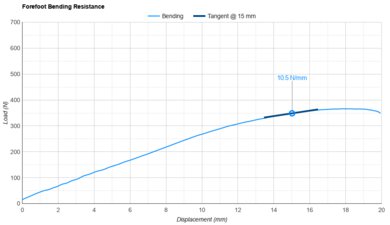
The ASICS GEL-KAYANO 31 offers mediocre snappiness. Its firm foam and fairly stiff forefoot provide a solid platform to push against, but the shoe's front offers little spring-back as it straightens during toe-off. The rocker also flattens fairly easily under load, limiting the sharp, lever-like response you get from more rigid shoes.
Foam is very firm overall.
Little spring-back as the forefoot unbends.
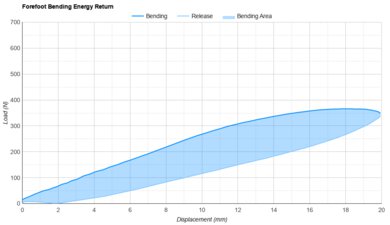
Bending energy return is poor. The forefoot offers little spring-back as it straightens, so even when you push against it forcefully, toe-off doesn't feel particularly energetic.
Roll
The ASICS GEL-KAYANO 31 delivers an adequate rolling sensation thanks to its curved heel and forefoot. The heel rocker helps guide rearfoot landings toward the midfoot, while the forefoot curve encourages a gradual transition through toe-off. However, the rocker flattens fairly easily under load, making the forward-tipping sensation less pronounced in practice.
Rocker flattens fairly easily under load.
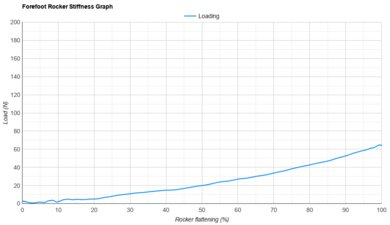
The rocker isn't very stiff and tends to flatten under load. This reduces the effectiveness of its curved shape, particularly when you apply more force, making the rolling sensation less pronounced.
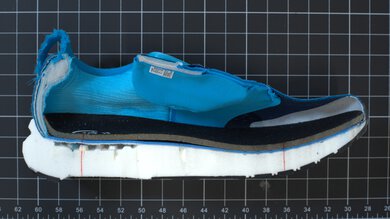
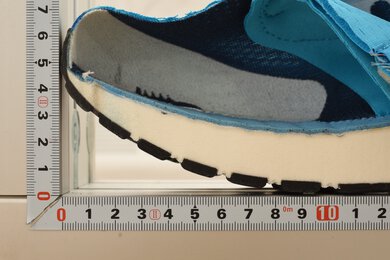
The shoe's PureGEL midsole insert was displaced when cutting it, but we've included a picture of the PureGEL beneath the shoe so you can see what it looks like.
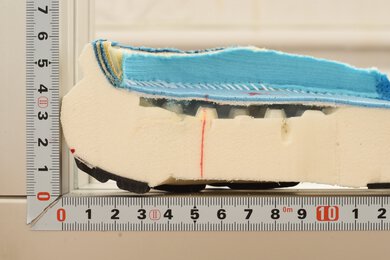
The ASICS GEL-KAYANO 31 has a modest heel rocker. Its curved rearfoot provides some guidance from landing toward the midfoot, but the transition isn't as pronounced or rapid as in more aggressively rockered shoes such as the ASICS MEGABLAST.
True To Size
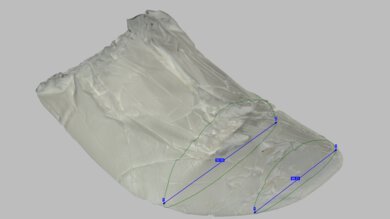
The ASICS GEL-KAYANO 31 has fantastic sizing, and most runners can stick to their normal size. The length is true to size, with an almost perfectly matched arch fit and a forefoot that offers enough width for most runners. The toe box is a bit lower in height, so runners with taller toes may feel some pressure up front, but the overall fit is still very accommodating.
True to size fit in both length and volume.
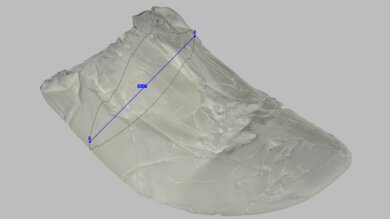
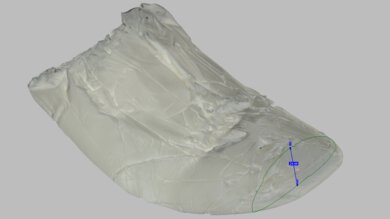
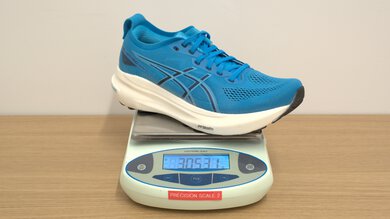
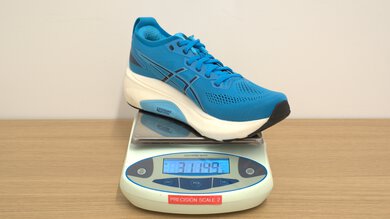
The ASICS GEL-KAYANO 31 is a very heavy shoe, making it inefficient for speedwork and racing.
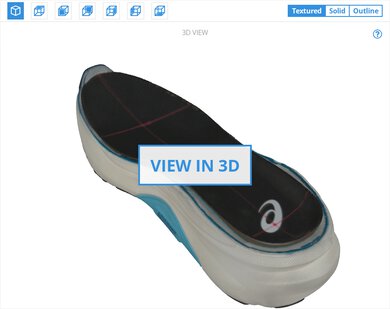

This shoe uses FF BLAST PLUS ECO, a foam that's also found in the ASICS NOVABLAST 4. We can't confirm the exact materials, but here the firm tuning creates a controlled ride with very little rebound.

Popular Running Shoe Comparisons
The ASICS GEL-KAYANO 31 is a premium stability shoe. It's a great daily trainer for overpronators, with non-intrusive support elements and high-stack cushioning. However, this isn't the shoe to get if you're looking for a lightweight option for speedwork. The brand also offers the ASICS GEL-NIMBUS 27, a premium daily trainer that focuses on impact protection and cushioning.
See our recommendations for the best running shoes to find the perfect model for your needs.
The ASICS NOVABLAST 4 is a more well-rounded shoe than the ASICS GEL-KAYANO 31. It's significantly lighter and uses more responsive foam, making it better for faster paces. It isn't as stable as the GEL-KAYANO 31, which is a better fit for heavier runners or those who need support elements.
The Nike Structure 26 and ASICS GEL-KAYANO 31 are two classic stability shoes that are among their respective brands' oldest series. The GEL-KAYANO 31 has more stability-focused design elements, including a harder block of foam in the midfoot for arch support, and a softer pod of foam on the lateral side, designed to spring over-pronators back into a more neutral position; the Structure 26, meanwhile, mostly relies on guide rails on both sides of the shoe to stabilize the foot. The ASICS shoe is heavier and higher stacked than the Nike shoe, with much worse energy return.
The ASICS GEL-KAYANO 31 and ASICS GEL-NIMBUS 26 are both popular and long-standing models in ASICS' lineup, but they suit different needs. The GEL-KAYANO 31 is aimed at runners who need more stability, with dedicated support elements and a slightly wider outsole. The GEL-NIMBUS 26, on the other hand, is a more neutral daily trainer designed for maximum comfort, with a slightly higher stack height and more balanced cushioning in the heel and forefoot.
The ASICS GEL-KAYANO 32 and the ASICS GEL-KAYANO 31 are both support trainers designed for runners who need guidance and protection, but the updates in the 32 make it a noticeably more approachable shoe. The 31 is slightly lighter on foot, but it feels firmer and harsher under load. The new geometry in the KAYANO 32, featuring a higher forefoot stack and a lower drop, creates a more balanced and protective ride that accommodates more stride types (rather than only pure heel strikers) without sacrificing the shoe's core support function. That said, both versions remain heavy, bottom-loaded shoes that feel more tank-like than nimble, and runners seeking a livelier or more responsive ride may still find it too sluggish for anything beyond easy or recovery efforts.
The ASICS GEL-KAYANO 31 and the ASICS GEL-NIMBUS 28 sit in two clearly different categories despite sharing a premium feel. The KAYANO 31 is heavier and built as a dedicated stability shoe, with a lower drop, a more structured platform, and guidance elements that make it noticeably more stable and controlled, especially for runners who need support over long mileage. The NIMBUS 28, on the other hand, is a max-cushioned neutral trainer that prioritizes comfort and impact absorption, offering a softer and more forgiving ride but with less inherent stability. In short, the KAYANO is about control and support, while the NIMBUS is about cushioning and relaxed comfort.
The Altra Torin 7 and the ASICS GEL-KAYANO 31 are both daily trainers emphasizing stability, catering to runners seeking support during their runs. The Torin 7 offers even higher stability, thanks in large part to its lower stack height. However, this means less cushioning, and the KAYANO 31 is the more protective shoe. Another key difference is the heel-to-toe drop: the ASICS features a high drop, whereas the Altra offers a zero-drop platform.
For most runners, the New Balance FuelCell Rebel v4 has some advantages over the ASICS GEL-KAYANO 31. It's a significantly lighter shoe that offers some ground feel thanks to its much lower stack height compared to the GEL-KAYANO. Thanks to its more responsive foam, the New Balance is a bit more efficient and better at picking up the pace. The GEL-KAYANO is still a better fit for runners who prefer higher stacks or need a stability shoe.
The ASICS GEL-KAYANO 31 and ASICS GEL-NIMBUS 27 are both daily trainers offering high cushioning and comfort, but they serve slightly different runner profiles. The GEL-NIMBUS 27 is a neutral max-cushion trainer focused on plushness and impact absorption, delivering a very soft underfoot experience that excels on easy runs and recovery days. Its smooth, pillowy ride makes it ideal for runners who prioritize comfort and don't mind a bit of extra weight for the sake of protection. The GEL-KAYANO 31, on the other hand, is ASICS' flagship stability model, designed for runners who need extra lateral support. Thanks to its new 4D Guidance System, it provides stability without harsh posting or stiff medial foam. The ride is firmer than the Nimbus, especially at the forefoot, and it lacks some protection for longer runs.
Differences Between Sizes And Variants
We bought and tested the ASICS GEL-KAYANO 31 in men's US size 9, as noted on the label. The pair we purchased is the Digital Aqua/Bright Cyan colorway, but you can also buy the shoe in a wide range of colors, depending on the region. The men's variant ranges from Black/White and Black/Black to Blue Expanse/Digital Aqua and Indigo Blue/Gunmetal, while the women's variant includes colors like Cool Matcha/Light Celadon and Black/Bold Magenta, among others.
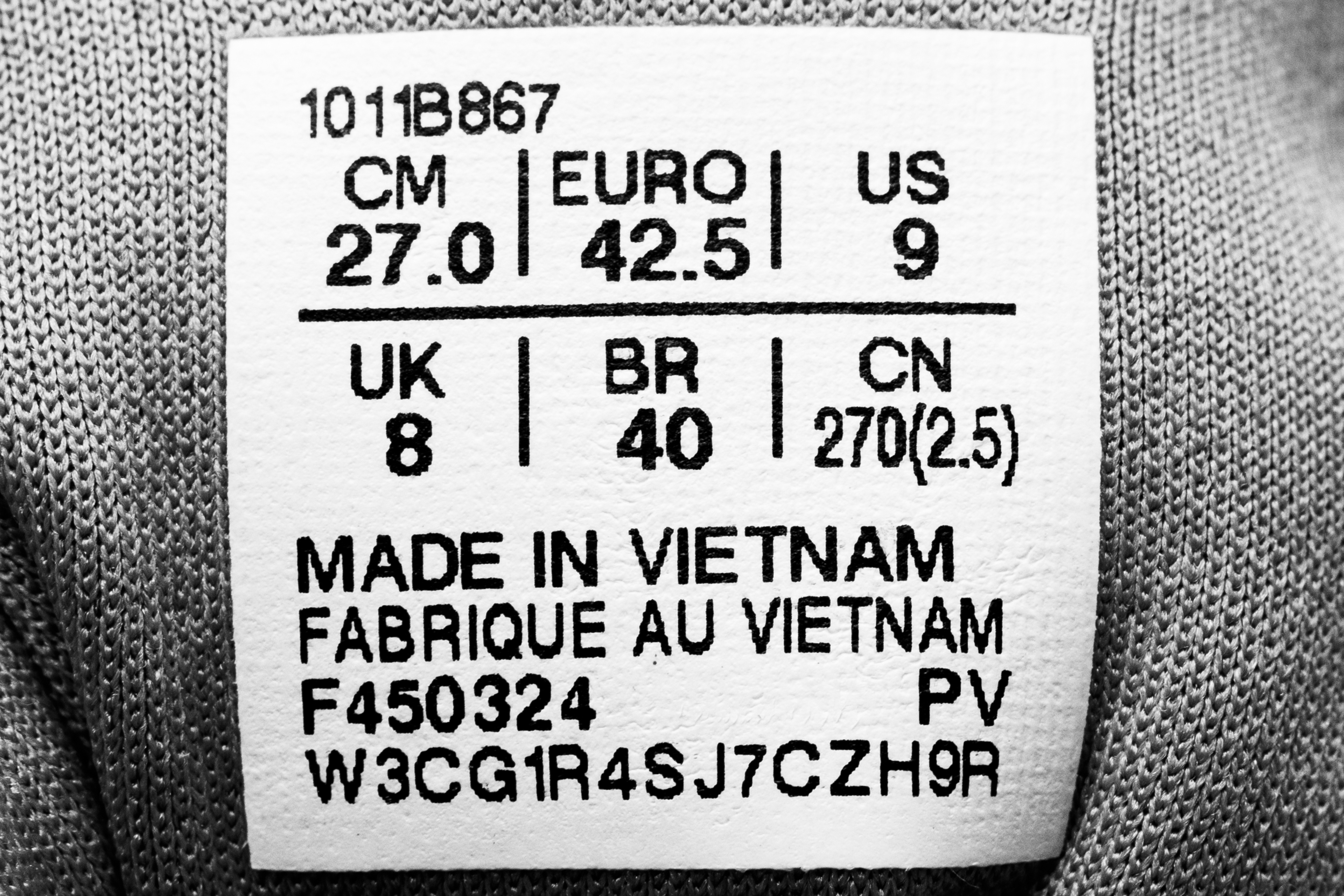
There's also a LITE-SHOW variant with reflective glow-in-the-dark elements to increase visibility at night, and a PLATINUM variant with metallic accents inspired by Shibori dyeing techniques.
You can buy this shoe in narrow, regular, wide, or extra wide widths.