
The ASICS GEL-NIMBUS 26 is a cushioned daily trainer that's been a staple in ASICS' running shoe lineup since the '90s. As the name suggests, it's designed for cloud-like comfort, with a high stack height, moderate heel-to-toe drop for smooth transitions, and PureGEL technology in the midsole for softer landings at the heel. It also features a fully gusseted tongue, an engineered upper, and a grippy AHARPLUS™ rubber outsole. While it isn't the lightest shoe, as one of ASICS' highest-stack daily trainers, it's a safe bet for runners who want a plush, everyday cruiser for easy miles and recovery runs. Just don't expect its EVA-based midsole foam to provide the responsiveness needed for faster paces.
Our Verdict
The ASICS GEL-NIMBUS 26 isn't suitable for marathon racing. It's designed primarily for comfort rather than speed, with firm foam and heavier weight that make it less suited for picking up the pace. While its decent cushioning and high-stack design are good for longer distances, it doesn't have enough bounce and responsiveness for high-performance racing.
Decent cushioning.
Bad energy return.
Heavy.
The ASICS GEL-NIMBUS 26 is a poor option for 5K/10K racing. It's primarily designed for easy runs and daily comfort rather than high-speed performance. It provides a good amount of firmness in the forefoot, which allows for more controlled toe-offs. However, the shoe is heavy, and its overall energy return is poor, lacking the springiness needed to compete at shorter distances.
Foam is quite firm overall.
Bad energy return.
Heavy.
Changelog
- Updated Aug 28, 2026: We've converted this review to Test Bench 0.12, which fixes how we measure firmness, a component of the Stability and 5K/10K Racing usages. There may be inconsistencies between the text and the scores for these usages, but the scores should still be considered valid. We've also brought back the Energy Return score and added two new usages: Daily Training and Long Run. To read more about the changes, see the changelog.
- Updated Aug 24, 2026: We've converted this review to Test Bench 0.11, adding two new rocker measurements to the Design section, and three new responsiveness tests to the Performance section. The Energy Return usage score has been replaced with Responsiveness. Check out the details in our changelog.
- Updated Apr 29, 2026: We've converted this review to Test Bench 0.10, adding a new set of fit tests to the Design section and an overall fit performance usage. Check out the details in our changelog.
- Updated Apr 13, 2026: We've converted this review to Test Bench 0.9, which adds a Forefoot Long Run Cushioning test to our performance section. Read more in our changelog.
-
Updated Oct 22, 2025:
We've adjusted this review's writing to align with the new test bench, including updates to all usage scores and test boxes for Cushioning, Firmness, and Energy Return. We've updated the side-by-side comparisons with other shoes accordingly.
- Updated Oct 20, 2025: We've converted this review to Test Bench 0.8.2, which updates our methodology for the impact force range used in our compression tests to improve their accuracy. This also affects all usage and performance usage boxes using those compression tests as score components.
- Updated Jul 30, 2025: We've converted this review to Test Bench 0.8.1, which mainly updates the score components for the Marathon Racing and Lateral Stability usage boxes to improve accuracy.
- Updated Apr 02, 2025: Converted to Test Bench 0.8.
- Updated Apr 02, 2025: Review published.
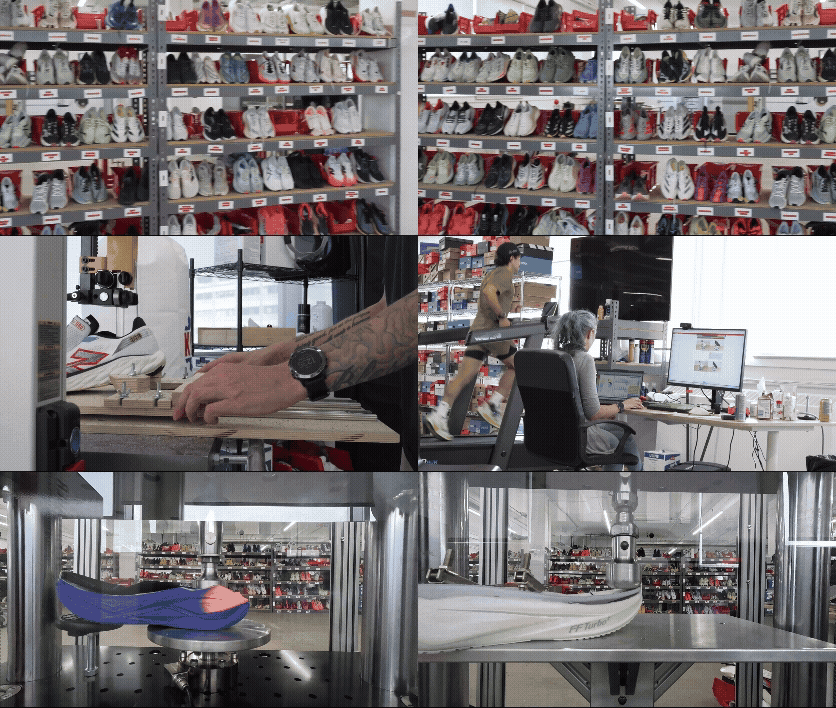
We've bought and tested more than 250 running shoes. Every pair purchased with our own money, never supplied or sponsored by brands. Our data-driven tests are designed to go beyond marketing claims, and since every shoe goes through the exact same methodology, you can directly compare results to find the right pair for your needs.
Test Results
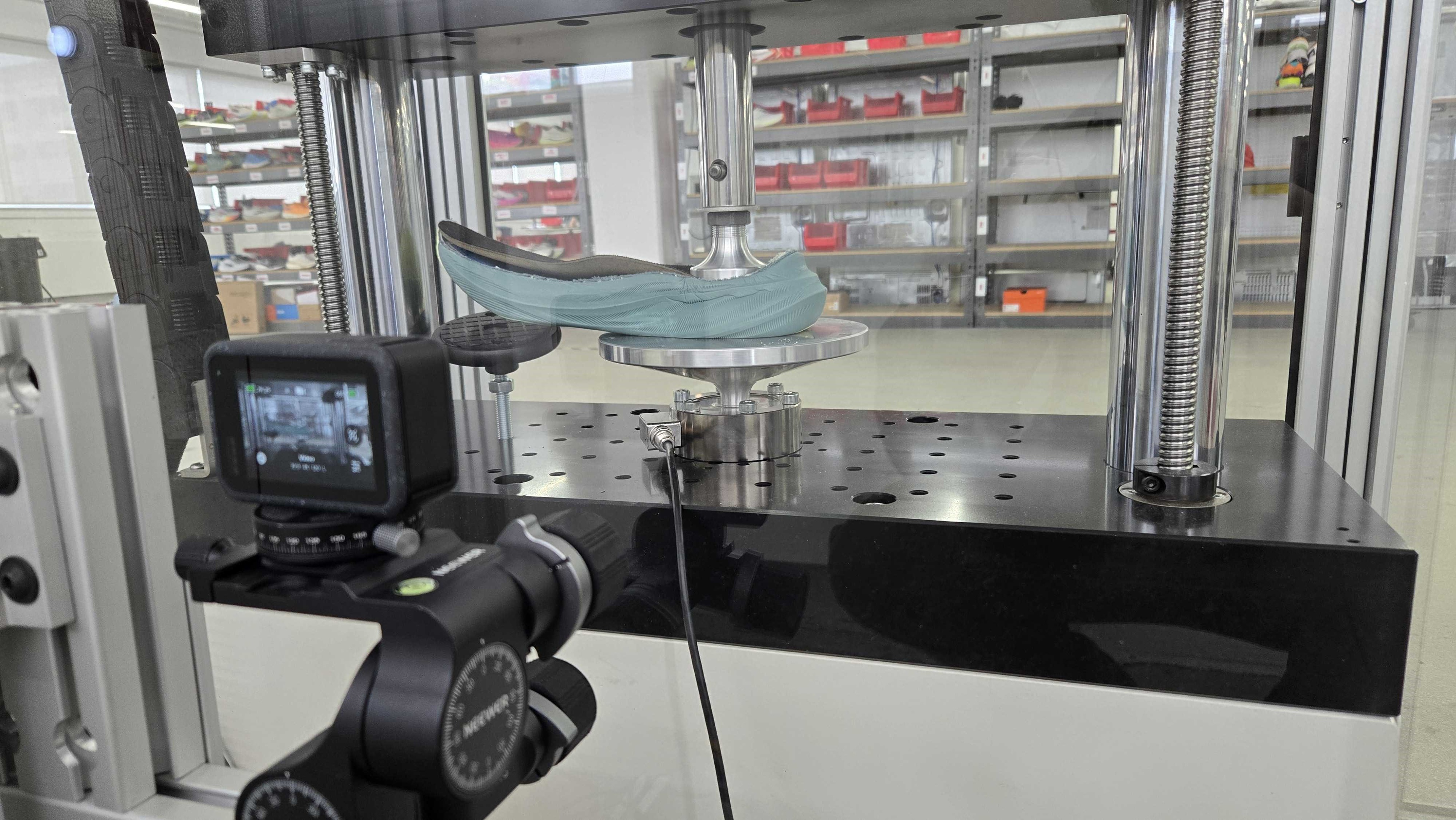
Energy Return

There's a bit more energy return in the forefoot, but it's still bad overall. The foam in the midsole simply doesn't allow for very propulsive toe-offs. It's notably firmer than a more well-rounded shoe like the ASICS SUPERBLAST 2 and doesn't return enough energy for a more responsive ride.

Stability
The ASICS GEL-NIMBUS 26 has good lateral stability. The shoe has a very wide outsole that provides a stable platform, and its fully gusseted tongue and secure upper allow for good lockdown. The foam is also quite firm, especially in the forefoot, offering more stability and control. That said, its high stack height can take some getting used to.
Wide outsole platform.
Fully gusseted tongue creates solid lockdown.
Foam is quite firm overall.
High stack height.

The foam in the heel is reasonably firm, but it feels softer at higher forces. It provides enough stability for easier runs and forefoot strikers, though heavier runners and heel strikers will find it less rigid.

Cushioning
The ASICS GEL-NIMBUS 26 provides a good amount of cushioning. It's especially well-cushioned in the heel at higher forces, making it a good option for heavier runners and heel strikers.
Decent cushioning.
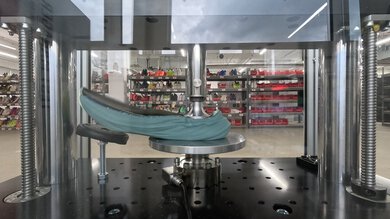

The cushioning at the heel is good. It does an especially good job of absorbing energy at higher forces, making it a good fit for heavier runners or heel strikers who want a bit more protection underfoot.
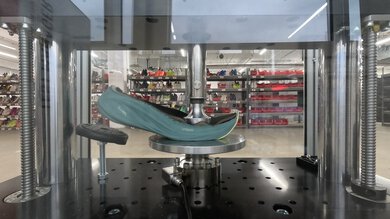

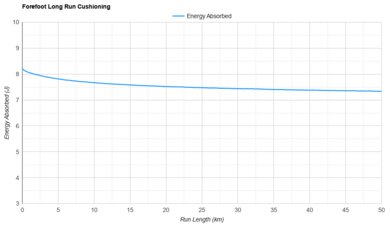
The forefoot cushioning does a good job of absorbing impact. However, if you prefer to have more ground feel, a less cushioned daily trainer like the HOKA Clifton 9 might be a better fit.
Responsiveness
The ASICS GEL-NIMBUS 26 has terrible overall energy return. Its foam absorbs a lot of energy, especially in the heel, making for a less responsive ride.
Bad energy return.


True To Size
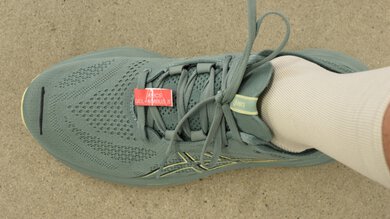
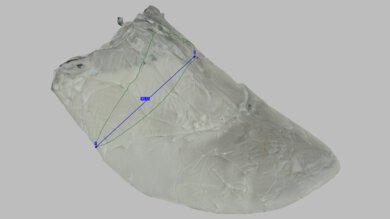
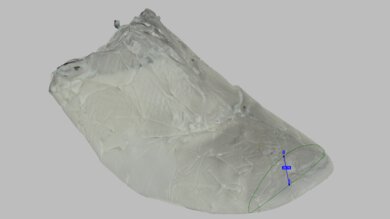
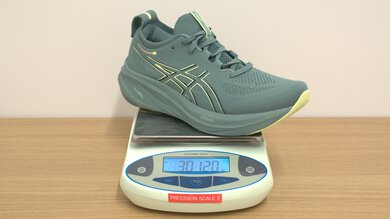
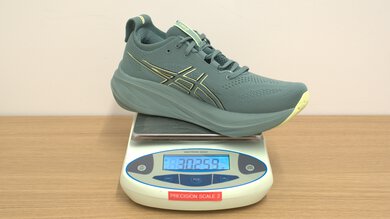
This isn't a particularly lightweight shoe, making it less suited to up-tempo runs and races.
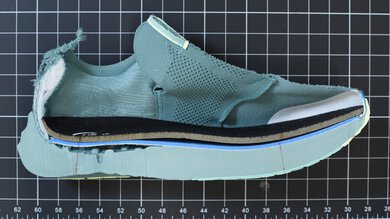
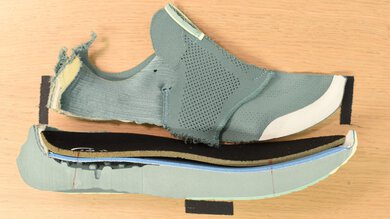
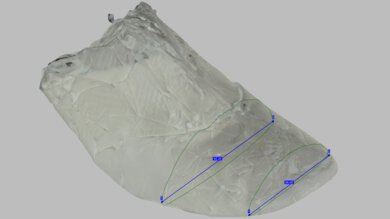
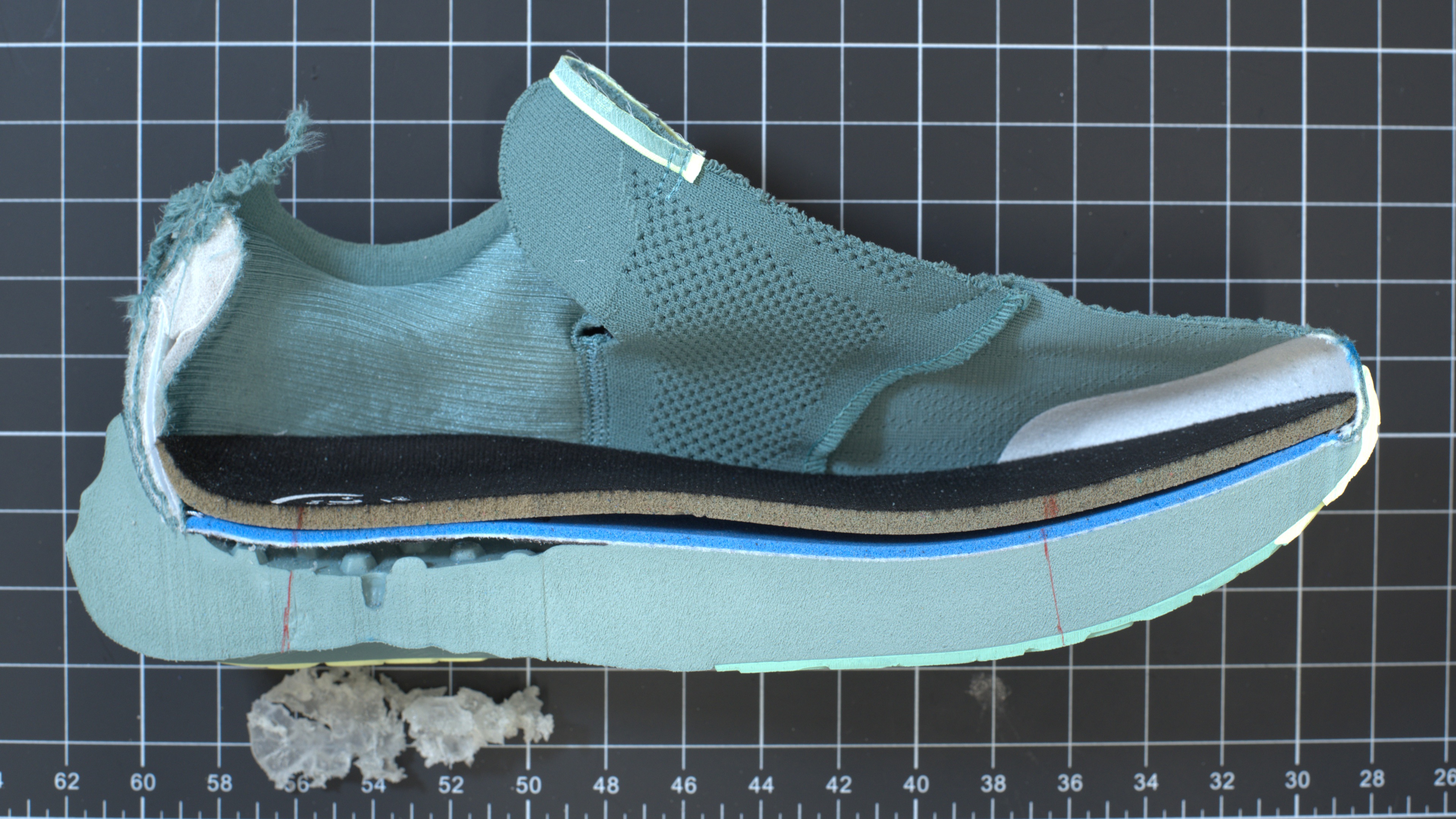
The shoe's PureGEL midsole insert was displaced when cutting it, but we've included a picture of the PureGEL beneath the shoe so you can see what it looks like.

Popular Running Shoe Comparisons
The ASICS GEL-NIMBUS 26 is a cushioned and comfortable shoe that's especially well-suited to longer, recovery, and easy runs. ASICS has redesigned the upper and the rubber outsole grip compared to the ASICS GEL-NIMBUS 25, as well as updated the midsole with a firmer iteration of its FF BLAST™ PLUS ECO foam. It isn't particularly lightweight but provides a stable, comfortable ride for those who prefer a higher stack height.
For more options, check out our recommendations for the best running shoes.
The ASICS GEL-NIMBUS 26 and the HOKA Clifton 9 are both popular, well-cushioned daily trainers, but each has its own advantages. The HOKA is lighter and offers better energy return, making it a bit more versatile. The ASICS, meanwhile, has a wider base and offers better lateral stability, making it a somewhat smoother ride for easy miles.
The ASICS GEL-KAYANO 31 and ASICS GEL-NIMBUS 26 are both popular and long-standing models in ASICS' lineup, but they suit different needs. The GEL-KAYANO 31 is aimed at runners who need more stability, with dedicated support elements and a slightly wider outsole. The GEL-NIMBUS 26, on the other hand, is a more neutral daily trainer designed for maximum comfort, with a slightly higher stack height and more balanced cushioning in the heel and forefoot.
The ASICS GEL-NIMBUS 26 and Saucony Triumph 22 are both premium daily trainers built for comfortable, easy runs. Both are on the heavier side, but the Triumph 22 is lighter and uses a higher-end midsole that delivers more energy return. The GEL-NIMBUS 26, on the other hand, has a higher stack height and more balanced cushioning. If you want max softness, go with the Nimbus; if you value a bit more versatility, the Triumph is the better pick.
The ASICS NOVABLAST 4 and the ASICS GEL-NIMBUS 26 are both solid daily trainers in ASICS' lineup, but they excel in different areas. The NOVABLAST 4 is more versatile and better at picking up the pace, with better energy return and a notably lighter weight. However, the GEL-NIMBUS 26 is firmer overall, offering more stability and making it a good fit for easy runs at slower paces.
The ASICS GLIDERIDE MAX is like a slightly more elevated (literally and figuratively) ASICS GEL-NIMBUS 26. While both are designed with high-stack, max comfort in mind, the GLIDERIDE MAX is a bit lighter and has some added features, like a rocker and a partial EVA plate, that give it a slightly smoother ride. It's also got a more premium foam, which is softer in the heel.
Differences Between Sizes And Variants
We bought and tested the ASICS GEL-NIMBUS 26 in Men's US size 9 in the Celadon/Light Celadon colorway, as viewable on the label.
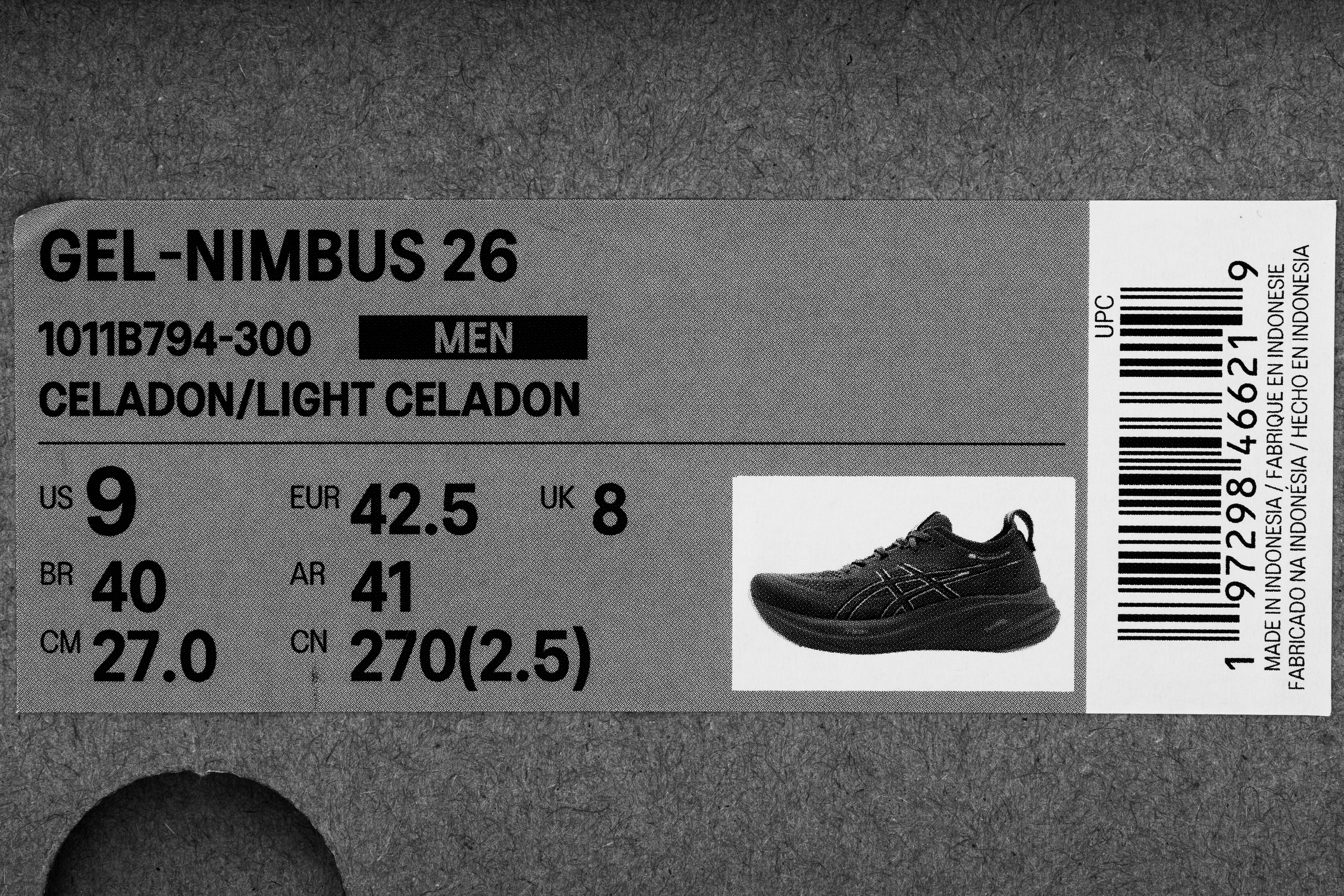
Depending on your region, the shoe comes in several other color options, including Black/Graphite Grey, White/Birch, and Sheet Rock/Thunder Blue. At the same time, the women's version includes additional colorways like Blue Expanse/Aurora Green and Mint Tint/Pale Mint.
There are wide versions available for both men's and women's models.