The Saucony Endorphin Azura is a high-stack, unplated performance trainer designed for runners who want one shoe to handle all of their training. The great cushioning absorbs impact impressively over longer efforts, while the very good rebound helps make daily miles more efficient without making the shoe demanding to run in. The forefoot gives a forceful push-off that works well for faster workouts, while the decent stability keeps it approachable for regular training. However, it isn't especially plush or bouncy, relying more on its rocker and firmer forefoot to carry you through the stride.
| ✅ Buy If: | ❌ Skip If: |
|
|
Our Verdict
The Saucony Endorphin Azura is a very good marathon shoe, especially for runners who want to race without a plate. The great cushioning absorbs impact impressively as the distance builds, while the very good rebound helps make marathon pace easier to sustain. The stiff forefoot also provides plenty of leverage through toe-off, giving the shoe a forceful push-off without relying on a plate. However, it's heavy for a racing shoe, so it won't feel as nimble as a dedicated marathon racer.
Great cushioning delivers impressive shock absorption over the distance.
Very good rebound makes sustained marathon pace more efficient
Stiff forefoot provides plenty of leverage through toe-off.
Heavy for a dedicated racer.
The Saucony Endorphin Azura is a decent option for 5K and 10K racing. Its firm forefoot resists bending very well, creating a rigid lever for a forceful push-off, while it gives back a good amount of the energy stored as it unbends, making it efficient at faster paces. However, it's heavy for a short-distance racer, and the forefoot rocker provides only adequate assistance through toe-off compared with more aggressive race shoes.
Rigid forefoot provides excellent leverage for a forceful push-off.
Good energy return as the forefoot unbends keeps toe-off efficient.
Heavy for a dedicated racer.
Forefoot rocker isn't the most assistive for a fast toe-off.
The Saucony Endorphin Azura is a very good long-run shoe. Its decent stability keeps the ride controlled as fatigue builds, while its great cushioning protects your legs impressively from repeated impact. That protection also holds up very well as the miles add up. However, the forefoot rocker isn't the most propulsive through toe-off.
Great cushioning keeps your legs well protected.
Cushioning holds up very well over long distances.
Decent stability keeps the ride controlled when tired.
Forefoot isn't the most assistive through stride.
The Saucony Endorphin Azura is a great daily trainer. The great cushioning keeps regular mileage well protected, while the decent stability keeps the high-stack platform controlled across day-to-day running. The unplated design keeps the ride more approachable for regular training, and the great heel rocker does an excellent job of moving heel strikers into midstance.
Great cushioning keeps regular mileage highly protective.
Decent stability works well for everyday running.
Great heel rocker moves heel strikers smoothly into midstance.
Changelog
- Updated Sep 23, 2026: We've updated this review to Test Bench 0.16, expanding our coverage with new tests for breathability, water absorption, and drying time. For more details, see the changelog.
- Updated Jul 16, 2026: We've converted this review to Test Bench 0.15, which replaces Responsiveness with three specific performance usages: Bounciness, Snappiness, and Roll. To read more about the changes, see the changelog.
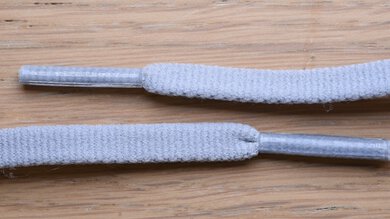
- Updated Jul 09, 2026: We've converted this review to Test Bench 0.14, which adds new lace-specific results. We've included a close-up photo of the laces, as well as details including lace type, width, thickness, and stretch. To read more about the changes, see the changelog.
- Updated Jun 30, 2026: We've converted this review to Test Bench 0.13, which identifies the different foams used in the shoe's midsole. We've included a microscopic image of the foam cells to give you an idea of what the microstructure looks like. To read more about the changes, see the changelog.
- Updated Jun 17, 2026: We've converted this review to Test Bench 0.12, which fixes how we measure firmness, a component of the Stability and 5K/10K Racing usages. There may be inconsistencies between the text and the scores for these usages, but the scores should still be considered valid. We've also brought back the Energy Return score and added two new usages: Daily Training and Long Run. To read more about the changes, see the changelog.
-
Updated Apr 30, 2026:
We've updated this review to add text for the new Responsiveness usage box and made minor phrasing adjustments throughout the review for consistency.
- Updated Apr 28, 2026: We've converted this review to Test Bench 0.11, adding two new rocker measurements to the Design section, and three new responsiveness tests to the Performance section. The Energy Return usage score has been replaced with Responsiveness. Check out the details in our changelog.
-
Updated Feb 24, 2026:
Following Test Bench 0.10, we wrote the full review with the most recent testing and results available.
- Updated Feb 20, 2026: We've converted this review to Test Bench 0.10, adding a new set of fit tests to the Design section and an overall fit performance usage. Check out the details in our changelog.
- Updated Feb 16, 2026: Review published.
- Updated Feb 02, 2026: Our testers have started testing this product.
- Updated Jan 29, 2026: The product has arrived in our lab, and our testers will start evaluating it soon.
- Updated Jan 23, 2026: We've purchased the product and are waiting for it to arrive in our lab.
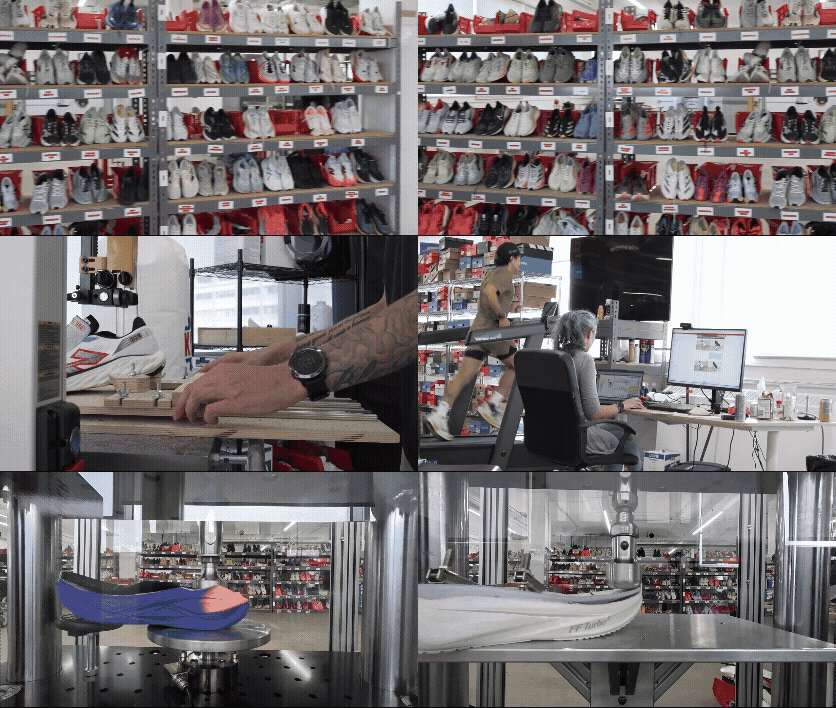
We've bought and tested more than 250 running shoes. Every pair purchased with our own money, never supplied or sponsored by brands. Our data-driven tests are designed to go beyond marketing claims, and since every shoe goes through the exact same methodology, you can directly compare results to find the right pair for your needs.
Test Results
Energy Return
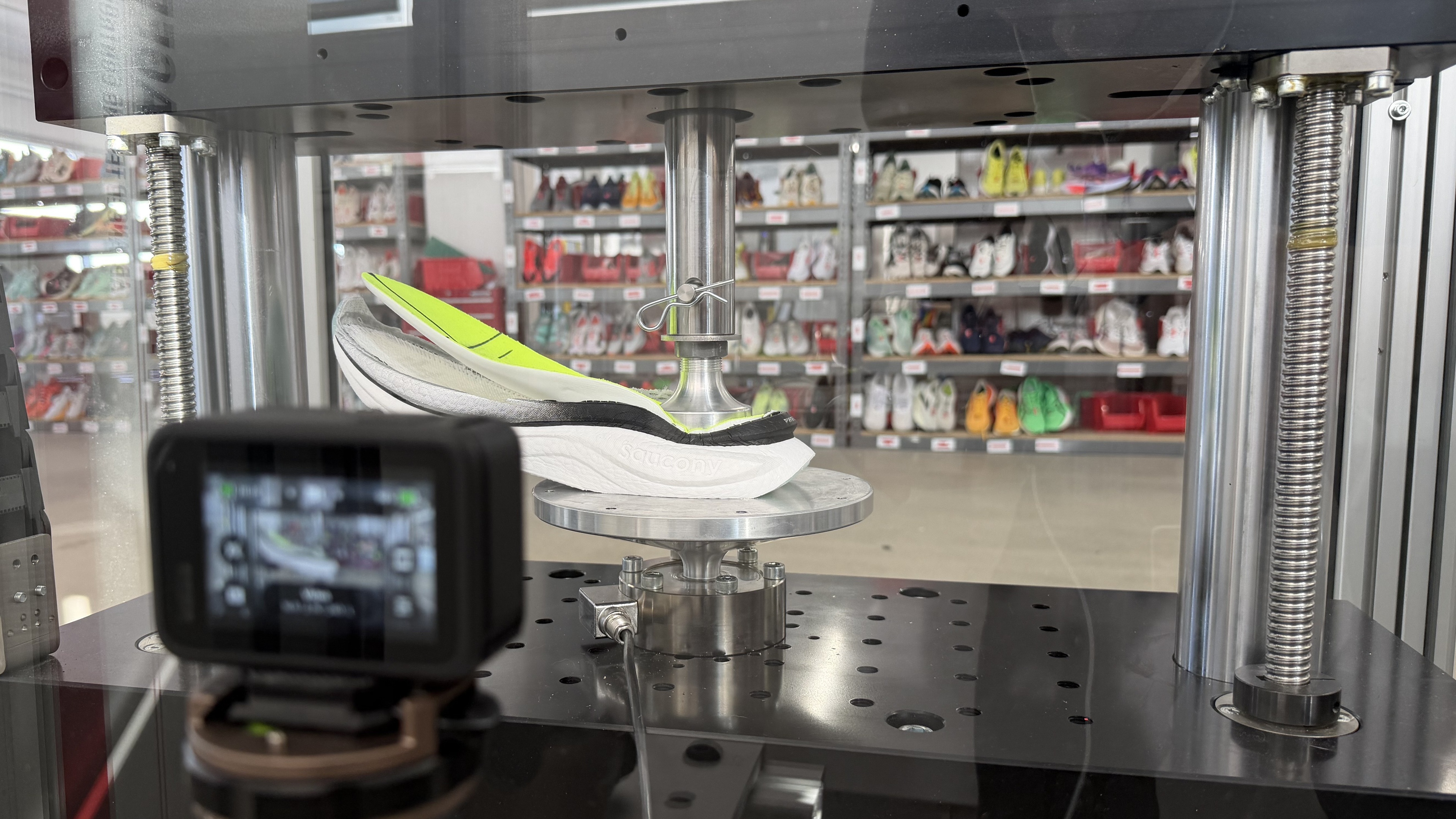
The Saucony Endorphin Azura has great energy return. The forefoot gives back an impressive amount through toe-off, making faster running efficient, while the heel also rebounds very well for rearfoot strikers.
Impressive forefoot rebound keeps toe-off energetic.
Very good heel rebound works well for rearfoot strikers.
Efficient ride works well when you want to run faster.
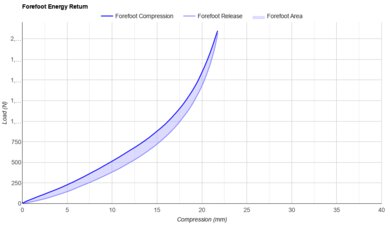
The forefoot has great energy return. It gives back an impressive amount as the foam decompresses, keeping toe-off lively and efficient during faster running. It's slightly less lively than the adidas Adizero Evo SL but better than the ASICS SUPERBLAST 3.
Stability
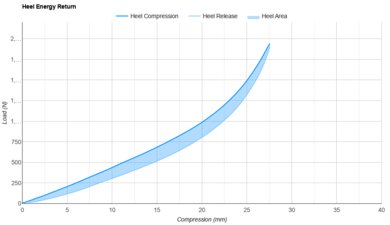
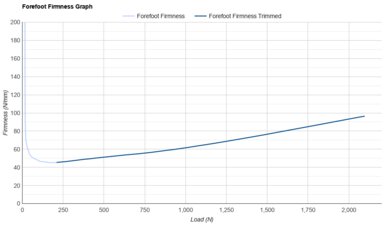
The Saucony Endorphin Azura has decent stability overall. The heel and forefoot are both firm enough to provide a controlled base, while the wide heel gives rearfoot strikers plenty of support on landing. However, the outsole narrows noticeably through the arch, so midfoot landings and transitions aren't quite as secure.
Wide heel provides plenty of support on landing.
Narrower arch provides less support through midstance.
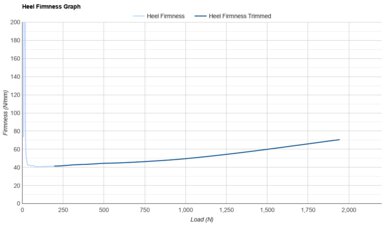
The heel is decently firm, keeping landings controlled without becoming overly harsh. It's considerably firmer than the ASICS SUPERBLAST 3.
Cushioning
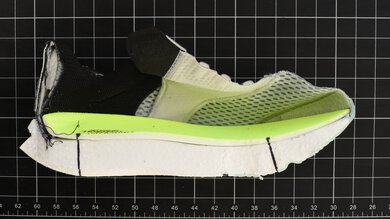
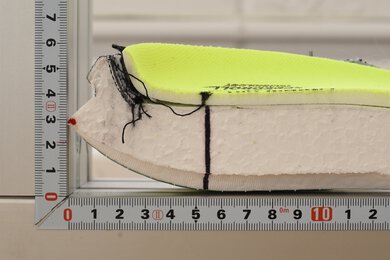
The Saucony Endorphin Azura has great cushioning overall. The forefoot provides excellent impact protection across different forces, so it works well for runners of different weights and paces. The heel becomes significantly more protective as loads increase, meaning lighter runners at relaxed paces may find rearfoot landings a bit harsher. The midsole also holds up very well over long runs.
Excellent forefoot cushioning works well across different weights and paces.
Heel cushioning becomes more protective as forces increase.
Protection holds up very well over extended efforts.
Heel can feel harsh for lighter runners at easy paces.
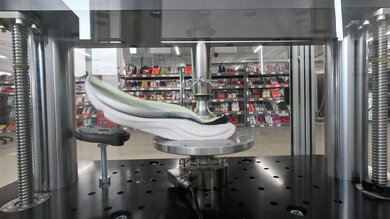
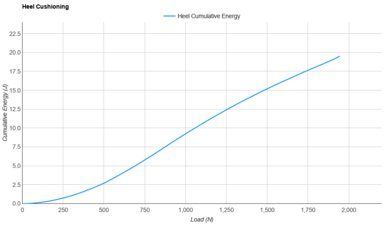
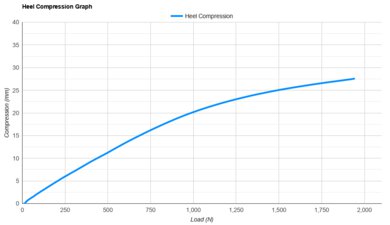
The Saucony Endorphin Azura has great heel cushioning overall, though protection varies considerably with force. It provides decent shock absorption for lighter runners at relaxed paces, but gets even better as loads increase, making it especially protective for heavier runners or faster running.
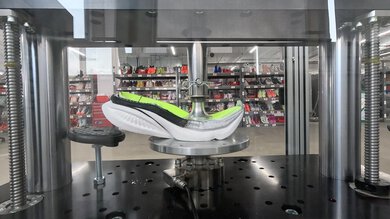
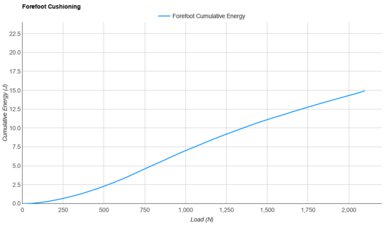
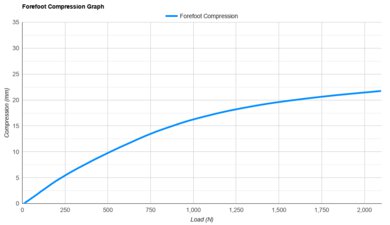
The forefoot has excellent cushioning. It absorbs an impressive amount of impact across a range of force levels, keeping runners well protected, no matter their weight or pace.
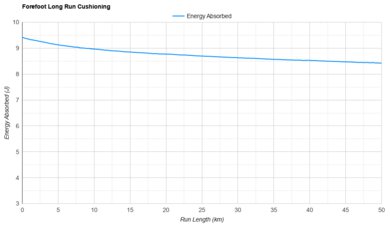
The Saucony Endorphin Azura stays very protective as mileage increases. Cushioning drops gradually over 40 km but still provides very good impact protection. It holds up better than the adidas Adizero Evo SL, though the ASICS SUPERBLAST 3 remains significantly more protective overall.
Bounciness
The Saucony Endorphin Azura has okay bounciness. The midsole doesn't compress especially deeply at either the heel or forefoot, so there isn't a pronounced trampoline effect. However, it rebounds very well after compressing, keeping the ride lively despite the relatively shallow sink under load.
Very good rebound overall keeps toe-off lively.
Midsole doesn't compresses deeply enough for truly impressive spring.
Snappiness
The Saucony Endorphin Azura has good snappiness. The forefoot resists bending very well, creating a rigid lever through toe-off, and it returns a good amount of the energy stored as it unbends. The firm forefoot adds further leverage, though the rocker geometry isn’t the most assistive through push-off.
Rigid forefoot creates excellent leverage through toe-off.
Good energy return as the forefoot unbends keeps push-off efficient.
Firm forefoot provides a secure base for faster running.
Forefoot rocker doesn't promote a truly propulsive toe-off.
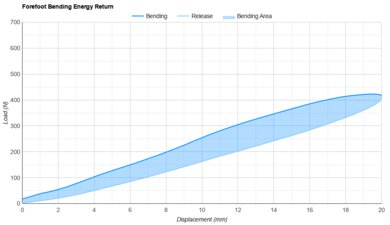
The forefoot returns a good amount of the energy stored as it bends, springing back efficiently through toe-off. This helps the shoe produce a quick push-off without relying on a plate.
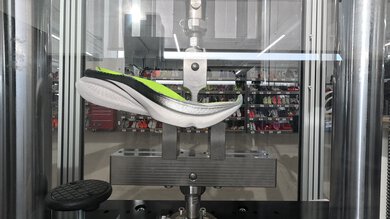
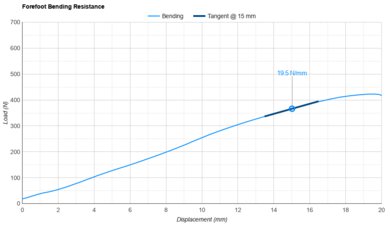
The forefoot takes a great amount of force to bend, creating a rigid lever that provides plenty of leverage through toe-off. It resists bending much more than either the adidas Adizero Evo SL or the ASICS SUPERBLAST 3.
Roll
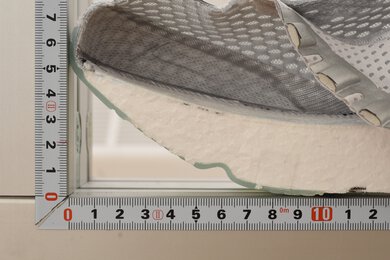
The Saucony Endorphin Azura rolls well through the stride. The rocker resists flattening under load, helping the shoe maintain its curved shape and guide you forward. The rigid forefoot also keeps the front of the shoe structured through toe-off. However, the forefoot rocker is a bit tame, so the rollover isn't especially aggressive.
Rocker holds its shape well and guides the stride forward.
Rigid forefoot keeps toe-off structured.
Great heel geometry moves heel strikers efficiently into midstance.
Forefoot rocker isn't the most assistive through push-off.
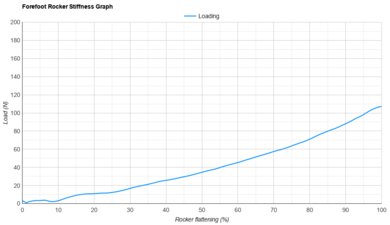
The rocker takes a good amount of force to flatten, so it holds its shape well under load and provides useful assistance as you move through the stride.
True To Size
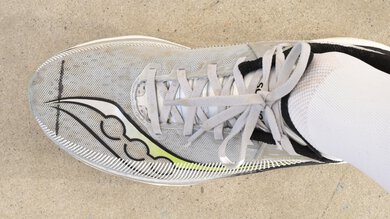
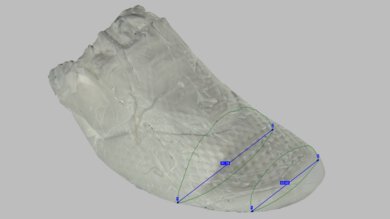
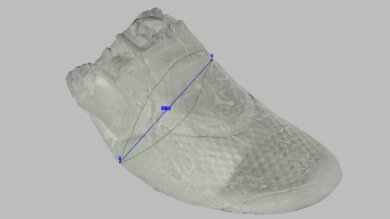
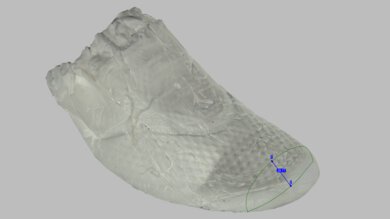
The Saucony Endorphin Azura fits true to size overall. The length is spot on, while the forefoot and arch width sit very close to our reference fit. There's also a good amount of vertical room in the toe box, so you can confidently choose your usual size.
Length is spot on.
Forefoot width sits very close to our reference fit.
Roomy arch.
Roomy toe box height will work for all runners.
Wet & Warm Weather
The Saucony Endorphin Azura is decent for wet and warm weather. Its good breathability helps keep your feet from overheating on long or hot runs, while it absorbs relatively little water when soaked. However, it takes well over a day to fully dry, so it may still be damp if you want to use it again the following day.
Good breathability works well in warmer weather.
Great water resistance keeps weight gain relatively low in the rain.
Takes well over a day to fully dry.


The upper has good breathability, allowing enough airflow to keep your feet from overheating on hot days or during longer efforts. It has similar performance to the adidas Adizero Evo SL.


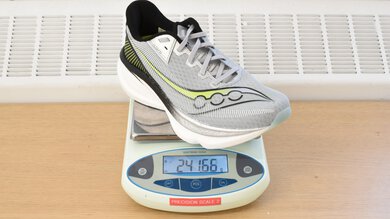
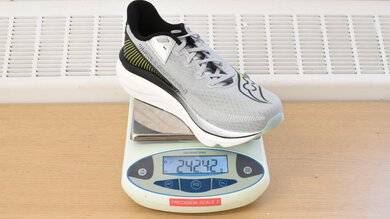
Though heavier than the adidas Adizero Evo SL, the Saucony Endorphin Azura is still light for such a high-stack shoe.
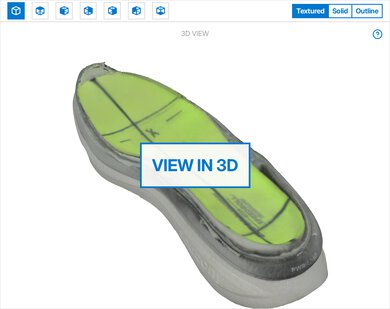
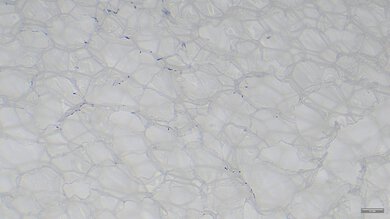
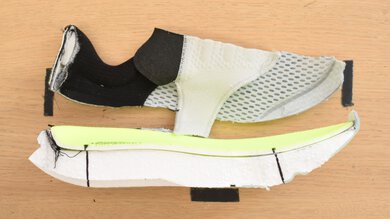
The Saucony Endorphin Azura uses PWRRUN PB, a beaded PEBA also found in the Saucony Endorphin Speed 5. This premium foam is what gives the shoe its very good rebound and deep cushioning, while still remaining relatively lightweight.
Popular Running Shoe Comparisons
The Saucony Endorphin Azura sits alongside unplated performance trainers like the adidas Adizero Evo SL and ASICS SUPERBLAST 3. Compared to those shoes, the Azura relies more on its rocker and firmer forefoot to carry you through the stride, while the Evo SL is lighter and less rocker-biased, with slightly better rebound but less cushioning and stability. The ASICS SUPERBLAST 3 is much more cushioned and bouncier, but the Azura is more stable and significantly snappier, giving it a firmer, more controlled character. All three can cover a broad range of training, but the Azura is the pick for runners who want an unplated performance trainer with more guidance through the stride and less emphasis on a deep, bouncy ride.
If you're looking for more options from the brand, check out our recommendations for the best Saucony running shoes. If you're looking to run a marathon, check out our picks for the best shoes for running a marathon.
The Saucony Endorphin Speed 5 is the better choice than the Saucony Endorphin Azura for workouts. It's lighter, and its plastic plate gives it more help at faster paces. The Azura is more cushioned and more versatile, so get it if you want one shoe for a broader range of training.
The Saucony Endorphin Azura has the edge over the ASICS SUPERBLAST 3 especially for tempo runs. It is more stable underfoot. It has lively energy return that adds some range to its daily use. It can cover a range of paces within regular training. The SUPERBLAST 3 absorbs more impact, making it more comfortable for easy miles. It is lightweight, which helps it feel less demanding over repeated training miles.
The ASICS MEGABLAST and Saucony Endorphin Azura are versatile, unplated performance trainers with very different rides. The ASICS is lighter, more cushioned, and bouncier, making it the better option if you want a softer, more energetic ride. The Saucony is more stable and significantly snappier, with a firmer, more rocker-biased ride that provides greater leverage through toe-off. Get the ASICS for bounce and protection; get the Saucony for a more stable, geometry-led ride.
The Saucony Endorphin Azura is a more versatile shoe than the Saucony Ride 19. It's lighter, more cushioned, and more protective over long distances, while its livelier ride gives it more range for faster training. The Ride 19 is more stable and grounded, making it the better option for runners who mainly want a straightforward daily trainer for relaxed mileage.
The adidas Adizero Evo SL is a better pick than the Saucony Endorphin Azura if you want a lighter, livelier trainer for routine miles. Though the Azura is more cushioned and more stable, it’s also a firmer shoe that’s less fun through each stride. Both shoes can handle most training, but if you prefer a more rigid shoe with better impact protection get the Azura; otherwise get Evo SL.
The Saucony Endorphin Azura is a better shoe than the HOKA Clifton 10. It's lighter, more cushioned, and livelier, making it better suited to long runs and faster training as well as regular mileage. The HOKA is more stable and better suited to runners who mainly want a simple shoe for relaxed running.
The Saucony Endorphin Azura is a better option than the PUMA Deviate Pure NITRO for longer efforts. It's more cushioned and gives more help as you push off, making it the more performance-focused ride. The PUMA is lighter and more stable, so it suits runners who want a more controlled daily trainer.
The Dynafish Xiaonian is a better choice than the Saucony Endorphin Azura for most runners. It's much lighter and more cushioned, and its curved sole helps carry you through each stride, but it's currently harder to buy. The Azura is easier to find, and its stiffer front gives you more leverage as you push off, so it suits runners who prefer a firmer feel.
The Saucony Endorphin Pro 5 and Saucony Endorphin Azura serve different roles despite both being performance-focused shoes. The Pro 5 is considerably lighter and uses a carbon plate, making it the more race-focused option. The Azura is unplated and more cushioned, making it better suited to daily training and longer workouts where outright racing performance is less important.
The Topo Specter 3 is a better choice than the Saucony Endorphin Azura if you want a lively, bouncy ride. It's lighter, softer, and more energetic, with a roomy toe box. The Saucony is firmer and much more stable, with a curved sole that carries you through each stride, making it the more trustworthy pick.
The On Cloudmonster 3 Hyper and Saucony Endorphin Azura are both plateless, cushioned shoes, but they target different parts of a rotation. The On leans more into cushioning with a taller stack height, creating a more protective, comfort-first ride that's better suited to recovery runs and relaxed mileage, though it can feel a bit more cumbersome. The Saucony is lighter and more versatile, with a more energetic midsole that makes it easier to pick up the pace and handle a wider range of efforts.
The Saucony Endorphin Azura is a better trainer than the New Balance Ellipse. It's lighter and more energetic, giving it more range for faster running while still providing plenty of protection for regular mileage. The New Balance is more stable and better suited to runners who mainly want a predictable shoe for easy miles.
Differences Between Sizes And Variants
We bought and tested the Saucony Endorphin Azura in men's US size 9, as noted on the label for our pair. The pair we purchased is the Silver/Black colorway, but you can also buy the shoe in a wide range of colors, depending on the region. This includes options like Black, White Sage/Laurel, White/Crimson, White/Gum, Navy, Sunrise, and White/Splash, among others. This model isn't available in wide versions. The design section applies only to the exact model we tested, but we expect other sizes and gender variants to perform similarly.