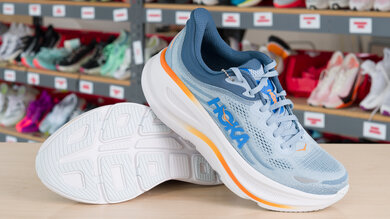
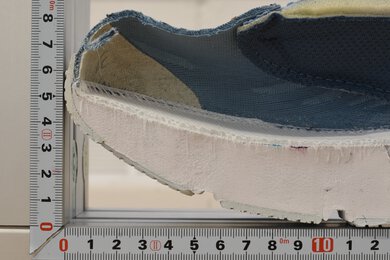
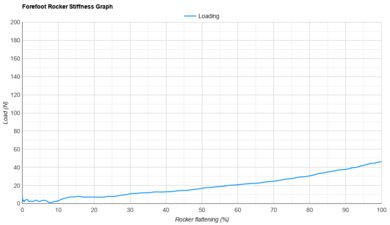
The HOKA Bondi 9 is a premium daily trainer built for cushioning and protection, and serves as a key update to the long-running series. Runners looking for a dependable shoe for easy, long, or recovery runs at relaxed paces will be satisfied, as the switch from the stiff compression-molded EVA of its predecessor, the HOKA Bondi 8, to the same supercritical EVA foam found in their lightweight daily trainer, the HOKA Mach 6, delivers significant improvements in energy return and shock absorption. Make no mistake, though, underfoot it's still undeniably a Bondi, retaining the firmer ride and mild rocker geometry long-time fans of the series will recognize immediately. It is, however, a far softer and lighter trainer, with smoother heel-to-toe transitions and a much more modern feel, though it still isn't a particularly snappy shoe by design.
Our Verdict
The HOKA Bondi 9 isn't built for race day. Its weight and bulky geometry, combined with only adequate energy return, make it difficult to really push the pace over marathon distances. That said, the shoe's cushioning still does a good job keeping long efforts comfortable, though the narrow fit may become restrictive once foot swelling starts to build.
Excellent cushioning for a comfortable and protective ride.
True-to-size length.
Not enough energy return.
Heavy weight reduces its overall performance.
The HOKA Bondi 9 wasn't designed as a short-distance racing shoe. While you can still use it for shorter races, its foam density, weight, and limited energy return don't give the shoe the snappy feel needed to really push the pace.
True-to-size length.
Not enough energy return.
Heavy weight reduces its overall performance.
True-to-size length.
True-to-size length.
Changelog
-
Updated Aug 06, 2026:
We've updated this review to add a link to the newly reviewed Brooks Ghost Max 4 in the Heel Cushioning box.
-
Updated Jul 23, 2026:
We've updated the Popular Comparisons section to add a link to the newly reviewed HOKA Clifton PRO.
-
Updated Jul 16, 2026:
We've updated the Popular Comparison section and Weight box to include a link to the newly reviewed HOKA Clifton 11.
- Updated Jun 17, 2026: We've converted this review to Test Bench 0.12, which fixes how we measure firmness, a component of the Stability and 5K/10K Racing usages. There may be inconsistencies between the text and the scores for these usages, but the scores should still be considered valid. We've also brought back the Energy Return score and added two new usages: Daily Training and Long Run. To read more about the changes, see the changelog.
-
Updated May 29, 2026:
We've updated the Popular Comparisons section to include a link to the newly reviewed HOKA Skyward X 2.
-
Updated May 11, 2026:
We refreshed the Introduction and Popular Running Shoe Comparisons sections to provide more historical context, updated the 5K/10K, Cushioning, Responsiveness, Marathon Racing, Weight, Performance, Lateral Stability, True to Size, Heel Compression, and Forefoot Cushioning boxes for consistency, and revised the side-by-side comparisons to reflect these changes.
-
Updated Apr 30, 2026:
We've updated this review to add text for the new Responsiveness usage box and made minor phrasing adjustments throughout the review for consistency.
- Updated Apr 28, 2026: We've converted this review to Test Bench 0.11, adding two new rocker measurements to the Design section, and three new responsiveness tests to the Performance section. The Energy Return usage score has been replaced with Responsiveness. Check out the details in our changelog.
-
Updated Apr 08, 2026:
We refreshed the lineup section of the Popular Running Shoe Comparisons box.
-
Updated Feb 16, 2026:
We updated the review to include text for the full set of new fit tests and the corresponding usage box, which were recently added to our test bench.
- Updated Feb 16, 2026: We've converted this review to Test Bench 0.10, adding a new set of fit tests to the Design section and an overall fit performance usage. Check out the details in our changelog.
- Updated Nov 20, 2025: We've converted this review to Test Bench 0.9, which adds a Forefoot Long Run Cushioning test to our performance section. Read more in our changelog.
- Updated Oct 31, 2025: Review published.
- Updated Oct 05, 2025: Early access published.
- Updated Jul 15, 2025: Our testers have started testing this product.
- Updated Jun 23, 2025: The product has arrived in our lab, and our testers will start evaluating it soon.
- Updated Jun 20, 2025: We've purchased the product and are waiting for it to arrive in our lab.
We've bought and tested more than 250 running shoes. Every pair purchased with our own money, never supplied or sponsored by brands. Our data-driven tests are designed to go beyond marketing claims, and since every shoe goes through the exact same methodology, you can directly compare results to find the right pair for your needs.
Test Results

Energy Return
True-to-size length.
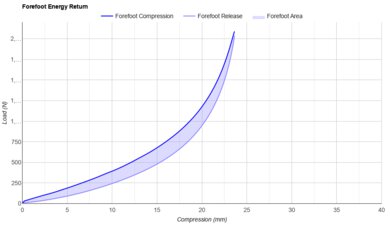
The forefoot on this shoe offers more substantial energy return than most max-cushioned models, helping each stride feel livelier. The supercritical EVA foam adds extra bounce to the ride, helping it feel less sluggish and more responsive during longer runs.
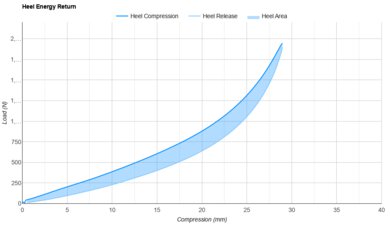
The HOKA Bondi 9 offers an acceptable amount of heel energy return, giving each landing a more energetic feel than the previous iteration while outperforming comparable shoes like the PUMA MagMax NITRO and the ASICS GEL-NIMBUS 27.
Stability
The HOKA Bondi 9 provides satisfactory lateral stability. The shoe has a wide base flare that helps offset its tall stack height, while the firmer forefoot helps the platform feel stable when pushing off.
Wide base platform.
Firm midsole at the forefoot.
True-to-size length.
On the higher side for stack height.
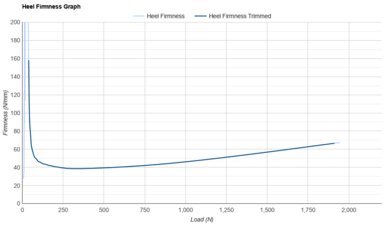
The heel on this shoe is very soft. For those who heel strike, this may feel overly squishy and cause instability at initial impact before transitioning through the midsole to toe off.
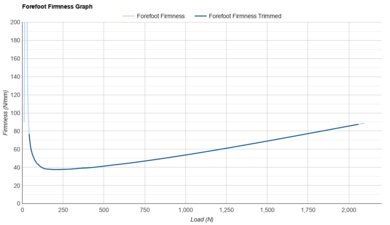
This shoe's forefoot firmness remains quite soft under light to medium loads, complementing the new liveliness the updated midsole brings. However, it remains a stable platform for pushing off, offering a more controlled and protected feel. The shoe's broad base further enhances this, providing a comfortable ride.
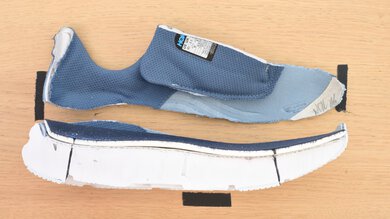
Cushioning
The HOKA Bondi 9's biggest strength is its cushioning. The supercritical EVA foam midsole offers excellent impact protection and a comfortable ride for easy and recovery runs.
Excellent protection
.
Tall stack height.
True-to-size length.
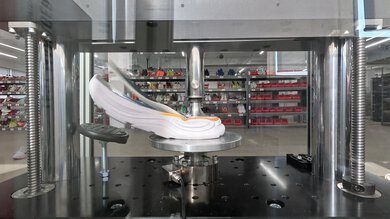
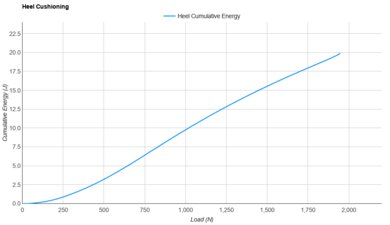
The HOKA Bondi 9's heel consistently absorbs impact efficiently and keeps heel-to-toe transitions smooth. It provides exceptionally reliable comfort and support for runners seeking a protective ride. It's the standard that other shoes that claim to be "max-cushion", like the Brooks Ghost Max 4, should follow.
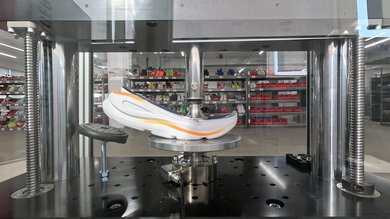
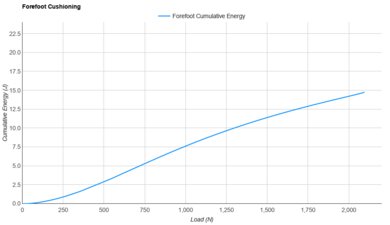
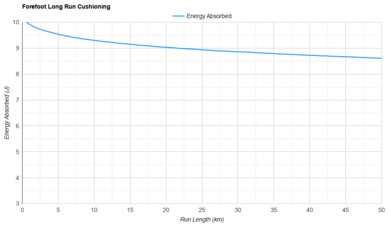
The forefoot cushioning on this shoe is amazing. The shoe's iconic wide platform base in the forefoot, combined with supercritical EVA foam from the HOKA Mach 6, makes for a protective ride.
Responsiveness
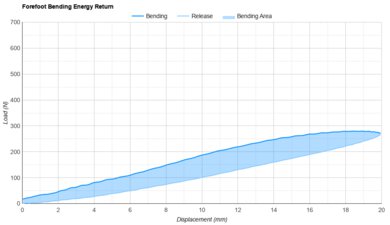
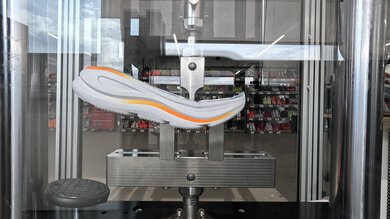
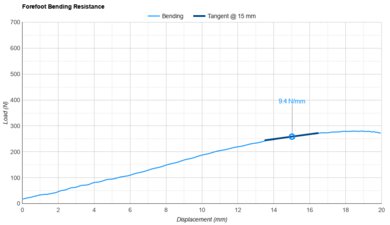
The HOKA Bondi 9 is adequately responsive. The updated supercritical EVA foam provides a reasonable amount of energy return, and, even though there's a decent rocker, it lacks the stiffness needed to keep shape under force, meaning the shoe struggles to generate much propulsion during harder efforts.
Energy return is balanced across heel and forefoot.
True-to-size length.
True To Size
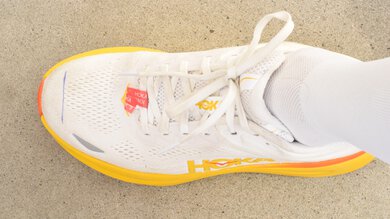
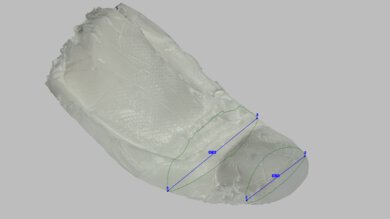
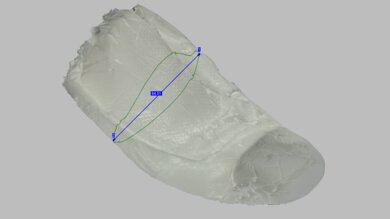
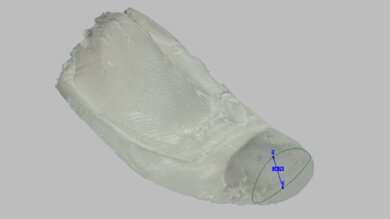
The HOKA Bondi 9 delivers an excellent true-to-size fit that feels comfortable for most runners. The length feels spot-on, though the forefoot width tapers slightly and may feel narrow around the toes, especially for runners with a wider forefoot or those who prefer extra toe splay. In that case, HOKA offers a wide version that offers a more roomy fit up front.
Enough room for most at the arch and ball of foot.
True-to-size length.
Very narrow in the toe area.

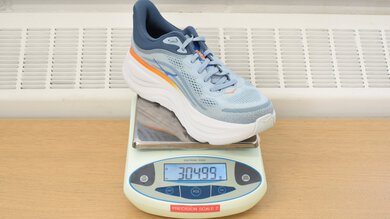
The Bondi has always been an unapologetically bulky shoe, and even though this generation has lost some weight (thanks in part to the updated foam composition), it remains on the heavier side of premium daily trainers, and is much heavier than the HOKA Clifton 11.
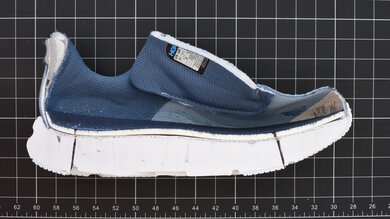
Popular Running Shoe Comparisons
The HOKA Bondi 9 enters a much more crowded category than its predecessors. Once a defining shoe in the movement away from low-stack minimalist trainers toward highly cushioned models, in recent years, you could be forgiven for thinking the Bondi line had been left behind. With over two years between the release of the HOKA Bondi 8 and the Bondi 9, competitors like the PUMA MagMax NITRO, the New Balance Fresh Foam X More v6, and the ASICS GEL-NIMBUS 27 appeared to have overtaken the Bondi 9 model, offering much taller, lighter, and more cushioned shoes, with significantly better energy return to boot. However, the updated Bondi 9 more than holds its own. Compared to the More v6 and NIMBUS 27, the Bondi 9 now surpasses their energy return in both the heel and forefoot, while still retaining impressive cushioning over long distances as well. Against the MagMax, the Bondi 9 delivers significantly better heel energy return and slightly better forefoot rebound, though the MagMax still has a slight edge in outright cushioning for longer runs.
Within HOKA's line-up, the Bondi 9 sits as the brand's premium daily trainer, offering impressive long-run protection and adequate energy return. Though similar to the classic daily trainer, the HOKA Clifton 11, the Bondi 9 has more foam under both the heel and forefoot and offers noticeably better protection over longer distances. There's also the HOKA Clifton PRO, a lighter, more stable alternative to the Bondi 9 with similarly excellent cushioning. The HOKA Mach 7 is the brand's nimble, lightweight daily trainer. If you're looking for truly remarkable cushioning, the HOKA Skyward X 2 pushes even further, pairing a gargantuan stack height with a PEBA-EVA blend and convex carbon plate for a much snappier, more cushioned ride.
For more options, check out our recommendations for the best running shoes, as well as the best long-distance running shoes and the best shoes for running a marathon.
The HOKA Clifton 10 and HOKA Bondi 9 are both daily trainers, but they deliver noticeably different ride experiences. The Clifton 10 remains lighter and more versatile, offering a firmer and more structured ride that works well across a variety of different mileage. The Bondi 9, however, leans further into max-cushion comfort, and, thanks to its updated supercritical EVA midsole, has a more forgiving ride with better long-run protection and slightly more energetic transitions. While both shoes handle daily training comfortably, runners looking for a lighter and more versatile option will likely prefer the Clifton 10, while those prioritizing cushioning and protection over longer distances will prefer the Bondi 9.
The HOKA Clifton 11 and HOKA Bondi 9 are both cushioned daily trainers, but the Bondi is the more protective shoe. It has deeper cushioning, better long-run protection, and a more energetic ride, making it the better option for runners who want maximum comfort over easy miles and longer efforts. The Clifton is lighter, more stable, and much firmer through the forefoot, with less bulk and more control underfoot. The Bondi makes the most sense if you want the plusher, more cushioned ride. The Clifton is the better pick if you want a lighter daily trainer that still gives you plenty of impact protection without as much shoe underfoot.
The Brooks Ghost Max 3 and HOKA Bondi 9 are two shoes that deliver very different experiences on foot. The HOKA is all about plush cushioning, and its supercritical EVA midsole soaks up even the heaviest of impacts. The HOKA does an okay job of returning the energy you put into it, so you'll get a bit of bounce in your step. The Brooks, on the other hand, is a firmer, less cushy shoe. The stiffer midsole, combined with a slightly lower stack height, makes the Brooks shoe a bit more stable than the HOKA. It also gives the shoe very little bounce. If you're planning to do more running than walking, the HOKA is the better shoe. If you want a walking shoe that you can occasionally run with, the Brooks is a solid choice.
The HOKA Bondi 9 and HOKA Gaviota 6 serve different types of runners. The HOKA Bondi 9 is a max-cushion, comfort-first shoe with a very plush underfoot feel and a heavily padded upper that gives it a more luxurious, relaxed experience for daily training. The HOKA Gaviota 6 is the more support-focused option, using its guidance features to actively help control overpronation, which makes it more stable and more corrective overall. If you don’t have known pronation issues, the HOKA is the better choice for most daily training because of its superior protection.
The HOKA Bondi 9 and Nike Vomero Plus are both max-cushioned shoes, and the differences between them reflect their respective brands' strengths. The HOKA is overall better cushioned, soaking up more impact across all force levels and holding up longer into a long run before bottoming out. The Nike still has excellent cushioning but makes fewer sacrifices to speed, delivering very good energy return and weighing less than the HOKA. If you want a shoe that will stay soft and cushy all day, the HOKA is a great choice. If you want a shoe that can more easily pick up the pace, go with the Nike.
The HOKA Bondi 9 and Brooks Glycerin 23 are both comfort-focused daily trainers, but they take very different approaches. The HOKA is the lighter, higher-stack option, with much better cushioning and noticeably more rebound under both the heel and forefoot. It feels more protective and more capable across daily miles, longer runs, and recovery efforts. The Brooks, meanwhile, is the more traditional workhorse: firmer, less cushioned, and far less energetic, but with a familiar ride that suits runners who want something predictable for easy runs or walking.
The HOKA Arahi 8 and HOKA Bondi 9 represent two very different running shoes from the same brand. The Bondi is plush and absorbent, with some of the best cushioning of any daily trainer. All the foam underneath does make it heavier, but this is partially offset by the liveliness of that supercritical EVA foam, which gives it reasonable energy return. The Arahi, on the other hand, is more concerned with guidance and uses an H-frame of dense foam to help stabilize your foot and prevent overpronation. Its cushioning is still good, but it can't compare to the Bondi's. If you want to protect your legs from the impact of the road, opt for the Bondi. If you want to prevent your feet from rolling side to side while you run, get the Arahi.
The HOKA Skyflow and HOKA Bondi 9 are both cushioned daily trainers from HOKA, though they target slightly different runners. The Skyflow is the lighter shoe and features a lower heel-to-toe drop, offering a flatter, less heel-biased ride. It's very cushioned and protective, though the Bondi 9 packs a bit more of both overall. They have similar, satisfactory stability, with the Bondi 9 being the much more responsive of the two. That said, neither shoe is designed to make the Parkrun podium, and they're best suited for easy daily miles of varying lengths, with the Bondi 9 offering deeper protection on longer runs.
The HOKA Bondi 9 and Brooks Adrenaline GTS 25 are two daily trainers, though they have different applications. The HOKA is a premium daily trainer that provides excellent cushioning and protection, making it a reliable companion across easy, long, and recovery runs at relaxed paces. Conversely, the Brooks is a support shoe intended to assist with excessive pronation, with sidewalls and a medial post baked in, making it a stability-first option.
The HOKA Skyward X and HOKA Bondi 9 are both highly cushioned trainers, though they fill very different roles within HOKA's lineup. The Bondi 9 stays closer to a traditional premium daily trainer, while the Skyward X pushes much further into max-cushion territory thanks to its towering stack height and PEBA-EVA midsole. Its convex carbon plate and more energetic foam give the ride a noticeably more assisted feel over long distances. The result is significantly better heel and forefoot energy return, alongside more long-run cushioning overall. By comparison, the Bondi 9 feels firmer and easier to settle into at slower paces. Both shoes work well for recovery runs and longer efforts, but runners prioritizing maximum cushioning and energy return will likely prefer the Skyward X, while those looking for a little more ground feel will prefer the Bondi 9.
The HOKA Bondi 9 and Nike Vomero 18 are two daily trainers that may look similar on paper, but have a few noticeable differences. The HOKA is the more cushioned of the two, providing more comfort and responsiveness on long, easy runs, and is best suited to runners who require more impact protection without sacrificing too much pep. The Nike shoe, on the other hand, still offers good cushioning, has more stack under the heel, and its comparatively higher heel-to-toe-drop and stronger heel rocker geometry mean that, of the two, it's better suited to heel strikers. It also has a more roomy forefoot width, making it the better option for those who want space for toe splay.
The HOKA Bondi 9 and ASICS GEL-NIMBUS 28 are two popular premium trainers built around plush cushioning, but they differ in a few aspects. The ASICS comes in lighter and feels very protective underfoot, delivering a smooth, absorbent ride that doesn't really try to add much energy return. The HOKA, on the other hand, has a bit more noticeable liveliness from its midsole, along with very plush initial cushioning that outperforms the ASICS. However, as the distance stretches toward longer runs, the ASICS tends to absorb impact a bit more consistently, while the HOKA maintains a slightly more dynamic feel. In practice, both offer similar overall performance for easy and recovery miles.
The HOKA Clifton 9 and HOKA Bondi 9 are both cushioned daily trainers, but they deliver comfort in different ways. The Clifton 9 is the more straightforward option, with a stable, predictable ride that works well for easy mileage when you want a no-drama cruiser. The Bondi 9 feels more premium and modern underfoot, delivering a livelier ride thanks to its softer, lighter foam, which increases energy return while also feeling more cushioned. Even with a slightly higher stack, it still feels a bit lighter, which helps it feel less bulky for a max-cushion style shoe. Overall, this makes the Bondi a more versatile option for various run lengths and types.
The HOKA Mach 7 and HOKA Bondi 9 sit in two very different categories within HOKA’s lineup. The HOKA Mach 7 is a lightweight trainer with a moderate stack that feels more stable, more nimble, and better suited to a wider range of runs, especially if you want a shoe that can handle daily miles while still feeling at home when you pick up the pace. The HOKA Bondi 9 is a premium cushioned trainer that leans fully into protection, using its higher stack to create a bigger buffer between you and the ground, which makes it better for relaxed miles and comfort-first running. The trade-off is that the HOKA Bondi 9 feels heavier and less versatile overall.
The HOKA Bondi 9 and Brooks Glycerin Max 2 are two cushioned cruisers best suited to easy, long, and recovery runs, where picking up the pace isn't the priority. Both offer truly amazing cushioning and protection, with the Brooks being the heavier option (though the HOKA shoe is no feather). Runners looking for maximum long-run comfort can't go far wrong. Still, a key distinction is that the Brooks is best suited to wider-footed runners (or those who want extra stack height). In contrast, the HOKA is better for those with a narrower forefoot (or those who want a more traditional max-cushion experience).
The HOKA Bondi 9 and the Brooks Glycerin Max both shine in protecting runners during long distances. With its DNA-Tuned foam midsole, the Brooks shoe provides runners with excellent cushioning, delivering a soft ride as they cruise through their run. The HOKA, however, has a firmer underfoot feel for cruising due to its supercritical EVA foam. On the contrary, the Brooks provides the runner with a plush ride but offers terrible energy return. Meanwhile, with its updated midsole composition, the HOKA provides better energy return and offers a more responsive, fun ride. Depending on the runner's preferences, both running shoes offer comfort on easy, long, or recovery miles without sacrificing the protection they need.
The ASICS GEL-NIMBUS 27 and HOKA Bondi 9 both fall into the premium daily trainer category. The ASICS midsole features FF BLAST PLUS ECO foam and a PureGEL heel insert, which delivers a soft, plush ride. It delivers less energy return, though, so it's a more difficult shoe to pick up the pace. The HOKA's supercritical EVA midsole delivers a fun, energetic ride, with more bounce and responsiveness than the NIMBUS 27. Though the HOKA is firmer than the ASICS, both offer great protection, stability, and comfort.
The HOKA Bondi 9 and the HOKA Mach 6 now share the same supercritical EVA foam, but with some noticeable differences. The Bondi 9 is still a high-stack, max-cushioned trainer. Though the forefoot has remained firmer, the altered rocker geometry and the renowned wide platform have created smoother transitions while offering reasonable energy return. The Mach 6 has more ground feel, thanks to its lighter weight and solid energy return, which promotes a higher cadence and allows the runner to pick up the pace, giving more versatility in their daily mileage. Overall, the Bondi 9 delivers the protection you want for your longer runs. In contrast, the Mach 6 offers more efficiency as a lightweight daily trainer.
The HOKA Gaviota 5 and HOKA Bondi 9 are two different daily trainers from the brand that launched the max-cushioning craze, and they target different kinds of runners. The Bondi is a neutral running shoe that is soft and comfortable, with excellent cushioning. The Gaviota is a stability shoe that uses an H-frame of firm foam around the outer edges of the midsole to guide your foot back into a neutral position if it starts to roll sideways. Its cushioning is still decent, but the denser midsole gives back almost no energy. The fit of the Gaviota is a bit more accommodating than the standard version of the Bondi, but the latter is also available in Wide and Extra Wide versions.
The Brooks Ghost 17 and HOKA Bondi 9 are both daily trainers, though they have very different philosophies about what that means. The Brooks is the classic, lower-stack daily shoe that provides a comfortable, stable companion with a traditional ground feel to soak up daily mileage. The HOKA, however, is the taller, more plush option, with exceptional cushioning over easy, long, and recovery runs, and is the more protective (though slightly less stable) shoe, providing more bounce and responsiveness in comparison.
The HOKA Skyward X 2 and HOKA Bondi 9 both sit in HOKA's cushioned cruiser lane, but the Skyward X 2 takes the concept further. The Bondi 9 uses a supercritical EVA midsole for a soft, stable, familiar max-cushion ride. The Skyward X 2 uses that same kind of foam as its base, then adds a PEBA top layer and carbon plate for a more responsive feel underfoot. The Bondi 9 has the wider, steadier platform and costs much less, making it the pick for walking or relaxed daily miles. The Skyward X 2 makes more sense if you want a lighter, taller, more energetic version of the Bondi idea for long runs.
The New Balance Fresh Foam X 1080v14 and HOKA Bondi 9 are two comfort-focused daily trainers, each built rather differently. The Fresh Foam in the New Balance is very soft, but it can feel like running on sand, as it gives back much less of the energy you put into it. The HOKA has even more cushioning than the New Balance, but its foam bounces back much better. The standard version of the New Balance fits a bit more snugly than the HOKA, but both shoes are available in Wide versions.
The ASICS NOVABLAST 5 and HOKA Bondi 9 are both high-stack daily trainers, but they prioritize comfort in different ways. The ASICS is the lighter, more modern-feeling option, combining great cushioning with a lively bounce that makes it quite versatile. The HOKA leans harder into protection, with a more cushioned, more comfort-forward ride, but it feels heavier on foot and more focused on soaking up impact than feeling nimble. If your priority is maximum protection and a plush cruiser feel, the HOKA makes more sense. However, if you want a lighter daily trainer that still delivers great cushioning with a bit of bounce for more versatile training, the ASICS is the better fit.
The HOKA Bondi 9 and Brooks Glycerin 22 are both daily cushioned trainers but differ in feel and purpose. The Bondi 9's supercritical EVA foam and wide platform deliver a softer, more protective ride ideal for easy or recovery runs. The Glycerin 22's nitrogen-infused DNA Loft v3 midsole feels denser and more stable, offering a firmer, more traditional experience suited for steady daily mileage. Runners prioritizing plush comfort will favor the Bondi 9, while those wanting a balanced, consistent ride will prefer the Glycerin 22.
The HOKA Bondi 9 and Saucony Hurricane 25 are two deeply cushioned trainers that have taken different routes to end up in a similar corner of the current running market. As one of the pioneers of the max-cushion trend, the HOKA shoe unabashedly focuses on cushioning above all else, delivering a softer ride at the expense of speed and stability. The Hurricane 25, on the other hand, is a stability shoe whose cushioning has evolved to adapt to the max cushion trend. It still maintains some moderate stability features and delivers excellent cushioning without sacrificing too much energy return. For runners who just want a comfortable shoe for easy runs, the Bondi 9 is an excellent option. However, if you're seeking versatility, the Hurricane 25 is a more attractive choice.
The HOKA Bondi 9 and New Balance Fresh Foam X More v6 are both trainers built for easy and recovery mileage, though the More v6 leans further into plush, marshmallow-like comfort. Its wider platform and softer forefoot give it a more accommodating feel, especially for runners who want extra room up top. The Bondi 9 delivers significantly better heel and forefoot energy return, with a firmer forefoot that gives it a more stable feel at easy paces. Though both shoes offer strong protection for longer runs, the Bondi 9 is the livelier of the two for easy mileage, and makes more sense if you want better rebound without sacrificing stability. The More v6 is the better pick for runners who need extra room and want a plush shoe to sink into.
The PUMA MagMax NITRO and HOKA Bondi 9 deliver very different takes on highly cushioned daily training. The MagMax has a taller stack height and a much roomier forefoot fit, while the softer heel gives it a more relaxed feel over long distances. In contrast, the Bondi 9 delivers significantly better heel energy return alongside somewhat better forefoot rebound, helping it feel less sluggish despite the firmer ride. The MagMax still holds a slight edge in cushioning over longer distances, while the Bondi 9 offers a more balanced mix of protection and rebound.
The HOKA Clifton PRO and HOKA Bondi 9 offer the same excellent cushioning, but the Clifton PRO is the better daily trainer. It's much lighter and much more stable, and performs better on routine mileage all the way through to marathon efforts. The Bondi 9 is bouncier and much more energetic underfoot, though its heavier build makes it less versatile. If you prioritize a livelier ride, get the Bondi 9; otherwise, the Clifton PRO is the better all-rounder.
The Saucony Triumph 24 and HOKA Bondi 9 are both premium cushioned daily trainers, but the Saucony is the far more lively shoe. The HOKA offers slightly more cushioning overall, though it's much heavier and duller underfoot. The Saucony gives up very little protection in exchange for a lighter, bouncier, more responsive ride. Pick the HOKA for a more traditionally cushioned ride; pick the Saucony if you want protection with more pep.
The HOKA Bondi 8 and HOKA Bondi 9 share a similar ride philosophy, but the newer version modernizes the experience considerably. The HOKA Bondi 8 delivers a firmer and more structured ride, with a denser compression-molded EVA midsole that feels more traditional but noticeably less energetic. The updated HOKA Bondi 9 swaps in a supercritical EVA midsole that improves both heel and forefoot energy return substantially, while also increasing cushioning and reducing weight slightly despite the taller stack height. While both shoes prioritize protection and comfort over speed, the HOKA Bondi 9 feels smoother and more energetic, making it noticeably less sluggish during longer runs, while the HOKA Bondi 8 remains the firmer and more traditional-feeling option overall.
The HOKA Bondi 9 and Mount to Coast C1 are two similarly stacked running shoes that suit different kinds of runners. The Bondi 9 feels softer when you step in, but once you start running, the C1 does the better job of absorbing heavier impacts. Both have cushioning that holds up well over long runs, but the narrower fit of the HOKA, combined with the dual lacing system of the C1, makes the upper of the Mount to Coast more comfortable over longer distances.
The R.A.D MALLOW and HOKA Bondi 9 are both high-stack daily trainers, but they suit different runners. The Bondi 9 is the more cushioned and protective shoe, making it better for runners who want the softest ride over easy miles and longer efforts. The R.A.D is heavier and less cushioned, but it's more stable, a bit more energetic, retails for much less, and is the better pick for runners who don't mind trading some cushioning for stability and life underfoot.
Differences Between Sizes And Variants
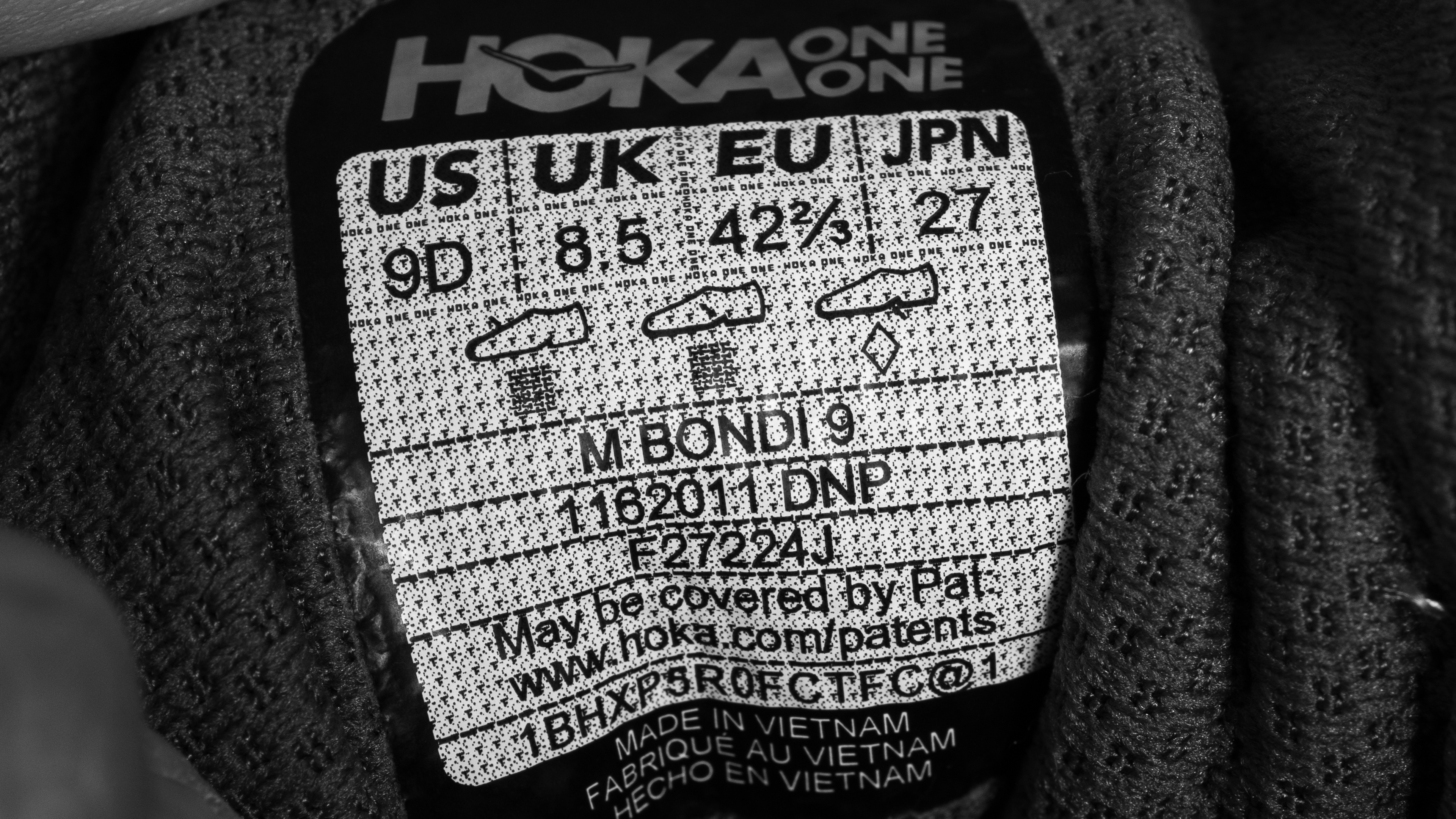
We purchased and tested the HOKA Bondi 9 in a men's US size 9, as shown here on the label of our pair. The pair we bought is in the Drizzle/Downpour colorway. The model is available in more than 18 colorways, purchasable through various retailers depending on your region. This shoe is available in a variety of widths, ranging from B (Women's Medium; Men's Narrow) to D (Women's Wide; Men's Medium), 2E (Men's Wide; Women's Extra Wide), and 4E (Men's Extra Wide). The design section applies only to the exact model we tested, but we expect other sizes and gender variants to perform similarly.