The Brooks Glycerin Max is the Cadillac of running shoes (heavy, bulky, and ostentatious), which makes for a remarkably comfortable ride. Its substantial build pairs with an ultra-high stack height to deliver the plush comfort that maximalist runners crave for leisurely recovery miles. Featuring Brooks' DNA-Tuned foam, the shoe offers very good cushioning that absorbs impact smoothly, turning every run into a gentle cruise. While its substantial profile and weight mean it's far from delivering optimal performance, the Glycerin Max truly excels in providing a supremely comfortable and relaxed ride, perfect for runners prioritizing softness and comfort above speed.
Our Verdict
The Brooks Glycerin Max isn't designed for marathon racing and performs poorly if used for this purpose. Its inadequate energy return makes each stride feel inefficient and tiring, and its heavier build significantly hampers performance over long distances. Although the cushioning is comfortable enough for leisurely long runs, this shoe is better suited to comfortable training than competitive marathon efforts.
Good cushioning.
Heavy and bulky.
Midsole doesn't return much energy.
The Brooks Glycerin Max isn't intended for 5K or 10K races and is a poor choice for competitive short-distance efforts. Despite having some forefoot firmness that could theoretically aid responsiveness, its heavy weight and very limited energy return severely reduce speed potential. It's acceptable for finishing races at these distances, but serious racers should look elsewhere.
Heavy and bulky.
Midsole doesn't return much energy.
Changelog
- Updated Aug 28, 2026: We've converted this review to Test Bench 0.12, which fixes how we measure firmness, a component of the Stability and 5K/10K Racing usages. There may be inconsistencies between the text and the scores for these usages, but the scores should still be considered valid. We've also brought back the Energy Return score and added two new usages: Daily Training and Long Run. To read more about the changes, see the changelog.
- Updated Aug 24, 2026: We've converted this review to Test Bench 0.11, adding two new rocker measurements to the Design section, and three new responsiveness tests to the Performance section. The Energy Return usage score has been replaced with Responsiveness. Check out the details in our changelog.
- Updated Mar 25, 2026: We've converted this review to Test Bench 0.10, adding a new set of fit tests to the Design section and an overall fit performance usage. Check out the details in our changelog.
- Updated Oct 28, 2025: We've converted this review to Test Bench 0.9, which adds a Forefoot Long Run Cushioning test to our performance section. Read more in our changelog.
-
Updated Oct 20, 2025:
We've adjusted this review's writing to align with the new test bench, including updates to all usage scores, and test boxes for Cushioning, Firmness, and Energy Return.
- Updated Oct 20, 2025: We've converted this review to Test Bench 0.8.2, which updates our methodology for the impact force range used in our compression tests to improve their accuracy. This also affects all usage and performance usage boxes using those compression tests as score components.
-
Updated Sep 25, 2025:
We've updated the Popular Comparisons section to include a reference to the recently reviewed Brooks Ghost 17.
-
Updated Sep 16, 2025:
We have updated the Popular Running Shoe comparisons box to situate the Glycerin Max within Brooks' latest lineup.
-
Updated Aug 28, 2025:
We've updated the Popular Running Shoe Comparisons section to include a reference to the recently reviewed PUMA MagMax NITRO.
- Updated Jul 30, 2025: We've converted this review to Test Bench 0.8.1, which mainly updates the score components for the Marathon Racing and Lateral Stability usage boxes to improve accuracy.
- Updated Apr 02, 2025: Converted to Test Bench 0.8.
- Updated Apr 02, 2025: Review published.

We've bought and tested more than 250 running shoes. Every pair purchased with our own money, never supplied or sponsored by brands. Our data-driven tests are designed to go beyond marketing claims, and since every shoe goes through the exact same methodology, you can directly compare results to find the right pair for your needs.
Test Results
Energy Return

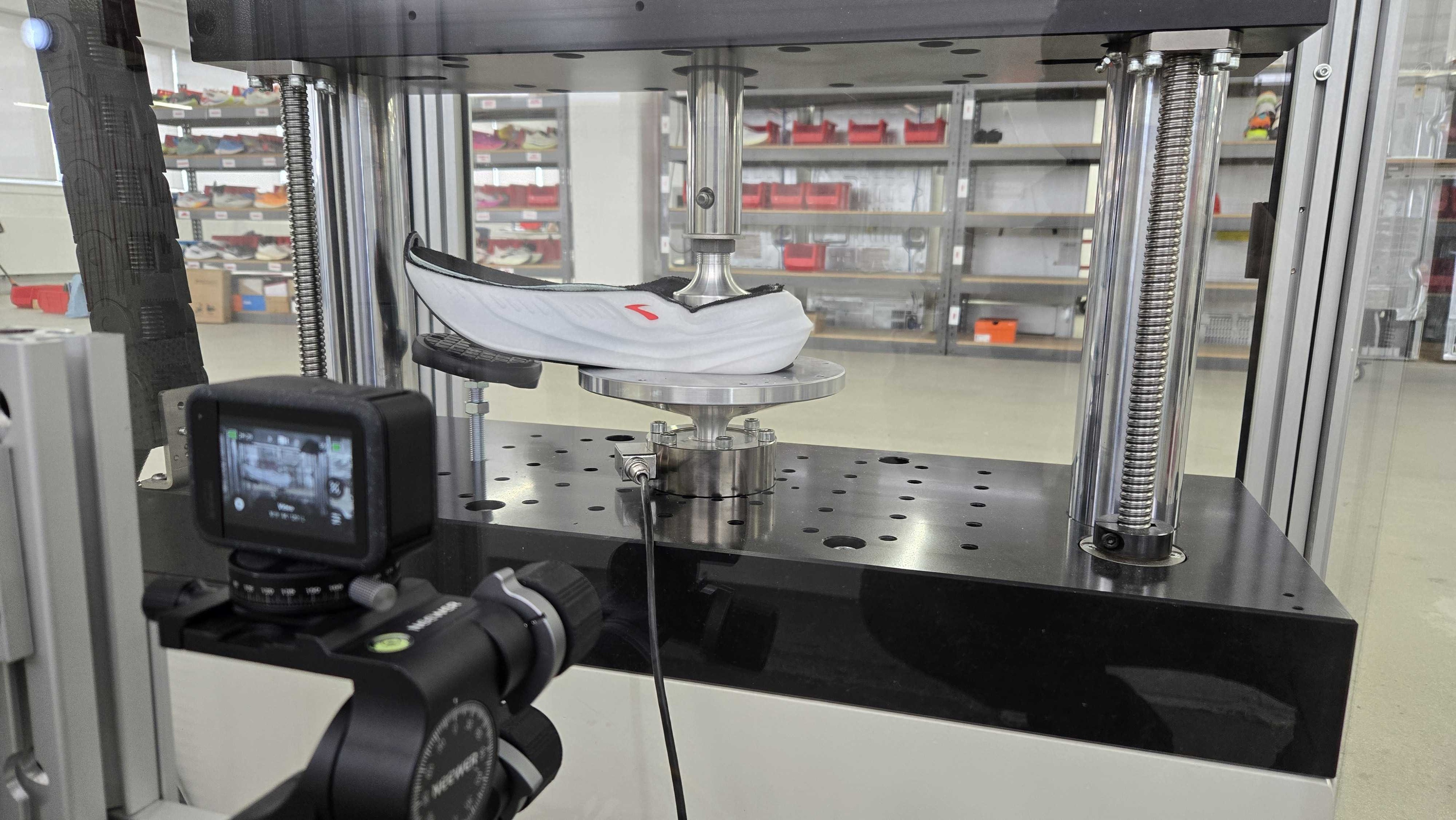
The Brooks Glycerin Max's forefoot energy return is very bad, offering minimal responsiveness with each stride. This low rebound results in a somewhat flat and uninspiring ride when pushing off from the forefoot. It's adequate for relaxed mileage but falls short during efforts that demand more dynamic responsiveness. Some max-cushioned alternatives, like the HOKA Mach X 2, offer significantly more bounce.

The Brooks Glycerin Max's energy return in the heel is very bad, making it noticeably unresponsive. Each heel strike feels muted without significant rebound, clearly emphasizing softness and shock absorption over bounce and propulsion. Runners seeking livelier heel performance will find it disappointing.
Stability
The Brooks Glycerin Max provides acceptable lateral stability, contributing to a balanced, steady feel during runs. The wide outsole gives a solid foundation, helping maintain steady foot placement, especially on longer or slower-paced runs. Although the elevated heel stack and soft heel foam compromise the shoe's grounded feel, it remains stable enough for daily training and moderate distances.
Wide platform.
Forefoot is on the firm side.
Very high stack height.
Foam is quite soft in the heel.
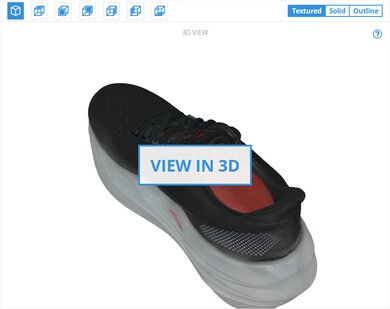
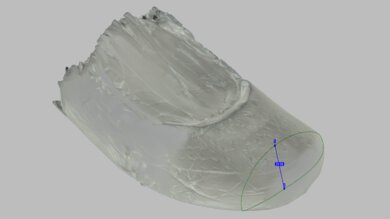
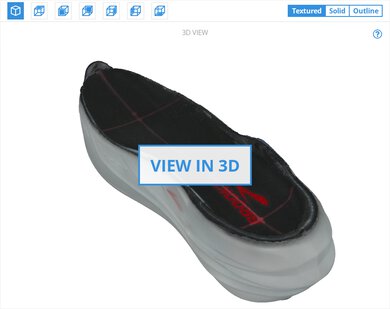
Note: During testing, the shoe's nitrogen-infused foam required scanning spray for the 3D scan to properly capture its shape. This process left behind some visible white residue, especially on colored areas of the upper and outsole. The residue seen in images or scans is not a natural feature of the shoe.

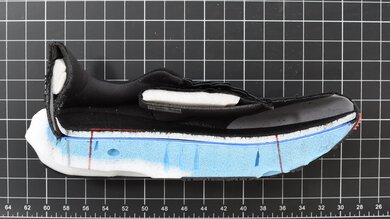
The Brooks Glycerin Max is on the softer side, but it's not overly soft either. For instance, some alternatives, like the Mizuno Neo Vista, are even softer. This means the shoe offers some stability initially, but under more force, it'll feel softer than most running shoes.

Cushioning
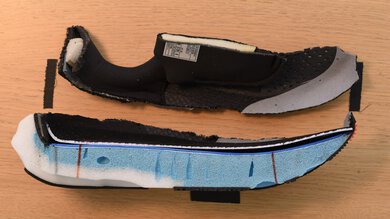
The cushioning of the Brooks Glycerin Max is comfortably plush, which is great for runners seeking a protective, gentle feel underfoot. The DNA-Tuned midsole absorbs impact effectively and provides a smooth ride, which is especially beneficial for relaxed or recovery runs.
Very high stack height.
Plush and protective midsole.
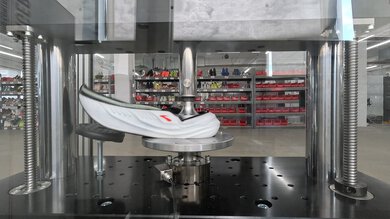

This shoe offers great heel cushioning, effectively absorbing energy across a range of impacts. Its softness progressively improves with higher forces, making heel landings comfortable and well-protected. This is especially beneficial for heavier runners or during longer, easy-paced sessions.
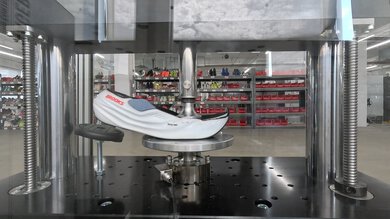

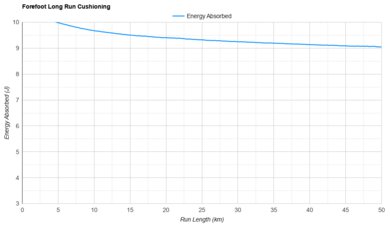
The Brooks Glycerin Max's forefoot cushioning is outstanding, providing consistent protection underfoot. The cushioning comfortably absorbs impacts from lighter to heavier foot strikes, contributing to a plush feel during runs, and it's also ideal for comfort-driven daily mileage.
Responsiveness
The Brooks Glycerin Max delivers terrible energy return, resulting in a flat and unresponsive running experience. The shoe's midsole offers minimal rebound, both at the forefoot and heel. This lack of bounce makes it best suited for relaxed, comfortable miles rather than performance-focused running.
Midsole doesn't return much energy.


True To Size
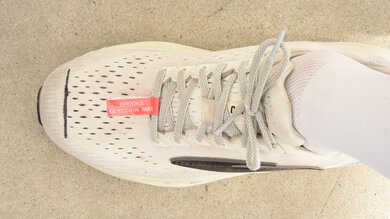
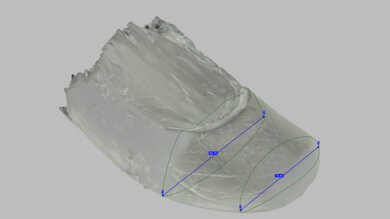
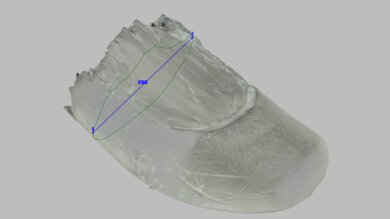
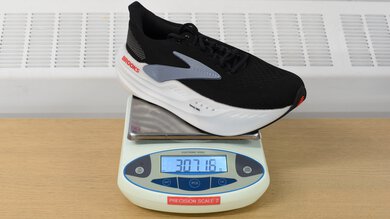
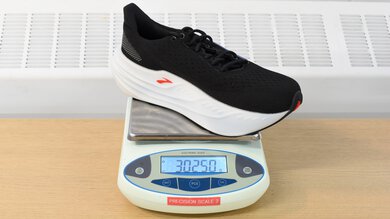
The Brooks Glycerin Max feels quite heavy on foot, noticeably more substantial than most high stack trainers like the HOKA Mach X 2. Its weight aligns with its maximalist build, clearly prioritizing cushioning and comfort over speed or agility. Runners accustomed to lighter shoes might initially find it bulky, though it's still very suitable for relaxed, slow-paced runs.

Popular Running Shoe Comparisons
The Brooks Glycerin Max clearly belongs in the max-cushioned daily trainer category, designed specifically for runners who prioritize comfort and plushness, especially during recovery or easy-paced runs. Some shoes on the market, like the Mizuno Neo Vista or the HOKA Mach X 2, offer even greater cushioning in lighter packages, but these are typically plated shoes, placing them in the super trainer category and resulting in a noticeably different ride. For runners who prefer a consistently soft, protective experience without the distinctive feel of a plated shoe, but who want more bounce than the Glycerin Max has to offer, the PUMA MagMax NITRO is a lighter, but still deeply cushioned shoe. The same applies to the HOKA Bondi 9, which, although slightly heavier and firmer, delivers an excellent cushioned and enjoyable ride thanks to its improved midsole.
Within Brooks' own lineup, the Glycerin Max sits above the lighter and lower-stack trainers like the Brooks Hyperion 3, Brooks Glycerin 22, and Brooks Ghost 17, all of which provide a less cushioned but more responsive and agile experience. The Brooks Hyperion Max 3 is a similarly high-stacked trainer, but is more equipped to tackle quicker-paced runs and workouts, while the Glycerin Max is better suited for runners seeking maximum comfort and plushness over speed or versatility.
For more options, check out our recommendations for the best running shoes to find the perfect pair.
The Brooks Glycerin Max and Nike Vomero Plus are two very different interpretations of a max cushioned shoe. The Brooks is higher stacked and heavier, so it doesn't feel nimble at all, but it does a better job of absorbing heavy impacts. The Nike shoe has softer, bouncier foam that gives far more energy return, so it feels better suited to uptempo efforts, but it doesn't hold up as well over long distances. If you're looking for a shoe for easy cruising and long runs, get the Brooks. If you want a shoe that's comfortable for easy runs, but can also handle some faster workouts, the Nike is the way to go.
The Brooks Glycerin Max and Brooks Glycerin Max 2 are both tall, protective cruisers aimed at slow daily miles, with a few tweaks. The original Glycerin Max feels soft and cushioned underfoot, with a forgiving ride that makes recovery runs and relaxed long runs feel very gentle. The Max 2 retains the same towering stack but firms the foam slightly, adding a more assertive rocker. As a result, the ride feels a bit crisper, especially for heavier runners or those who tend to collapse the midsole in softer, max-cushioned shoes. The downside is that the Max 2 is heavier than it needs to be, with an even more padded triple-mesh upper, which can make your foot very warm. If you want maximum protection and don't mind the extra heft, the Max 2 is the more cushioned option. If you prefer a softer feel or can find the original Glycerin Max discounted, it's a better all-around pick, and there is little reason to upgrade.
The HOKA Bondi 9 and the Brooks Glycerin Max both shine in protecting runners during long distances. With its DNA-Tuned foam midsole, the Brooks shoe provides runners with excellent cushioning, delivering a soft ride as they cruise through their run. The HOKA, however, has a firmer underfoot feel for cruising due to its supercritical EVA foam. On the contrary, the Brooks provides the runner with a plush ride but offers terrible energy return. Meanwhile, with its updated midsole composition, the HOKA provides better energy return and offers a more responsive, fun ride. Depending on the runner's preferences, both running shoes offer comfort on easy, long, or recovery miles without sacrificing the protection they need.
The Brooks Glycerin Max and Brooks Ghost Max 3 may both be "Max" by name, but they have very different rides. The Glycerin Max is the all-out, high-stack, highly cushioned cruiser, designed to help soak up miles with maximum comfort and protection. The Ghost Max 3, however, is the shorter stack, more stable offering, great for runners who love the ride of the regular Ghost and want a bit more cushioning underfoot. With all that stack, though, it's no surprise that neither shoe is especially snappy, so it comes down to how you want your ride to feel: higher stack, high comfort like the Glycerin Max, or lower stack, more stability like the Ghost Max 3.
While the Brooks Glycerin 22 and Brooks Glycerin Max share a similar name and a focus on comfort, they diverge in the experience on foot. The Glycerin 22 still has a steeper heel-to-toe drop, and attempts to balance comfort and stability, resulting in a more versatile daily trainer that is a reliable companion for most heel strikers. The Glycerin Max prioritizes comfort and cushioning above all else, resulting in a deeply protective, albeit bulky and occasionally unstable shoe that is best suited for easy, recovery runs.
The Brooks Glycerin Max and the Brooks Hyperion Max 3 are two max-stacked trainers in Brooks' lineup that serve very different uses. The heavily cushioned Glycerin Max prioritizes comfort over everything and is best used for easy paces and recovery runs. The Hyperion Max 3, with its plated midsole and more aggressive rocker, is meant to go faster and is the much better choice for intervals, progression runs, or any harder efforts.
The Brooks Glycerin Max and the ASICS SUPERBLAST 2 are both high-stack trainers, but each targets different needs. The Brooks emphasizes maximum softness and plush cushioning, which is ideal for runners who prioritize ultimate comfort and foot protection during easy-paced or recovery runs. In contrast, the ASICS is an uptempo premium trainer that offers more versatility thanks to its lighter weight, more effective cushioning, and notably bouncier ride, making it better suited for runners who want to effortlessly pick up the pace during workouts. While both provide generous cushioning, the ASICS' lighter build and more responsive feel make it the superior option if you want the flexibility to comfortably handle a variety of runs. In contrast, the Brooks excels as a pure comfort shoe for recovery miles.
The HOKA Skyward X and the Brooks Glycerin Max are both ultra-high-stack, max-cushioned trainers, but they take different approaches to achieving comfort and performance. The HOKA is the more cushioned of the two, offering an even softer and more protective ride while providing significantly more energy return, which is something the Brooks shoe lacks entirely. The Brooks, while slightly lighter, is a straightforward, no-fuss max-cushioned trainer that excels at one thing: providing soft, consistent comfort for easy runs. Also, while both shoes have substantial stack heights, the Brooks' stack is less exaggerated, making it feel a bit more traditional.
The PUMA MagMax NITRO and the Brooks Glycerin Max are both maximalist trainers, but this Brooks shoe is the more maxed-out of the two. It is stacked higher and weighs in heavier, so it's unsurprising that the MagMax feels more nimble and bouncy. Both shoes are good options for everyday miles, but the Glycerin Max is a better choice for easy, recovery runs, whilst the MagMax would be better suited for runs that include some strides or even some light tempo work.
The Brooks Glycerin Max and ASICS GEL-NIMBUS 27 are two popular max-cushioned daily trainers on the market, each designed to deliver a plush, protective ride. Both are similarly soft underfoot and close in weight, offering maximum comfort for easy miles or long days on your feet. The Brooks shoe has a slightly higher overall stack and absorbs impact better. The Brooks also benefits from a more pronounced rocker geometry, making transitions feel smoother and more rolling, especially for heel strikers who want a bit of help moving forward. In contrast, the ASICS feels more traditional in its underfoot feel, prioritizing softness and impact absorption over forward momentum.
The ASICS GLIDERIDE MAX and the Brooks Glycerin Max are both highly cushioned daily trainers that perform very similarly overall. Neither has much bounce or pop, and both have ample cushioning overall, but the Glycerin Max is much more absorbent in the forefoot. The GLIDERIDE MAX is the more stable of the two shoes, due to its firmer forefoot and slightly lower stack height.
The Nike Invincible 3 and the Brooks Glycerin Max are both daily trainers, but they offer distinct experiences. The Brooks prioritizes max cushioning with softer foam and a higher stack height, providing better underfoot protection and a plush feel for long, easy miles. On the other hand, the Nike focuses more on energy return and stability, making it more versatile across a wider range of paces. However, this comes at the expense of some cushioning.
The Mizuno Neo Vista 2 and Brooks Glycerin Max both target the max-cushioned daily trainer category, offering plush rides suited for easy running. That said, they approach the task quite differently. The Mizuno is the most cushioned option underfoot, featuring a massive stack of foam combined with a plastic plate to help stabilize the soft platform. Its ride is more protective, though it leans toward a more recovery-oriented feel and can feel a bit unstable due to the ultra-soft midsole and loose upper. The Brooks, by contrast, delivers a slightly firmer, more traditional take on max cushioning. It has a wide platform, smooth rocker, and no plate, which gives it a more natural ride. While not as soft or deeply cushioned as the Mizuno, the Brooks offers a more predictable feel, with an upper that's more secure and familiar in fit.
The On Cloudsurfer Max and Brooks Glycerin Max are both premium trainers carrying the Max moniker, and they interpret it in a similar, geometry-first way rather than chasing maximum bounce. The Glycerin Max is higher stacked and heavier, delivering more overall protection and a slightly more substantial underfoot feel, while the Cloudsurfer Max sits lower and feels a bit firmer and lighter on foot. Both shoes favor a consistent, predictable ride that stays protective without feeling overly soft, and both rely heavily on a pronounced rocker to smooth transitions and keep turnover efficient. For those reasons, they stand out in the premium trainer space for their controlled ride and their emphasis on geometry over raw energy return.
Despite sharing a 'max' moniker, the Brooks Glycerin Max and the Brooks Hyperion Max 2 are quite different models. The Glycerin Max is a maximalist high-stack daily trainer, while the Hyperion Max 2 is a plated super trainer. The Hyperion Max 2 is notably lighter, with a lower stack height that delivers a more stable and responsive ride that's better for training at faster paces. By contrast, the Glycerin Max offers more cushioning but lacks the bounciness needed for uptempo runs, making it a better fit for easier miles and recovery runs.
The Brooks Glycerin Max and the Mizuno Neo Vista are both highly cushioned, high-stack premium trainers, but they cater to slightly different needs. The Neo Vista offers a noticeably more cushioned and bouncy ride, though not the most responsive compared to some plated options. In contrast, the Glycerin Max focuses uniquely on comfort, delivering plush cushioning that's ideal for easy-paced or recovery runs.
The Altra Torin 7 and the Brooks Glycerin Max are both reliable daily trainers designed for runners who prioritize consistency over energy return. The Glycerin Max offers a plush, max-cushioned experience with its substantial stack height ideal for long runs and recovery days. In contrast, the Torin 7 emphasizes stability through its lower stack height and zero-drop platform, promoting a natural foot strike.
Differences Between Sizes And Variants
We tested the Brooks Glycerin Max in men's US size 9, as indicated on the label. The color shown here is Black/Ebony/Winter Sky. This model is also available in other colorways, including Country Blue/Sky/Orange, Grey/Black/Nightlife, and Falcon/Green/London Fog. Wide versions aren't available for this shoe.