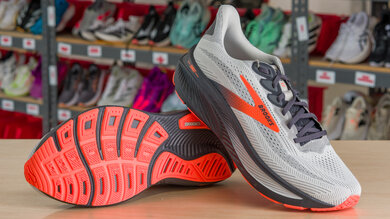
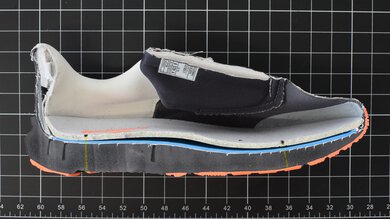
The Brooks Ghost 17 is a classic daily trainer that continues the Ghost franchise's ethos of solid, no-nonsense shoes that are built to endure the grind of everyday miles. Although not marketed as a stability shoe, this one features a reinforced heel counter and raised sidewalls that, combined with the wide platform, create a very stable ride. This shoe has undergone some changes, making it quite different from previous iterations of the Ghost. Most notably, the heel-to-toe drop is now 10 mm, down from 12 mm on older versions. Although this is still a shoe designed for heel strikers, the reduction from 12 to 10 means that the Ghost has ceded its long-held position as the daily trainer with the highest heel drop on the market. The upper has also been redesigned, and longtime Ghost fans may find that the heel now feels less secure than in the past, leading to slipping and rubbing.
Our Verdict
The Brooks Ghost 17 isn't a marathon racing shoe. The minimal energy return and mediocre cushioning mean this shoe will be neither a quick nor comfortable companion for an effort as taxing as a marathon.
Very limited bounce from midsole.
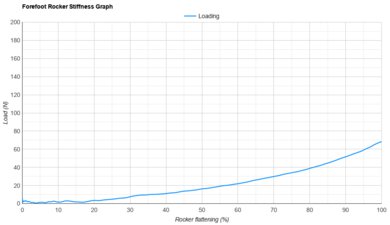
The Brooks Ghost 17 is a middling option for running a shorter race. The exceptionally firm forefoot allows for confident toe-offs, but the midsole doesn't give much back in terms of energy return, and the overall design of the shoe isn't focused on aggressive speed.
Exceptionally firm forefoot.
Very limited bounce from midsole.
Heavier than previous Ghost shoes.
Changelog
- Updated Jun 17, 2026: We've converted this review to Test Bench 0.12, which fixes how we measure firmness, a component of the Stability and 5K/10K Racing usages. There may be inconsistencies between the text and the scores for these usages, but the scores should still be considered valid. We've also brought back the Energy Return score and added two new usages: Daily Training and Long Run. To read more about the changes, see the changelog.
-
Updated Apr 30, 2026:
We've updated this review to add text for the new Responsiveness usage box.
- Updated Apr 28, 2026: We've converted this review to Test Bench 0.11, adding two new rocker measurements to the Design section, and three new responsiveness tests to the Performance section. The Energy Return usage score has been replaced with Responsiveness. Check out the details in our changelog.
-
Updated Apr 08, 2026:
We've updated the Popular Comparisons section to include a comparison to the recently reviewed Brooks Glycerin 23.
-
Updated Mar 24, 2026:
We updated the Popular Running Shoe Comparisons section to mention the Brooks Launch 12 in the brand's lineup.
-
Updated Mar 12, 2026:
We've updated the Popular Comparisons section to include a link to our recently published article on the best Brooks running shoes.
-
Updated Feb 16, 2026:
We've updated the Popular Comparisons section to include the recently reviewed New Balance Fresh Foam X 880v15.
-
Updated Feb 16, 2026:
We updated the review to include text for the full set of new fit tests and the corresponding usage box, which were recently added to our test bench.
- Updated Feb 16, 2026: We've converted this review to Test Bench 0.10, adding a new set of fit tests to the Design section and an overall fit performance usage. Check out the details in our changelog.
-
Updated Dec 05, 2025:
We've updated the Popular Comparisons section to reference the recently reviewed Brooks Adrenaline GTS 25.
- Updated Oct 28, 2025: We've converted this review to Test Bench 0.9, which adds a Forefoot Long Run Cushioning test to our performance section. Read more in our changelog.
-
Updated Oct 20, 2025:
We've adjusted this review's writing to align with the new test bench, including updates to all usage scores, and test boxes for Cushioning, Firmness, and Energy Return.
- Updated Oct 20, 2025: We've converted this review to Test Bench 0.8.2, which updates our methodology for the impact force range used in our compression tests to improve their accuracy. This also affects all usage and performance usage boxes using those compression tests as score components.
- Updated Sep 25, 2025: Review published.
- Updated Sep 09, 2025: Early access published.
- Updated Jun 25, 2025: Our testers have started testing this product.
- Updated Jun 04, 2025: The product has arrived in our lab, and our testers will start evaluating it soon.
- Updated May 30, 2025: We've purchased the product and are waiting for it to arrive in our lab.

We've bought and tested more than 250 running shoes. Every pair purchased with our own money, never supplied or sponsored by brands. Our data-driven tests are designed to go beyond marketing claims, and since every shoe goes through the exact same methodology, you can directly compare results to find the right pair for your needs.
Test Results
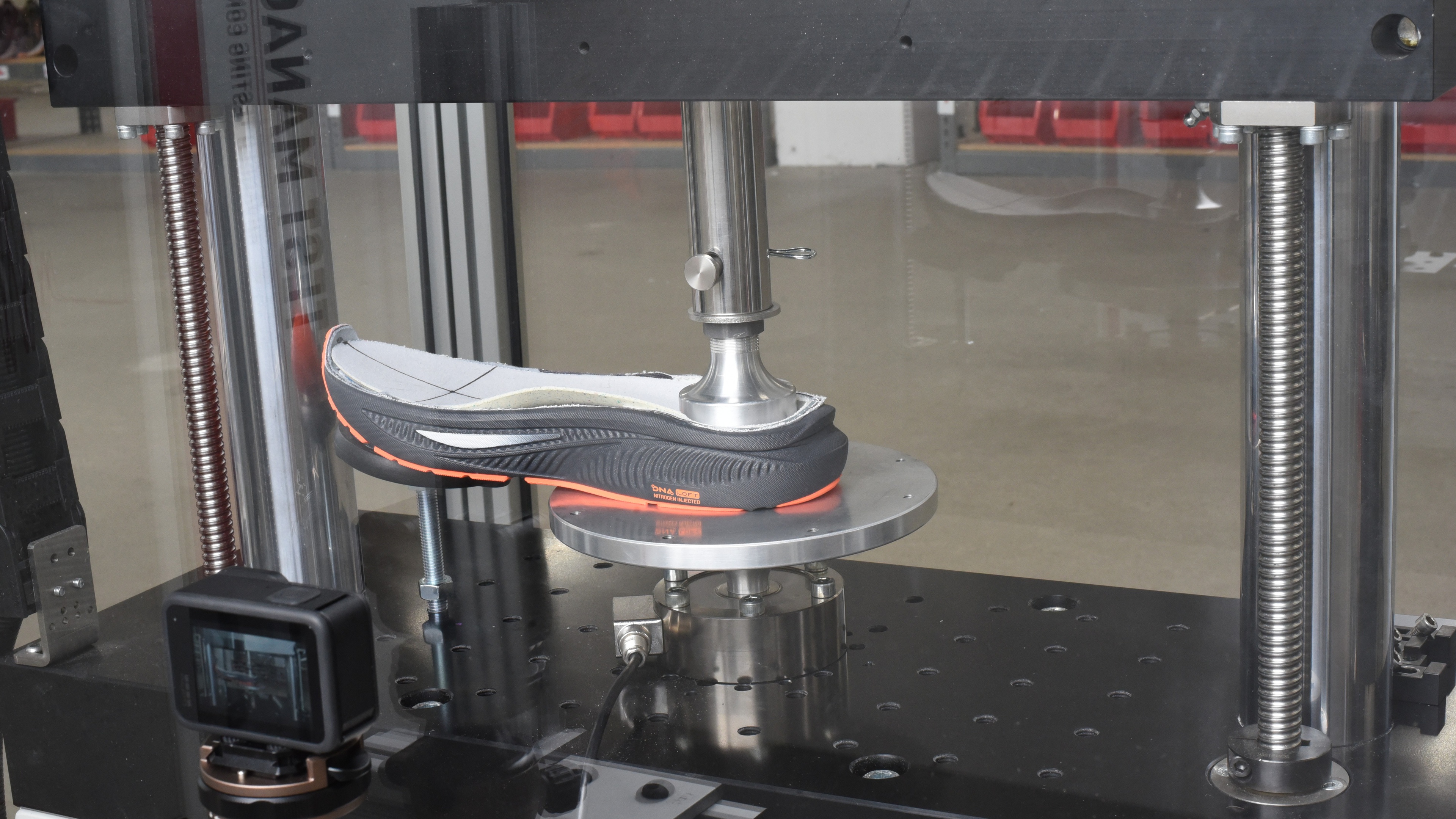
Energy Return
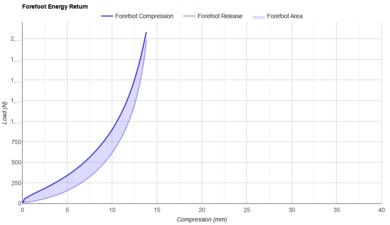
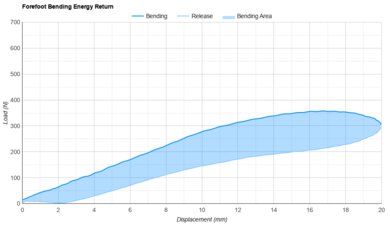
The forefoot of the Brooks Ghost 17 lags behind the Brooks Ghost 16 in energy return.
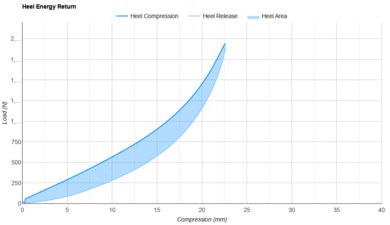
Despite having a similar midsole to its predecessor, the Brooks Ghost 17 returns less energy than the Brooks Ghost 16. This downgrade is most noticeable in the heel.
Stability
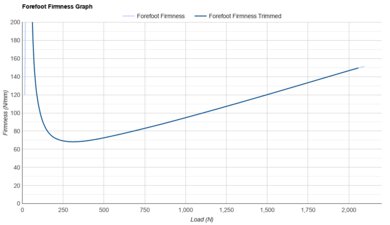
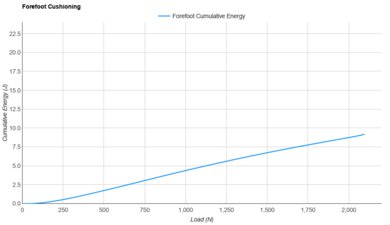
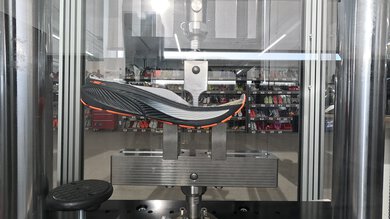
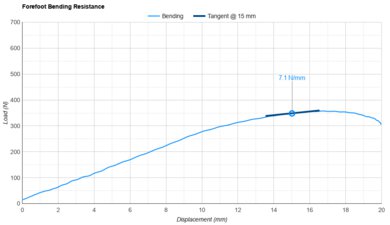
The Brooks Ghost 17 has very good stability from top to bottom. At its base, the Ghost 17 has a wide platform that facilitates steady landings. The midsole is solid, and the remarkably firm forefoot keeps the shoe stable during toe-off.
Exceptionally firm forefoot.
Wide, stable platform.
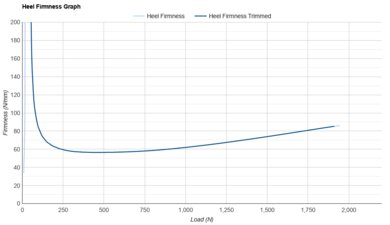
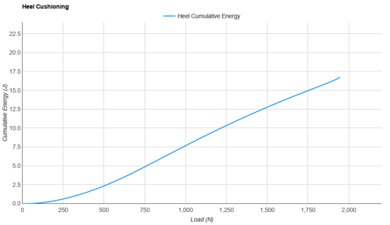
The Brooks Ghost 17's heel is decently firm at lower force levels, but is less stiff under heavier impact than other classic daily trainers, like the Nike Pegasus 41.
Cushioning
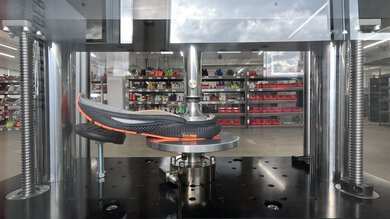
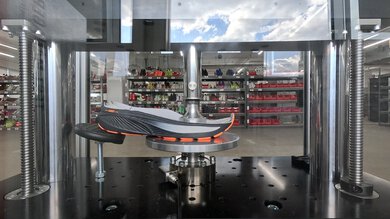
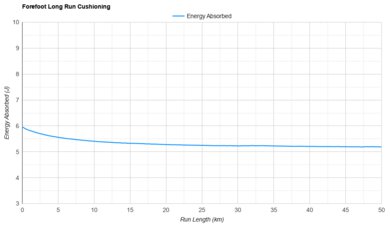
The Brooks Ghost 17 has a very uneven cushioning profile, with decent impact absorption in the heel, but poor cushioning in the forefoot. This shoe is more tailored for heel strikers, but it's not particularly soft or absorbent anywhere in the midsole.
Cushioning is overall unimpressive.
Responsiveness
The Brooks Ghost 17 has poor responsiveness. The lack of bounce may appeal to runners who want to feel they're the sole drivers of the run, but the unresponsive ride will feel dull and uninspiring to runners who expect their shoes to be partners in the run, not accessories.
Very limited bounce from midsole.
True To Size
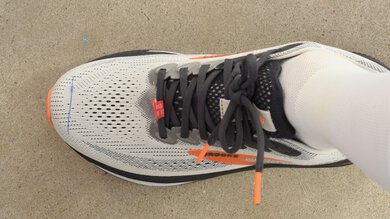
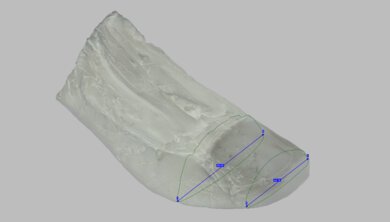
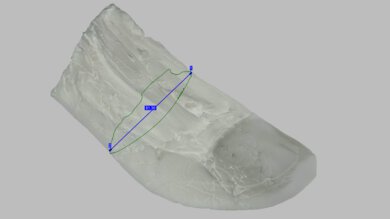
The Brooks Ghost 17 fits true to size overall, delivering an easy, predictable fit that works well for most people right out of the box. The length is especially good, with just the right amount of space. Up front, the forefoot is comfortably accommodating in both width and height, avoiding pressure across the toes for most foot shapes. The only notable caveat is the arch area, which feels a bit more snug, but this won't be a dealbreaker for most runners.
True-to-size length with ideal toe room.
Comfortable toebox suits most foot shapes.
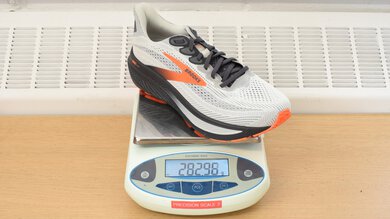
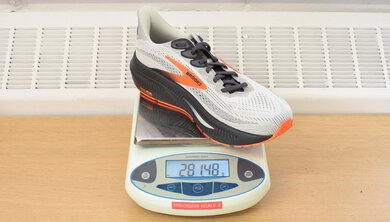
The Brooks Ghost 17 has gained some weight since the Brooks Ghost 16, coming in 10 g heavier than its predecessor.
Popular Running Shoe Comparisons
The Brooks Ghost 17 is a classic daily trainer that is as much a running shoe as a walking shoe. It sits at the table of legacy trainers alongside the Saucony Ride 18, the ASICS GEL-CUMULUS 27, and the Nike Pegasus 41: classic running shoes with roots that predate the current era of maximum cushioning. While some classic series have moved closer to the mainstream (like the New Balance Fresh Foam X 880v15), the stalwarts lag behind current market trends precisely because they're not the product lines where their respective brands introduce their newest innovations. These series have endured so long because they have resisted (and outlasted) so many fads and trends. The Ghost 17 is intended to be a daily workhorse that provides a comfortable, consistent ground feel, and it does so well.
Within Brooks' ecosystem, the Ghost line of shoes is one of several flagship daily trainer series. The Brooks Glycerin 23 is a more cushioned daily trainer that feels softer and bouncier than the Ghost, but weighs slightly more. The Brooks Adrenaline GTS 25 is a dedicated stability trainer that more aggressively attempts to correct over-pronation with a medial post, but otherwise, its midsole is similar to that of the Ghost. The Brooks Hyperion 3 is a lighter trainer with a more rockered geometry, making it better suited to uptempo training. Meanwhile, the Brooks Launch 12 is a simple, no-drama daily trainer for runners who prefer a bit more ground feel. Most of these series also have a "Max" version that is bigger and more cushioned. For its part, the Brooks Ghost Max 2 is a slightly taller, more evenly cushioned trainer that is heavier but more protective over long distances.
For more options, check out our recommendations for the best running shoes, as well as the best long-distance running shoes and the best shoes from Brooks.
The Brooks Ghost 17 and Brooks Ghost Max 3 share the same DNA, but they serve slightly different purposes within that comfort-focused lineup. The Ghost 17 is the classic daily workhorse, offering a comfortable, consistent ground feel and a stable platform that works well for a mix of running and walking, though it feels a bit on the heavier side. The Ghost Max 3 takes that formula and pushes it toward max cushioning, sitting higher with more protection underfoot and a more pronounced rolling feel. It's even heavier, but it delivers a more cushioned ride, making it the better pure running option overall. The trade-off is that it doesn't feel quite as stable or grounded as the Ghost 17.
The Brooks Ghost 18 follows so closely in the footsteps of the Brooks Ghost 17 that most runners will notice little difference between them. The Ghost 18 gains a bit of cushioning and responsiveness, while the Ghost 17 remains marginally more stable, but both are equally adept as workhorses intended to soak up daily miles. If the Ghost 17 is available at a good price, there's little reason to spend more on the Ghost 18.
The Brooks Revel 8 is a sort of budget version of the Brooks Ghost 17. It has a few millimeters less stack height than the Ghost, and its midsole is made of a foam compound that was used in older versions of the Ghost. As such, the Ghost has much better cushioning than the Revel, but the latter is actually more stable, due to the lower stack height.
The Brooks Ghost 17 and the Brooks Adrenaline GTS 25 share more similarities than differences: they both have a rather firm DNA Loft midsole, and thus similar levels of cushioning and energy return (or lack thereof). Both are built on a broad, stable platform, but the Adrenaline GTS goes further with dedicated support features, including a medial post, to correct overpronation. The Adrenaline also has a more pronounced heel-to-toe drop, so while both shoes are more suited to heel-strikers, the GTS 25 gives you practically no choice but to land on the backfoot.
The Brooks Ghost 17 and Brooks Glycerin 22 are two of the Seattle-based brand's most popular daily trainers. They serve very similar purposes, but the Glycerin 22 is more cushioned and bouncier, while the Ghost 17 is firmer and has more dedicated stability features, like a reinforced heel counter and raised sidewalls . Neither shoe is built for speed, but the Glycerin 22's midsole has more bounce, while the Ghost 17 gives a more grounded feel.
The HOKA Clifton 10 and the Brooks Ghost 17 are two everyday trainers that garner broad appeal, each taking a different route. The Clifton 10 is built on HOKA's trademark plush cushioning and high-stack platform. This does come at the expense of stability, and the Ghost 17 is a safer bet for any runners who feel unsteady in their stride. The heel in the Clifton 10 runs much narrower, so the fit of the Ghost 17 will likely be more comfortable for runners with wider feet.
The Brooks Glycerin 23 and Brooks Ghost 17 are two of the Seattle-based brand's most popular daily trainers, and both cater primarily to heel strikers. The Ghost is the firmer shoe, offering less cushioning but better stability. The Glycerin is softer and more plush, but the extra cushioning makes the shoe heavier. Runners who want a more traditional ride, with some ground feel, will likely prefer the Ghost 17. For runners who prioritize comfort, the Glycerin 23 is the better choice.
The Brooks Ghost 17 and Brooks Adrenaline GTS 24 are two of the brand's flagship daily trainers, with the former more suited to runners with a neutral stride, and the latter designed to provide stability to runners with pronation issues. The Adrenaline does so through raised sidewalls that keep your foot from rolling side to side. It's a bit firmer and less cushy than the Ghost, and it has a more pronounced heel-to-toe drop. The Ghost, while not a dedicated stability shoe, still has a very solid platform that provides good lateral stability, so runners who don't have pronation issues can run in it with confidence.
The Brooks Ghost 17 and the Brooks Hyperion 3 share a similar profile with their stack height, but they have a few key differences as daily trainers. The Ghost 17 is the brand's legacy daily trainer, with a heavier build, a midsole that feels a bit dull, and a ride that tends to bottom out more noticeably during longer miles. It's better suited for a mix of walking and running. The Hyperion 3 is slightly lighter, a bit bouncier, and offers marginally better protection and cushioning despite not being dramatically softer, which generally makes it the stronger choice for most daily mileage. However, the Ghost 17 still holds a small edge in overall stability, making it the safer pick for runners who prioritize a controlled platform.
The ASICS NOVABLAST 5 and Brooks Ghost 17 are both daily trainers, but they have very different ideas of what that means. The ASICS is the livelier, more modern option, with more stack, more bounce, and better cushioning for everything from daily miles to light uptempo efforts. The Brooks is the trusted stalwart: stable, familiar, and built more around consistency than excitement. It's less cushioned and less responsive than the ASICS shoe, but its steadier platform makes sense for runners who want a classic daily trainer that works as well for walking as it does for easy runs.
The Brooks Launch 12 and Brooks Ghost 17 are two popular Brooks trainers that work well for easier running and a mix of running and walking. The Ghost 17 is the more classic daily trainer, continuing a long-standing formula with a very stable ride created by its wide platform, raised sidewalls, and a reinforced heel counter, though all of that also makes it feel heavier. The Launch 12 sits a bit lower and uses an 8 mm drop (instead of the Ghost 17's 10 mm), and its dual-layer midsole gives it a slightly bouncier and more absorbent feel underfoot despite the lower stack. In fit, both feel true to size and accommodating overall, but the Ghost 17 feels narrower through the arch, while the Launch 12 has a shallower toe box.
The Brooks Ghost 17 and HOKA Bondi 9 are both daily trainers, though they have very different philosophies about what that means. The Brooks is the classic, lower-stack daily shoe that provides a comfortable, stable companion with a traditional ground feel to soak up daily mileage. The HOKA, however, is the taller, more plush option, with exceptional cushioning over easy, long, and recovery runs, and is the more protective (though slightly less stable) shoe, providing more bounce and responsiveness in comparison.
The Nike Pegasus 41 and the Brooks Ghost 17 are two classic daily trainers built for runners who just expect their shoes to get them through the run without getting in the way. Neither is very heavily cushioned (although the Ghost 17 absorbs impact better) nor particularly springy(here the Pegasus 41 has an edge in energy return). The two shoes are nearly identical in terms of weight and stack height, but Nike's sizing runs shorter and narrower.
The Brooks Ghost 17 and the Saucony Ride 18 are each the latest iteration in a series of classic, everyday trainers that are undergoing a significant evolution process. In this respect, the Ride 18 seems to be further along in that evolutionary process, as Saucony has found ways to shave weight from the shoe while still maintaining a reasonable amount of cushioning. The Ghost 17, meanwhile, has put on weight and is not only less bouncy than its Saucony rival, but even less bouncy than its forebear, the Brooks Ghost 16.
The Brooks Anthem 7 and Brooks Ghost 17 are both Brooks daily trainers, but they target different runners. The Ghost is the classic daily trainer, offering runners more protection underfoot, with a heel-striker-centric geometry that makes it a reliable companion for those landing rearfoot first. The Anthem 7 is the entry-level shoe, using an old blueprint that is significantly less cushioned. Both shoes can handle daily training, though the Ghost is the more purpose-built shoe. That said, it costs more at retail too, but for those who don't want a low-stack underfoot, the performance upgrades are absolutely worth it.
The Brooks Ghost 17 and Topo Phantom 4 are two daily workhorses that prioritise a smooth, predictable ride, but they cater to different runners. With its 10mm heel drop and dense midsole, the Brooks is a classic choice for heel strikers and is also a better choice for heavier runners, as its cushioning holds up better as force increases. The Topo has a much less pronounced heel drop, and its cushioning performs better at lower forces, so it will be better suited to lighter runners and mid- to forefoot strikers.
The Brooks Ghost 17 and Altra Experience Flow 2 are still two very different shoes from two very different brands, but are an interesting study in contrasts and convergence. The Experience Flow is Altra's first shoe to abandon the brand's zero-drop design, introducing a modest 4mm heel-to-toe offset that makes it slightly more accommodating for heel strikers. At the other end of the spectrum, Brooks' daily trainers have long had one of the highest heel drops of any brand. However, as other legacy brands reduce heel drops, Brooks has slowly followed suit, decreasing the heel drop from 12 mm in the Brooks Ghost 16 to 10 mm in the Ghost 17. The Ghost is still a much more comfortable shoe for heel strikers, and the Experience Flow 2 is better for forefoot strikers, but neither is at the extreme end.
Differences Between Sizes And Variants
We bought and tested the Brooks Ghost 17 in men's US size 9, as noted on the label for our pair. The pair we purchased is the Oyster Mushroom/Orange/Ebony colorway. The shoe is also available in numerous other colorways, depending on your region. The Ghost 17 is available in a variety of widths, ranging from 2A (Women's Narrow) to 1B (Women's Medium; Men's Narrow), as well as 1D (Women's Wide; Men's Medium), 2E (Men's Wide; Women's Extra Wide), and 4E (Men's Extra Wide).
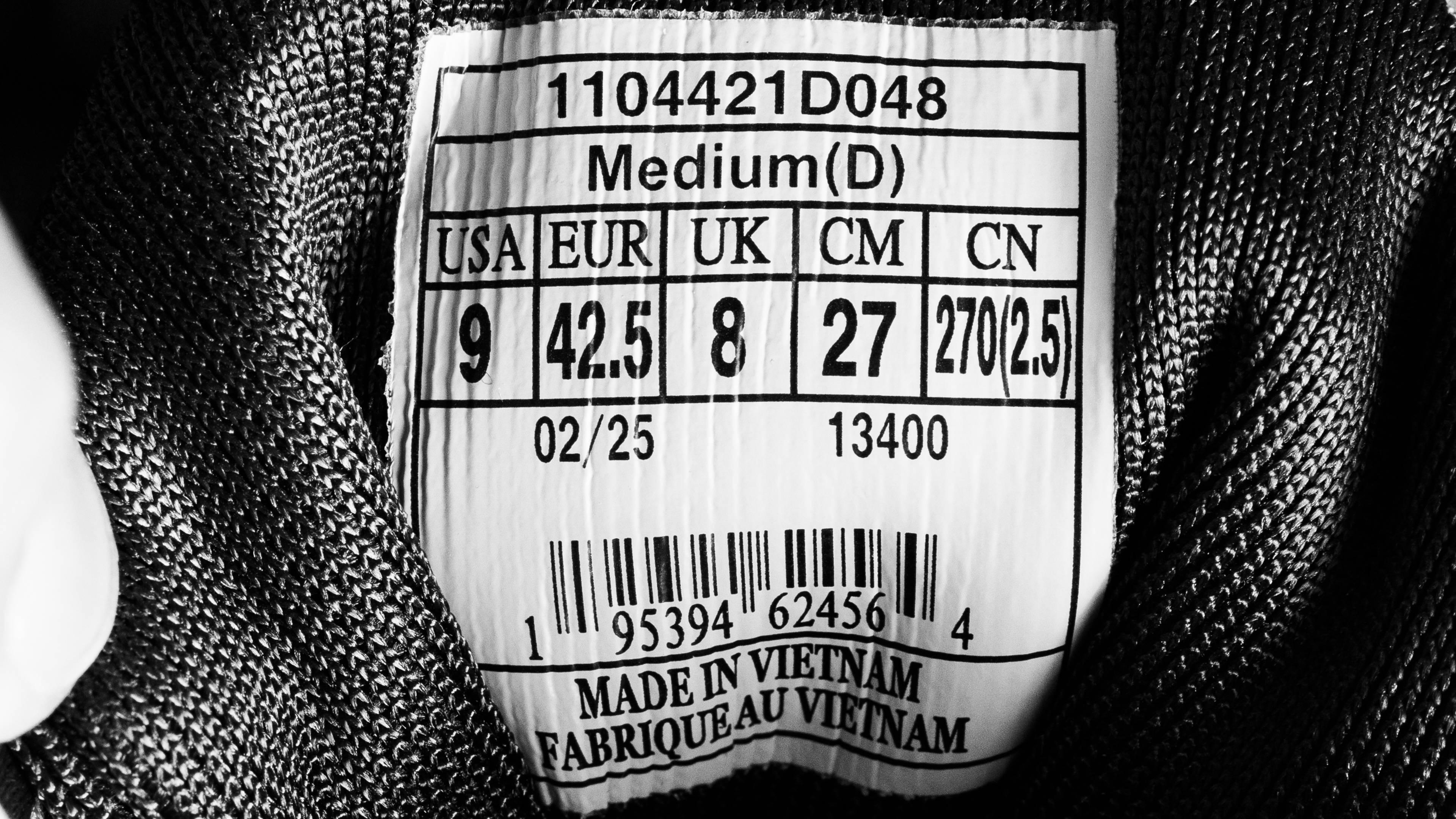
The design section applies only to the exact model we tested, but we expect other sizes and gender variants to perform similarly.