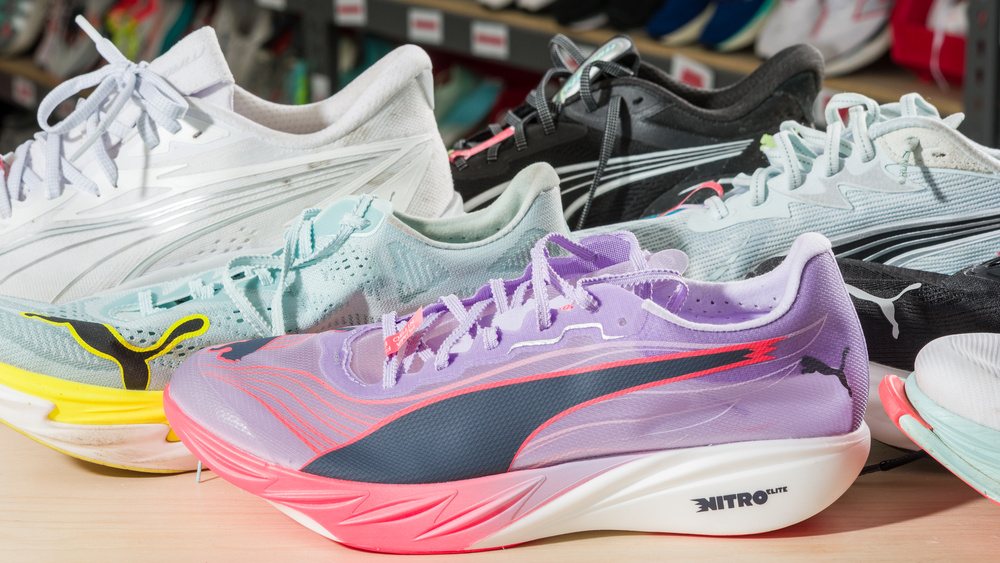
PUMA has been a dominant force on the track and on the football pitch for years, but has only turned their attention to road running relatively recently. The big cat brand has quickly established themselves as a force to be reckoned with, drawing on their deep experience in track and field to design some of the most efficient and energetic in-category running shoes. The transition to the road hasn't been seamless, and there are still some kinks to work out, but PUMA has an impressive line-up with running shoes for almost every type of run. For runners seeking everyday reliability and comfort, PUMA's daily trainers are among their best shoes. If you're racing, PUMA's super shoes stand out for their lightweight construction and responsiveness.
We've tested almost 250 different running shoes, but these are our picks for the best shoes you can buy from PUMA.
Updates
- 09/02/2026 PUMA ForeverRun NITRO 3 reviewed
- 07/29/2026 PUMA Velocity NITRO 5 reviewed
- 07/13/2026 PUMA Fast-FWD NITRO Elite 2 reviewed
- 07/09/2026 PUMA Deviate Pure NITRO reviewed
- 04/29/2026 PUMA Deviate NITRO Elite 4 reviewed

We've bought and tested more than 300 running shoes. Every pair purchased with our own money, never supplied or sponsored by brands. Our data-driven tests are designed to go beyond marketing claims, and since every shoe goes through the exact same methodology, you can directly compare results to find the right pair for your needs.
-
Best PUMA Running Shoe
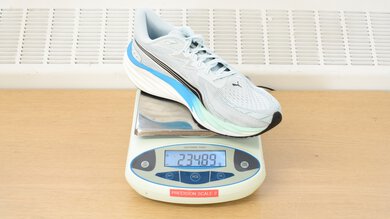
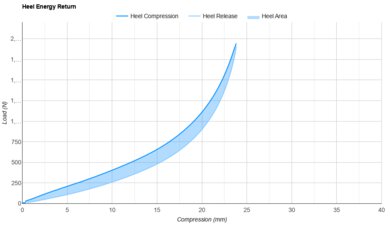
 Half/Full Marathon Racing6.15K/10K Racing6.9Long Run6.3Daily Training7.4Energy Return7.6Stability7.4Cushioning6.7Responsiveness6.1True To Size9.8Weight:232.3 g (8.19 oz)Heel Stack Height:35.2 mmHeel-To-Toe Drop:10.1 mmSee all our test resultsPlate:None
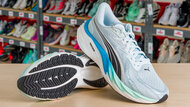
The PUMA Velocity NITRO 4 is the Goldilocks of daily trainers, and the best running shoe we've tested from PUMA. It's soft and protective in the heel, but firmer and more responsive in the forefoot. It combines the classic high-drop of a daily trainer with a premium performance foam that's much lighter and bouncier than most shoes in its class. The result is a shoe that feels surprisingly agile for a daily trainer, with enough versatility to be comfortable and stable for easy runs, yet nimble and energetic for tempo runs. The main downside is that it doesn't have much cushioning under the forefoot, which can feel insufficient for longer runs.
If you want a similarly bouncy daily trainer but with a bit more cushioning, the PUMA Magnify NITRO 3 is a worthwhile alternative. It's a bit heavier, which is the price of that extra cushioning. The fit is also a bit more snug, so it won't suit quite as many runners.
-
Best Cushioned PUMA Running Shoe
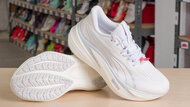
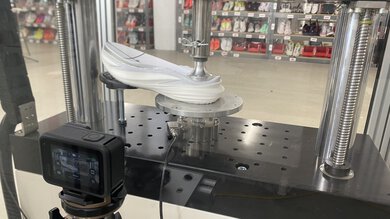
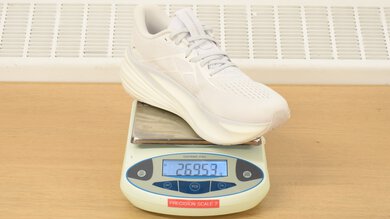
 Marathon Racing6.05K/10K Racing4.9Energy Return2.3Cushioning8.9Lateral Stability7.2True To Size9.5Weight:267.7 g (9.44 oz)Heel Stack Height:44.9 mmHeel-To-Toe Drop:8.8 mmSee all our test resultsPlate:None
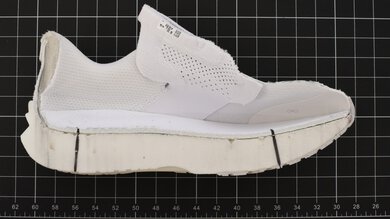
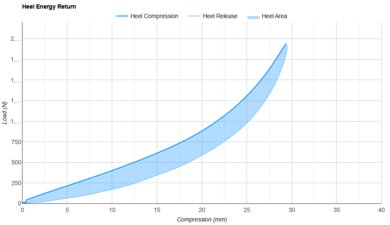
If cushioning is your priority, the PUMA MagMAX NITRO 2 is far and away the best PUMA shoe we've tested. It's not as light or nimble as the PUMA Velocity NITRO 4, but its substantial stack of foam absorbs even the heaviest impacts, and it's an exceptionally protective shoe for heel strikers and heavier runners. This shoe is tall but also has a wide platform, with slightly raised foam sidewalls that cradle the foot and make it feel surprisingly stable for such a max stack. Because of its bulky construction, it's more of an easy cruiser, but it can go for miles and miles, as its cushioning holds up impressively well over long distances.
For more cushioned options from other brands, check out our picks for the best cushioned running shoes. You can also see our recommendations for the best running shoes for heavy runners.
-
Best PUMA Running Shoe For Tempo Training
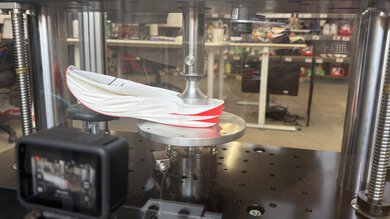
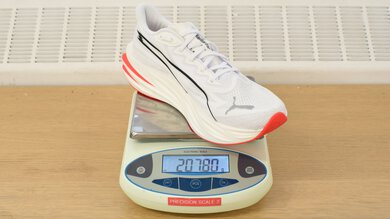
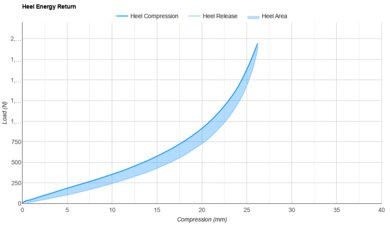 Half/Full Marathon Racing7.55K/10K Racing7.4Long Run7.3Daily Training7.7Energy Return7.8Stability7.9Cushioning7.6Bounciness6.9Snappiness6.5Roll6.3True To Size8.4Weight:202.6 g (7.14 oz)Heel Stack Height:38.2 mmHeel-To-Toe Drop:10.1 mmSee all our test resultsPlate:Plastic Shank
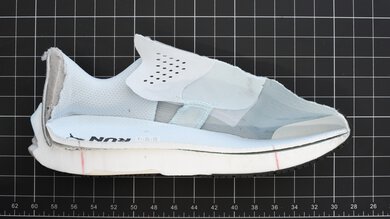
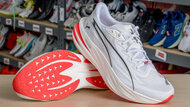
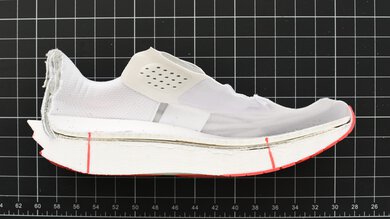
Even in a brand that's built around speed, the PUMA Deviate Pure NITRO is the best running shoe for tempo workouts that we've tested. Its light weight and energetic midsole foam make it feel spry and lively when you want to pick up the pace, and it firms up considerably as you apply more force, making it very stable at faster paces. PUMA brands this shoe as unplated, but when we cut it open, we found a plastic shank under the midfoot that helps stabilize the energetic foam. It seems like PUMA went back to its track roots when designing this shoe, which means a much tighter, less accommodating fit than the PUMA Velocity NITRO 4.
-
Best PUMA Running Shoe For Short-Distance Racing
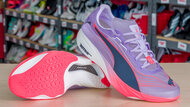
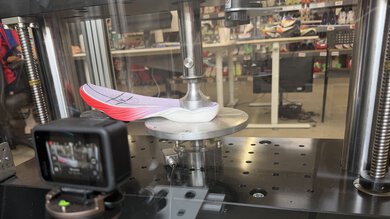
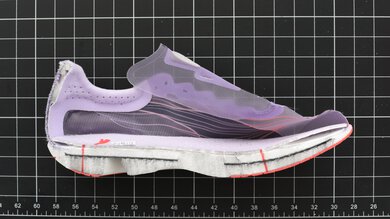
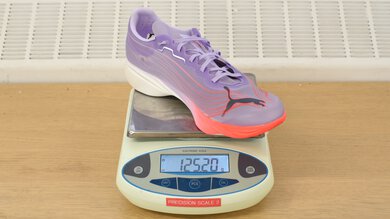
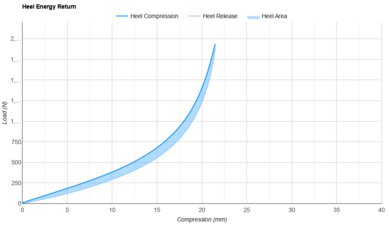 Half/Full Marathon Racing6.55K/10K Racing8.5Long Run5.9Daily Training5.6Energy Return8.4Stability6.0Cushioning5.7Bounciness6.5Snappiness7.6Roll5.7True To Size8.2Weight:127.1 g (4.48 oz)Heel Stack Height:29.1 mmHeel-To-Toe Drop:8.5 mmSee all our test resultsPlate:Carbon Fiber
For distances up to 10k, the PUMA Fast-FWD NITRO Elite 2 is the best racing shoe we've tested from PUMA. Weighing in at under 130g in US men's size 9, it's one of the lightest shoes we've ever tested, and it feels incredibly sleek and streamlined. The low-stack, carbon-plated midsole returns energy very efficiently, and the ride is firm, direct, and snappy. The thin midsole doesn't have enough cushioning for longer efforts, but if you're chasing a PR in the 5k or 10k, this shoe is up to the challenge.
-
Best PUMA Running Shoe For Long-Distance Racing
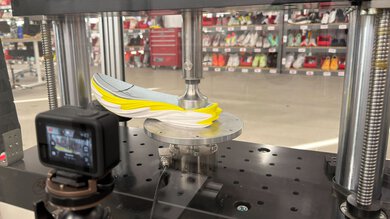
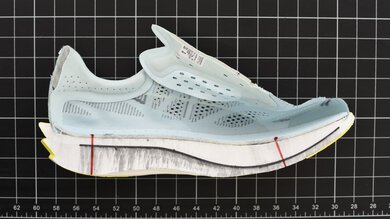
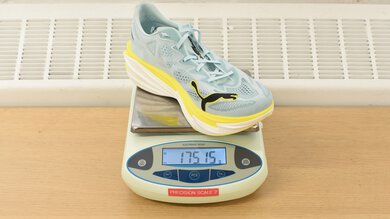
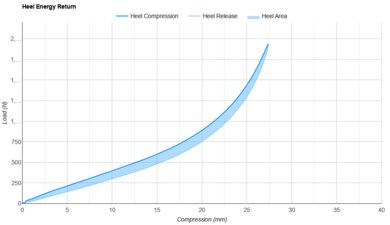 Half/Full Marathon Racing8.45K/10K Racing8.2Long Run7.6Daily Training6.2Energy Return8.4Stability5.5Cushioning8.6Responsiveness8.4True To Size9.9Weight:169.1 g (5.96 oz)Heel Stack Height:40.7 mmHeel-To-Toe Drop:10.6 mmSee all our test resultsPlate:Carbon Fiber
For distances from the half-marathon to full marathon, the PUMA Deviate NITRO Elite 4 is the brand's best racing shoe that we've tested. With an extra 10 mm of stack height compared to the PUMA Fast-FWD NITRO Elite 2, this shoe is much better suited to protect your legs from the pounding of the pavement on race day, and its cushioning holds up impressively well over long distances. One drawback is that the upper lacks a bit of structure, so the lockdown can feel less secure.
For more options for your next marathon, check out our recommendations for the best marathon running shoes.
-
Best PUMA Running Shoe For Stability
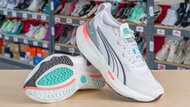
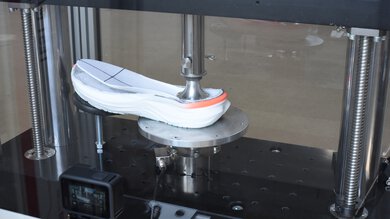
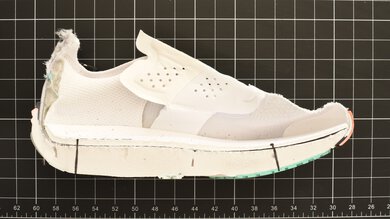
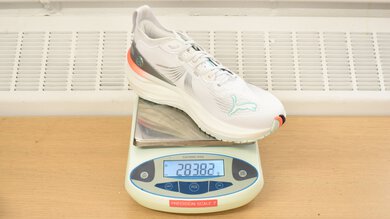
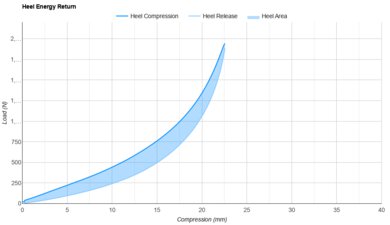 Half/Full Marathon Racing5.95K/10K Racing6.0Long Run6.6Daily Training7.3Energy Return4.8Stability7.9Cushioning6.8Responsiveness5.8True To Size7.0Weight:291.7 g (10.29 oz)Heel Stack Height:37.3 mmHeel-To-Toe Drop:9.9 mmSee all our test resultsPlate:None
For runners who need a bit more support, the PUMA ForeverRUN NITRO 2 is the brand's best running shoe for stability we've tested. It trades the light, bouncy midsole of the PUMA Velocity NITRO 4 for a more secure design with softer foam toward the inside and firmer foam on the outside to discourage your foot from rolling laterally. It also has tall sidewalls and a firm external heel counter that keep your ankle in a neutral position. It's not particularly cushy or bouncy, but it's not meant to be; this shoe is built to keep you steady as you stride, and it does its job well.
For more options of stable running shoes, check out our recommendations for the best stability shoes.
Compared To Other Brands
-
Impressive racing lineup.
PUMA's long history on the race track is evident in the top-caliber super shoes it produces today. While some brands have a single super shoe, PUMA has three distinct road racing shoe lineups, each with a different identity, and each suited to different distances and pace abilities. Even shoes that aren't explicitly designed for racing, like the Deviate NITRO series, have enough racing DNA to handle competitive 5k-10k races.
-
Innovative foam technology.
As PUMA carves out its own lane on the road, the brand has experimented and innovated, and its research and development have paid off in the performance of its midsoles. PUMA was the first brand to use Aliphatic-TPU, a next-generation super foam, and it continues to push forward from the front of the pack. The NITRO branding in most PUMA models refers to the process of injecting nitrogen gas to create advanced foams that are bouncy and lightweight.
-
Narrow fit.
The brand's racing background is also evident in the snug fit of many of its road running shoes. While getting a secure lockdown is vitally important when you're sprinting on the track, it can feel a bit constricting for more casual runs. Runners with wider arches might find PUMA's road running shoes particularly snug, although it must be said that many of PUMA's latest models are more accommodating than previous iterations.
-
PUMAGRIP can feel like overkill.
PUMAGRIP isn't just a reference to the brand's name, but to the Polyurethane modified methacrylates (PUMA) used to make the grippy surfacing on the shoes' outsoles. Some of PUMA's road running models go too far, with PUMAGRIP coverage that is either too thick or misplaced. For some use cases, like running in the snow, this might make sense, but in most road-running conditions, the grip is excessive and can create unwanted ground feel, even in shoes with otherwise good cushioning.
vs adidas
PUMA and adidas were founded by two feuding brothers who fell out in 1948, and there has been an intense rivalry between the brands ever since. In recent years, adidas has marched to the beat of its own drum, sometimes diverging from the rest of the industry (for example, putting carbon-infused rods in its midsoles, while everyone else, including PUMA was putting carbon plates), and sometimes setting the trends that other brands followed. PUMA's is still a relative newcomer to road running, and doesn't yet have as distinct an identity. Both brands' shoes are prone to sizing issues, with PUMA's tending toward the narrow side, but adidas's are a bit more unpredictable from one model to the next.
vs Nike
PUMA and Nike are two iconic shoe brands with roots on the track, but Nike has been making road running shoes for much longer. This shows in the depth of Nike's lineup, which has far more options, with different permutations of foams and midsole technologies. PUMA's lineup is still much simpler, but also more straightforward. While Nike has three different shoes that bear the Plus suffix and two more Premium, PUMA just has one max cushioned shoe. Where Nike's lineup runs the full gamut from glorified walking shoes to high-performance super shoes, PUMA's lineup has fewer filler shoes and is more concentrated on the middle to upper end of the performance spectrum. Both brands' fit is on the narrow side.
vs New Balance
PUMA and New Balance are two brands whose running shoe lineups target different segments of the pack. New Balance has staked its reputation on mass appeal, and its shoes usually have a more accommodating fit and relaxed geometry. PUMA has a stronger focus on performance, as evidenced by its more advanced foams and better racing shoes. For runners with wider feet, however, New Balance offers much better options, as most of its models are available in Wide or even Extra Wide sizes.
PUMA occupies a unique position in the running shoe game, as they still have some of the agility and hunger of an upstart, but the reputation and R&D budget of an established global brand. PUMA doesn't have the most extensive running shoe lineup, but they make some very high-performing shoes, with compelling options in almost every category.
Conclusion
PUMA's running shoe lineup focuses heavily on performance, but it also offers options for more relaxed, comfortable running. If there's a PUMA model you want us to test, you can vote for it to help decide what we buy next. To learn more about each model, check our full list of the best PUMA running shoes in the table below.