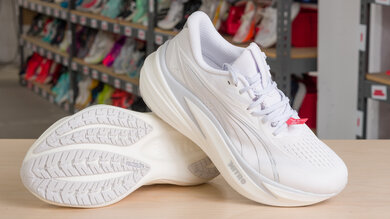
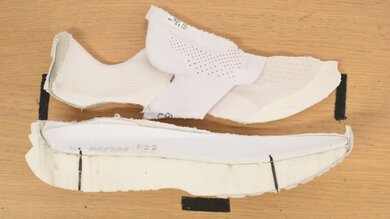
The PUMA MagMax NITRO 2 is a max-cushioned easy day cruiser that focuses on comfort above all else, and packs an extraordinary amount of NITRO foam into a shoe that's significantly lighter than the original PUMA MagMax NITRO. The midsole of the MagMax 2 isn't just tall but also quite wide, wrapping the heel in a foam cradle that helps keep the ride decently stable despite the substantial stack height. The outsole has the brand's trademark PUMAGRIP, but with a different outsole pattern that reduces the ground feel of the original. Even with the decrease in weight since the original MagMax, the second iteration still doesn't feel particularly nimble, and the shoe's geometry, from its minimally beveled heel to its relatively flat outsole, isn't designed with propulsion in mind. But while it won't set furious paces, the MagMax 2 is still a capable road warrior, tackling long runs and base mileage with comfort and ease.
Our Verdict
The PUMA MagMax NITRO 2 isn't a bad choice for a marathon, but it's definitely not going to help run a fast time. The excellent cushioning provides enough support and protection to go the distance, and the wider toe box can accommodate some foot swelling. Nevertheless, the lack of energy return will make the run feel like a slog, and as your legs tire, the shoe's weight will become even more cumbersome.
Balanced cushioning in forefoot and heel.
Very generous stack of foam in midsole.
Very low energy return.
On the heavier side.
The PUMA MagMax NITRO 2 is a poor choice for a 5K or 10K race. While the shoe is more than capable of covering the distance, you'll struggle to hit top speed in the MagMax, as its minimal energy return and considerable bulk make it ill-equipped to sustain faster paces.
Very low energy return.
On the heavier side.
Changelog
-
Updated Jul 29, 2026:
We updated the lineup section of the Popular Running Shoe Comparisons to mention the latest iterations of PUMA models.
- Updated Mar 25, 2026: We've converted this review to Test Bench 0.10, adding a new set of fit tests to the Design section and an overall fit performance usage. Check out the details in our changelog.
- Updated Jan 09, 2026: Review published.
- Updated Jan 05, 2026: Early access published.
- Updated Dec 10, 2025: Our testers have started testing this product.
- Updated Dec 03, 2025: The product has arrived in our lab, and our testers will start evaluating it soon.
- Updated Dec 01, 2025: We've purchased the product and are waiting for it to arrive in our lab.

We've bought and tested more than 300 running shoes. Every pair purchased with our own money, never supplied or sponsored by brands. Our data-driven tests are designed to go beyond marketing claims, and since every shoe goes through the exact same methodology, you can directly compare results to find the right pair for your needs.
Test Results
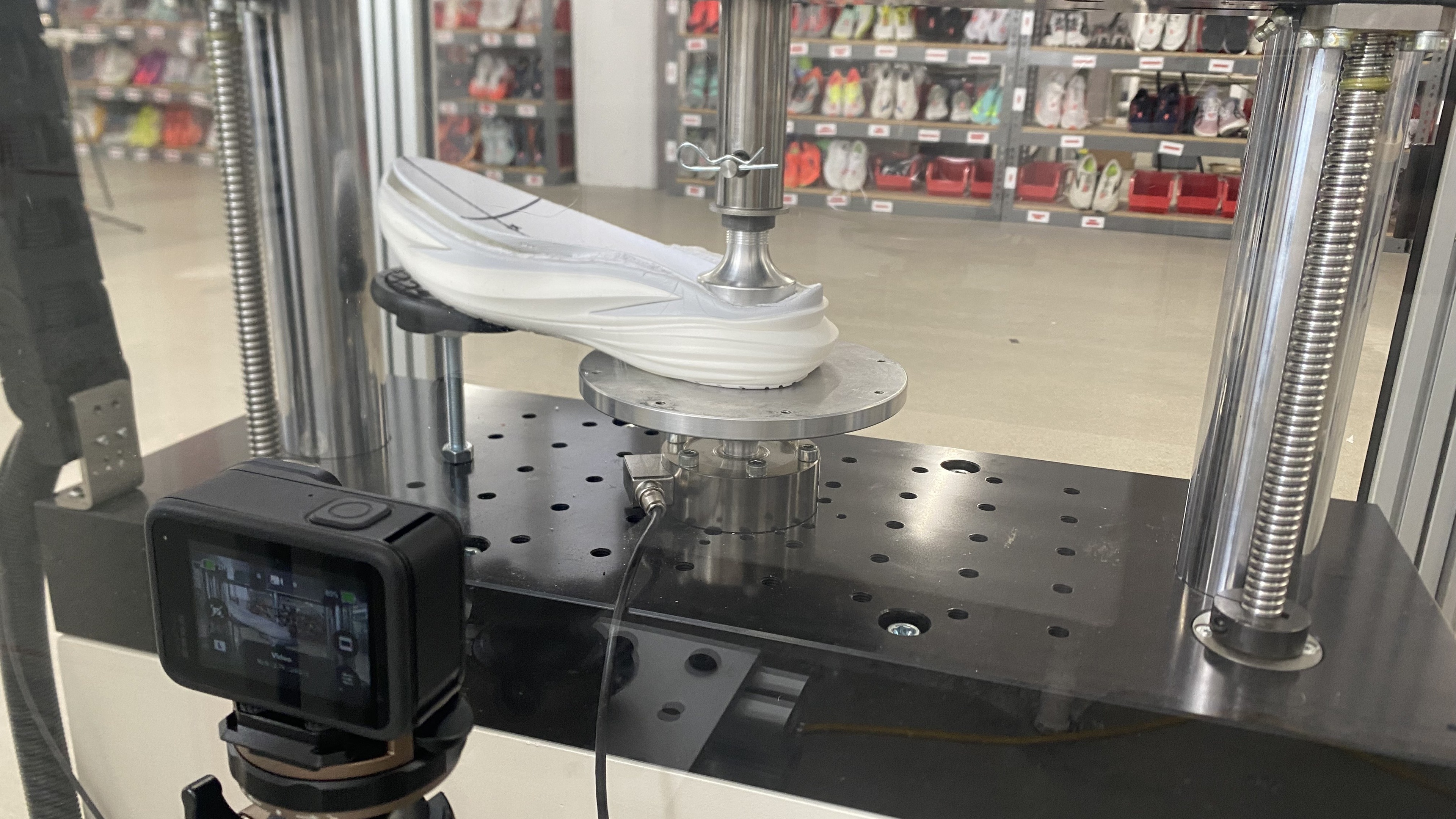
Energy Return
The PUMA MagMax NITRO 2 has very poor energy return. This is a shoe designed for easy recovery runs, and the lack of spring in the NITRO foam almost seems tuned to ensure that you don't get too carried away with the pace.
Very low energy return.
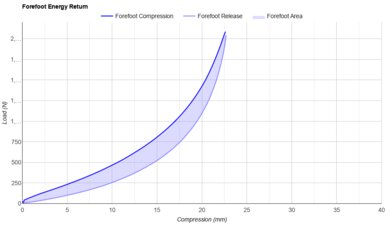
The forefoot is similarly bad at returning energy. Although this shoe is certainly not built for speed, it still lags behind other comfort cruisers like the Brooks Glycerin Max 2 and the ASICS GLIDERIDE MAX 2.
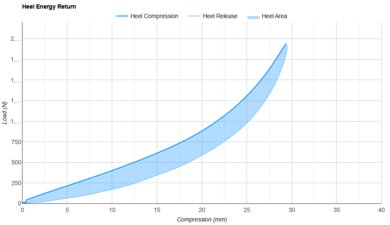
The PUMA MagMax NITRO 2's heel has abysmal energy return. It doesn't feel like a total energy sink, but it also isn't bouncy. Compared to the original PUMA MagMax NITRO, the second version returns energy much less efficiently, although the lower weight of the shoe does help to compensate for this.
Cushioning
The PUMA MagMax NITRO 2 has an amazing amount of cushioning in both the heel and forefoot. The thick, chunky midsole can absorb a lot of impact regardless of a runner's weight or pace, but it doesn't feel squishy soft. Instead, the NITRO midsole provides good support without any sink-in feeling.
Balanced cushioning in forefoot and heel.
Very generous stack of foam in midsole.
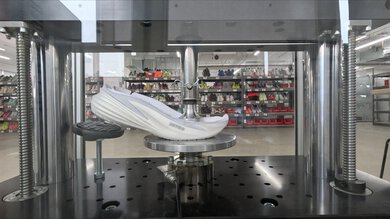
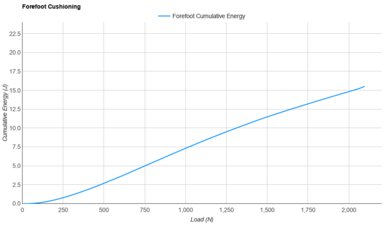
The PUMA MagMax NITRO 2's forefoot also has excellent impact absorption, and our forefoot striking testers loved the feeling of landing on so much cushioning. At higher force levels, it doesn't absorb impact as well as the Brooks Glycerin Max 2, but at low cruising speeds, the MagMax 2 is slightly more protective.
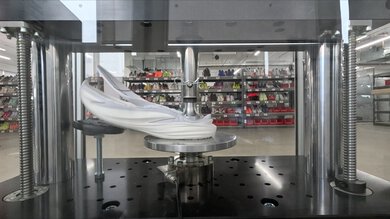
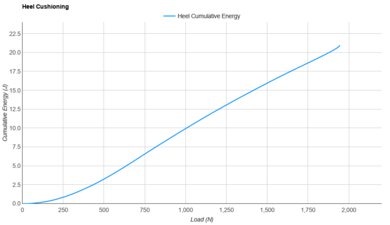
Cushioning is what the PUMA MagMax NITRO 2 does best, and this is most evident in the heel. It becomes progressively more absorbent as more force is applied, once again outclassing the Brooks Glycerin Max 2 and the ASICS GLIDERIDE MAX 2. The MagMax 2 is a great shoe for heavy heel-strikers.
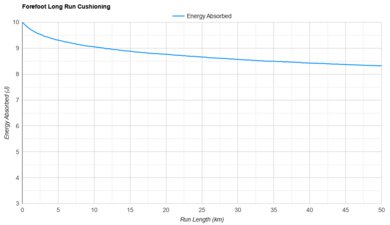
The cushioning in the forefoot of the PUMA MagMax NITRO 2 holds up well over long distances, although there is a significant drop-off in protection after the first 10K, much more pronounced than in the original PUMA MagMax NITRO. Nevertheless, because the midsole is so deeply cushioned, it still remains more absorbent after this drop-off than max-stacked shoes like the Mizuno Neo Vista 2 or ASICS GLIDERIDE MAX 2.
Lateral Stability
The PUMA MagMax NITRO 2 has decent lateral stability. Like most max-cushioned shoes, it compensates for its tall stack height with a very wide base. Nevertheless, the NITRO foam is on the softer side, which means that the foundation of the shoe is broad, but not very firm. At lower speeds, this shouldn't be a problem, but quick turns could feel less than secure.
Wide outsole base.
Lack of firmness in midsole can make cornering unstable.
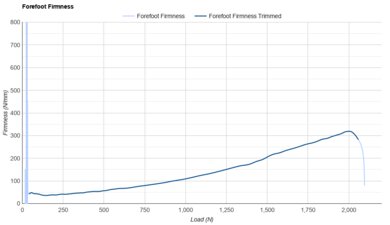
The PUMA MagMax NITRO 2's forefoot is noticeably firmer than the heel, allowing for reasonably stable push-offs from the toe. It's firmer than max-stacked trainers like the HOKA Skyward X and Nike Vomero Premium, but nowhere near as firm as a daily trainer like the PUMA Magnify NITRO 3 or PUMA Velocity NITRO 4.
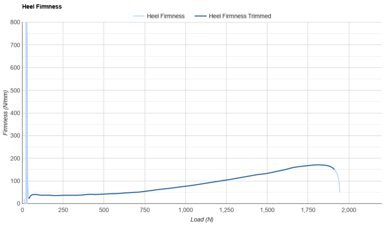
The PUMA MagMax NITRO 2 isn't a very firm shoe, and the heel in particular is quite soft. This can make the platform feel less than stable, although the shoe's very wide base somewhat mitigates this.
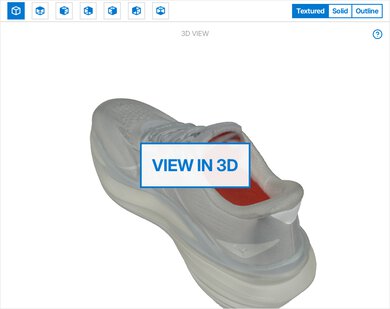
This shoe still has the brand's famous PUMAGRIP, but with a different outsole pattern than the original PUMA MagMax NITRO. The second version still has some ground feel, but without undermining the cushioning.
True To Size
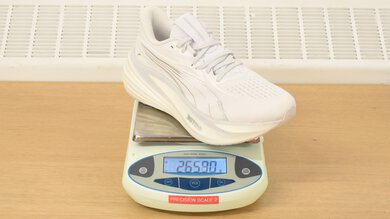
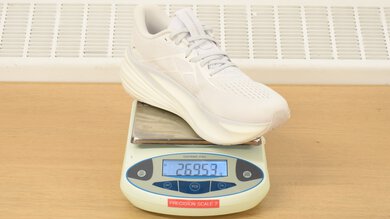
The PUMA MagMax NITRO 2 tips the scales at 24 g lighter than its predecessor, the original PUMA MagMax NITRO. It's still not a particularly light or agile shoe, but the reduced weight helps compensate for the less energetic midsole.
Popular Running Shoe Comparisons
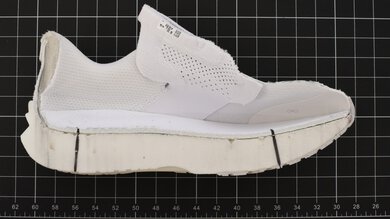
The PUMA MagMax NITRO 2 stands its ground as a max-cushioned cruiser, and it's an illustration of both the rapidly shifting definition of "maximalist" in running shoes, as well as PUMA's evolving approach to the road running scene to which it's still a relative newcomer. We'll start with its maximalist aspects: although this shoe's 45 mm stack height would've seemed enormous only a few years prior, it's a small fry compared to the current 50+ mm behemoths like the Nike Vomero Premium or the Mizuno Neo Vista 2. Even some plated super-trainers like the ASICS SONICBLAST or the HOKA Mach X 3 sit higher off the ground. The MagMax 2 still undoubtedly sits in the Max-cushioned category, but at the lower end of that category, and is most comparable to slightly taller comfort cruisers like the Brooks Glycerin Max 2.
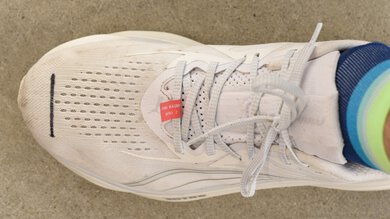
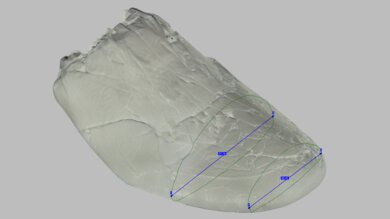
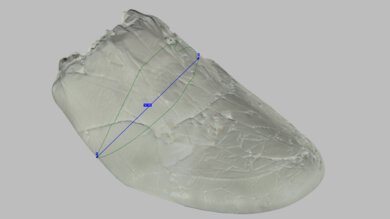
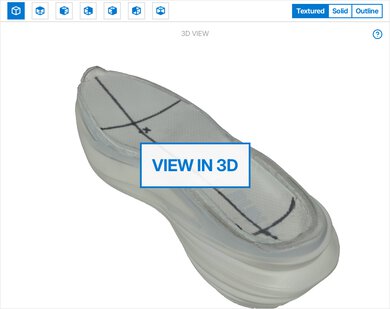
The MagMax NITRO 2 also shows PUMA's ongoing adaptation to road running; given its long history of making track spikes, the brand's shoes generally fit much narrower than other brands, but PUMA has widened the MagMax 2's footbed considerably, most notably in the toe box. Compared to the PUMA Magnify NITRO 3 (the brand's modern daily trainer) and the PUMA Velocity NITRO 5 (a classic daily trainer), the MagMax 2 is wider and roomier all the way from the heel through the forefoot.
For more options, check out our recommendations for the best running shoes, as well as the best long-distance running shoes, and the best shoes for running a marathon.
The PUMA MagMax NITRO 2 and the Nike Vomero Plus are two big and tall maximalist trainers with excellent cushioning, but the similarities end there. The Nike shoe is a much livelier, more versatile model that's miles ahead of the PUMA in terms of energy return. The Nike is a fun, bouncy trainer that can handle everyday mileage, progression runs, or even some strides. The PUMA, on the other hand, seems much more specifically tailored to slow, easy runs. Its midsole doesn't put the same spring in your step, but its cushioning holds up better over long distances, and it's a touch more stable, thanks to its broader platform and fully gusseted tongue.
The PUMA MagMax NITRO has been succeeded by the PUMA MagMax NITRO 2, and the second version is neither the same old shoe nor a clear upgrade. The MagMax 2 weighs significantly less than the original, despite maintaining essentially the same stack height and dimensions. It also has a slightly reworked toe box that allows a bit more toe splay than the original MagMax, and a different outsole grip pattern that maintains the characteristic groundfeel of PUMAGRIP, but has less of a dampening effect on the cushioning. But for all these changes, the second version doesn't necessarily feel more nimble than the first MagMax, as the NITRO foam in the midsole is less bouncy. Both shoes share the same broad platform that ensures decent stability, even with all that cushioning.
The Kiprun Kipride Max and PUMA MagMax NITRO 2 are both cushioned shoes with midsoles that absorb a similar amount of energy. That said, the Kiprun is the more stable option and gives a stronger sense of bounce, even if it still stays fairly controlled rather than wildly energetic. Meanwhile, the PUMA delivers a similarly protective ride, but with a less planted feel and a more straightforward max-cushion character. The MagMax is also a little bit lighter than the Kiprun, despite its higher stack.
The PUMA MagMax NITRO 2 and the Mizuno Neo Vista 2 are two max-cushioned running shoes that offer dramatically different cruising experiences. The Mizuno shoe sits 5 mm higher and uses a plastic plate to stabilize the mammoth stack of foam. The ride of the Neo Vista 2 is very bouncy but can start to feel wobbly if you try to pick up the pace. The MagMax 2 doesn't have a plate, but instead stabilizes the tall stack with a much wider platform that adds that extra bit of security when landing. Both are best suited to easy paces, although both have enough cushioning to comfortably get through long runs.
The Salomon Aero Glide 4 and PUMA MagMax NITRO 2 are both max-cushion trainers built for easy miles and long runs, but they achieve that role differently. The Aero Glide 4 feels bouncier and more energetic, with a ride that encourages a bit more rhythm and flow despite its high stack. The MagMax NITRO 2 leans further into pure cushioning, delivering a more substantial and deeply protective feel, especially over longer distances. The Salomon is also lighter and feels less cumbersome when picking up the pace, while the PUMA prioritizes comfort and impact absorption above all else.
Differences Between Sizes And Variants
We bought and tested the PUMA MagMax NITRO 2 in men's US size 9, as indicated on the label for our pair. The colorway shown here is PUMA White-Silver Mist, and the shoe is available in several other colorways, depending on your region. Wide versions aren't available for this model. The design section applies only to the exact pair we tested, but we expect other sizes to perform similarly.
