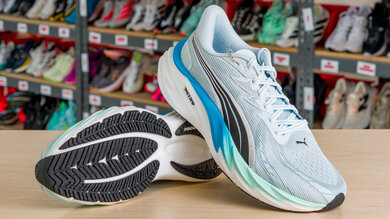
The PUMA Velocity NITRO 4 is a classic daily trainer that brings PUMA's modern NITROFOAM (made of Aliphatic TPU) to a moderately stacked, high-drop traditional platform. It targets runners who want a trainer that feels bouncy and lightweight for everyday sessions, without stepping into a max-cushioned or plated shoe. A full slab of A-TPU compound in the midsole and generous PUMAGRIP rubber in the outsole combine for a ride that feels soft and protective in the heel yet a bit firmer and more responsive up front. Meanwhile, the upper and gusset add padding and structure but keep the fit on the narrower side.
Our Verdict
The PUMA Velocity NITRO 4 can get you through a marathon if you like a more traditional, low-to-the-ground feel, but it's not nearly as forgiving and efficient as modern super shoes. That's because the forefoot stack is quite low and less cushioned than many marathon-focused models, so runners, especially mid and forefoot strikers, will feel more harshness over long distances. Additionally, although it's relatively lightweight, it still falls short of achieving the ultralight weight of true super shoes, which can compromise your running economy. On the other hand, it does offer good energy return, a moderately tall heel, and solid lateral stability, so most runners can expect an acceptable performance early on.
Lightweight construction for a daily trainer.
Very good forefoot energy return.
Stable platform with firm forefoot and broad base helps you feel secure.
Forefoot cushioning is lacking a bit.
Unplated design.
Stack height isn't the highest.
The PUMA Velocity NITRO 4 can be a decent choice for short-distance races, where its firm, responsive forefoot and modest stack height give it an agile, grounded ride. The especially firm forefoot combines well with good energy return upfront and a relatively light build, which makes it easy to turn over at 5K and 10K paces. It lacks the explosive snap of plated racing shoes, and it doesn't compensate for that with an especially aggressive rocker. Still, it remains a satisfactory option if you prefer a nimble, old-school feel for your races.
Lightweight construction for a daily trainer.
Very good forefoot energy return.
Grounded, traditional ride with modest stack allows for more road feel and control.
Unplated design.
Changelog
- Updated Sep 15, 2026: We've converted this review to Test Bench 0.12, which fixes how we measure firmness, a component of the Stability and 5K/10K Racing usages. There may be inconsistencies between the text and the scores for these usages, but the scores should still be considered valid. We've also brought back the Energy Return score and added two new usages: Daily Training and Long Run. To read more about the changes, see the changelog.
- Updated Sep 11, 2026: We've converted this review to Test Bench 0.11, adding two new rocker measurements to the Design section, and three new responsiveness tests to the Performance section. The Energy Return usage score has been replaced with Responsiveness. Check out the details in our changelog.
- Updated Jun 17, 2026: We've converted this review to Test Bench 0.10, adding a new set of fit tests to the Design section and an overall fit performance usage. Check out the details in our changelog.
-
Updated Mar 17, 2026:
We updated the Popular Running Shoe Comparisons section to mention the PUMA Deviate NITRO 4.
-
Updated Jan 09, 2026:
We updated the Popular Comparisons section to include a reference to the recently reviewed PUMA MagMax NITRO 2.
- Updated Dec 02, 2025: Review published.
- Updated Nov 26, 2025: Early access published.
- Updated Aug 14, 2025: Our testers have started testing this product.
- Updated Jul 21, 2025: The product has arrived in our lab, and our testers will start evaluating it soon.
- Updated Jul 15, 2025: We've purchased the product and are waiting for it to arrive in our lab.

We've bought and tested more than 250 running shoes. Every pair purchased with our own money, never supplied or sponsored by brands. Our data-driven tests are designed to go beyond marketing claims, and since every shoe goes through the exact same methodology, you can directly compare results to find the right pair for your needs.
Test Results
Energy Return

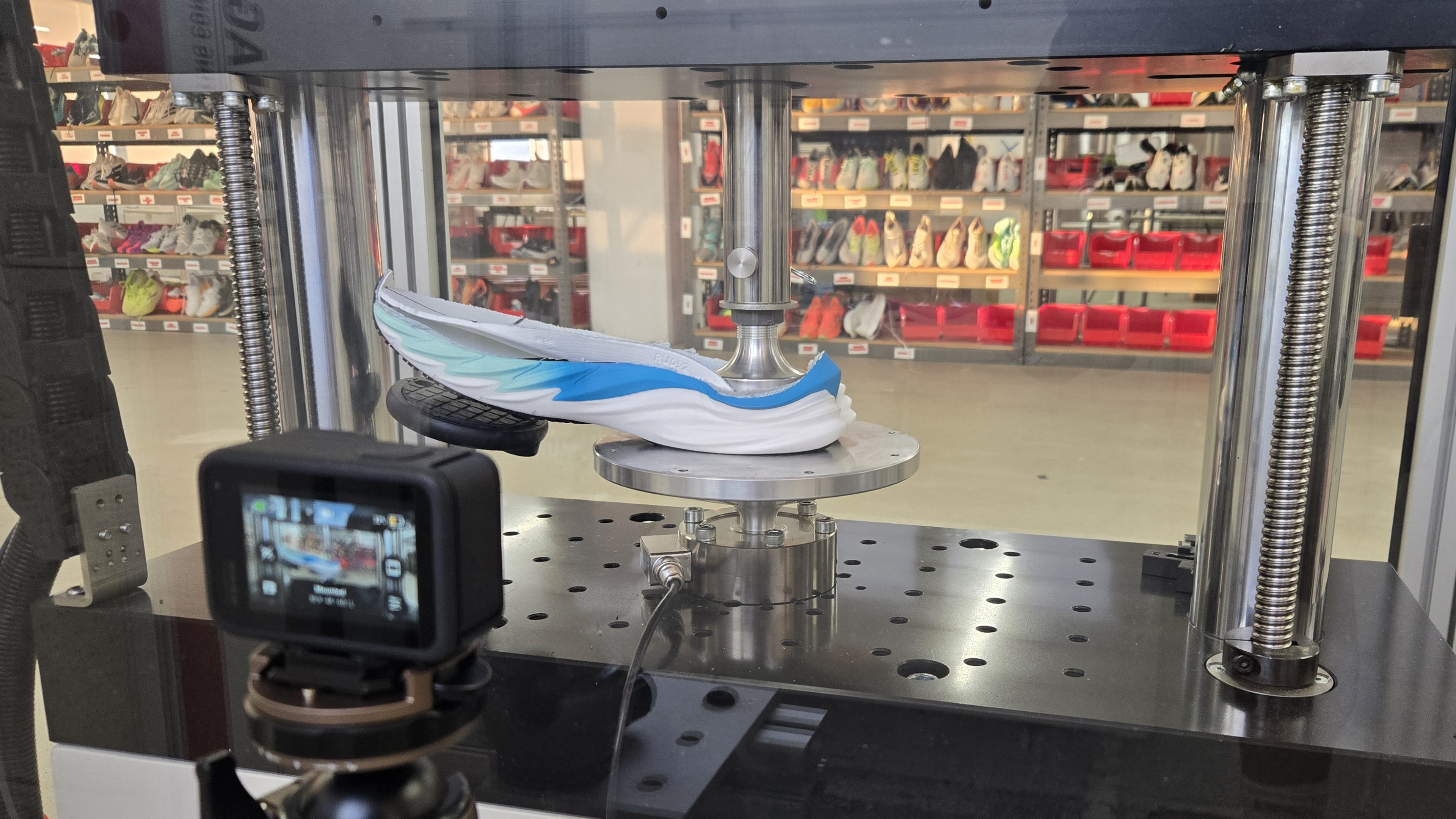
The forefoot is the most responsive part of the PUMA Velocity NITRO 4. The A-TPU-based NITROFOAM here delivers strong energy return, with more rebound up front than at the heel. When you load the forefoot during strides or tempo runs, the shoe feels noticeably bouncy, helping you roll through toe-off more easily.
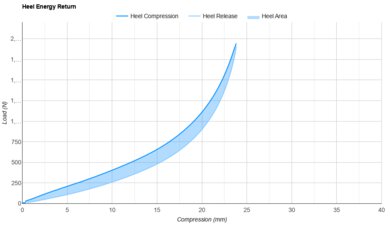
The heel of the PUMA Velocity NITRO 4 shows decent energy return for a daily trainer. The NITROFOAM compresses and rebounds efficiently, giving heel strikers a noticeable bounce without feeling overly springy. It does not reach the explosive rebound of super shoes with softer, more specialized race foams, yet it still feels livelier than many conventional EVA-based trainers when landing toward the rear of the shoe.
Stability
The PUMA Velocity NITRO 4 is a stable shoe, thanks to its firm forefoot, moderately stacked geometry, and relatively broad base. Those factors help the shoe feel planted when cornering or running on tired legs. The outsole at the forefoot is slightly narrower, and the heel is quite soft; however, overall lateral stability is sufficient for most runners who prefer a secure feel.
Stable platform with firm forefoot and broad base helps you feel secure.
Grounded, traditional ride with modest stack allows for more road feel and control.

The heel of this shoe has a nice balance between softness and firmness. The foam is soft enough to feel forgiving on landing, but not so mushy that it destabilizes the ride. Runners who prefer very soft heels may find it a bit firmer than ideal, while those who dislike overly squishy shoes will likely appreciate the controlled feel.

The forefoot of the PUMA Velocity NITRO 4 is very firm, with high firmness scores across all loads. On the run, this translates into a stable, snappy toe-off that works well for strides and uptempo efforts, since the foam does not collapse excessively under high forces. The downside is that the front of the shoe can feel harsh, especially for pure forefoot strikers.
Cushioning
The PUMA Velocity NITRO 4 offers adequate overall cushioning for a low-stack daily trainer, with a taller heel that can protect you from easy runs and shorter outings decently well. However, the forefoot is noticeably thinner and less protective than the heel, so you feel more of the road up front, especially as the distance piles up over more than 10km. Cushioning is therefore best suited to lighter runners and heel strikers rather than those who want maximum underfoot protection.
Decent heel protection.
Forefoot cushioning is lacking a bit.
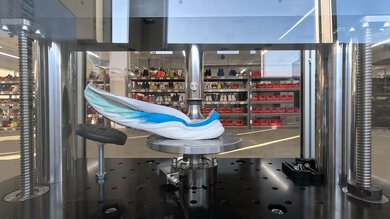

Heel cushioning is decent for a moderately stacked daily trainer. At lighter and moderate impact forces, the heel absorbs shock very well, providing good protection for slower and/or lighter runners. At very high forces, however, the score drops, so heavier runners or those hammering the ground a lot will feel less protected as they push the foam toward its limits.
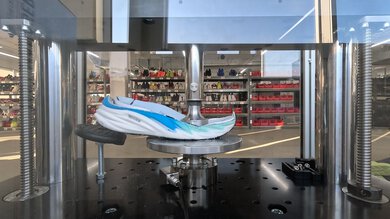

The forefoot offers mediocre cushioning overall. At low and moderate forces, it absorbs impact reasonably well, so lighter runners or those who run at slower paces will still feel protected. As the load increases, the foam can bottom out, which means you will feel more harshness from the ground when running faster or if you are heavier and land hard on the forefoot.
Responsiveness
The PUMA Velocity NITRO 4 delivers good energy return for a daily trainer, particularly from the forefoot. The NITROFOAM rebounds more than the heel, so the shoe feels liveliest when you lean forward and load the forefoot during strides or tempo efforts. The heel still offers some mild bounce, so overall the ride is more energetic and bouncy than many similar daily trainers, but doesn't feel super springy either.
Very good forefoot energy return.
The heel isn't nearly as bouncy as the forefoot.


True To Size
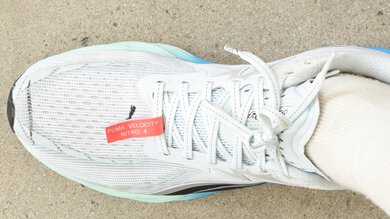
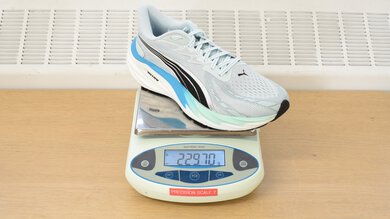
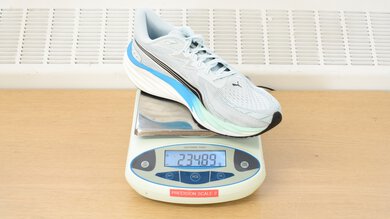
The PUMA Velocity NITRO 4 is very light for a classic daily trainer. It comes in lighter than many other shoes in its category, such as the Nike Pegasus 41 and ASICS GEL-CUMULUS 27, and even undercuts some models marketed as lightweight trainers, like the HOKA Mach 6 or Altra Escalante. However, it is still slightly heavier than true featherweight trainers, such as the Brooks Hyperion 2.
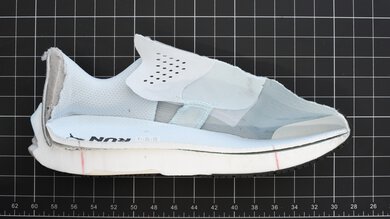
This shoe has a relatively tall heel and a noticeably thinner forefoot, resulting in a traditional 10 mm drop that is high by today's shoe standards. This can help with smooth heel-to-toe transitions, but the low forefoot stack also means you get less underfoot protection in this area.
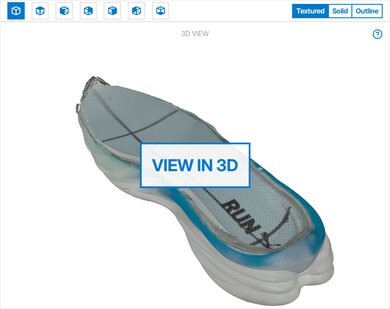
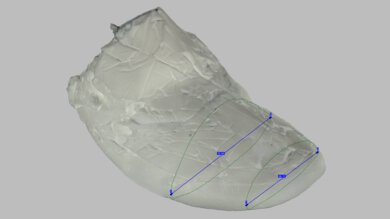
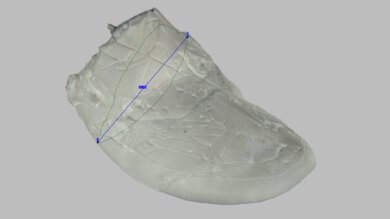
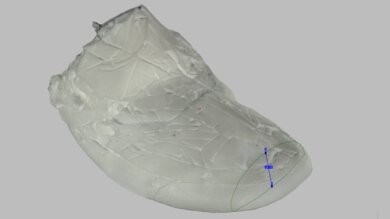
Internally, the PUMA Velocity NITRO 4 is on the narrow side. As is typical for PUMA shoes, the toe box, midfoot, and heel all feel slim, and the elastic tongue gusset wraps tightly around the foot, which can enhance lockdown but also creates a somewhat constricting fit, especially over the arch.

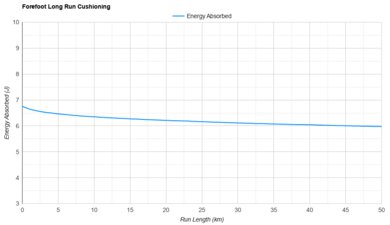
Over longer distances, the forefoot loses cushioning relatively quickly. Energy absorption drops between 0 and 20km (around 13 miles) noticeably and continues to decline gradually thereafter. This means the foam does not maintain its initial performance over long efforts, resulting in a less and less forgiving experience as the miles add up.
Popular Running Shoe Comparisons
The PUMA Velocity NITRO 4 is a classic daily trainer that's much lighter and performance-oriented than most shoes in its category. It feels noticeably more energetic and agile than classic legacy daily trainers, such as the Nike Pegasus 41, ASICS GEL-CUMULUS 27, or Brooks Ghost 17, which tend to evolve very slowly with each iteration. That's mostly due to the midsole material, an A-TPU compound. It's a quite premium, low-density foam that you don't usually see in traditional daily trainers, and it's a notable shift from the PUMA Velocity NITRO 3, which still uses a lower-quality carrier foam in part of its midsole. The result is an agile, refreshing option if you're not a fan of extreme stack heights and want something even lighter than models like the HOKA Mach 6. The PUMAGRIP outsole delivers exceptional traction, which stands out against what other brands offer in that department. However, the narrow, constricting fit will be a deal-breaker for some; if you have wider feet, a shoe like the New Balance FuelCell Rebel v5 is a safer bet.
Within PUMA's lineup, the Velocity NITRO 4 is the brand's classic daily trainer, suitable for most daily runs, offering some pace versatility. The PUMA Liberate NITRO 2 sits as the true lightweight daily trainer of the brand, lower to the ground and even more minimal. The PUMA Magnify NITRO 3 serves as a modern daily trainer, boasting a slightly elevated stack that feels more energetic. In contrast, the PUMA MagMax NITRO 2 is a max-cushioned option that is specifically designed for easy mileage. Meanwhile, the PUMA Deviate NITRO 4 serves as the lineup's carbon-plated super trainer that can be used for harder interval sessions.
If you're looking for more shoes to add to your rotation, check out our recommendations for the best running shoes, the best long-distance running shoes, and the best shoes for running a marathon.
The PUMA Magnify NITRO 3 and PUMA Velocity NITRO 3 are both daily trainers, but they serve slightly different purposes. The Velocity NITRO 4 is the more classic daily trainer: lighter, lower to the ground, and more traditional in geometry, so it feels nimble and quite grounded, which favors quick turnover. The Magnify NITRO 3, by contrast, leans into comfort and fun with a higher stack and a midsole that feels a bit more energetic, especially in the heel. It offers more cushioning overall, holds onto that protection better as the distance increases, and comes across as softer underfoot for longer runs. That said, both shoes share some fit drawbacks: they have a fairly constricting, narrow toebox and a snug, almost elastic wrap through the arch that won't suit wide feet, though they do redeem themselves with excellent grip from their PUMAGRIP outsoles.
The PUMA Velocity NITRO 4 and PUMA Velocity NITRO 3 share the same family name, but they feel like two very different shoes on foot. The Velocity NITRO 4 is significantly lighter and built on a full slab of modern A-TPU foam, which provides a more energetic and bouncy ride with improved cushioning, especially for heel strikers. The Velocity NITRO 3 uses a dual-density setup with NITRO over an EVA carrier, and that EVA layer makes it feel slightly duller, less cushioned, and much less lively underfoot. In practice, the midsole change is the main reason the Velocity NITRO 4 feels so refreshing and competitive in today's market, whereas the Velocity NITRO 3 comes across as a more traditional, slightly duller trainer. Both shoes offer similar overall stability, but if you want a daily trainer that actually feels agile and fun, the Velocity NITRO 4 is a clear upgrade.
The PUMA Velocity Nitro 4 and PUMA Deviate Nitro 3 serve different roles in the German brand's lineup. The Velocity Nitro 4 is an unplated daily trainer: light and built on a lower and more traditional platform. It actually uses the more energetic midsole compound of the two, giving it a lively rebound. The Deviate Nitro 3, by contrast, is a full carbon-plated super trainer with a higher stack and more structure, which also unfortunately makes it noticeably heavier. Ride-wise, both shoes end up offering similar overall cushioning underfoot, but the plate and geometry give the Deviate a more performance-oriented feel suited for workouts and long uptempo runs, while the Velocity remains the better choice for relaxed daily mileage, easy days, and runners who prefer a more pliable ride without the rigidity of a plate.
The PUMA Velocity NITRO 4 and HOKA Mach 6 are both daily trainers in a similar weight class, but they feel quite different on foot. The Velocity NITRO 4 uses a higher-drop and a very energetic midsole that feels lively and responsive while keeping you more grounded due to its lower forefoot stack. The Mach 6, with its lower drop and higher forefoot stack, comes across as more cushioned overall, especially up front, and a bit softer underfoot, giving it a slightly plusher, more protective feel for longer efforts. The HOKA also retains its cushioning abilities longer than the PUMA, which tends to bottom out quicker during long runs.
The PUMA Velocity NITRO 5 is a modest update to the PUMA Velocity NITRO 4. Both use the same midsole compound and deliver a very similar overall ride, but the fifth version adds a firmer heel and a much wider forefoot platform, making it more stable at the cost of a little extra weight. These changes don't fundamentally alter the shoe, so get whichever version is cheaper.
The adidas Adizero Evo SL and PUMA Velocity NITRO 4 are both fun, bouncy trainers, but they land in different parts of a rotation. The PUMA is a classic daily trainer done right, feeling lightweight and lively for everyday miles with a moderate stack that keeps some ground feel and makes the ride feel engaging. The adidas is the more uptempo-leaning option, sitting even lighter on foot with higher energy return and more cushioning for faster, steady runs and workouts, even without a full plate. The PUMA feels more stable and planted, which makes it easier to trust at relaxed paces, while the adidas can feel a bit harsh when you're strictly cruising in recovery mode.
The PUMA Velocity NITRO 4 is not to be confused with the Under Armour Velociti Elite 3, despite their similar names. Puma's Velocity with a 'Y' is a lightweight daily trainer that has the high heel-to-toe drop and stable platform of a classic daily trainer, but with more bounce. Under Armour's Velociti with an 'I' is a low-drop racing shoe that has a carbon plate in a stiff, but energetic midsole.
The Brooks Glycerin Flex and PUMA Velocity NITRO 4 both push back against the ultra-plush, ultra-rockered trend, but they do it in very different ways. The PUMA takes the simpler route, keeping the platform relatively flat and straightforward, yet it still feels lively and well executed, balancing light weight, stability, and a fun bounce without relying on dramatic geometry. The Brooks goes after the same natural goal by using a decoupled construction with flex grooves and segmented forefoot pods that let the shoe bend and articulate more freely. As a result, even though the Brooks has more rocker built into its shape than the PUMA, that rocker effectively disappears underfoot because the platform flexes so easily. In practice, the PUMA achieves a similar smooth, non-rockered feel with fewer moving parts, while also coming in lighter and feeling bouncier.
The PUMA Velocity NITRO 4 and R.A.D SYNTH are two daily trainers with similar low weight and heel stack, but they have a few key differences. The PUMA has a lower forefoot stack and higher drop, which gives it more ground feel and a more traditional daily trainer geometry, while its foam feels more energetic and lively underfoot. The R.A.D has a more protective midsole feel, especially through the front of the shoe, giving it a bit more cushioning when the run stretches out.
Differences Between Sizes And Variants
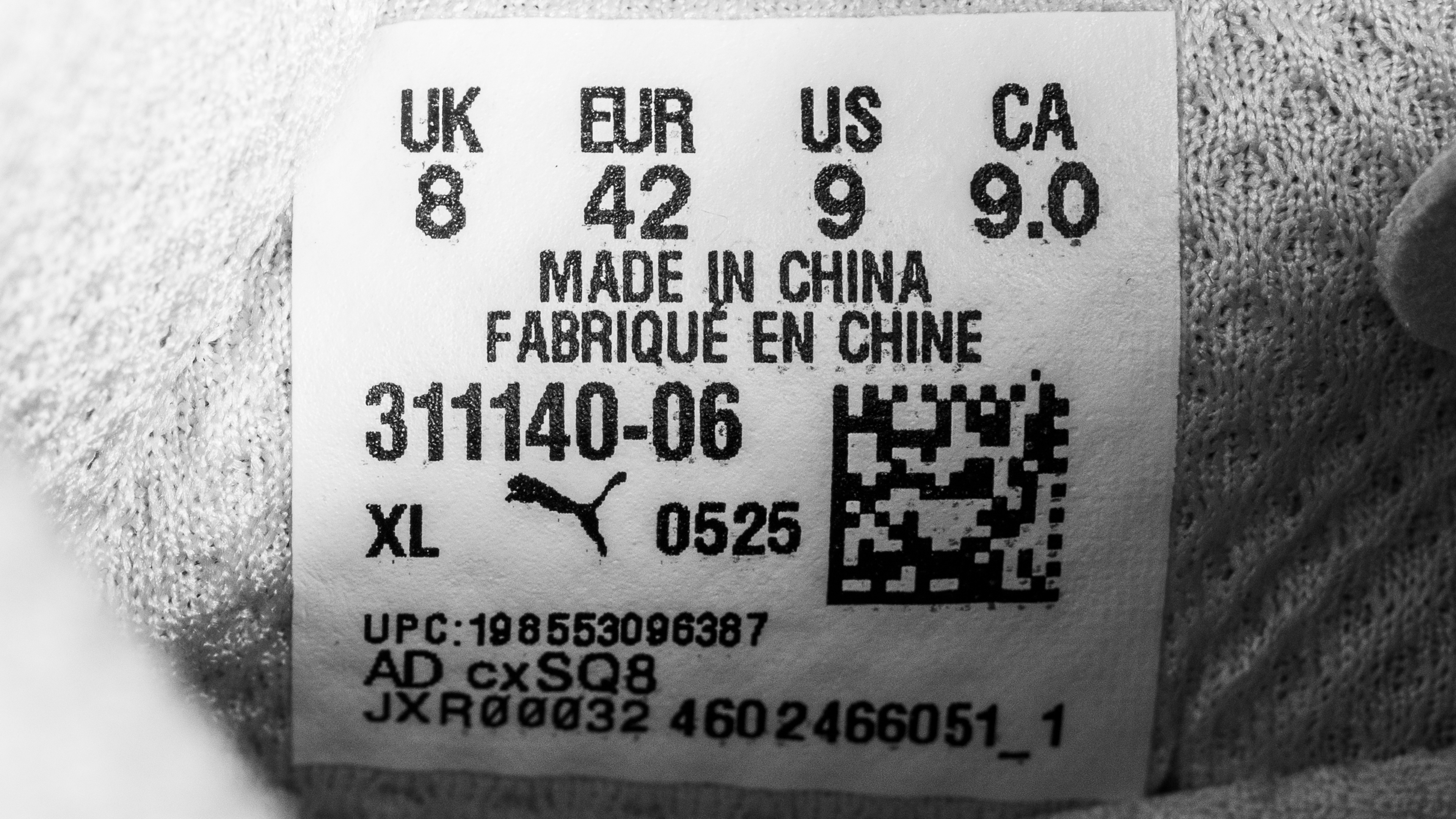
We bought and tested the PUMA Velocity NITRO 4 in men's US size 9, as noted on the label for our pair. Our pair is the Sea Glass-Speed Blue colorway, but you can also find the shoe in other options like PUMA Black-PUMA Silver, PUMA White-PUMA Black, PUMA White-Speed Blue, PUMA Black, Heat Fire-PUMA Black, Speed Blue-Gold Moon, and Green Terrain-Heat Fire. There is also a HYROX special edition with a unique color and print, aimed at people whose idea of fun is paying to do burpees shirtless in convention centers. They also come in a dedicated wide version available in the PUMA Black colorway (depending on your region). The design section applies only to the exact model we tested, but we expect other sizes and gender variants to perform similarly.